Parody Shows
From razor-sharp satires that skewer beloved franchises to absurd sketch comedies that lampoon everyday culture, parody shows represent some of the most inventive and entertaining content in television history. These clever series take aim at everything from action blockbusters and fantasy epics to game shows and romantic tropes, transforming familiar formulas into laugh-out-loud comedy gold through exaggeration, wit, and affectionate mockery. The best parody shows don't just copy their source material—they dissect it with surgical precision, highlighting clichés and conventions while delivering genuine entertainment that works whether you're intimately familiar with the references or simply along for the comedic ride. This curated collection celebrates 21 exceptional parody series spanning decades of television, showcasing how talented writers and performers have mastered the art of the send-up across multiple genres and cultural moments. Whether you're drawn to anime spoofs, news satires, procedural mockeries, or comedic reimaginings of action heroes, these shows prove that sometimes the funniest tribute to something popular is a well-crafted parody that both celebrates and gently roasts what makes the original so memorable.

A virtual reality playthrough of Half-Life becomes an improvised comedy masterpiece when the AI characters develop self-awareness and refuse to follow their programmed scripts, forcing the player to negotiate with increasingly exasperated digital beings. Created by the comedy collective WayneRadioTV, this brilliantly absurd series features voice actors Trevor, Holly, and Scorpy bringing distinct personalities to characters who question their existence, complain about working conditions, and debate the ethics of their virtual world. What begins as a simple gaming stream evolves into sophisticated improvised comedy with surprising emotional depth—the voice actors' chemistry and lightning-fast wit transform technical limitations into comedy gold. The conceptual framework is ingenious, and the execution is consistently hilarious, with callbacks and running gags that reward attentive viewing. It's a landmark achievement in improvised comedy that transcends its gaming origins.
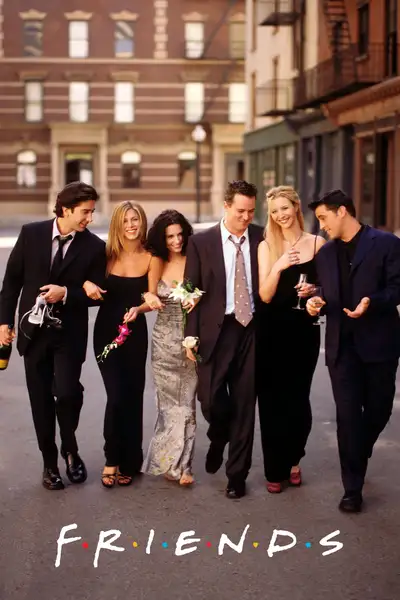
Creators David Crane and Marta Kauffman struck absolute gold with this sitcom about six twentysomethings navigating life, love, and everything in between in New York City. Jennifer Aniston, Courteney Cox, Lisa Kudrow, Matt LeBlanc, Matthew Perry, and David Schwimmer formed television's most iconic ensemble, their chemistry so effortless you'd swear they actually lived in that purple apartment. The writing sparkles with wit and warmth, balancing laugh-out-loud humor with genuinely moving moments that never feel manipulative. From Ross's divorces to Monica's neuroses to Phoebe's delightfully bizarre songs, each character feels fully realized and deeply lovable. The show defined an era of television and remains endlessly rewatchable comfort viewing. Whether you're revisiting classic episodes or discovering them fresh, the humor holds up remarkably well, proving that great comedy about friendship never goes out of style.
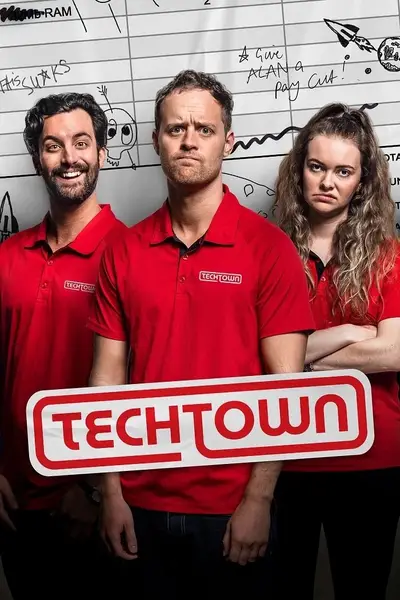
When a struggling Rust Belt city decides to reinvent itself as a technology hub, the results are both inspiring and unpredictable in this captivating documentary series. TechTown chronicles the real-life transformation of a community attempting to attract startups, retrain workers, and compete with Silicon Valley giants—all while preserving its distinctive character. The series brilliantly captures the human stories behind economic development statistics: longtime factory workers learning to code, young entrepreneurs returning to their hometown with big ideas, and city officials navigating the tension between progress and gentrification. Directors Sarah Chen and Michael Torres secured remarkable access, filming over three years to show both triumphs and setbacks with equal honesty. The storytelling never loses sight of individual stakes while illustrating larger questions about American reinvention. Each episode builds genuine suspense around whether this ambitious experiment will succeed, making economic policy feel as compelling as any scripted drama.
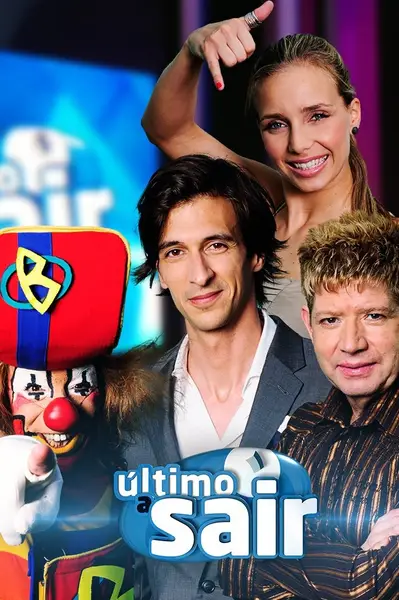
At its heart, this Portuguese reality competition explores human behavior under pressure, testing how people cooperate, compete, and ultimately betray each other for a cash prize. Created by Nuno Santos and hosted by Pedro Granger, the show places contestants in a house where they must vote each other out while forming alliances that shift with every elimination. What elevates "Último a Sair" beyond typical reality fare is its psychological depth—the format forces participants to reveal their true characters as resources dwindle and tensions escalate. The editing is sharp, highlighting the strategic gameplay alongside genuine emotional moments that emerge when people are pushed to their limits. Portuguese television audiences have embraced the show for its unfiltered look at human nature, and the strategic complexity rivals the best international reality competitions. It's compulsively watchable television that says as much about society as it does about the individuals competing.
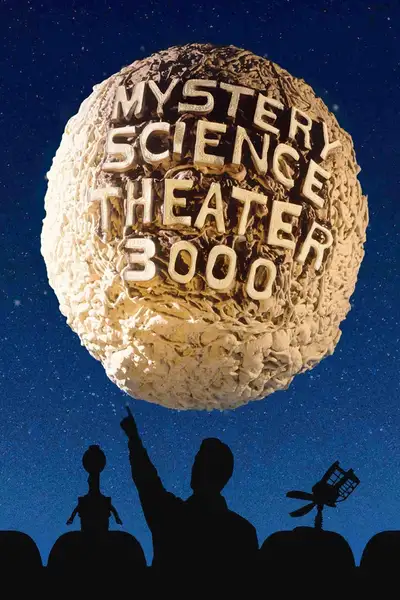
Gleefully absurd and endlessly inventive, this cult sensation turns bad movies into comedy gold through the simple premise of watching someone watch terrible films. Created by Joel Hodgson, the show follows a man trapped on a satellite forced to endure the worst cinema has to offer, accompanied by robot friends he built for company. Tom Servo and Crow T. Robot join Joel (later Mike Nelson) in riffing on everything from sci-fi disasters to incomprehensible international features, delivering a rapid-fire stream of jokes that rewards multiple viewings. The wit ranges from sophisticated cultural references to delightfully dumb puns, creating a humor style entirely its own. The silhouette format—mimicking a movie theater experience—remains iconic, and the show's influence on internet comedy culture is immeasurable. Whether you're discovering it for the first time or revisiting beloved episodes, MST3K offers something genuinely special: comedy that's smart, silly, and wonderfully welcoming.
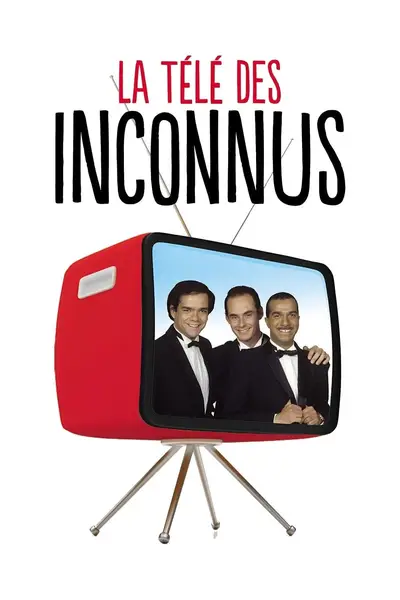
At its core, "La Télé des Inconnus" is about the absurdity of French culture, media, and social conventions, filtered through the brilliantly twisted minds of comedy trio Les Inconnus. Didier Bourdon, Bernard Campan, and Pascal Légitimus created something truly special with this sketch series that became a defining voice of early '90s French television. Their characters—from the self-important television presenters to bewildered everyday citizens—skewer pretension with surgical precision while maintaining an underlying affection for their targets. The writing demonstrates remarkable sophistication, layering visual gags with verbal wordplay and cultural references that reward repeated viewing. What makes the show endure beyond its era is its keen observation of human behavior; the specifics may be French, but the foolishness is universal. The trio's chemistry is electric, each member bringing distinct energy while functioning as a seamless unit. This is comedy that respects its audience's intelligence.
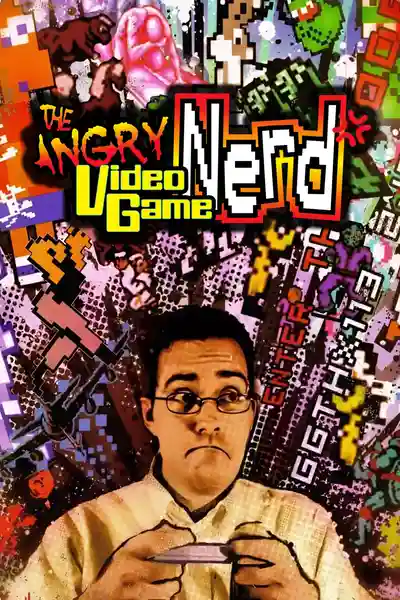
James Rolfe brings gloriously profane life to his internet sensation character, the Angry Video Game Nerd, in this long-running web series that's become a cornerstone of online entertainment. Armed with a seemingly endless supply of obscure retro games and creative expletives, the Nerd tears into the worst titles the 8-bit and 16-bit eras had to offer, from notoriously broken adaptations to inexplicably terrible originals. What elevates this beyond simple rage-filled ranting is Rolfe's genuine knowledge of gaming history and his increasingly elaborate production values, incorporating skits, special effects, and guest appearances. The series strikes that perfect balance between nostalgic gaming commentary and genuinely hilarious comedy, making it essential viewing whether you grew up with these consoles or just appreciate someone articulating why certain games deserve their terrible reputations.
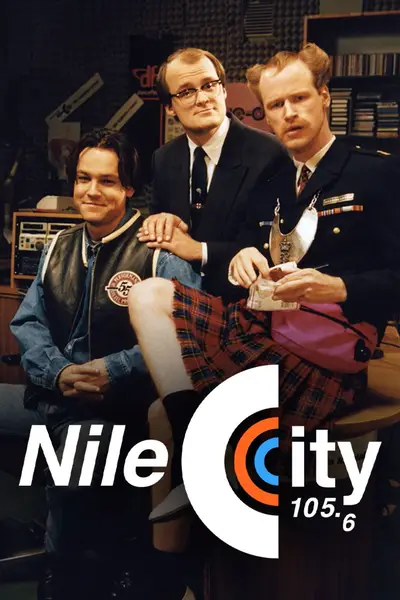
Robert Gustafsson delivers a tour-de-force performance as Glen Lövgärde, the catastrophically incompetent program director of a provincial Swedish radio station. This cult comedy series from creators Robert Gustafsson, Johan Rheborg, and Henrik Schyffert captures the absurdist chaos of small-town broadcasting with pitch-perfect satirical edge. Each episode finds Glen and his hapless colleagues stumbling through radio programs that consistently spiral into disaster, from botched celebrity interviews to technical meltdowns. The ensemble cast, including Johan Rheborg as the sleazy presenter Percy Nilegård, creates a wonderfully dysfunctional workplace ecosystem. What elevates NileCity 105.6 beyond simple sketch comedy is its commitment to character-driven humor and the way it finds genuine warmth in these deeply flawed personalities. The show's influence on Swedish comedy cannot be overstated, establishing a template for workplace farce that remains remarkably fresh nearly three decades later.
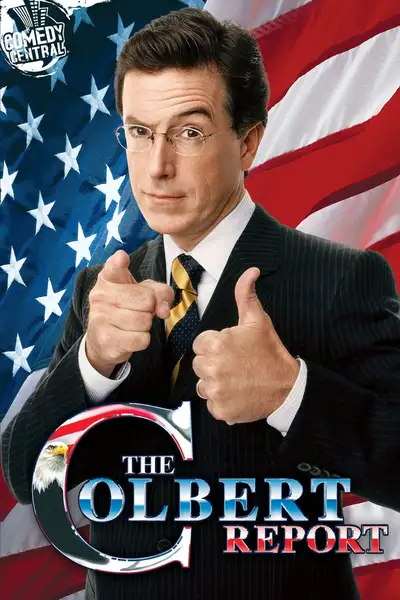
In this series, Stephen Colbert created an unforgettable character—a pompous, conservative pundit who satirized cable news blowhards with devastating effectiveness for nine brilliant years. Here was political satire at its finest, with Colbert maintaining his character throughout every episode, delivering faux-right-wing commentary that exposed the absurdities of political rhetoric through exaggeration and deadpan commitment. The show's format, styled after personality-driven news programs like The O'Reilly Factor, allowed Colbert to interview real politicians, authors, and celebrities while never breaking character, creating often hilarious moments of satirical tension. The writing team crafted segments like "The Word" that combined visual jokes with Colbert's monologues for layered comedy that rewarded close attention. Beyond the laughs, the show coined terms like "truthiness" that entered the cultural lexicon and provided sharp commentary on American political discourse. Whether skewering politicians or staging elaborate jokes, Colbert's commitment to the character made every episode consistently entertaining.
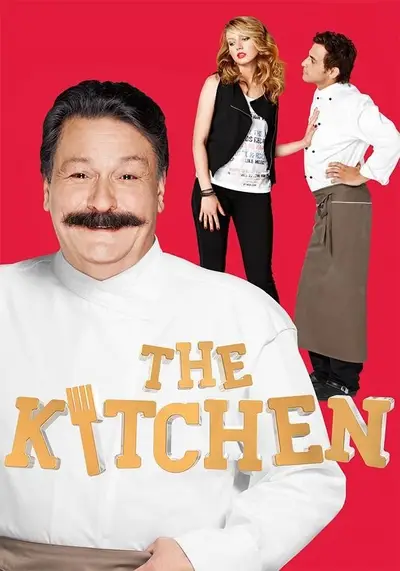
In the bustling environment of a London restaurant's kitchen, the pressures of professional cooking and the complicated relationships between staff members create both comedy and drama in this British series. Created by the comedy collective We Are Klang, the show features ensemble performances from Rhashan Stone, Tom Goodman-Hill, and Michelle Terry as chefs and servers navigating the chaos of meal service and their personal lives. The restaurant setting provides natural opportunities for both workplace comedy and exploration of hierarchy, creativity, and ambition under pressure. The series captures the specific culture of professional kitchens—the camaraderie, the conflicts, the intensity of service—with authenticity that suggests real familiarity with the environment. The ensemble cast creates believable relationships, finding both humor and pathos in characters who spend their days in voluntary high-stress situations. It's a well-observed workplace comedy that understands how the particular pressures of restaurant life can reveal character in entertaining ways.
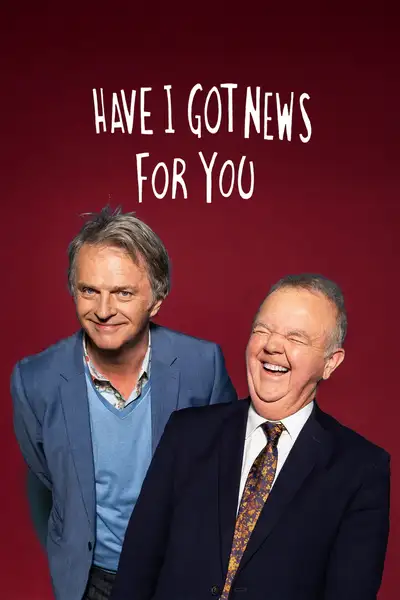
In this long-running British panel show, team captains and celebrity guests compete to deliver the funniest takes on the week's news headlines. Created by producers at Hat Trick Productions, the series has become a beloved institution of British comedy, combining sharp political satire with quick-witted improvisation. Various hosts over the years, including the late Angus Deakin, have presided over the chaos as Ian Hislop and Paul Merton trade barbs and dissect current events with biting humor. The format's simple brilliance lies in how it transforms actual news into comedy gold, making political awareness genuinely entertaining. For viewers who appreciate British wit and aren't afraid of comedy that takes aim at politicians of all stripes, this remains required viewing.
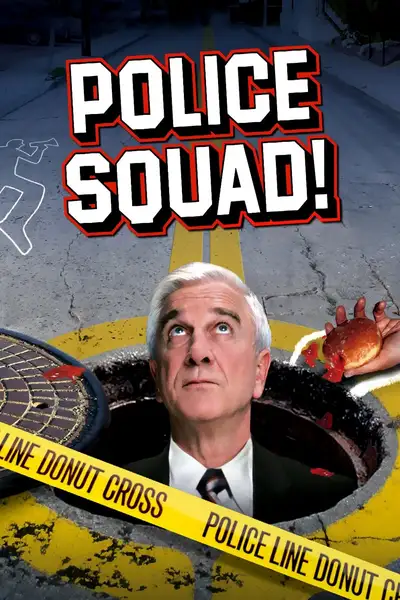
Leslie Nielsen stars as the hapless Detective Frank Drebin in this brilliantly absurd crime comedy that lampoons police procedurals with relentless wit. Created by the team behind Airplane!, Police Squad! packs an astounding number of visual gags, verbal puns, and sight gags into each half-hour episode, with jokes layered so densely that repeat viewings reveal new details. Nielsen plays everything with deadpan perfection, treating the most ridiculous situations with complete seriousness, which makes the comedy land even harder. Despite running only six episodes before cancellation, the series spawned The Naked Gun film franchise and remains a masterclass in parody. The show's freeze-frame endings—where everyone but Drebin actually freezes—exemplify its commitment to taking silly concepts to their logical extreme. It's rapid-fire comedy gold that rewards your full attention.
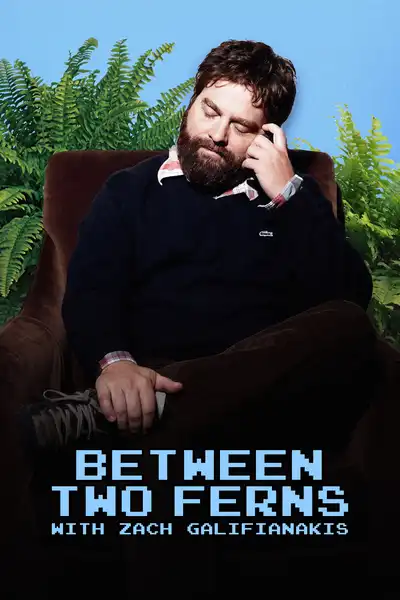
This mockumentary-style comedy series has become one of the internet's most quotable and unexpectedly awkward delights, with Zach Galifianakis conducting hilariously uncomfortable celebrity interviews from the titular cramped set. The brilliance lies in the deliberately terrible production values, the plants perpetually dying in the background, and Galifianakis's commitment to asking questions that range from absurdly inappropriate to genuinely baffling. Guests including Brad Pitt, Hillary Clinton, and President Barack Obama gamely play along, often appearing genuinely unsure whether to laugh or flee. The short episode format works perfectly, delivering concentrated doses of cringe comedy without overstaying its welcome. What could have been a one-joke concept instead became a masterclass in comedic timing and celebrity deconstruction, proving that sometimes the most memorable interviews happen in the most uncomfortable settings.
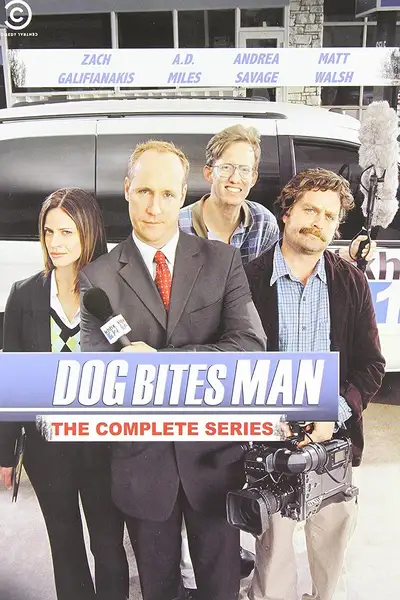
Set in the fictional town of Fratton, Ohio, this mockumentary series delivers razor-sharp satire of local news culture with consistently clever writing. "Dog Bites Man" follows a struggling news team as they pursue stories that range from mundane community events to absurdly overblown investigative pieces. Created by Dan Mazer, the show features Matt Walsh, Zach Galifianakis, and A.D. Miles as reporters who inadvertently cause more chaos than they document. The improvised interactions with real residents create genuinely unpredictable moments, while the fictional storylines skewer media sensationalism with precision. Each episode captures the desperation of ratings-hungry journalism and the awkward disconnect between reporters and the communities they cover. The ensemble cast commits fully to the concept, delivering performances that feel authentic enough to make you forget you're watching comedy. It's a smartly constructed series that deserves more recognition.
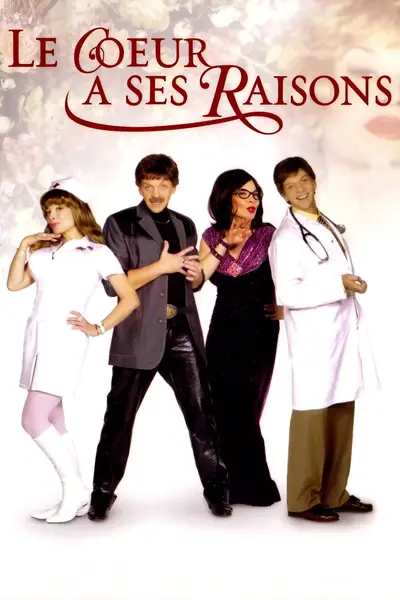
Deliriously campy and fully aware of its own absurdity, this Québécois soap opera parody delivers outrageous melodrama with tongue firmly in cheek. Created by Anne Boyer and Michel D'Astous, the series lampoons telenovela conventions while crafting increasingly ridiculous storylines involving amnesia, evil twins, and improbable resurrections. Marc Labrèche heads the ensemble with a perfectly pitched performance that captures soap opera earnestness while winking at the audience. The show's genius lies in its commitment to the bit—every overwrought declaration and dramatic revelation is played with utter seriousness, which only enhances the comedy. The deliberately stylized production design and melodramatic musical cues complete the affectionate parody. It's a brilliant exercise in genre deconstruction that works both as comedy and as a strangely engaging soap opera in its own right, finding endless entertainment in the conventions it simultaneously celebrates and skewers.
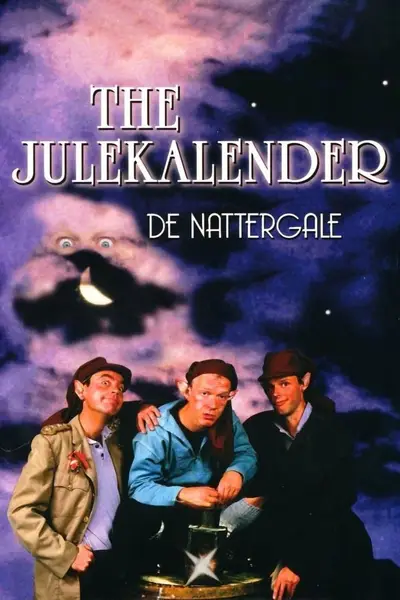
Carsten Knudsen leads this beloved Danish Christmas calendar series as the charmingly befuddled Hansi, one of three nisse (Scandinavian elves) who speak in broken English while trying to save Christmas. Created by Carsten Knudsen, Uffe Rørbæk Madsen, and De Nattergale, this 1991 cult classic combines absurdist humor with genuine holiday warmth as the trio navigates a plot involving missing presents, mysterious packages, and the ever-important "julekalender" countdown. The show's deliberately silly language mixing Danish and English creates a unique comedic rhythm that became iconic in Denmark, spawning countless quotable lines. Despite its low-budget aesthetic and intentionally amateurish special effects, the series radiates infectious enthusiasm and holiday spirit. What could have been a forgettable seasonal children's show instead became a cultural phenomenon that continues to air annually, delighting new generations with its wonderfully weird blend of Christmas traditions and comedy.
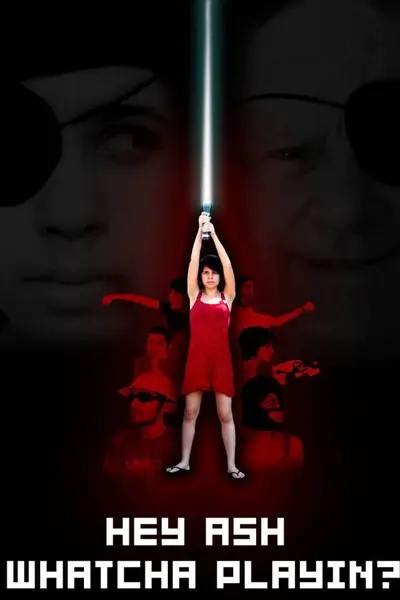
Ashly Burch and Anthony Burch created this wonderfully weird comedy series that became a beloved staple of gaming-adjacent entertainment. "Hey Ash, Whatcha Playin'?" defies easy categorization, blending sketch comedy, video game parody, and genuine industry satire into something uniquely entertaining. Ashly plays an exaggerated version of herself whose enthusiasm for gaming leads to increasingly absurd situations, while Anthony serves as the perpetually exasperated straight man to her chaos. The series features appearances from notable gaming personalities and voice actors, adding layers of meta-humor that reward longtime fans. What impresses most is the consistency of quality across years of production, with the Burches' writing remaining sharp and inventive. The homemade aesthetic gives it personality, and the siblings' obvious affection for gaming culture shines through even when they're mercilessly mocking it.

Don Adams stars as Maxwell Smart, Agent 86 of CONTROL, a hilariously inept secret agent battling the evil organization KAOS in this endlessly clever spy parody. Created by Mel Brooks and Buck Henry at the height of Cold War spy mania, the series brilliantly satirizes James Bond conventions while creating its own memorable comedy universe. Adams' physical comedy and impeccable timing make Max's incompetence genuinely endearing, while Barbara Feldon's Agent 99 provides the actual competence that saves missions. The show's inventive gadgets—from the iconic shoe phone to the cone of silence—became cultural touchstones, and the catchphrases remain quotable decades later. What's remarkable is how well the humor holds up; the chemistry between Adams and Feldon, combined with sharp writing that plays with spy genre tropes, creates timeless comedy that transcends its Cold War origins.
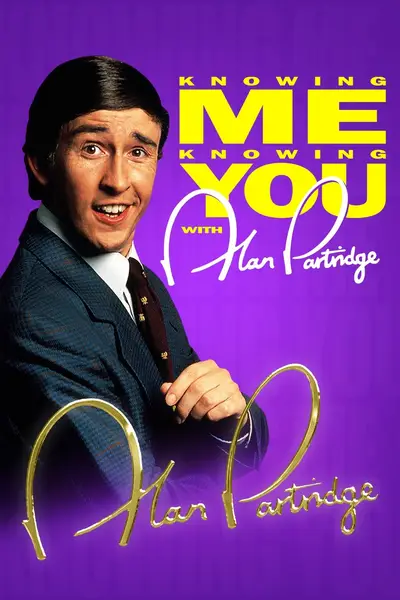
Steve Coogan brings his magnificently awkward creation Alan Partridge to chat show glory in this brilliantly uncomfortable comedy series. As the self-satisfied sports presenter turned talk show host, Partridge navigates celebrity interviews with a unique blend of insensitivity, desperation, and cringe-inducing small talk that makes every episode a masterclass in comedic timing. Created by Coogan along with Armando Iannucci and Peter Baynham, the show perfectly captures the essence of a man completely oblivious to his own inadequacies. Whether he's offending guests, sharing inappropriate anecdotes, or simply failing to read the room, Partridge's spectacular social failures create comedy gold. The supporting cast, including Rebecca Front and David Schneider, provides excellent foils for Coogan's inspired performance, making this a must-watch for fans of British comedy who appreciate humor that's as painful as it is hilarious.
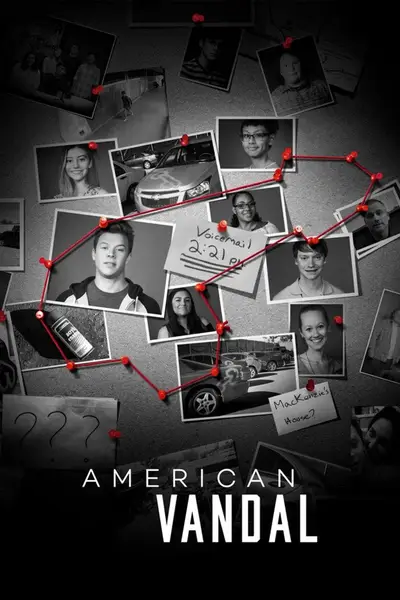
In this series, filmmakers Tony Yacenda and Dan Perrault brilliantly skewer true-crime documentaries by applying their serious conventions to absurd high school vandalism cases. American Vandal follows aspiring student journalists investigating pranks—first, who drew obscene images on teachers' cars, then who contaminated the school's lemonade supply—with the same intense scrutiny as Making a Murderer. What begins as clever parody evolves into legitimately compelling mystery storytelling, complete with suspect interviews, evidence analysis, and social media forensics. The young cast, including Tyler Alvarez and Griffin Gluck, commit fully to the mockumentary format with naturalistic performances. Beyond the laughs, the series offers surprisingly sharp commentary on justice systems, social hierarchies, and how narratives are constructed. It's smart, funny, and surprisingly addictive—proving that satire works best when it respects its subject matter enough to nail the details.
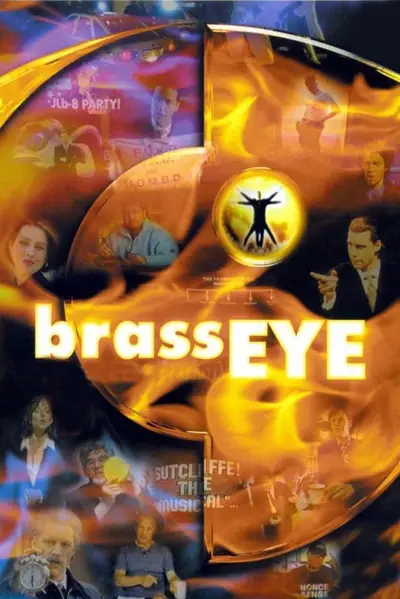
This satirical news magazine series from creator Chris Morris stands as one of the most daring and controversial pieces of British television ever produced. Each episode skewers media sensationalism and public hysteria by presenting absurd fake news stories with such convincing production values that they blur the line between parody and reality. Morris, along with writers like Peter Baynham and Arthur Mathews, crafted segments so provocative—including the infamous "Paedogeddon" special—that they sparked genuine outrage and parliamentary debates. The show's genius lies in how it exposes the media's manipulation tactics by using those very same techniques, featuring real celebrities unknowingly participating in ridiculous causes. While some of its shock value has aged, the sharp commentary on how easily the public can be manipulated remains devastatingly relevant.