Music Shows
Whether you're drawn to the raw emotion of musical competitions, the intimate backstage drama of rising artists, or the cultural impact of music on communities, the best music shows offer an electrifying blend of performance and storytelling that resonates across generations. From groundbreaking series that pioneered the genre decades ago to contemporary releases exploring modern romance through melody, these 21 essential music shows showcase the universal power of song to connect, heal, and inspire. Spanning documentary-style explorations of legendary performances to fictional dramas set against the backdrop of the music industry, this carefully curated selection celebrates every facet of musical entertainment. You'll discover singing competition series that launched careers, behind-the-scenes documentaries revealing the creative process of renowned musicians, and character-driven narratives where music serves as both soundtrack and soul. These shows prove that music television transcends simple entertainment—it captures the heartbeat of artistic ambition, the thrill of live performance, and the deeply personal stories behind every note. Whether you're a die-hard music enthusiast or simply appreciate compelling television that moves you, these acclaimed series represent the finest music programming ever created.
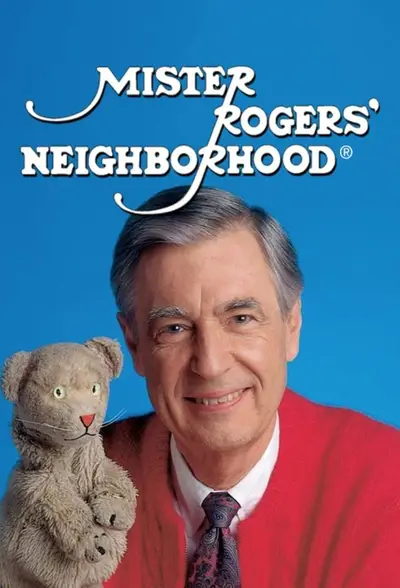
Fred Rogers hosts this gentle children's program from his iconic television neighborhood, speaking directly to young viewers with uncommon respect and emotional honesty. Over thirty-three seasons, Rogers tackled everything from everyday anxieties to difficult topics like death, divorce, and disability, always at a child's eye level. The show's deliberate pacing, which includes visits to the Neighborhood of Make-Believe with puppets like King Friday XIII and Daniel Striped Tiger, feels almost revolutionary in its refusal to overstimulate. Rogers' sincerity and warmth are undeniable, and the program's positive impact on generations of children is well-documented. However, viewed through contemporary eyes, the show's slow pace and dated production values can test modern viewers' patience, including children accustomed to faster-paced programming. The educational content, while emotionally intelligent, sometimes feels didactic. The cultural significance and Rogers' genuine compassion for children remain powerful, but the series works better as nostalgia or historical artifact than as current children's entertainment. Its legacy matters more than its present-day watchability.
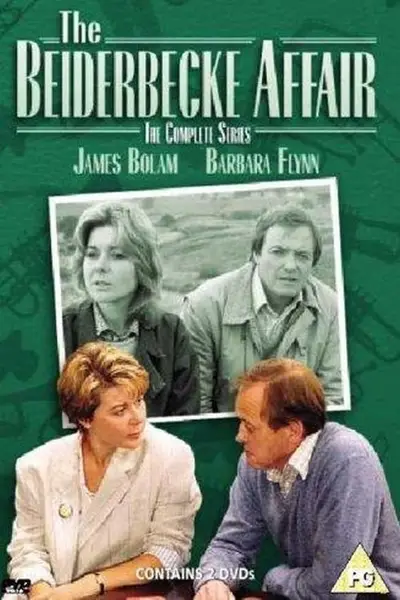
Alan Plater crafted this quintessentially British series that perfectly balances gentle comedy with light mystery as two Yorkshire teachers stumble into intrigue. James Bolam and Barbara Flynn star as Trevor Chaplin and Jill Swinburne, whose shared love of jazz musician Bix Beiderbecke leads them into unexpected detective work involving corruption and timber fraud. The show's charm lies in its refusal to take the thriller elements too seriously—these are ordinary people reacting with bemusement to extraordinary circumstances, maintaining their day jobs and relationship concerns even while uncovering conspiracies. The chemistry between the leads makes their banter as engaging as the plot, while Plater's script finds humor in the mundane details of provincial English life. It's cozy, intelligent entertainment that rewards viewers looking for something more low-key than typical crime drama.
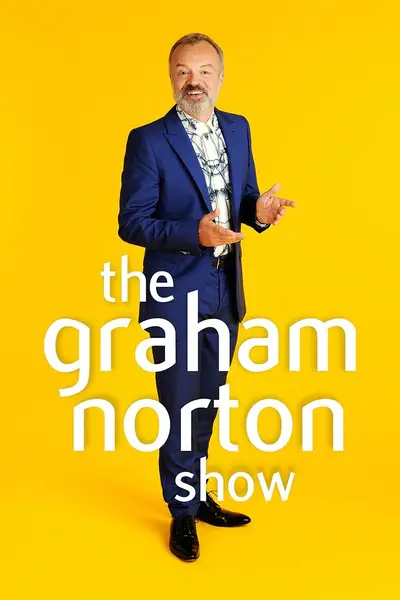
This talk show format gets a brilliant refresh thanks to host Graham Norton's infectious personality and clever approach to celebrity conversation. Unlike traditional late-night interviews that isolate guests, Norton seats multiple stars on his famous red couch simultaneously, encouraging natural interaction and spontaneous storytelling. The BBC production creates a relaxed atmosphere where A-list actors, musicians, and comedians often deliver their most entertaining anecdotes, fueled by Norton's quick wit and the show's signature cocktails. The addition of viewer chair segments and musical performances adds variety without disrupting the show's breezy flow. Norton's genuine curiosity and lack of awkwardness makes even the most promotional celebrity appearances feel like eavesdropping on a genuinely fun dinner party. It's the rare talk show that feels equally rewarding whether you're familiar with the guests or discovering new personalities through their unguarded moments.
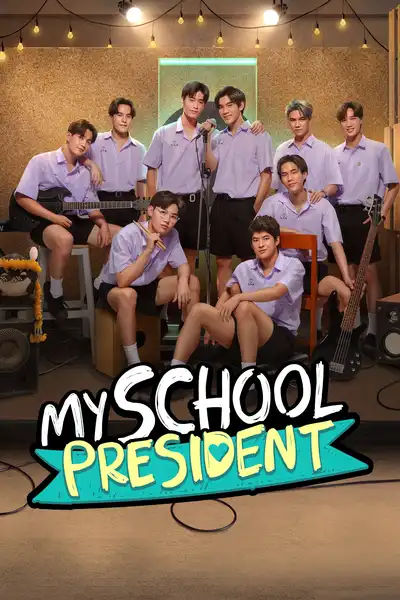
At its heart, this is a story about finding your voice, both literally and metaphorically, wrapped in the charming package of a high school band fighting for survival. Fourth Nattawat Jirochtikul and Gemini Norawit Titicharoenrak lead an ensemble cast as students determined to save their music club while navigating friendship, first love, and the courage to express yourself authentically. The series balances genuine humor with surprising emotional depth, particularly in how it handles its central romance without the angst that typically defines the genre. The musical performances are genuinely enjoyable, the supporting characters feel fully realized rather than mere obstacles, and the show's celebration of creativity and self-expression resonates beyond its school setting. Director New Siwaj Sawatmaneekul keeps the tone light and engaging while still allowing meaningful character development, making this a refreshingly sweet and earnest watch that never feels saccharine.
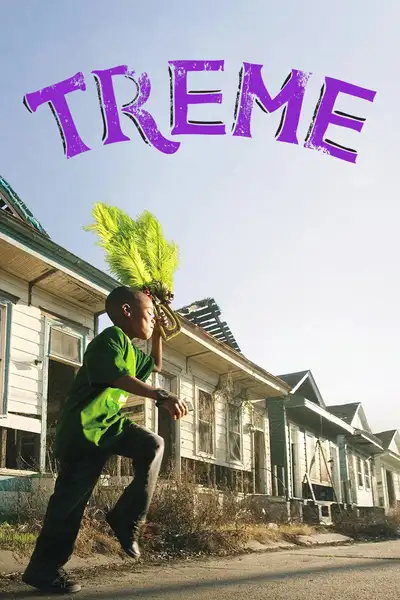
David Simon, the creative force behind "The Wire," brings his trademark authenticity and social consciousness to post-Katrina New Orleans in this deeply humanistic drama. The series follows musicians, chefs, residents, and activists as they work to rebuild their lives and their city's cultural identity in the aftermath of devastation. Featuring an ensemble cast including Khandi Alexander, Rob Brown, Kim Dickens, Wendell Pierce, and Clarke Peters, alongside appearances by real New Orleans musicians like John Boutte and Kermit Ruffins, the show is a love letter to the city's resilient spirit. Simon and co-creator Eric Overmyer immerse viewers in the authentic music, food, and traditions that define New Orleans, making the city itself a central character. The storytelling is patient and observant, more interested in capturing lived experience than manufactured drama. It's rich, soulful television that honors both the tragedy and the triumph of a community refusing to let disaster define them.
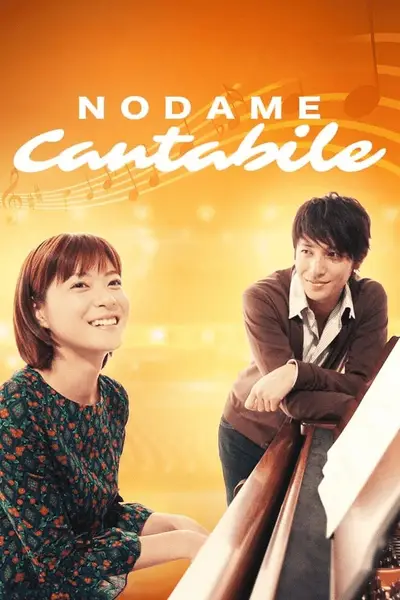
When messy, passionate music student Megumi Noda meets perfectionist conducting prodigy Shinichi Chiaki at a Tokyo music conservatory, their contrasting personalities create both comic chaos and genuine artistic growth in this delightful Japanese drama. Based on Tomoko Ninomiya's beloved manga, the series starring Juri Ueno and Hiroshi Tamaki brings classical music to life with infectious enthusiasm and surprisingly sophisticated storytelling. What sets this apart from typical romantic comedies is its genuine reverence for the music itself—the performances are beautifully staged, the character development feels earned, and the humor never undermines the emotional stakes. The chemistry between leads captures that perfect tension between artistic ambition and personal connection, while the supporting cast of fellow musicians adds depth and warmth. It's a rare show that makes you laugh, cry, and immediately want to listen to Beethoven.
In this compelling Soviet-era series, viewers are transported into the harsh realities of a Siberian labor camp through the eyes of both prisoners and administrators navigating an impossible system. The production doesn't shy away from the brutality of the gulag system while maintaining focus on the humanity of those caught within it. Strong ensemble performances bring depth to characters who could easily have become types, and the cinematography captures both the stark beauty and crushing isolation of the Siberian landscape. Director Aleksey Simonov crafts a deliberately paced narrative that accumulates power through its attention to detail and refusal to offer easy answers. It's demanding viewing that rewards attention with genuine insight into a dark chapter of history.

Created by Gábor Kálomista, this Hungarian drama follows Máté, a young courier navigating Budapest's streets while entangled in the city's criminal underworld following his father's mysterious death. Dalfutár (The Courier) combines propulsive thriller plotting with genuine character development, using Máté's delivery routes as a framework for exploring different strata of Hungarian society—from struggling working-class families to corrupt elites. Kálomista crafts a tightly wound narrative that balances action with emotional stakes, allowing the central mystery to unfold through careful revelations rather than cheap twists. The series captures Budapest's contemporary reality with an observational eye, grounding its crime story in recognizable economic and social pressures. Lead actor Barnabás Horkay brings an appealing mix of determination and vulnerability to Máté, making his increasingly dangerous choices feel earned rather than contrived. For viewers seeking international crime dramas beyond the usual Scandinavian offerings, this Hungarian gem delivers intelligent storytelling with distinctive local flavor.

Producer Mark Lamarr, along with creator Mark Chapman and others, crafted this enduring music quiz show that became a BBC institution through irreverent humor and genuine music knowledge. Team captains and celebrity guests answer questions about music trivia, identify songs, and compete in rounds that test both their knowledge and comedic timing. What distinguished "Never Mind the Buzzcocks" from standard quiz formats was its willingness to mock everyone equally—musicians, panelists, and even hosts like Mark Lamarr, Simon Amstell, and later Rhod Gilbert faced the same sharp wit. The "Identity Parade" and "Intros" rounds became legendary for their difficulty and the creative ways contestants would fail spectacularly. Regular appearances from Bill Bailey brought musical comedy expertise, while the rotating guest roster meant fresh dynamics each episode. Though the show's humor could occasionally cross into mean-spiritedness, it remained essential viewing for UK music and comedy fans throughout its long run.
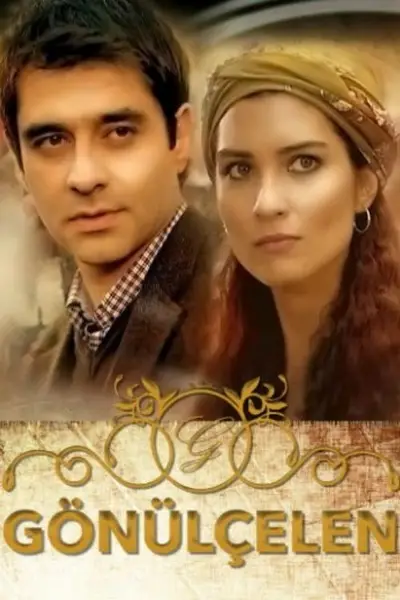
This story explores the transformative power of love across social boundaries and the resilience of the human spirit in the face of adversity. Emir Sarıgül stars as Kerem, a young man from humble circumstances whose life becomes intertwined with Gülnaz, played by Gökçe Bahadır, a woman from a wealthy family. The series delves into themes of class division, family loyalty, and personal redemption as the central romance faces obstacle after obstacle from disapproving families and societal expectations. What could have been a simple melodrama is elevated by strong performances and writing that treats its characters with dignity rather than reducing them to types. The production, spanning multiple seasons, takes time to develop not just the central couple but a full ensemble of supporting characters who have their own compelling arcs. It's a heartfelt Turkish drama that understands the emotional stakes of fighting for love while remaining true to oneself.
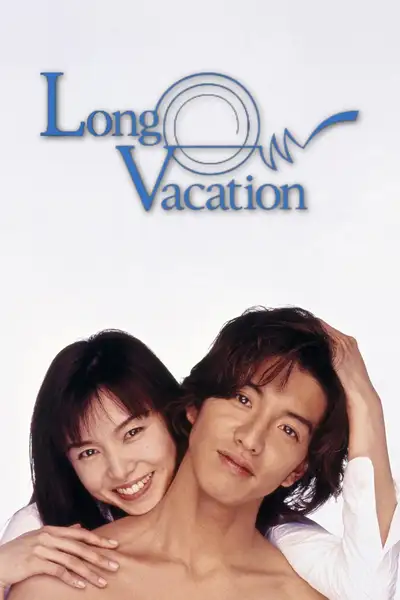
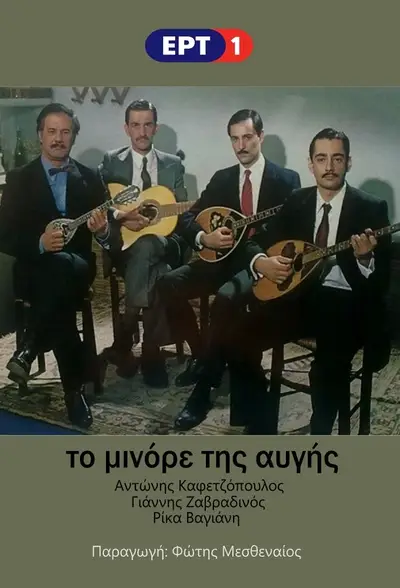
Takuya Kimura stars as Sena, a talented pianist whose career dreams have stalled, leading him into an unexpected living arrangement and romance that gradually transforms his perspective on success and happiness. Paired with Tomoko Yamaguchi as Minami, a model facing her own crossroads, the Japanese drama unfolds with the patient pacing and gentle character development that defined 1990s J-dramas at their best. Created by Shinji Nojima with a memorable score that became iconic in Japan, the series captures a specific moment of economic uncertainty and generational anxiety while finding hope in human connection. The chemistry between the leads feels natural rather than forced, allowing their relationship to develop through small moments and genuine conversations. While the series requires viewers to adjust to its deliberate rhythm and willingness to let scenes breathe, that patience pays off with emotionally authentic storytelling that has kept it beloved nearly three decades later.
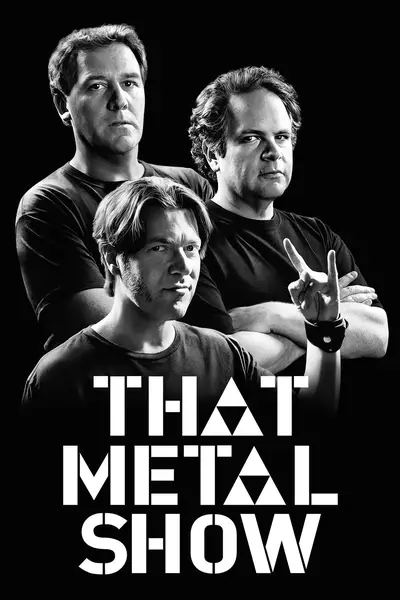
For anyone who's ever debated the greatest guitar solos or argued about metal subgenres until 3 AM, this VH1 Classic talk show is pure heaven. Hosts Eddie Trunk, Don Jamieson, and Jim Florentino bring their genuine passion and encyclopedic knowledge to discussions about all things heavy metal, interviewing legendary musicians and debating the genre's most contentious topics with humor and respect. The show's relaxed, roundtable format feels like hanging out with knowledgeable friends who actually know their Sabbath from their Slayer. Guests range from rock royalty to underground heroes, and the banter between hosts keeps things entertaining even during deeper musical debates. Whether you're a metalhead or just metal-curious, the show's infectious enthusiasm and insider perspective make it compulsively watchable late-night viewing.
A live music variety show brings popular recording artists of the early 1970s directly into viewers' homes for late-night performances and interviews. Created by Burt Sugarman, The Midnight Special offered an alternative to The Tonight Show, showcasing everyone from rock legends to soul artists to pop acts during its initial run. The format is straightforward—musical performances interspersed with brief host segments—which means the quality of any given episode depends entirely on that week's lineup. There's an undeniable time-capsule appeal to watching these performances in their original context, and music historians will find plenty to appreciate. However, the show's minimalist production and variable guest quality means it can feel repetitive. For those interested in 1970s music culture, it's a decent watch, though modern audiences may find the pacing sluggish between the musical highlights.
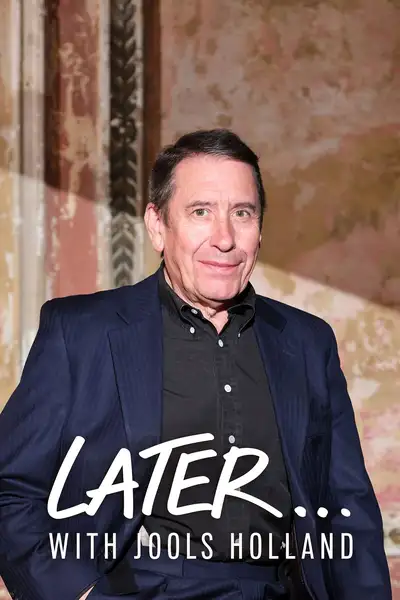
Intimate, eclectic, and consistently captivating, this long-running music series has become a British institution by simply letting great artists do what they do best. Host Jools Holland presides over each episode with genuine enthusiasm and musical knowledge, creating an environment where established legends and emerging talents share the stage in spontaneous, memorable performances. The show's format—featuring multiple artists performing live in a relaxed studio setting—allows for magical moments of musical cross-pollination you won't find anywhere else on television. What sets it apart is the sheer diversity: a typical episode might feature indie rock, jazz, hip-hop, and world music artists all in conversation through their performances. The lack of elaborate staging or gimmickry keeps the focus squarely on the music itself, and the show's commitment to booking interesting, credible artists rather than chasing chart trends has earned it respect across the industry. For music lovers, this is essential, soul-nourishing television.
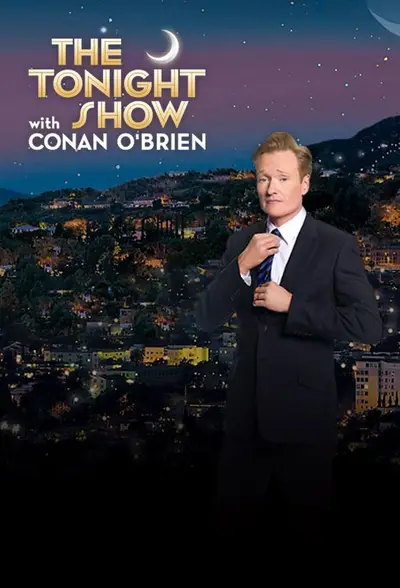
Late-night television got an all-too-brief injection of inventive comedy when Conan O'Brien took over hosting duties for this incarnation of the iconic franchise. Though his tenure lasted only seven months due to the well-publicized network scheduling conflict, O'Brien brought his distinctive brand of absurdist humor and self-deprecating wit to the legendary desk. The show featured memorable celebrity interviews, cutting-edge comedy bits, and musical performances that showcased O'Brien's ability to balance mainstream appeal with genuinely weird moments. Andy Richter returned as sidekick, and the Max Weinberg and The Tonight Show Band provided musical accompaniment that felt both traditional and fresh. While circumstances cut this chapter short, the episodes that exist demonstrate O'Brien's talent for reinventing late-night conventions while honoring the format's legacy. For fans of comedy history, it's a fascinating what-might-have-been.
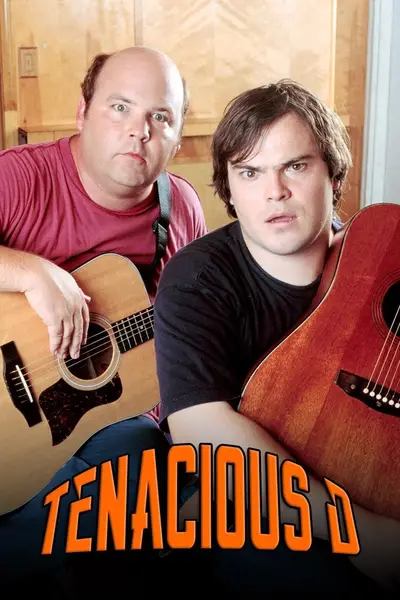
Jack Black brings his signature musical comedy energy to this cult classic series as JB, one half of the world's most delusional rock duo. Alongside Kyle Gass as KG, the show follows their absurdist adventures in Hollywood as they attempt to achieve rock stardom despite having minimal gigs and even less money. Created by the real-life comedy rock duo themselves, each episode blends sketch comedy with original songs, featuring memorable guest appearances and the kind of committed physical comedy that made Black a household name. The low-budget aesthetic actually enhances the charm, giving it an authentic struggling-artist vibe that perfectly complements the pair's grandiose musical ambitions. It's short, sharp, and endlessly quotable—essential viewing for anyone who appreciates comedy that doesn't take itself seriously.
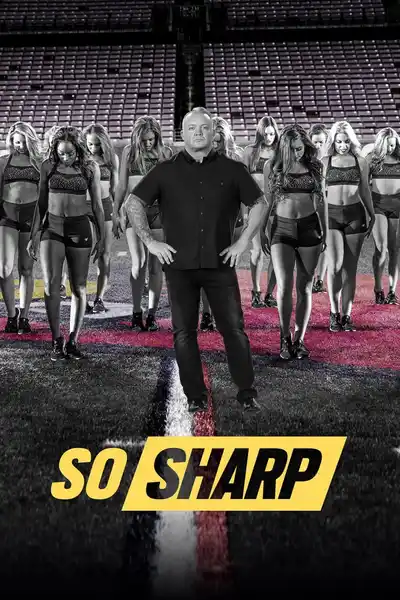
Executive producer Maggie Malina brings viewers inside the demanding world of the University of Louisville's Ladybirds, one of collegiate dance's most competitive teams. The reality series follows the squad through auditions, rehearsals, and high-pressure performances, revealing the athleticism and artistry required for elite dance competition. Coach Todd Sharp emerges as the program's demanding visionary, pushing dancers to physical and creative limits while fostering team cohesion. The series doesn't shy from the drama inherent in competitive environments—injuries, personality conflicts, and the constant pressure to maintain positions create genuine tension. What distinguishes the show is its respect for dance as serious athletic pursuit, giving substantial screen time to technique and choreography rather than manufactured conflict. Production values capture both the precision of rehearsals and the spectacle of competition performances with appropriate visual flair. For viewers who appreciate competition reality shows grounded in legitimate skill development, this offers an engaging look at an often-overlooked collegiate sport.
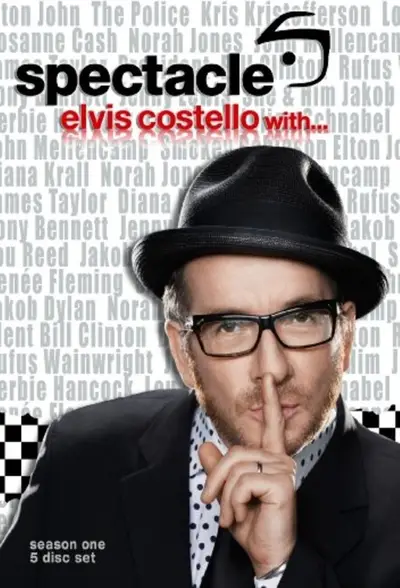
From an intimate television studio setting, legendary musician Elvis Costello hosts fellow artists for in-depth conversations and collaborative performances that reveal the creative process behind the music. Guests range from established icons to emerging talents, spanning genres from rock to jazz to classical. Costello's genuine curiosity and musical knowledge allow him to ask questions that go beyond typical talk show fare, resulting in conversations that feel more like master classes than promotional appearances. The performance segments are particularly special, with Costello and his guests often trying songs outside their usual repertoire or improvising together. It's a rare example of music television that trusts its audience's intelligence and attention span. For anyone who cares about the craft of songwriting, this series is essential viewing.

In this series, NPR transforms a cramped office space into one of music's most intimate and influential performance venues. Tiny Desk Concerts strips away the elaborate production of typical performances, placing artists literally behind NPR Music's desk surrounded by bookshelves and office supplies. The format's genius lies in its simplicity—musicians bring acoustic arrangements or scaled-down versions of their work, creating unexpectedly raw connections between performers and viewers. From hip-hop legends to indie unknowns, classical virtuosos to international stars, the series proves that great musicianship transcends genre when given this unadorned presentation. Many episodes reveal entirely new dimensions to familiar artists, while others introduce audiences to talents they'd never encounter otherwise. Host Bob Boilen's concept has become a cultural institution, with "Tiny Desk" performances often generating more attention than traditional promotional appearances. It's essential viewing for music lovers who appreciate artistry over spectacle and discovering how songs transform in stripped-down settings.
This British drama demonstrates how powerful restraint can be in medical storytelling. David Tennant delivers a career-defining performance as Alan Hamilton, a successful architect whose life fractures after a devastating stroke leaves him struggling with language, memory, and basic cognition. Created by Tony Marchant, the film—which later inspired a limited series—focuses unflinchingly on the grueling rehabilitation process and the strain on Alan's marriage to Tricia, played with remarkable depth by Sarah Parish. What sets this apart from typical medical dramas is its refusal to offer easy answers or miraculous recoveries. The production uses subtle visual techniques to place viewers inside Alan's confused perspective, making his frustration palpable. The supporting cast, including Anne Reid as a therapist, grounds the story in procedural reality while maintaining emotional resonance. It's difficult viewing at times but ultimately rewarding for those seeking substantive drama.

At the heart of this iconic music and dance television program lies a celebration of Black culture, artistry, and community that transformed how America experienced popular music. Created and hosted by Don Cornelius, Soul Train provided a platform for African American artists and dancers during an era when such representation was sorely lacking on mainstream television. The show's influence extends far beyond its impressive roster of musical guests—from Aretha Franklin to Marvin Gaye—to its role in bringing Black culture into living rooms across America. The Soul Train Line became a cultural phenomenon, while the show's dancers introduced styles that would influence generations. Running from 1971 through 2006, it served as both a time capsule of evolving musical tastes and a consistent space where Black excellence was celebrated without compromise. For anyone interested in music history or cultural documentation, Soul Train remains essential viewing.