Kung Fu Shows
From ancient monasteries to modern urban battlegrounds, kung fu shows have captivated audiences for decades with their breathtaking martial arts choreography and timeless philosophical wisdom. These action-packed series transport viewers into a world where disciplined warriors dedicate their lives to mastering Chinese martial arts, blending spectacular fight sequences with profound teachings about honor, perseverance, and self-discovery. Whether you're drawn to classic tales of legendary martial artists or contemporary interpretations that bring kung fu into the 21st century, the genre offers an incredible range of storytelling that spans generations. The best kung fu shows feature meticulously crafted training montages, bone-crushing combat scenes, and characters whose journeys toward martial arts mastery mirror deeper quests for personal enlightenment. From television series that defined the genre in earlier decades to streaming hits that introduce these ancient fighting techniques to new audiences, kung fu entertainment continues to evolve while honoring its rich traditions. Prepare to discover five essential shows that showcase why kung fu remains one of the most electrifying and philosophically rich genres in television history.
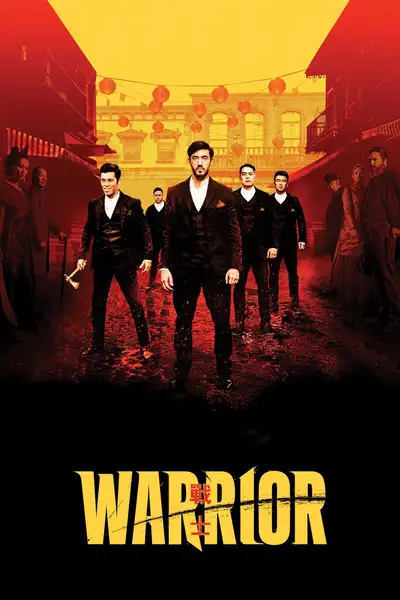
At its core, this series explores identity, belonging, and survival within immigrant communities in 1870s San Francisco. Based on the writings of Bruce Lee and created by Jonathan Tropper, the show follows Ah Sahm, a martial arts prodigy from China who immigrates to America and becomes embroiled in the violent Tong wars of Chinatown. Andrew Koji brings both fighting prowess and emotional depth to the lead role, while the series doesn't shy away from depicting the brutal racism and exploitation faced by Chinese immigrants during this era. The action choreography is absolutely stellar, with fight sequences that honor martial arts cinema while feeling visceral and consequential. Beyond the impressive combat, the show offers rich character development and explores the complexities of loyalty, assimilation, and power within a marginalized community fighting for its place in a hostile new world.
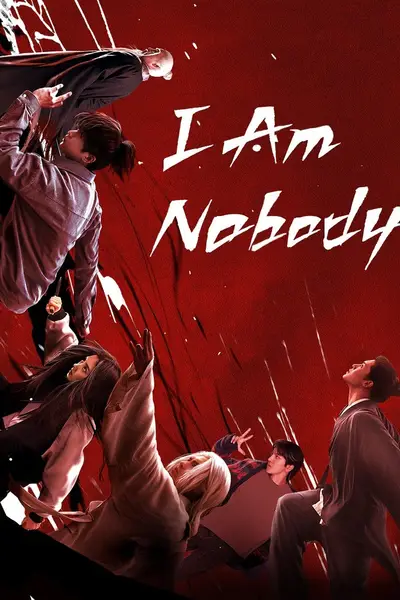
Set against the bustling backdrop of contemporary urban China, this intriguing drama follows an ordinary man thrust into extraordinary circumstances when he witnesses a crime that powerful forces want buried. Created by Wang Wei and starring Wan Qian and Wang Yanhui, the series effectively captures the paranoia and moral complexity of trying to do the right thing in a system designed to protect the powerful. The cinematography makes excellent use of the city's architecture, turning familiar spaces into claustrophobic mazes where danger lurks around every corner. Wang Yanhui delivers a nuanced performance as a protagonist who must reconcile his desire for a quiet life with his conscience. The pacing is deliberate but purposeful, building tension methodically while developing its characters beyond simple archetypes. The show doesn't shy away from uncomfortable questions about complicity and courage, treating its audience with intelligence and respect throughout.
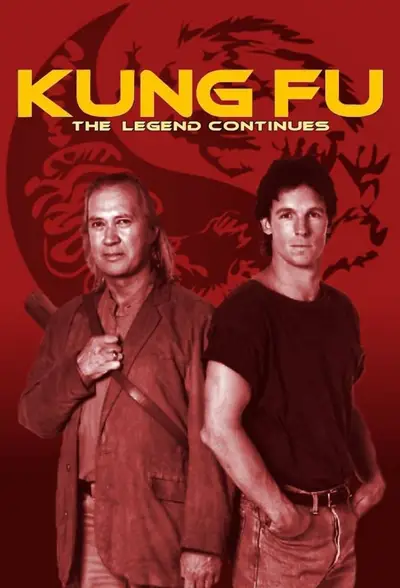
The central conflict between spiritual enlightenment and violent action drives this continuation of the original Kung Fu series, as Kwai Chang Caine (David Carradine) reunites with his long-lost son Peter (Chris Potter), a contemporary police detective. Created by Michael Sloan, the show attempts to bridge Eastern philosophy with Western crime procedural, with Carradine reprising his iconic role alongside Potter's more conventional action hero. The generational dynamic provides some interesting dramatic tension—Peter's shoot-first approach contrasting with his father's peaceful ways—but the execution often feels forced. The fight choreography lacks the grace of the original series, and the 90s television budget shows in the production design. When the show focuses on the father-son relationship and allows philosophical discussions to breathe, it finds its footing. When it defaults to generic crime plots with martial arts inserted awkwardly, it stumbles. Fans of the original may appreciate the nostalgia factor, though newcomers might wonder what the fuss was about.
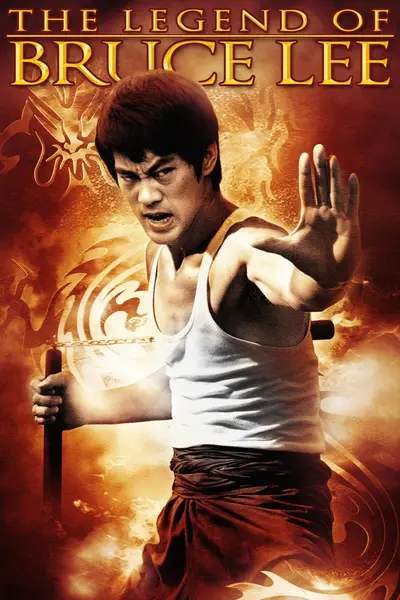
Danny Chan stars as the iconic martial artist in this Chinese biographical drama that traces Bruce Lee's journey from his early years in Hong Kong through his rise to international stardom. Created by Li Wenqi, the series attempts to capture both the physical prowess and philosophical depth that made Lee a cultural phenomenon, covering his training, his struggles with racism in Hollywood, and his revolutionary approach to martial arts. While the fight choreography occasionally impresses and Chan commits fully to embodying Lee's intensity, the series suffers from uneven pacing and a tendency toward melodrama that undercuts more compelling moments. The production values feel dated even for 2008, and some creative liberties with historical facts may frustrate purists. Still, for fans curious about Lee's life story, it offers an accessible if imperfect introduction.
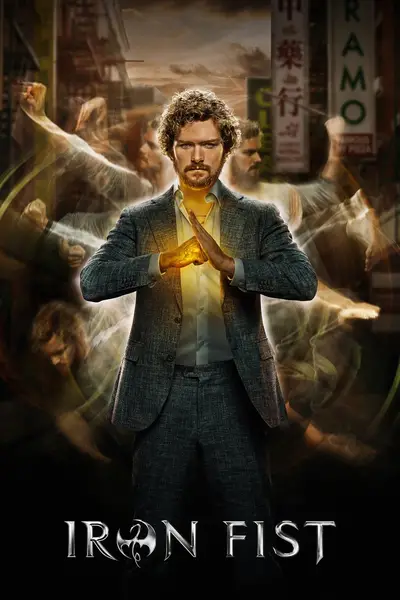
Finn Jones takes on the role of Danny Rand, a billionaire martial artist who returns to New York after being presumed dead, in this Marvel Netflix series that offers solid entertainment despite some notable flaws. Created by Scott Buck, the show explores Danny's struggle to reclaim his family's company while fulfilling his destiny as the Iron Fist, defender of K'un-Lun. The series shines in its supporting cast—particularly Jessica Henwick as Colleen Wing and Tom Pelphrey as Ward Meachum—who often deliver more compelling performances than the lead. While the fight choreography doesn't always live up to expectations given the character's martial arts mastery, and Danny's characterization can feel frustratingly naive, the show finds its footing when exploring corporate intrigue and the complicated Meachum family dynamics. The mystical elements sometimes clash awkwardly with the grounded Marvel Netflix universe, but there's enough here to satisfy fans looking to complete their Defenders viewing experience.
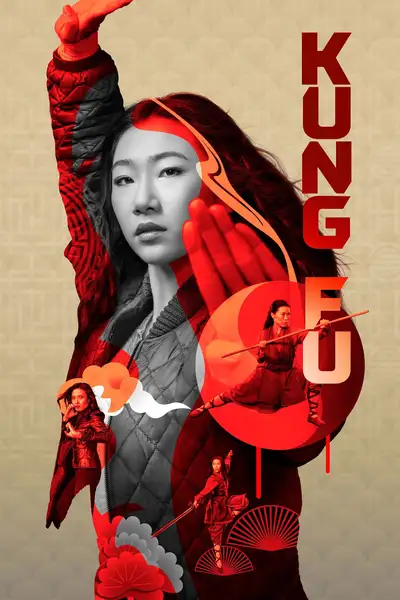
Olivia Liang stars as Nicky Shen, a young woman who abandons her college plans to spend three years at a Shaolin monastery in China, only to return home to San Francisco's Chinatown with newfound martial arts skills and a mission to protect her community. Created by Christina M. Kim, this reboot of the 1970s classic attempts to blend family drama with supernatural threats and action sequences, though the results are uneven. The show deserves credit for its representation and for centering an Asian-American family's story, and Liang brings genuine charm to the role. However, the martial arts choreography occasionally feels underwhelming for a show built around kung fu, and the weekly threat-of-the-week structure grows repetitive. When it focuses on family dynamics and cultural identity, the series finds its footing, but the mystical elements sometimes strain credibility.