Kaiju Shows
From the moment giant monsters first stomped across our screens, kaiju shows have captured imaginations with their breathtaking spectacle of colossal beasts battling for supremacy while cities crumble beneath their feet. These thrilling series deliver the ultimate collision between humanity and towering creatures, showcasing devastating monster battles that push the boundaries of visual storytelling. Whether you're drawn to the genre-defining classics that established the foundations of giant monster entertainment or the cutting-edge modern productions that harness today's technology to bring these massive threats to life with unprecedented detail, kaiju television offers an unparalleled viewing experience. The best kaiju shows blend heart-pounding action with compelling narratives about human resilience, exploring how civilization responds when faced with creatures of unimaginable scale and power. Spanning decades of monster mayhem, these spectacular series represent the finest examples of kaiju storytelling across all eras, from beloved vintage productions that pioneered the format to contemporary releases that continue to reinvent what's possible when giant monsters clash on screen.
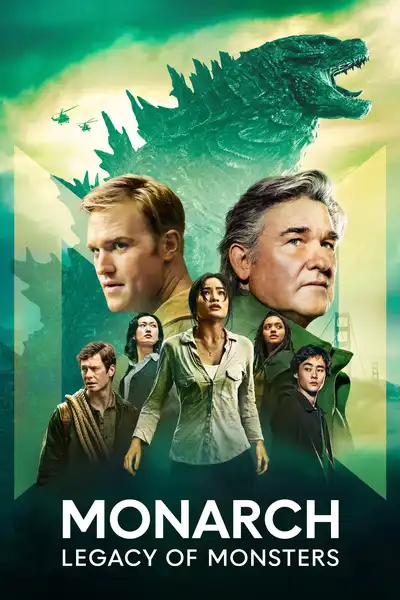
Kurt Russell and Wyatt Russell play father and son across different timelines in this expansion of Legendary's MonsterVerse, which explores the secretive organization tracking kaiju activity across decades. The series, developed by Chris Black and Matt Fraction, weaves together two eras: the 1950s, where Lee Shaw (Russell) investigates the emergence of massive creatures, and the present day, where his children Cate and Kentaro (Anna Sawai and Ren Watabe) uncover family secrets while navigating their own monster encounters. The human drama is more compelling than expected, with the Russell family dynamic providing genuine emotional stakes beyond the creature spectacle. When the monsters do appear, the effects are impressive and the sense of scale is appropriately overwhelming. The series succeeds in expanding the franchise's mythology without getting bogged down in exposition, though fans hoping for constant kaiju battles may find the character-focused episodes slower than desired.
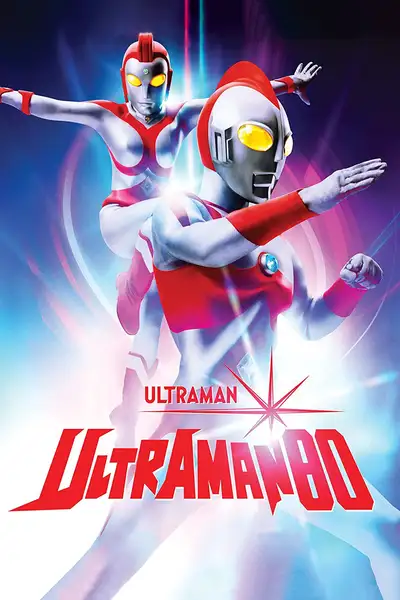
Legendary tokusatsu creator Eiji Tsuburaya's production company delivers another solid entry in the Ultra Series with "Ultraman 80," which takes the franchise in a refreshingly different direction by making its hero a schoolteacher in his human form. Hatsunori Hasegawa stars as Takeshi Yamato, who balances his responsibilities educating young people with his secret identity as the giant defender of Earth, and this dual focus gives the series surprising emotional weight. The show's emphasis on education and youth guidance feels distinctly of its era but remains largely effective, with episodes often exploring social issues through the lens of Yamato's classroom challenges before escalating to kaiju battles. The suit effects and miniature work maintain the franchise's high standards, while the monster designs show continued creativity. Though some episodes lean too heavily on formula and the pedagogical elements occasionally feel preachy by modern standards, "Ultraman 80" succeeds as both entertainment and as a time capsule of early 1980s Japanese television values.
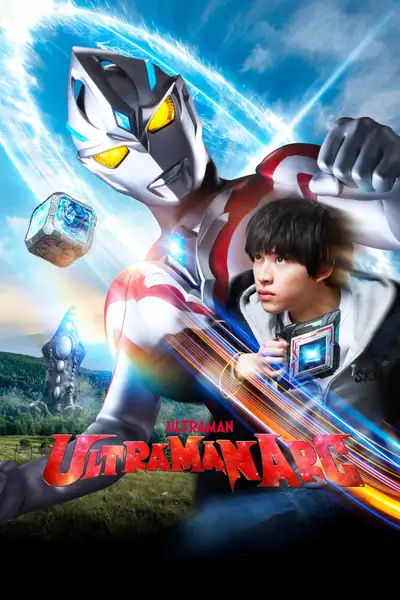
In this series, the Ultraman franchise continues with a new hero defending Earth against kaiju threats and alien invasions. Yuki Totsuka stars as Yuma Hize, who gains the ability to transform into Ultraman Arc and must balance his ordinary life with the extraordinary responsibility of protecting humanity. The show follows the established formula of the long-running Japanese tokusatsu franchise: episodic monster battles, practical suit effects, colorful beam weapons, and themes of heroism and sacrifice. Production values are consistent with recent Ultra series entries—the suit work is solid, though CGI enhancements vary in quality. The storytelling doesn't take significant risks with the formula, which will satisfy franchise devotees while potentially feeling repetitive to newcomers. Character development is present but secondary to the action sequences. It's competent genre entertainment that delivers what fans expect without particularly innovating or transcending the series' established conventions.
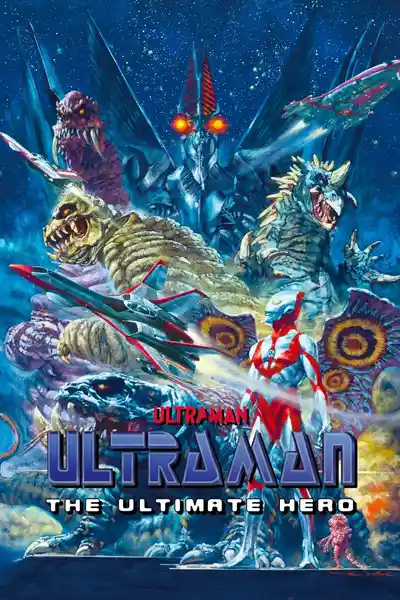
At its core, this American adaptation of the iconic Japanese franchise explores humanity's relationship with giant threats and the heroes who defend Earth from extraterrestrial dangers. Ultraman: The Ultimate Hero attempts to translate the tokusatsu formula for Western audiences with mixed results. The series features the expected battles between the titular hero and various monsters, complete with practical effects and suit work that sometimes impresses and sometimes shows budgetary constraints. The human drama surrounding defense team members provides necessary connective tissue between action sequences, though character development remains fairly surface-level. When the show embraces the inherent campiness of its premise, it finds entertaining moments, but attempts at serious drama don't always land convincingly. Fans of the broader Ultraman franchise may appreciate seeing the property's American interpretation, while newcomers might find the format dated compared to contemporary superhero offerings.
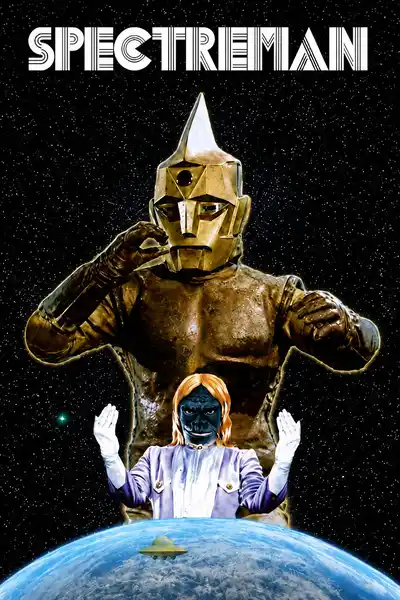
Producer Souji Ushio brought this tokusatsu series to life during the golden age of Japanese superhero television, delivering a competent entry in the kaiju-fighting genre. Spectreman, an ape-like alien who transforms into a sleek humanoid hero, defends Earth from pollution monsters sent by the villainous Dr. Gori. The show reflects the environmental concerns of its era, sometimes heavy-handedly, but with earnest conviction that's hard to dismiss. The suit work and miniature effects are adequate for the period, though they don't quite reach the heights of Tsuburaya Productions' contemporaneous output. Where the series succeeds is in its episodic storytelling, with monsters-of-the-week that actually tie into coherent themes rather than feeling randomly generated. The human characters remain somewhat underdeveloped, serving primarily as witnesses to Spectreman's battles. For fans of vintage tokusatsu, it's a worthwhile curiosity that captures a specific moment in the genre's evolution.
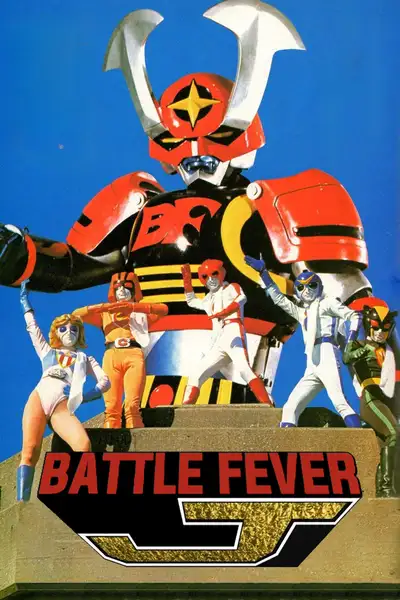
Hironori Tanioka stars as one of five agents forming an international defense team in this early Super Sentai series that helped establish many conventions of the tokusatsu genre. Created by Shotaro Ishinomori, Battle Fever J emerged during Japan's fascination with disco culture, incorporating dance sequences and international themes into its monster-fighting formula. The team members each represent different countries, though the execution of this multicultural concept feels superficial and occasionally stereotypical by contemporary standards. Action sequences feature the elaborate practical effects and choreographed fights typical of the era, with rubber-suited monsters and colorful explosions. The episodic structure delivers exactly what the format promises—heroes receive mission, battle escalates, giant robot finishes the threat—without much variation or character depth. For tokusatsu enthusiasts, it represents an important chapter in the genre's development, introducing elements that later series would refine. General audiences will likely find it repetitive and dated, though there's undeniable nostalgic appeal for those who grew up with this style of programming.
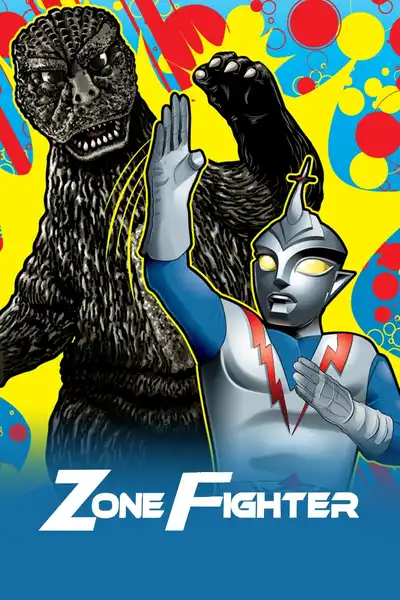
In early 1970s Japan, the tokusatsu genre was thriving, and this series rode that wave with its own blend of superhero action and kaiju battles. Created by Toho as a companion piece to their Godzilla franchise, the show features Hikaru Sakurai as the titular hero who can grow to giant size to battle enormous monsters threatening Earth. The series embraces the rubber-suited creature effects and practical miniature work that defined the era, delivering weekly spectacle on a television budget. While the special effects may appear dated by modern standards, there's an undeniable charm to the craftsmanship and imagination on display. The episodic structure keeps things moving briskly, though storytelling depth isn't the priority here. For fans of vintage tokusatsu or Toho's monster legacy, it offers an entertaining glimpse into this formative period of Japanese superhero television.