Japanese Shows
Japanese television has carved out a distinctive place in global entertainment, blending rich cultural storytelling with innovative narratives that transcend language barriers and captivate viewers worldwide. Whether you're seeking the best Japanese shows spanning decades of groundbreaking animation, compelling live-action dramas, or contemporary streaming sensations, this definitive collection showcases 21 must-watch Japanese TV series that represent the pinnacle of the medium. From long-running shonen adventures that defined generations to intimate character studies and psychological thrillers, these critically acclaimed Japanese shows demonstrate the incredible range and artistic ambition of Japanese-language television. Each selection features award-winning performances, visionary creators, and unforgettable moments that have resonated with both audiences and critics alike. Spanning classic series from the 1990s to the latest acclaimed releases, these top Japanese shows offer something for every viewer—whether you're drawn to epic fantasy worlds, slice-of-life narratives, intense action sequences, or profound emotional journeys. Explore the most talked-about and culturally significant Japanese television that continues to influence storytelling across the entertainment landscape.
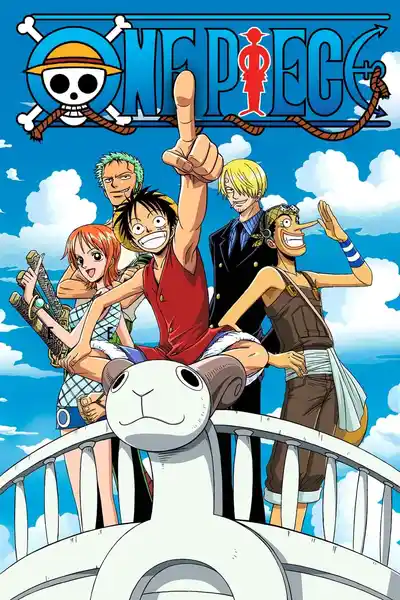
When a young boy named Monkey D. Luffy gains the power to stretch like rubber after eating a magical Devil Fruit, he sets out to find the legendary One Piece treasure and become King of the Pirates. This epic anime adventure from creator Eiichiro Oda has been sailing strong since 1999, and for good reason—it's an absolute masterclass in long-form storytelling. The series brilliantly balances humor, heart, and high-stakes action while building one of the most richly detailed fictional worlds in anime history. Each arc introduces memorable characters with genuinely moving backstories, and the crew's bonds deepen in ways that earn every emotional payoff. Yes, the episode count is intimidating, but the journey is absolutely worth it. The pacing improves significantly after the early arcs, and once you're invested in Luffy and his Straw Hat crew, you'll understand why fans have stayed devoted for over two decades.
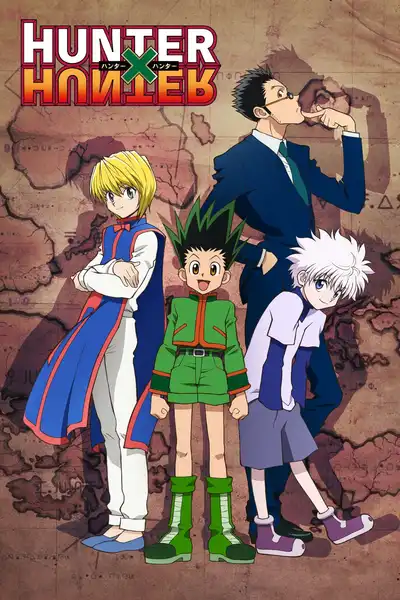
Deceptively whimsical at first, this shonen anime transforms into something progressively darker and more sophisticated as it explores the journey of young Gon Freecss searching for his absent father. Madhouse's 2011 adaptation of Yoshihiro Togashi's manga is a masterclass in long-form storytelling, with each arc building complexity in both plot and character development. What begins as a straightforward adventure anime evolves into a profound examination of human nature, morality, and the costs of ambition. The Chimera Ant arc alone stands as one of anime's greatest achievements—a harrowing, emotionally devastating exploration of what separates humans from monsters. The voice acting in both Japanese and English is exceptional, and the animation remains consistently strong across 148 episodes. This is essential viewing for anyone who thinks they've outgrown shonen anime, proving the genre can achieve genuine artistic depth.
After years of relative peace, Soul Society faces its greatest threat when the mysterious Wandenreich declares war, seeking to destroy the Soul Reapers once and for all. This arc brings Ichigo Kurosaki and his allies into a conflict that spans dimensions and tests everything they've learned. Tite Kubo's final major storyline gets the adaptation it deserves with stunning animation from Studio Pierrot that elevates every battle to breathtaking heights. The Quincy army, led by the enigmatic Yhwach, proves to be the most formidable enemy yet, forcing beloved characters to push beyond their limits. Long-awaited backstories finally come to light, revelations shake the foundations of the Soul Society, and the scale of destruction feels genuinely apocalyptic. For fans who've waited over a decade for this conclusion, the series delivers spectacular action sequences and emotional payoffs that make the wait worthwhile.
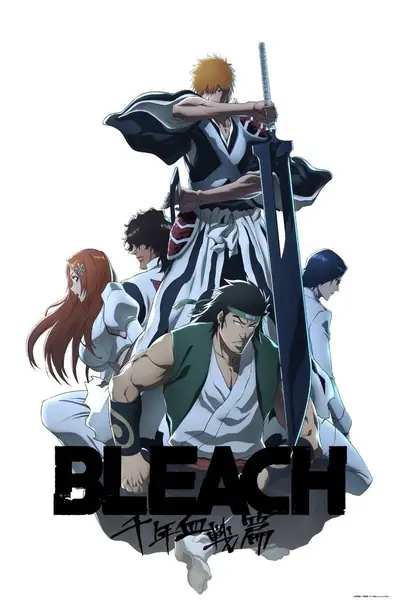
In the aftermath of the battle with Aizen, the Soul Society has enjoyed a period of fragile peace—but that tranquility shatters when the Wandenreich launches a devastating surprise attack. This continuation of Bleach brings Ichigo Kurosaki's journey to its epic conclusion with production values that honor the source material's ambitious scope. Studio Pierrot returns with significantly improved animation quality, making each clash between Soul Reapers and Quincies a visual spectacle. The series explores the hidden history of the Soul Society and reveals connections between characters that recontextualize the entire franchise. Voice actors from the original series return to deliver powerful performances as their characters face impossible odds. The stakes have never been higher, the enemies never more overwhelming, and the animation never more gorgeous. This is the Bleach finale that fans have been demanding for years.
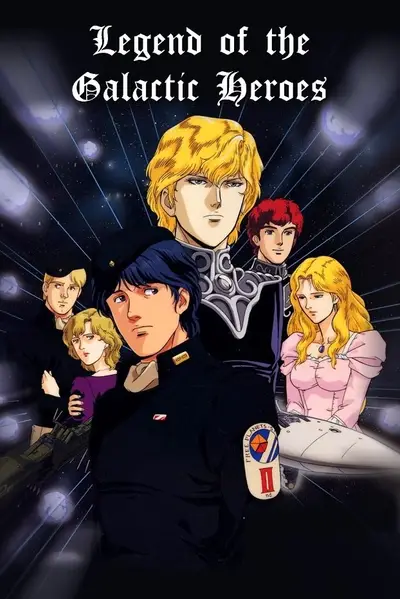
Yoshiki Tanaka's sprawling space opera epic comes to life in this legendary anime series that puts most modern sci-fi to shame. Spanning 110 episodes, the show chronicles an interstellar war between the democratic Free Planets Alliance and the autocratic Galactic Empire, focusing on two brilliant military commanders: Yang Wen-li and Reinhard von Lohengramm. What sets this apart is its sophisticated examination of political philosophy, military strategy, and the nature of power itself—this is space opera for adults who want substance with their starships. The animation may be dated by today's standards, but the writing remains razor-sharp, presenting complex moral questions without easy answers. Character development is extraordinary across a massive cast, and the series takes its time building a fully realized universe with genuine historical depth. This is ambitious storytelling at its finest.
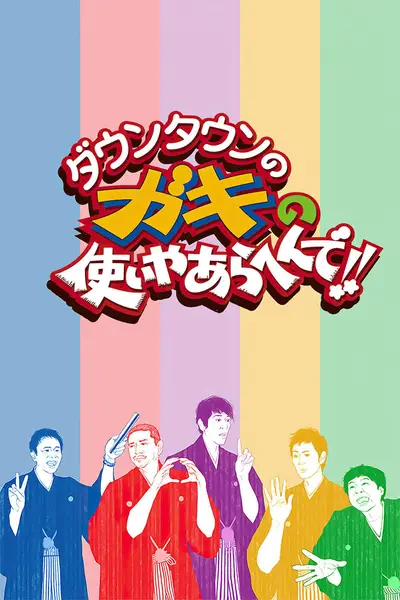
Hilarious, innovative, and endlessly entertaining, this legendary Japanese variety show has been pushing the boundaries of comedy television for over three decades. Hosted by the comedy duo Downtown—Hitoshi Matsumoto and Masatoshi Hamada—"Gaki no Tsukai" pioneered the format of comedic punishment games and absurdist challenges that has influenced comedy programming across Asia and beyond. The show's most famous segment, the annual "No-Laughing" batsu game specials, has achieved cult status worldwide, with participants subjected to increasingly ridiculous situations designed to make them break their straight faces. What makes the series exceptional is its fearless commitment to the bit, its perfect comedic timing, and the genuine chemistry between its cast members. Whether you're discovering classic episodes or following recent installments, this is essential viewing for anyone interested in comedy that takes creative risks.
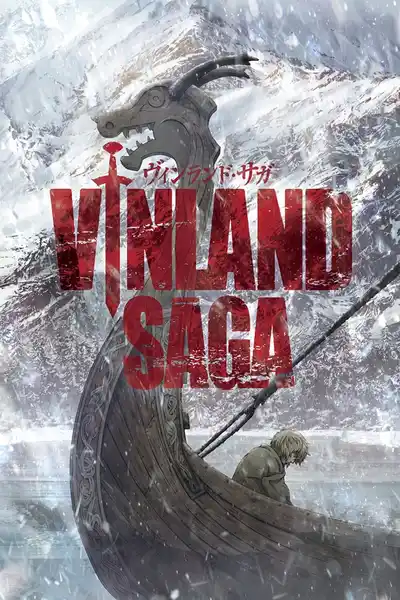
In medieval Iceland and eventually across the North Atlantic to the shores of Vinland, young Thorfinn's journey from innocent child to revenge-driven warrior unfolds against the backdrop of Viking expansion and conflict. This anime adaptation of Makoto Yukimura's manga is exceptional, delivering both visceral action and profound meditation on violence, revenge, and redemption. The animation from studio Wit (later MAPPA) is consistently gorgeous, bringing weight and consequence to every sword clash while capturing the harsh beauty of Nordic landscapes. What elevates Vinland Saga beyond typical historical action is its willingness to complicate and challenge its protagonist's quest for vengeance, exploring the human cost of violence on both personal and societal levels. The character development is patient and earned, particularly as Thorfinn confronts what his pursuit of revenge has cost him. It's mature, thoughtful storytelling that respects both history and emotional truth.
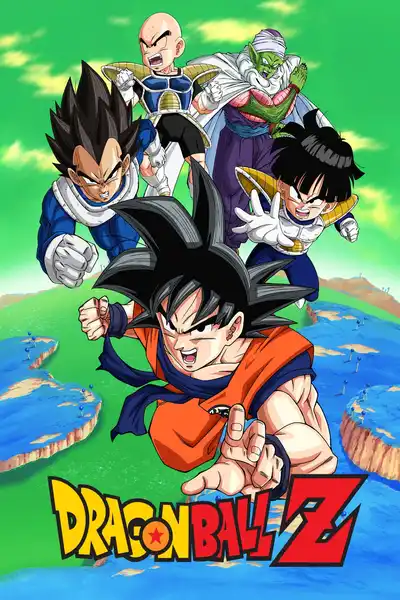
Masako Nozawa voices Goku in this legendary anime that transformed the shonen genre forever. Following the adventures of Earth's mightiest Saiyan warrior, the series delivers explosive battles, unforgettable power-ups, and emotional stakes that resonate across hundreds of episodes. Creator Akira Toriyama's vision comes alive through iconic arcs like the Frieza and Cell sagas, where each transformation and beam struggle becomes absolutely legendary. The English dub featuring Sean Schemmel has introduced generations of Western fans to Goku's heroic journey. Whether you're watching Goku go Super Saiyan for the first time or witnessing Gohan's ultimate sacrifice against Cell, this series delivers pure adrenaline and heart. The animation may show its age, but the storytelling remains timeless, blending martial arts spectacle with genuine character growth that keeps you invested through every Kamehameha and Spirit Bomb.
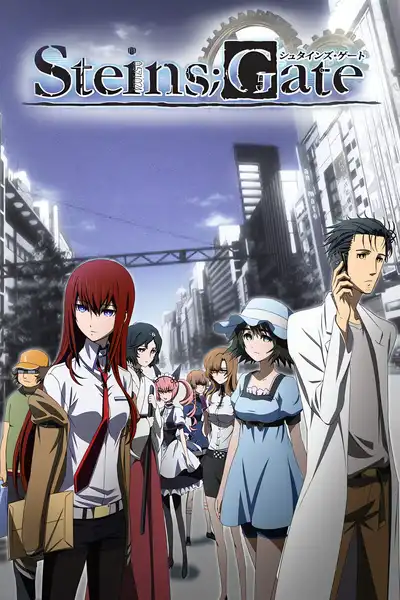
Brilliant, intricate, and utterly captivating, this anime masterpiece takes time travel storytelling to unprecedented heights. A group of eccentric friends led by self-proclaimed "mad scientist" Rintaro Okabe accidentally discover how to send messages to the past, setting off a chain reaction of increasingly dire consequences. What begins as playful experimentation becomes something far darker as the characters grapple with the moral weight of their actions and the devastating personal costs of trying to change fate. The series, adapted from a visual novel, demands patience through its deliberately paced first half but rewards that investment with a second half that's absolutely gripping. The scientific concepts are treated with surprising rigor while remaining accessible, and the emotional core never gets lost amid the complex plotting. Voice actor Mamoru Miyano delivers an incredible performance that anchors the entire series. It's essential viewing for anyone who appreciates thoughtful science fiction.

This documentary series delivers absolutely fascinating insights into the manga creation process through intimate studio visits. "Manben" features manga legend Naoki Urasawa interviewing fellow creators while cameras capture them actually drawing, revealing the techniques, tools, and thought processes behind some of Japan's most beloved comics. The access is incredible—watching artists like Eiichiro Oda, Takehiko Inoue, and others work in real-time demonstrates both the incredible skill required and the distinct approaches each creator takes. Urasawa proves to be an ideal host, asking informed questions that draw out technical details while maintaining reverence for his peers' artistry. The series doesn't assume extensive manga knowledge, making it accessible to casual fans while providing depth that serious enthusiasts will appreciate. Seeing the physical act of creation—the pen strokes, the corrections, the decision-making—connects viewers to the art form in ways that finished pages never could.
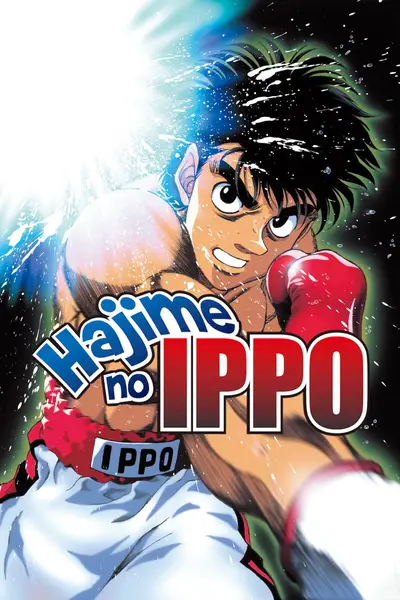
George Morikawa's beloved manga receives a phenomenal anime adaptation that stands as one of the finest sports series ever created. "Hajime no Ippo" follows Ippo Makunouchi, a bullied high school student who discovers boxing and dedicates himself to becoming a professional fighter. What elevates this beyond typical underdog sports stories is the meticulous attention to boxing technique, the depth of character development across a huge cast of rivals and allies, and the genuine emotional stakes of every match. The animation brings fights to life with incredible energy and strategic detail, making you understand exactly what each boxer is trying to accomplish. Across 75 episodes, the series balances brutal training sequences with humor, romance, and profound moments of self-discovery. It's inspiring without being preachy, exciting without sacrificing realism, and emotionally resonant in ways that transcend its genre—absolutely essential viewing for anime fans and sports drama enthusiasts alike.
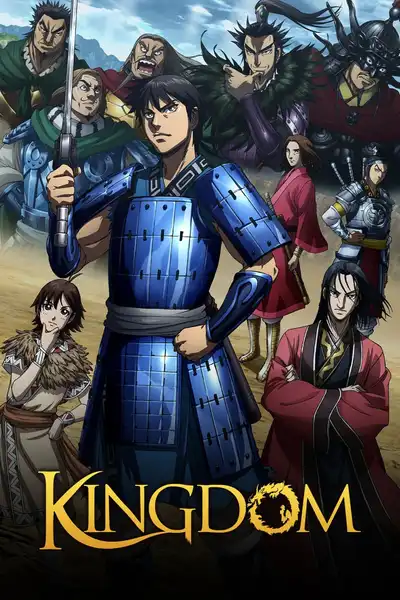
Frank Grillo is absolutely magnetic as Alvey Kulina, the owner of a mixed martial arts gym navigating the brutal world of professional fighting while managing his own demons and dysfunctional family. This raw, unflinching drama created by Byron Balasco stands as one of the most authentic portrayals of combat sports ever put on television, capturing both the physical toll and psychological complexity of life in and around the cage. The fight choreography is viscerally realistic, but what elevates the series is its commitment to character depth—Nick Jonas and Jonathan Tucker deliver career-best work as Alvey's sons, each struggling with their own paths in the sport. The show refuses to glamorize fighting while respecting the discipline and courage it requires, exploring masculinity, addiction, and family bonds with uncommon honesty. It's essential viewing that transcends the sports drama genre to become something genuinely profound about what it means to fight—literally and metaphorically—for what matters.
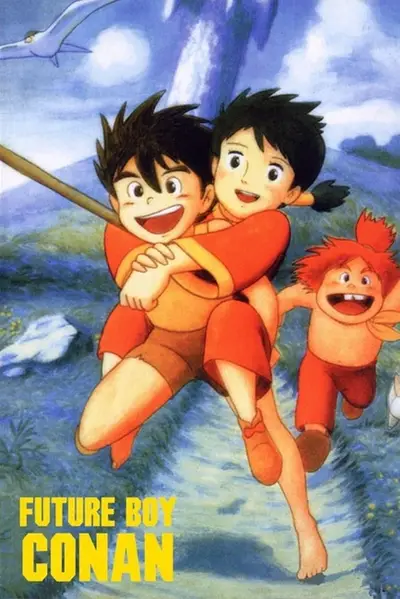
Visionary, adventurous, and deeply humanistic, Hayao Miyazaki's first directorial television series remains an absolute triumph of animated storytelling that laid the groundwork for Studio Ghibli's future masterpieces. Set in a post-apocalyptic world where most of humanity has been wiped out, the show follows young Conan as he searches for his friend Lana while battling the remnants of the old civilization that caused the world's destruction. The animation is remarkably fluid and expressive for its era, and Miyazaki's environmental themes and anti-war messaging resonate powerfully throughout all 26 episodes. What truly elevates the series is its unwavering optimism—despite the dystopian setting, it celebrates human resilience, friendship, and the possibility of building something better from the ruins. The action sequences are thrilling, the world-building is rich, and the emotional beats land perfectly. It's essential viewing for animation fans and a beautiful reminder of why Miyazaki became a legend.
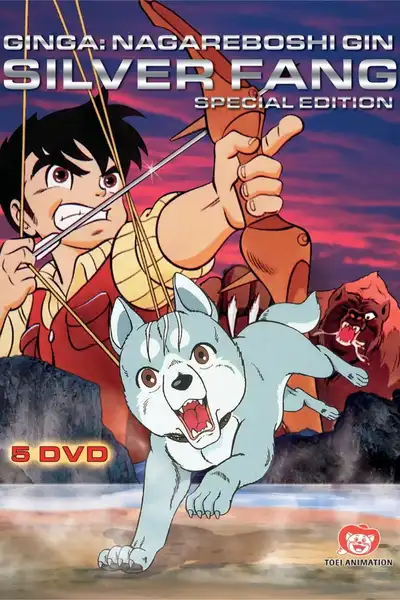
This thrilling adventure anime follows a courageous Akita Inu puppy named Gin who leaves his master to join a pack of wild dogs on a dangerous mission to defeat a monstrous bear terrorizing the Japanese mountains. What begins as a straightforward animal adventure evolves into an epic saga of loyalty, sacrifice, and survival that doesn't condescend to younger viewers by softening its stakes. The animation captures both the beauty of Japan's wilderness and the visceral intensity of the dogs' battles, with fight sequences that remain genuinely exciting despite the show's age. Creator Yoshihiro Takahashi's source material provides rich characterization for the canine cast, each dog possessing distinct personalities and fighting styles. The series explores themes of leadership, honor, and found family with surprising emotional sophistication. While anthropomorphized animal stories aren't for everyone, those who embrace the premise will find an unexpectedly moving and pulse-pounding adventure that justifies its cult following.
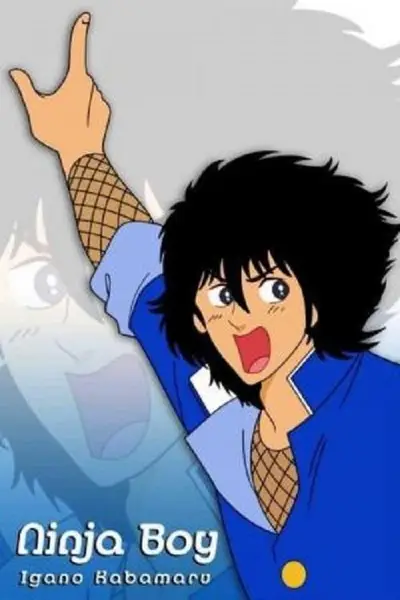
From anime legend Hideo Takayashiki comes this exhilarating ninja adventure series that captivated audiences with its perfect blend of action, humor, and heart. Following young Ninja Boy Rantaro as he trains at the Ninja Academy alongside classmates Shinbei and Kirimaru, the show delivers spectacular martial arts sequences while developing genuinely endearing character relationships. The animation holds up remarkably well, with fluid fight choreography and expressive character designs that bring the feudal Japanese setting to vivid life. What sets the series apart is its refusal to take itself too seriously—the boys' training mishaps and rivalry with students from competing ninja schools provide consistent comedy without undercutting the stakes when real danger arrives. It's wildly entertaining, beautifully animated, and deserves recognition alongside the era's better-known action anime.
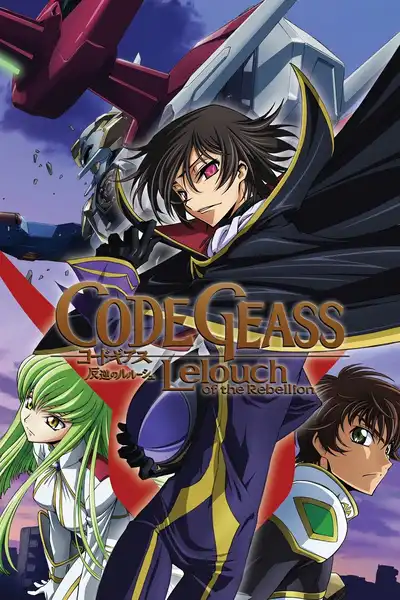
When an exiled prince gains a supernatural power that allows him to command anyone to obey his orders, he launches a calculated rebellion against the tyrannical empire that conquered his homeland. Code Geass is a masterclass in strategic storytelling, following Lelouch vi Britannia as he adopts the masked persona of Zero to liberate Japan from Britannian rule. Created by Gorō Taniguchi, this mecha anime brilliantly weaves political intrigue with intense action sequences and moral complexity that keeps you guessing until the final episode. Jun Fukuyama's performance as Lelouch captures both his genius intellect and tragic vulnerabilities perfectly. The series asks profound questions about justice, sacrifice, and whether noble ends justify brutal means. Every chess-like battle and surprising plot twist builds toward one of anime's most debated and brilliant conclusions. This isn't just another mecha show—it's a psychological thriller that happens to feature giant robots.
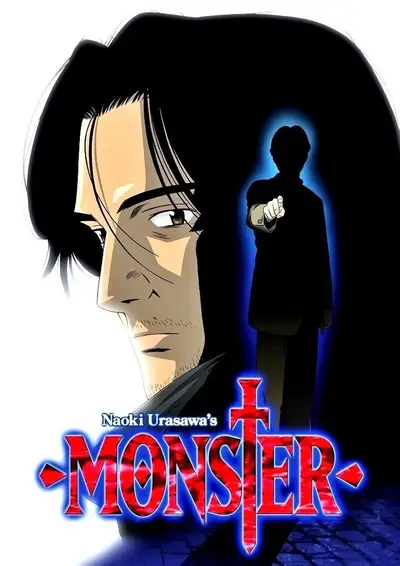
Naoki Urasawa crafts this psychological thriller anime that ranks among the medium's most sophisticated achievements, adapting his own manga into a gripping exploration of morality, identity, and consequence. The story follows Dr. Kenzo Tenma, a brilliant Japanese surgeon working in Germany who saves a young boy's life, only to discover years later that his patient has become a serial killer. The series unfolds as a methodical cat-and-mouse chase across Europe, with Tenma pursuing his former patient while questioning his own culpability. Urasawa's narrative never condescends to viewers, trusting them to follow complex character arcs and moral ambiguities without neat resolution. The animation style eschews flashiness for realistic character designs that enhance the show's unsettling atmosphere. Every episode deepens the philosophical questions at its core, building to a conclusion that respects the weight of everything that came before.
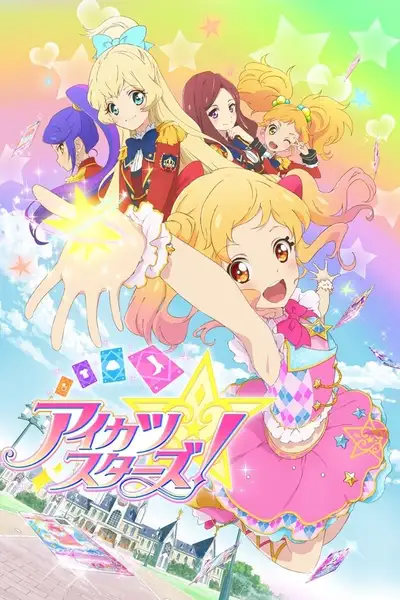
From the creative minds behind the Aikatsu franchise comes this spectacular continuation that elevates idol anime to dazzling new heights. Following students at the prestigious Four Star Academy as they compete to become top idols, the series features Yume Nijino and her classmates navigating performances, friendships, and personal growth. The animation quality is consistently gorgeous, with musical sequences that showcase fluid choreography and stunning costume designs that make each performance feel genuinely special. What sets this apart is its earnest exploration of ambition, hard work, and the bonds formed through shared dreams—themes delivered with such sincerity and craft that they resonate across age groups. The episodic structure allows for both standalone stories and overarching character development, while the soundtrack features genuinely catchy songs you'll find yourself humming days later. Even viewers typically skeptical of idol anime will find themselves charmed by the show's infectious optimism and impressive production values that never cut corners.
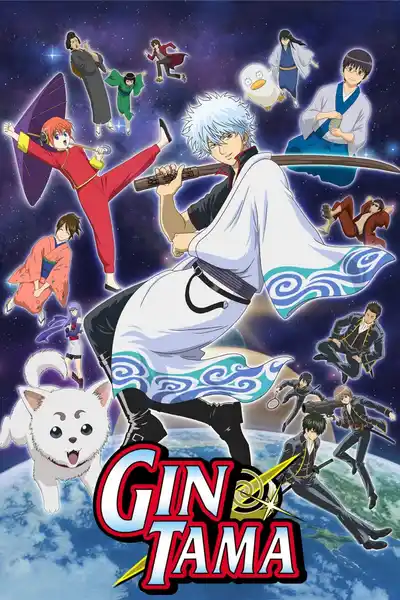
Absolutely wild, endlessly inventive, and hilariously unpredictable—Gintama is a comedy masterpiece that gleefully demolishes every anime convention while somehow honoring them all. Created by Hideaki Sorachi, this series follows Gintoki Sakata, a silver-haired samurai doing odd jobs in an alternate-history Japan occupied by aliens. What makes Gintama extraordinary is its fearless comedic range, seamlessly shifting from toilet humor and pop culture parodies to genuinely emotional storytelling and epic action sequences. Tomokazu Sugita voices Gintoki with perfect deadpan delivery, anchoring a cast of bizarre and lovable misfits. The series breaks the fourth wall constantly, mocks other anime shamelessly, and isn't afraid to dedicate entire episodes to absurd premises. Yet beneath the chaos lies real heart—character relationships deepen meaningfully, and dramatic arcs hit with surprising emotional weight. With over 360 episodes, Gintama rewards commitment with some of anime's most satisfying payoffs and gut-busting comedy that never gets old.
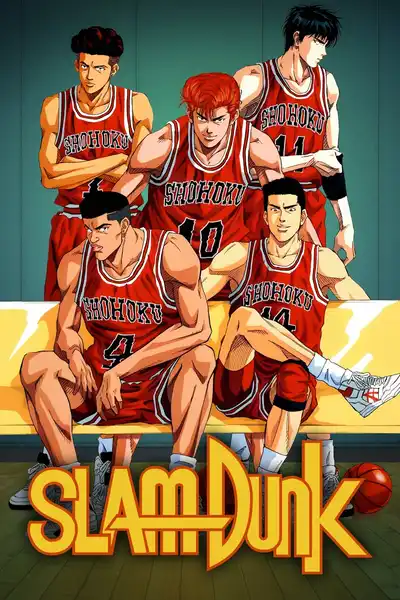
This is the quintessential story of self-improvement, unlikely friendship, and discovering one's passion against all odds. Takehiko Inoue's manga adaptation follows Hanamichi Sakuragi, a high school delinquent with no athletic experience who joins the basketball team purely to impress a girl—and gradually falls in love with the sport itself. What could have been a simple sports anime becomes something transcendent through its genuine understanding of competition, teamwork, and personal growth. The character development is exceptional, the basketball sequences are dynamically animated with real strategic depth, and the humor never undermines the emotional stakes. Every episode builds on what came before, creating tremendous momentum as Sakuragi and his Shohoku High teammates face increasingly formidable opponents. This series doesn't just depict basketball; it captures why sports matter, why people push themselves beyond their limits, and how a team becomes family.

Based on the real diary of Aya Kito, this Japanese drama series delivers one of the most emotionally powerful stories ever told on television. The show follows Aya, a vibrant 15-year-old girl diagnosed with spinocerebellar degeneration, a devastating illness that gradually robs her of control over her body. Erika Sawajiri's performance as Aya is nothing short of extraordinary, capturing both the character's determination and vulnerability with heartbreaking authenticity. What makes this series truly special is its refusal to wallow in misery—instead, it celebrates Aya's courage, her family's unwavering support, and the precious nature of every moment. The writing strikes a delicate balance between devastating reality and uplifting hope. Keep tissues nearby, because this beautifully crafted series will absolutely wreck you while simultaneously reminding you why life is worth fighting for.