Italian Shows
Italian television has emerged as a powerhouse of compelling storytelling, delivering some of the most captivating and culturally rich content in the world of international entertainment. From gripping crime dramas that have defined generations to contemporary streaming sensations that push creative boundaries, Italian shows offer viewers an immersive journey into exceptional narratives brought to life by masterful performances and visionary directors. Whether you're drawn to classic series that established Italy's television legacy or cutting-edge productions that showcase modern innovation, the landscape of Italian-language programming spans decades of groundbreaking work that has garnered critical acclaim and passionate global audiences. These must-watch Italian shows demonstrate the country's unparalleled ability to blend authentic cultural storytelling with universal themes, featuring everything from historical epics and psychological thrillers to intimate character studies and bold experimental formats. Explore award-winning series that have captivated viewers worldwide, highlighting the extraordinary talent of Italian creators, actors, and writers who continue to elevate television as an art form while celebrating Italy's distinctive voice in the ever-evolving world of premium entertainment.
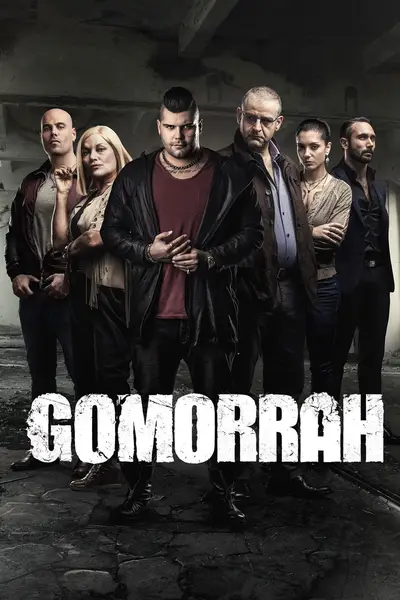
Set in the gritty streets of contemporary Naples, this Italian crime masterpiece plunges viewers into the brutal reality of the Camorra crime syndicate with unflinching authenticity. Based on Roberto Saviano's explosive book, the series weaves multiple storylines through the clan's hierarchy, from desperate street dealers to calculating bosses, creating a sprawling portrait of organized crime's corrosive effect on society. The performances are phenomenally raw, the violence shocking in its suddenness, and the moral ambiguity is relentless—there are no clear heroes here, only survivors and casualties. What makes this absolutely essential viewing is its documentary-like realism and refusal to glamorize the criminal lifestyle; instead, it exposes the paranoia, betrayal, and ultimate emptiness at its core. The cinematography captures Naples as both beautiful and decaying, a perfect metaphor for the story itself. This is crime drama at its most powerful and uncompromising.
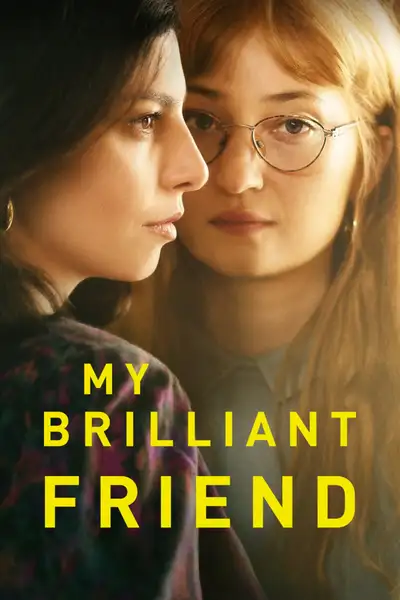
Margherita Mazzucco and Gaia Girace deliver extraordinary performances as Elena and Lila, two friends whose intense, complicated relationship spans decades in post-war Naples. Based on Elena Ferrante's beloved novels and adapted by Saverio Costanzo, this Italian series captures the claustrophobic intensity of their neighborhood while exploring how friendship, ambition, and circumstance shape two brilliant young women's diverging paths. The production spares no detail in recreating 1950s Naples, from the poverty and violence that define their childhood to the political upheavals that shape their adolescence. What makes My Brilliant Friend exceptional is its unflinching examination of female friendship—the jealousy, devotion, competition, and love that coexist in relationships society often simplifies. The predominantly Italian dialogue (subtitled for international audiences) preserves the novels' authenticity while allowing performances to breathe naturally. Each season adapts one novel with remarkable fidelity while translating internal monologue into visual storytelling. The series confirms that prestige television can honor literary sources while creating something cinematically powerful in its own right.

Set behind the scenes of a fictional low-budget Italian television series, this mockumentary brilliantly skewers the entertainment industry with razor-sharp wit and uncomfortable authenticity. The Roman production world becomes a character itself—ego-driven, dysfunctional, and absurdly hilarious. Created by Luca Manzi and Mattia Torre, the series follows director René Ferretti and his crew as they navigate impossible deadlines, temperamental actors, and their own creative compromises. The mockumentary format captures the chaos perfectly, with handheld cameras and confessional interviews that reveal the gap between artistic ambition and commercial reality. The ensemble cast is phenomenal, creating deeply flawed characters who are simultaneously infuriating and oddly sympathetic. What elevates Boris to brilliance is its specificity—the industry details feel lived-in and authentic, yet the themes about artistic integrity, workplace dynamics, and personal dignity resonate universally. The humor is often dark and always intelligent, rewarding viewers who appreciate satire with actual bite. It's essential viewing for anyone who's ever worked in a creative field.
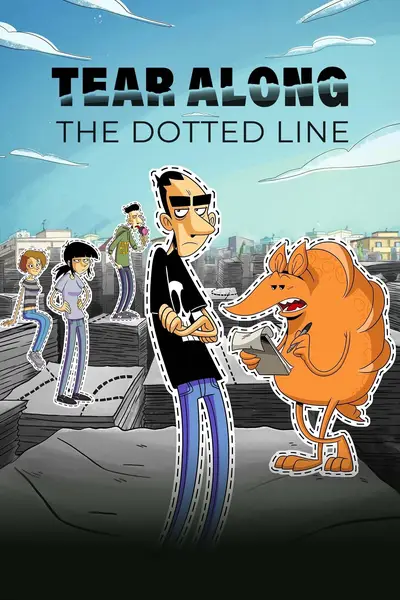
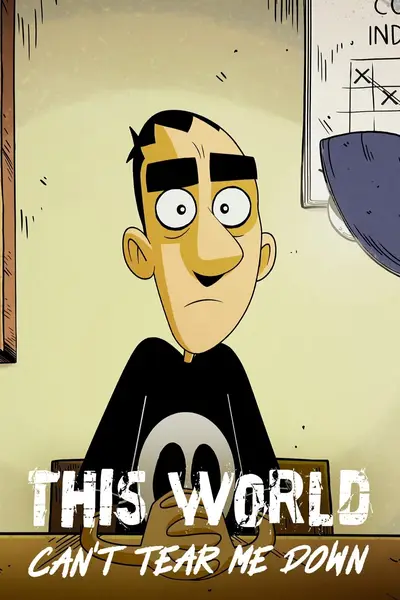
Melancholic, philosophical, and unexpectedly moving, this Italian adult animated series from creator Zerocalcare (Michele Rech) follows a fictionalized version of the artist as he navigates existential dread, friendship, and the weight of memory. The distinctively sketchy animation style perfectly complements the introspective narrative, which follows Zero and his talking armadillo conscience through Rome while processing a friend's invitation that forces him to confront his past. What emerges is something rare in animation: a genuinely adult meditation on regret, mortality, and the paths not taken, wrapped in observational humor and cultural specificity. Zerocalcare's autobiographical approach creates intimate character work, while the six-episode structure allows proper breathing room for its themes. The animation may initially seem crude, but it serves the raw emotional honesty at the show's core. While dialogue-heavy and deliberately paced, it rewards patient viewers with profound insights about growing older and staying true to yourself. It's introspective without being pretentious, sad without wallowing—a beautifully realized portrait of millennial anxiety and connection.
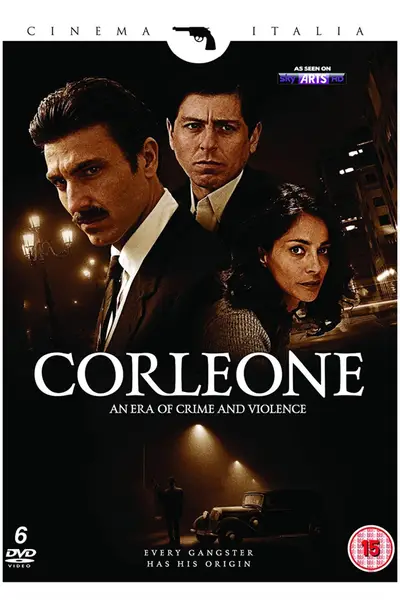
Dark, operatic, and unflinchingly brutal, this Italian crime drama plunges viewers into the violent world of the Sicilian Mafia during the bloody Corleonesi clan wars of the 1970s and 1980s. Directed by Alberto Sironi and based on actual events, the series chronicles Salvatore Riina's ruthless rise to power and the devastating impact of organized crime on Sicilian society. Claudio Gioè delivers a chilling performance as the calculating crime boss, surrounded by an exceptional ensemble that brings the era's key figures to stark life. The production doesn't glamorize the violence; instead, it presents the Mafia's brutality with documentary-like clarity that makes the material genuinely disturbing. While the sprawling cast can be difficult to track across episodes, the show's commitment to historical accuracy and its exploration of how corruption infected every level of Italian institutions makes it essential viewing for crime drama enthusiasts.
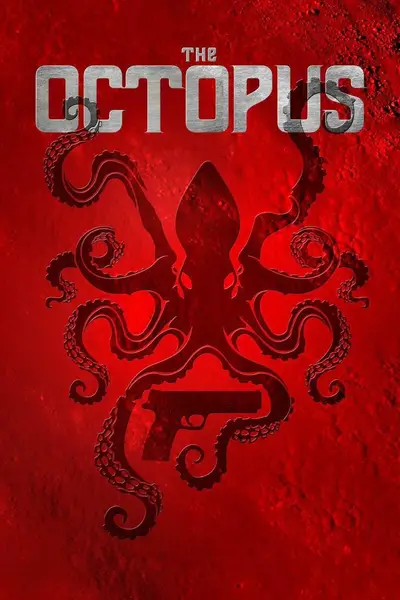
This Italian crime epic stands as one of television's most ambitious examinations of the Mafia's infiltration into every level of society, politics, and business. Created by Sandro Petraglia and Stefano Rulli, La Piovra (The Octopus) follows various law enforcement officials and prosecutors over multiple seasons as they attempt to combat organized crime's sprawling tentacles throughout Italy. Michele Placido stars in early seasons as Commissioner Cattani, whose relentless pursuit of Mafia networks comes at devastating personal cost. What distinguishes the series is its refusal to simplify the battle between justice and corruption—victories are temporary, allies become compromised, and the octopus constantly regenerates. The show's scope expands across its ten seasons, exploring how organized crime adapts and evolves, moving from street-level violence to sophisticated financial manipulation. The writing is dense and requires attention, but rewards viewers with nuanced character development and intricate plotting that reflects Italy's real struggles with the Mafia during the 1980s and 1990s. Though long and occasionally melodramatic by modern standards, La Piovra remains essential viewing for understanding how Italian television dramatized one of its greatest social crises with seriousness and artistic ambition.
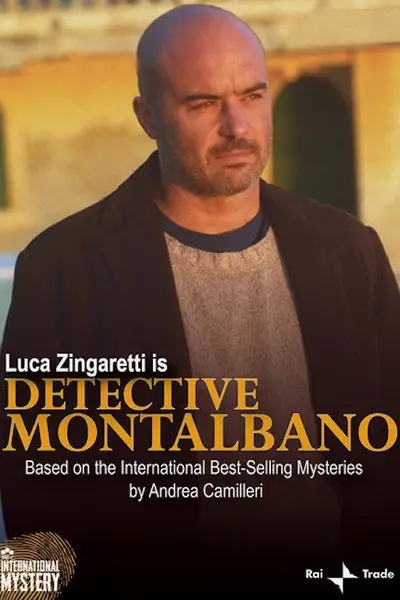
This long-running Italian detective series follows the investigations of the titular Sicilian inspector, a food-loving, literature-quoting police detective navigating both crimes and bureaucracy in the fictional coastal town of Vigàta. Based on Andrea Camilleri's beloved novels and starring Luca Zingaretti in the lead role, the show perfectly captures the atmosphere of contemporary Sicily with its gorgeous Mediterranean settings and complex local politics. Montalbano himself is a wonderfully realized character—intuitive, stubborn, occasionally melancholic, and always human. The mysteries are well-constructed, but the series is equally interested in character relationships, particularly Montalbano's interactions with his loyal team and his long-distance relationship with girlfriend Livia. The pacing is more leisurely than typical crime dramas, allowing time for meals, conversations, and the rhythms of Sicilian life. It's comfort viewing of the highest order, combining satisfying procedural elements with rich characterization and stunning locations.
This Italian documentary series delves into some of the most perplexing and haunting unsolved mysteries and criminal cases from Italy's modern history, presenting each investigation with meticulous attention to detail and journalistic integrity. Created and hosted by Carlo Lucarelli, the show examines notorious cases ranging from political conspiracies to unexplained disappearances, always maintaining a respectful approach to the victims and their families. Lucarelli's thoughtful narration guides viewers through complex timelines and evidence, avoiding sensationalism while still conveying the genuine intrigue of each case. The series stands out for its thorough research and willingness to present multiple perspectives, allowing audiences to draw their own conclusions. The production values effectively support the storytelling, with archival footage and expert interviews adding credibility and context. For true crime enthusiasts and those interested in Italian history, this offers a compelling and thoughtfully constructed viewing experience.
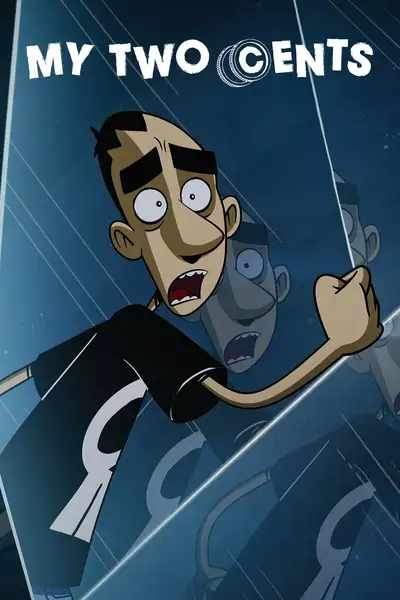
Sarah Lancashire takes on the role of a seasoned financial advisor who returns to her working-class roots to open a community consultation service, offering practical money guidance to those the banking system has failed. Created by Danny Brocklehurst, the series smartly balances the procedural elements of solving individual financial crises with deeper character work exploring class divides and economic anxiety in modern Britain. Lancashire brings her trademark warmth and intelligence to a character who refuses to condescend to her clients while maintaining clear-eyed pragmatism about their situations. Each episode presents a new case that illuminates different aspects of financial precarity, from predatory lending to pension mismanagement, without feeling preachy or didactic. The supporting cast, including several familiar faces from British television, creates a believable community around the central character. It's engaging, informative television that entertains while treating serious economic issues with the respect they deserve.
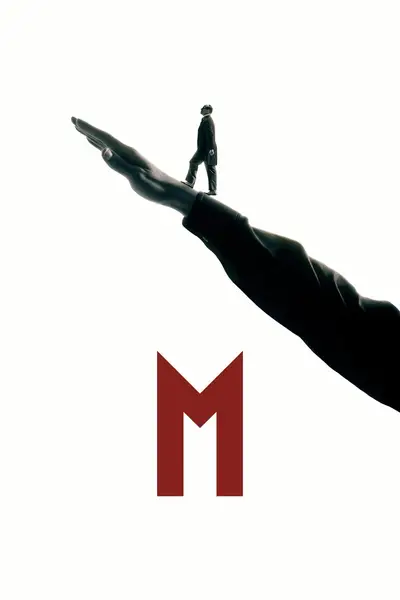
This Italian biographical drama chronicles the rise of Benito Mussolini from his early days as a socialist journalist to his transformation into the fascist dictator who reshaped Italy. Based on Antonio Scurati's acclaimed novel "M: Son of the Century," the series offers an unflinching examination of how Il Duce exploited post-WWI chaos, nationalist resentment, and political violence to seize power. Luca Marinelli delivers a magnetic and disturbing performance as Mussolini, capturing the charisma that seduced a nation while never obscuring the brutality and cynicism beneath. Director Joe Wright brings cinematic scope to the production, with period detail that immerses viewers in 1920s Italy while maintaining clear-eyed perspective on the horror of what's unfolding. The series doesn't attempt to psychoanalyze or humanize its subject into sympathy; instead, it methodically shows how fascism takes root through propaganda, intimidation, and the failure of democratic institutions to mount effective resistance. For viewers interested in understanding authoritarian movements, this offers chilling and essential viewing that feels uncomfortably relevant to contemporary politics.
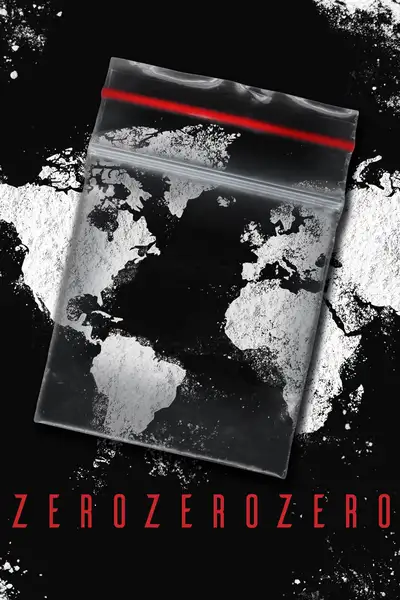
In this series adapted from Roberto Saviano's book, the global cocaine trade is examined through three interconnected storylines spanning Mexico, Italy, and the United States. The ambitious structure follows the drug's journey from production to distribution, featuring performances from Gabriel Byrne, Andrea Riseborough, and Dane DeHaan. Directors Stefano Sollima, Pablo Trapero, and Janus Metz Pedersen bring distinct visual approaches to their respective segments, creating a deliberately fragmented viewing experience. The show's strength lies in its unglamorous portrayal of the drug trade's brutal economics, though the multiple storylines occasionally feel disconnected rather than complementary. At eight episodes, the pacing drags in places, and the bleak tone can become numbing. It's an ambitious crime drama with moments of real power, but the execution doesn't quite match the scope of its vision.
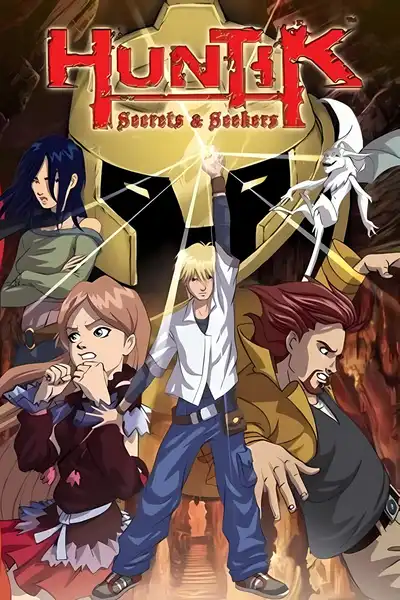
Adventure and wonder permeate every frame of this animated series that takes young viewers on globe-trotting quests for magical Titans. Created by Iginio Straffi, the show follows Lok Lambert and his team of Seekers as they search for powerful amulets while battling the evil organization determined to control these ancient creatures. The animation style blends traditional and CGI techniques effectively, bringing the various Titans to life with distinctive designs and abilities that fuel both the action sequences and collectible appeal. Voice actors Marc Thompson and Rebecca Soler anchor the ensemble cast with genuine enthusiasm that matches the show's spirit of discovery. The mythology deepens satisfyingly across seasons without becoming overly complicated, striking a nice balance between episodic adventures and ongoing storylines that reward regular viewers with character development and world-building that goes beyond typical monster-battling fare.
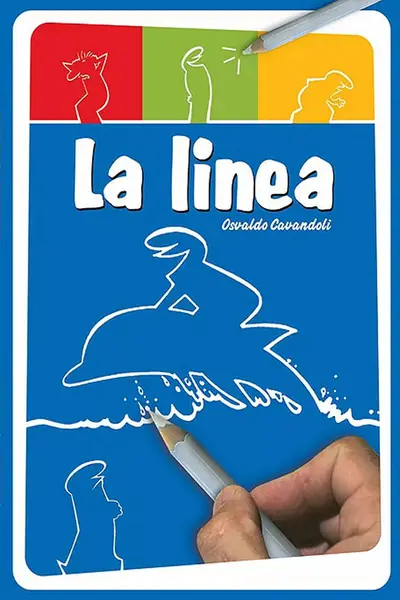
From Italy in the late 1970s, this minimalist animated series follows a simple character drawn as a continuous line who encounters obstacles, puzzles, and absurdist situations on his endless journey across a blank landscape. Created by Osvaldo Cavandoli, La Linea strips storytelling to its essentials—no dialogue beyond the character's frustrated Italian gibberish, no elaborate backgrounds, just inventive problem-solving and sight gags that work across all languages. The animation style influenced countless creators with its proof that personality and humor don't require elaborate rendering. Each brief episode demonstrates economical storytelling, setting up and resolving scenarios in minutes while maintaining surprising variety in what could have been a limited premise. It's a charming reminder that constraints often fuel rather than limit creativity.
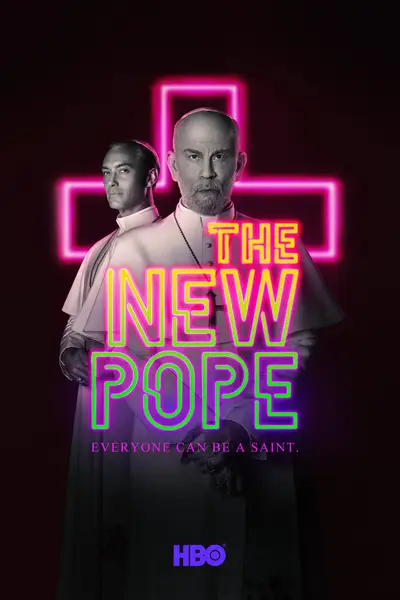
Within the marble halls and political intrigue of the Vatican, power struggles intensify as a new pope assumes the throne. Paolo Sorrentino returns to direct this follow-up to "The Young Pope," with John Malkovich joining the cast as Pope John Paul III while Jude Law reprises his role as the now-comatose Pius XIII. Sorrentino's distinctive visual style transforms the papacy into surreal, provocative drama, mixing profound theological questions with absurdist humor and stunning cinematography. The series delves deeper into institutional politics and personal faith, examining what happens when the church's earthly machinery confronts genuine spirituality. Malkovich brings a different energy than Law—more understated and melancholic—which creates fascinating contrasts. It's deliberately paced and won't appeal to everyone, but for those willing to engage with its contemplative, often bizarre approach to religious drama, it offers a viewing experience unlike anything else on television.
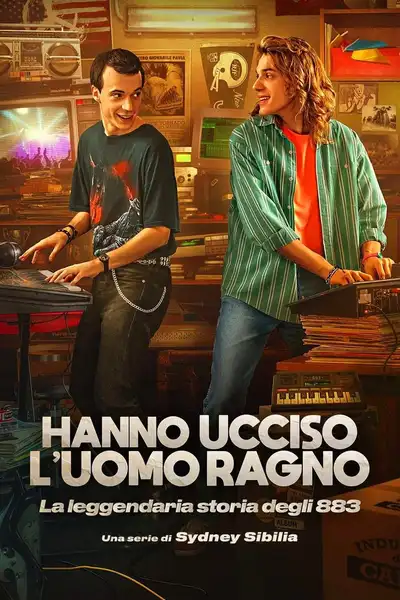
When two teenagers from Pavia decide to form a pop band in the 1990s, they inadvertently launch one of Italy's most successful musical acts in this biographical dramedy. The series chronicles the rise of Max Pezzali and Mauro Repetto as they transform from provincial dreamers into the phenomenon known as 883, capturing the optimism and cultural shifts of early '90s Italy. Created by Sydney Sibilia, the show benefits from authentic period details and genuinely affectionate performances from Elia Nuzzolo and Matteo Oscar Giuggioli as the young musicians. The nostalgic recreation of the era's fashion, technology, and music scene feels lived-in rather than merely decorative. However, the pacing occasionally drags during the middle episodes, and some dramatic conflicts feel manufactured. The soundtrack naturally shines, featuring the duo's iconic hits that defined a generation. It's an earnest tribute that works best for those with existing fondness for the music.
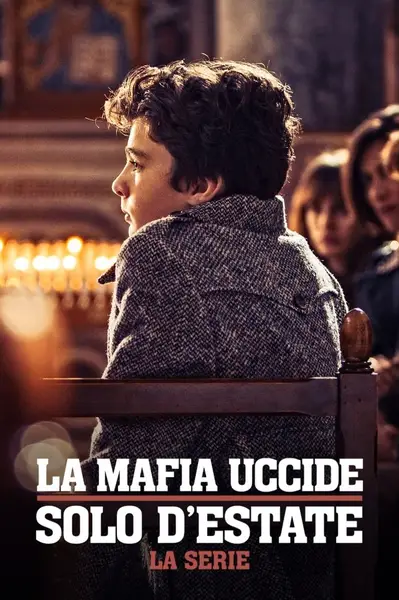
This dramedy approaches Sicily's Mafia history through the eyes of Arturo, a boy growing up in 1980s Palermo who falls in love while the violence around him escalates. Based on Claudio Gioe's novel and directed by Pierfrancesco Diliberto (Pif), the series finds an unusual angle on familiar subject matter by filtering brutal reality through a child's naive perspective and romantic longing. The juxtaposition of first love against the backdrop of assassinations and turf wars creates a bittersweet tone that's distinctly Italian. Gioe himself narrates as the adult Arturo looking back, adding layers of melancholy to what might otherwise be pure nostalgia. The show manages to acknowledge the horror of Mafia violence without exploiting it, instead focusing on how ordinary Sicilians lived their lives amid the chaos. It's funny, touching, and offers a fresh take on over-covered territory.
A zero-hour contract worker struggling to keep his family afloat takes a desperate chance that pulls him into Madrid's criminal underworld, forcing impossible choices between survival and morality. Luis Tosar delivers a powerfully grounded performance as the protagonist caught between legitimate poverty and illegal opportunity, bringing dignity and complexity to a character the system has failed. Created by Alberto Rodríguez and Rafael Cobos, the Spanish series examines economic precarity and class struggle with unflinching honesty, never romanticizing crime while understanding the circumstances that produce it. The supporting cast, including Natalia de Molina and Xan Cejudo, creates a convincing ecosystem of characters similarly trapped by circumstance. The social realism grounds even the thriller elements, making the stakes feel genuinely urgent. It's tense, thought-provoking drama that uses genre mechanics to explore timely questions about inequality and what people will do when society offers no legitimate path forward.
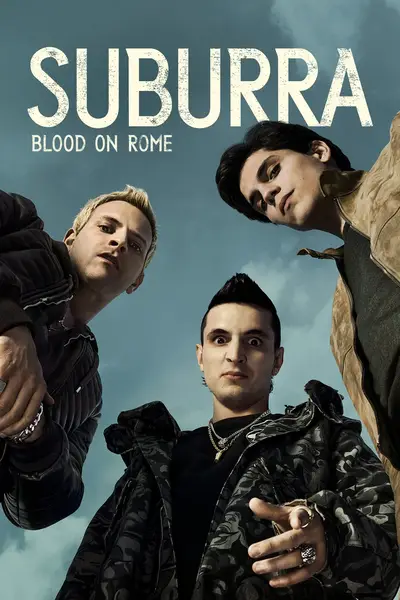
In contemporary Rome, the fight for control of a valuable waterfront development brings together the Vatican, organized crime, and corrupt politicians in a violent collision of interests. This Italian crime drama, based on the novel by Carlo Bonini and Giancarlo De Cataldo, presents a city where sacred and profane interests intertwine with cynical inevitability. The ensemble cast navigates a complex web of alliances and betrayals as various factions maneuver for power. The series excels at atmospheric depictions of Rome's criminal underworld and delivers several compelling performances, particularly from its morally compromised characters. However, the sprawling plot sometimes loses focus amid numerous subplots and characters, and the relentlessly grim tone can become exhausting. The production values are strong, and those already versed in Italian crime drama will find familiar pleasures. It's solid genre work that occasionally reaches for something more profound, with enough intrigue to maintain interest even when narrative clarity suffers.
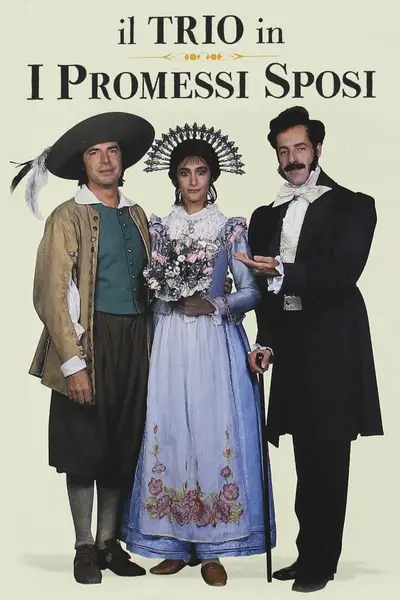
Sweeping and romantic, this Italian adaptation of Alessandro Manzoni's classic novel brings 17th-century Lombardy vividly to life with stunning costumes and cinematography. The story follows Renzo and Lucia, two lovers whose planned wedding is thwarted by a tyrannical local lord, setting off a series of trials involving plague, war, and separation. Director Salvatore Nocita crafted this miniseries with obvious reverence for the source material, and it shows in every carefully composed frame. The ensemble cast, led by Burt Lancaster in a memorable role, delivers performances that balance period formality with genuine emotion. What could have been merely a costume drama instead becomes an exploration of faith, resilience, and the endurance of love through impossible circumstances. The production values remain impressive, capturing both the beauty and brutality of the era. It's essential viewing for fans of literary adaptations and Italian television.
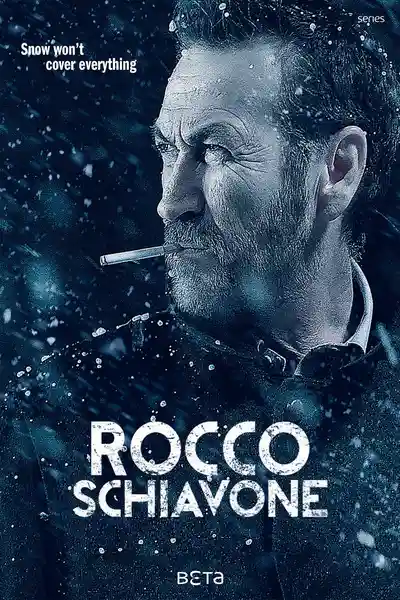
Sardonic, stylish, and thoroughly engaging, this Italian crime series follows a misanthropic deputy police chief transferred from Rome to the snowy mountain town of Aosta. Marco Giallini delivers a magnetic performance as Rocco Schiavone, a cynical detective whose unorthodox methods and sharp tongue mask a deeper humanity and genuine investigative brilliance. Created by Antonio Manzini (adapting his own novels) and directed by Michele Soavi, the series pairs compelling murder mysteries with rich character development and stunning Alpine scenery. Schiavone's complicated relationships with colleagues, criminals, and his own past provide emotional depth beyond the procedural elements. The show's distinctive tone balances dark humor with genuine pathos, particularly in Schiavone's grief over his late wife. With excellent supporting performances and cases that challenge both the detective and viewers, this series stands out in the crowded European crime drama landscape through its unique protagonist and atmospheric setting.
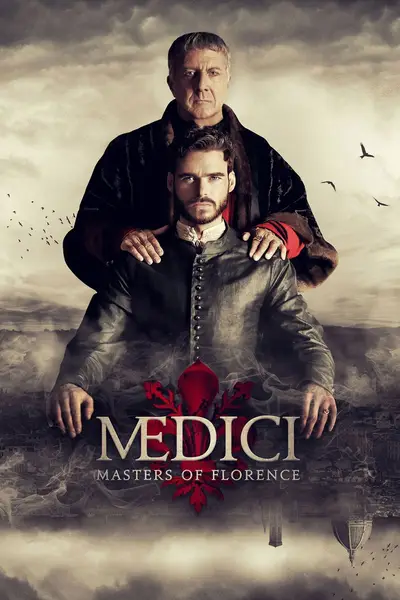
Sumptuous and visually rich, this historical drama brings 15th-century Florence to vivid life through the story of the Medici banking dynasty. Richard Madden stars as Cosimo de' Medici, the brilliant patriarch who must navigate political intrigue, family betrayals, and financial warfare to preserve his family's power. Created by Frank Spotnitz and Nicholas Meyer, the series balances historical accuracy with compelling storytelling, making the complex politics of Renaissance Italy accessible and engaging. Dustin Hoffman appears as Giovanni di Bicci de' Medici in a performance that anchors the family saga. The production design is magnificent, capturing the artistic flowering of the period alongside its brutal power struggles. While it takes some dramatic liberties with history, the show captures the essential spirit of the era and the Medici family's outsized influence on Western civilization. It's ambitious, handsomely mounted television that makes history feel immediate and relevant.