Historical Epic Shows
From the fall of empires to the rise of nations, historical epic shows transport viewers across centuries of human drama with stunning authenticity and cinematic ambition. These masterfully crafted series blend meticulous historical research with compelling storytelling, transforming pivotal moments, legendary dynasties, and world-changing conflicts into immersive viewing experiences that rival Hollywood blockbusters. Whether depicting ancient civilizations, medieval kingdoms, modern wars, or twentieth-century political intrigue, the best historical epics captivate audiences through sweeping narratives, grand production values, and performances that breathe life into figures both famous and forgotten. The genre has evolved dramatically over the decades, with contemporary productions leveraging cutting-edge technology and larger budgets to recreate past eras with unprecedented detail, while classic entries continue to showcase timeless approaches to historical drama. This carefully curated selection of 21 essential historical epic shows spans the entire evolution of television storytelling, celebrating both groundbreaking recent releases and enduring favorites that have defined the genre, offering history enthusiasts and casual viewers alike an authoritative guide to the most ambitious and unforgettable series ever produced.
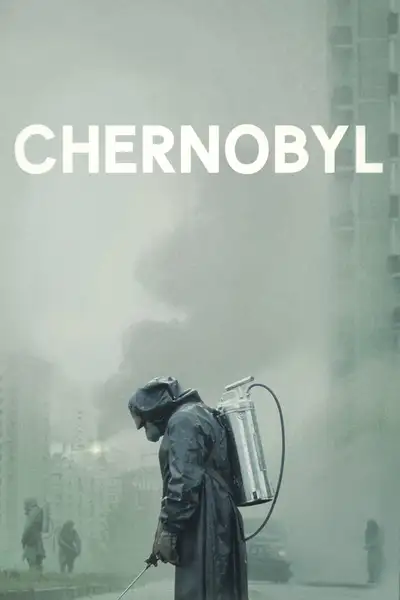
This is about truth, courage, and the devastating cost of lies, told through the lens of humanity's worst nuclear disaster. Craig Mazin's meticulously researched miniseries chronicles the 1986 Chernobyl explosion and its aftermath with such unflinching honesty that every episode feels almost unbearably tense. Jared Harris delivers a stunning performance as scientist Valery Legasov, racing against time and Soviet bureaucracy to prevent even greater catastrophe, while Stellan Skarsgård and Emily Watson provide equally powerful support. The attention to historical detail is extraordinary, from the production design to the moral complexity of every decision. What could have been simple disaster drama instead becomes a profound meditation on institutional failure, individual heroism, and the price paid by those who dare speak truth to power. It's haunting, essential television that lingers long after the final frame.
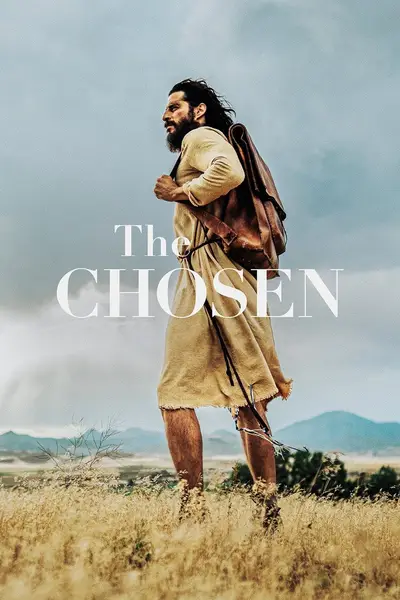
Set in first-century Galilee under Roman occupation, this groundbreaking series brings the Gospels to life with unprecedented authenticity and emotional depth. Director Dallas Jenkins has created something truly special by focusing on the humanity of Jesus and his followers, showing their fears, doubts, and transformations with remarkable nuance. Jonathan Roumie's portrayal of Jesus is both powerful and tender, capturing a warmth and accessibility rarely seen in faith-based media. What makes The Chosen extraordinary is how it imagines the backstories of familiar biblical figures—Matthew the tax collector, Mary Magdalene, Simon Peter—making their encounters with Jesus feel fresh and deeply moving. The crowdfunded production boasts cinematic quality that rivals major studio releases, while the writing balances reverence with genuine humor and relatable struggles. Whether you're a person of faith or simply appreciate compelling character-driven drama, this series offers something profoundly uplifting.
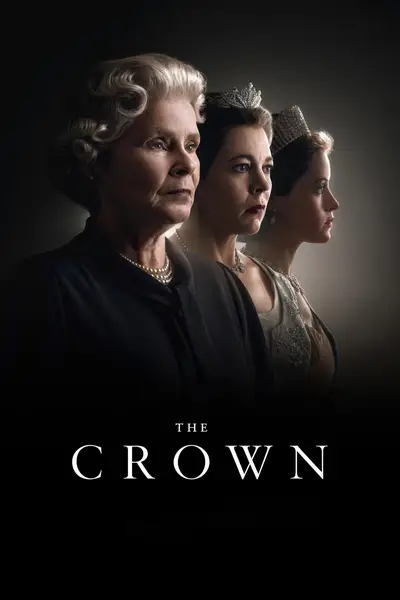
Peter Morgan's masterful historical drama chronicles the reign of Queen Elizabeth II with such sumptuous detail and emotional depth that it stands as a landmark achievement in television. Each season focuses on a different era of the monarch's life, with rotating casts that include Claire Foy, Olivia Colman, and Imelda Staunton as Elizabeth at different ages—a bold choice that pays off brilliantly. The production values are simply extraordinary, from the meticulously recreated royal residences to the period-accurate costumes that earned the show numerous awards. Morgan's scripts balance grand historical events with intimate personal moments, showing how duty and family constantly collide for those born into royalty. The supporting cast, featuring performers like Vanessa Kirby, Helena Bonham Carter, and Tobias Menzies, brings depth to figures who could easily become caricatures. This is prestige television that earns its accolades through consistently excellent craftsmanship and storytelling.
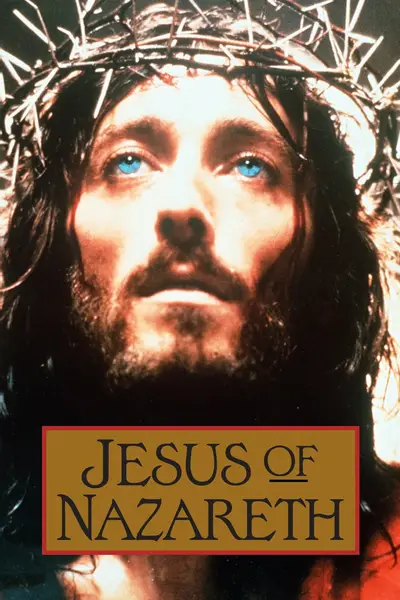
Reverent and visually stunning, Franco Zeffirelli's epic miniseries presents the life of Christ with remarkable scope and emotional depth. Robert Powell delivers an unforgettable performance in the title role, his piercing blue eyes conveying both divine authority and profound compassion throughout the six-hour narrative. The production features an extraordinary ensemble including Anne Bancroft, Ernest Borgnine, Laurence Olivier, and Peter Ustinov, bringing weight to both major and minor biblical figures. Zeffirelli's direction emphasizes the human dimensions of the story while maintaining appropriate reverence for the religious subject matter, creating a work that resonates regardless of viewer faith backgrounds. The cinematography beautifully captures the historical setting, and the pacing allows scenes to breathe with contemplative power. Despite its length, the miniseries remains engaging throughout, offering one of the most comprehensive and respectful screen portrayals of the Gospels. It's essential viewing that stands as both magnificent filmmaking and meaningful spiritual drama.
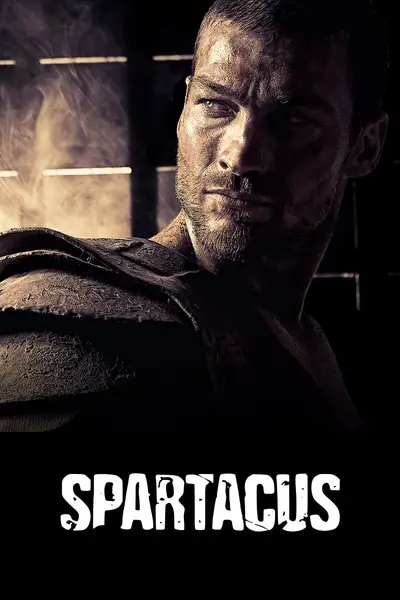
This blood-soaked historical drama follows the real-life Thracian gladiator who led a slave rebellion against the Roman Republic. Steven S. DeKnight's series doesn't shy away from graphic violence or sexuality—in fact, it embraces both with stylized excess reminiscent of 300—but beneath the spectacle lies genuinely compelling storytelling. Andy Whitfield's charismatic performance in season one establishes Spartacus as both warrior and man, making his journey from slave to revolutionary deeply emotional. After Whitfield's tragic death, Liam McIntyre steps into the role admirably. The supporting cast, particularly John Hannah, Lucy Lawless, and Manu Bennett, elevate material that could have been pure exploitation into something resembling Shakespearean tragedy. Yes, the early episodes lean heavily on style, but the show develops surprising depth as it explores themes of freedom, loyalty, and the cost of vengeance. The series builds to a genuinely moving conclusion that honors both its characters and history.
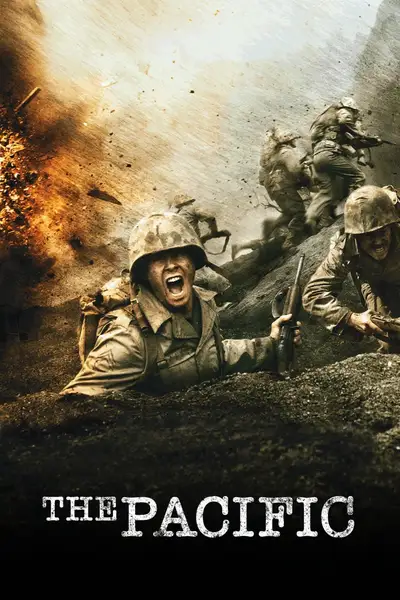
James Badge Dale leads as Robert Leckie in this World War II miniseries from Tom Hanks and Steven Spielberg that follows three Marines through the brutal Pacific Theater campaign. The production values are undeniably impressive, with authentically staged battles and period detail that immerse viewers in the island-hopping warfare. However, the series struggles with its sprawling narrative structure, jumping between multiple protagonists in a way that prevents deep emotional connection with any single character. Joseph Mazzello and Jon Seda round out the main cast, each carrying their own storylines that occasionally feel disconnected. While individual episodes contain powerful moments depicting the psychological toll of combat, the overall experience feels more educational than emotionally resonant, making it a worthwhile but uneven companion piece to Band of Brothers.

This epic magical realism adaptation brings Gabriel García Márquez's masterpiece to the screen with stunning visual ambition and emotional depth. The Netflix series traces multiple generations of the Buendía family in the fictional town of Macondo, weaving together love, war, prophecy, and the cyclical nature of history. Shot entirely in Colombia with Spanish dialogue, the production honors the novel's Latin American roots while making the sprawling narrative accessible to viewers unfamiliar with the source material. The performances capture both the earthbound reality and supernatural elements that define Márquez's work, while the cinematography renders Macondo as a character unto itself. This is prestige television that takes risks, trusting audiences to embrace a story that spans decades and defies conventional narrative structure. For literary adaptation enthusiasts and anyone seeking truly ambitious storytelling, this series delivers a remarkable achievement.
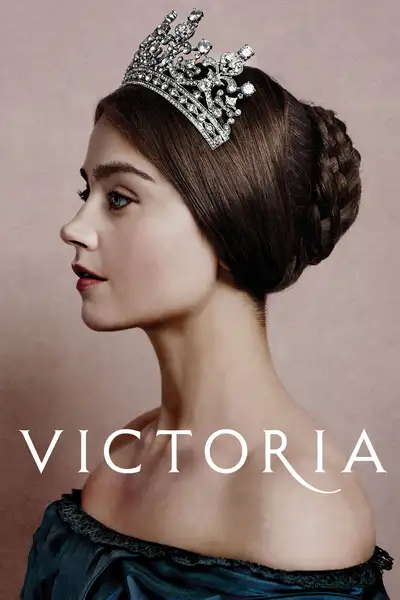
When eighteen-year-old Princess Victoria unexpectedly ascends to the British throne in 1837, she must navigate court intrigue, political manipulation, and her own coming-of-age while ruling the most powerful empire in the world. Jenna Coleman delivers a luminous performance as the young queen, capturing both her vulnerability and her iron will. Creator Daisy Goodwin crafts a sumptuous historical drama that focuses on Victoria's early reign, her romance with Prince Albert (Tom Hughes), and her complex relationship with Prime Minister Lord Melbourne (Rufus Sewell). The series excels at showing the personal costs of power and the constraints placed on even the most powerful woman in the world. Lavish production design and smart writing make this period drama both educational and thoroughly entertaining.

In 16th century England, the court of Henry VIII becomes a hotbed of political intrigue, sexual manipulation, and deadly ambition. Jonathan Rhys Meyers delivers a magnetic performance as the young, athletic king, a stark departure from the traditional portrayals of the aging monarch. Created by Michael Hirst, the series takes historical liberties in service of drama, compressing timelines and heightening conflicts to create something more Shakespearean than documentary. The supporting cast, including Sam Neill, Jeremy Northam, and Natalie Dormer, brings depth to figures who could easily become one-dimensional schemers. The costume design and production values are sumptuous, immersing viewers in a world of velvet and treachery. While purists may quibble with historical accuracy, the show succeeds as gripping entertainment that captures the essence of a transformative period. It's lush, engaging period drama that understands the soap opera elements inherent in Tudor history.
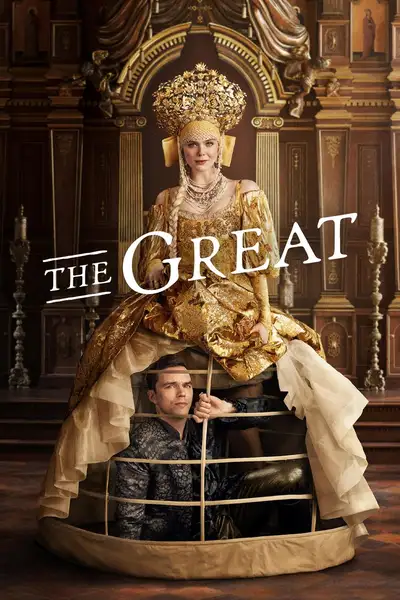
Tony McNamara, who wrote the screenplay for The Favourite, brings his irreverent historical revisionism to Catherine the Great's rise to power in 18th-century Russia. Elle Fanning stars as the idealistic young Catherine, with Nicholas Hoult as her boorish husband Peter III, and their antagonistic relationship fuels much of the show's comic energy. McNamara's anachronistic dialogue and deliberate historical inaccuracies aim for satirical commentary on power, gender, and idealism, with mixed results. When the absurdist humor lands, it's wickedly funny, but the tone wobbles uncertainly between farce, drama, and romance without fully committing to any approach. Fanning and Hoult both deliver committed performances that elevate inconsistent material, and the production design is lavish throughout. Some episodes achieve a sharp balance between comedy and pathos, while others feel aimless or repetitive. The show's self-conscious cleverness occasionally undermines its emotional moments, leaving viewers at arm's length from characters who should be more compelling.
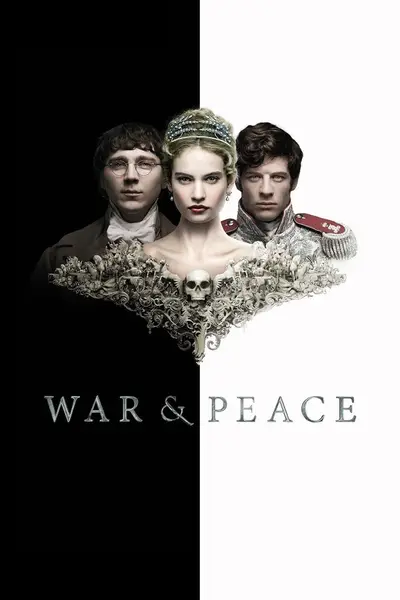
This sweeping historical drama brings Leo Tolstoy's epic novel to vivid life with stunning cinematography and passionate performances. Writer Andrew Davies condenses the sprawling narrative into six episodes that follow aristocratic families navigating love, war, and social upheaval during Napoleon's invasion of Russia. Paul Dano brings brooding intensity to the idealistic Pierre Bezukhov, while Lily James shines as the spirited Natasha Rostova, and James Norton captures the complexity of the troubled Andrei Bolkonsky. The series doesn't shy away from the novel's grand themes of fate, free will, and the meaning of history, while making the personal stories feel immediate and relatable. Director Tom Harper stages the battle sequences with visceral intensity, but it's the intimate moments—a first waltz, a deathbed reconciliation—that truly resonate. The production values are sumptuous without being stuffy, making this adaptation both faithful to Tolstoy's vision and thoroughly engrossing television.
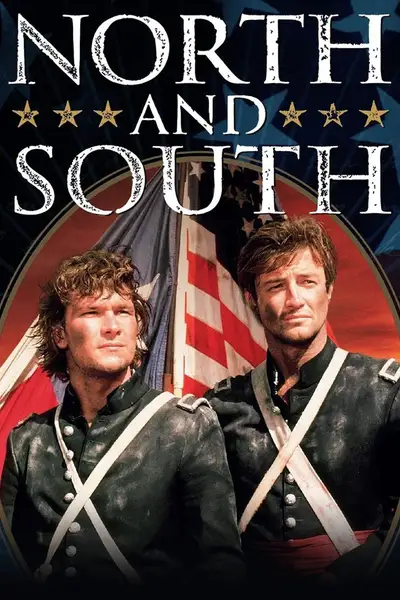
In this sweeping adaptation of John Jakes' novels, two families from different regions find their friendship tested as the United States moves toward civil war and beyond. The series ambitiously covers decades of American history through the intertwined fates of the northern Hazards and southern Mains, with Patrick Swayze, James Read, and Lesley-Anne Down leading an enormous ensemble cast. The production spares no expense in recreating pivotal historical moments while keeping the focus on personal relationships strained by larger forces. What could have been a dry history lesson becomes genuinely engaging drama through strong characterization and willingness to explore the moral complexities of the era. The miniseries format allows for the kind of epic storytelling that builds emotional investment over hours. While some subplots receive more satisfying development than others, the overall scope and ambition remain impressive. It's historical drama that succeeds in making the past feel immediate and relevant.
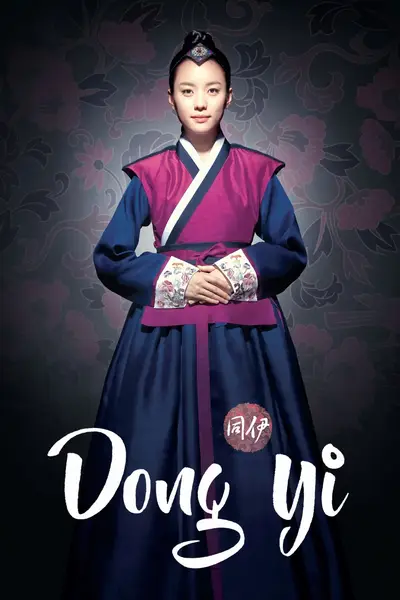
When a young woman from the lowest social class enters the royal palace as a lowly servant, she begins an extraordinary journey that will see her rise to become one of the most powerful women in Joseon Dynasty Korea. Dong Yi, created by Kim Yi-young and starring Han Hyo-joo in the title role, chronicles the remarkable true story of a historical figure who overcame impossible odds through intelligence, compassion, and unwavering integrity. The series masterfully balances political intrigue with genuine warmth, as Dong Yi navigates treacherous court politics while maintaining her moral compass. Han's luminous performance anchors the sprawling 60-episode narrative, supported by a stellar ensemble cast. The lavish production values and meticulous attention to historical detail immerse viewers in the Joseon court's beauty and brutality, while the inspiring central story reminds us that character and determination can triumph over circumstance.
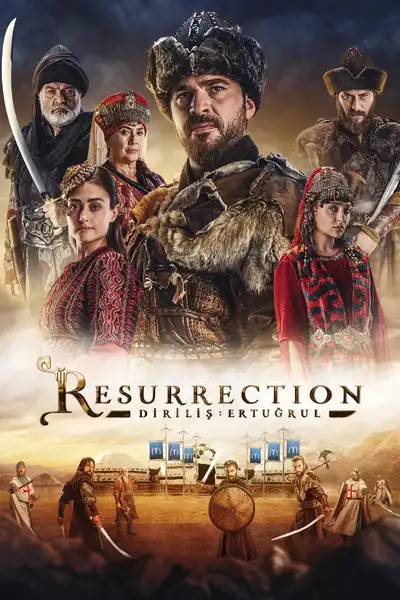
In this historical epic, the legendary figure Ertuğrul Gazi—father of Osman I, founder of the Ottoman Empire—leads his nomadic Kayı tribe through 13th-century Anatolia amid political intrigue, warfare, and cultural conflict. Creator Mehmet Bozdağ crafted a series that became a cultural phenomenon, particularly in Turkey and across the Muslim world, with Engin Altan Düzyatan embodying the warrior-leader across five seasons and nearly 450 episodes. The show blends historical events with dramatic license, offering sweeping battle sequences, complex political maneuvering between the Seljuk Sultanate and Mongol forces, and examination of Islamic values and leadership. Production values are impressive for a television series, with detailed period costumes and expansive outdoor shooting. The episode length and deliberate pacing require commitment, but viewers seeking historical drama with clear moral frameworks and inspiring heroism will find much to appreciate in Ertuğrul's journey.
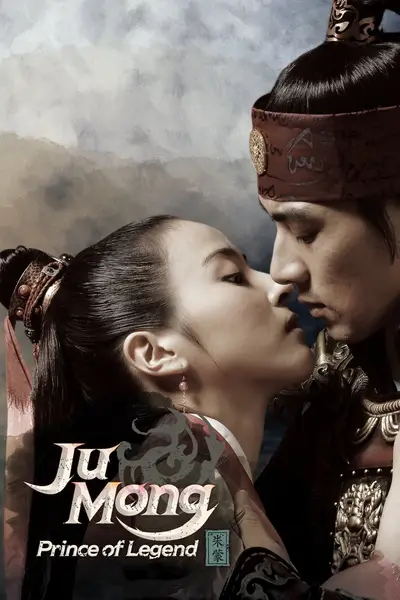
Song Il-gook delivers a powerful performance as the legendary founder of Goguryeo in this sweeping Korean historical epic that traces Jumong's journey from outcast prince to kingdom builder. Created by Choi Wan-kyu, the series spans 81 episodes and combines historical events with dramatic embellishment to create a narrative about destiny, perseverance, and leadership. The production values are impressive for a 2006 series, with elaborate costumes, large-scale battle sequences, and location shooting that brings ancient Korea to life. What keeps the lengthy runtime engaging is the character development—Jumong's transformation feels earned rather than predetermined, and the supporting cast provides depth to the political machinations surrounding him. The series became a phenomenon across Asia for good reason; it's accessible historical drama that educates while entertaining, with enough romance and intrigue to balance the warfare.
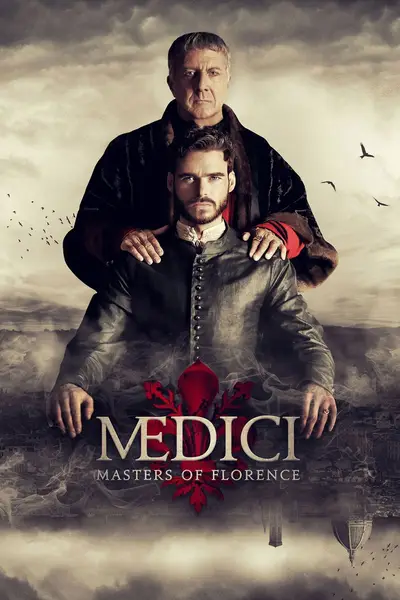
Sumptuous and visually rich, this historical drama brings 15th-century Florence to vivid life through the story of the Medici banking dynasty. Richard Madden stars as Cosimo de' Medici, the brilliant patriarch who must navigate political intrigue, family betrayals, and financial warfare to preserve his family's power. Created by Frank Spotnitz and Nicholas Meyer, the series balances historical accuracy with compelling storytelling, making the complex politics of Renaissance Italy accessible and engaging. Dustin Hoffman appears as Giovanni di Bicci de' Medici in a performance that anchors the family saga. The production design is magnificent, capturing the artistic flowering of the period alongside its brutal power struggles. While it takes some dramatic liberties with history, the show captures the essential spirit of the era and the Medici family's outsized influence on Western civilization. It's ambitious, handsomely mounted television that makes history feel immediate and relevant.
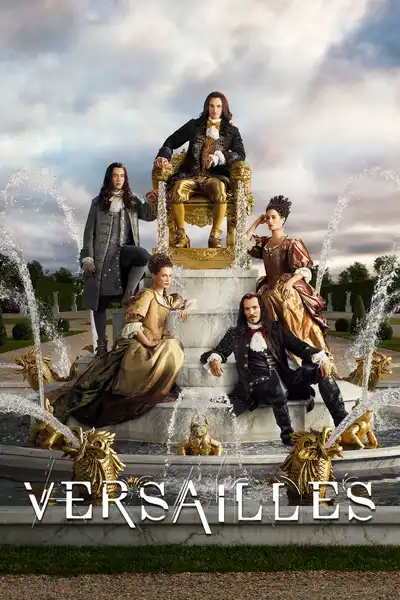
Set in 17th-century France during the reign of Louis XIV, this lavish historical drama brings the opulence and intrigue of the Sun King's court to vivid life. Created by Simon Mirren and David Wolstencroft, the series stars George Blagden as the young king who transforms a humble hunting lodge into the magnificent Palace of Versailles. The show excels at depicting the political machinations, sexual intrigue, and power struggles that defined this era, never shying away from the brutality beneath the gilded surface. The production design is breathtaking—every costume, every set piece drips with period authenticity. While it takes some historical liberties, the series captures the essence of absolute monarchy and the personalities that shaped French history. Alexander Vlahos delivers a standout performance as Philippe, Louis's conflicted brother. It's sumptuous, scandalous, and thoroughly entertaining historical fiction.
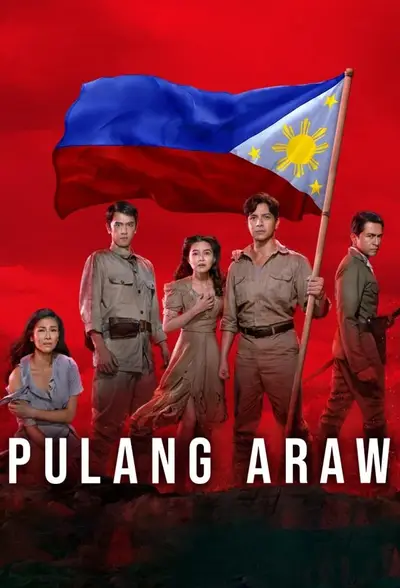
Showrunner Dominic Zapata helms this sprawling Filipino period drama set during World War II, following multiple families whose lives intersect against the backdrop of Japanese occupation and resistance movements. The series tackles ambitious historical territory, attempting to balance personal stories with the larger sweep of wartime events across the Philippine archipelago. Lead performances from Barbie Forteza and David Licauco bring emotional weight to young lovers separated by circumstances beyond their control, though the romantic plotlines sometimes overshadow more interesting historical material. Production design captures period details with care, particularly in recreating war-torn Manila and rural communities, though the scope occasionally exceeds the budget's capacity to fully realize it. The show's treatment of collaboration, resistance, and survival under occupation raises complex questions without always exploring them as deeply as it might. At its best, the series illuminates a specific historical experience often overlooked in Western war narratives; at other times, it defaults to familiar melodramatic beats that undercut the historical specificity.
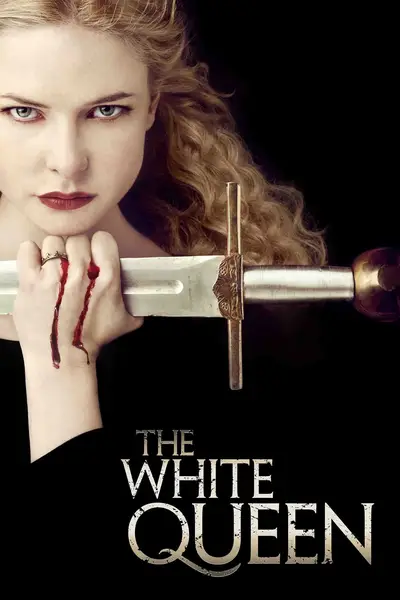
This lavish historical drama plunges viewers into the Wars of the Roses through the eyes of three remarkable women fighting for power, survival, and their families' futures in medieval England. Based on Philippa Gregory's novels, the series features Rebecca Ferguson, Amanda Hale, and Faye Marsay as Elizabeth Woodville, Margaret Beaufort, and Anne Neville—women whose ambitions and alliances shaped the throne's succession during one of England's bloodiest periods. The White Queen emphasizes female agency in a male-dominated world, showing these historical figures as complex political players rather than mere consorts. The production values are impressive, with detailed costumes and locations that immerse viewers in the 15th century. While it takes some historical liberties, the series succeeds as compelling character-driven drama, offering political intrigue, romance, and the constant danger of a world where loyalty shifts like quicksand.
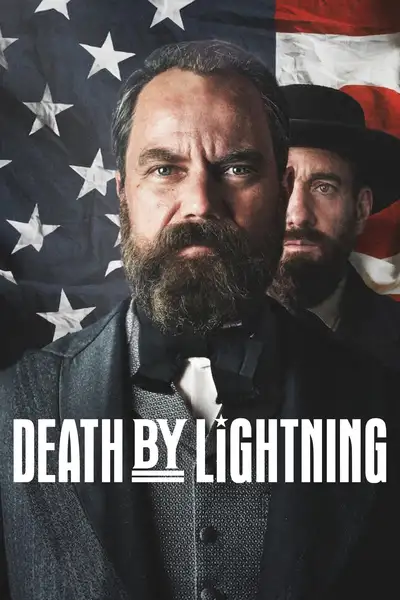
Set in 19th-century rural America, this atmospheric period drama examines a community gripped by fear after a series of mysterious deaths occur during violent thunderstorms. The series weaves together historical detail with compelling character drama as townspeople struggle between scientific explanation and superstitious belief. Creator Sarah Polley brings her distinctive eye for emotional complexity to this exploration of how communities respond to unexplainable tragedy. The production design authentically recreates the era without romanticizing the harsh realities of frontier life, while the ensemble cast delivers grounded performances that make the period setting feel immediate and relatable. The cinematography makes stunning use of natural light and stormy skies to create an sense of unease that builds throughout each episode. Rather than rushing toward answers, the series takes its time developing relationships and examining how fear can fracture even the closest bonds.
Spanning from the early 1900s through the 2000s, this Canadian documentary series examines the innovations that transformed modern life decade by decade. Each episode focuses on a ten-year period, exploring how inventions like the television, computer, and cell phone fundamentally altered human behavior and society. Host Mark Dancy guides viewers through archival footage and expert commentary that contextualizes each breakthrough within its historical moment. The series excels at connecting technological progress to broader cultural shifts, showing how inventions both responded to and created new needs. Discovery Channel's production presents complex engineering concepts in accessible terms without oversimplifying the science. The chronological structure allows viewers to appreciate the accelerating pace of innovation throughout the twentieth century. It's an engaging educational resource that satisfies curiosity about how we arrived at our current technological moment.