High-Concept Comedy Shows
When a comedy series dares to build its entire foundation on an audacious "what if?" premise, the results can be pure television magic. High-concept comedy shows break free from the traditional sitcom mold by grounding their humor in wildly imaginative scenarios—whether that's exploring the afterlife, surviving apocalyptic disasters, or navigating absurd supernatural circumstances. These inventive series prove that the best comedy often emerges from the most unconventional setups, where skilled writers transform outlandish premises into rich comedic universes with their own internal logic and endless possibilities. From groundbreaking classics that pioneered the high-concept approach to contemporary shows pushing creative boundaries even further, this curated selection of 21 series showcases the full spectrum of bold, imaginative comedy television. Each entry demonstrates how a unique central concept can fuel multiple seasons of laughs while offering something genuinely different from standard comedy fare. If you're searching for comedy shows that take creative risks and deliver humor through clever worldbuilding rather than familiar formulas, these high-concept series represent the genre at its most daring and original.
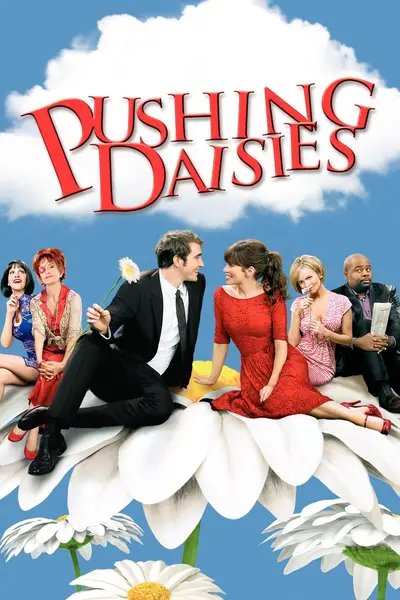
Lee Pace stars as Ned, a pie-maker with the extraordinary ability to bring dead things back to life with a single touch—though a second touch makes them permanently dead, and there are other complicated rules. Created by Bryan Fuller, this whimsical series combines murder mysteries with fairy-tale romance and a visual style that resembles a storybook come to life. When Ned revives his childhood sweetheart Chuck (Anna Friel), he can never touch her again, creating an achingly romantic dilemma at the show's heart. Kristin Chenoweth and Chi McBride round out the core cast as they solve murders using Ned's gift. The show's candy-colored aesthetic and rapid-fire dialogue create a unique tone that's both melancholy and joyful. Jim Dale's narration adds another layer of storybook charm. Though cut short by the writers' strike, its two seasons remain a singular achievement in television creativity.
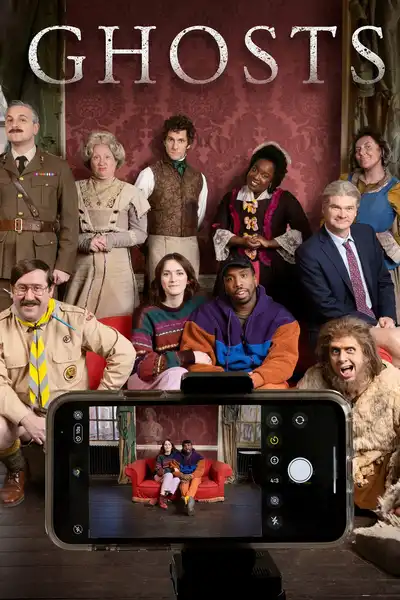
Charlotte Ritchie leads the cast as Alison Cooper, a cash-strapped writer who inherits a crumbling country mansion only to discover it's inhabited by a delightful collection of ghosts from different eras. Created by Mathew Baynton, Simon Farnaby, Martha Howe-Douglas, Jim Howick, Laurence Rickard, and Ben Willbond (the Horrible Histories team), this BBC gem finds genuine warmth and humor in its supernatural sitcom premise. The ensemble of spectral residents—from a pompous Regency poet to a pantless politician—creates consistently funny dynamics as Alison and her husband attempt to convert the estate into a hotel. What makes the series truly special is how it balances laugh-out-loud comedy with surprisingly touching moments about friendship, belonging, and finding family in unexpected places. It's comfort viewing at its finest, offering both clever writing and genuine heart across its reliably entertaining episodes.
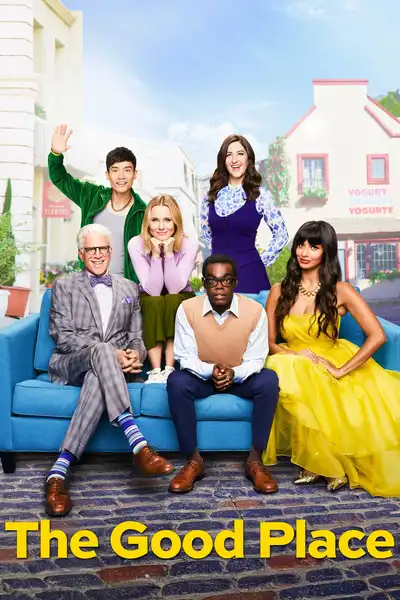
This high-concept comedy begins when Eleanor Shellstrop (Kristen Bell) arrives in the afterlife's "Good Place" and quickly realizes there's been a terrible mistake—she definitely doesn't belong among the virtuous souls. Creator Michael Schur crafts a series that uses its fantastical premise to explore genuine philosophical questions about ethics, morality, and what it means to be a good person. Ted Danson is delightful as Michael, the neighborhood's architect, while William Jackson Harper, Jameela Jamil, and Manny Jacinto round out the core cast with memorable performances. The show continually reinvents itself, never becoming comfortable with any particular status quo, taking narrative risks that pay off more often than not. It manages to discuss Kant and consequentialism without becoming preachy, wrapping intellectual ideas in genuinely funny comedy. The series knew when to end, concluding after four seasons with a finale that earned its emotional impact. It's smart, sweet, and surprising throughout.
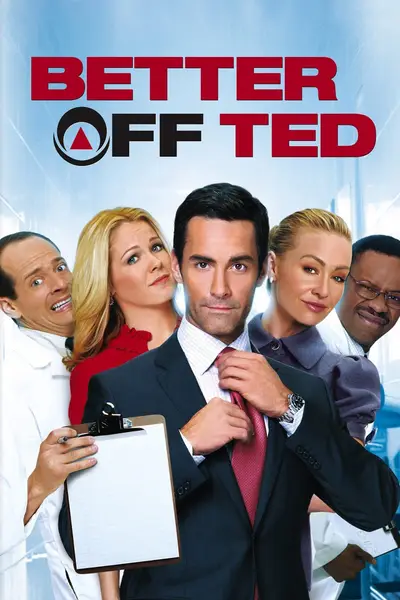
Victor Fresco crafted this workplace comedy gem set within the morally bankrupt walls of Veridian Dynamics, a soulless megacorporation where scientist Ted Crisp (Jay Harrington) tries to maintain his ethics while developing weaponized pumpkins and other absurd products. The show brilliantly skewers corporate culture through the eyes of supporting standouts Portia de Rossi as the delightfully amoral Linda and Andrea Anders as the endearingly naive Veronica, while Phil and Lem (Jonathan Slavin and Malcolm Barrett) provide perfectly pitched nerd comedy. What makes this series exceptional is how it balances satirical bite with genuine heart—Ted's relationship with his daughter Rose grounds the absurdity in real emotion. The fake Veridian commercials that punctuate episodes are miniature masterclasses in dark comedy. Cancelled after just two seasons, it's a criminally underrated sitcom that deserved far better, offering smart, layered humor that rewards attention while remaining thoroughly entertaining on surface level.
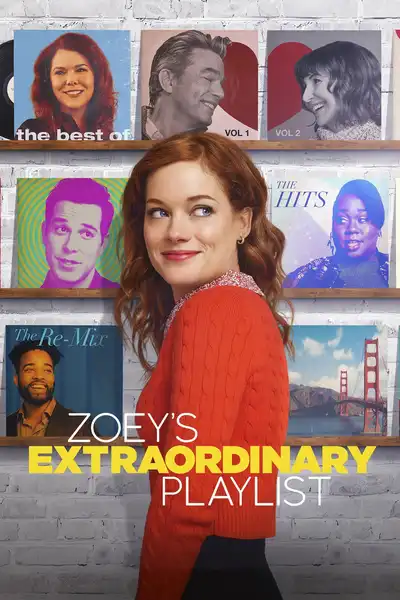
Creator Austin Winsberg crafts a high-concept musical dramedy that struggles to fully realize its potential despite an appealing premise and committed lead performance from Jane Levy. Levy plays Zoey Clarke, a computer programmer who suddenly gains the ability to hear people's innermost thoughts expressed as elaborate musical numbers. The show has moments of genuine charm, particularly when it uses its musical framework to explore grief and family dynamics—Zoey's father suffers from a degenerative disease, providing emotional weight. However, the series often feels tonally uncertain, veering between workplace comedy, romantic drama, and heartfelt family story without finding a consistent rhythm. The musical performances themselves are competently staged but rarely transcendent, and the "song of the week" structure becomes predictable. Supporting cast members like Lauren Graham and Peter Gallagher bring professionalism, but the show never quite justifies why this story needed to be told as a musical rather than a straightforward drama.
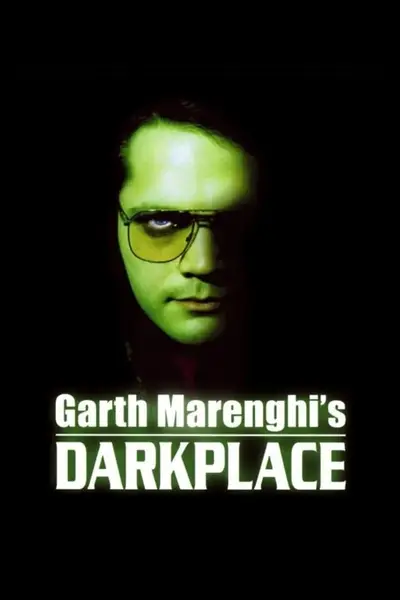
When horror novelist Garth Marenghi's lost 1980s television masterpiece is finally unearthed, humanity receives the gift of the most brilliantly terrible show ever made—or rather, a pitch-perfect parody of one. Created by and starring Matthew Holness as the egotistical Marenghi, this cult British comedy presents itself as a re-aired '80s horror series set in Darkplace Hospital, complete with deliberately awful special effects, incomprehensible plotting, and staggeringly bad dialogue. The genius lies in the commitment: Richard Ayoade, Matt Berry, and Alice Lowe play both the fictional actors and their characters within the show-within-a-show, while "present-day" interview segments feature Marenghi pompously defending his vision. The layers of meta-comedy reward repeated viewing as you catch jokes embedded in everything from the lighting choices to the hilariously overwrought narration. It's an affectionate send-up that works both as horror parody and satire of artistic pretension.
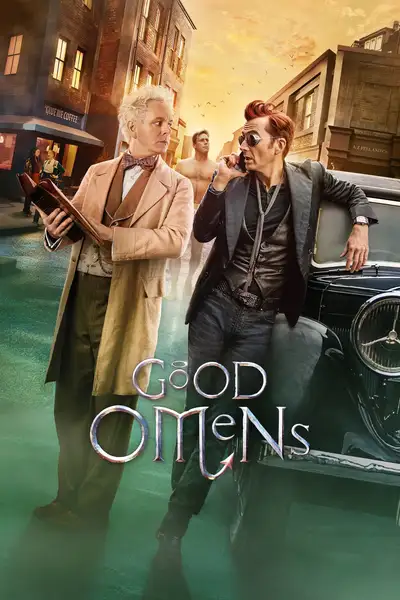
When the angel Aziraphale and demon Crowley realize that the apocalypse is approaching and neither Heaven nor Hell's plan appeals to them, they form an unlikely partnership to prevent Armageddon. Neil Gaiman and Terry Pratchett's beloved novel translates beautifully to the screen, largely thanks to the perfect chemistry between Michael Sheen and David Tennant in the lead roles. Their bickering, ancient friendship provides both genuine humor and surprising emotional depth as they navigate prophecies, witch hunters, and the Antichrist in the form of an eleven-year-old boy. Gaiman's involvement as showrunner ensures the adaptation captures the book's irreverent take on biblical mythology while expanding the story in satisfying ways. The production design is inventive, the supporting cast is excellent, and the whole thing radiates joy even as it contemplates the end of the world.
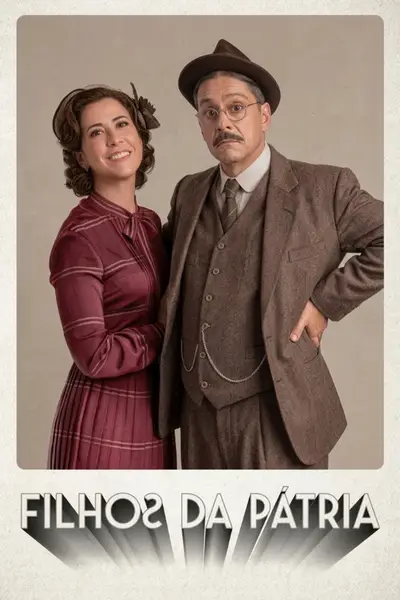
When a group of childhood friends reunites decades after being separated during Portugal's colonial war in Angola, they must confront buried secrets that threaten to destroy their lives in the present day. This powerful drama from creator Teresa Guilherme masterfully weaves between timelines, showing both the innocence of their youth in 1970s Luanda and the complicated adults they've become in modern Lisbon. The ensemble cast, led by Albano Jerónimo and Sara Carinhas, delivers emotionally raw performances that never feel manipulative. The series handles Portugal's colonial history with nuance and honesty, avoiding easy answers while exploring themes of guilt, loyalty, and national identity. It's a deeply affecting piece of television that lingers long after the final episode.
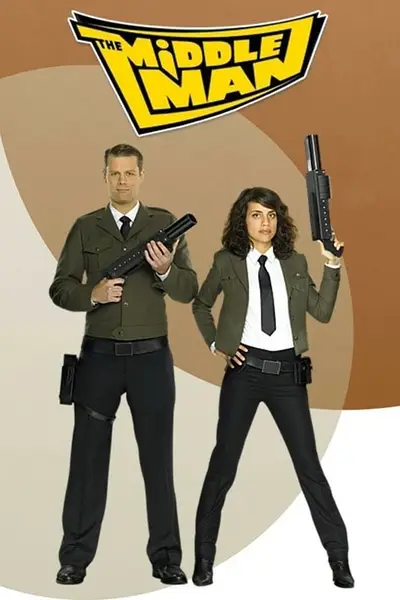
Javier Grillo-Marxuach brings comic book sensibilities to life in this delightfully offbeat series that plays like a love letter to Silver Age superhero adventures filtered through contemporary irony. "The Middleman" follows Wendy Watson, an aspiring artist recruited into a secret organization that handles threats too bizarre for conventional authorities—everything from zombie fish to mad scientists with doomsday devices. Matt Keeslar plays the titular Middleman with perfect straight-faced sincerity, creating comedy through his unwavering earnestness amid escalating absurdity, while Natalie Morales grounds the show as Wendy's skeptical everywoman perspective. The series revels in its retro-futuristic aesthetic and rapid-fire pop culture references without letting style overwhelm substance—the character relationships feel genuine even when fighting interdimensional apes. Short-lived but never compromising its specific vision, this is cult television in the best sense: smart, weird, and wholly committed to its unique wavelength. Tragically canceled after one season, it remains a hidden gem for those seeking something genuinely different.
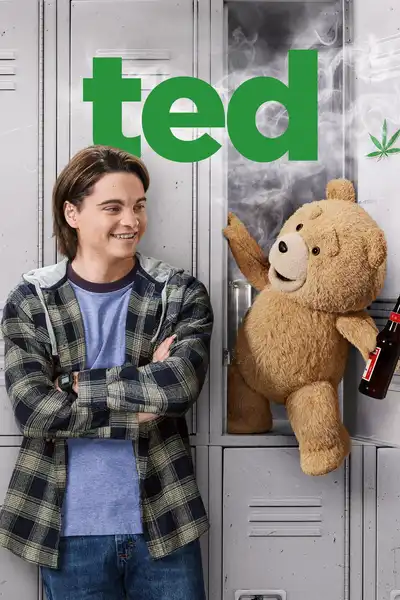
When a teenage John Bennett brings his teddy bear to life in the 1990s and they become inseparable best friends, it sets up decades of complications—and this prequel series explores those formative high school years in all their crude, heartfelt glory. Seth MacFarlane returns as the voice of Ted, with Max Burkholder playing the young John in this Peacock series that recaptures the spirit of the film franchise while carving out its own identity. Set in 1993 Massachusetts, the show balances raunchy humor with surprising sweetness as it explores themes of friendship, belonging, and growing up. The period setting is well-realized, and the supporting cast, including Scott Grimes and Alanna Ubach as John's parents, adds depth beyond the central buddy dynamic. MacFarlane's willingness to blend lowbrow comedy with genuine emotion remains effective here, creating a prequel that justifies its existence. Fans of the films will find plenty to love, while newcomers might be surprised by how well the irreverent humor and heart coexist.

Brilliant, bold, and unlike anything else on television, this musical dramedy from creator Rachel Bloom deconstructs romantic comedy tropes while delivering genuine emotion and spectacular original songs. Bloom stars as Rebecca Bunch, a successful lawyer who impulsively abandons her New York career to chase her summer camp boyfriend to West Covina, California. What begins as a seemingly straightforward premise evolves into a sophisticated exploration of mental health, obsession, and self-delusion. The musical numbers range from Golden Age Broadway pastiches to rap battles, each advancing character and story while showcasing impressive songwriting. The ensemble cast, including Donna Lynne Champlin, Vincent Rodriguez III, and Santino Fontana, matches Bloom's commitment to the show's unique vision. The series doesn't flinch from Rebecca's problematic behavior, creating a protagonist who's simultaneously sympathetic and deeply flawed. It's smart, subversive television that respects its audience's intelligence.
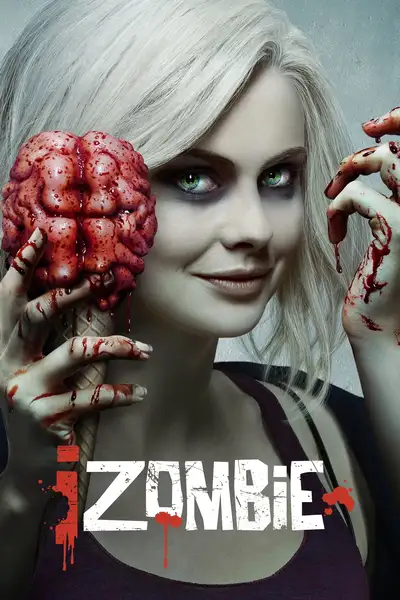
Medical resident Liv Moore's life takes an unexpected turn when she becomes a zombie and must consume brains to maintain her humanity—inadvertently absorbing the memories and personalities of the deceased in the process. Rose McIver brings sparkling charisma to this clever twist on procedural crime-solving, as Liv uses her visions to help detective Clive Babineaux (Malcolm Goodwill) solve murders. Developed by Rob Thomas and Diane Ruggiero-Wright, "iZombie" balances its quirky premise with genuine stakes, exploring what it means to lose yourself while literally becoming other people. The weekly personality shifts give McIver extraordinary range to showcase, from corporate climber to germaphobe to pathological liar. While the zombie mythology provides consistent serialized intrigue, the show never loses sight of its humor or heart, maintaining a tone that's both playful and purposeful. It's a smart, entertaining series that makes the most of its unconventional concept.
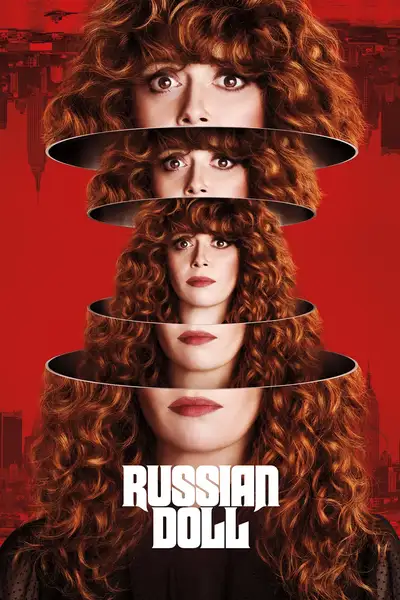
This darkly comic sci-fi series follows Nadia Vulvokov (Natasha Lyonne), a New York software engineer who finds herself caught in a time loop, repeatedly dying and reliving the same night at her 36th birthday party. Created by Lyonne, Leslye Headland, and Amy Poehler, the show uses its high-concept premise to explore deeper themes of trauma, connection, and self-destructive patterns. Lyonne is magnetic in the lead role, bringing acerbic wit and vulnerability to a character forced to confront her life's choices. The New York setting feels authentic, and the supporting cast—particularly Charlie Barnett as another person trapped in a similar loop—adds emotional grounding. The series is smart about its rules and doesn't overstay its welcome, using its limited episode count to tell a complete, satisfying story. It's funny, philosophical, and surprisingly moving.
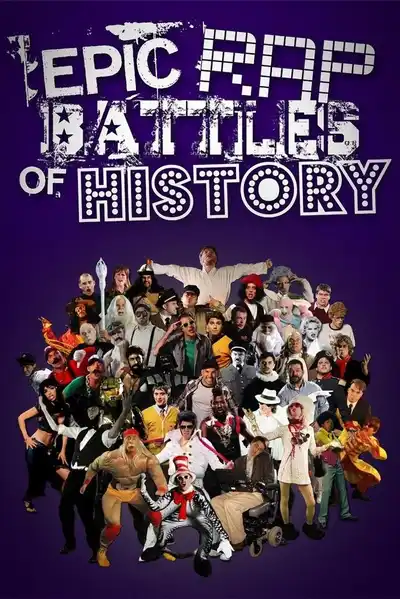
Peter Shukoff and Lloyd Ahlquist embody dozens of historical and pop culture figures in this wildly entertaining web series that pits unlikely opponents against each other in hip-hop battles for the ages. Created by Shukoff (Nice Peter) and Ahlquist (EpicLLOYD), each episode features meticulously crafted verses filled with clever wordplay, historical references, and genuinely impressive flows. Whether it's Einstein versus Stephen Hawking or Cleopatra versus Marilyn Monroe, theMatchUps are inspired and the execution consistently delivers. The production values evolved significantly over the series' run, but the core appeal remains the same: watching talented performers roast historical figures with rhythm and wit. It's educational entertainment that never feels like homework, with guest appearances adding extra star power to an already winning formula.
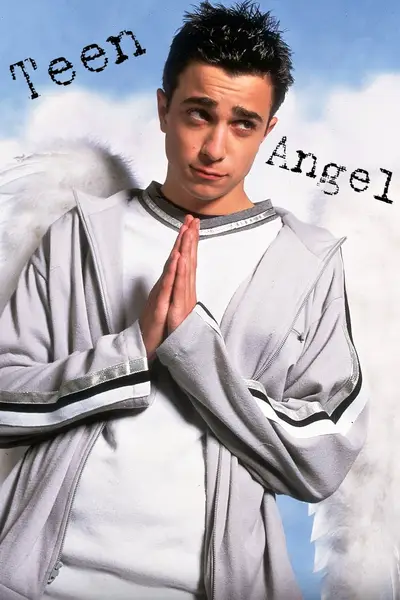
At its heart, this ABC sitcom is about friendship extending beyond life itself when teenage Marty DePolo (Mike Damus) returns from the afterlife as a guardian angel to his best friend Steve Beauchamp (Corbin Allred). Created by Al Jean and Mike Reiss of Simpsons fame, the series mines comedy from Marty's new celestial status—he's visible only to Steve, leading to predictable but often funny misunderstandings as he tries to guide his friend through high school. The premise could have been maudlin, but the writing maintains a light touch while occasionally sneaking in genuine emotion about loss and growing up. Maureen McCormick appears as Steve's mother, adding nostalgic appeal for parents watching alongside teens. While it only lasted one season, the show delivers consistent laughs and heart, making it worth discovering for fans of 90s family comedies.
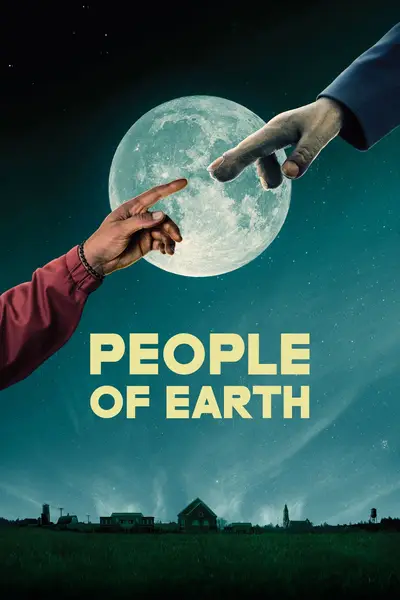
Wyatt Cenac stars as Ozzie Graham, a skeptical journalist investigating a support group for alien abductees in this delightfully offbeat comedy from creators David Jenkins and Corey Campodonico. What begins as an assignment to mock believers becomes something far more complicated when Ozzie begins experiencing his own strange memories and encounters. The ensemble cast, including Ana Gasteyer, Oscar Nuñez, and Alice Wetterlund, brings warmth and authenticity to characters who could have been mere punchlines in lesser hands. The show brilliantly balances its absurd premise with genuine emotional stakes, finding humor in both the cosmic and the mundane aspects of small-town life. With sharp writing that respects its characters' experiences while never losing sight of the inherent comedy, this series offers a refreshingly original take on both alien mythology and workplace dynamics.
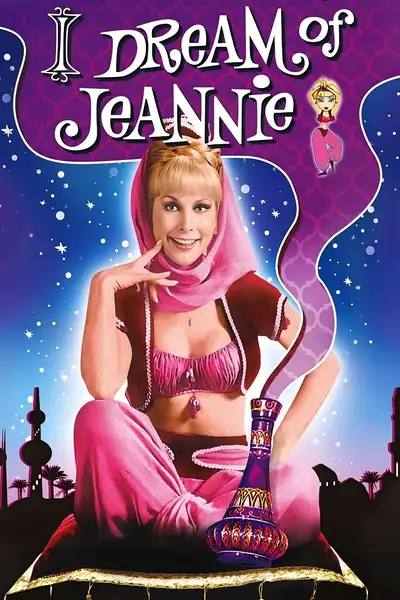
Barbara Eden stars as the titular Jeannie, a 2,000-year-old genie who emerges from a bottle on a deserted island and immediately falls for astronaut Tony Nelson (Larry Hagman). Created by Sidney Sheldon, this delightful sitcom ran for five seasons and became a defining show of 1960s television. The chemistry between Eden and Hagman drives the series, with Jeannie's magical mishaps and desperate attempts to please her "master" creating endless comedic possibilities. Bill Daily shines as Tony's best friend Roger, often caught in the crossfire of Jeannie's well-intentioned chaos. The show's charm lies in its playful innocence and Eden's luminous performance, which balances physical comedy with genuine warmth. While the premise might feel dated to modern viewers, the show's heart and humor remain thoroughly entertaining, making it a nostalgic treat that still delivers consistent laughs.
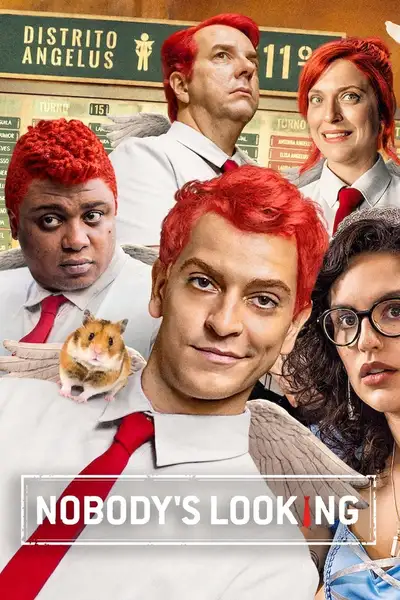
In this Brazilian comedy, angels-in-training work in the Department of Utilities, a celestial bureaucracy responsible for answering prayers and managing earthly affairs, but one slacker angel named Ulisses questions whether humans actually deserve their help. Created by Fernanda Polacow, the series follows Ulisses (Fábio Porchat) as he struggles with both his divine duties and his existential doubts, leading to comedic misadventures that blend workplace humor with philosophical questions about faith, free will, and humanity's worth. The show's irreverent take on religious concepts never feels mean-spirited; instead, it uses its heavenly setting to explore surprisingly relatable themes about finding meaning in monotonous work and questioning inherited beliefs. The supporting cast of dysfunctional angels adds depth to what could have been a one-joke premise, and the show's willingness to sympathize with Ulisses's skepticism gives it an unexpectedly thoughtful edge beneath the laughs.
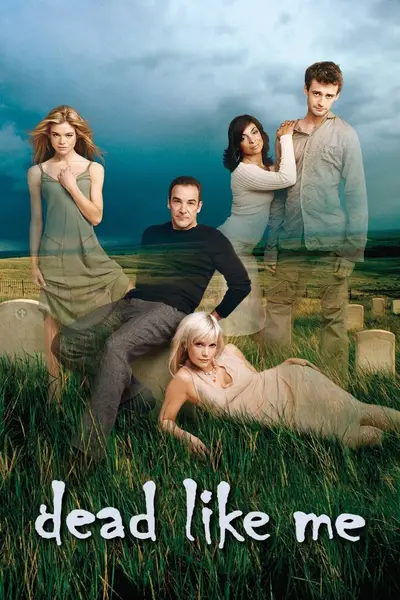
Bryan Fuller created this darkly comic series about George Lass (Ellen Muth), an unmotivated eighteen-year-old who dies in a freak accident and finds herself recruited as a grim reaper tasked with collecting souls before fatal moments. The premise allows Fuller to explore mortality, meaning, and mundane existence through a supernatural lens, blending gallows humor with genuine pathos. George works alongside a diverse team of reapers, including the cynical Rube (Mandy Patinkin) and bubbly Betty (Rebecca Gayheart), each processing their own eternally unfinished business while helping others transition. When the show balances its metaphysical concepts with character development and Fuller's signature whimsy, it achieves something genuinely original and moving. However, the series sometimes gets bogged down in procedural repetitiveness, and the uneven tone—lurching between slapstick comedy and heavy drama—doesn't always gel. The show's premature cancellation after two seasons left story threads frustratingly unresolved. It's an intriguing concept with flashes of brilliance that never quite achieved its full potential, though Fuller's distinctive voice makes it worth visiting for fans of his later work like Pushing Daisies and Hannibal.
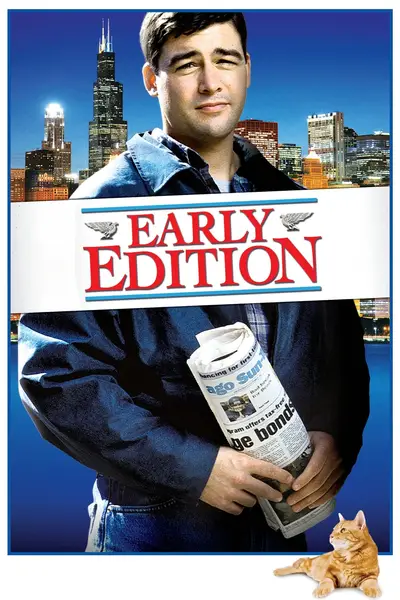
Kyle Chandler plays Gary Hobson, a Chicago stockbroker whose life takes a bizarre turn when he begins receiving tomorrow's newspaper today, forcing him to decide whether to profit from or prevent the events he reads about. The premise offers fertile ground for moral dilemmas and heroic interventions, and the show mines it reasonably well across its four-season run. Chandler brings everyman likability to a character who could easily become sanctimonious, and his chemistry with supporting players Fisher Stevens and Shanésia Davis-Williams grounds the fantastical concept. Created by Ian Abrams, Vik Rubenfeld, and Patrick Q. Page, the series works best when it focuses on intimate, character-driven stories rather than attempting grand conspiracies. The episodic format becomes predictable—Gary reads paper, Gary tries to save someone, complications ensue—but individual installments vary enough in quality to maintain interest. The show's earnest optimism feels somewhat dated now, though there's something comforting about a hero whose only superpower is advance information and good intentions. It never quite fulfilled its potential to explore deeper questions about free will and responsibility, settling instead for pleasant procedural storytelling.
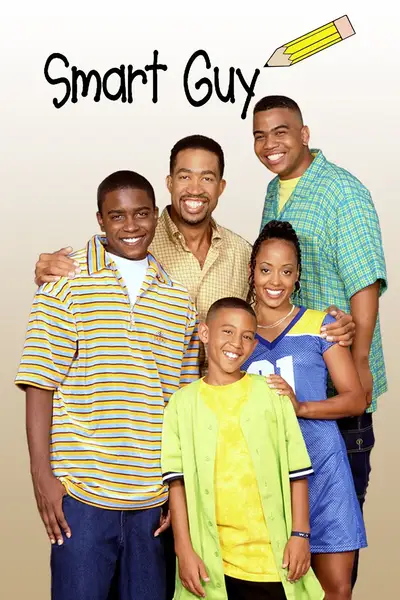
Charming and good-natured, this family sitcom follows T.J. Henderson, a ten-year-old genius attending high school with his older brother. Tahj Mowry brings genuine likability to the role of T.J., avoiding the precocious-kid-genius tropes that could have sunk the premise. Created by Danny Kallis, the show mines comedy from the fish-out-of-water scenario while maintaining a warm heart that never condescends to its audience. Jason Weaver plays Marcus, T.J.'s underachieving older brother, and their sibling dynamic provides consistent laughs. John Marshall Jones rounds out the cast as their widowed father, adding grounding family moments between the comedy. While it may not reinvent the sitcom wheel, the show offers pleasant, wholesome entertainment that holds up reasonably well for its era.