Hebrew Movies
Hebrew cinema stands as one of world cinema's most compelling and thought-provoking traditions, offering powerful narratives that blend intimate personal stories with broader cultural and historical themes. These best Hebrew movies showcase decades of exceptional filmmaking, from groundbreaking animated documentaries and searing courtroom dramas to poignant explorations of identity, memory, and reconciliation. Whether you're seeking critically acclaimed dramas that have earned international recognition at Cannes, the Oscars, and other prestigious festivals, or innovative films that push the boundaries of documentary and narrative storytelling, Hebrew-language cinema delivers unforgettable cinematic experiences. The films featured here span the entire history of Hebrew filmmaking, highlighting award-winning performances from talented actors, visionary direction from acclaimed filmmakers, and stories that resonate far beyond their cultural origins. From hard-hitting political examinations to tender character studies, these must-watch Hebrew films demonstrate why Israeli cinema has become essential viewing for serious film enthusiasts worldwide, offering fresh perspectives on universal themes of family, conflict, justice, and human connection that continue to captivate audiences and critics across generations.

In 1982 Lebanon, Israeli soldier Ari Folman experienced combat during the first Lebanon War, yet decades later he realizes he has no memory of his time there. This stunning animated documentary from director Ari Folman uses the unconventional format to explore repressed trauma and collective memory with breathtaking visual artistry. The rotoscoped animation creates a dreamlike atmosphere perfectly suited to the film's investigation of how memory works—or fails to work—when confronting horror. As Folman interviews fellow veterans, their testimonies build toward a devastating revelation about the Sabra and Shatila massacre. The animation allows Folman to visualize hallucinations, nightmares, and fragmented recollections in ways live-action never could, while the final shift to documentary footage hits with overwhelming emotional force. This is essential cinema that expands the boundaries of what animated films can achieve while grappling with impossible questions about complicity and witness.

Devastating in its cumulative power, this Israeli masterwork from directors Ronit Elkabetz and Shlomi Elkabetz examines one woman's five-year battle to obtain a divorce through the country's religious court system with unflinching precision and mounting fury. Ronit Elkabetz stars as Viviane Amsalem, who must convince an all-male rabbinical court to grant her freedom from a marriage she can no longer endure, despite facing a legal system that offers her no clear path to autonomy. The film unfolds almost entirely within the courthouse, yet the constrained setting generates tremendous dramatic intensity as months and years pass through a series of hearings. Elkabetz's performance is nothing short of extraordinary—her face becomes a map of exhaustion, frustration, and steely determination as the absurdity and cruelty of her situation compounds. The directors structure the film like a pressure cooker, allowing each procedural obstacle and patriarchal dismissal to accumulate until the emotional weight becomes almost unbearable. It's a searing indictment of religious law that subordinates women's lives to institutional power, and one of the most powerful films about systemic injustice ever made.

This powerful documentary investigation unearths long-buried truths about a 1948 massacre in the Palestinian village of Tantura during Israel's War of Independence. Director Alon Schwarz methodically pieces together testimony from Israeli veterans who participated in the events, creating a devastating oral history that challenges official narratives. The film's strength lies in its patient, unflinching approach to uncomfortable testimony, allowing contradictions and revelations to emerge naturally rather than forcing conclusions. Through archival research and contemporary interviews, Schwarz documents both the historical events and the decades-long suppression of this chapter, raising profound questions about memory, accountability, and national mythology. The result is essential viewing that demonstrates documentary filmmaking's capacity to reshape historical understanding and contribute meaningfully to difficult conversations about truth and reconciliation.

Dror Moreh assembles six former heads of Shin Bet, Israel's internal security service, for unprecedented interviews about their careers fighting terrorism and the moral costs of their decisions. The documentary's power comes from watching these men—architects of Israeli security policy over four decades—express surprising regret and criticism of the very actions they authorized. Moreh lets his subjects speak with minimal interference, and their candid reflections on assassination, interrogation, and political leadership create a portrait far more nuanced than typical documentaries about the Israeli-Palestinian conflict. The Gatekeepers offers rare insight into the gap between tactical success and strategic failure, with several interviewees concluding that military solutions alone cannot resolve political problems. This is essential viewing for anyone seeking to understand not just Israeli security policy but the human cost of perpetual conflict on those tasked with managing it.

In contemporary Israel, Samuel Maoz delivers a structurally audacious drama that unfolds in three distinct chapters, each shifting perspective and tone in unexpected ways. The story begins when Michael and Dafna Feldmann receive devastating news about their son serving in the military, setting off a chain of events that fractures their carefully maintained middle-class existence. Maoz, who previously directed the claustrophobic war film "Lebanon," constructs a narrative that constantly subverts expectations, moving from domestic tragedy to darkly absurd comedy to something altogether more unsettling. Lior Ashkenazi and Sarah Adler deliver raw, committed performances as the parents, navigating grief and bureaucracy with increasing desperation. The film's centerpiece—a surreal, extended sequence involving a young soldier at a remote checkpoint—becomes a haunting meditation on routine, authority, and the absurdity of perpetual conflict. Challenging and unforgettable, this is cinema that refuses easy answers.
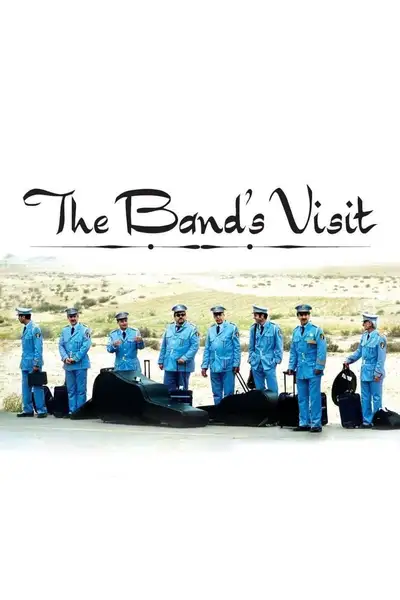
When an Egyptian police ceremonial band gets stranded in a remote Israeli town due to a transportation mix-up, they must spend the night among bemused locals who barely know what to make of their unexpected guests. Director Eran Kolirin finds profound humanity in this quiet cross-cultural encounter, allowing awkward silences and small gestures to convey more than grand statements ever could. Sasson Gabai delivers a beautifully restrained performance as the band's stoic conductor, while Ronit Elkabetz brings weary warmth to the café owner who provides refuge. The film unfolds with patient humor and genuine empathy, finding moments of connection—through music, shared loneliness, and tentative conversation—between people separated by language and history. Nothing explosive happens, yet every frame feels purposeful and true. The muted color palette and understated score reinforce the contemplative mood. It's cinema that trusts viewers to appreciate subtlety, proving that sometimes the most meaningful exchanges happen between strangers who briefly recognize their shared humanity.

Through voice actors reading from diary entries and testimonies, director Yael Hersonski deconstructs a Nazi propaganda film shot in the Warsaw Ghetto in 1942, revealing the horrifying context behind the staged footage. The documentary excavates "Das Ghetto," an unfinished project meant to depict Jews living comfortably while the reality was systematic starvation and deportation to death camps. Hersonski meticulously analyzes the footage, identifying which scenes were orchestrated for propaganda purposes versus those that captured genuine suffering the filmmakers couldn't fully control. Survivor testimonies provide devastating context, explaining that well-dressed Jews were forced to dine in restaurants while corpses lay in the streets just beyond the camera's frame. The film raises profound questions about images, truth, and the Nazi's obsession with documenting their own crimes while simultaneously falsifying the record. This is essential viewing—a haunting examination of how propaganda functions and a powerful act of historical reclamation that restores dignity to those whose suffering was exploited for murderous purposes.

In contemporary Israel's academic world, a father and son who are both Talmudic scholars find their already strained relationship pushed to breaking when one receives recognition the other believes should have been his. Director Joseph Cedar creates a sharply observed comedy-drama about ego, legacy, and the petty politics of scholarly institutions. Shlomo Bar Aba plays the father, a meticulous but overlooked researcher, while Lior Ashkenazi portrays the more successful son navigating impossible loyalty conflicts. Cedar has genuine affection for these characters despite their flaws, finding both humor and pathos in their inability to communicate across generational and temperamental divides. The specialized world of Talmudic scholarship becomes a prism for universal questions about parental approval and professional jealousy. The film balances wit with genuine emotional stakes, particularly as the situation spirals toward devastating consequences. It's intelligent without being inaccessible, creating a very specific world while exploring thoroughly relatable dynamics.

In the mixed Christian-Muslim neighborhood of Ajami in Jaffa, five interwoven stories explore how a single act of violence ripples through an entire community, affecting lives in unexpected ways. Directors Scandar Copti and Yaron Shani cast mostly non-professional actors from the actual neighborhood, lending remarkable authenticity to this mosaic of perspectives that includes a young Palestinian trying to save his family, a Jewish soldier searching for his missing brother, and a restaurant owner navigating impossible choices. The film's nonlinear structure initially challenges viewers, but this approach ultimately reveals how misunderstanding and circumstance drive tragic outcomes more often than genuine malice. Shot with handheld cameras and featuring naturalistic performances, the film captures the texture of daily life in a contested space where fear and hope exist side by side. It's a powerful, empathetic portrait of people trapped by forces beyond their control.

Uncomfortably funny and deeply human, this Israeli drama from director Dover Kosashvili examines the collision between tradition and desire in contemporary Tel Aviv. Zaza (Lior Ashkenazi) is a 31-year-old bachelor still living under his Georgian-Jewish family's suffocating expectations, even as he maintains a secret relationship with a divorced woman they would never approve of. The film finds its power in observing how cultural and familial pressures shape our most intimate choices, as Zaza's parents arrange meetings with "suitable" women while he struggles to assert his independence. Kosashvili doesn't judge his characters, instead presenting their conflicts with empathy and sharp observational humor. The performances are uniformly excellent, particularly Ashkenazi's portrayal of a man caught between worlds, and Ronit Elkabetz as the woman he loves but cannot easily choose. It's a specific cultural story that touches universal themes about autonomy, loyalty, and the complicated bonds of family.

This claustrophobic war film unfolds almost entirely inside an Israeli tank during the 1982 Lebanon War, creating one of cinema's most visceral and suffocating combat experiences. Director Samuel Maoz draws on his own military service to craft a debut that feels authentically nightmarish, trapping viewers alongside four young soldiers as they navigate urban warfare through the tank's crosshairs. The genius of Maoz's approach is the restriction: we see the outside world only through the gunner's sight, experiencing the same limited perspective and confusion as the crew. The ensemble cast—Yoav Donat, Itay Tiran, Oshri Cohen, and Michael Moshonov—delivers raw, unglamorous performances as men pushed beyond their psychological limits. The sound design is extraordinary, amplifying every metallic clang and mechanical groan until the tank itself becomes a character—protector and prison simultaneously. Maoz doesn't politicize or heroicize; instead, he presents war as chaotic, dehumanizing horror where young men make impossible choices with incomplete information. It's brutally effective filmmaking that earns comparisons to "Das Boot" for its immersive intensity and anti-war power.

When a mother suddenly loses her husband, she must hold her family together while each of her four children processes grief in their own difficult ways. Director Nir Bergman crafts an intimate Israeli drama that observes how trauma and loss can simultaneously tear families apart and forge new bonds. Maya Maron gives a deeply felt performance as Dafna, struggling to maintain stability while dealing with her own pain and her children's increasingly rebellious behavior. The film doesn't offer easy answers or Hollywood-style resolution; instead, it sits with its characters through their messy, complicated mourning process. Each family member feels authentic and fully realized, from the eldest daughter navigating first love to the youngest son retreating into himself. The screenplay balances moments of genuine warmth with the raw difficulty of the situation, never tilting too far into melodrama. It's a compassionate, well-observed character study that captures how ordinary families survive extraordinary pain, anchored by strong performances across the board.

Juliano Mer-Khamis, the film's director and a central figure in the story, documents his late mother Arna's remarkable work creating a theater program for Palestinian children in Jenin refugee camp. The documentary follows several young people who participated in Arna's theater workshops during the 1990s, then traces what became of them through the Second Intifada and beyond. What emerges is a heartbreaking portrait of potential crushed by conflict—many of these artistic, hopeful children became militants, and several died in the violence. Mer-Khamis doesn't offer simple political answers, instead presenting the complex reality of growing up under occupation where creative outlets compete with anger, trauma, and limited options. The archival footage of the children performing, laughing, and dreaming provides devastating contrast with their later fates. It's a powerful argument for how conflict destroys not just lives but futures, and how artistic spaces become increasingly difficult to maintain as violence escalates.

Suffused with quiet dignity and gentle political conscience, this Israeli-Palestinian drama uses a simple premise to explore decades of conflict through deeply human terms. Director Eran Riklis tells the story of Salma, a Palestinian widow played with remarkable restraint by Hiam Abbass, whose lemon grove stands between her home and the newly arrived Israeli Defense Minister. When security forces deem her trees a threat, Salma launches a legal battle to save the grove her family has tended for generations. The film resists easy answers or melodrama, instead finding profound meaning in the relationship between people and land. Ali Suliman provides strong support as Salma's lawyer, while the script by Suha Arraf never reduces either side to caricature. Riklis frames the lemon trees as silent witnesses to history, their fate symbolizing larger questions about coexistence, security, and what we're willing to sacrifice in the name of either. It's a patient, thoughtful film that trusts audiences to engage with complexity.

Tim Kalkhof plays Thomas, a German baker who travels to Jerusalem after the sudden death of his lover, only to find himself drawn into the life of the man's widow, Anat (Sarah Adler). Director Ofir Raul Graizer crafts an understated exploration of grief, identity, and unexpected connection as Thomas begins working in Anat's struggling café without revealing his relationship to her late husband. The film's quiet power lies in its restraint—there are no dramatic revelations or emotional outbursts, just two people navigating loss while the camera observes with patience and compassion. Kalkhof delivers a deeply internalized performance that communicates volumes through gesture and glance, while the Jerusalem setting provides a richly textured backdrop. This is a small, beautifully observed film about the complicated ways we connect across culture, language, and secrets.

The tension between law and occupation drives this thought-provoking documentary that examines how Israel's legal system operates in the Palestinian territories. Director Ra'anan Alexandrowicz employs a unique approach, interviewing military legal officials and judges who helped create and administer the judicial framework governing the West Bank, then presenting them with the contradictions inherent in their work. The film's power comes from allowing these architects of policy to explain their rationale in their own words, creating a portrait of how legal mechanisms can be used to manage occupation. Alexandrowicz avoids heavy-handed commentary, instead letting the accumulated testimony reveal the complex—and often troubling—relationship between justice and political control. The interviews are occasionally uncomfortable as subjects grapple with questions about international law and human rights. While the documentary's focused scope means it doesn't capture all perspectives on this multifaceted issue, it succeeds as an examination of how legal systems can both legitimize and obscure political realities.

In this documentary, filmmaker Tomer Heymann provides intimate access to Ohad Naharin, the acclaimed choreographer and artistic director of the Batsheva Dance Company, exploring both his revolutionary movement language called "Gaga" and the personal experiences that shaped his artistic vision. The film succeeds in making contemporary dance accessible to general audiences by connecting Naharin's physical philosophy to his life story, including personal tragedies and creative breakthroughs. Heymann captures both the grueling physical demands of professional dance and the almost spiritual transcendence that Naharin's methods can produce. The Gaga movement technique—which emphasizes internal physical sensations over external form—is demonstrated through both professional company rehearsals and community classes, illustrating its democratic appeal. While some viewers unfamiliar with contemporary dance may find certain sequences challenging, the film generally balances artistic exploration with human interest effectively. It's an engaging portrait that illuminates both an influential artist and his distinctive approach to movement.

Two paper-pushing soldiers serving mandatory time at a remote Israeli desert base wage a quiet war of wills over a coveted transfer to Tel Aviv in this sharp comic debut from writer-director Talya Lavie. The film explores the mundane absurdities of military bureaucracy through the eyes of young women conscripts who spend their days filing paperwork, playing computer games, and scheming for escape from their dead-end posting. Nelly Tagar and Dana Ivgy deliver wonderfully deadpan performances as the mismatched protagonists, capturing both the ennui and surprising poignancy of wasted potential. Lavie finds unexpected humor in the contrast between military hierarchy and teenage aimlessness, while never losing sight of the deeper frustrations her characters face. The narrative takes darker turns that complicate the comedy without betraying it, examining how institutional indifference affects those trapped within it. It's a refreshingly unsentimental look at compulsory service that works both as satire and as a surprisingly empathetic portrait of young women searching for purpose in a system that has none for them.

In Jerusalem's ultra-Orthodox Haredi community, a married butcher finds his carefully maintained life upended when he begins to feel forbidden attraction to a young male apprentice in his shop. Director Haim Tabakman's sensitive drama stars Zohar Strauss as Aaron, a man torn between his deep religious faith, his family obligations, and desires he can neither ignore nor reconcile with his beliefs. The film thoughtfully depicts the Haredi world without sensationalism, showing its beauty and strictness while exploring the psychological cost of living in a community where conformity isn't just expected but required for survival. Ran Danker plays Ezri, the student whose presence catalyzes Aaron's crisis, and the two actors create palpable tension while maintaining the restraint their characters' circumstances demand. This is a moving examination of the conflict between personal truth and communal identity that treats all its characters with dignity.

When a young woman's sister dies in childbirth, family pressure mounts for her to marry her widowed brother-in-law in order to keep the child within the family. Rama Burshtein's drama unfolds within Israel's ultra-Orthodox Haredi community, immersing viewers in a world of religious observance and tight social structures. Hadas Yaron is luminous as Shira, capturing the character's inner conflict between duty, genuine affection, and her own emerging desires. The film never condescends to its characters or their faith; instead, Burshtein presents their dilemmas with empathy and understanding, showing how personal yearnings exist within even the most structured communities. The cinematography captures both the beauty of ritual and the claustrophobia of limited choices. This is sensitive, intelligent filmmaking that explores universal questions about love and obligation through a specific cultural lens.

The ideological radicalization of a young man stands at the center of this Israeli political thriller, which examines the real events leading to Prime Minister Yitzhak Rabin's assassination in 1995. Director Yaron Zilberman and lead actress Yehuda Nahari Halevi create an unsettling portrait of Yigal Amir's transformation from law student to assassin, driven by religious extremism and political opposition to the Oslo Accords. Rather than sensationalizing violence, the film takes a measured approach to understanding how ordinary individuals become capable of politically motivated murder. Halevi's performance avoids either demonizing or sympathizing with Amir, instead presenting a chillingly believable descent into fanaticism. Zilberman's direction emphasizes the social and political ecosystem that enabled radicalization, making the film feel disturbingly relevant beyond its specific historical moment. It's a sobering examination of extremism that trusts audiences to grapple with difficult questions about rhetoric, belief, and consequence.