German Shows
German television has emerged as a powerhouse of innovative storytelling, delivering some of the most captivating and critically acclaimed shows in recent years while maintaining a rich tradition of quality programming that spans decades. Whether you're searching for the best German shows to add to your watchlist or looking to explore German-language television beyond the mainstream, this carefully curated selection showcases the extraordinary range and depth of German TV series. From mind-bending sci-fi thrillers and intense historical dramas to long-running crime procedurals and sharp political satire, these must-watch German shows represent the finest achievements in German television across all eras. You'll discover groundbreaking streaming originals that have garnered international acclaim, beloved classics that have shaped the landscape of German entertainment, and hidden gems that highlight the distinctive storytelling sensibilities of German creators. Each entry features award-winning performances, sophisticated narratives, and production values that rival the best television from anywhere in the world, proving that German shows offer compelling alternatives for viewers seeking intelligent, thought-provoking content that pushes creative boundaries while honoring the rich cultural traditions of German-language storytelling.

When a YouTube investigation team receives mysterious invitations to spend the night in the supposedly haunted Morriton Manor, they expect to create entertaining content for their channel—what they get instead is a masterfully crafted interactive mystery that blurs the line between reality and performance. This innovative web series from Jack Howard and Dean Dobbs throws viewers directly into the action, with real-time decision points that genuinely affect the narrative outcome. The interactive format feels fresh rather than gimmicky, as the mystery itself is cleverly constructed with genuine stakes and satisfying reveals. The cast commits fully to the concept, maintaining the uncertain tone that keeps audiences guessing what's staged and what's spontaneous. Production values impress for a digital-first series, with atmospheric lighting and sound design that would suit theatrical horror. It's a brilliant example of how new platforms can enable storytelling formats that traditional television could never attempt, and it's enormous fun to experience with friends making choices together.
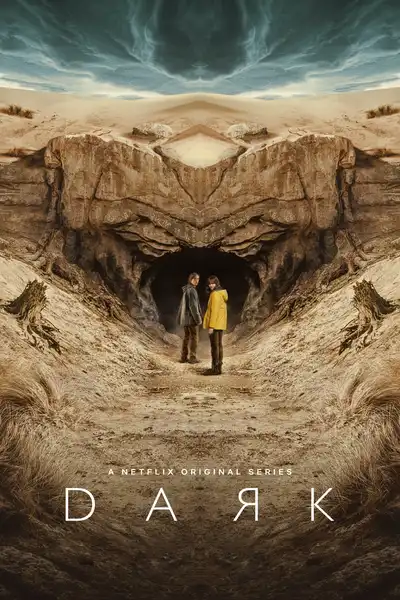
In the small German town of Winden, a child's disappearance unravels mysteries spanning multiple generations in this mind-bending masterpiece. Creators Baran bo Odar and Jantje Friese have crafted something truly extraordinary—a time-travel thriller that actually respects its audience's intelligence. The intricate plotting rewards careful attention, with each revelation feeling earned rather than convenient. The ensemble cast, including Louis Hofmann and Maja Schöne, delivers performances that capture the weight of secrets carried across decades. What begins as a missing child case evolves into an exploration of fate, free will, and the cyclical nature of trauma. The atmospheric cinematography and haunting score create a sense of dread that permeates every frame. Unlike many mysteries that collapse under their own ambition, Dark sticks the landing with a final season that brings genuine emotional closure. This is essential viewing for anyone who appreciates complex storytelling.
Video game enthusiasts have found their perfect show in this format that celebrates gaming culture with infectious passion and sharp humor. Hosts Simon Krätschmer and Nils Bomhoff bring genuine expertise and chemistry to their coverage of new releases, industry news, and gaming history, treating the medium with the critical respect it deserves. The show's greatest strength lies in balancing entertainment with substantive analysis, offering insights that go beyond surface-level reviews to explore game design, storytelling, and cultural impact. Production quality rivals traditional gaming media while maintaining an accessible, conversational tone that welcomes both hardcore and casual players. The hosts' willingness to critique beloved franchises and champion overlooked titles demonstrates authentic curation rather than mere promotion. Whether dissecting the latest AAA blockbuster or unearthing forgotten gems, the series captures why gaming matters as both art form and entertainment, making it essential viewing for anyone who takes interactive media seriously.
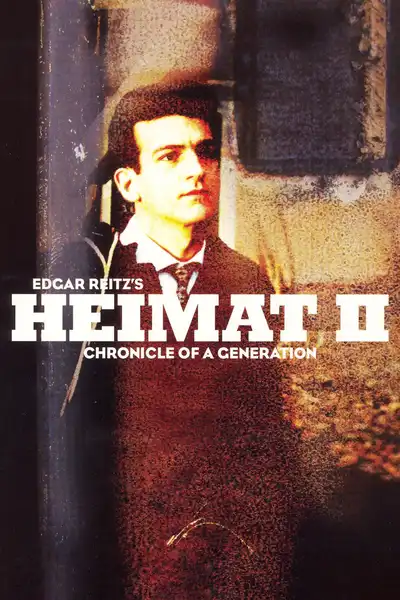
Profoundly introspective and staggeringly ambitious in scope, Edgar Reitz's follow-up to his celebrated "Heimat" series stands as one of television's most remarkable artistic achievements. This 25-hour chronicle follows a group of Munich art students and filmmakers from the 1960s through the 1990s, capturing not just their personal transformations but the seismic cultural shifts that defined postwar Germany. The series weaves together multiple narrative threads with the patience and complexity of a great novel, allowing characters like Hermann Simon (Henry Arnold) to evolve naturally across decades as they grapple with artistic ambition, political idealism, love, and disillusionment. Reitz employs a mesmerizing mix of black-and-white and color cinematography, shifting styles to match different time periods and emotional states, while the storytelling refuses to rush, instead luxuriating in moments of creative inspiration and quiet reflection. The result is cinema of the highest order—challenging, emotionally rich, and endlessly rewarding for viewers willing to surrender to its deliberate rhythms and philosophical depth.
The struggle to preserve identity and home across generations forms the magnificent core of Edgar Reitz's German masterwork, which chronicles the Simon family in the village of Schabbach from 1919 through 1982. This isn't merely a family saga but an epic meditation on how ordinary lives intersect with history, as characters navigate the Weimar Republic, Nazi Germany, World War II, and the postwar reconstruction. Marita Breuer's luminous performance as Maria Simon anchors eleven hours of storytelling that never feels indulgent, each episode revealing how personal choices and historical forces shape destinies. Reitz's patient, observational style creates intimacy on a grand scale, finding profound meaning in everyday rituals and quiet moments. The cinematography transforms rural Germany into something both specific and universal, making this essential viewing for anyone interested in how television can achieve genuine artistry.
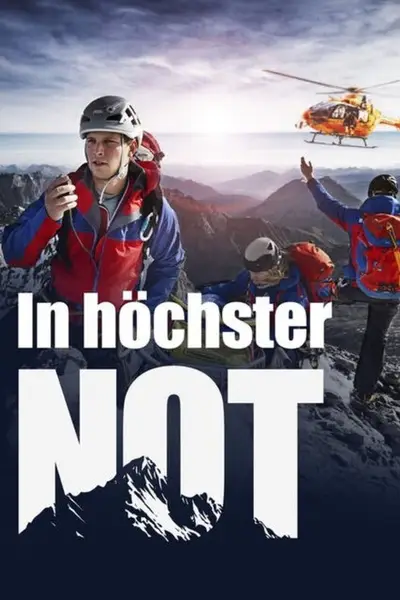
This extraordinary documentary series captures the heart-stopping reality of mountain rescue operations in the German Alps with unprecedented access and stunning cinematography. The filmmakers have created something truly special here, following brave rescue teams as they risk their lives to save stranded climbers, injured skiers, and lost hikers in some of the most treacherous terrain imaginable. Every episode delivers genuine tension as helicopters navigate impossible weather conditions and rescuers rappel down sheer cliff faces to reach people in desperate situations. What makes this series exceptional is its respect for both the rescuers' expertise and the mountains' unforgiving nature. The production quality is outstanding, with cameras capturing breathtaking alpine vistas alongside the intimate human drama of life-or-death rescues. These aren't staged reenactments but real emergencies unfolding in real time, making for compulsively watchable television that showcases human courage and professionalism at its finest.

Rocket Beans TV's team brings enthusiasm and humor to the painful task of watching and discussing cinema's most notorious failures in this German cult classic. Hosts including Etienne Gardé, Simon Krätschmer, and Nils Bomhoff approach objectively terrible films with a perfect blend of mockery and genuine analysis, exploring what went wrong without meanness. The show's format encourages detailed discussion of filmmaking failures, from incomprehensible plots to baffling creative choices, educating viewers about craft through spectacular negative examples. The chemistry among hosts transforms what could be mere snark into entertaining commentary that respects the effort involved in filmmaking while acknowledging disastrous results. Their willingness to sit through truly unwatchable movies creates a strange camaraderie with viewers, who appreciate both the comedy and the service of steering them away from these disasters. For bad movie enthusiasts and film students alike, the series offers valuable lessons about storytelling, technical execution, and the thin line between ambition and catastrophe.
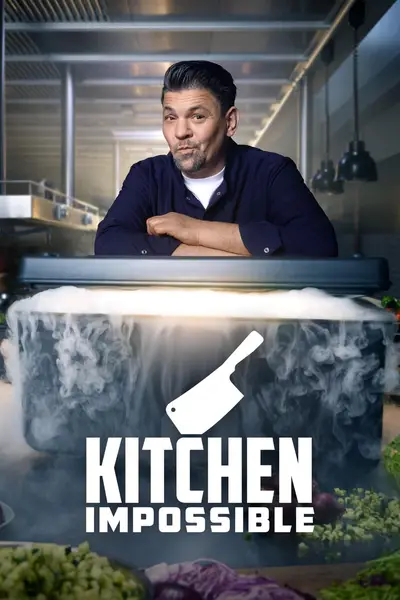
Exhilarating and deliciously competitive, this culinary reality series challenges top chefs to recreate dishes in unfamiliar kitchens with limited time and resources. Host Tim Mälzer and his rotating guest chefs travel internationally, facing off against local culinary masters who set nearly impossible challenges designed to humble even the most skilled professionals. The format's genius lies in watching accomplished chefs struggle with ingredient identification and technique interpretation, humanizing these kitchen titans while showcasing their impressive problem-solving abilities. Production values capture both the pressure-cooker intensity and the cultural contexts of each location, making it educational as well as entertaining. The German and international chefs' mutual respect elevates the competition beyond mere rivalry, creating moments of genuine camaraderie alongside the stress. Whether you're a foodie or simply enjoy watching experts pushed to their limits, this series delivers consistently engaging episodes.

This German dark comedy series follows the daily work of Heiko "Schotty" Schotte, a crime scene cleaner who arrives after the police have left to restore homes and businesses to their pre-death condition. Bjarne Mädel stars as Schotty, bringing quiet dignity and understated humor to a character who approaches gruesome work with professional detachment and unexpected philosophy. Created by Mizaldo Gerstein and Ralf Husmann, each self-contained episode traps Schotty in a single location with people connected to the deceased, leading to absurd conversations and revealing character studies. The show mines its premise for both comedy and genuine pathos, finding humanity in grief and awkwardness while never exploiting tragedy for cheap laughs. Mädel's performance is remarkably subtle—Schotty is observant, kind, and occasionally wise, the calm center around which chaos swirls. It's distinctive, thoughtful comedy that proves you can find humor anywhere.
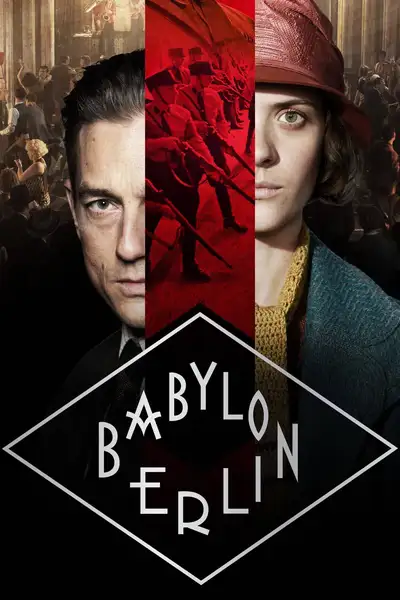
Volker Bruch stars as Gereon Rath, a cologne detective who arrives in 1920s Berlin and finds himself navigating a city teeming with political intrigue, organized crime, and decadent nightlife. Created by Tom Tykwer, Achim von Borries, and Hendrik Handloegten, this German series is a sumptuous period thriller that captures Weimar Republic Berlin in all its glamorous chaos. Liv Lisa Fries is exceptional as Charlotte Ritter, a determined woman working her way up from the police stenographer pool. The production values are cinematic, with elaborate set pieces and choreography that bring the era's cabaret culture vividly to life. While the plot can be labyrinthine at times, the rich atmosphere and complex characters make it a thoroughly rewarding watch. It's historical crime drama done with ambition and style.
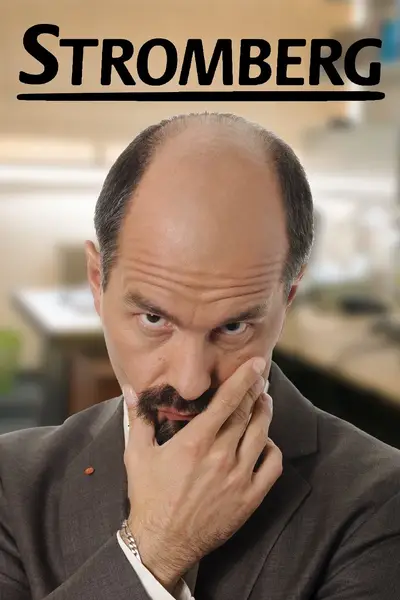
Set in a German insurance company, this mockumentary follows the cringe-inducing antics of incompetent middle manager Bernd Stromberg as he terrorizes his claims department with tactless comments and delusional self-importance. Created by Ralf Husmann and starring Christoph Maria Herbst in a brilliantly uncomfortable performance, the series predates the American and British office comedies while carving out its own distinct identity. Herbst makes Stromberg simultaneously repulsive and oddly human, surrounded by a talented ensemble including Bjarne Mädel as the perpetually suffering Berthold. The show's deadpan humor and observational comedy capture the soul-crushing mundanity of office life with remarkable precision. Sharp writing and fearless performances make this one of Germany's finest comedy exports, proving that workplace dysfunction translates across all cultures.

This German documentary series is fundamentally about courage, community, and the daily heroism of firefighters in Gelsenkirchen and Bochum. Rather than dramatizing their work, the cameras simply follow real firefighters through their shifts, capturing everything from routine calls to life-threatening emergencies. What emerges is a portrait of professionals who combine technical skill with genuine care for their communities. The series, produced for WDR, benefits from remarkable access and the trust of its subjects, who reveal both the adrenaline and the emotional toll of their work. There's no manufactured drama here—the reality provides more than enough tension and heart. Viewers gain appreciation not just for the dangerous rescues but for the teamwork, training, and dark humor that sustain these crews. It's compelling, authentic documentary filmmaking that honors its subjects without sentimentality, showing exactly why these men and women run toward danger while others flee.
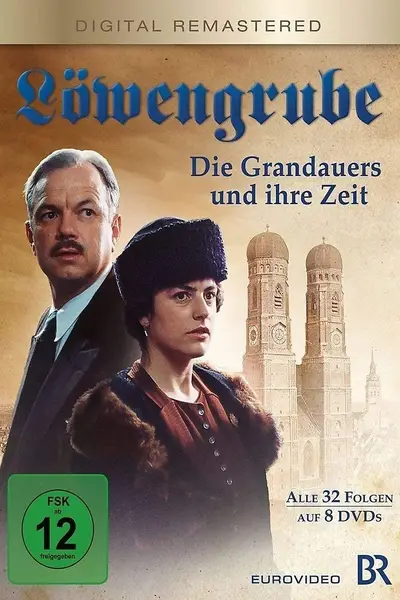
This family saga set in Munich follows the Grandauer family's brewery and beer hall from the early 1900s through the tumultuous decades of German history that followed. Spanning wars, economic upheavals, and social transformations, the series uses one family's business as a lens to examine how ordinary Germans experienced extraordinary times. The ensemble cast brings depth to characters whose personal dramas unfold against the backdrop of historical events, creating an intimate epic that balances domestic concerns with broader political forces. The production recreates different eras with impressive attention to detail, while the writing allows historical context to emerge through character experience rather than exposition. What makes the series particularly engaging is its multi-generational scope, showing how trauma, values, and secrets pass through families while each generation faces its own defining challenges. The beer hall itself becomes a character—a gathering place where social classes mix, where political tensions surface, and where community forms despite differences. It's ambitious storytelling that rewards investment, offering both compelling family drama and meaningful historical perspective through a distinctly German lens.
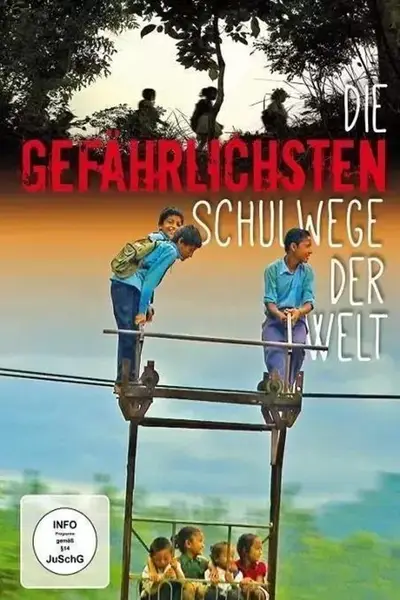
The central conflict couldn't be more stark: children worldwide face life-threatening journeys simply to reach their classrooms. This German documentary series follows students who traverse collapsing bridges, scale mountain cliffs, and navigate dangerous rivers as part of their daily commute to school. Produced by Bettina Offermann and her team, each episode spotlights different regions—from the Himalayas to the Amazon—where education demands extraordinary physical courage from the youngest members of society. The cinematography is consistently stunning, capturing both the breathtaking landscapes and the very real dangers these children navigate. Rather than exploiting hardship, the series celebrates the determination of families who prioritize education despite overwhelming obstacles. The young subjects display remarkable resilience and optimism, often expressing gratitude for opportunities that wealthier viewers take for granted. It's a perspective-shifting series that illuminates educational inequality while honoring the incredible children who refuse to be deterred by geography.
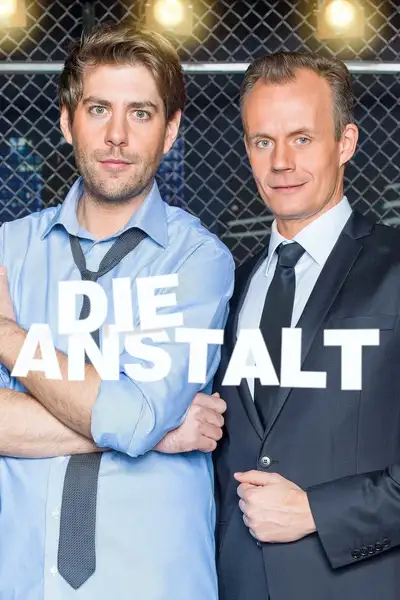
Max Uthoff and Claus von Wagner helm this German political cabaret show that combines satirical comedy with serious investigative journalism to examine current affairs and systemic issues. Broadcasting from a set designed like an asylum, the hosts and their guests dissect political hypocrisy, economic inequality, and media manipulation with a depth rarely seen in comedy programming. What distinguishes Die Anstalt is its commitment to research—claims are backed by visible sources, and complex topics like financial regulation or foreign policy receive thorough examination beneath the comedic framing. The format allows for extended segments that build arguments methodically, trusting the audience to follow nuanced discussions. Guest appearances from cabaret artists, musicians, and other performers add variety while maintaining the show's critical edge. The humor can be biting, but it's never nihilistic, instead advocating for informed civic engagement. While the specifically German political context may challenge international viewers, the show's approach to political satire—entertaining without dumbing down—offers a model that transcends borders.
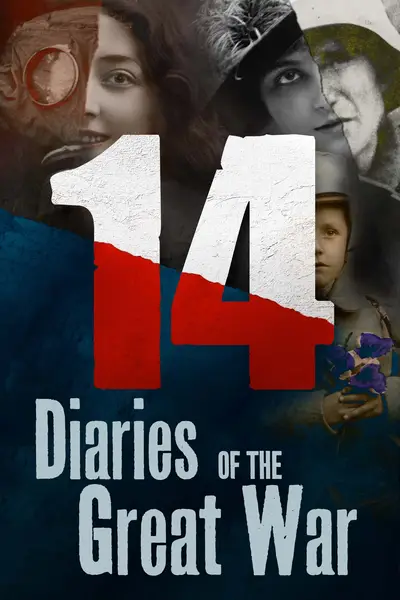
Haunting yet deeply human, this documentary-drama hybrid brings World War I to life through the intimate personal accounts of eight young people across different nations. Jan Peter and Yury Winterberg crafted something remarkable here: each episode is structured around authentic diary entries, letters, and memoirs from individuals who lived through the Great War, brought to life through compelling dramatizations and archival footage. The series doesn't glorify warfare but instead focuses on the personal experiences—fear, hope, loss, and resilience—that defined this transformative period. What makes it particularly powerful is its multinational perspective, showing how the war affected ordinary people on all sides of the conflict. The production values are excellent, with careful attention to historical detail and performances that feel genuine rather than theatrical. For anyone seeking to understand WWI beyond battle statistics and political strategies, this series offers an emotional, accessible entry point that honors the memory of those who documented their experiences.
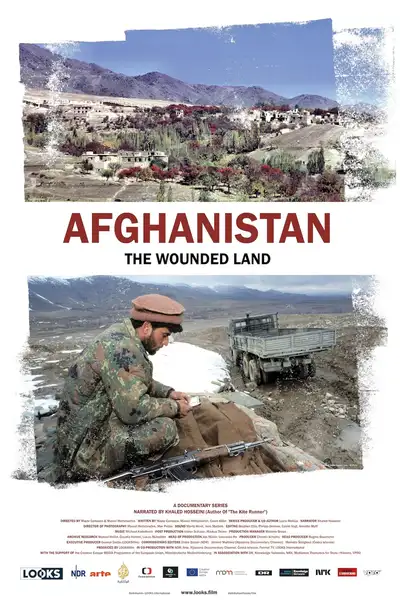
Spanning decades of conflict and resilience, this powerful documentary series examines Afghanistan's turbulent modern history from the Soviet invasion through the ongoing challenges facing the nation. Directors Mayte Carrasco and Marcel Mettelsiefen craft a comprehensive portrait that goes beyond headlines to reveal the human stories behind the geopolitical struggles. The series draws on extensive archival footage and contemporary interviews to trace how war has shaped generations of Afghans, while also highlighting the remarkable strength and dignity of people enduring unimaginable circumstances. What sets this documentary apart is its refusal to simplify complex issues or reduce its subjects to victims—instead, it presents a nuanced view of a nation and its people facing continuous adversity. The filmmaking is exceptional, with thoughtful pacing that allows stories to breathe and resonate. It's essential viewing for anyone seeking to understand Afghanistan beyond the soundbites, offering context and humanity that mainstream coverage often misses.

A Lebanese clan leader in Berlin's Neukölln district attempts to leave his criminal empire behind for the sake of his family, but the violent underworld refuses to let him go. Created by Hanno Hackfort, this German crime drama offers a gritty, authentic portrayal of organized crime within immigrant communities that avoids easy stereotypes. Kida Khodr Ramadan delivers a powerhouse performance as Toni Hamady, capturing both the character's menacing authority and vulnerable humanity. The series excels at depicting the impossible choices faced by those trapped between family loyalty and moral conscience. Shot with a cinematic eye and paced like a thriller, it maintains tension throughout while developing complex relationships between its characters. The show's willingness to explore cultural identity alongside its crime narrative adds depth that elevates it above standard gangster fare.
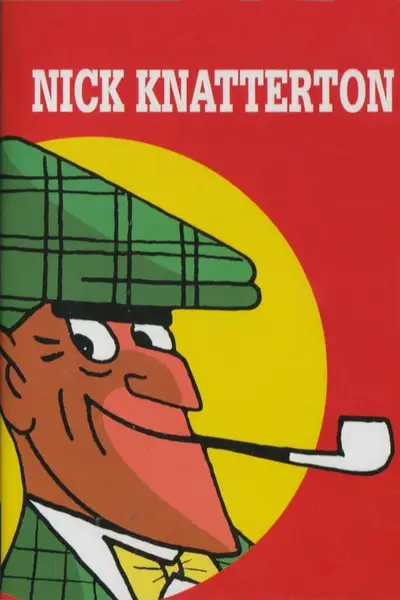
In this animated series, Germany's beloved satirical detective comes to television with all his exaggerated heroism intact. "Nick Knatterton" adapts Manfred Schmidt's comic strip character—a square-jawed, hyper-competent private detective who parodies traditional detective fiction. The animation style faithfully recreates Schmidt's distinctive artwork, with angular character designs and expressionist backgrounds that give the show visual personality. Each episode presents a mystery that Knatterton solves through absurdly perfect deductive reasoning, often reaching conclusions that are technically logical but wildly improbable. The humor comes from the character's complete earnestness combined with the ridiculous situations he encounters. Voice work captures the satirical tone, playing everything completely straight which makes the absurdity land even better. While the comedy is distinctly German in its sensibility, the clever writing and inventive animation make it accessible beyond its home audience.
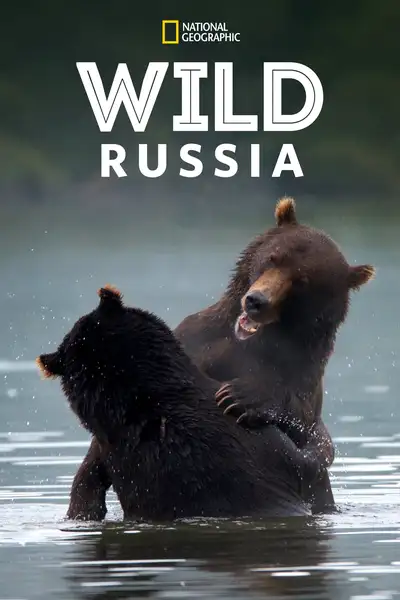
Spanning eleven time zones and covering over six million square miles, Russia's vast wilderness provides the spectacular backdrop for this stunning nature documentary series. The six-part exploration takes viewers from the volcanic landscapes of Kamchatka to the ancient forests of Siberia, revealing ecosystems and wildlife behaviors rarely captured on film. Narrator Clifford Dean guides us through encounters with Amur tigers, brown bears emerging from hibernation, and vast herds of reindeer undertaking epic migrations across frozen tundra. The cinematography is consistently breathtaking, utilizing cutting-edge filming techniques to showcase both the brutal extremes and surprising delicacy of Russian nature. What elevates this beyond standard wildlife programming is its attention to the intricate relationships between species and their environments, showing how life adapts to some of Earth's most challenging conditions. It's essential viewing for nature documentary enthusiasts and anyone seeking to understand the ecological significance of this often-overlooked region.
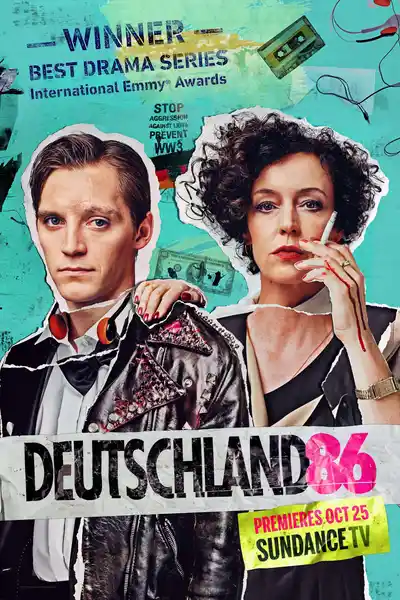
Jonas Nay plays Martin Rauch, an East German border guard suddenly recruited by the Stasi and sent undercover to West Germany during the Cold War's tense early 1980s. Created by Anna Winger, this espionage thriller distinguishes itself by showing the conflict from the Eastern perspective, complicating the usual Cold War narratives without romanticizing the GDR regime. Martin's journey from idealistic youth to disillusioned operative unfolds against meticulously recreated period settings and a fantastic soundtrack of '80s new wave. The spy craft feels authentic and unglamorous—dead drops, surveillance, and the constant psychological toll of maintaining false identities. Maria Schrader is particularly excellent as Martin's aunt and handler, embodying the complex motivations of true believers in a failing system. The series balances tense spy plotting with genuine emotional stakes, exploring how ideology shapes and ultimately betrays those who serve it most faithfully.