Folk Horror Shows
When darkness descends on remote villages and ancient rituals resurface in forgotten corners of the world, folk horror shows transport viewers into a realm where tradition becomes terror and nature harbors unspeakable secrets. This carefully curated selection of 17 folk horror series spans from modern streaming sensations to atmospheric gems that have redefined television horror, each one delving deep into the unnerving intersection of rural isolation, pagan mythology, and humanity's primal relationship with the land. These shows abandon jump scares for slow-burning dread, exploring tight-knit communities bound by mysterious customs, outsiders who stumble into places they shouldn't be, and supernatural forces rooted in folklore rather than conventional monsters. Whether you're drawn to psychological tension that builds across entire seasons, visual storytelling steeped in ritualistic imagery, or narratives that blur the line between superstition and reality, these folk horror television series offer some of the most unsettling and thought-provoking genre content available. From international productions that bring regional mythologies to life to English-language series that reimagine classic folk horror themes for contemporary audiences, prepare to discover stories where the old ways never truly died—they've simply been waiting.
This story explores how a seemingly impossible crime can fracture a community's sense of reality and justice when the evidence contradicts what people desperately want to believe. Based on Stephen King's novel and adapted by Richard Price, the HBO miniseries begins with the brutal murder of a young boy and Detective Ralph Anderson (Ben Mendelsohn) arresting beloved Little League coach Terry Maitland (Jason Bateman, who also directs), backed by irrefutable forensic evidence. The twist: equally solid evidence places Terry in a different city at the exact time of the murder. What follows blends police procedural with supernatural horror as private investigator Holly Gibney (Cynthia Erivo) enters the case. The slow-burn approach builds effectively in the early episodes, though the series struggles to maintain momentum across ten episodes when King's novel might have supported eight. Mendelsohn and Erivo deliver strong performances, but the finale doesn't quite justify the patient buildup. It's an atmospheric watch that may frustrate those expecting either pure detective work or outright horror.
Todd Robbins serves as host and guide through this chilling docuseries that examines real-life horror stories where nightmares became reality for unsuspecting victims. Each episode reconstructs terrifying true crimes with dramatic reenactments, interviews with investigators, and analysis of what drove ordinary situations to turn deadly. Robbins brings a storyteller's sensibility to the material, presenting these cases with the gravity they deserve while acknowledging the almost unbelievable nature of how events unfolded. The production values effectively balance the documentary format with cinematic tension, creating an atmosphere that lives up to the "True Nightmares" title. For true crime enthusiasts who appreciate a more atmospheric approach to the genre, this series delivers genuinely unsettling content that reminds us that reality can be far more frightening than fiction.
J.J. Abrams and Sam Shaw developed this anthology series set in the fictional Maine town that connects much of Stephen King's literary universe, where reality feels perpetually unstable and dark forces lurk beneath small-town normalcy. The series draws characters, references, and mythology from across King's bibliography without adapting specific novels, instead creating original stories that capture the author's thematic preoccupations with trauma, evil, and American dysfunction. The first season, featuring André Holland and Sissy Spacek, weaves together mystery and psychological horror with strong performances anchoring increasingly complex plotting. Season two shifts focus and tone, exploring different corners of this haunted location with varying success. The show's ambition to create interconnected King mythology is admirable, and production values effectively evoke creeping dread, though the execution doesn't always match the concept's potential. For King enthusiasts, the references and world-building provide enjoyable easter eggs, while newcomers can appreciate atmospheric horror that respects its source material's darkness.

Engaging without being exceptional, this Venezuelan telenovela delivers solid melodrama centered on family secrets and romantic entanglements. "The Marked Hour" follows several interconnected families whose lives become increasingly complicated through betrayals, hidden identities, and passionate affairs. The large ensemble cast handles the dramatic material with appropriate intensity, though some performances land better than others. Created by José Simón Escalona, the series employs classic telenovela structure—cliffhangers, dramatic revelations, and emotional confrontations—with enough skill to keep viewers invested across its run. The production values reflect the era and budget constraints, but the focus remains on character dynamics rather than spectacle. While it doesn't reinvent the genre's conventions, it executes them competently enough to satisfy fans of Latin American drama. The pacing occasionally drags, but patient viewers will find worthwhile emotional payoffs in the relationships that develop.
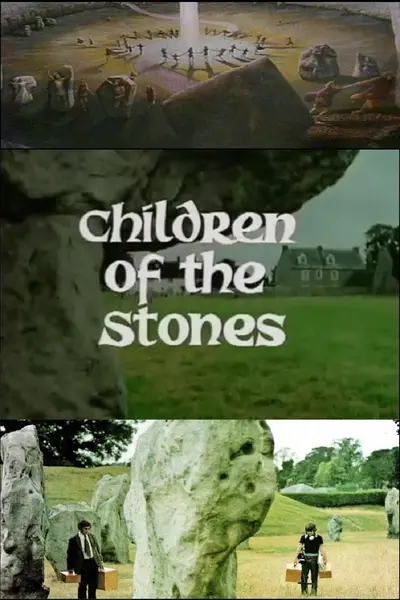
When an astrophysicist and his son arrive in the remote English village of Milbury to study a stone circle, they discover something far more sinister than ancient history. This 1977 British children's series, created by Jeremy Burnham and Trevor Ray, weaves an atmospheric tale of pagan mystery and psychological horror that still holds up remarkably well decades later. The seven-episode serial unfolds with mounting dread as the newcomers realize the village's residents are under some form of supernatural influence connected to the prehistoric stones. Gareth Thomas leads the cast with grounded intensity, while the young Iain Cuthbertson delivers a memorable performance that anchors the story's emotional core. What makes this serial special is its willingness to embrace genuinely eerie concepts and imagery while respecting its young audience's intelligence. The low-budget production uses its limitations cleverly, creating an unsettling atmosphere through sound design and careful pacing rather than special effects.
This French supernatural crime series unfolds in Villefranche, a remote mountain town surrounded by mysterious forest where the murder rate is six times the national average and strange occurrences are commonplace. Created by Mathieu Missoffe and starring Suliane Brahim as Laurène Weiss, a prosecutor investigating both conventional crimes and increasingly inexplicable phenomena, the show blends police procedural with eerie folk horror elements. The atmosphere is the series' greatest strength—the perpetually fog-shrouded forest and isolated setting create genuine unease, and the cinematography emphasizes the claustrophobic relationship between the town and the wilderness that surrounds it. However, the plotting can be frustratingly opaque, dangling mysteries without satisfying resolution and sometimes prioritizing mood over narrative coherence. Brahim anchors the show with a grounded performance that helps sell the more fantastical elements. It's compellingly weird viewing for those with patience for ambiguity, though viewers seeking clear answers may find themselves frustrated by its deliberate obscurity.
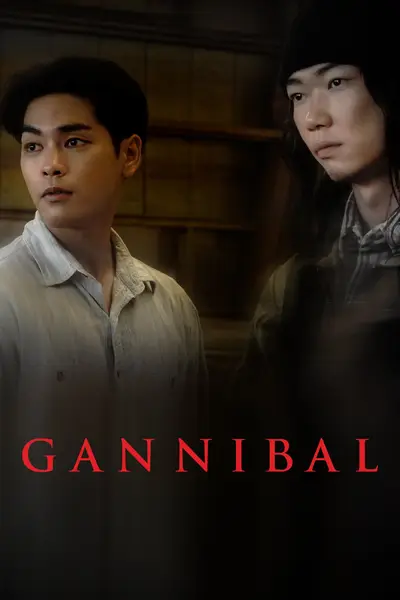
This atmospheric Japanese horror-thriller follows a Tokyo police officer who relocates his family to a remote rural village, only to discover the isolated community may be harboring a cannibalistic secret. Based on the manga by Masaaki Ninomiya, the series excels at building creeping dread through its claustrophobic setting and the gradual revelation that something is deeply wrong with the seemingly peaceful town. Yuya Yagira delivers a compelling performance as the increasingly paranoid officer caught between his duty and his family's safety. The show takes its time establishing the unsettling atmosphere, using the beautiful but isolating mountain landscape to heighten the sense of being trapped among potential predators. Director Shinzō Katayama maintains tight control over the tension, and the series respects viewers' intelligence by allowing mysteries to unfold naturally rather than rushing to explanations.
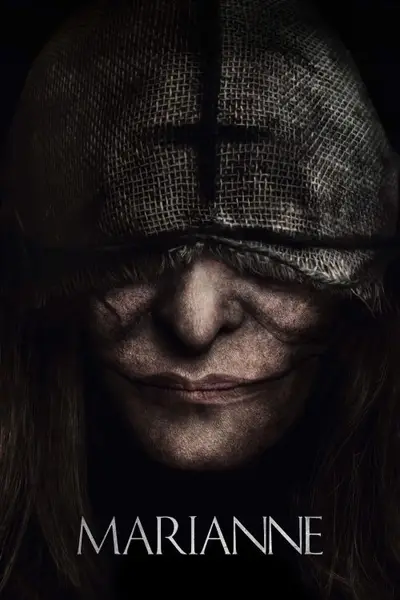
Stylish but ultimately frustrating, this French horror series from creator Samuel Bodin delivers genuine scares without quite coalescing into a satisfying whole. Victoire Du Bois stars as Emma, a novelist who returns to her coastal hometown only to discover that Marianne, the witch from her horror novels, might actually be real and terrorizing people from her past. The premise taps into rich territory about artistic responsibility and the power of storytelling, and the early episodes excel at building dread through strong direction and committed performances. The creature design for Marianne herself is memorably unsettling. However, as the season progresses, the mythology becomes muddled and character decisions increasingly strained. The show looks fantastic and contains several genuinely frightening sequences that horror fans will appreciate, but the narrative loses focus in ways that undermine its stronger elements.
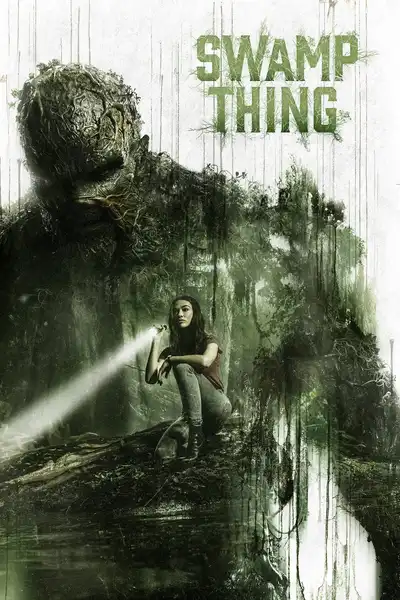
This atmospheric adaptation brings DC Comics' tragic hero to life with impressive practical effects and environmental horror sensibilities. When CDC scientist Alec Holland returns to his Louisiana hometown to investigate a deadly swamp-borne virus, he becomes entangled in supernatural forces that transform him into the plant-elemental Swamp Thing. Crystal Reed stars as Dr. Abby Arcane, whose investigation into mysterious deaths leads her back to both environmental conspiracy and genuine monster-movie terror. Created by Gary Dauberman and Mark Verheiden, the series embraces body horror and creature effects that feel refreshingly tangible in an era of CGI overload. Derek Mears brings surprising pathos to the titular creature, while the supporting cast explores corruption, scientific ethics, and humanity's relationship with nature. The Louisiana locations provide genuinely eerie atmosphere, and the show doesn't shy from adult themes or graphic imagery. Though DC Universe canceled it after one season due to circumstances beyond creative control, Swamp Thing represents a compelling blend of superhero storytelling and classic horror that deserved more time to flourish.
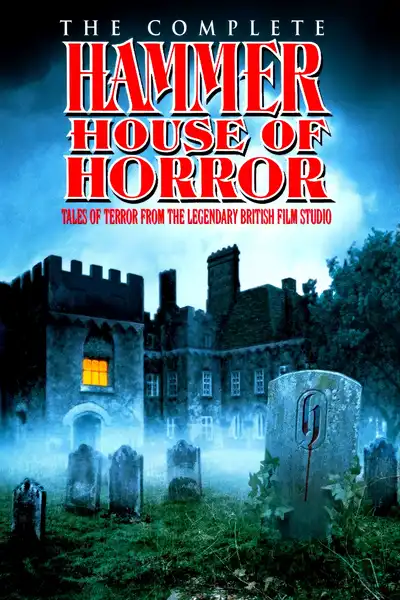
In late 1970s Britain, this atmospheric anthology series brought gothic terror into contemporary settings with unsettling results. Produced by Hammer Film Productions at the height of their horror prowess, each standalone episode presents a different nightmare scenario where ordinary people encounter supernatural forces, psychological torment, or deadly obsessions. The series showcases British television's knack for understated dread, with strong performances from guest stars and directors who understand that suggestion can be more powerful than explicit gore. Created during Hammer's transition from cinema to television, the show maintains the studio's signature style while adapting to the smaller screen's intimacy. The production values are solid throughout, and several episodes deliver genuinely creepy moments that linger in the mind, making this a worthwhile watch for horror enthusiasts interested in the genre's evolution.
Strange and often disturbing occurrences plague ordinary people in the British countryside in this anthology series that explores humanity's uneasy relationship with the natural world. Each episode presents a standalone story where characters encounter animals—or something more sinister—with horrifying results, from venomous creatures seeking revenge to ancient curses manifesting through wildlife. Created by Nigel Kneale, the series features strong performances from British character actors who ground the increasingly bizarre scenarios in recognizable human behavior. The show's rural settings and slow-burn approach create genuine unease, though not every episode maintains the same level of tension or narrative coherence. Some installments deliver memorably creepy moments, while others feel slight or anticlimactic. The series works best when it trusts atmosphere and implication over explicit horror, though it doesn't always choose that path. It's worthwhile viewing for fans of British horror television's more experimental era.
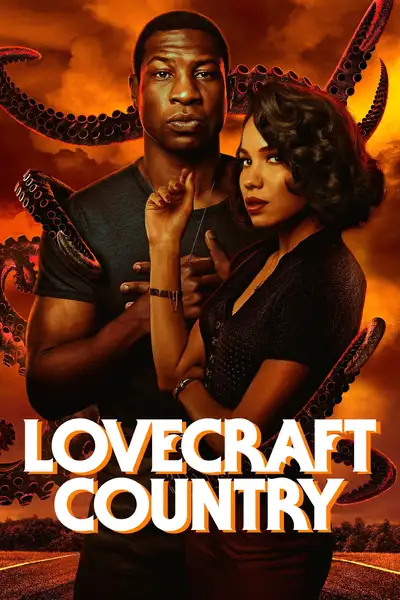
Jonathan Majors stars as Atticus Freeman in this ambitious genre mashup that attempts to blend 1950s racial terror with Lovecraftian horror, though the results prove uneven. Created by Misha Green and based on Matt Ruff's novel, the series follows Atticus on a road trip through Jim Crow America searching for his missing father, uncovering supernatural conspiracies along the way. Jurnee Smollett and Courtney B. Vance deliver strong supporting performances, and the show's production design impressively captures both period detail and pulpy horror atmospherics. The series tackles weighty themes about racism and inherited trauma, but the tonal shifts between social commentary and monster-of-the-week adventures don't always cohere. When it works, the juxtaposition is powerful; when it doesn't, the show feels like two different series competing for screen time.
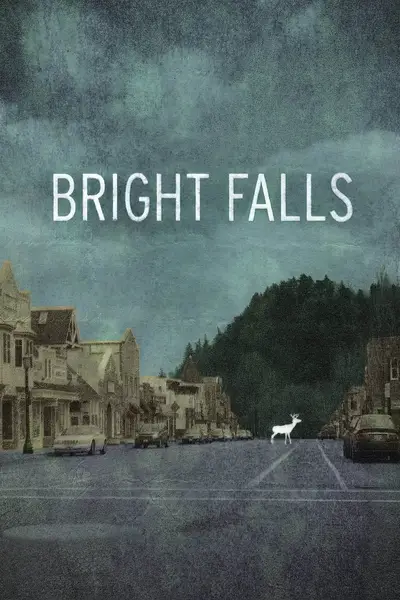
This atmospheric web series serves as a prequel to the acclaimed video game Alan Wake, following journalist Jake Fischer as he arrives in the Pacific Northwest town of Bright Falls to investigate a mysterious disappearance. Created by Remedy Entertainment and directed by Phillip Van, the six-episode series stars Christopher Forsyth as Fischer, who gradually discovers that something deeply unsettling lurks beneath the town's picturesque surface. The show effectively builds tension through moody cinematography and a creeping sense of dread, capturing the eerie small-town atmosphere that fans of the game will recognize. While brief, Bright Falls works both as a standalone mystery and an intriguing introduction to the game's universe, offering enough supernatural hints to keep viewers engaged without overwhelming newcomers to the franchise.
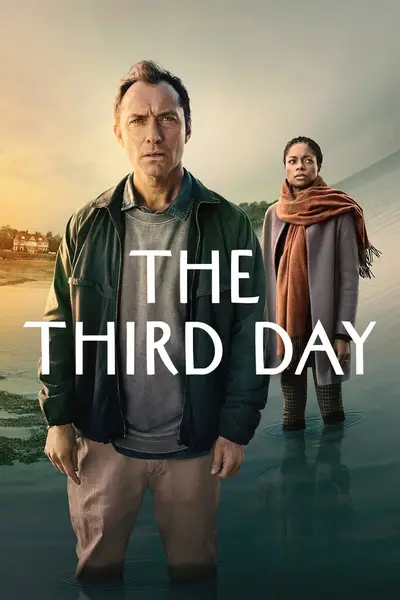
Jude Law stars as Sam, a man seeking healing on a mysterious British island, in this atmospheric miniseries divided into distinct "Summer" and "Winter" chapters. Created by Dennis Kelly and Felix Barrett (of immersive theater company Punchdrunk), "The Third Day" uses its unusual structure to explore how the same location reveals different faces to different visitors. The summer section follows Sam's increasingly disturbing experiences with the island's strange inhabitants, while the winter chapters shift to Helen (Naomi Harris), a single mother drawn to the same place. The series is deliberately disorienting, blurring the line between folk horror and psychological thriller, with both Law and Harris delivering committed, raw performances. The production design and Marc Munden's direction create genuine unease, and the theatrical influences result in memorable visual tableaux. While some may find the ambiguity frustrating, those willing to embrace its enigmatic nature will find a richly textured meditation on grief and transformation.
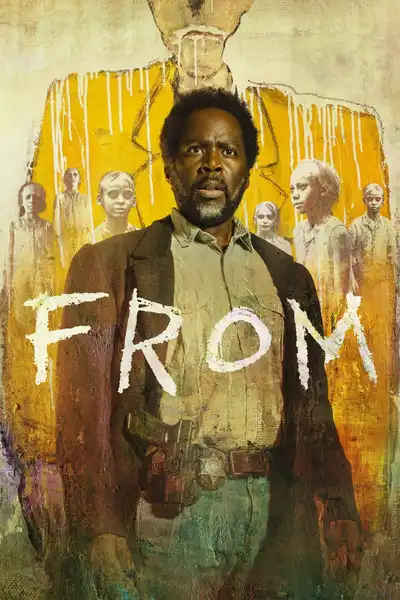
Harold Perrineau brings gravitas and determination to his role as Sheriff Boyd Stevens in this intriguing mystery-horror series created by John Griffin. The show follows a group of stranded travelers trapped in a nightmarish town where terrifying creatures emerge after dark. Perrineau anchors the ensemble cast with a performance that balances world-weary leadership with desperate hope, making him the emotional center of this increasingly bizarre situation. While the series occasionally struggles with pacing and leaves perhaps too many questions unanswered, it offers enough genuine scares and compelling character dynamics to keep viewers invested. The premise is familiar to fans of shows like *Lost*, but *From* carves out its own identity with a relentless sense of claustrophobia and dread that makes it a solid choice for horror enthusiasts looking for their next binge.
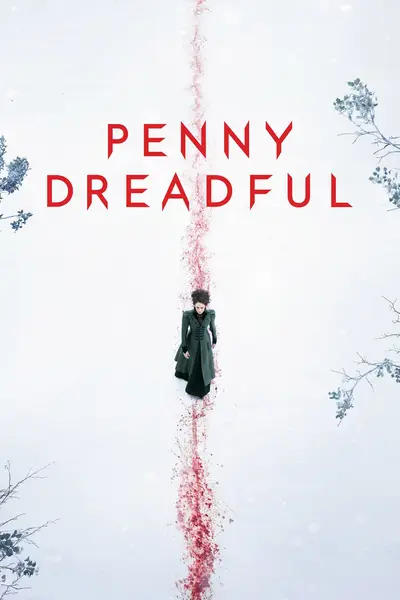
The struggle between good and evil takes center stage in Victorian London, where literary horror icons converge in creator John Logan's atmospheric but ultimately uneven supernatural drama. Eva Green delivers a compelling performance as Vanessa Ives, a medium tormented by demonic forces, anchoring a cast that includes Timothy Dalton as explorer Sir Malcolm Murray and Josh Hartnett as the enigmatic Ethan Chandler. The series excels in its moody cinematography and production design, creating a genuinely immersive Gothic atmosphere that honors its literary source material from authors like Bram Stoker and Mary Shelley. However, the show often prioritizes style over narrative coherence, with plotlines that meander or conclude unsatisfyingly despite the committed performances. When it works, particularly in Green's showcase episodes, the series achieves moments of genuine psychological horror and emotional depth. When it doesn't, viewers are left with beautifully shot but dramatically inert sequences that mistake portentousness for profundity.
Creator Shinobu Yaguchi brings his observational eye to this darkly comedic examination of a family's involvement with a religious organization that increasingly reveals its manipulative nature. The series walks a tightrope between satire and drama as it follows the Sunny family's gradual realization that their spiritual community operates more like a cult than a church. The performances, particularly from the actors playing the conflicted adult children, capture the psychological complexity of wanting to break free while fearing the loss of community and identity. Yaguchi's direction finds uncomfortable humor in the absurdity of cult logic without mocking the genuine believers caught in its web. However, the show doesn't always maintain its tonal balance, occasionally veering too far into either broad comedy or somber drama. The pacing can feel repetitive as characters cycle through similar doubts and recommitments, though the ultimate trajectory remains compelling enough to sustain interest.
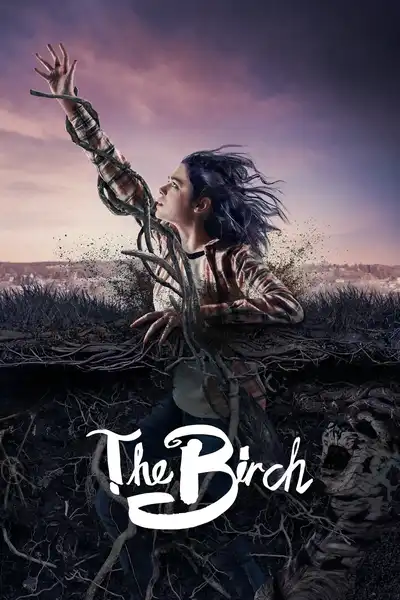
In the shadowy woods surrounding a small town, an ancient supernatural entity becomes both protector and punisher for desperate teenagers who summon her. This horror anthology series from creator Cliff Wallace explores folkloric terror through short-form episodes, each focusing on different characters who encounter the mysterious Birch. The series leans into practical effects and atmosphere over jump scares, creating an unsettling fairy-tale quality where wishes granted come with steep prices. The format allows for experimentation—some episodes work better than others—but the commitment to its central mythology and the visual realization of the Birch creature itself are consistently impressive given the production's scale. While the abbreviated runtime limits character development, it also keeps the pacing tight and the scares concentrated. The series works best when embracing its dark folklore roots rather than trying to explain too much, understanding that some monsters are more frightening when they remain mysterious. It's a solid entry for horror fans seeking something atmospheric and myth-based.
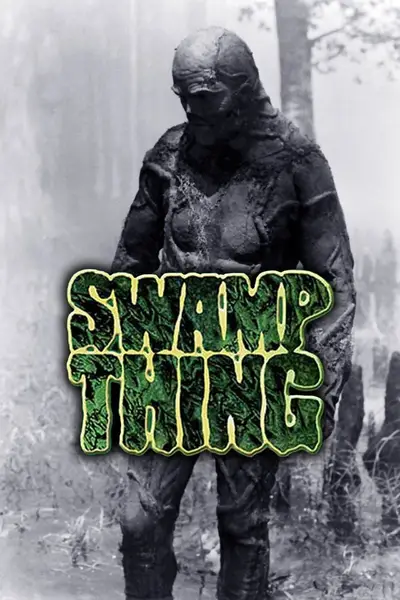
This comic book adaptation follows scientist Alec Holland, transformed into a plant-elemental creature, as he protects the Louisiana bayou from environmental threats and supernatural dangers. Dick Durock reprises his film role as the titular Swamp Thing, while the series expands the mythology established in Wes Craven's 1982 movie. The show aims for a balance between monster-of-the-week storytelling and environmental messaging, with varying degrees of success. Budget limitations are evident in some of the special effects, but the atmospheric swamp locations provide genuine ambiance. The series works best when embracing its pulpy roots rather than taking itself too seriously, and occasional moments of humor help offset the inherent campiness. It's an earnest attempt to bring the DC Comics character to television, delivering adequate entertainment for genre fans willing to accept its constraints.
The central conflict places thirteen contestants in psychological scenarios designed to exploit their deepest fears, forcing them to confront phobias for prize money in this Spanish reality series. Produced during the peak of extreme reality television, the show walks an uncomfortable line between psychological exploration and exploitation, with results that feel ethically questionable even by the genre's permissive standards. Some challenges offer genuine insight into how people cope with fear, while others seem designed purely for shock value and audience reaction. The production values are adequate, and host Xavi Rodríguez maintains appropriate gravity, though the format itself raises questions about consent and psychological safety that the show never satisfactorily addresses. Certain episodes demonstrate more care in supporting participants through their experiences, while others feel exploitative. It's a product of reality TV's anything-goes era that some will find fascinating as cultural artifact and others will find deeply problematic in its treatment of human vulnerability.

This dramatic series explores life in a South African township during the turbulent 1990s transition from apartheid to democracy. Soul City weaves together multiple storylines focusing on residents facing everyday challenges against the backdrop of historic political change. The show functions partially as social education programming, addressing issues like HIV/AIDS, domestic violence, and community health, which sometimes makes the narrative feel more message-driven than organic. However, the cast delivers committed performances that ground the material, and certain episodes achieve genuine emotional resonance. The production captures the period setting adequately, though budgetary limitations are occasionally apparent. When the writing trusts its characters rather than its agenda, the series finds its footing and offers worthwhile drama. It's an interesting cultural artifact that blends entertainment with public health messaging, succeeding more often than it stumbles.