Financial Drama Shows
The cutthroat world of high finance has captivated television audiences for years, offering a thrilling glimpse into the ruthless pursuit of wealth, power, and market dominance. Financial drama shows have emerged as a compelling subgenre, peeling back the curtain on Wall Street boardrooms, trading floors, and banking empires where fortunes are made and lost in milliseconds. These gripping series explore the darker side of capitalism through complex narratives about ambitious traders, calculating executives, and the moral compromises demanded by the financial industry. From tales of corporate succession battles and insider trading scandals to stories of market manipulation and institutional greed, these shows deliver high-stakes tension that rivals any thriller. Whether you're drawn to character-driven narratives about family dynasties controlling media empires or prefer intense depictions of young professionals navigating London's competitive banking sector, this curated selection of 16 must-watch financial dramas spans recent hits and hidden gems alike. These series don't just entertain—they illuminate the mechanisms of modern capitalism and the human cost of unbridled ambition, making them essential viewing for anyone fascinated by the intersection of money, power, and morality.
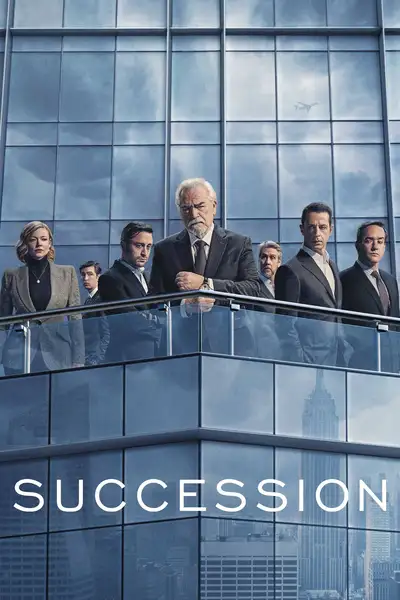
Jesse Armstrong created this masterful drama about the Roy family, whose aging patriarch Logan (Brian Cox) controls a global media empire that his four adult children desperately want to inherit. The show is a vicious satire of wealth, power, and family dysfunction, following Kendall (Jeremy Strong), Shiv (Sarah Snook), Roman (Kieran Culkin), and Connor (Alan Ruck) as they scheme, betray, and occasionally support each other in their quest for their father's approval and succession. The writing is razor-sharp, delivering devastating insults and brilliant character work in equal measure, while the cast performs at the highest level across the board. What makes the show exceptional is how it renders these terrible people compelling without ever asking us to sympathize with them—we're laughing at them, not with them. The series explores how extreme wealth corrupts and isolates while telling a Shakespearean family tragedy with contemporary relevance. Every detail feels considered, from the mumbly naturalism of the dialogue to the handheld camerawork. It's simply extraordinary television, a complete artistic achievement that stands among the medium's finest accomplishments.
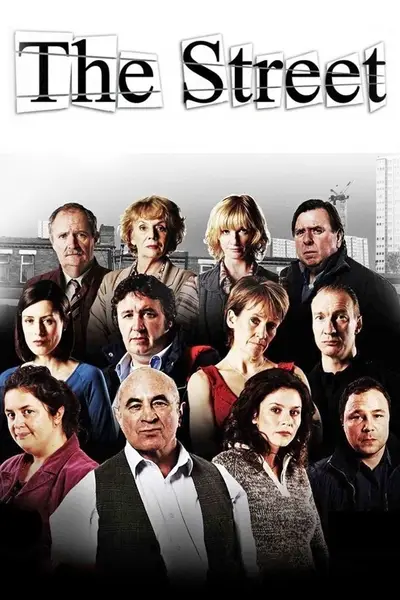
This anthology drama explores the interconnected lives of residents on a single street in Manchester, offering intimate portraits of ordinary people facing extraordinary challenges. Created by Jimmy McGovern, The Street dedicates each episode to a different household, gradually revealing how their stories intersect and influence one another. The format allows for deep character exploration, with standout performances from Timothy Spall, Jim Broadbent, and Jane Horrocks across the two series. McGovern's writing finds both humor and heartbreak in working-class life without ever condescending to his characters or their struggles. Whether examining grief, infidelity, mental health, or financial hardship, the show approaches each topic with nuance and empathy. The slice-of-life approach feels refreshingly authentic, capturing the texture of everyday existence in a way that resonates long after each episode ends.
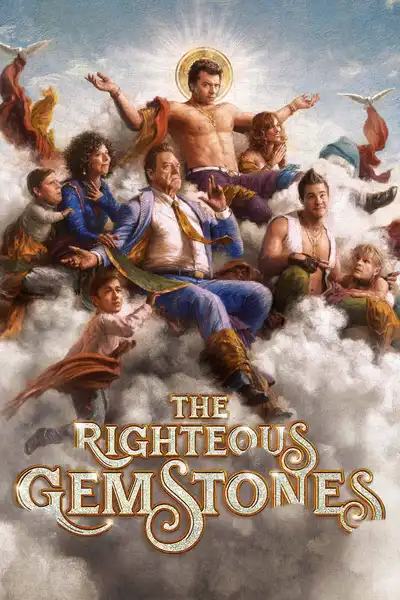
In this series from Danny McBride, the Gemstone family runs a megachurch empire built on televangelism, with all the hypocrisy, greed, and family dysfunction you'd expect from that premise. John Goodman commands the screen as Eli Gemstone, the patriarch trying to maintain control while his three children—played by McBride, Adam Devine, and Edi Patterson—scheme, squabble, and spectacularly fail at embodying Christian values. McBride and his collaborators craft a satire that's both savage and surprisingly empathetic, never letting the Gemstones off the hook while acknowledging their genuine (if deeply misguided) familial bonds. The production values are remarkable for a comedy series, with action sequences and cinematography that rival prestige dramas. Patterson particularly shines as the overlooked daughter desperate for recognition. The show mines rich comedy from the intersection of faith, capitalism, and family legacy, delivering laughs that sting with recognition.
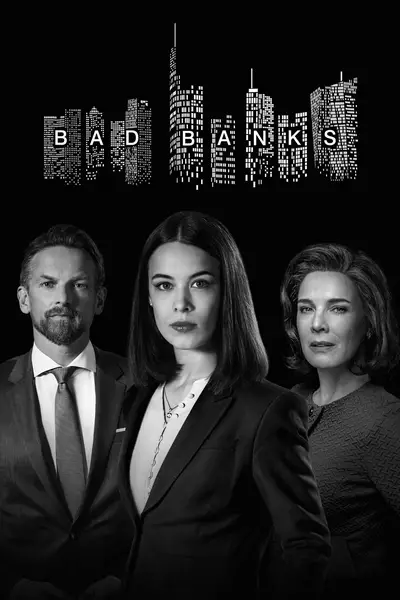
The battle between ambition and ethics takes center stage in this German financial thriller following an ambitious young banker navigating Frankfurt's cutthroat investment world. Paula Beer stars as Jana Liekam, who joins a prestigious bank and quickly becomes entangled in corporate espionage, fraudulent schemes, and power struggles that test her moral boundaries. Created by Oliver Kienle, the series attempts to expose the dark underbelly of European finance with the sleek visual style of prestige television. The performances are generally strong, and the banking world intrigue provides enough complexity to sustain interest. However, the show sometimes prioritizes style over substance, and certain plot twists stretch credibility. The pacing can feel uneven, with some episodes dragging while others rush through important developments. It offers an interesting glimpse into financial corruption but doesn't quite achieve the compelling character depth or narrative momentum needed to stand alongside the best entries in the corporate thriller genre.
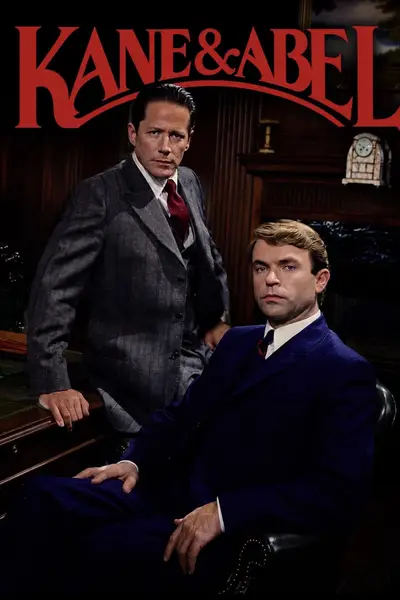
Ambitious and sprawling, this miniseries adaptation of Jeffrey Archer's bestselling novel chronicles the parallel lives of two men born on the same day in 1906—one to wealth in Boston, the other to poverty in Poland—whose fates become intricately intertwined across decades. Sam Neill and Peter Strauss deliver excellent work as the adult Kane and Abel, embodying their characters' drive and rivalry with conviction. Director Buzz Kulik handles the epic scope confidently, moving across continents and decades while maintaining narrative clarity and emotional coherence. The production captures both the grandeur of Kane's banking empire and the scrappy determination of Abel's rise from immigrant to hotel magnate. While some plot contrivances strain credibility, the strong central performances and thematic exploration of the American Dream overcome these limitations. It's old-fashioned event television executed with skill and seriousness.
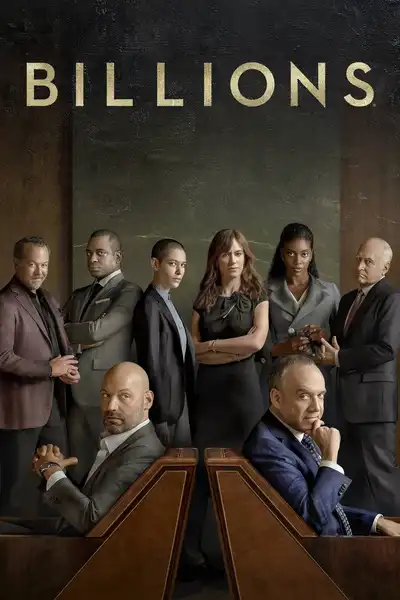
In this series, the power dynamics between a ruthless hedge fund manager and a determined U.S. Attorney create a high-stakes battle of egos and ethics. Paul Giamatti stars as Chuck Rhoades, the prosecutor targeting Bobby Axelrod (Damian Lewis), a brilliant financier operating in the gray areas of legality. Created by Brian Koppelman, David Levien, and Andrew Ross Sorkin, the show dives deep into the world of high finance and legal maneuvering, with dense dialogue full of pop culture references and strategic gambits. The performances are strong, and the writing demonstrates knowledge of both finance and law. Yet the series sometimes feels like watching smart people outsmart each other without deeper purpose, and the moral ambiguity doesn't always translate to emotional investment. It's slickly produced and intellectually engaging, but can feel cold and overly enamored with its characters' cleverness.
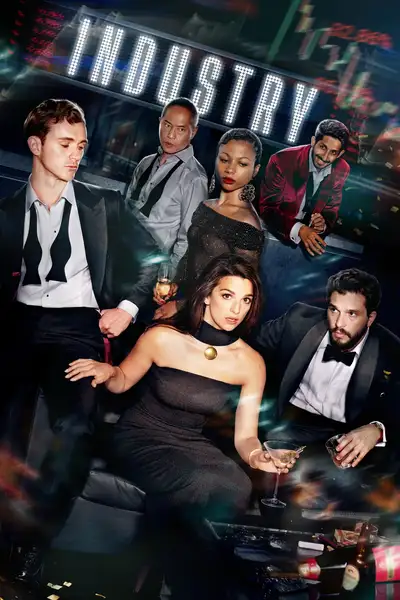
In the cutthroat world of a London investment bank's graduate training program, young recruits navigate toxic workplace culture, class tensions, and their own ambitions in this unflinching drama. Creators Mickey Down and Konrad Kay draw from their own finance industry experience to craft a series that captures the intoxicating blend of adrenaline, excess, and precarity that defines entry-level life in high finance. Myha'la Herrold delivers a breakout performance as Harper, an American outsider who lies her way into the program and discovers she has a genuine talent for the morally ambiguous work. The ensemble cast—including Marisa Abela, Harry Lawtey, and David Jonsson—brings nuance to characters who could easily become types, finding humanity in deeply flawed people making questionable choices. The series doesn't moralize about its characters' behavior, instead presenting the seductive logic of a world where money justifies nearly everything.

From the creative team behind this Japanese drama comes a story about two ambitious men determined to build a trillion-yen empire from scratch. *Trillion Game* follows an unlikely partnership between a charismatic smooth-talker and a brilliant but socially awkward programmer as they launch a series of increasingly audacious business ventures. Ren Meguro and Hayato Sano lead the cast as the mismatched duo whose complementary skills and contrasting personalities drive both their success and their conflicts. The series explores themes of entrepreneurship, friendship, and the ethical compromises that come with rapid financial success. While the show offers entertaining moments and the central relationship has genuine appeal, the plotting can feel uneven, with some business schemes stretching credibility. The performances are solid enough to maintain interest, but *Trillion Game* doesn't quite reach the heights suggested by its ambitious title, settling instead for moderately engaging business drama.

When a struggling entrepreneur discovers an ancient artifact that may hold the key to unlimited prosperity, she finds herself navigating a dangerous world where corporate greed, mystical forces, and personal ambition collide spectacularly. Duang With You delivers an absolutely thrilling blend of fantasy and contemporary drama that keeps viewers guessing with every twist! The show's unique concept—mixing business competition with supernatural elements rooted in Asian folklore—creates endless narrative possibilities that the creative team exploits brilliantly. The lead performance brings both vulnerability and determination to a character whose moral compass gets tested repeatedly as stakes escalate. Production design seamlessly integrates magical realism into modern settings, making the fantastical elements feel organic rather than jarring. Supporting characters add layers of intrigue, each harboring secrets that complicate straightforward good-versus-evil dynamics. The pacing never lets up, balancing character development with propulsive plotting that makes episodes fly by. It's addictive television that rewards close attention while delivering pure entertainment value in every frame!
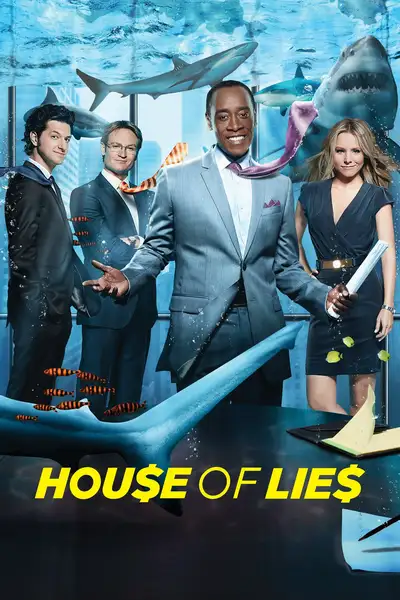
This dramedy follows a ruthless team of management consultants who manipulate corporations while their personal lives spiral into comparable chaos, led by Don Cheadle's Marty Kaan, a fast-talking rainmaker with questionable ethics and parenting skills. Based loosely on tell-all consultant memoirs and developed by Matthew Carnahan, the Showtime series aims for sharp satire of corporate America but often settles for surface-level cynicism and shock value. Kristen Bell, Ben Schwartz, and Josh Lawson round out the consulting pod with committed performances that occasionally transcend the material's limitations. When the show focuses on the actual mechanics of corporate manipulation, it finds its footing, but frequent detours into sexual escapades and drug use feel more obligatory than organic. The improvisation-heavy approach yields moments of genuine wit alongside stretches that meander without purpose. It's slickly produced and occasionally insightful about business amorality, but never quite coheres into the biting satire it aspires to be—entertaining in moments, forgettable overall.
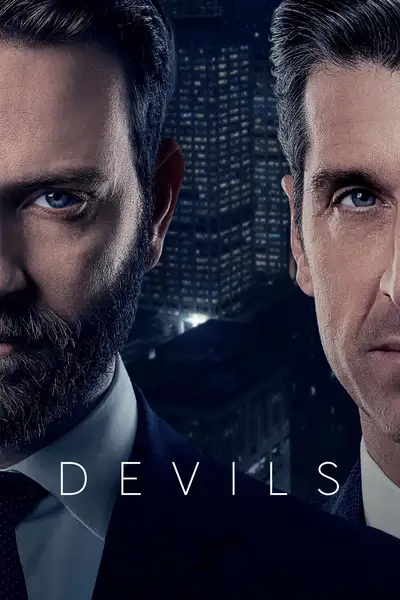
A charismatic London trader becomes entangled in a vast financial conspiracy that threatens the global economy in this slick Italian-British co-production based on Guido Maria Brera's novel. Patrick Dempsey stars as Dominic Morgan, the CEO of a major American bank, while Alessandro Borghi plays Massimo Ruggero, the ambitious trader who discovers dark secrets within the financial world. Created by Brera himself alongside Alessandro Sermoneta, the series dives into the cutthroat world of international banking with an insider's knowledge. The show balances financial intrigue with personal drama effectively, making complex economic concepts accessible without oversimplifying. Kasia Smutniak adds layers as Nina, a hedge fund manager caught between loyalty and morality. Shot across London, Rome, and New York, the production captures the glamorous yet ruthless nature of high finance with style and surprising substance.
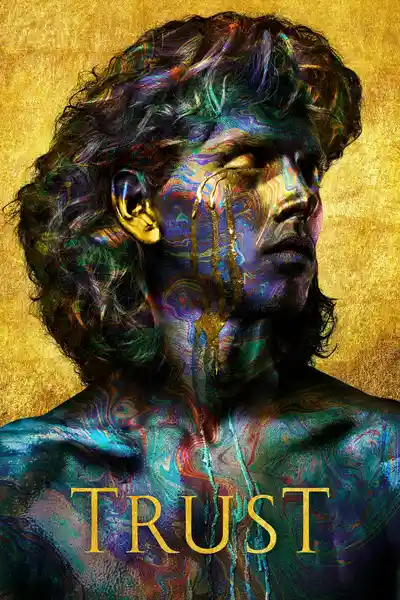
Donald Sutherland commands the screen as J. Paul Getty, the notoriously miserly oil tycoon at the center of this compelling dramatization of one of history's most shocking kidnappings. When Getty's teenage grandson is abducted in Rome and held for ransom, the family discovers that the world's richest man refuses to pay a dime. Created by Simon Beaufoy and directed by Danny Boyle for the first episode, the series delves deep into the twisted dynamics of the Getty dynasty, exploring themes of wealth, power, and family dysfunction. Hilary Swank delivers a strong performance as Gail Getty, the determined mother fighting both kidnappers and her former father-in-law. While the pacing occasionally drags across its ten episodes, the series offers an intriguing look at how obscene wealth can corrupt family bonds and warp human values.
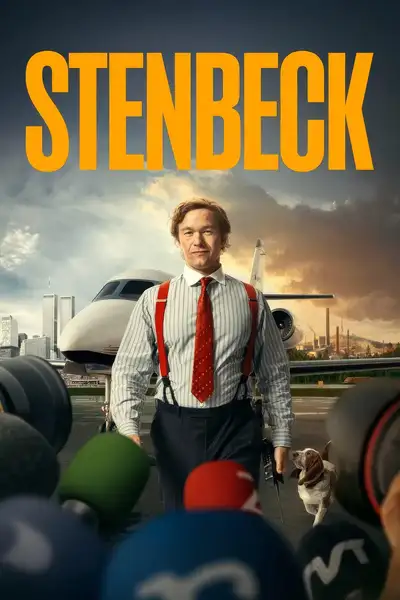
Gritty and propulsive, *Vanguard* brings relentless energy to its espionage thriller framework, following an elite covert operations team navigating dangerous international missions. Mahershala Ali anchors the series with a measured performance that grounds the high-stakes action in genuine human consequences, while the supporting cast—including Betty Gabriel and Kelvin Harrison Jr.—creates a believable team dynamic. Created by Adam Glass, the show distinguishes itself through tight plotting and a willingness to let missions go sideways in realistic ways. The action sequences are expertly choreographed without veering into superhero territory, maintaining a sense that these operatives are skilled but vulnerable. Production values are consistently strong, with location shooting adding authenticity to the globe-trotting premise. The series finds a smart balance between procedural mission-of-the-week episodes and longer character arcs that develop the team's interpersonal relationships. While it treads familiar territory within the spy thriller genre, *Vanguard* executes its formula with enough skill and style to stand out in a crowded field.
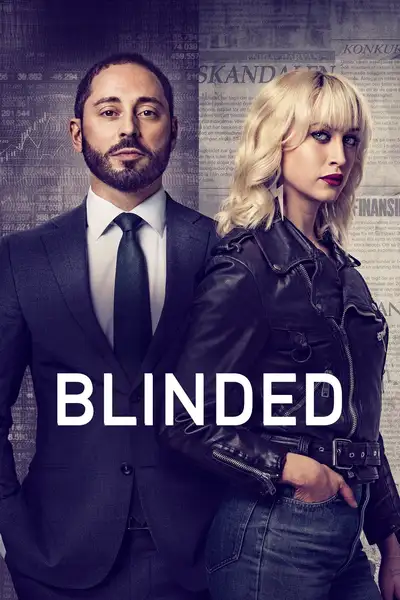
Set in contemporary Poland, this crime thriller follows a homicide detective who loses his sight in a violent attack but continues investigating cases using his remaining senses and sharp analytical mind. Created by Wojciech Miłoszewski, the series stars Kamil Nożyński as the determined detective navigating both criminal investigations and his new reality as a blind investigator. The premise could easily slip into gimmickry, but the show treats the protagonist's disability with respect while exploring how it fundamentally changes his approach to police work. Supporting cast members including Marta Żmuda-Trzebiatowska provide depth to the procedural elements, and the Polish setting offers a fresh perspective for international viewers accustomed to British or American crime dramas. The cases themselves are well-constructed, and the series maintains tension throughout its investigations while developing its characters beyond their professional roles.
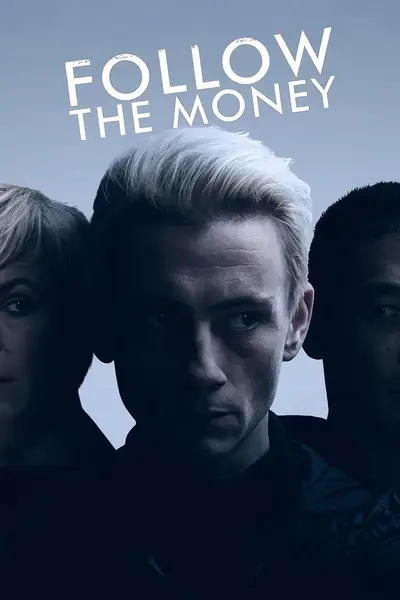
Thomas Hwan leads this Danish financial thriller as Nicky, an energy company executive whose world unravels when a murder investigation intersects with corporate corruption. Created by Jeppe Gjervig Gram, the series weaves together three perspectives—a detective, a mechanic, and the businessman—to expose how money flows through legitimate and criminal enterprises alike. The show's strength lies in its patient pacing and willingness to show the unglamorous reality of financial crime rather than sensationalizing it. While some storylines prove more compelling than others, the interconnected narrative ultimately pays off, revealing how seemingly unrelated lives collide in the pursuit of wealth. It's a smart, well-acted crime drama that respects its audience's intelligence and rewards careful attention.
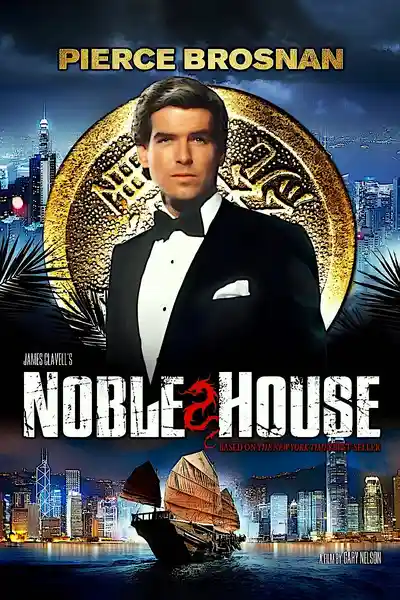
Pierce Brosnan stars as Ian Dunross, the tai-pan of the Noble House trading company, fighting to keep his business empire afloat during a turbulent week in 1960s Hong Kong. This miniseries adaptation of James Clavell's epic novel attempts to compress hundreds of pages of intricate financial maneuvering, cultural clashes, and personal drama into roughly six hours. Brosnan brings charisma to the role, and the supporting cast—including John Rhys-Davies and Deborah Raffin—works hard to flesh out the massive ensemble. The production captures some of the exotic appeal of Hong Kong during this transitional period, though the scope sometimes exceeds the budget, resulting in uneven execution. The complex plot involving corporate takeovers, Chinese triads, and Cold War espionage can become confusing, and certain storylines feel rushed or underdeveloped. Fans of the novel may appreciate seeing it brought to life, but those unfamiliar with the source material might struggle to connect with the dense narrative and numerous characters.
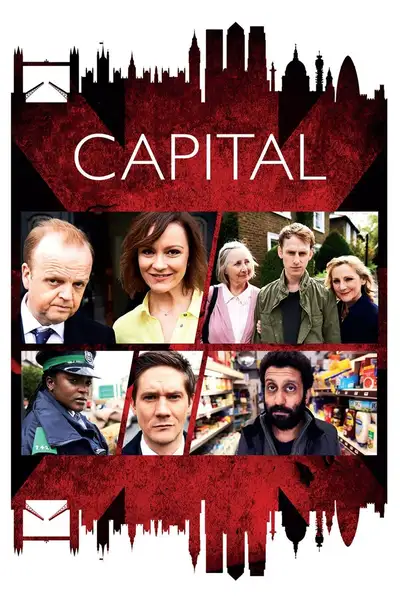
In this adaptation of John Lanchester's novel, residents of a single London street experience the 2008 financial crisis from vastly different economic perspectives. The three-part miniseries examines how the economic collapse affects everyone from wealthy bankers to immigrant workers, all living in proximity on Pepys Road where property values have made ordinary homes worth millions. Toby Jones anchors the ensemble cast as Roger, a banker whose bonus-dependent lifestyle faces sudden jeopardy. The series attempts to create a cross-section of British society, exploring themes of inequality, immigration, and the disconnect between financial sector excess and everyday struggle. When it focuses on specific characters, the drama finds compelling human moments, but the ambitious scope sometimes means storylines feel underdeveloped. The class commentary occasionally tips toward schematic rather than organic, as if checking boxes rather than allowing complexity. Still, the performances elevate the material, and the 2008 setting now provides historical perspective on anxieties that remain relevant.
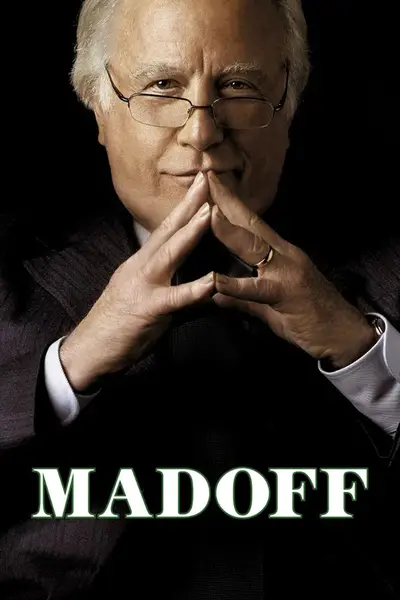
This biographical miniseries chronicles the massive Ponzi scheme orchestrated by Bernie Madoff that defrauded investors of billions of dollars and destroyed countless lives. Directed by Raymond De Felitta and based on the book by ABC News chief investigative correspondent Brian Ross, the series stars Richard Dreyfuss as the disgraced financier whose crimes became synonymous with Wall Street corruption. The production attempts to show both the mechanics of the fraud and its devastating impact on victims, from wealthy celebrities to working-class retirees who lost everything. Dreyfuss brings complexity to a character who could easily be one-dimensional, though the script doesn't always give him much room to explore what drove Madoff beyond greed. The pacing sags in places, and the scope sometimes feels too broad for the runtime. It's a competent telling of an important story, informative without being particularly revelatory, suitable for those unfamiliar with the details of the case.
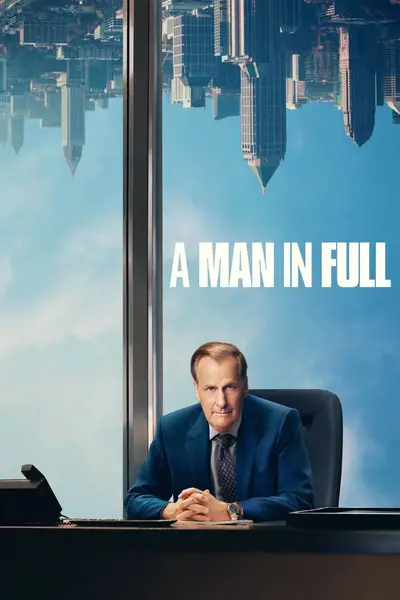
This story explores themes of power, pride, and the American dream crumbling under the weight of its own contradictions, following a self-made Atlanta real estate mogul facing financial ruin. Based on Tom Wolfe's sprawling novel and created by David E. Kelley, the limited series stars Jeff Daniels as Charlie Croker, a larger-than-life developer whose empire threatens to collapse. Diane Lane, Tom Pelphrey, and Aml Ameen round out the cast in this examination of masculinity, race, and class in the New South. While Daniels delivers a committed performance and the production captures Atlanta's complexity, the adaptation struggles to condense Wolfe's maximalist prose into coherent television. Some storylines resonate more than others, and the series occasionally feels uncertain whether it's satirizing or celebrating its protagonist's excesses. There are compelling moments throughout, but the overall execution doesn't quite match its ambitious scope.
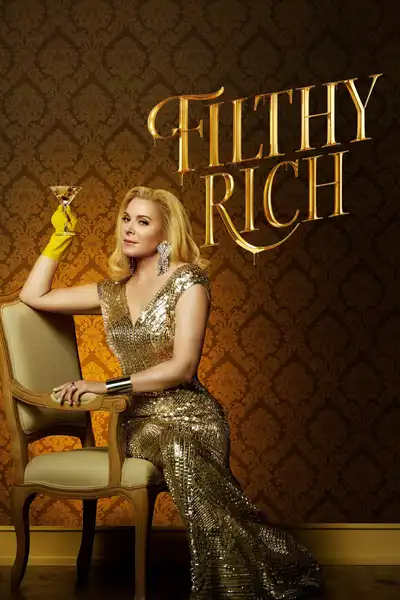
Set in the modern-day South, this prime-time soap opera explores what happens when a wealthy televangelist's death reveals shocking secrets that threaten to tear his family and empire apart. Kim Cattrall leads the cast as the matriarch navigating scandalous revelations while trying to maintain control of her late husband's megachurch and business interests. Created by Tate Taylor, the series blends family drama with sharp observations about faith, hypocrisy, and money in contemporary America. The show offers solid performances and enough twists to keep things moving, though it sometimes struggles to balance its soapy elements with more serious commentary on religious exploitation. Melia Kreiling and Steve Harris round out a capable ensemble cast. While it doesn't fully transcend its melodramatic roots, there's enough intrigue and Southern Gothic atmosphere to make it an enjoyable watch for fans of dynasty dramas.

At its core, this is a story about ambition, legacy, and the cost of modernization during Japan's transformative Meiji era. The historical drama follows members of the Iwakura clan as they navigate the tension between traditional samurai values and the rapid westernization sweeping through Japanese society. Director Kiyoshi Sasabe brings careful attention to period detail, though the pacing occasionally suffers under the weight of historical exposition. The ensemble cast handles the complex political maneuvering with skill, particularly in scenes depicting the philosophical debates that shaped modern Japan. Where the series stumbles is in making these grand historical forces feel personally urgent—we understand intellectually what's at stake, but don't always feel it emotionally. The cinematography captures both the austere beauty of traditional Japan and the jarring intrusion of Western influence. It's solid historical drama that will appeal to viewers patient enough to appreciate its measured approach to storytelling.