Farce Shows
When reality becomes too mundane and logic takes a backseat to pure comedic chaos, farce shows deliver the perfect antidote with their gleefully absurd brand of humor. These uproarious television series represent the finest examples of farcical comedy across decades of entertainment, where misunderstandings spiral wildly out of control, physical comedy reaches new heights of ridiculousness, and improbable scenarios collide in the most hilariously unexpected ways. From groundbreaking sitcoms of the 1970s and 1980s that defined the genre to contemporary series that push the boundaries of absurdist humor, this carefully curated selection of eight exceptional shows demonstrates how farce continues to captivate audiences through exaggerated characters, escalating mayhem, and perfectly timed comedic disasters. Whether featuring bumbling hotel managers, satirical commentary wrapped in sketch comedy, or surreal situations that defy all logic, these all-time great farce shows prove that sometimes the best comedy comes from embracing the utterly ridiculous. Prepare to discover how masters of the farcical format transform everyday situations into extraordinary spectacles of laughter, where nothing ever goes as planned and chaos reigns supreme in the most entertaining ways imaginable.

Gleefully absurd and endlessly inventive, this cult sensation turns bad movies into comedy gold through the simple premise of watching someone watch terrible films. Created by Joel Hodgson, the show follows a man trapped on a satellite forced to endure the worst cinema has to offer, accompanied by robot friends he built for company. Tom Servo and Crow T. Robot join Joel (later Mike Nelson) in riffing on everything from sci-fi disasters to incomprehensible international features, delivering a rapid-fire stream of jokes that rewards multiple viewings. The wit ranges from sophisticated cultural references to delightfully dumb puns, creating a humor style entirely its own. The silhouette format—mimicking a movie theater experience—remains iconic, and the show's influence on internet comedy culture is immeasurable. Whether you're discovering it for the first time or revisiting beloved episodes, MST3K offers something genuinely special: comedy that's smart, silly, and wonderfully welcoming.
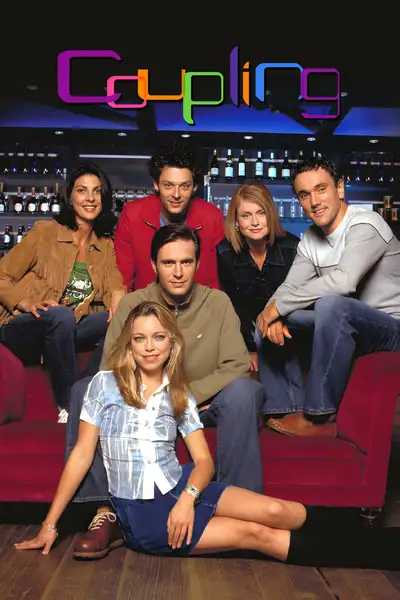
In late-1990s London, creator Steven Moffat explores the romantic and sexual misadventures of six friends navigating relationships with sharp wit and unfiltered frankness. The series follows three men and three women as they couple, uncouple, and obsessively analyze every aspect of dating and intimacy over drinks and dinners. Jack Davenport, Gina Bellman, Sarah Alexander, Kate Isitt, Ben Miles, and Richard Coyle form an ensemble with impeccable comedic timing, delivering Moffat's rapid-fire dialogue like a British sex comedy written by someone who actually understands how people talk and think about relationships. The show tackles everything from performance anxiety to the "sock gap" with a frankness that was refreshingly adult for its time. While comparisons to Friends are inevitable given the format, Coupling distinguishes itself with more sophisticated wordplay, complex comedic set-pieces, and a willingness to get genuinely awkward and uncomfortable in service of laughs that feel earned rather than manufactured.
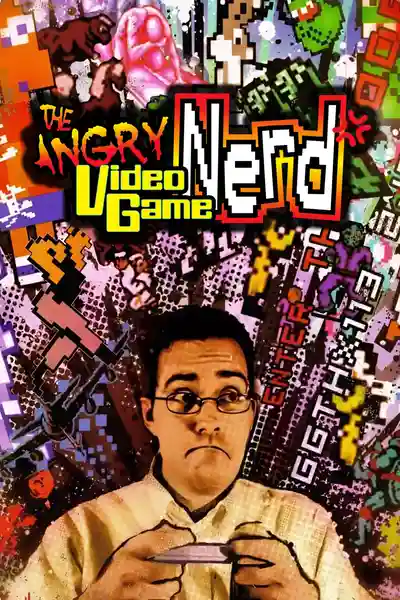
James Rolfe brings gloriously profane life to his internet sensation character, the Angry Video Game Nerd, in this long-running web series that's become a cornerstone of online entertainment. Armed with a seemingly endless supply of obscure retro games and creative expletives, the Nerd tears into the worst titles the 8-bit and 16-bit eras had to offer, from notoriously broken adaptations to inexplicably terrible originals. What elevates this beyond simple rage-filled ranting is Rolfe's genuine knowledge of gaming history and his increasingly elaborate production values, incorporating skits, special effects, and guest appearances. The series strikes that perfect balance between nostalgic gaming commentary and genuinely hilarious comedy, making it essential viewing whether you grew up with these consoles or just appreciate someone articulating why certain games deserve their terrible reputations.
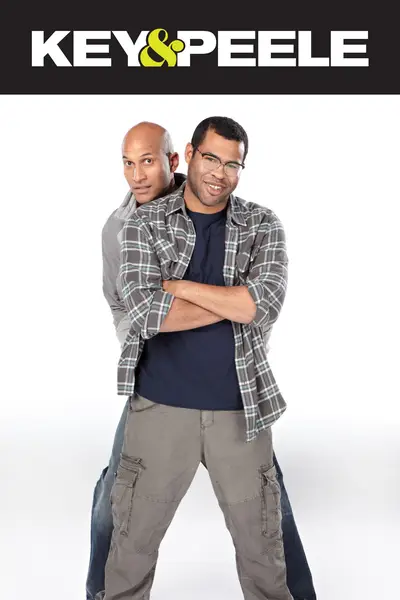
During its five-season run on Comedy Central, this sketch series brought comedians Keegan-Michael Key and Jordan Peele together for a hit-or-miss collection of recurring characters and social commentary that showcased both their comedic chemistry and occasional missteps. Created by the duo themselves, the show oscillated between razor-sharp observations about race, identity, and masculinity, and sketches that leaned too heavily on a single joke stretched past its breaking point. When firing on all cylinders—particularly in sketches like the substitute teacher or the valets—it demonstrated genuine wit and cultural insight. But for every memorable bit, there's another that falls flat or overstays its welcome. The show's legacy has been somewhat complicated by Peele's subsequent film career, which has overshadowed its uneven television predecessor. Worth sampling for the highlights, but completionists may find themselves reaching for the skip button.
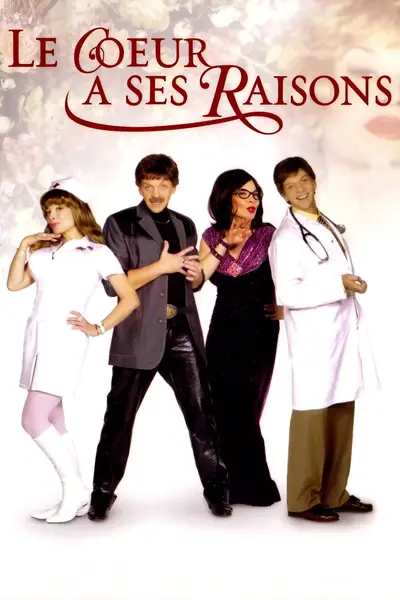
Deliriously campy and fully aware of its own absurdity, this Québécois soap opera parody delivers outrageous melodrama with tongue firmly in cheek. Created by Anne Boyer and Michel D'Astous, the series lampoons telenovela conventions while crafting increasingly ridiculous storylines involving amnesia, evil twins, and improbable resurrections. Marc Labrèche heads the ensemble with a perfectly pitched performance that captures soap opera earnestness while winking at the audience. The show's genius lies in its commitment to the bit—every overwrought declaration and dramatic revelation is played with utter seriousness, which only enhances the comedy. The deliberately stylized production design and melodramatic musical cues complete the affectionate parody. It's a brilliant exercise in genre deconstruction that works both as comedy and as a strangely engaging soap opera in its own right, finding endless entertainment in the conventions it simultaneously celebrates and skewers.
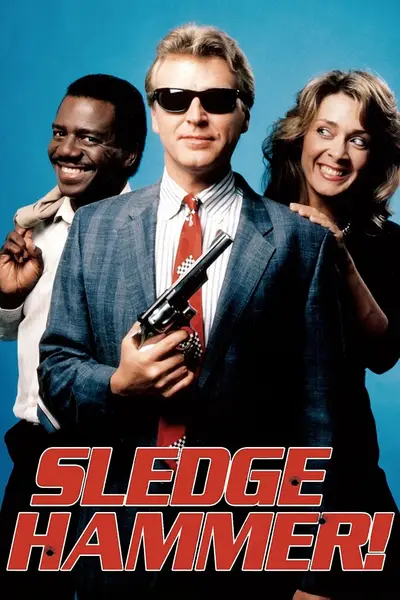
When excessive police violence meets satirical comedy, you get this brilliantly absurd send-up of 1980s action cop shows that remains remarkably prescient today. David Rasche stars as the title character, a violence-obsessed San Francisco detective whose solution to every problem involves his comically oversized .44 Magnum and a complete disregard for civil liberties, due process, or common sense. Created by Alan Spencer, the series brilliantly parodies Dirty Harry-style vigilante cops by taking their attitudes to ridiculous extremes—Sledge shoots first, asks questions never, and considers collateral damage a myth. The deadpan humor and Rasche's perfectly earnest performance make the satire sing, with Sledge remaining blissfully unaware that he's the joke. Anne-Marie Martin provides grounded support as his long-suffering partner Dori. The show's willingness to mock fascistic law enforcement attitudes was ahead of its time, creating a cult classic that's both hilarious and surprisingly sharp in its cultural commentary.
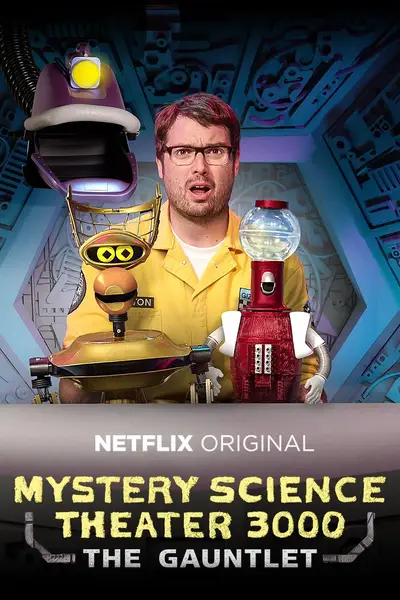
Cheerfully irreverent yet somewhat inconsistent, this Netflix revival brings back the beloved B-movie riffing format with new host Jonah Heston (Jonah Ray) and his robot companions. Creator Joel Hodgson returns to produce this continuation of his cult classic, trapping Jonah aboard the Satellite of Love where mad scientist Kinga Forrester (Felicia Day) forces him to watch terrible films. The concept remains unchanged—Jonah and the bots provide running commentary over genuinely awful movies—and when the jokes click, it recaptures the original's absurdist magic. Ray proves an affable host, and the production values are significantly upgraded from the scrappy original series. However, the writing feels uneven across episodes, with some films inspiring inspired riffs while others result in stretches where the jokes don't land as consistently. Longtime fans will appreciate the callbacks and cameos, but the rapid-fire joke density sometimes prioritizes quantity over quality. It's comfort food for MSTies that occasionally reaches the heights of the original run, though it doesn't consistently maintain that standard throughout its seasons.
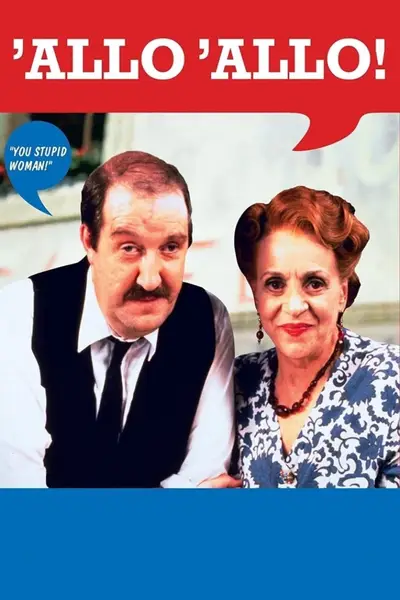
Gordon Kaye stars as René Artois, a hapless café owner in Nazi-occupied France who finds himself caught between the Resistance, German officers, and his own romantic entanglements in this long-running British sitcom created by David Croft and Jeremy Lloyd. The show walks a precarious tightrope, mining comedy from World War II while relying heavily on broad physical humor, cartoonish accents, and repetitive plot devices. When it works, there's a certain charm to the farcical misunderstandings and the ensemble cast's committed performances, but the formula grows thin over its nine-season run. The show's approach to historical tragedy as comedic backdrop won't suit all tastes, and the humor feels decidedly of its era. Still, for those who appreciate classic British farce and can overlook its dated sensibilities, there are amusing moments scattered throughout.

Two hapless clerks bumble their way through medieval bureaucracy in this Czechoslovak comedy series that blends fairy tale whimsy with satirical edge. The episodic structure follows the scribes as they encounter various absurd situations and colorful characters while traveling through a fantastical kingdom. The 1973 production has its moments of clever wordplay and visual gags that showcase the era's distinctive Eastern European humor, though the pacing feels uneven by contemporary standards. Some episodes land better than others, with the stronger installments offering genuine charm and wit. The period costumes and set design capture the fairy tale aesthetic adequately, even if the budget constraints occasionally show. It's a curiosity piece that will appeal primarily to fans of vintage Czech television and those nostalgic for old-school fairy tale comedies.
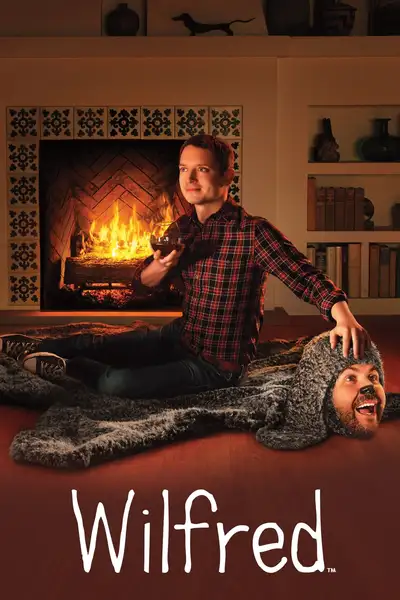
Elijah Wood stars as Ryan, a depressed young man who forms an unlikely friendship with his neighbor's dog Wilfred—except Ryan sees Wilfred as a full-grown man in a dog costume, played by Jason Gans. Created by David Zuckerman and adapted from the Australian series, this FX comedy explores mental health, loneliness, and reality through increasingly surreal scenarios. The show has moments of genuine insight and dark humor, particularly in its first season, but struggles to maintain momentum as it stretches its central premise across four seasons. The chemistry between Wood and Gans provides consistent entertainment, even when the philosophical musings feel heavy-handed. It's an oddball experiment that doesn't always work but offers something different from typical sitcom fare.
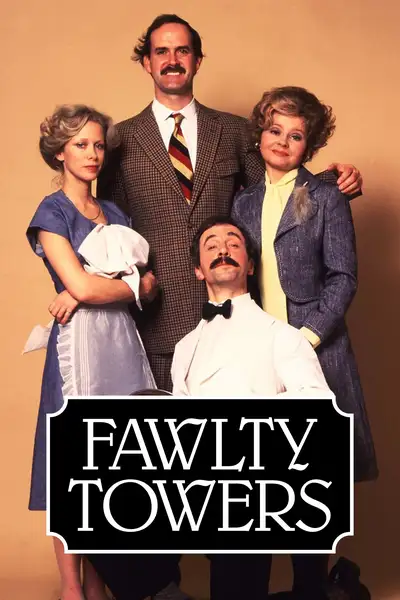
Basil Fawlty (John Cleese) runs a small hotel in the English seaside town of Torquay, where his pomposity, short temper, and desperate social climbing turn every guest interaction into catastrophe. Created and written by Cleese and Connie Booth (who also stars as waitress Polly), this British sitcom has achieved legendary status despite producing only 12 episodes across two series. Cleese's physical comedy and impeccable timing create undeniably iconic moments—the "Don't mention the war!" scene remains a masterclass in escalating chaos. Prunella Scales as Basil's wife Sybil and Andrew Sachs as hapless waiter Manuel contribute to the ensemble brilliance. However, modern viewers may struggle with comedy rooted in 1970s attitudes, particularly regarding the Manuel character's stereotypical portrayal and humor derived from mockery rather than empathy. The farce construction remains technically impressive, but whether it's actually funny depends heavily on your tolerance for cringe comedy and period-specific sensibilities. It's worth watching to understand its influence on sitcom history, even if it doesn't land as strongly today.
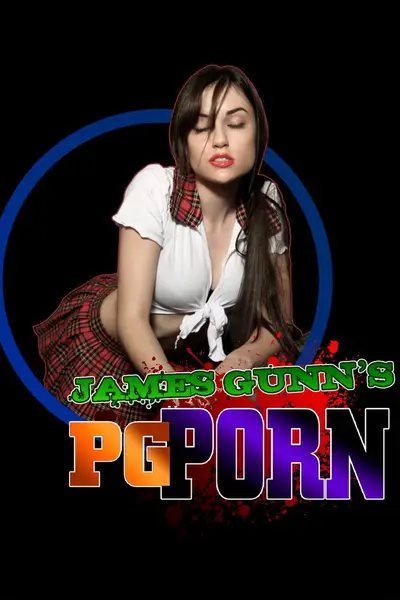
Nathan Fillion leads this audacious comedy experiment as one of several recognizable faces navigating hilariously interrupted intimate encounters. Created by James Gunn, PG Porn delivers exactly what its title promises: adult film setups that veer into unexpected, family-friendly territory just when things heat up. Each short episode features a different celebrity—including Fillion, Alan Tudyk, and Aria Giovanni—in scenarios that subvert expectations with clever twists and genuine laughs. The premise is deliberately absurd, and Gunn leans into that absurdity with enthusiasm, creating something that's equal parts parody and celebration of a genre rarely given comedic treatment. While the joke is essentially the same each time, the commitment from the cast and the creative interruptions keep things entertaining. It's a cheeky, fun experiment that works better than it probably should.
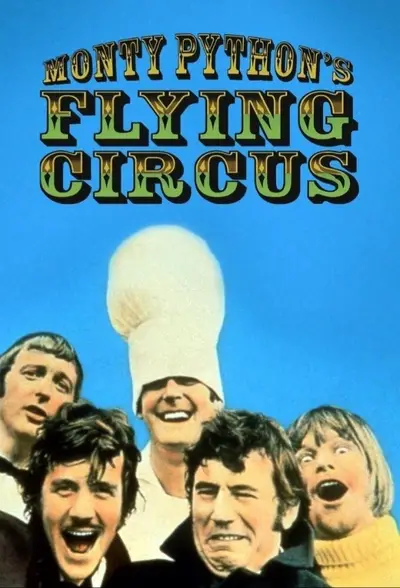
Late 1960s Britain gave birth to one of comedy's most influential forces when Graham Chapman, John Cleese, Terry Gilliam, Eric Idle, Terry Jones, and Michael Palin launched their sketch series that would redefine television comedy. "Monty Python's Flying Circus" abandoned traditional sketch show structure in favor of stream-of-consciousness absurdism, with Terry Gilliam's surreal animations linking increasingly bizarre segments. The Pythons attacked everything from government bureaucracy to philosophy with equal irreverence, creating a comedy language that influenced generations of performers. Sketches like "The Dead Parrot," "The Ministry of Silly Walks," and "The Spanish Inquisition" remain cultural touchstones decades later. The series occasionally shows its age, and not every experimental gambit succeeds, but the hit rate remains impressive. For anyone interested in comedy history or simply looking for something completely different, this groundbreaking series remains essential viewing.
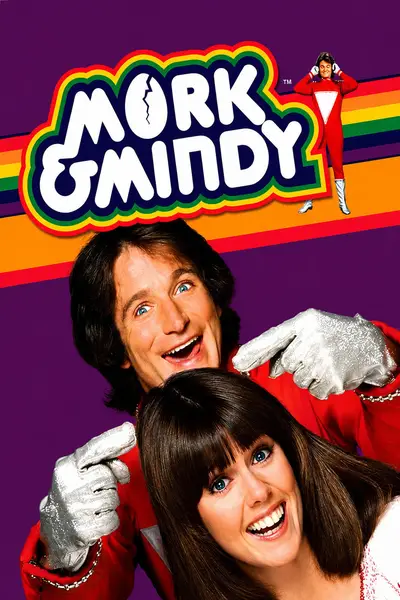
An alien from the planet Ork must adapt to life on Earth while living with a young woman in Boulder, Colorado, creating culture-clash comedy that became a phenomenon. Created by Garry Marshall and Dale McRaven, the series gave Robin Williams the platform to showcase his improvisational genius as the naïve extraterrestrial Mork. Williams transforms what could have been a one-note premise into something genuinely special through his boundless energy and willingness to find humor in the smallest observations about human behavior. Pam Dawber as Mindy provides the perfect grounded counterbalance, making their unlikely friendship believable despite the absurd circumstances. The show works best when focusing on Mork's innocent perspective on human customs and relationships rather than relying on special effects or sci-fi plotting. While the humor is very much of its era, Williams' performances remain captivating to watch. The series demonstrates how a talented performer can elevate sitcom material into something memorable.
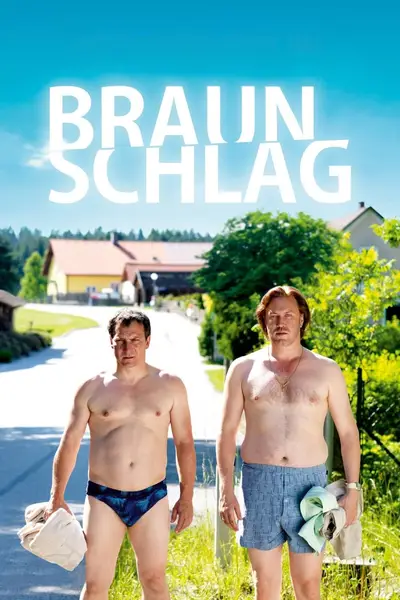
David Schalko crafted this Austrian dark comedy about Gerri Friedmann, the corrupt mayor of a failing rural town who concocts increasingly absurd schemes to save his community from economic collapse. Braunschlag blends political satire with quirky character comedy as Friedmann, played by Robert Palfrader, attempts everything from fabricating religious miracles to attracting businesses through creative interpretation of regulations. The humor is distinctly Austrian, which may not translate perfectly for all audiences, and the pacing feels uneven—some episodes land their satirical punches effectively while others meander without clear purpose. The supporting cast of eccentric townspeople provides plenty of comic material, though the show sometimes seems unsure whether it's celebrating or mocking small-town desperation. When the satire is sharp, it offers biting commentary on political corruption and economic anxiety, but it lacks the consistency to fully capitalize on its promising premise. Worth sampling for fans of European comedy willing to adjust to its particular rhythms.

This comedy series follows a confirmed bachelor whose freewheeling lifestyle comes to an abrupt halt when he suddenly becomes responsible for caring for an infant. The fish-out-of-water premise generates some genuine laughs as the protagonist fumbles through diaper changes and sleep deprivation while his friends offer mostly unhelpful advice. The lead performance commits fully to the physical comedy and exhausted frustration that comes with unexpected parenthood. While the concept isn't particularly original, the execution is warm-hearted enough to make it watchable, with a few standout episodes that find humor in relatable parenting struggles. The supporting cast provides solid comic relief, though some characters feel underdeveloped. It doesn't push boundaries or reinvent the sitcom formula, but it delivers consistent chuckles and occasional heartfelt moments. It's pleasant, undemanding viewing that parents will probably relate to more than others—perfect for casual watching without requiring much investment.

Created by Ephraim Sidon and Shmuel Hasfari, this Israeli sitcom follows the misadventures of three roommates whose distinct personalities and absurdist humor made it a cultural phenomenon in its home country. The show blends slapstick comedy with clever wordplay and recurring characters who became household names, establishing a comedic style that influenced Israeli television for years to come. Lior Ashkenazi, Rami Heuberger, and Dov Navon bring infectious energy to their roles, creating dynamics that work whether the trio is dealing with everyday situations or increasingly surreal scenarios. While some humor may be specific to Israeli culture, the show's core appeal—watching three grown men behave ridiculously and somehow remain endearing—translates universally, making HaPijamot worth seeking out for international audiences curious about comedy beyond their borders.

A modern-day playboy is mysteriously transported into the body of a princess in ancient China, leading to a chaotic clash of sensibilities as he attempts to navigate palace politics, romantic expectations, and the constraints of female life in a patriarchal society. This Chinese web series embraces its absurd premise wholeheartedly, with Zhang Tianai delivering a comedic performance that captures the character's gender-bending identity crisis and gradual adaptation. Created by Zhu Ruibin, the show mines humor from both fish-out-of-water situations and pointed commentary about gender roles that resonates across centuries. The romance that develops between the princess and her initially bewildered husband (Sheng Yilun) provides surprising emotional stakes amid the comedy. The low-budget production values occasionally show, and the humor doesn't always land, but there's enough inventiveness in the premise and charm in the execution to make this an entertaining diversion for viewers seeking something unconventional.