Family Shows
Finding quality entertainment that brings the whole family together can be challenging in today's fragmented media landscape, but the right family shows create those precious moments of shared laughter, learning, and connection that everyone cherishes. Whether you're searching for heartwarming family TV series that span generations, wholesome shows for family viewing, or the best all-ages entertainment that parents and kids can genuinely enjoy together, these carefully selected programs deliver engaging stories without compromising on quality or values. From beloved sitcoms that defined family television in decades past to contemporary dramas exploring modern family dynamics, this collection of 21 family-friendly shows represents the finest examples of programming designed to entertain viewers across all age groups. These series prove that family entertainment doesn't mean sacrificing sophisticated storytelling or memorable characters—instead, they offer relatable adventures, positive messages, and the kind of feel-good content that creates lasting memories around the screen. Spanning multiple decades of television history, these shows demonstrate how the best family programming transcends time, continuing to resonate with new generations of viewers seeking meaningful, appropriate content everyone can watch together.
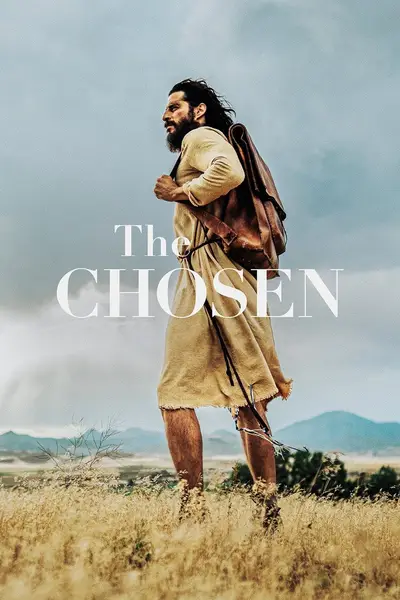
Set in first-century Galilee under Roman occupation, this groundbreaking series brings the Gospels to life with unprecedented authenticity and emotional depth. Director Dallas Jenkins has created something truly special by focusing on the humanity of Jesus and his followers, showing their fears, doubts, and transformations with remarkable nuance. Jonathan Roumie's portrayal of Jesus is both powerful and tender, capturing a warmth and accessibility rarely seen in faith-based media. What makes The Chosen extraordinary is how it imagines the backstories of familiar biblical figures—Matthew the tax collector, Mary Magdalene, Simon Peter—making their encounters with Jesus feel fresh and deeply moving. The crowdfunded production boasts cinematic quality that rivals major studio releases, while the writing balances reverence with genuine humor and relatable struggles. Whether you're a person of faith or simply appreciate compelling character-driven drama, this series offers something profoundly uplifting.
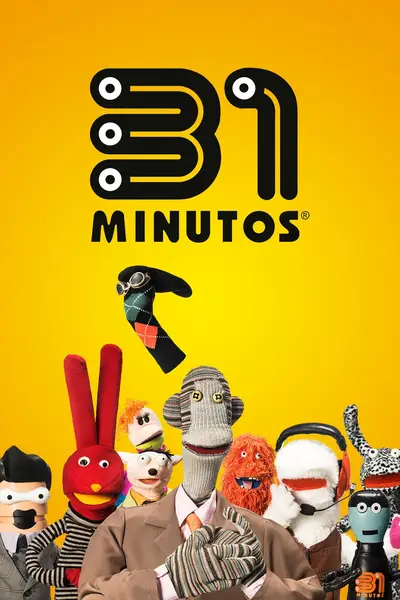
Delightfully absurd and sharply satirical, this Chilean mockumentary-style puppet show operates on a wavelength entirely its own. Created by Álvaro Díaz González and Pedro Peirano, "31 Minutos" presents itself as a chaotic children's news program hosted by puppet journalists Tulio Triviño and Juan Carlos Bodoque, who stumble through reporting while dealing with their own incompetence and interpersonal drama. The genius lies in how the show layers sophisticated media satire and social commentary beneath its colorful puppet antics, making it equally beloved by children and adults. The musical segments are genuinely catchy, the characters are surprisingly well-developed, and the humor ranges from slapstick to wickedly clever observations about journalism and society. It's become a cultural phenomenon in Latin America, and for good reason—there's simply nothing else quite like its inspired lunacy.
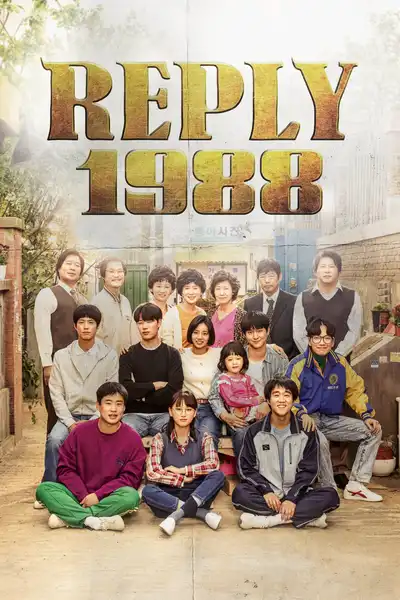
Seoul's Ssangmun-dong neighborhood in 1988 becomes an absolute treasure trove of nostalgia, warmth, and unforgettable characters in this utterly captivating Korean drama that will make you laugh, cry, and long for a time you may never have experienced. The series follows five families living in the same alley, focusing on their teenage children navigating first loves, family expectations, and the universal struggles of growing up during a pivotal year in Korean history. Director Shin Won-ho crafts something truly special here, creating a world so richly detailed and emotionally authentic that you'll feel like part of the neighborhood yourself. The ensemble cast, including Lee Hye-ri, Ryu Jun-yeol, and Park Bo-gum, delivers performances that feel lived-in rather than acted, and the show's ability to find profound meaning in everyday moments is simply masterful. This isn't just a period drama—it's a love letter to family, friendship, and the bittersweet beauty of youth that transcends cultural boundaries.
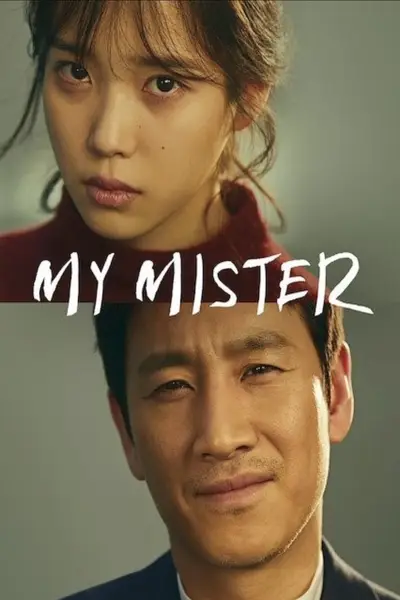
Profoundly moving and achingly beautiful, this Korean masterpiece stands as one of the finest examinations of human connection and quiet suffering ever produced for television. Lee Sun-kyun and IU deliver career-defining performances as Park Dong-hoon, a middle-aged structural engineer weathering professional betrayal and marital distance, and Lee Ji-an, a young woman trapped in crushing poverty and debt who initially schemes against him before an unexpected bond forms between them. Writer Park Hae-young crafts something extraordinary here—a slow-burn character study that finds grace in mundane moments and devastation in what goes unspoken. The series trusts its audience completely, allowing scenes to breathe and emotions to build without melodramatic shortcuts or easy resolutions. Every supporting character, from Dong-hoon's brothers to Ji-an's loan sharks, feels fully realized and essential to this compassionate exploration of how people endure and sometimes save each other through simple acts of witnessing each other's pain.
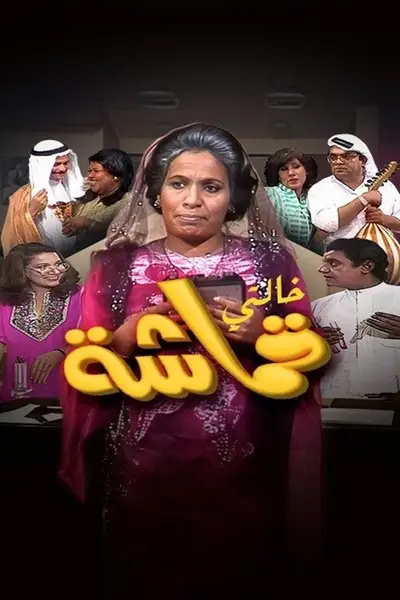
Samir Ghanem delivers an unforgettable performance as the titular Khalti Qumasha in this absolutely delightful Egyptian comedy series that became an instant classic. Created by Youssef Maalouf, the show follows the misadventures of a well-meaning but wonderfully meddlesome character who can't help but insert herself into everyone's business with hilarious results. Ghanem's impeccable comic timing and physical comedy elevate every scene, bringing warmth and genuine laughs to even the most chaotic situations. The supporting cast, including Saeed Saleh and Ahmed Adaweya, creates a vibrant ensemble that captures the spirit of 1980s Egyptian television at its finest. What makes this series truly special is how it balances slapstick humor with authentic cultural observations, creating comedy that resonates across generations. If you're looking for a feel-good series that showcases the golden age of Arabic comedy, this is essential viewing that will have you grinning from start to finish.
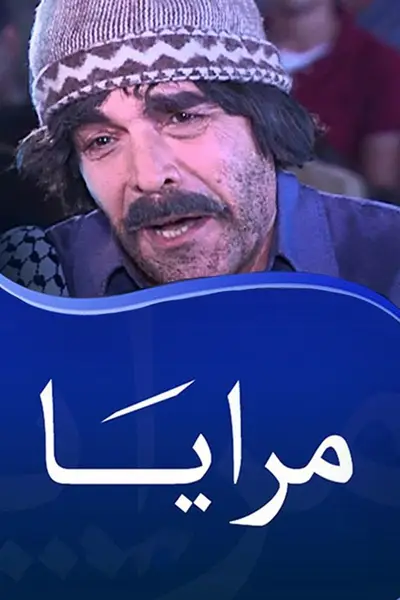
In 1980s Syria, this groundbreaking comedy series held up a mirror to Arab society with unprecedented wit and satirical bite, creating a cultural phenomenon that resonates decades later. Created by the legendary Ghawar (Duraid Lahham), "Maraya" (Mirrors) used sketch comedy to address social issues, political absurdities, and everyday hypocrisies with a cleverness that allowed it to critique while entertaining. Each episode presented standalone scenarios featuring recurring characters that became iconic across the Arab world, with Lahham's physical comedy and sharp timing elevating material that could have been merely preachy into genuinely funny social commentary. The series' influence on Arabic comedy television cannot be overstated—it demonstrated that humor could be both popular and substantive, silly and meaningful. Watching these episodes today reveals not only their historical importance but also how many of the issues satirized remain relevant, a testament to the show's insight.
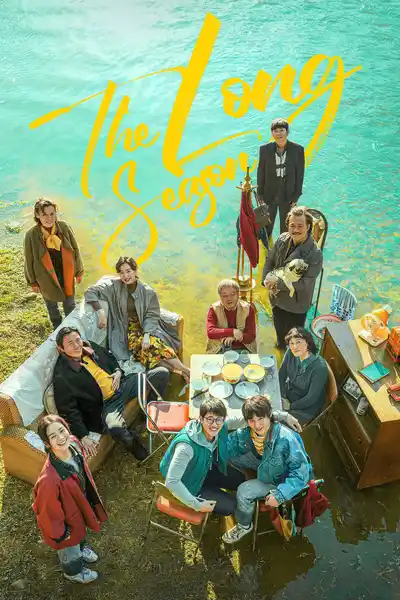
Set across multiple decades in a northeastern Chinese industrial town, this masterfully crafted crime thriller from director Qin Hao examines how past traumas echo through generations with devastating precision. The series opens with a retired detective's son disappearing, pulling him back into an unsolved 1998 case involving murdered factory workers during China's painful economic reforms. What unfolds is a haunting meditation on loss, complicity, and the human cost of societal transformation, anchored by extraordinary performances from Fan Wei and Qin Hao himself. The show's patient pacing allows complex character relationships to breathe while maintaining gripping suspense, and its visual language—all oppressive grays and industrial decay—perfectly mirrors its themes of dreams deferred and lives broken by forces beyond individual control. This is prestige television at its finest: emotionally devastating, intellectually rigorous, and formally ambitious. Every narrative thread serves the larger tapestry, building to revelations that feel both shocking and inevitable. Essential viewing for anyone seeking mature, sophisticated storytelling.

Bursting with innocent charm and timeless humor, this legendary Mexican sitcom created by Roberto Gómez Bolaños centers on the misadventures of El Chavo, a lovable orphan boy living in a barrel in a neighborhood courtyard, and his colorful group of friends and neighbors. Gómez Bolaños himself stars as the perpetually hungry, well-meaning Chavo, delivering physical comedy and childlike wonder that transcends language barriers and generations. The simple setting becomes a universe of imagination where everyday situations—games in the courtyard, misunderstandings between neighbors, schemes to get food—transform into comedy gold through brilliant character work and impeccable timing. What makes this show absolutely magical is its universal appeal; the humor is gentle, the characters are unforgettable, and the heart behind every episode shines through. Decades after its debut, it remains a cultural phenomenon across Latin America and beyond, beloved by audiences who grew up with it and new viewers discovering its timeless magic.
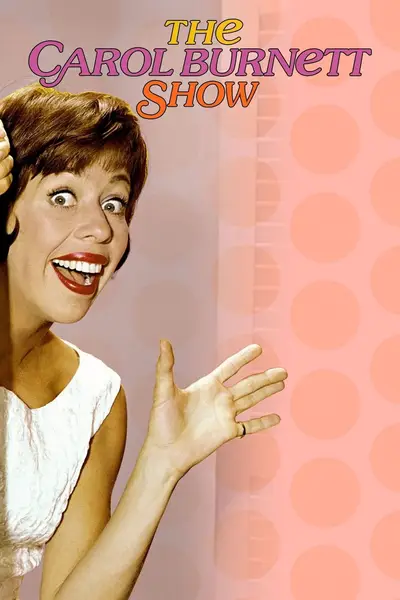
Joyous, inventive, and endlessly entertaining, this variety show represents television comedy at its finest. Carol Burnett leads a brilliant ensemble including Harvey Korman, Vicki Lawrence, Lyle Waggoner, and Tim Conway through sketches, musical numbers, and improvised moments that have become legendary. The chemistry among the cast is palpable, with their frequent on-camera laughter feeling infectious rather than unprofessional. What's remarkable is the show's consistency across eleven seasons—the quality never wavers, and the willingness to take risks keeps the comedy fresh. From elaborate parodies to simple character pieces, the variety in format and tone ensures something for everyone. The production values are impressive, with costume and set design that rival much bigger-budget productions. Watching these performers at the height of their powers, clearly having the time of their lives, remains an absolute delight.
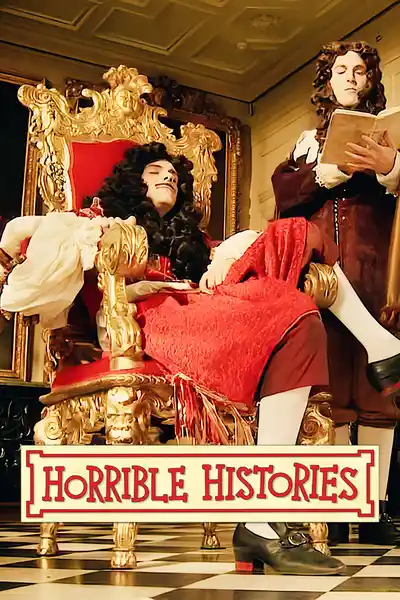
Hilariously irreverent yet genuinely educational, this British children's series transforms historical events into sketch comedy gold that works brilliantly for both kids and adults. Based on Terry Deary's bestselling books, the show features an ensemble cast performing musical numbers, parodies, and comedic vignettes that make everything from the Stone Age to World War II feel immediately accessible and entertaining. The "Horrible Histories" approach never dumbs down the facts—it presents the gross, weird, and fascinating truths about history that textbooks typically sanitize. Recurring segments like "Stupid Deaths" and historical music parodies become instant earworms while sneaking substantial knowledge into viewers' brains. The production values, writing quality, and performances are exceptional, earning the series multiple BAFTAs and proving that educational television can be genuinely appointment viewing. It's the rare show that makes you laugh while making you smarter.
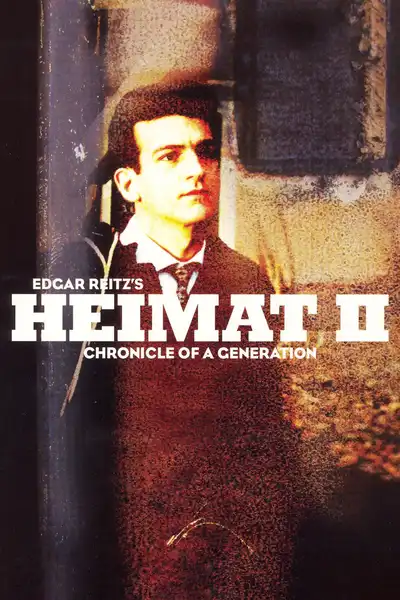
Profoundly introspective and staggeringly ambitious in scope, Edgar Reitz's follow-up to his celebrated "Heimat" series stands as one of television's most remarkable artistic achievements. This 25-hour chronicle follows a group of Munich art students and filmmakers from the 1960s through the 1990s, capturing not just their personal transformations but the seismic cultural shifts that defined postwar Germany. The series weaves together multiple narrative threads with the patience and complexity of a great novel, allowing characters like Hermann Simon (Henry Arnold) to evolve naturally across decades as they grapple with artistic ambition, political idealism, love, and disillusionment. Reitz employs a mesmerizing mix of black-and-white and color cinematography, shifting styles to match different time periods and emotional states, while the storytelling refuses to rush, instead luxuriating in moments of creative inspiration and quiet reflection. The result is cinema of the highest order—challenging, emotionally rich, and endlessly rewarding for viewers willing to surrender to its deliberate rhythms and philosophical depth.
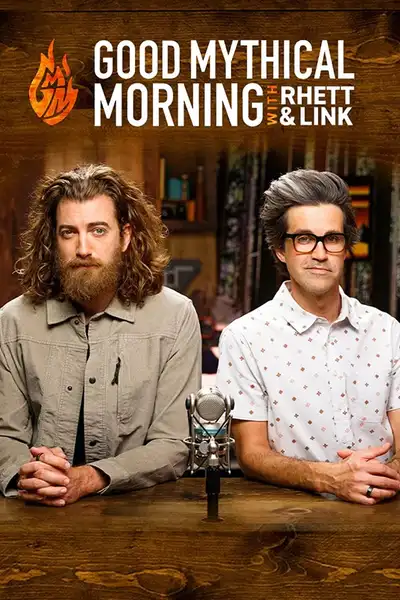
Wildly entertaining and genuinely unpredictable, this daily YouTube morning show has transformed hosts Rhett McLaughlin and Link Neal into internet institutions through their willingness to taste-test the unthinkable, explore bizarre hypotheticals, and commit completely to absurd premises. What began as a simple talk show has evolved into a multimedia empire, but the core appeal remains the hosts' authentic friendship and their infectious enthusiasm for whatever strange challenge they've concocted. The show's format—typically featuring a food-related competition or experiment alongside conversation—provides enough structure to be satisfying while allowing spontaneity and improvisation. The crew behind the scenes has grown more ambitious with each season, introducing elaborate segments and higher production values without losing the homemade spirit that made it successful. For viewers seeking consistently fun entertainment that doesn't demand heavy emotional investment, this has become a daily ritual worth building into your morning routine.
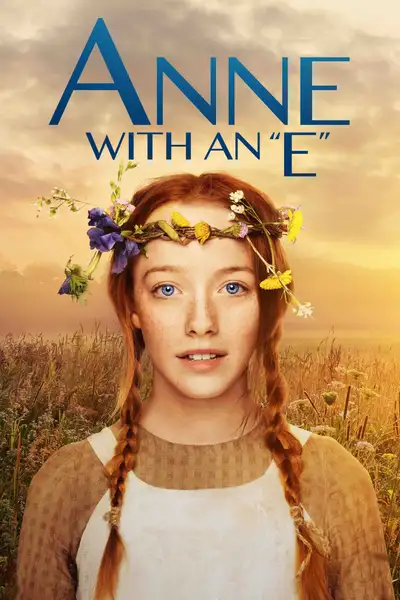
Exquisite, emotionally intelligent, and gorgeously crafted, this adaptation of L.M. Montgomery's beloved novel transforms familiar source material into something that feels both timeless and urgently contemporary. Created by Moira Walley-Beckett, the series stars Amybeth McNulty in a luminous performance as Anne Shirley, the orphan girl whose imagination and spirit help her survive a world that hasn't been kind. What sets this version apart is its willingness to explore the darker realities of Anne's world—poverty, trauma, discrimination—without losing the hope and beauty at the story's heart. Geraldine James and R.H. Thomson are perfection as Marilla and Matthew Cuthbert, while the Canadian landscapes are characters themselves. The series was criminally cancelled after three seasons, but what exists is television at its most heartfelt and beautifully realized. Absolutely essential.

Will Arnett brings his trademark wit and energy as host of this delightfully entertaining competition series that transforms LEGO bricks into high-stakes television. Created by Tuesday's Child and Plan B Entertainment, the show pairs teams of amateur builders who face increasingly complex challenges that push their creativity, engineering skills, and nerves to the limit. What makes this series such a joy is how it balances genuine tension with pure fun—watching contestants construct elaborate moving vehicles, towering structures, and whimsical scenes from millions of tiny plastic pieces is genuinely mesmerizing. Judges Amy Corbett and Jamie Berard, both LEGO design masters, provide insightful commentary that helps viewers appreciate the technical brilliance on display. Whether you're a lifelong LEGO enthusiast or someone who hasn't touched a brick since childhood, this show delivers the perfect blend of nostalgia, creativity, and good-natured competition that makes for thoroughly satisfying viewing.
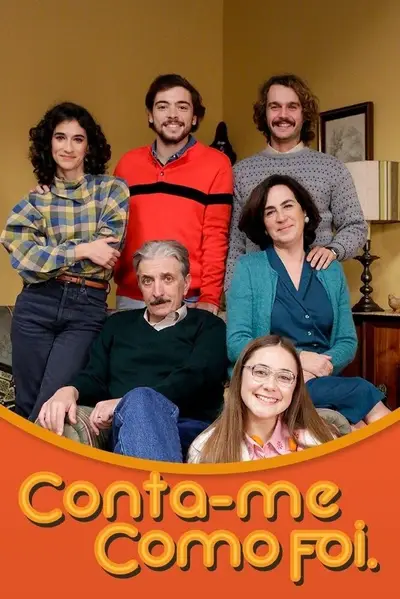
Dark, atmospheric, and absolutely gripping, this Spanish mystery anthology explores unsolved crimes through the eyes of investigators who cannot let cases go, even decades later. Each episode presents a different crime from Spain's recent past, with creator David Victori crafting haunting narratives that linger long after viewing. The format allows for deep dives into single cases without the padding that longer seasons often require, and the anthology structure keeps the storytelling fresh. Rotating cast members including José Coronado and Blanca Suárez deliver committed performances that elevate already strong material. The show's visual style embraces shadows and muted colors, reinforcing the somber subject matter without becoming oppressively bleak. What makes this series exceptional is its respectful treatment of real victims while still delivering compelling television—a balance many true crime shows struggle to achieve.

This legendary Chinese sitcom set in the Ming Dynasty's Tongfu Inn has achieved cultural phenomenon status for good reason, delivering 80 episodes of sharp comedy that satirizes both historical period dramas and contemporary society. The ensemble cast, led by Yan Ni and Sha Yi, creates an unforgettable collection of characters whose relationships and schemes provide endless entertainment within the inn's walls. What makes the series special is its cleverness—the writers pack episodes with wordplay, cultural references, and meta-humor that rewards attentive viewing while remaining accessible. The single-location setting might seem limiting, but it allows for character development and running gags that build beautifully across the series. The show's influence on Chinese comedy cannot be overstated, and it remains eminently rewatchable years later. For viewers willing to engage with subtitles, it's an absolute treasure.
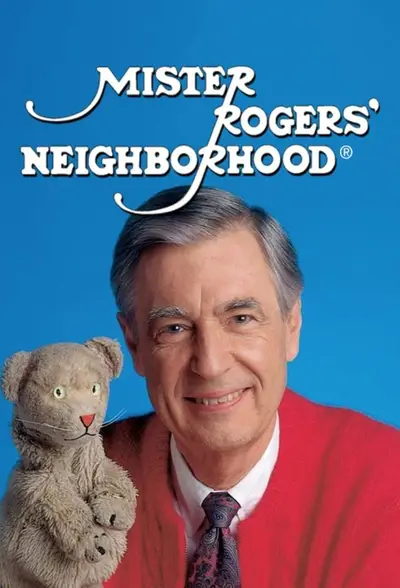
Fred Rogers hosts this gentle children's program from his iconic television neighborhood, speaking directly to young viewers with uncommon respect and emotional honesty. Over thirty-three seasons, Rogers tackled everything from everyday anxieties to difficult topics like death, divorce, and disability, always at a child's eye level. The show's deliberate pacing, which includes visits to the Neighborhood of Make-Believe with puppets like King Friday XIII and Daniel Striped Tiger, feels almost revolutionary in its refusal to overstimulate. Rogers' sincerity and warmth are undeniable, and the program's positive impact on generations of children is well-documented. However, viewed through contemporary eyes, the show's slow pace and dated production values can test modern viewers' patience, including children accustomed to faster-paced programming. The educational content, while emotionally intelligent, sometimes feels didactic. The cultural significance and Rogers' genuine compassion for children remain powerful, but the series works better as nostalgia or historical artifact than as current children's entertainment. Its legacy matters more than its present-day watchability.
In locations across America, this heartwarming reality series captures spontaneous acts of kindness that restore your faith in humanity. Executive produced by Shed Media, the show follows real people as they perform generous deeds for complete strangers—whether it's paying off someone's medical bills, surprising a struggling family with home renovations, or simply offering help when it's needed most. What sets this series apart is its genuine, unscripted nature; these aren't elaborate productions but rather authentic moments of compassion caught on camera. The show features everyday heroes from all walks of life, proving that you don't need wealth or fame to make a meaningful difference. Each episode is beautifully crafted to highlight the emotional impact of giving without expecting anything in return. In a media landscape often dominated by cynicism and conflict, this series is a refreshing reminder of human goodness that will leave you inspired and possibly reaching for tissues. Absolutely essential viewing for anyone needing hope.
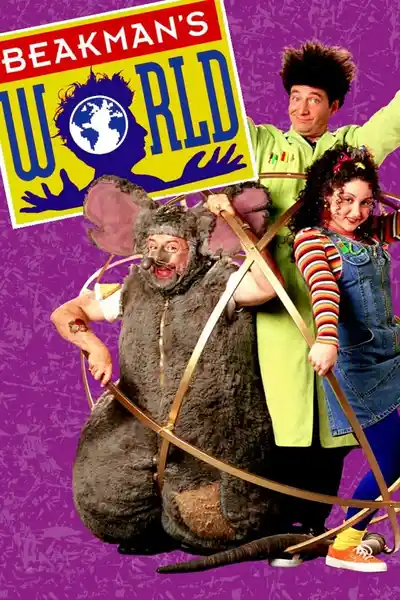
Created by Bill Nye (before his own iconic series), this wonderfully energetic educational show starred Paul Zaloom as the eccentric scientist Beakman, who explained complex scientific concepts through zany experiments and sketch comedy. Alongside his assistants—initially Josie (Alanna Ubach) and later Liza (Eliza Schneider)—plus Lester the Rat, Beakman transformed science education into pure entertainment without dumbing down the actual information. The show's chaotic energy, complete with outrageous costumes, props that frequently malfunctioned in hilarious ways, and Beakman's manic enthusiasm, made learning feel like the best kind of fun. Unlike more sedate educational programming, Beakman's World embraced absurdity while maintaining scientific accuracy, proving that you could be silly and smart simultaneously. The format influenced countless science communicators who followed, demonstrating that education doesn't require solemnity. For viewers who grew up with it, the show remains a joyful reminder that curiosity and laughter make natural companions.
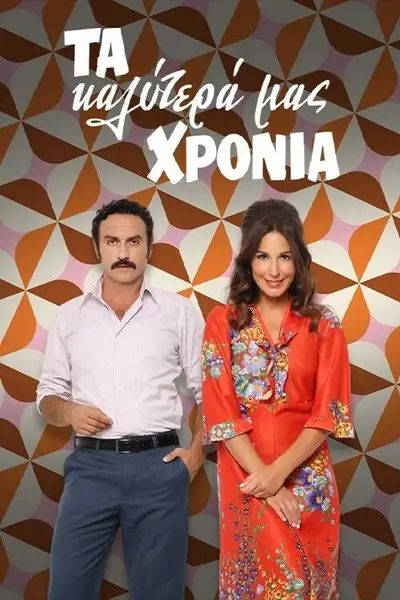
Creator Lucy Kirkwood helms this nostalgic documentary series that explores pivotal cultural moments and social changes through the lens of personal memory and collective experience. The show invites various personalities to reflect on defining events, trends, and phenomena that shaped their lives and broader society, weaving individual recollections with archival footage and cultural analysis. Each episode focuses on a specific period or theme, examining how shared experiences create generational identity while acknowledging that memory itself is subjective and shaped by perspective. The format allows for both light-hearted reminiscence about pop culture and deeper reflection on social movements and historical turning points. Contributors bring genuine enthusiasm and insight to their remembrances, creating moments of recognition for viewers who lived through these eras while offering historical context for younger audiences. Though the series occasionally indulges in sentimentality, it more often succeeds in capturing how personal and collective memory intertwine to create our understanding of the past and its continuing influence on the present.
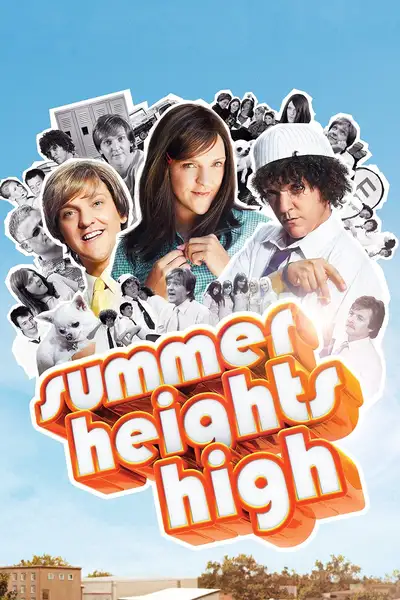
Chris Lilley created, wrote, and stars as three distinct characters—a rebellious student, a drama teacher with delusions of grandeur, and a private school exchange student—in this mockumentary that brilliantly skewers Australian education and adolescence. Lilley's chameleonic performances are technically impressive and often painfully funny, capturing specific types with exaggerated but recognizable details. Ja'mie, the privileged mean girl; Mr. G, the narcissistic theater director; and Jonah, the troublemaking Tongan student, each expose different aspects of school culture and social hierarchies. The mockumentary format allows Lilley to push boundaries and find humor in uncomfortable territory, though some characterizations have sparked legitimate debates about representation. When it works, the show is devastatingly sharp social satire that nails the absurdity of institutional education and teenage social dynamics. It's bold, frequently outrageous comedy that doesn't apologize for its provocations, for better and occasionally worse.