Fairy Tale Shows
Step into enchanted realms where magic reigns supreme and classic folklore gets a spellbinding modern twist with the best fairy tale shows that have captivated audiences across generations. From groundbreaking productions of the late 1980s to the latest streaming sensations, these fairy tale television series transport viewers to worlds brimming with mystical creatures, powerful witches, brave princesses, and legendary beings pulled straight from beloved storybooks. Whether you're drawn to dark reimaginings of Grimm folklore, whimsical adventures featuring mischievous magical beings, or contemporary takes on timeless narratives, these enchanting shows prove that fairy tales remain as relevant and captivating today as ever. Spanning decades of television history, this carefully curated selection showcases how storytellers have continuously reinvented classic tales for new audiences while honoring the wonder and imagination that made these stories unforgettable. Prepare to discover fantasy series that blend nostalgia with innovation, offering everything from epic multi-season sagas to charming limited series that remind us why fairy tales continue to enchant viewers of all ages with their timeless themes of magic, adventure, and transformation.
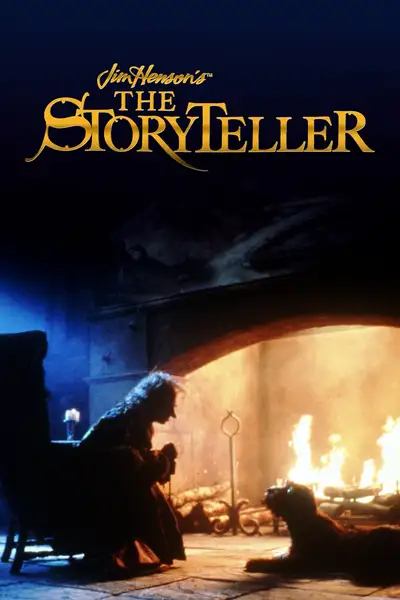
This fantasy anthology series brings European folk tales to enchanting life through the brilliant conceit of a storyteller and his dog entertaining unseen listeners by a fire. Jim Henson's creature shop magic combines with John Hurt's captivating narration to create something truly special that works for viewers of all ages. Each episode presents a different tale—from Greek myths to Northern European folklore—with extraordinary puppets and creature effects that showcase Henson's artistry at its finest. Director Peter Smith and writer Anthony Minghella understand how to honor the source material while making it accessible and visually stunning. The framing device of Hurt's Storyteller provides warmth and continuity, while the tales themselves range from darkly comic to genuinely moving. This is imaginative television that respects both its young audience and the timeless power of storytelling, creating something that remains remarkably fresh decades later.
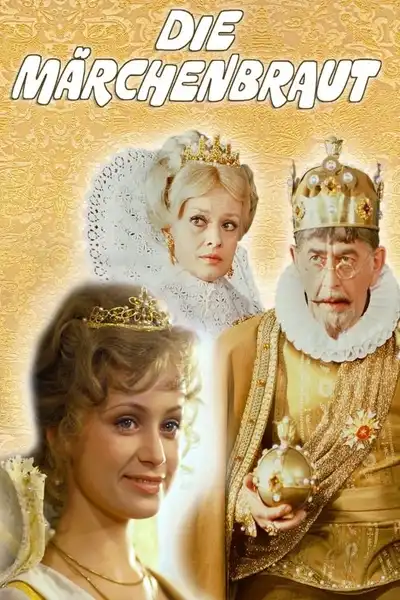
In 1980s Czechoslovakia, this beloved fantasy series transported viewers to a magical realm where fairy tale characters could cross into the real world. Directed by Václav Vorlíček, "Arabela" tells the story of a fairy tale kingdom whose characters begin appearing in contemporary Prague, leading to delightful culture clashes and romantic entanglements. The show centers on the beautiful Princess Arabela (played by Jana Nagyová Nováková) and her evolving relationship with Petr Majer (Michal Dlouhý), an ordinary human boy who becomes caught up in the magical chaos. The series charms with its inventive special effects—impressive for the era—and its clever script that finds humor in the collision between medieval fantasy logic and modern reality. The ensemble cast brings warmth and personality to characters ranging from bumbling sorcerers to mischievous imps, while the storyline weaves together elements of romance, comedy, and adventure. It remains a nostalgic treasure that captures the imagination with its whimsical approach to storytelling.
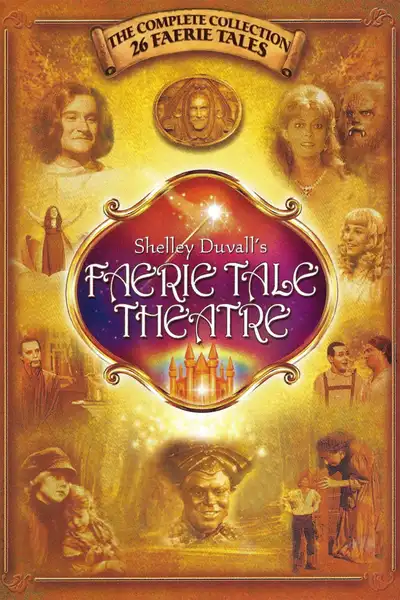
Classic fairy tales get reimagined with theatrical flair and surprising depth in this anthology series that became a staple of 1980s television. Executive produced by Shelley Duvall, who also hosts each episode, the show recruited Hollywood talent like Robin Williams, Mick Jagger, and Susan Sarandon to bring beloved stories to life with elaborate sets and costumes that honor the storybook origins. Each self-contained episode runs about an hour, making them perfect for family viewing while maintaining enough sophistication to engage adult audiences. The production values remain impressive decades later, and the series' commitment to treating children's stories with artistic respect rather than condescension sets it apart from typical adaptations. It's a nostalgic treasure that holds up remarkably well.
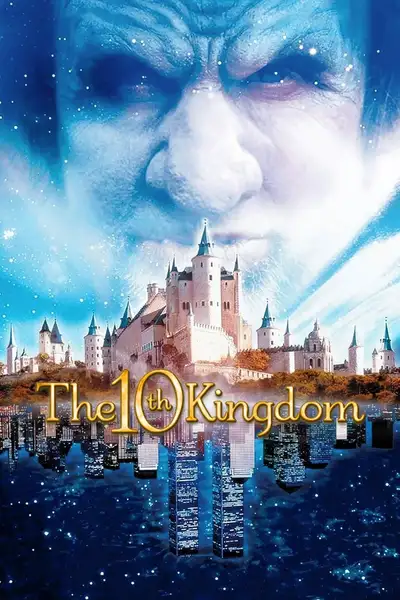
A New York waitress and her janitor father accidentally stumble through a magic mirror into a fairy tale world where classic storybook characters live in a modern monarchy. This sprawling miniseries from creator Simon Moore stars Kimberly Williams-Paisley and John Larroquette as the fish-out-of-water duo navigating the Nine Kingdoms alongside a charismatic half-wolf named Wolf (Scott Cohen). The production boasts impressive ambition, blending fairy tale whimsy with self-aware humor, though its five-part, nearly seven-hour runtime tests viewer patience. The special effects show their age, and the tone wobbles between campy comedy and earnest fantasy adventure. Still, there's undeniable charm in the creative reimagining of Grimm characters, and the central performances carry enough energy to sustain interest through the slower stretches.
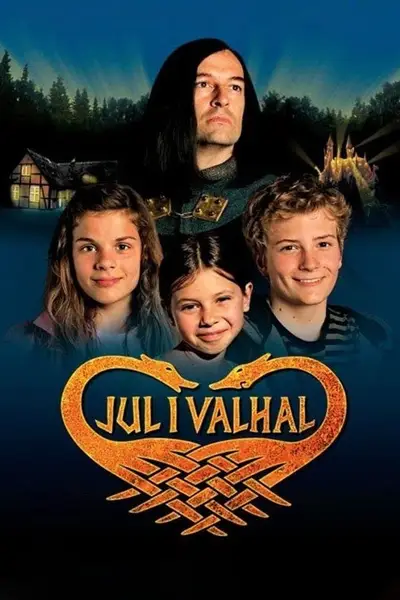
Created by Johannes Møllehave and Carsten Overskov, this Danish children's series reimagines Norse mythology in a contemporary holiday setting where gods prepare for a very different kind of Christmas. The concept is inventive—placing Thor, Loki, and other familiar deities in scenarios that blend ancient legend with modern Scandinavian life—but the execution doesn't always match the ambition of the premise. The production values reflect its children's programming origins, with sets and effects that lean more toward theatrical than cinematic. Young viewers may find the mix of adventure and humor appealing, particularly in how the show makes Norse mythology accessible, but adults watching along might find the pacing sluggish and the comedy somewhat dated by contemporary standards. It holds nostalgic value for those who grew up with it and offers educational content about Nordic culture, even if it doesn't quite transcend its niche appeal.
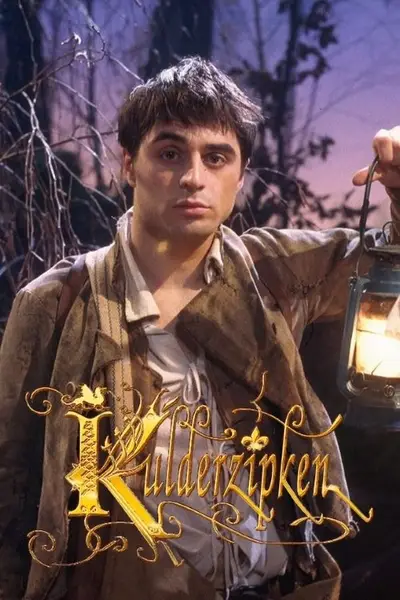
Peculiar and decidedly niche, this Flemish comedy series follows the eccentric inhabitants of a small Belgian community. Created by Jan Eelen, the show centers on various oddball characters whose lives intersect in increasingly absurd ways. The humor is deliberately offbeat, embracing awkwardness and uncomfortable situations that won't appeal to everyone. Lead performances commit fully to the strange tone, with actors inhabiting their bizarre characters with conviction. However, the series often feels scattered, as if individual sketches have been loosely connected rather than building toward cohesive episodes. Some storylines land with genuine comedic impact, while others simply meander without clear purpose or payoff. The regional specificity adds authenticity but may also limit accessibility for viewers unfamiliar with Flemish culture and humor. For those attuned to its wavelength, there's quirky charm to be found, but it requires patience and appreciation for comedy that prioritizes weirdness over traditional structure.
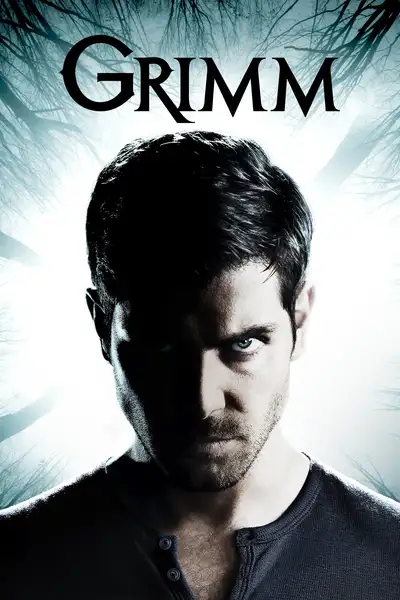
At its core, this is a story about hidden identities and the responsibility that comes with seeing the world as it truly is, wrapped in a procedural framework that actually works. David Giuntoli stars as Nick Burkhardt, a Portland homicide detective who discovers he's descended from a line of guardians called Grimms, gifted with the ability to see supernatural creatures hiding in plain sight. Created by Stephen Carpenter, David Greenwalt, and Jim Kouf, the series expertly balances monster-of-the-week cases with longer mythological arcs, drawing on fairy tale lore in creative ways that feel fresh rather than recycled. The supporting cast, particularly Silas Weir Mitchell as the reformed Blutbad Monroe and Russell Hornsby as Nick's partner Hank, brings genuine warmth and humor to what could have been a purely dark premise. The show steadily builds its world across six seasons without losing sight of its characters, making it a consistently entertaining supernatural drama that respects both its procedural roots and its fantastical elements.
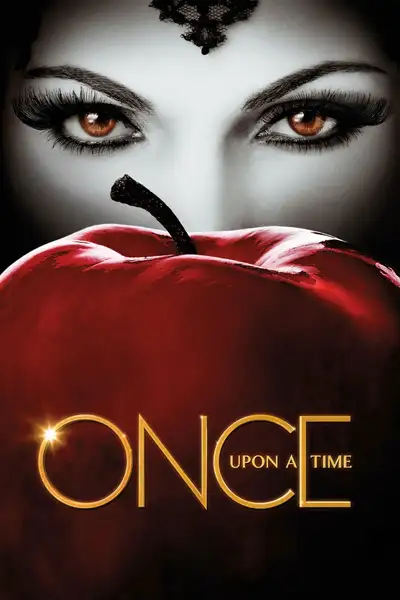
This fantasy drama mashes up fairy tale characters with contemporary storytelling, imagining what happens when Snow White, Rumpelstiltskin, and other storybook figures are cursed to live in a Maine town with no memory of their true identities. Creators Edward Kitsis and Adam Horowitz, veterans of Lost, bring that show's mythology-building ambitions to fairy tale lore, creating parallel storylines between the enchanted forest past and the modern-day present. Jennifer Morrison leads the cast as Emma Swan, the daughter of Snow White and Prince Charming who must break the curse, while Lana Parrilla delivers a compelling performance as the Evil Queen/Regina Mills. The show's willingness to reimagine classic stories and explore the complexity behind characters typically painted as purely good or evil gives it surprising depth. The production design creatively blends magical and mundane elements, and the family-friendly tone never feels dumbed down. When the show leans into its more imaginative storytelling instincts, it creates genuinely engaging television that works for multiple age groups.
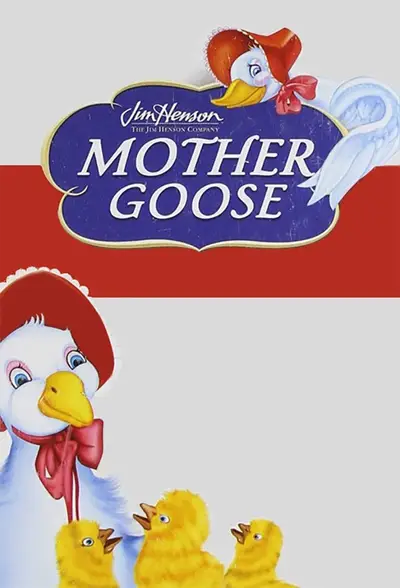
At its heart, this anthology series explores timeless lessons about kindness, consequences, and community through beloved nursery rhyme characters brought to imaginative life. Created by Miki Yoshino and produced by Toei Animation, each episode takes a familiar rhyme—Humpty Dumpty, Little Bo Peep, Jack and Jill—and expands it into a fully realized story with surprising emotional depth. The animation style has a storybook quality that perfectly suits the material, while the voice work conveys genuine warmth and personality. What makes the series endure beyond simple nostalgia is its respect for young viewers' intelligence—these aren't simplistic morality tales but thoughtful stories about friendship, problem-solving, and understanding others' perspectives. The show trusts children to grasp nuance and complexity while maintaining an age-appropriate gentleness. For parents watching alongside kids, there's genuine charm in seeing these familiar verses transformed into adventures that feel both comforting and fresh.
When teenager Ruby O'Reilly inherits her father's antique shop, she discovers a mysterious wishing well that actually grants wishes—but with unpredictable and often problematic consequences. This family-friendly Canadian series stars Zoe Wees as Ruby, who must figure out how to help the townspeople whose wishes go awry while dealing with typical teenage challenges. The show attempts to weave moral lessons into its fantasy premise, with each wish serving as a cautionary tale about being careful what you wish for. Created by Jenna Schaefer, the series offers wholesome entertainment aimed at younger viewers, though adults may find the lessons somewhat heavy-handed and the conflicts neatly resolved. The cast brings enthusiasm to their roles, and there's genuine charm in the small-town setting, even if the storytelling rarely surprises. It's pleasant enough viewing for family audiences seeking uncomplicated fantasy adventures.
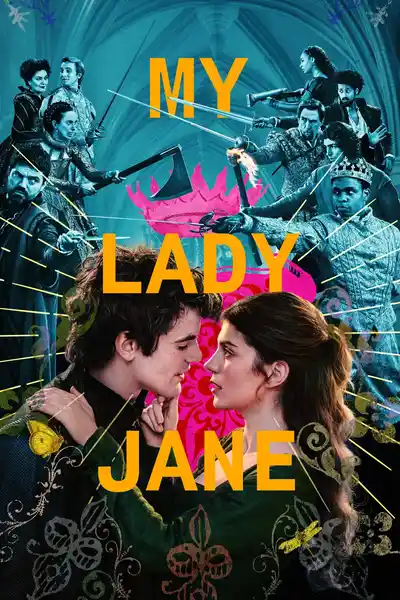
Irreverent and unapologetically anachronistic, this historical fantasy reimagines Lady Jane Grey's brief reign with magic, romance, and a healthy disregard for actual Tudor history. Emily Bader brings spirited charm to Jane, who in this version is trapped in an arranged marriage while navigating a kingdom where some humans can transform into animals. Creators Gemma Burgess and Meredith Glynn borrow liberally from the romantic comedy playbook while layering in commentary about persecution and power that resonates beyond the period setting. Edward Bluemel provides swoon-worthy chemistry as Jane's initially unwanted husband Guildford, and their relationship develops with genuine wit and heat. The series knows exactly what it is—unserious about history, serious about entertainment—and commits fully to its mashup of Tudor intrigue and contemporary sensibility. It's fizzy, fun historical fiction that uses the past as a playground rather than a museum.
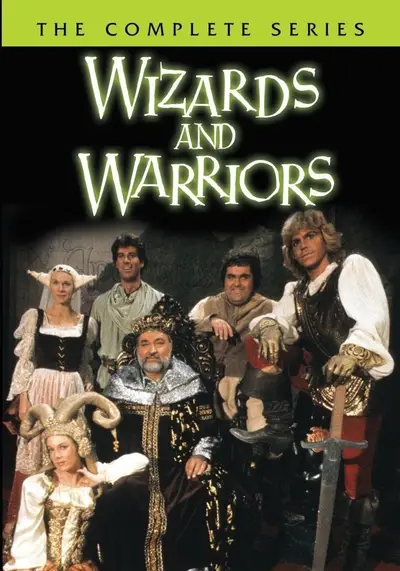
In this series, a classic fantasy kingdom becomes the battleground for magical conflicts, political intrigue, and comedic adventure as heroes and villains clash with distinctly 1980s sensibilities. Jeff Conaway stars as the dashing Prince Erik Greystone, who must defend his realm against the evil Prince Dirk Blackpool, played with scenery-chewing enthusiasm by Duncan Regehr. The show embraces its pulp fantasy roots with elaborate costumes, practical special effects, and plots that blend sword-and-sorcery action with surprisingly self-aware humor. While the limited budget sometimes shows in the dungeon sets and creature effects, the cast's commitment to the material and the writers' willingness to have fun with genre conventions create an entertaining experience. It's unabashedly silly at times, but that's precisely what gives the series its charm and enduring cult appeal.

This reimagining of "The Wizard of Oz" follows DG, a small-town waitress who discovers she's actually a princess from a magical realm called the O.Z. (Outer Zone), and must help overthrow the sorceress who has imprisoned her parents and plunged the land into darkness. Starring Zooey Deschanel, Alan Cumming, and Kathleen Robertson, this three-part miniseries from director Nick Willing brings a darker, steampunk-inspired aesthetic to L. Frank Baum's beloved world. The production values are impressive for a television event, with imaginative creature designs and a genuinely compelling mythology that expands on the source material in creative ways. While some of the dialogue can be clunky and certain plot elements feel rushed, the strong performances and visual inventiveness make this a surprisingly engaging fantasy adventure that respects its roots while carving its own path.
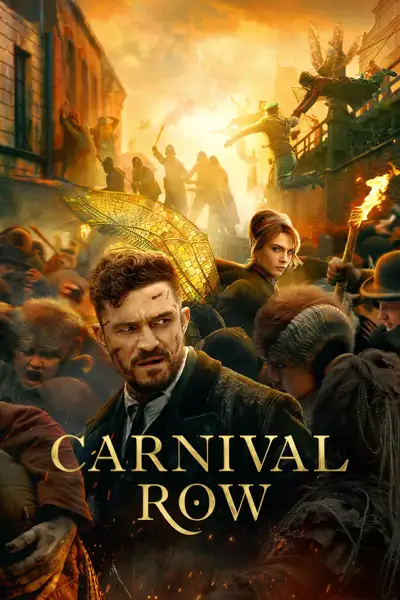
In this series, Victorian-era fantasy meets neo-noir detective story in a world where humans and mythological creatures coexist in uneasy tension. Orlando Bloom stars as a human detective and Cara Delevingne as a faerie refugee, investigating murders in a city where inequality and prejudice run rampant. The production design is undeniably impressive, creating a visually rich world that blends period detail with fantastical elements. However, the show struggles to balance its ambitious world-building with coherent storytelling, often getting lost in its own mythology. Bloom and Delevingne have moments of genuine connection, but the scripts don't always serve them well. When the series focuses on its central mystery and the political allegory, it shows promise, but too often it meanders through subplots that feel disconnected. It's a show with interesting ideas that never quite comes together, though genre fans may find enough to appreciate in its swing-for-the-fences ambition.
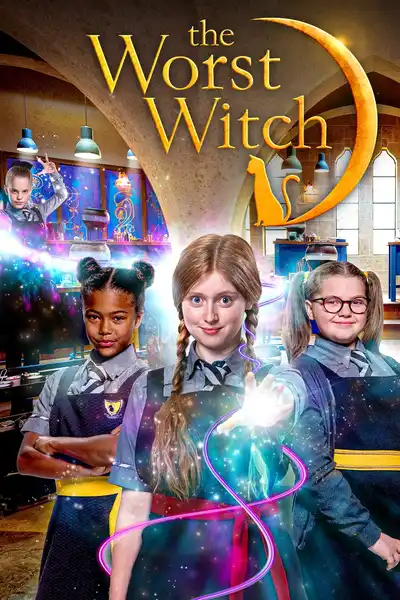
When young Mildred Hubble arrives at Miss Cackle's Academy for Witches, her lack of magical pedigree and tendency toward accidents mark her as an unlikely candidate for success in this adaptation of Jill Murphy's beloved books. Bella Ramsey brings an appealing determination to Mildred, the self-proclaimed "worst witch" whose heart and bravery compensate for her spotty spellcasting skills. The CBBC series captures the magical boarding school atmosphere with colorful production design and a supporting cast that includes Clare Higgins as the formidable Miss Hardbroom. However, the show struggles with tonal consistency, sometimes feeling too juvenile for older viewers while including elements that might unsettle younger ones. The effects are competent but rarely impressive, and the episodic storylines don't always build momentum across the season. For families seeking gentle fantasy entertainment, it provides harmless fun with positive messages about perseverance and friendship, though it doesn't quite capture the books' enduring charm or offer much for adult viewers watching along.
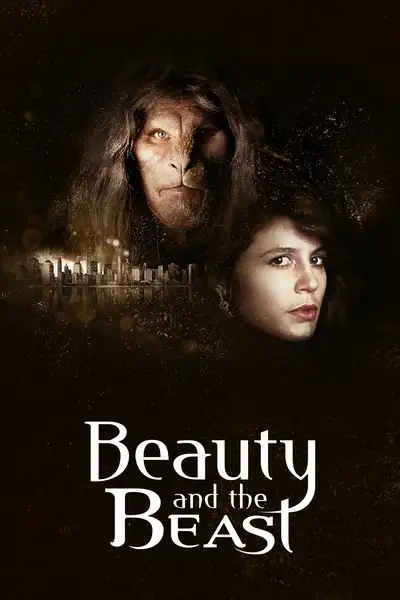
In contemporary New York City, an unlikely romance develops between a scarred, leonine man living in tunnels beneath the streets and a dedicated attorney working above ground. This reimagining of the classic fairy tale stars Linda Hamilton as Catherine Chandler, a woman who discovers a secret world after being rescued by Vincent, played by Ron Perlman under elaborate makeup. Created by Ron Koslow, the series blends urban fantasy, romance, and crime procedural elements with genuine ambition. The tunnel-dwelling community provides a utopian counterpoint to the city's corruption, while Catherine and Vincent's impossible relationship drives the emotional core. Perlman brings surprising depth and nobility to Vincent despite the prosthetics, creating genuine chemistry with Hamilton. The show embraces its romanticism earnestly, complete with poetry readings and Shakespearean themes that could feel overwrought but somehow work within the heightened reality. It's unabashedly earnest television that values beauty, compassion, and love over cynicism—a quality that feels both dated and refreshing.
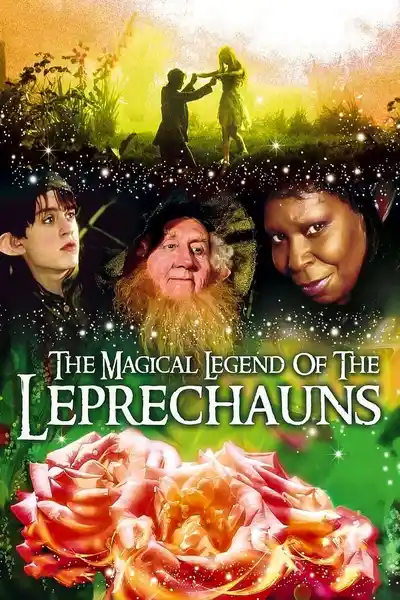
Peter O'Toole executive produced this whimsical miniseries that brings Irish folklore to life through a tale of warring fairy factions and the American businessman who stumbles into their magical conflict. The story follows Jack Woods (Randy Quaid), who travels to Ireland on business and falls for local woman Kathleen (Orla Brady), only to discover the legendary leprechauns are real and embroiled in a bitter feud that threatens both the fairy world and our own. Directed by John Henderson, the production embraces its fantasy premise with practical effects, elaborate costumes, and a genuine affection for Irish mythology that elevates it above typical TV movie fare. The cast commits fully to the material, with Whoopi Goldberg appearing as the Grand Banshee and Colm Meaney lending gravitas to the proceedings. It's family-friendly entertainment that doesn't talk down to its audience, offering genuine charm and surprisingly decent production values for a Hallmark production. The tone is unabashedly romantic and optimistic, making it comfort viewing for those seeking lighthearted fantasy without cynicism or edge.
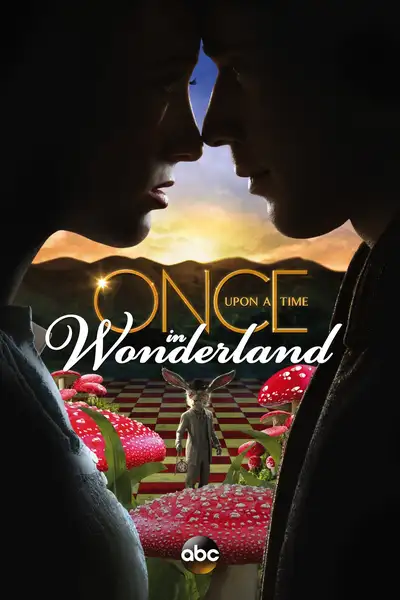
Sophie Lowe stars as Alice in this ambitious spin-off that reimagines Lewis Carroll's classic tale through a darker, more romantic lens. Created by Edward Kitsis and Adam Horowitz as a companion to "Once Upon a Time," the series follows Alice as she returns from Wonderland only to be institutionalized for her fantastical stories. When the Knave of Hearts (Michael Socha) arrives with news that her lost love Cyrus is alive, she journeys back to save him while facing the villainous Red Queen (Emma Rigby) and Jafar (Naveen Andrews). Though it lasted only one season, the show offers solid production values, creative world-building, and a compelling central romance that gives emotional weight to the whimsical setting. It's an enjoyable watch for fans of fairy tale retellings who appreciate a touch of darkness mixed with their magic.
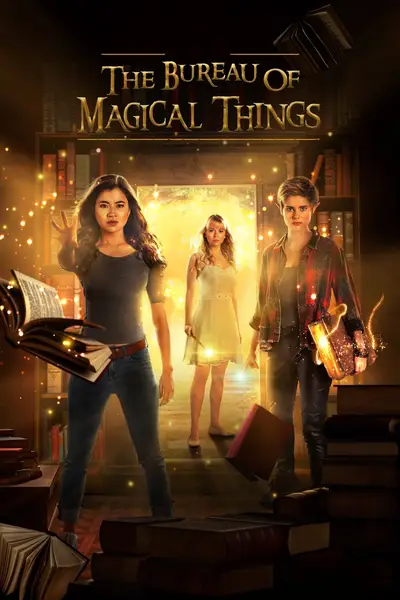
Created by Jonathan M. Shiff, known for his work on Australian children's fantasy series, this show blends contemporary teen drama with magical realism as ordinary teenager Kyra discovers a hidden world of fairies, elves, and magic existing alongside modern life. When an accident gives her magical powers, she must navigate both high school and the Bureau that governs magical beings. The premise offers potential for inventive storytelling, and the young cast, including Kimie Tsukakoshi as Kyra, brings enthusiasm to their roles. However, the execution feels uneven, with special effects that range from charming to noticeably budget-constrained. The series works best when focusing on character relationships rather than mythology-building, making it suitable for younger audiences but less engaging for adults.
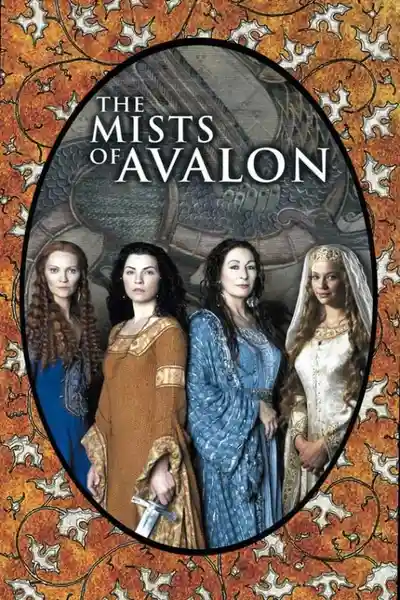
This miniseries explores themes of power, faith, and feminine agency through Marion Zimmer Bradley's reimagining of Arthurian legend from the perspectives of its female characters. Anjelica Huston, Julianna Margulies, and Joan Allen lead an impressive ensemble in Uli Edel's adaptation that focuses on Morgaine, Gwenhwyfar, and the Lady of Avalon as Christianity and the old pagan ways clash in Dark Ages Britain. The production values are solid for a television miniseries of its era, creating a convincingly atmospheric take on the familiar mythology. While the three-hour runtime allows for substantial character development, the pacing occasionally drags, and some narrative choices feel heavy-handed in their symbolism. The performances elevate the material considerably, particularly Margulies as Morgaine, whose journey from priestess to tragic figure forms the emotional core. It's a thoughtful, feminist retelling that treats its source material with respect while offering fresh perspectives on well-worn tales.
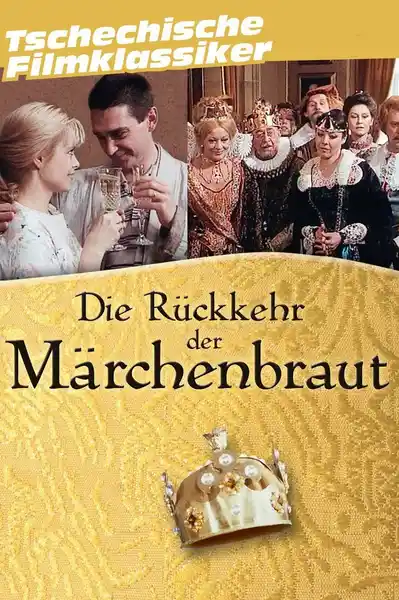
Václav Vorlíček returns to the beloved fantasy world he created two decades earlier with this sequel series that revisits the fairy tale realm where the bumbling sorcerer Rumburak has somehow become king. The series reunites several original cast members while introducing new characters, blending nostalgia with fresh storylines that explore what happens when fairy tale logic collides with political power. Vorlíček's distinctive visual style—combining practical effects, theatrical staging, and absurdist humor—remains charmingly intact despite the passage of time and presumably limited budget. While primarily appealing to Czech audiences who grew up with the original "Arabela," the series offers enough whimsical creativity and good-natured humor to entertain newcomers willing to embrace its particular brand of Eastern European fantasy. The show never takes itself too seriously, understanding that fairy tales work best when they maintain a sense of playfulness alongside their adventures and moral lessons.