Dystopian Sci-Fi Shows
The future isn't always bright, and the best dystopian sci-fi shows remind us that tomorrow's world could be darker than we ever imagined. From totalitarian regimes that strip away individual freedoms to technological nightmares that blur the line between human and machine, these gripping series transport viewers into oppressive societies where survival demands extraordinary courage and resilience. Whether you're drawn to post-apocalyptic wastelands, surveillance states that monitor every move, or carefully controlled utopias hiding sinister truths, dystopian television has evolved into one of science fiction's most compelling subgenres. These 21 essential shows span from groundbreaking early series that established the template to contemporary streaming hits that reflect our modern anxieties about AI, climate collapse, and authoritarian creep. Each entry delivers cautionary tales wrapped in exceptional storytelling, exploring humanity's capacity for both oppression and hope against impossibly bleak backdrops. Get ready to question authority, challenge comfortable assumptions, and discover the dystopian sci-fi shows that define the genre across television history—because sometimes the most important stories are the ones that warn us what we still have time to prevent.
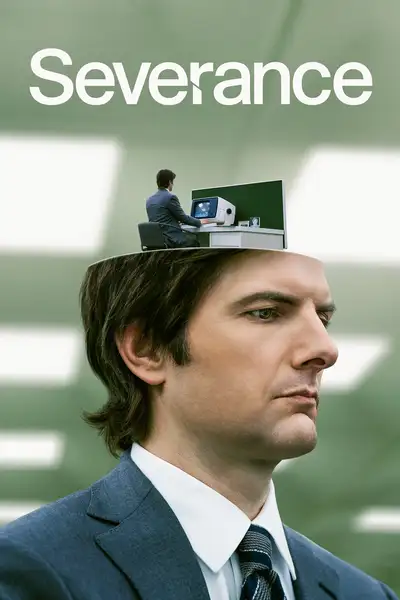
Employees at a mysterious corporation undergo a procedure that surgically separates their work memories from their personal memories, creating two distinct versions of consciousness that never meet. Created by Dan Erickson and directed by Ben Stiller, this workplace thriller stars Adam Scott as Mark, whose "outie" self knows nothing about what his "innie" does all day at Lumon Industries. The premise is genuinely intriguing, and the show's stark production design creates an unsettling corporate environment that feels both retro and timeless. Patricia Arquette, John Turturro, and Christopher Walken round out a strong cast navigating the show's deliberately slow burn pacing. However, the series sometimes mistakes inscrutability for depth, withholding information to the point of frustration rather than building meaningful suspense. The allegory about work-life balance and corporate dehumanization is obvious without being particularly insightful. Individual sequences showcase real artistry, but the season doesn't quite earn its ponderous runtime. There's interesting material here that doesn't fully cohere into a satisfying whole, though fans of cerebral science fiction may find more to appreciate.
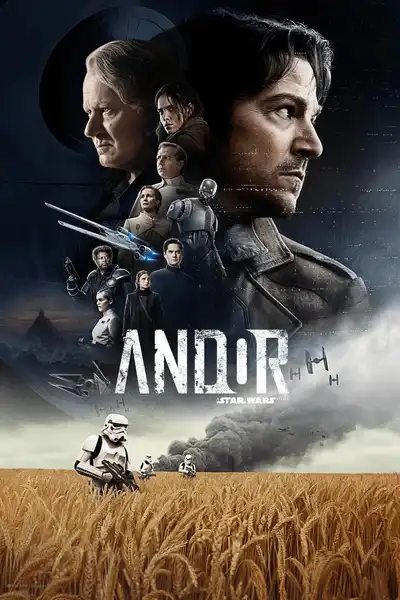
Following Cassian Andor in the years before Rogue One, this Star Wars series explores how ordinary people become radicalized into rebellion against an authoritarian regime, delivering the franchise's most mature and politically sophisticated storytelling to date. Creator Tony Gilroy strips away the typical Star Wars mythology to focus on the ground-level reality of life under the Empire, showing how oppression and injustice gradually transform a cynical survivor into a committed revolutionary. Diego Luna brings depth and moral ambiguity to Cassian, supported by an exceptional ensemble including Stellan Skarsgård as a rebellion architect and Fiona Shaw as a complex adoptive mother figure. The show takes its time building tension and character, trusting the audience to engage with slower pacing in service of richer storytelling. The dialogue crackles with intelligence, the production design feels lived-in and authentic, and the exploration of fascism's mundane bureaucratic evil resonates powerfully. This is ambitious, adult science fiction that transcends its franchise origins.

This post-apocalyptic science fiction series based on the beloved video game franchise follows Lucy, a sheltered vault dweller who emerges into the irradiated wasteland 200 years after nuclear war devastated civilization. Developed by Jonathan Nolan and Lisa Joy, the show stars Ella Purnell as Lucy, whose optimistic naivety clashes brilliantly with the brutal reality of the surface world. The series captures the game's distinctive retro-futuristic aesthetic and darkly comedic tone while telling an original story that respects the source material without requiring prior knowledge. Walton Goggins is exceptional as a centuries-old ghoul whose storyline spans the pre-war and post-apocalyptic eras, and Aaron Moten provides grounding as Maximus, a Brotherhood of Steel aspirant with his own agenda. The production design is remarkable, bringing the game's iconic imagery to life with impressive detail. The show balances graphic violence with genuine humor and surprising emotional depth, never losing sight of character amid the spectacle. It's rare that a video game adaptation feels this confident and fully realized, delivering both fan service and genuinely good television.
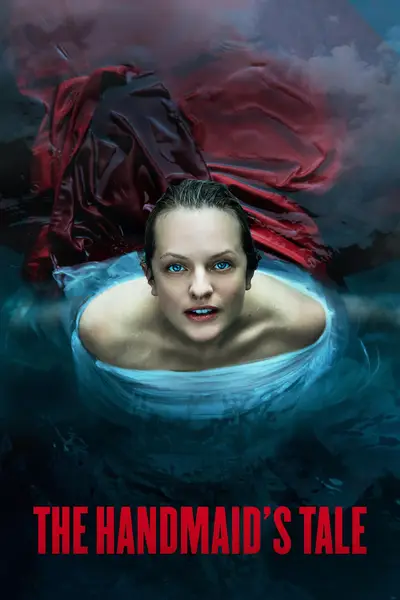
In a dystopian near-future America transformed into the theocratic nation of Gilead, women have been stripped of all rights and forced into rigid societal roles based on their fertility. Bruce Miller's adaptation of Margaret Atwood's novel expands the source material into a haunting exploration of power, resistance, and survival. Elisabeth Moss delivers an Emmy-winning performance as Offred/June, a handmaid forced to bear children for the ruling class, conveying volumes through subtle expressions and devastating voiceovers. The supporting cast, including Yvonne Strahovski, Ann Dowd, and Joseph Fiennes, is uniformly excellent. The series finds artistry in horror, using color, music, and cinematography to create a world that's beautiful and terrifying. Later seasons occasionally stretch the narrative thin, but the show remains powerful in its portrayal of systematic oppression and quiet rebellion. It's difficult viewing—intentionally so—but essential for those willing to engage with its unflinching examination of patriarchy and authoritarianism.
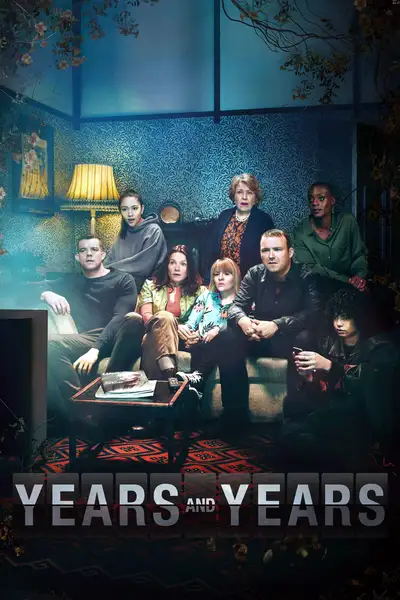
This ambitious family saga explores how political, technological, and environmental upheaval can reshape society within a single generation, following one Manchester family from 2019 into a troubling near-future. Russell T Davies crafts a gripping narrative anchored by the Lyons family, led by Anne Reid's matriarch and featuring outstanding performances from Russell Tovey, Ruth Madeley, and Jessica Hynes. What makes the series remarkable is its prescience—filmed before many of the events it eerily predicted, it imagines a world dealing with authoritarianism, refugee crises, and technological transformation with both specificity and emotional depth. Emma Thompson delivers a chilling performance as a populist politician whose rise mirrors real-world concerns. Davies balances intimate family drama with ambitious sociopolitical commentary, creating a thought-provoking cautionary tale that feels uncomfortably plausible and deeply human.
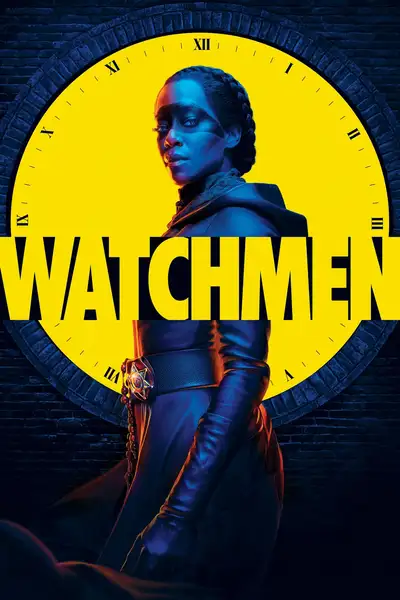
This ambitious superhero deconstruction from creator Damon Lindelof uses the framework of Alan Moore's graphic novel to explore American racism, trauma, and identity with remarkable sophistication and urgency. Set in an alternate present where the events of the original *Watchmen* are historical fact, the series follows Regina King's Angela Abar, a police officer in Tulsa navigating a world where cops wear masks and white supremacist terrorism looms large. Lindelof crafts a narrative that honors Moore's source material while telling an entirely new story that feels urgently relevant to our current moment. The fourth episode's exploration of the 1921 Tulsa Race Massacre is television at its most powerful and necessary. King delivers a phenomenal performance, supported by a stellar ensemble including Jean Smart, Jeremy Irons, and Yahya Abdul-Mateen II. The series rewards close attention with layered storytelling that connects past and present in surprising ways. This is television that challenges and entertains in equal measure.
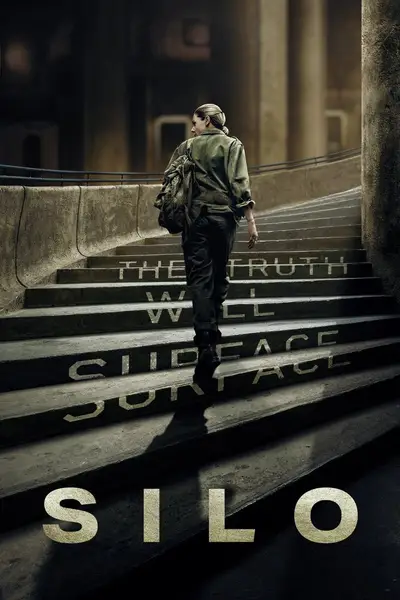
Compelling and claustrophobic, this sci-fi mystery follows the residents of an underground city who've lived for generations with no memory of why they're there or what lies outside. Based on Hugh Howey's novels and developed by Graham Yost, the series stars Rebecca Ferguson as an engineer who begins questioning the lies that hold her society together. The production brilliantly conveys the silo's oppressive atmosphere—145 floors of recycled air, recycled rules, and recycled beliefs—while slowly revealing a larger conspiracy. Ferguson anchors the show with a grounded performance that makes the increasingly wild revelations feel earned. The pacing is deliberate but purposeful, building tension through atmosphere and character rather than cheap thrills. It's smart, patient storytelling that trusts its audience.
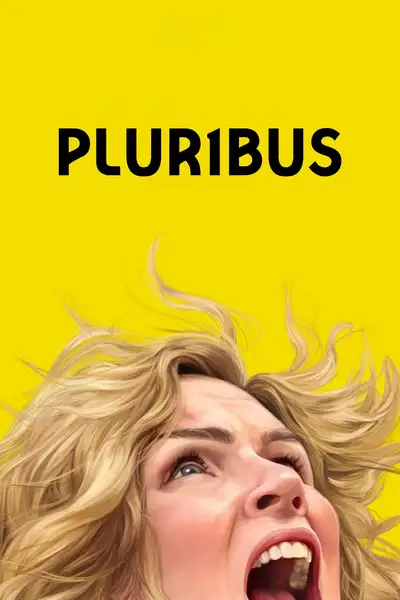
Set in a near-future America grappling with political fragmentation, this thought-provoking series explores what happens when the nation's unity hangs by a thread. The show creates a disturbingly plausible scenario where regional divisions have deepened to crisis levels, forcing ordinary citizens and leaders alike to confront fundamental questions about democracy and national identity. The ensemble cast navigates personal and political terrain with nuance, bringing humanity to storylines that could easily feel abstract or preachy. Creator Jeff Schaffer crafts a narrative that feels both timely and timeless, using its speculative premise to examine real tensions in contemporary society. The production design effectively suggests a world that's recognizably ours but altered in subtle, unsettling ways. It's ambitious television that trusts its audience to engage with complex ideas.
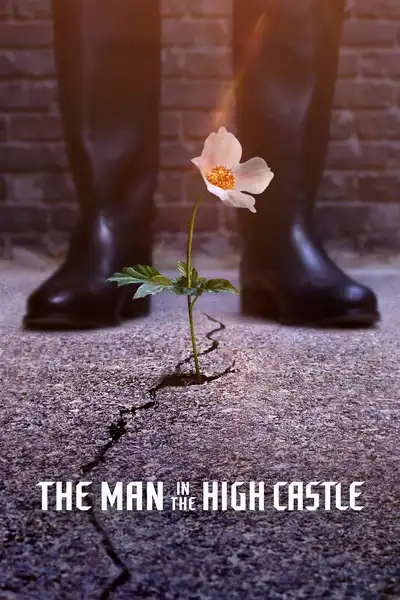
Frank Spotnitz developed this adaptation of Philip K. Dick's novel, imagining an alternate 1960s America where the Axis powers won World War II and divided the United States between Japanese and German control. The premise is undeniably compelling, and the production design meticulously creates this disturbing alternate reality. Alexa Davalos and Rufus Sewell anchor the cast as characters navigating the oppressive regime and encountering mysterious films showing a different version of history. The show demonstrates ambition in its world-building and occasionally delivers powerful moments exploring resistance and collaboration under fascism. However, the pacing often drags, and the series struggles to maintain narrative momentum across its seasons. Some storylines feel underdeveloped while others meander without clear purpose. It's a thought-provoking concept that doesn't always fulfill its potential, offering intriguing ideas wrapped in uneven execution.
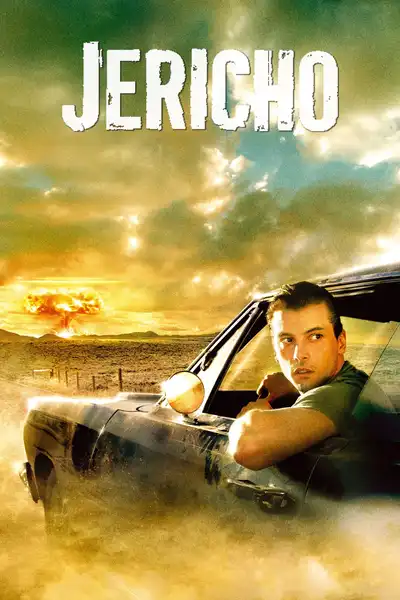
Tense and atmospheric, this post-apocalyptic drama creates a genuinely unsettling vision of small-town America cut off from the world. Created by Stephen Chbosky, Josh Schaer, and Jonathan E. Steinberg, the series follows the residents of Jericho, Kansas, after nuclear explosions destroy multiple American cities. Skeet Ulrich leads the ensemble as Jake Green, a prodigal son who must help his hometown survive in this new reality. What distinguishes the show is its focus on practical concerns—food, power, medicine—rather than zombie-style action. The mystery of who attacked America and why unfolds gradually while the townspeople face moral dilemmas about resource allocation and justice without federal authority. The relationships feel authentic, and the sense of mounting dread as winter approaches is palpable throughout the first season.
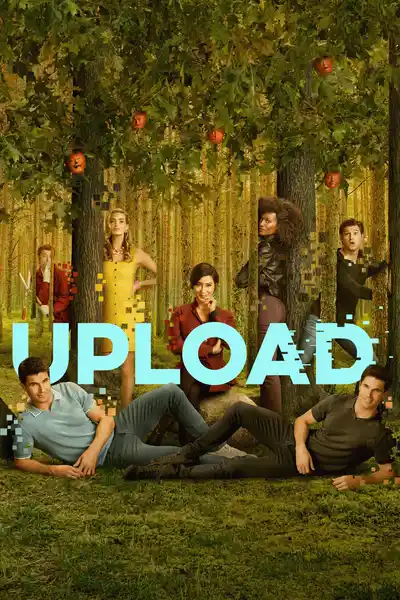
Light, funny, and surprisingly poignant, this sci-fi comedy from Greg Daniels explores what happens when the afterlife becomes a digital commodity. Robbie Amell plays Nathan, a young programmer who dies unexpectedly and gets uploaded to a luxurious virtual afterlife, where he forms an unlikely connection with his living "angel" Nora, played by Andy Allo. The show's vision of tech companies monetizing death is both satirically sharp and oddly plausible, skewering everything from subscription tiers to in-app purchases. What elevates it beyond clever concept is the genuine chemistry between the leads and the show's willingness to explore deeper questions about what makes life meaningful. The supporting cast, including Zainab Johnson and Kevin Bigley, brings depth to what could have been one-note characters. It's the rare comedy that makes you laugh while sneaking in thoughtful commentary about technology, class, and human connection.
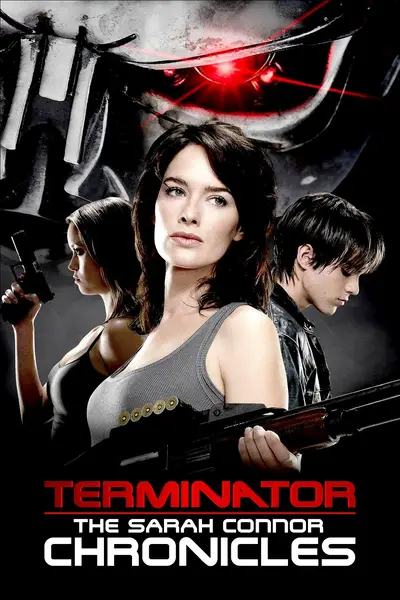
This science fiction series picks up after Judgment Day, following Sarah Connor and her teenage son John as they fight to prevent Skynet's creation while evading a new Terminator sent to kill John. Created by Josh Friedman, the show features Lena Headey as a hardened, paranoid Sarah and Thomas Dekker as John, alongside Summer Glau as Cameron, a reprogrammed Terminator protecting the Connors. The premise offers intriguing opportunities to explore the franchise mythology, and certain episodes deliver genuinely compelling time-travel paradoxes and action sequences. However, the series never quite finds consistent footing, with uneven pacing and storylines that sometimes meander without clear direction. Headey brings intensity to Sarah, but the show struggles to balance character development with the larger mythology. Budget limitations occasionally show, and the abrupt cancellation leaves major plot threads unresolved. There's enough here for Terminator fans to appreciate, but it's a frustratingly inconsistent experience that hints at unrealized potential.
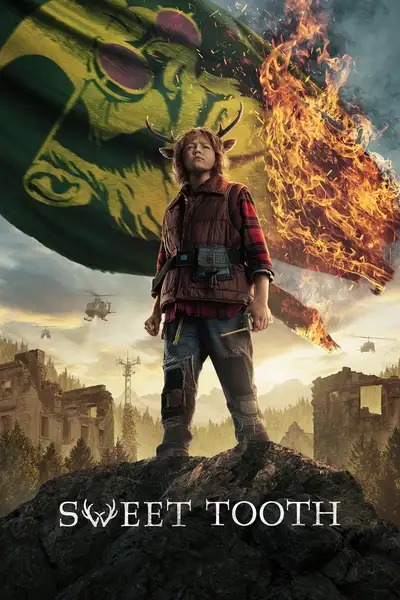
In a post-apocalyptic world ravaged by a mysterious pandemic, hybrid children born part-human and part-animal represent either humanity's future or its end. Christian Convery stars as Gus, a deer-boy who emerges from years of forest isolation to journey across a dangerous America alongside gruff protector Tommy Jepperd (Nonso Anozie). Based on Jeff Lemire's DC Comics series, this adaptation from Jim Mickle strikes a remarkable balance between wonder and peril, creating a fairy-tale atmosphere that never diminishes genuine stakes. The production design beautifully contrasts Gus's innocent perspective with the harsh realities of societal collapse, while the supporting cast adds depth to a world divided between those who protect the hybrids and those who hunt them. Convery and Anozie develop a touching surrogate father-son relationship that anchors the fantastical elements in real emotion, making this thoughtful, visually stunning series resonate beyond its genre trappings.

Eliza Dushku stars as Echo, a "doll" whose personality is wiped clean and programmed with new identities for each assignment in this inventive science fiction series from creator Joss Whedon. Operating within the secretive Dollhouse, Echo and other "actives" are hired out to wealthy clients for missions ranging from romantic fantasies to dangerous tactical operations, but Echo begins retaining memories and developing self-awareness. The show tackles fascinating questions about identity, consent, and human commodification, with Dushku demonstrating impressive range across her many personas. The supporting cast, including Olivia Williams, Fran Kranz, and Tahmoh Penikett, adds depth to the morally complex world. While the first few episodes lean heavily on procedural formats, the series evolves into darker, more serialized territory that showcases Whedon's storytelling ambition and willingness to explore uncomfortable ethical territory.
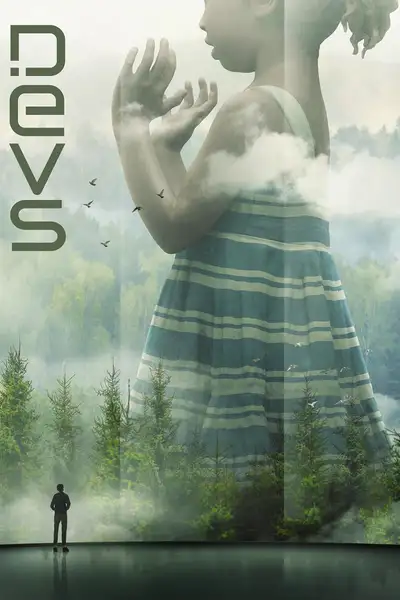
Science fiction thriller meets philosophical inquiry in this visually striking but narratively frustrating limited series about a young software engineer investigating her boyfriend's mysterious death at a quantum computing company. Created by Alex Garland, the show demonstrates his characteristic interest in consciousness, determinism, and technology's implications while moving at a deliberately glacial pace that tests viewer patience. Sonoya Mizuno leads a strong cast through eight episodes of mounting paranoia and corporate intrigue, with Nick Offerman delivering an unsettling performance as the company's enigmatic founder. The cinematography is consistently stunning, and the score creates oppressive atmosphere, but the philosophical ideas often feel more discussed than dramatized. The series clearly has ambitious things to say about free will and predestination, yet the slow-burn approach and opaque storytelling make those themes feel inaccessible rather than profound. Viewers willing to embrace ambiguity and meditative pacing will find more to appreciate than those expecting conventional thriller mechanics.
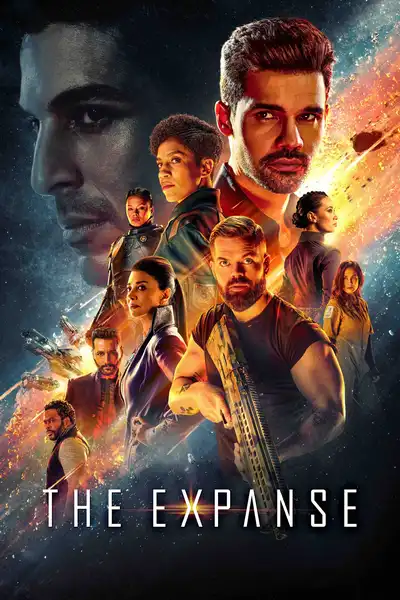
Developed by Mark Fergus and Hawk Ostby and based on James S.A. Corey's novels, this space opera follows humanity's expansion across the solar system and the political tensions between Earth, Mars, and the exploited Belt. The Expanse starts as a noir-tinged mystery involving a missing woman and escalates into an epic story about alien technology, interplanetary war, and survival itself. The cast, including Steven Strait, Dominique Tipper, and Wes Chatham as the crew of the Rocinante, brings depth to what could have been stock characters. The show respects both scientific plausibility and narrative momentum, creating space battles with actual physics and political intrigue with real consequences. It's everything great science fiction should be—intellectually engaging, visually impressive, and emotionally resonant across multiple seasons.
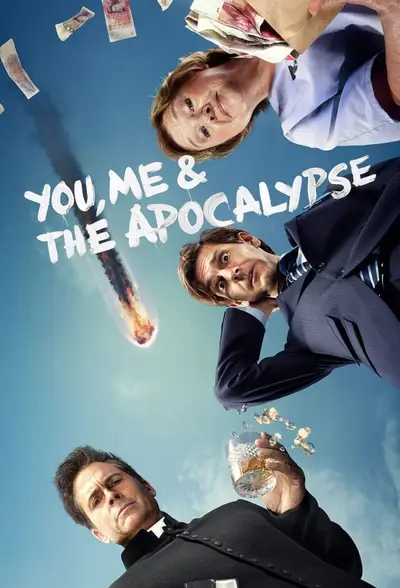
This genre-blending apocalyptic comedy-drama brings together an unlikely ensemble of characters who discover they have exactly 34 days until a comet destroys Earth. Creator Iain Hollands assembles a diverse cast including Mathew Baynton, Jenna Fischer, Rob Lowe, and Megan Mullally, whose seemingly unconnected storylines gradually converge as the end approaches. The series expertly balances dark humor with genuine pathos, finding both absurdity and meaning in how people choose to spend their final days. From a mild-mannered librarian wrongly imprisoned to a foul-mouthed Irish priest and a mild-mannered bank manager discovering his true parentage, each character's journey offers fresh perspectives on redemption and connection. The show's willingness to embrace tonal shifts—moving seamlessly from slapstick to sincere emotional moments—makes it a uniquely satisfying watch that refuses to be confined by conventional expectations.
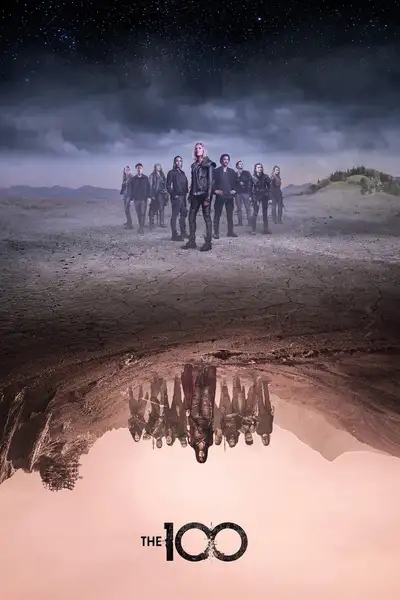
The survival of humanity versus the cost of that survival drives this post-apocalyptic drama developed by Jason Rothenberg. When Earth becomes habitable again after a nuclear apocalypse, 100 juvenile delinquents are sent from a space station to test conditions, only to discover they're not alone on the ground. The premise is genuinely intriguing, and the show occasionally delivers on that promise with compelling moral dilemmas and solid world-building. Eliza Taylor and Bob Morley lead a young cast that improves over time. However, the series frustrates as often as it engages, cycling through repetitive conflicts where characters make baffling decisions to force dramatic tension. The constant escalation—each season introducing new threats and factions—becomes exhausting rather than exciting. Some seasons are significantly stronger than others, making the overall experience uneven. There's enjoyable sci-fi here for viewers who can overlook inconsistent writing and occasionally melodramatic performances, but it never quite reaches the heights its premise suggests.
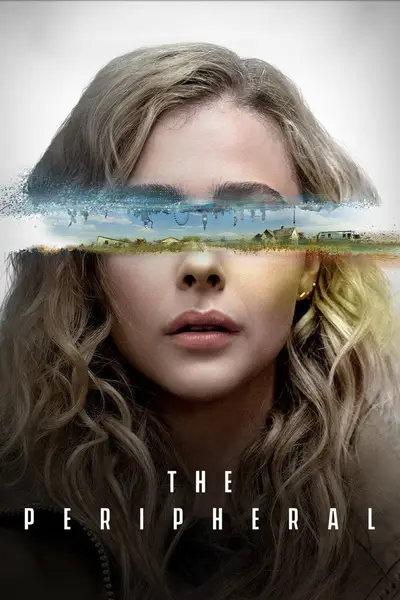
Showrunner Scott B. Smith adapts William Gibson's novel into a visually striking sci-fi thriller that splits its attention between a decaying Appalachian future and a murky corporate past. Chloë Grace Moretz leads as Flynne Fisher, who stumbles into a dangerous conspiracy when what appears to be a video game turns out to be something far more real. The premise—connecting two timelines through technology—offers plenty of intrigue, and the production design creates genuinely immersive worlds. Gary Carr and Jack Reynor provide solid support as the narrative jumps between eras and mysteries deepen. While the plotting occasionally gets tangled in its own complexity and the pacing can drag, there's enough conceptual ambition and strong visual storytelling to keep genre fans engaged. It's dense viewing that rewards attention without quite achieving the clarity needed to be truly great.
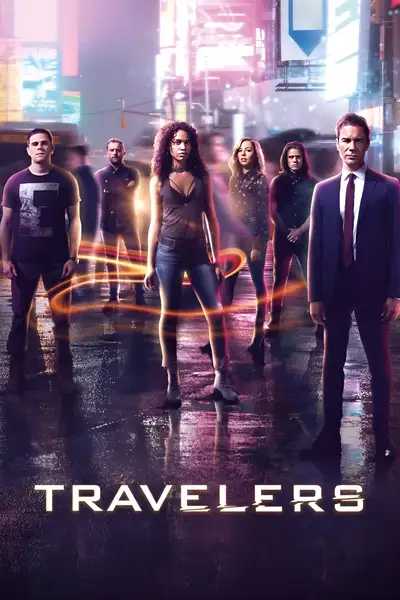
This science fiction thriller follows operatives from humanity's distant future who travel back to the 21st century by transferring their consciousness into people moments before their deaths, working to prevent societal collapse. Created by Brad Wright (Stargate franchise veteran), the series stars Eric McCormack as Grant MacLaren, an FBI agent whose body now houses a tactical team leader from hundreds of years ahead. The premise allows for intriguing moral questions—these Travelers must maintain their hosts' lives and relationships while secretly working to alter history. The ensemble cast, including MacKenzie Porter and Jared Abrahamson, navigates the personal costs of their mission with genuine emotion. While the time-travel logic occasionally requires generous suspension of disbelief, the character work and ethical dilemmas provide enough substance to compensate. Across three seasons on Netflix, it's solid genre television that thinks about consequences.
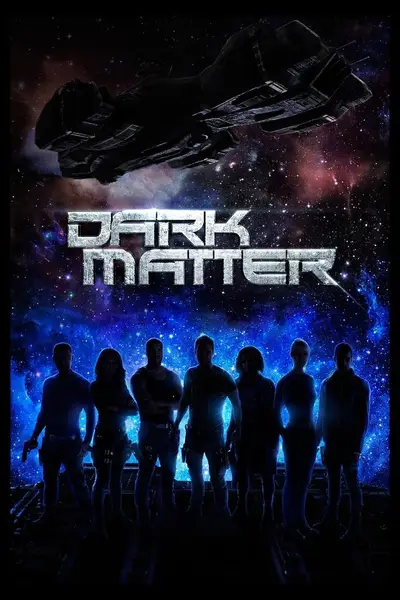
Joseph Mallozzi and Paul Mullie crafted this intriguing space opera about six people who wake aboard a starship with no memory of who they are or how they got there. The crew, initially identifying themselves by the order they awakened (One through Six), must navigate both external threats and internal suspicion as they gradually uncover their potentially dark pasts. The ensemble cast, including Melissa O'Neil, Anthony Lemke, and Alex Mallari Jr., develops strong chemistry as their characters evolve beyond their mysterious origins. The show balances episodic adventures with serialized mythology, offering satisfying action sequences alongside deeper questions about identity and redemption. While it occasionally leans on familiar sci-fi tropes, the character dynamics and ongoing mysteries provide enough momentum to keep viewers engaged. The production values are solid for a cable series, and the ethical dilemmas about whether past actions define present character add welcome substance.