Drug Crime Shows
The dark allure of the drug trade has captivated television audiences for decades, spawning some of the most critically acclaimed and addictive crime dramas ever produced. These drug crime shows pull back the curtain on the brutal realities of narcotics trafficking, immersing viewers in worlds where dealers, kingpins, and law enforcement clash in high-stakes battles with devastating consequences. From groundbreaking series that revolutionized television storytelling to contemporary dramas ripped from today's headlines, the best drug-related TV shows explore the complex web of addiction, violence, corruption, and moral ambiguity that defines the war on drugs. Whether chronicling the rise and fall of meth manufacturers, the sprawling operations of international cartels, or the street-level dealers caught in cycles of poverty and crime, these gritty narratives offer unflinching examinations of one of society's most persistent crises. This curated selection of 21 essential drug trafficking series spans multiple decades and global settings, showcasing everything from gritty crime procedurals and character-driven dramas to tense thrillers that keep viewers on the edge of their seats, proving that stories about the narcotics underworld remain as compelling and relevant as ever.
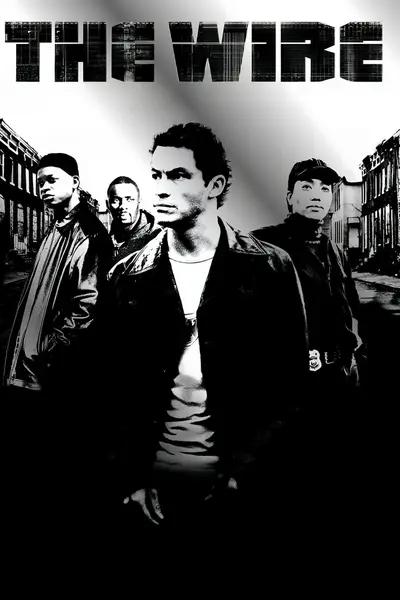
Crime drama reaches its apex in this sprawling examination of Baltimore's drug trade, police department, political system, and educational institutions. Creator David Simon, a former Baltimore journalist, constructs an ambitious five-season exploration that functions more as a novel than traditional television. The ensemble cast, including Dominic West, Idris Elba, Michael K. Williams, and Wendell Pierce, brings authenticity to characters that feel lived-in rather than written. Each season shifts focus to a different Baltimore institution while maintaining the through-line of drugs and crime, creating a comprehensive portrait of urban decay and systemic failure. The show refuses to offer easy answers or clear heroes, instead presenting a complex ecosystem where good intentions collide with institutional inertia. The pacing is deliberately methodical, rewarding patient viewers with rich character development and interconnected storylines. It's frequently cited as the greatest television series ever made, and that reputation is well-earned. Essential viewing for anyone who takes the medium seriously.
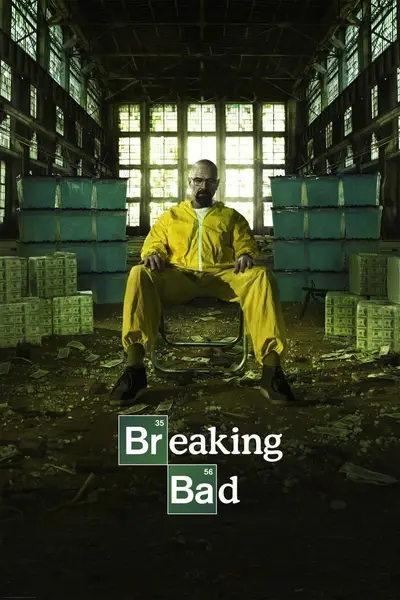
A high school chemistry teacher diagnosed with terminal cancer partners with a former student to cook methamphetamine, and what unfolds is nothing short of television perfection. Vince Gilligan's masterwork transforms Bryan Cranston's Walter White from mild-mannered educator to ruthless drug kingpin in the most meticulously crafted character study ever committed to screen. Aaron Paul's Jesse Pinkman provides the emotional core as Walt's partner, their toxic relationship driving five seasons of escalating tension and moral decay. The New Mexico setting becomes a character itself, with cinematography that turns the desert into something both beautiful and menacing. Every episode tightens the noose, every decision carries devastating consequences, and the writing never takes a single shortcut. This is what happens when every creative element aligns perfectly.
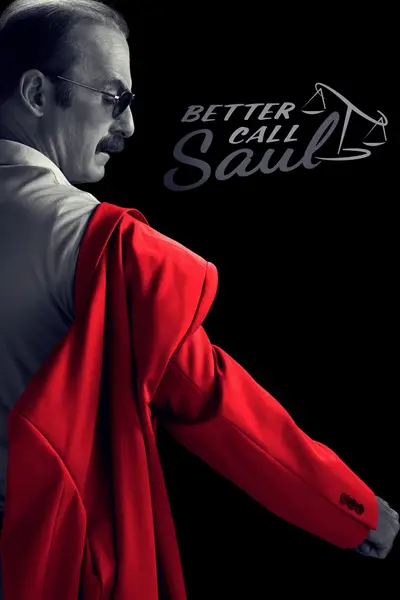
In this Breaking Bad prequel, Vince Gilligan and Peter Gould trace the transformation of small-time lawyer Jimmy McGill into the criminal attorney Saul Goodman with extraordinary patience and precision. Bob Odenkirk delivers career-best work as Jimmy, a man struggling between his desire for legitimacy and his natural gift for running cons. What makes this special isn't just the connection to its parent series—it's the meticulous character work, the stunning cinematography that rivals any prestige drama, and the way it explores morality in shades of gray rather than black and white. Rhea Seehorn's Kim Wexler emerges as an equally compelling co-lead, while Jonathan Banks brings depth to the Mike Ehrmantraut storyline. The pacing is deliberately measured, rewarding patient viewers with rich storytelling that proves prequels can stand as masterworks in their own right.

In late 1990s Buenos Aires, amid economic uncertainty and social tension, this groundbreaking series follows a group of young people who squat in an abandoned building and attempt to create their own community. Rodrigo de la Serna leads the ensemble as Ricardo, whose idealism gradually confronts harsh reality as the okupas movement faces eviction, internal conflicts, and the complexities of survival outside society's rules. Creator Bruno Stagnaro crafted something rare for Argentine television at the time—a gritty, uncompromising look at youth culture that felt authentic rather than sanitized. The series captures a specific moment in Buenos Aires history while telling a timeless story about belonging, disillusionment, and the space between youthful rebellion and adult responsibility. Its influence on Latin American television drama cannot be overstated.
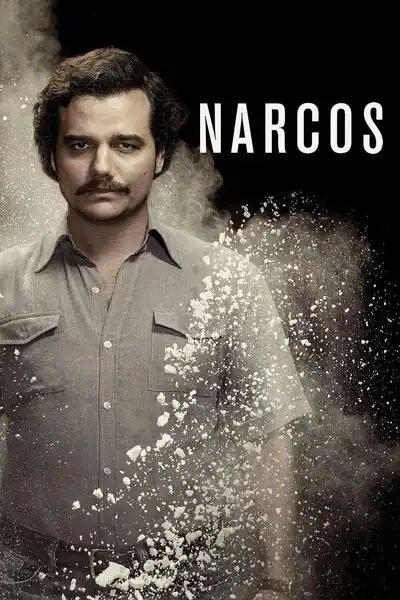
The rise and fall of Colombian drug lord Pablo Escobar provides the framework for this crime drama that delivers strong performances but struggles with uneven pacing. Creator Chris Brockman crafts a narco-thriller that stars Wagner Moura as the infamous kingpin, with Boyd Holbrook and Pedro Pascal as DEA agents pursuing him through 1980s Colombia. The documentary-style narration from Holbrook's character provides historical context, though it sometimes feels like a crutch when the drama should speak for itself. Moura's transformation into Escobar is genuinely impressive, capturing both the charm and ruthlessness that made him such a complex figure. However, the show occasionally glamorizes the violence it's depicting, and certain storylines meander when they should propel forward. The production values are solid and the Colombian locations add authenticity, but the series works better in bursts than as a sustained binge.
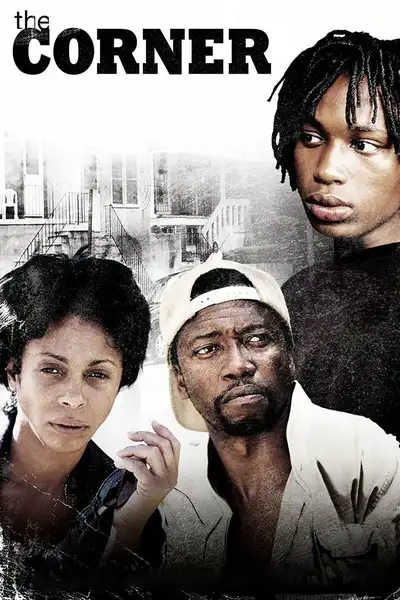
A year in the life of a West Baltimore family consumed by addiction forms the devastating foundation of this HBO mini-series. From producers David Simon and Ed Burns, who would later create The Wire, the show offers an unflinching examination of how drugs destroy individuals, families, and communities. The cast, including T.K. Carter, Khandi Alexander, and Sean Nelson, delivers raw, authentic performances that never feel like acting. Based on Simon's non-fiction book, the series follows the intertwined stories of users, dealers, and those trying to escape the cycle, presenting addiction as both personal tragedy and systemic failure. It's difficult viewing but essential, refusing to romanticize or simplify its subject matter while maintaining deep compassion for people trapped in circumstances that seem inescapable.

Dark, tense, and deliberately paced, this crime drama follows financial advisor Marty Byrde (Jason Bateman) as he relocates his family to Missouri's Lake of the Ozarks to launder money for a Mexican drug cartel. Created by Bill Dubuque and Mark Williams, the series excels at building suffocating atmosphere through its cold blue color palette and increasingly dire circumstances. Laura Linney matches Bateman scene for scene as Wendy Byrde, whose transformation from suburban housewife to ruthless operator provides some of the show's most compelling material. Julia Garner's Emmy-winning performance as local criminal Ruth Langmore elevates every episode she's in. However, the relentlessly bleak tone can become exhausting, and the show occasionally mistakes grimness for profundity. The plotting sometimes strains credibility as the Byrdes escape yet another impossible situation. While technically accomplished and well-acted, the series doesn't always justify its darkness with meaningful insight. It's competent prestige drama that works better in individual scenes than as a complete statement.
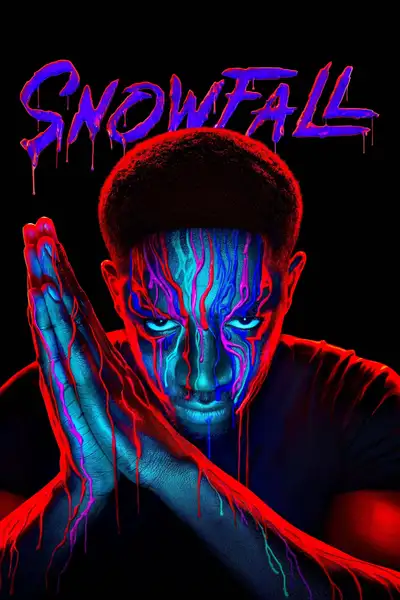
1980s Los Angeles provides the setting for this devastating crime drama that chronicles the crack cocaine epidemic's emergence and its destruction of South Central communities. Created by John Singleton, Eric Amadio, and Dave Andron, the series features career-defining performances from Damson Idris as ambitious dealer Franklin Saint and the ensemble surrounding him, including Isaiah John, Amin Joseph, and Angela Lewis. The show demonstrates meticulous attention to period detail and thoughtfully traces how the drug trade intersects with CIA operations, family bonds, and economic desperation. Unlike many crime dramas that glamorize the lifestyle, Snowfall consistently shows the human cost—broken families, shattered communities, and lives derailed. The writing is sharp, the character development earned, and the trajectory of Franklin's moral descent is both inevitable and heartbreaking. It's essential television that illuminates a crucial period in American history with intelligence and compassion.
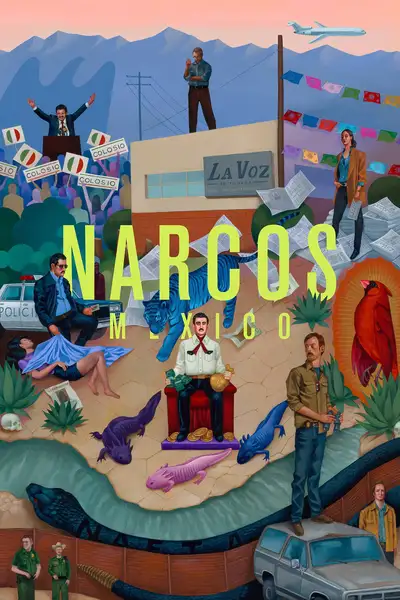
The rise of the Guadalajara Cartel in 1980s Mexico forms the backdrop for this Narcos spinoff, which attempts to explore how the modern drug trade began but doesn't quite achieve its predecessor's impact. Michael Peña and Diego Luna lead the cast, with Luna particularly strong as Miguel Ángel Félix Gallardo, the ambitious trafficker who united Mexican drug operations. Creator Carlo Bernard moves the action from Colombia to Mexico, and the production design effectively captures the period. However, the series occasionally feels repetitive, covering similar ground to the original Narcos with less compelling execution. The pacing drags in places, and some characters remain underdeveloped despite multiple seasons. When it focuses on the political and social complexities of Mexico's relationship with the drug trade, the show finds its footing, but it's inconsistent. Worth watching for fans of the franchise, though it lacks the original's urgency and focus.
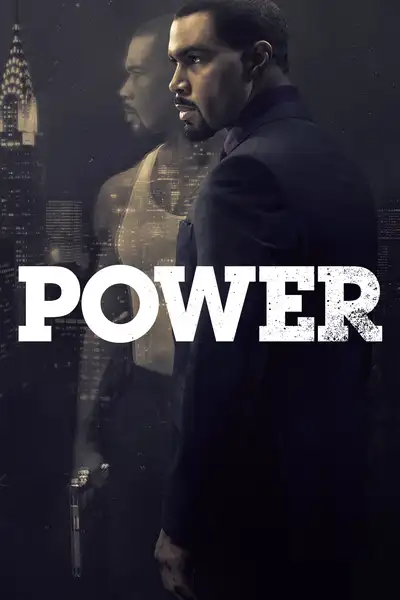
Courtney A. Kemp crafted this slick crime drama that follows James "Ghost" St. Patrick, a wealthy New York City nightclub owner who leads a double life as a major drug kingpin desperate to leave the criminal world behind and go legitimate. Omari Hardwick anchors the series with a charismatic performance, navigating Ghost's increasingly complicated attempts to balance his illegal empire, his marriage to Tasha (Naturi Naughton), his legitimate business ambitions, and a rekindled romance with his high school sweetheart Angela (Lela Loren), who happens to be a federal prosecutor. Executive produced by Curtis "50 Cent" Jackson, who also appears in a memorable supporting role, the show delivers stylish visuals and propulsive storytelling that keeps tensions high across multiple storylines. The series excels at exploring themes of loyalty, ambition, and identity while maintaining the twists and power plays that make prestige crime dramas so addictive.
In this series adapted from Roberto Saviano's book, the global cocaine trade is examined through three interconnected storylines spanning Mexico, Italy, and the United States. The ambitious structure follows the drug's journey from production to distribution, featuring performances from Gabriel Byrne, Andrea Riseborough, and Dane DeHaan. Directors Stefano Sollima, Pablo Trapero, and Janus Metz Pedersen bring distinct visual approaches to their respective segments, creating a deliberately fragmented viewing experience. The show's strength lies in its unglamorous portrayal of the drug trade's brutal economics, though the multiple storylines occasionally feel disconnected rather than complementary. At eight episodes, the pacing drags in places, and the bleak tone can become numbing. It's an ambitious crime drama with moments of real power, but the execution doesn't quite match the scope of its vision.
When an elite team discovers that reality itself might be a simulation designed to test humanity, they must decide whether to expose the truth or protect a comfortable lie. This high-concept thriller from creator Lee Seo-jin throws viewers into a mind-bending mystery where nothing can be taken at face value. The Korean production brings exceptional production values and tight plotting to philosophical questions about free will, consciousness, and the nature of existence. The ensemble cast navigates the increasingly complex conspiracy with conviction, grounding the heady concepts in genuine human emotion and moral dilemmas. What could easily become pretentious naval-gazing instead remains engaging and accessible, using its sci-fi premise to explore very real questions about control, choice, and what makes us human. The pacing keeps you hooked as layers of deception peel away, each revelation raising the stakes and deepening the mystery in satisfying ways.
Gripping, stylish, and anchored by a powerhouse lead performance, this crime drama follows Teresa Mendoza's transformation from girlfriend of a cartel member to a drug empire queenpin in her own right. Based on Arturo Pérez-Reverte's novel and adapted by M.A. Fortin and Joshua John Miller, the series stars Alice Braga in a revelatory performance that charts Teresa's evolution across five seasons. Beginning with her flight from Mexico to Texas after her boyfriend's murder, the show traces her calculated rise through the drug trade while exploring themes of survival, power, and the cost of ambition. The supporting cast, including Veronica Falcón and Hemky Madera, brings depth to the dangerous world Teresa navigates. While comparisons to other cartel dramas are inevitable, Queen of the South distinguishes itself through Braga's nuanced portrayal and its focus on a woman strategically claiming power in a male-dominated world. It's addictive, well-paced storytelling that builds to a satisfying conclusion.
Sleek, stylish, and utterly iconic, Michael Mann's crime drama redefined what television could look like and sound like in the 1980s. Don Johnson and Philip Michael Thomas star as Miami-Dade detectives Sonny Crockett and Ricardo Tubbs, undercover vice cops navigating the sun-soaked cocaine underworld of South Florida with designer stubble, pastel suits, and a Ferrari Daytona. Mann's cinematic approach—featuring New Wave soundtracks, moody cinematography, and real location shooting in Miami—elevated what could have been standard cop-show fare into something approaching visual poetry. The series doesn't shy from darkness, exploring addiction, corruption, and moral ambiguity with unusual sophistication for network television. While individual episode quality varies, the show's aesthetic influence cannot be overstated; virtually every crime drama that followed borrowed from Mann's template. Johnson brings surprising depth to Crockett's barely contained chaos, while the supporting cast—including Saundra Santiago and Olivia Brown—adds texture. It occasionally drowns in its own style, but when "Miami Vice" fires on all cylinders, it remains electrifying television.

Kim Jin-min directs this South Korean revenge thriller starring Han So-hee as Yoon Ji-woo, a young woman who infiltrates the police force to find her father's killer, all while secretly working for the crime syndicate he once belonged to. The series delivers brutal action sequences and a committed central performance, with Han convincingly transforming from grieving daughter to hardened fighter operating in two dangerous worlds. The premise promises moral complexity as Ji-woo navigates conflicting loyalties, though the execution doesn't always capitalize on its most interesting tensions. Some plot developments feel predetermined rather than earned, and supporting characters occasionally serve the mechanics of the conspiracy more than feeling like fully realized people. The fight choreography deserves credit for its intensity and the show's visual style is consistently striking. When focused on Ji-woo's internal conflict and physical journey, the series finds its footing, even if the broader narrative doesn't entirely stick the landing in its final episodes.
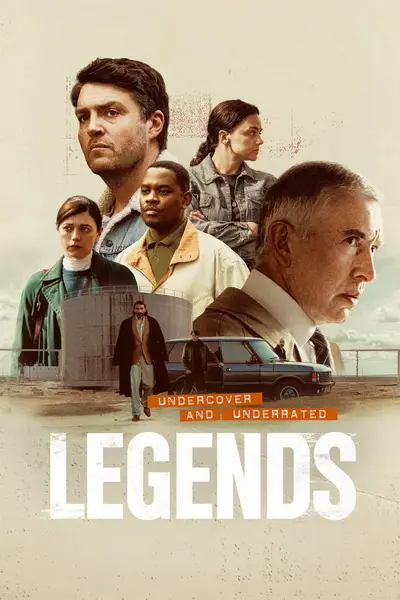
Dark, moody, and atmospheric, this crime thriller embraces its noir influences while carving out its own identity in the crowded detective genre. Legends follows a veteran detective whose investigation into a cold case reopens old wounds both professional and personal. Creator David Kane balances procedural elements with character study, giving equal attention to the mechanics of investigation and the psychological toll it takes on those seeking truth. The lead performance brings world-weariness without tipping into cliché, supported by a strong ensemble that populates this morally ambiguous world. The cinematography leans into shadows and rain-slicked streets, creating visual atmosphere that enhances rather than overwhelms the storytelling. While some plot developments follow familiar patterns, the execution elevates the material above standard crime fare. It's a solid addition to the detective drama landscape that rewards patient viewers.
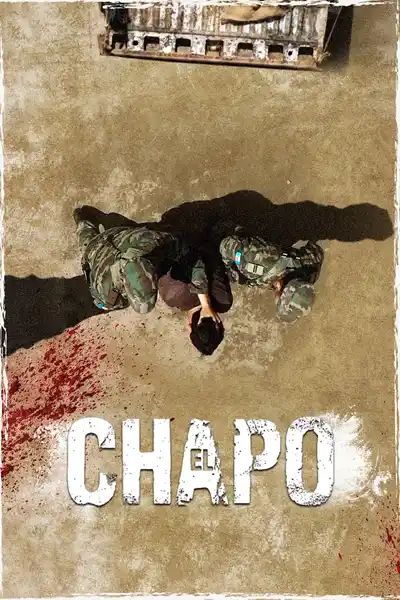
Marco de la O delivers a commanding performance as Joaquín "El Chapo" Guzmán in this gripping biographical crime series that traces the infamous drug lord's rise from humble beginnings to becoming one of the world's most powerful criminals. Created by Silvana Aguirre and Carlos Contreras, the show doesn't shy away from the brutality of the cartel world while maintaining a compelling narrative that explores the complexities of Guzmán's life and empire. The production values are impressive, with authentic locations and careful attention to historical detail that grounds the story in reality. The supporting cast is strong, and the series manages to maintain tension even when viewers know the general trajectory of events. It's a fascinating and well-executed look at one of modern history's most notorious figures.

Creator Jens Lapidus returns to the world of his bestselling novels with this Swedish series that offers slick production values but uneven storytelling. The show follows Leya, a single mother and ambitious businesswoman who gets drawn into Stockholm's criminal underworld while trying to launch her startup. The cast, including Evin Ahmad in the lead role, delivers strong performances that elevate material that sometimes feels familiar to anyone who's watched crime dramas. The series effectively captures contemporary Stockholm's contrast between gleaming corporate offices and gritty street-level crime, though it doesn't always dig as deep into class tensions as it seems to promise. Some episodes crackle with tension while others meander through subplots that don't quite connect. The production design is consistently impressive, giving the show a cinematic polish that keeps it watchable even when the writing falters. Fans of Nordic noir will find elements to appreciate, particularly the morally complex characters, but it doesn't quite reach the heights of the genre's best offerings.
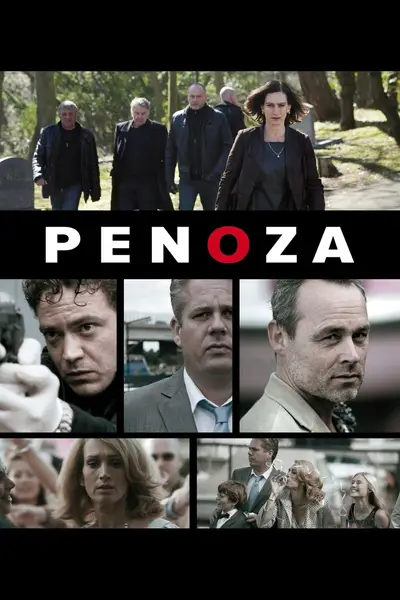
Creator Pieter Bart Korthuis developed this Dutch crime drama that follows a suburban widow who must take over her husband's criminal empire after his sudden death, navigating a dangerous world she never knew existed. Monic Hendrickx delivers an outstanding performance as Carmen van Walraven, transforming from shocked housewife to calculating operator without losing the character's essential humanity. The series excels at exploring the moral compromises required to protect family while operating outside the law, creating genuine tension between Carmen's maternal instincts and survival necessities. The supporting cast, including Sigrid ten Napel and Stijn Taverne, populates Amsterdam's criminal underworld with memorable characters. The writing avoids easy answers, instead presenting the messy reality of someone learning brutal lessons on the fly while trying to shield her children from the truth. It's intelligent crime drama that earned international adaptations for good reason, proving that family dynamics and criminal enterprise make for compelling, complex television.
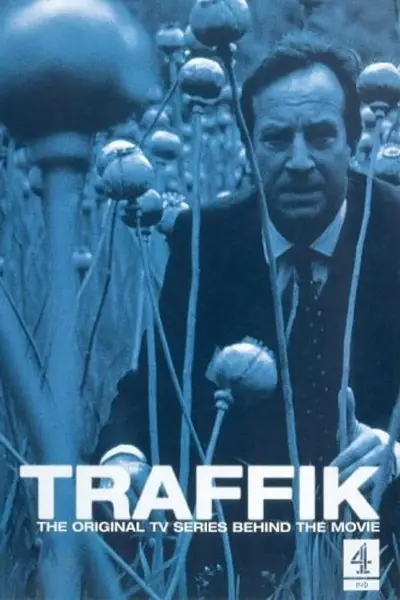
This ambitious British miniseries examines the interconnected global networks of heroin trafficking, tracing the drug's journey from poppy fields to European streets and the many lives it destroys along the way. Created by Simon Moore, Traffik was groundbreaking for its scope and complexity, following multiple storylines across continents including a German politician, a British heroin addict, a Pakistani farmer, and various traffickers. The ensemble cast, including Bill Paterson and Lindsay Duncan, delivers powerful performances that humanize the drug trade's victims and participants without oversimplifying the issues. While the production shows its 1989 origins, the storytelling remains gripping and the thematic exploration of how economic desperation, political corruption, and addiction intersect feels sadly timeless. The series later inspired Steven Soderbergh's film Traffic, testament to its influential approach to depicting the drug war's futility and human cost.
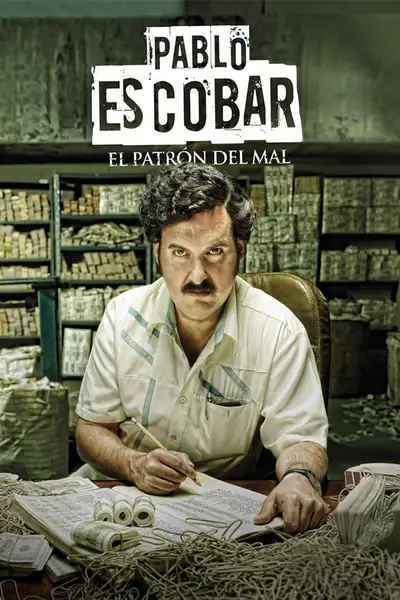
This biographical crime drama chronicles the rise and reign of Colombia's most infamous drug trafficker, covering familiar territory in the narco-genre with mixed results. Andrés Parra stars as Pablo Escobar in a performance that captures the drug lord's charisma and brutality across dozens of episodes. Created by Carlos Moreno, Camilo Cano, and Esteban Torres, the Colombian production offers local perspective on events often depicted through American eyes, though the extended episode count sometimes works against narrative momentum. The series details Escobar's transformation from small-time smuggler to cartel leader, including his political ambitions and eventual status as one of the world's most wanted criminals. Production values are solid if not spectacular, and the show benefits from shooting in actual Colombian locations. However, the exhaustive approach to its subject's life creates stretches that feel repetitive, and the moral perspective on Escobar himself can seem uncertain. It's comprehensive rather than essential viewing on a well-documented criminal figure.