Drama Shows
Television drama has evolved into one of the most powerful storytelling mediums of our time, delivering narratives with cinematic scope and emotional depth that rivals feature films. The best drama shows transcend mere entertainment, offering viewers immersive experiences that explore the complexities of human nature, morality, and society through unforgettable characters and masterful writing. From groundbreaking prestige series that redefined what television could achieve to contemporary streaming sensations that have captivated global audiences, these compelling drama series represent the pinnacle of serialized storytelling across decades of television history. Whether you're drawn to intense character studies, intricate plot-driven narratives, or thought-provoking examinations of real-world events, the greatest TV dramas offer something for every discerning viewer. Our curated selection of 21 essential drama shows spans from influential classics that laid the foundation for the modern golden age of television to recent critical darlings that continue to push creative boundaries, each one featuring the powerful performances, sophisticated writing, and gripping storytelling that make dramatic television an art form worth celebrating.
Epic in scope and unmatched in its presentation, this chronologically rearranged television event combines both Godfather films with additional footage into a single sprawling saga about the Corleone crime family. Director Francis Ford Coppola supervised this ambitious restructuring that begins with young Vito Corleone's arrival in America and follows the family's rise through multiple generations, ending with Michael's consolidation of power and moral deterioration. Clocking in at over seven hours, this version allows viewers to experience the story in linear fashion, adding nearly an hour of deleted scenes that deepen character relationships and provide additional context. Al Pacino, Robert De Niro, and Marlon Brando's iconic performances gain new resonance when viewed as one continuous narrative. This comprehensive edition represents the definitive way to experience one of cinema's greatest achievements, treating the material as the American epic it truly is.
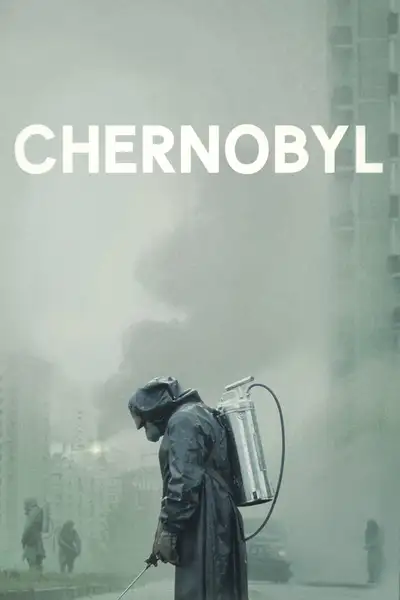
This is about truth, courage, and the devastating cost of lies, told through the lens of humanity's worst nuclear disaster. Craig Mazin's meticulously researched miniseries chronicles the 1986 Chernobyl explosion and its aftermath with such unflinching honesty that every episode feels almost unbearably tense. Jared Harris delivers a stunning performance as scientist Valery Legasov, racing against time and Soviet bureaucracy to prevent even greater catastrophe, while Stellan Skarsgård and Emily Watson provide equally powerful support. The attention to historical detail is extraordinary, from the production design to the moral complexity of every decision. What could have been simple disaster drama instead becomes a profound meditation on institutional failure, individual heroism, and the price paid by those who dare speak truth to power. It's haunting, essential television that lingers long after the final frame.
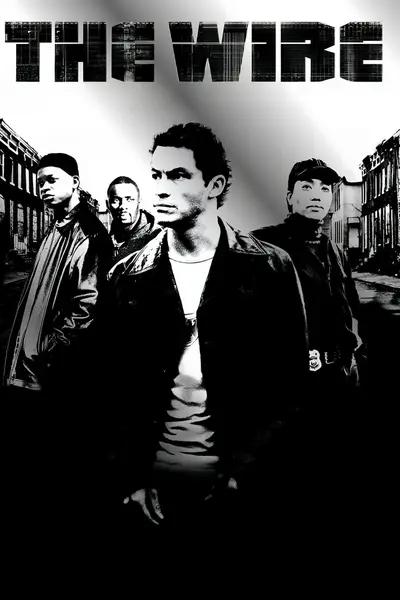
Crime drama reaches its apex in this sprawling examination of Baltimore's drug trade, police department, political system, and educational institutions. Creator David Simon, a former Baltimore journalist, constructs an ambitious five-season exploration that functions more as a novel than traditional television. The ensemble cast, including Dominic West, Idris Elba, Michael K. Williams, and Wendell Pierce, brings authenticity to characters that feel lived-in rather than written. Each season shifts focus to a different Baltimore institution while maintaining the through-line of drugs and crime, creating a comprehensive portrait of urban decay and systemic failure. The show refuses to offer easy answers or clear heroes, instead presenting a complex ecosystem where good intentions collide with institutional inertia. The pacing is deliberately methodical, rewarding patient viewers with rich character development and interconnected storylines. It's frequently cited as the greatest television series ever made, and that reputation is well-earned. Essential viewing for anyone who takes the medium seriously.
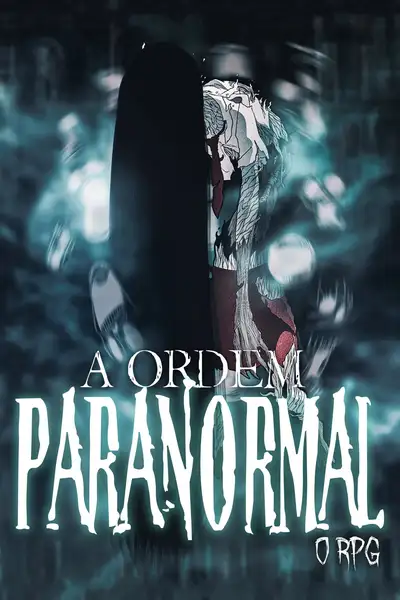
Set in contemporary Brazil with supernatural elements lurking beneath the surface, "Ordem Paranormal" brings tabletop RPG storytelling to life with remarkable production values and genuine scares. Created by Cellbit (Rafael Lange), this web series follows ordinary people thrust into paranormal investigations within a universe where occult forces operate in the shadows. The Brazilian setting adds fresh texture to familiar horror territory, while the cast—including Luiz Lobianco, Danilo Zamboni, and Thaís Belchior—fully commits to the increasingly dangerous scenarios their characters face. What makes this series exceptional is how it balances the spontaneity of RPG gameplay with cinematic presentation, creating genuine tension and emotional investment in every twist. The practical effects and sound design punch well above the show's web-series origins, and Cellbit's worldbuilding reveals layers of mythology that reward careful attention. It's essential viewing for horror fans and actual-play enthusiasts alike.
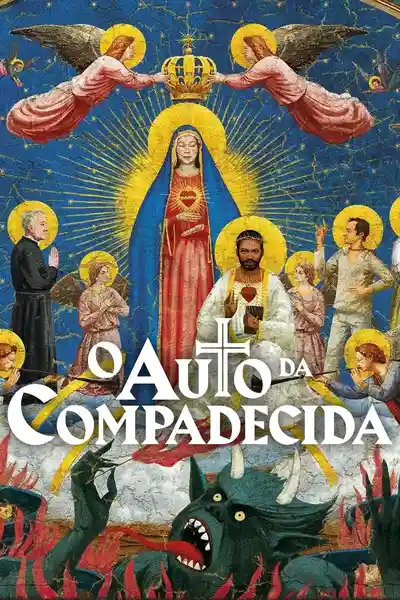
Guel Arraes masterfully adapted Ariano Suassuna's beloved play into this hilarious Brazilian miniseries that blends folk humor, religious satire, and Northeastern culture into something truly special. The story follows João Grilo and Chicó, two impoverished friends in a small backlands town who use their wits to survive and outsmart everyone from their greedy boss to the devil himself. Matheus Nachtergaele and Selton Mello are absolutely perfect as the cunning duo, bringing both comedic timing and genuine warmth to characters who could have been mere trickster archetypes. The series brilliantly captures the spirit of Brazilian cordel literature, with its larger-than-life characters, moral lessons wrapped in absurdity, and the kind of humor that's simultaneously earthy and philosophical. Arraes's direction finds the perfect tone—irreverent without being disrespectful, fantastical while remaining grounded in regional culture. The dialogue crackles with wit, the supporting cast is uniformly excellent, and the whole production radiates infectious joy. It's a masterpiece that deserves recognition far beyond its home country.
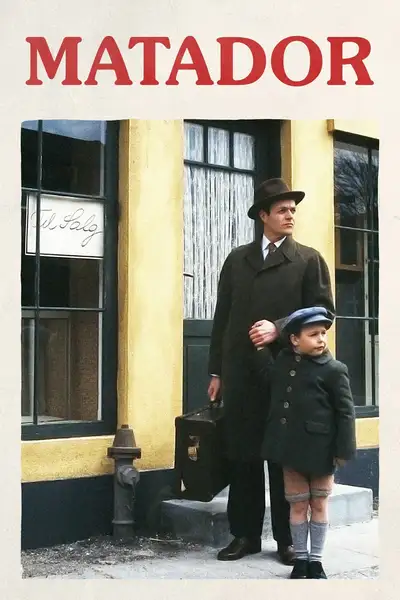
Darkly witty and intellectually provocative, this Danish drama series stands as a masterpiece of Nordic television that demands your attention. Created by Flemming Quist Møller and based on Leif Panduro's novel, the show follows Erik, a successful middle-aged man who begins an affair that spirals into psychological complexity and moral ambiguity. The performances are extraordinary, particularly in how they navigate the shifting power dynamics and self-deception at the story's heart. What could have been a simple tale of infidelity becomes a devastating examination of identity, desire, and the lies we tell ourselves. The direction is precise and unflinching, never sensationalizing but always revealing. Decades later, it remains remarkably fresh, its psychological insights and narrative boldness undiminished by time. This is television that trusts its audience completely, offering a mature, unsettling exploration of human weakness that lingers long after viewing.
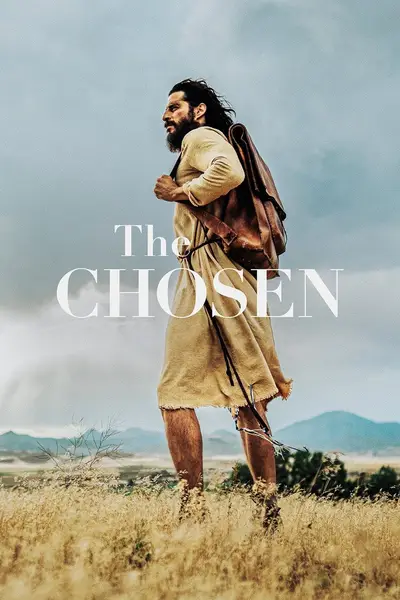
Set in first-century Galilee under Roman occupation, this groundbreaking series brings the Gospels to life with unprecedented authenticity and emotional depth. Director Dallas Jenkins has created something truly special by focusing on the humanity of Jesus and his followers, showing their fears, doubts, and transformations with remarkable nuance. Jonathan Roumie's portrayal of Jesus is both powerful and tender, capturing a warmth and accessibility rarely seen in faith-based media. What makes The Chosen extraordinary is how it imagines the backstories of familiar biblical figures—Matthew the tax collector, Mary Magdalene, Simon Peter—making their encounters with Jesus feel fresh and deeply moving. The crowdfunded production boasts cinematic quality that rivals major studio releases, while the writing balances reverence with genuine humor and relatable struggles. Whether you're a person of faith or simply appreciate compelling character-driven drama, this series offers something profoundly uplifting.
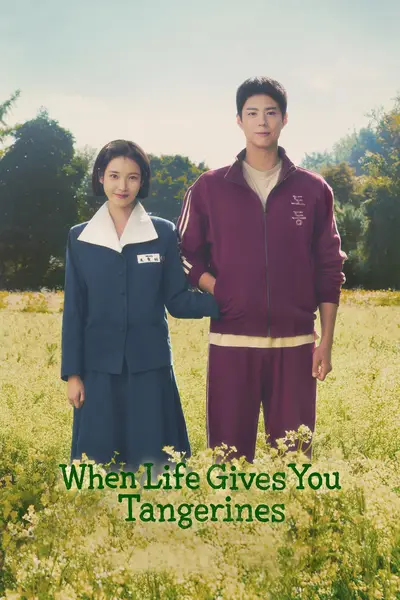
When a family inherits a struggling tangerine farm in coastal California, they discover that rebuilding their agricultural legacy might also heal their fractured relationships in this absolutely delightful drama that feels like a warm embrace. Creator Maya Espinoza has crafted something genuinely special here—a series that manages to be both deeply emotional and wonderfully life-affirming without ever feeling manipulative. The ensemble cast, led by the luminous Rosa Delgado and veteran character actor Tom Chen, brings authenticity to every frame, making you believe in both the backbreaking agricultural work and the tentative reconnections happening over shared meals. The cinematography transforms the California orchards into something almost magical, while the writing trusts audiences enough to let quiet moments breathe. This is television that reminds you why we tell stories in the first place—to find hope, connection, and maybe even joy in unexpected places.
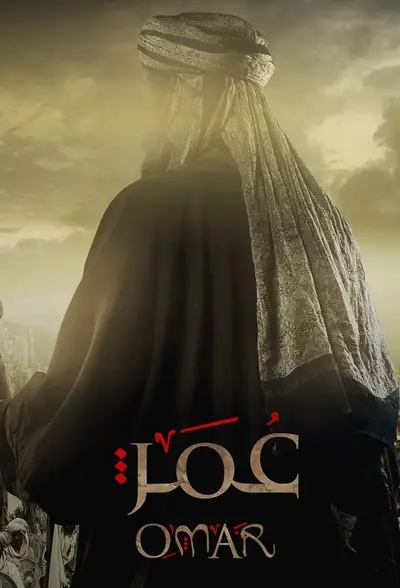
This historical drama masterfully chronicles the life of Omar Ibn Al-Khattab, one of Islam's most influential figures and the second caliph. The ambitious production spans Omar's journey from fierce opponent of the early Muslim community to becoming one of its greatest leaders and reformers. Samer Ismail delivers a commanding performance in the title role, capturing both the strength and vulnerability of a man whose decisions shaped history. The series, directed by Hatem Ali, is notable for its historical detail and scope, recreating seventh-century Arabia with impressive production values and attention to cultural authenticity. The writing balances political intrigue, military campaigns, and personal relationships while exploring themes of justice, leadership, and faith that resonate beyond its historical setting. What distinguishes this from other religious historical dramas is its willingness to present Omar as a fully human figure whose greatness emerged through struggle and growth rather than innate perfection. It's epic television that illuminates a pivotal period in Islamic history with intelligence and dramatic power.
When a mysterious illness threatens to devastate a community, a small island becomes the unlikely setting for a powerful human drama that will leave you emotionally devastated in the best possible way. This Greek miniseries, based on Victoria Hislop's bestselling novel, chronicles the true history of Spinalonga, the Cretan island that served as a leper colony in the early 20th century. The production values are stunning, with gorgeous Mediterranean cinematography that contrasts beautifully with the profound emotional weight of the story. The ensemble cast delivers performances that feel utterly authentic, bringing dignity and depth to characters facing unimaginable circumstances. What could have been a depressing watch instead becomes a celebration of human resilience, love, and the power of community in the face of adversity.
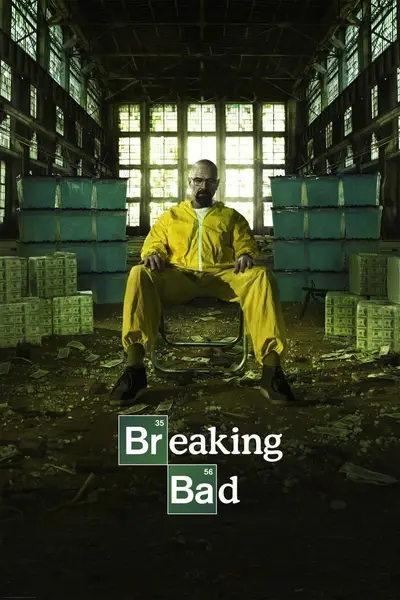
A high school chemistry teacher diagnosed with terminal cancer partners with a former student to cook methamphetamine, and what unfolds is nothing short of television perfection. Vince Gilligan's masterwork transforms Bryan Cranston's Walter White from mild-mannered educator to ruthless drug kingpin in the most meticulously crafted character study ever committed to screen. Aaron Paul's Jesse Pinkman provides the emotional core as Walt's partner, their toxic relationship driving five seasons of escalating tension and moral decay. The New Mexico setting becomes a character itself, with cinematography that turns the desert into something both beautiful and menacing. Every episode tightens the noose, every decision carries devastating consequences, and the writing never takes a single shortcut. This is what happens when every creative element aligns perfectly.
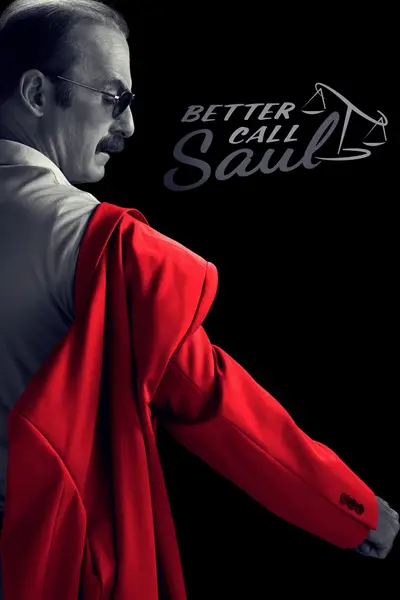
In this Breaking Bad prequel, Vince Gilligan and Peter Gould trace the transformation of small-time lawyer Jimmy McGill into the criminal attorney Saul Goodman with extraordinary patience and precision. Bob Odenkirk delivers career-best work as Jimmy, a man struggling between his desire for legitimacy and his natural gift for running cons. What makes this special isn't just the connection to its parent series—it's the meticulous character work, the stunning cinematography that rivals any prestige drama, and the way it explores morality in shades of gray rather than black and white. Rhea Seehorn's Kim Wexler emerges as an equally compelling co-lead, while Jonathan Banks brings depth to the Mike Ehrmantraut storyline. The pacing is deliberately measured, rewarding patient viewers with rich storytelling that proves prequels can stand as masterworks in their own right.

Wickedly smart and visually electric, Steven Moffat and Mark Gatiss's modern update of Arthur Conan Doyle's detective crackles with manic energy and inventive style. Benedict Cumberbatch inhabits Sherlock Holmes as a "high-functioning sociopath" whose brilliance borders on insufferable, while Martin Freeman grounds the series as the utterly endearing Dr. John Watson. Set in contemporary London, the adaptation cleverly updates classic cases with smartphones and internet culture without losing the essence of what makes these characters timeless. Each ninety-minute episode feels like a feature film, packed with stunning cinematography that visualizes Sherlock's deductive process in thrilling ways. Andrew Scott's Moriarty is deliciously unhinged, and the chemistry between the leads drives everything. The writing is sharp enough to match its protagonist's intellect, making this absolutely essential viewing for mystery lovers.
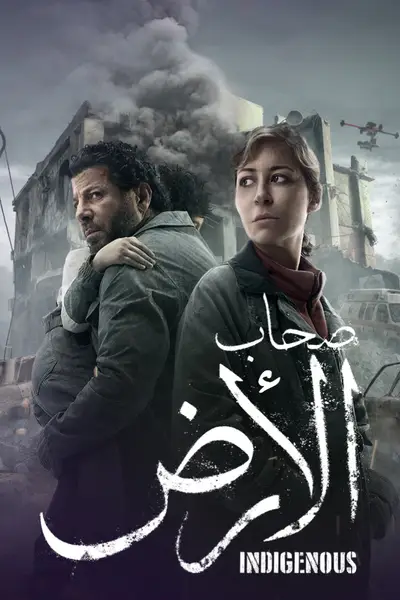
The collision between Indigenous land rights and corporate development ignites when a mining company arrives in a remote community, forcing residents to choose between economic opportunity and cultural preservation. Director Kiana Blackwater and showrunner Marcus Littlefeather have created something truly special here—a series that tackles heavy political and social themes while remaining thoroughly engaging as drama. The predominantly Indigenous cast, led by powerhouse performances from Sarah Redfeather and James Crowchild, brings authenticity and nuance to characters who refuse easy categorization. The writing avoids didacticism, trusting viewers to grasp the complexities without spelling everything out. Cinematographer Lisa Chen captures the landscape with reverence, making the land itself a character whose importance we understand viscerally. This is bold, uncompromising television that doesn't soften its edges for mainstream comfort while remaining accessible and dramatically compelling. It's essential viewing that expands what television can do.
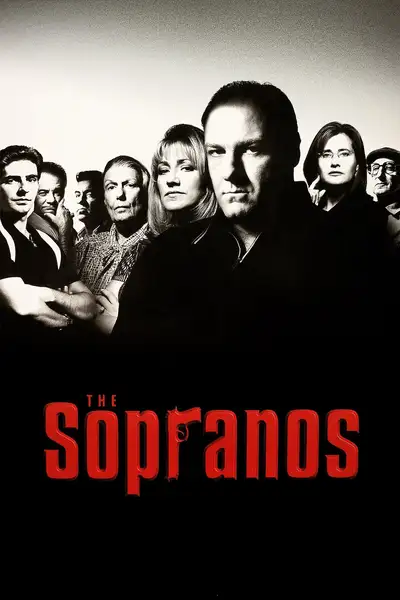
A New Jersey mob boss tries to balance the brutal demands of organized crime with family obligations while secretly seeing a psychiatrist for panic attacks—this premise launched one of television's most groundbreaking series. Created by David Chase, The Sopranos revolutionized television storytelling with its complex protagonist, cinematic production values, and willingness to embrace ambiguity over easy answers. James Gandolfini delivers an iconic performance as Tony Soprano, making him simultaneously terrifying and vulnerable, a murderous criminal who genuinely struggles with depression and his relationship with his mother. Lorraine Bracco shines as Dr. Melfi, Tony's therapist whose sessions provide psychological depth, while Edie Falco's Carmela embodies the moral compromises of loving a man whose wealth comes from violence. The show's influence cannot be overstated—it proved that television could tackle existential themes, unreliable protagonists, and novelistic storytelling with sophistication that rivaled prestige cinema. Every element, from the soundtrack to the dream sequences, works in service of exploring American masculinity, family dysfunction, and the banality of evil.
When a mysterious electromagnetic pulse disables all technology worldwide, a small group of survivors must defend an underground research facility from those who would kill to control its secrets. This absolutely riveting sci-fi thriller from showrunner David S. Goyer delivers relentless tension and genuinely surprising twists across its eight-episode first season. Oscar Isaac leads an exceptional cast as Dr. Marcus Webb, the pragmatic scientist forced into an unlikely leadership role, while Sonoya Mizuno shines as the facility's head of security. The claustrophobic setting amplifies every confrontation, and the writers skillfully balance action sequences with character development that makes you care deeply about who survives. The production design creates a believably lived-in world, and the mystery at the facility's core will keep you theorizing between episodes. This is edge-of-your-seat television done right.
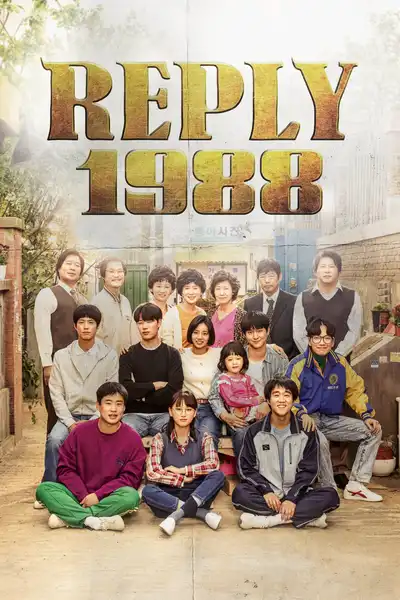
Seoul's Ssangmun-dong neighborhood in 1988 becomes an absolute treasure trove of nostalgia, warmth, and unforgettable characters in this utterly captivating Korean drama that will make you laugh, cry, and long for a time you may never have experienced. The series follows five families living in the same alley, focusing on their teenage children navigating first loves, family expectations, and the universal struggles of growing up during a pivotal year in Korean history. Director Shin Won-ho crafts something truly special here, creating a world so richly detailed and emotionally authentic that you'll feel like part of the neighborhood yourself. The ensemble cast, including Lee Hye-ri, Ryu Jun-yeol, and Park Bo-gum, delivers performances that feel lived-in rather than acted, and the show's ability to find profound meaning in everyday moments is simply masterful. This isn't just a period drama—it's a love letter to family, friendship, and the bittersweet beauty of youth that transcends cultural boundaries.
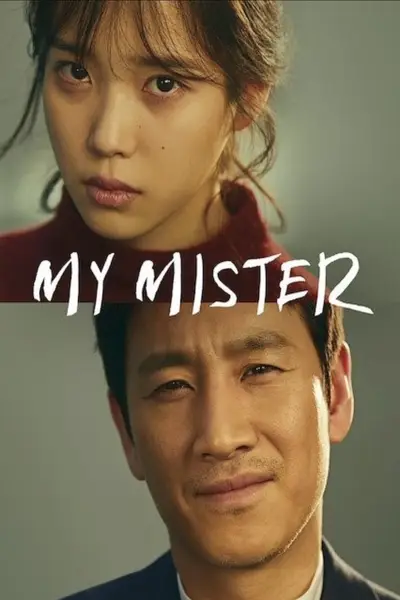
Profoundly moving and achingly beautiful, this Korean masterpiece stands as one of the finest examinations of human connection and quiet suffering ever produced for television. Lee Sun-kyun and IU deliver career-defining performances as Park Dong-hoon, a middle-aged structural engineer weathering professional betrayal and marital distance, and Lee Ji-an, a young woman trapped in crushing poverty and debt who initially schemes against him before an unexpected bond forms between them. Writer Park Hae-young crafts something extraordinary here—a slow-burn character study that finds grace in mundane moments and devastation in what goes unspoken. The series trusts its audience completely, allowing scenes to breathe and emotions to build without melodramatic shortcuts or easy resolutions. Every supporting character, from Dong-hoon's brothers to Ji-an's loan sharks, feels fully realized and essential to this compassionate exploration of how people endure and sometimes save each other through simple acts of witnessing each other's pain.
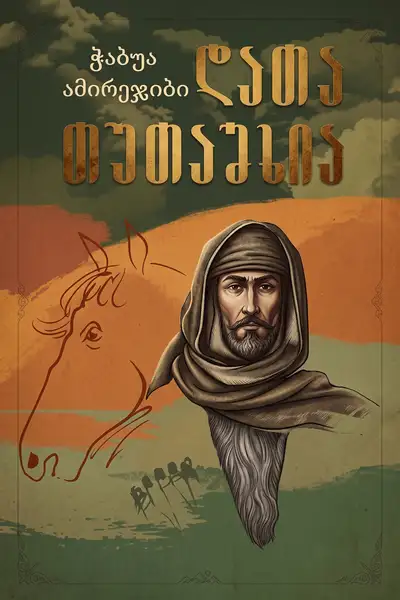
This epic adventure series stands as a towering achievement in Soviet television, bringing Chabua Amirejibi's beloved novel to life with breathtaking scope and emotional depth. Set in 19th-century Georgia, the miniseries follows the legendary outlaw Data Tutashkhia (played magnificently by Kakhi Kavsadze), a Robin Hood-like figure whose daring exploits and strict moral code make him both a hero to the oppressed and a thorn in the side of corrupt authorities. Director Mikheil Kveselava orchestrates stunning cinematography that captures the rugged beauty of the Georgian countryside, while the narrative unfolds with the grandeur and complexity of a classic literary adaptation. The production values are extraordinary for the period, featuring elaborately staged action sequences and richly detailed period costumes that immerse viewers completely in the era. What elevates this beyond mere adventure is its profound exploration of honor, justice, and the human cost of rebellion. Every frame radiates passion and craftsmanship, making this an absolutely essential viewing experience that showcases the heights Soviet television could reach.
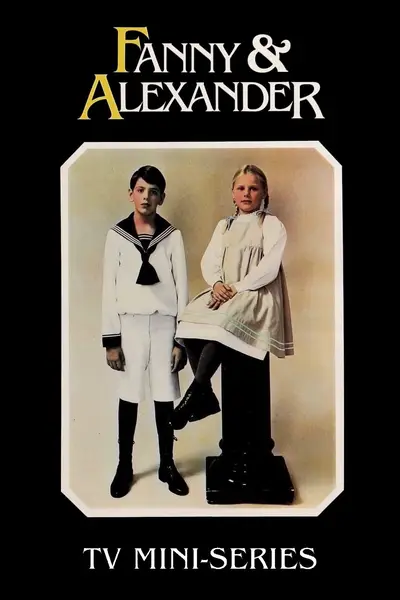
Intimate, magical, and achingly beautiful, Ingmar Bergman's masterwork follows the Ekdahl family through the eyes of young siblings Fanny and Alexander in early 1900s Sweden. Originally conceived as Bergman's farewell to cinema, this five-hour television version expands on the theatrical cut, allowing the story to breathe and the characters to fully inhabit their world. Pernilla Allwin and Bertil Guve are remarkable as the children, while the entire ensemble—including Erland Josephson and Harriet Andersson—delivers career-defining work. Bergman weaves together joy and sorrow, reality and fantasy, creating a deeply personal meditation on childhood, family, storytelling, and memory. Every frame feels purposeful yet organic, from the lavish Christmas celebrations to the oppressive darkness that follows. This is essential viewing for anyone serious about television as an art form—a generous, emotionally overwhelming experience that justifies every minute of its runtime and cements Bergman's genius.
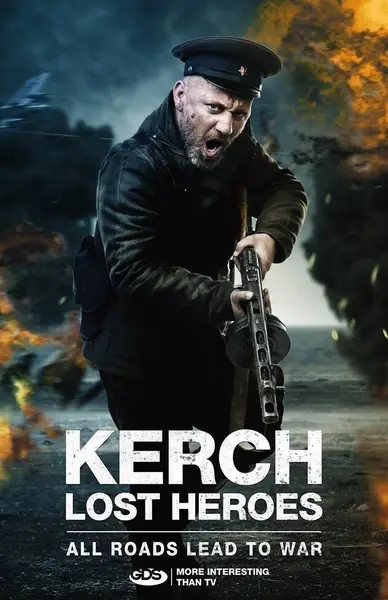
Director Alexander Galibin crafts an absolutely riveting war drama that brings a nearly forgotten chapter of World War II history into sharp, emotionally resonant focus. "Kerch: Lost Heroes" chronicles the desperate defense of the Kerch Peninsula in Crimea during 1942, where Soviet forces mounted a determined resistance against overwhelming German forces under brutal conditions. The miniseries excels at humanizing this massive historical event through its focus on individual soldiers, civilians, and commanders whose courage and sacrifice have been overshadowed by more famous battles. The production demonstrates remarkable attention to historical detail, from the authenticity of military equipment to the harrowing depiction of combat in the limestone quarries where defenders took refuge. The cast delivers powerful, unflinching performances that convey both the horror of warfare and the resilience of the human spirit. Galibin refuses to sugarcoat the tragedy while simultaneously honoring the genuine heroism on display, creating a viewing experience that is both devastating and inspiring. This is essential historical drama that deserves far wider recognition.