Dark Comedy Shows
When laughter meets the darkest corners of human experience, something wickedly entertaining emerges—and dark comedy shows have mastered this delicate balance like no other genre. These boundary-pushing series invite viewers to find humor in life's most uncomfortable truths, from mortality and moral ambiguity to family dysfunction and existential dread. The best dark comedy shows don't just make you laugh; they force you to question why you're laughing, blending razor-sharp wit with unflinching examinations of taboo subjects that mainstream comedies wouldn't dare touch. Whether you're drawn to pitch-black satire, morbid humor, or stories that find absurdity in tragedy, this collection of 21 exceptional dark comedy series spans decades of television excellence. From acclaimed recent hits that have redefined what comedy can be to groundbreaking shows that paved the way for today's fearless storytelling, each entry proves that sometimes the funniest moments come from the places we're least comfortable exploring. Prepare to embrace the cynicism, celebrate the dysfunction, and discover why audiences can't resist these brilliantly twisted series that make the macabre surprisingly hilarious.

George "Joji" Miller brings his unhinged alter ego Filthy Frank to life in this absolutely wild comedy series that became a cult phenomenon on YouTube. The show throws conventional comedy out the window, embracing deliberately offensive humor, surreal sketches, and a bizarre cast of recurring characters including Pink Guy and Salamander Man. Miller's fearless commitment to the absurd created something genuinely unique in the online comedy space, spawning countless memes and catchphrases that dominated internet culture. While definitely not for everyone—the humor is crude, chaotic, and often crosses lines most shows wouldn't dare approach—it's impossible to deny the show's creative energy and cultural impact. If you appreciate boundary-pushing comedy that revels in its own weirdness, this series delivers an unforgettable experience that helped define a generation of internet humor.
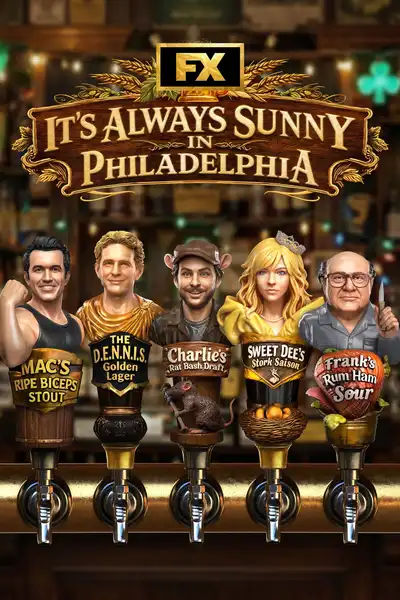
Irreverent, gleefully offensive, and somehow still running strong after nearly two decades, this comedy about terrible people doing terrible things in Philadelphia has carved out its own unique space in television history. Creator Rob McElhenney stars alongside Charlie Day, Glenn Howerton, Kaitlin Olson, and Danny DeVito as a group of narcissistic bar owners whose schemes inevitably backfire in spectacular fashion. What makes the show exceptional is its willingness to push boundaries while never asking you to sympathize with its protagonists—they're awful people, and that's precisely the point. The comedy is dark, absurdist, and frequently uncomfortable, tackling everything from social issues to personal delusions with equal satirical fervor. The cast's chemistry is phenomenal, with each actor understanding exactly how to play their character's specific brand of selfishness. It's comedy that refuses to play safe, and its longevity proves there's an appetite for humor this sharp and uncompromising.
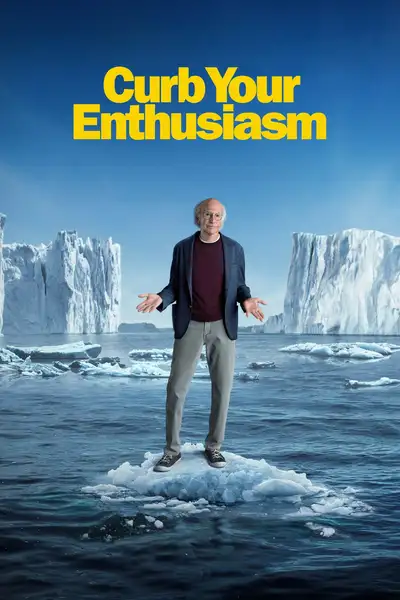
In this masterpiece of awkward comedy, Larry David plays a fictionalized version of himself navigating the petty annoyances and unspoken social rules of Los Angeles life with spectacular results. David's commitment to mining discomfort from everyday situations—restaurant etiquette, gift-giving protocol, casual conversations gone sideways—creates a show that's simultaneously relatable and absurdist. The largely improvised dialogue gives the ensemble cast, including Jeff Garlin, Susie Essman, and Cheryl Hines, room to find surprising comedic beats in mundane confrontations. What makes the series exceptional is how it validates our most uncharitable impulses while demonstrating exactly why we suppress them. Two decades in, it remains remarkably consistent in quality, a rare feat for any comedy series, proving that Larry's particular brand of social catastrophe never gets old.
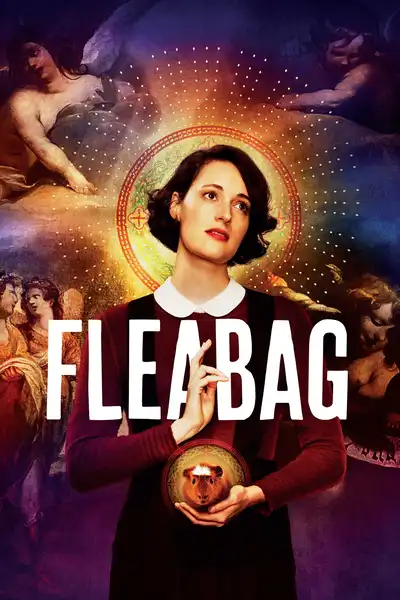
Irreverent, raw, and devastatingly funny, this British comedy finds profound truths in life's most uncomfortable moments while maintaining an intimate connection with its audience. Phoebe Waller-Bridge writes, creates, and stars as the unnamed protagonist navigating grief, family dysfunction, and London's dating scene, all while breaking the fourth wall to share her most mortifying thoughts. What begins as a sharp comedy about a messy woman making questionable choices gradually reveals deeper wells of pain and longing underneath the caustic humor. The second season, featuring Andrew Scott's "Hot Priest," elevates the series into something transcendent—a meditation on connection, faith, and the stories we tell ourselves. Waller-Bridge's performance is extraordinary, conveying volumes with just a glance at the camera. The show respects its audience's intelligence, trusting viewers to understand what's left unsaid. It's a masterclass in economy of storytelling, saying more in twelve episodes than many shows manage in five seasons.

Dark, profound, and unexpectedly funny, this series about a family-run funeral home stands as one of television's most emotionally intelligent achievements. Creator Alan Ball crafts a meditation on mortality that never feels morbid, following the Fisher family as they navigate death professionally while struggling with life personally. Peter Krause, Michael C. Hall, Frances Conroy, and Lauren Ambrose form an ensemble that feels lived-in from the first episode, each actor finding layers in their complicated, often frustrating characters. The show's willingness to let people be messy and contradictory while treating them with compassion creates something rare: a family drama that earns its emotional moments through accumulated truth rather than manipulation. Its series finale remains a masterclass in bringing stories to close, delivering catharsis that feels both devastating and exactly right.
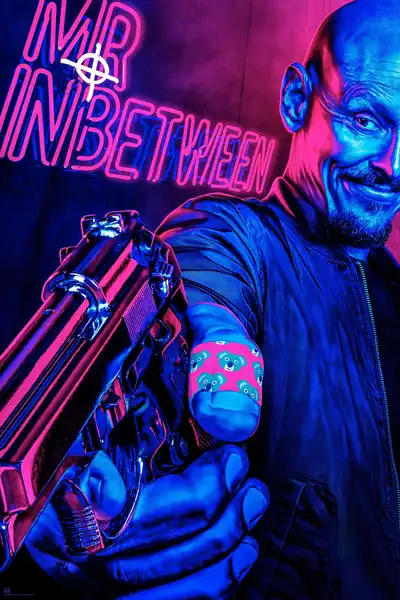
Set in contemporary Sydney, this dark Australian dramedy follows the double life of Ray Shoesmith, and it's an absolute revelation. Scott Ryan, who created and stars in the series, brings remarkable nuance to a hitman who navigates brutal contract killings alongside the mundane challenges of parenting, dating, and family obligations. The show's genius lies in its tonal balance—one moment Ray is casually disposing of a body, the next he's nervously meeting his girlfriend's parents or struggling to connect with his daughter. Nash Edgerton's direction keeps things grounded and authentic, avoiding both glorification and moralizing. The supporting cast, including Justin Rosniak as Ray's best mate Gary, adds depth to this singular character study that treats violence with shocking matter-of-factness while finding genuine comedy and pathos in the spaces between.
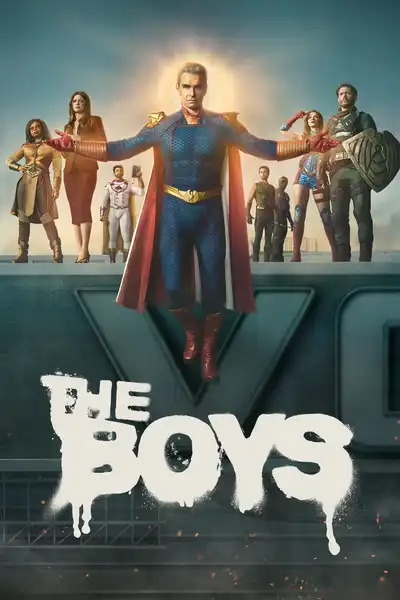
Subversive, ultra-violent, and absolutely brilliant, Eric Kripke's superhero satire takes a sledgehammer to the genre's conventions and delivers something genuinely fresh. In a world where superheroes are corporate-owned celebrities more concerned with merchandising than justice, a group of ordinary people fights back against the corrupt "Supes" who abuse their power with impunity. Karl Urban leads the ragtag team with charismatic intensity, while Antony Starr's Homelander is terrifyingly perfect as a Superman-type whose public smile masks psychopathic instability. The show fearlessly tackles corporate greed, celebrity worship, and political manipulation while delivering spectacularly bloody action sequences. Based on Garth Ennis's comics, it's wickedly funny, shockingly brutal, and surprisingly thoughtful. If you're exhausted by earnest superhero fare and want something with real bite, this is your antidote—profane, provocative, and utterly addictive.
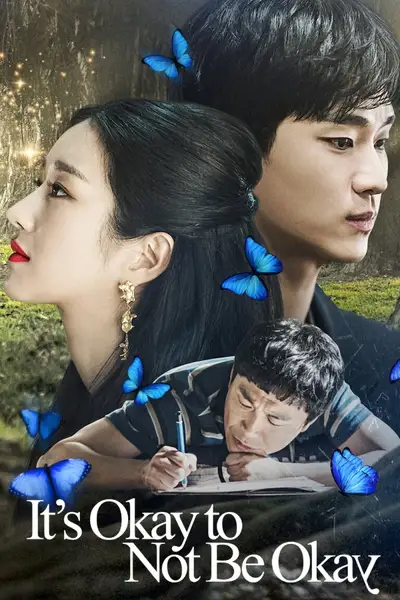
When a children's book writer with antisocial personality disorder crosses paths with a compassionate psychiatric ward caregiver, their unlikely connection becomes the foundation for an emotionally stunning Korean drama. Starring Kim Soo-hyun as Moon Gang-tae, the caregiver burdened by his traumatic past and responsibility for his autistic brother, and Seo Ye-ji as the beautiful but emotionally damaged writer Ko Moon-young, the series explores mental health with unusual depth and sensitivity. The chemistry between the leads is absolutely electric, and the show's visual style—incorporating storybook illustrations and fairy tale motifs—creates a distinctive aesthetic that perfectly complements its themes. What makes this exceptional is how it handles trauma, healing, and the different forms love can take without resorting to easy answers or melodrama. The supporting cast, particularly Oh Jung-se as Gang-tae's brother, delivers heartbreaking authenticity. It's a beautifully crafted series that balances romance with profound emotional truth, making it essential viewing for anyone who appreciates character-driven storytelling.
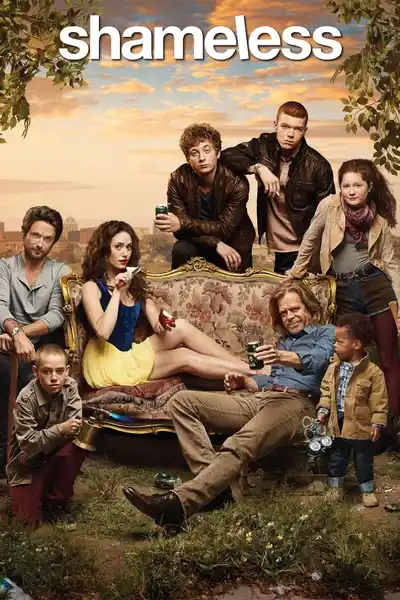
What happens when six kids are left to essentially raise themselves while their alcoholic father Frank spirals and their bipolar mother Monica drifts in and out of their lives? You get one of television's most compelling family dramas wrapped in dark comedy. William H. Macy anchors the show as the irredeemable Frank Gallagher, while Emmy Rossum's Fiona steps up as the de facto parent to her siblings on Chicago's South Side. Created by Paul Abbott and developed for American audiences by John Wells, the series balances harsh realities—poverty, addiction, mental illness—with genuine warmth and humor. The Gallagher family's resourcefulness and loyalty to each other creates surprisingly heartfelt moments amid the chaos. The show doesn't shy away from the ugliness of their circumstances, but it also celebrates their resilience and finds authentic joy in their bonds, making it a gripping watch that earns both its laughs and its emotional punches.
Louis C.K. created, wrote, directed, and stars in this experimental comedy that blurs the line between autobiography and fiction, following a version of himself navigating life as a divorced father and working comedian in New York. The show takes significant creative risks with its structure, mixing observational humor with surreal interludes and occasionally uncomfortable dramatic moments. When it works, it offers genuine insights into loneliness, parenting, and the absurdities of urban life, shot with a cinematic quality unusual for television comedy. However, the series' uneven tone and self-indulgent tendencies can be grating, and some episodes feel more like exercises than entertainment. The supporting cast, including Pamela Adlon, brings warmth to Louis's often cold worldview. In light of later revelations about the creator's personal conduct, the show's exploration of male behavior and awkwardness has taken on a different, more uncomfortable resonance that's impossible to ignore when evaluating its legacy.
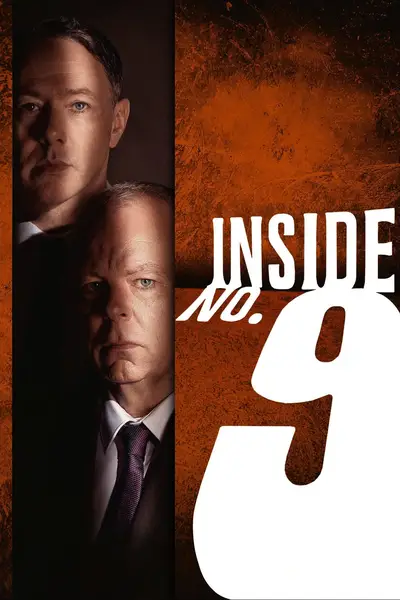
Ingenious, darkly comic, and endlessly inventive, this anthology series from Steve Pemberton and Reece Shearsmith proves that half-hour stories can deliver complete, devastating experiences. Each standalone episode shares only a connection to the number nine—a door number, a table, a room—but uses that constraint to explore wildly different genres, tones, and narrative experiments. The writers, who also star in most episodes alongside exceptional guest performers, demonstrate extraordinary range, moving from psychological horror to farce to heartbreaking drama, often within the same episode. Their scripts are meticulously constructed puzzles where seemingly throwaway details become crucial, rewarding attentive viewers while delivering shocking twists that feel earned rather than cheap. The anthology format allows for fearless storytelling since nothing is safe, and the duo's backgrounds in "The League of Gentlemen" shine through in their commitment to darkness. It's consistently surprising television that respects intelligence while never forgetting to entertain.
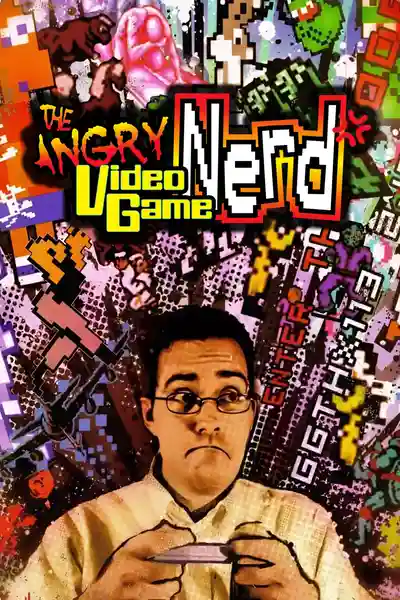
James Rolfe brings gloriously profane life to his internet sensation character, the Angry Video Game Nerd, in this long-running web series that's become a cornerstone of online entertainment. Armed with a seemingly endless supply of obscure retro games and creative expletives, the Nerd tears into the worst titles the 8-bit and 16-bit eras had to offer, from notoriously broken adaptations to inexplicably terrible originals. What elevates this beyond simple rage-filled ranting is Rolfe's genuine knowledge of gaming history and his increasingly elaborate production values, incorporating skits, special effects, and guest appearances. The series strikes that perfect balance between nostalgic gaming commentary and genuinely hilarious comedy, making it essential viewing whether you grew up with these consoles or just appreciate someone articulating why certain games deserve their terrible reputations.
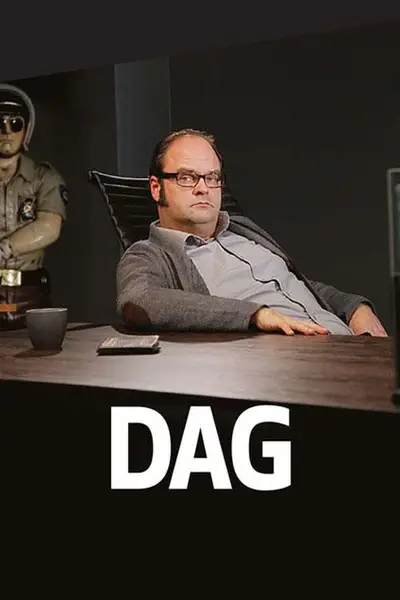
Creator Øystein Karlsen delivers a sharp Norwegian comedy that follows Thomas, a couples therapist whose own relationships are spectacularly dysfunctional. Atle Antonsen stars as the cynical, self-absorbed Thomas, delivering a performance that makes this deeply flawed character somehow sympathetic despite his consistent awfulness. The premise mines comedy gold from the hypocrisy of a man dispensing relationship advice while sabotaging his own life at every turn. The writing is brilliantly observational, capturing the awkwardness of modern relationships with cringe-inducing accuracy. What elevates Dag beyond standard sitcom fare is its willingness to let Thomas remain genuinely unlikeable—there's no saccharine redemption arc, just incremental growth mixed with consistent backsliding. The Norwegian sensibility brings a refreshing darkness to the romantic comedy format, and the ensemble cast creates beautifully uncomfortable chemistry. It's witty, uncomfortable, and surprisingly insightful about how we sabotage our own happiness.
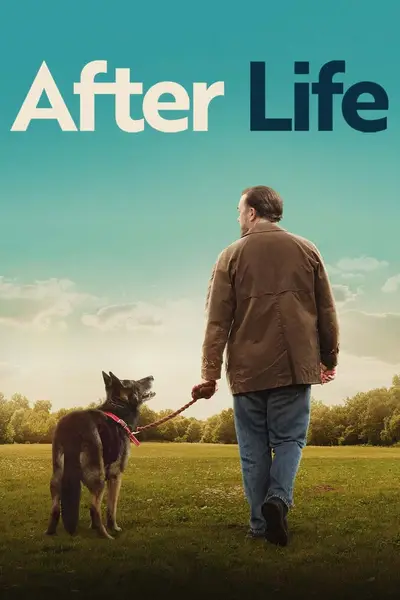
This darkly comic drama finds Ricky Gervais exploring grief through the lens of a small-town journalist whose world collapses after his wife's death. Gervais created, directed, and stars as Tony, a man who decides he'll say and do exactly what he wants because nothing matters anymore—a premise that could easily tip into self-indulgence but instead finds unexpected grace. The supporting cast, including Penelope Wilton as Tony's gentle father's caregiver, provides counterweight to the protagonist's nihilism without feeling like narrative instruments. What makes the series work is its willingness to sit with pain while finding moments of genuine human connection. The writing balances caustic humor with emotional honesty, creating something that respects both the messiness of loss and the small kindnesses that make life bearable.
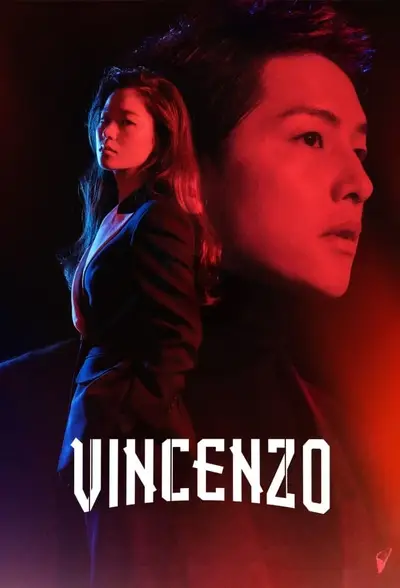
Showrunner Kim Hee-won crafts an intricate tale of revenge and justice in this Korean drama starring Song Joong-ki as Vincenzo Cassano, an Italian-Korean mafia lawyer who returns to Seoul and finds himself defending tenants against a corrupt corporation. The series expertly blends dark comedy, melodrama, and crime thriller elements into something that feels fresh despite familiar components. Song brings charisma and surprising emotional depth to a character navigating between ruthless mob tactics and unexpected heroism, while Jeon Yeo-been matches him as a morally flexible lawyer who becomes his partner. The show doesn't shy away from its comic book sensibilities, delivering stylish action sequences and over-the-top villains while maintaining genuine stakes. The plotting is complex without becoming convoluted, and the found-family dynamics among the tenants provide warmth that balances the darker elements beautifully.
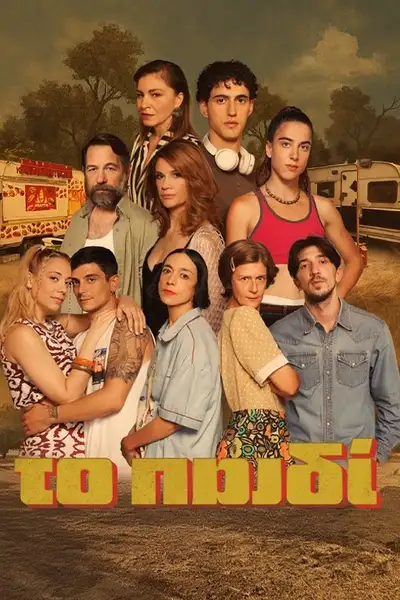
At its core, "To Paidi" (The Child) is a profound meditation on identity, belonging, and the complex nature of family bonds that transcends traditional definitions of parenthood. Greek writer-director Athena Papadopoulos crafts an emotionally intelligent narrative following a childless couple, Dimitris and Elena (played with remarkable subtlety by Yannis Stankoglou and Maria Kavoyianni), whose lives transform when a mysterious child appears at their doorstep with no memory of his past. The series resists easy answers, instead allowing the central mystery to unfold organically while exploring how this arrival forces each character to confront their own definitions of responsibility and love. The Athens setting provides atmospheric beauty without overwhelming the intimate character work, and the young Nikos Zeginoglou delivers an astonishingly mature performance as the enigmatic child. While the deliberate pacing may test some viewers' patience, those willing to invest will find a richly rewarding exploration of what it means to choose family rather than simply inherit it.
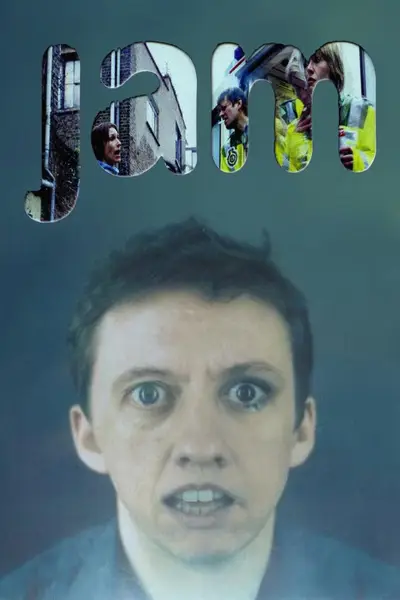
A darkly surreal sketch show pushes the boundaries of late-night television into genuinely unsettling territory. Created by Chris Morris, "Jam" takes the experimental format of its radio predecessor "Blue Jam" and translates it into a visual nightmare of distorted imagery, uncomfortable silences, and pitch-black comedy. The sketches blur together through heavy visual processing and ambient soundscapes, creating an atmosphere more akin to a fever dream than traditional comedy. Morris leads an ensemble cast through scenarios that explore human anxiety, mortality, and social awkwardness with unflinching honesty and zero concern for audience comfort. This isn't comedy designed to make you laugh out loud—it's designed to unsettle, provoke, and linger in your mind long after viewing. For adventurous viewers willing to embrace the uncomfortable, "Jam" remains a singular achievement in television that has rarely been matched for sheer audacity.
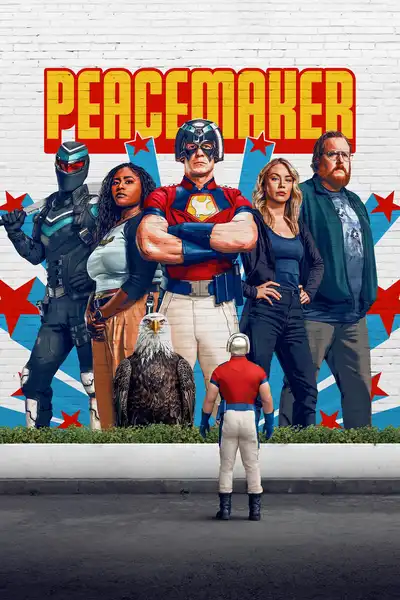
This superhero action-comedy series takes everything ridiculous about the vigilante genre and leans into it gloriously. John Cena reprises his role as Christopher Smith from "The Suicide Squad," bringing unexpected depth to a character who wears a chrome helmet and believes in peace at any cost—no matter how many people he has to kill. Creator James Gunn balances crude humor with genuine heart, surrounding Peacemaker with a misfit team that includes Jennifer Holland, Freddie Stroma, and Danielle Brooks. The show doesn't shy away from examining toxic masculinity and childhood trauma while delivering outrageous fight sequences and a dance-heavy opening credits sequence you'll never skip. Steve Agee's John Economos and Chukwudi Iwuji's Murn add perfect counterweights to Cena's aggressive protagonist. It's wildly entertaining television that proves superhero stories work best when they take risks.
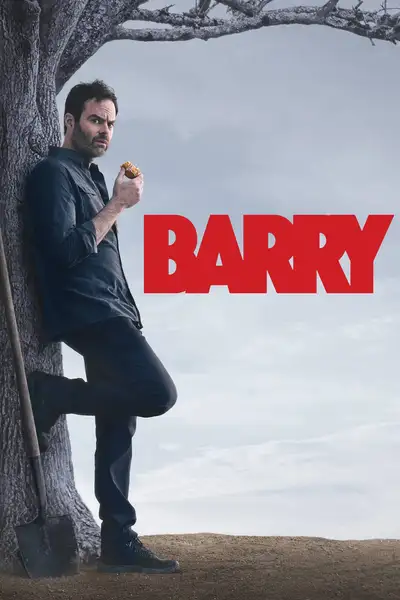
Darkly hilarious and surprisingly poignant, this series from Alec Berg and Bill Hader follows a depressed hitman from Cleveland who discovers a passion for acting after following a target into a Los Angeles theater class. Hader stars as Barry Berkman while also directing many episodes, crafting a tonal tightrope walk that shouldn't work but absolutely does, shifting between absurdist violence and genuine pathos sometimes within the same scene. Henry Winkler delivers an Emmy-winning performance as desperate acting teacher Gene Cousineau, while Stephen Root is equally memorable as Barry's handler Fuches, a manipulator who refuses to let his cash cow escape the murder business. The show's willingness to make its protagonist increasingly unsympathetic while maintaining our investment in his journey is remarkable, and its visual storytelling becomes more ambitious with each season. It's rare to find a comedy this confident in its darkness and a crime drama this genuinely funny.
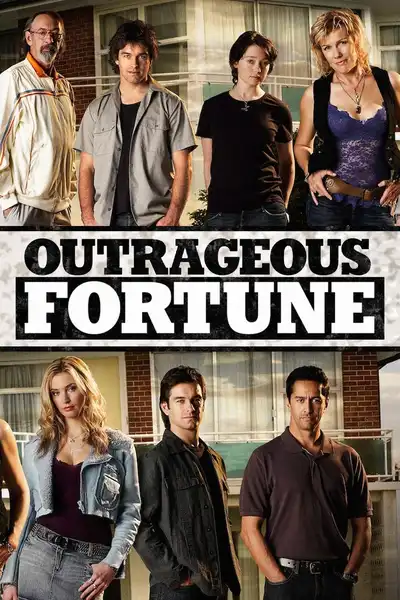
Robyn Malcolm brings fierce energy to Cheryl West, the formidable matriarch who must keep her crime family afloat when her husband Wolf lands in prison. Created by James Griffin and Rachel Lang, this New Zealand drama follows the chaotic West clan as Cheryl attempts to go straight, dragging her reluctant children along for the ride. What makes the series work is its blend of family drama with dark comedy, as the Wests navigate legitimate business while their criminal instincts keep pulling them back. Antony Starr, who would later gain international fame, delivers an engaging performance as twin brothers Jethro and Van, while the ensemble cast creates genuine chemistry that makes you invest in this dysfunctional family. The show ran for six successful seasons, becoming a cultural phenomenon in New Zealand with its mix of humor, heart, and occasionally criminal hijinks that never take themselves too seriously.
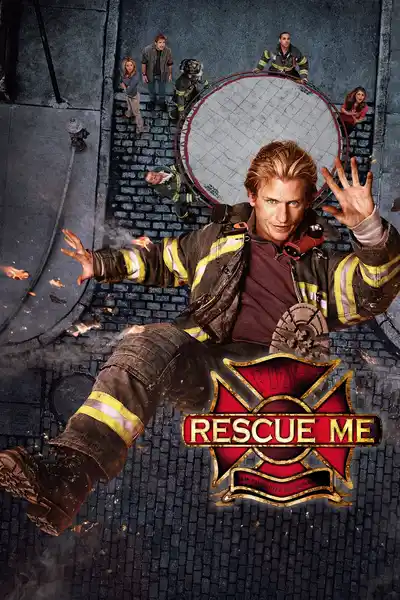
Incendiary in every sense, Denis Leary's post-9/11 drama about New York firefighters balances dark comedy, family dysfunction, and genuine pathos with remarkable dexterity. Leary stars as Tommy Gavin, an alcoholic firefighter haunted by the colleagues he lost and the personal relationships he's actively destroying through self-destructive behavior. Created by Leary and Peter Tolan, the series refuses to sanctify its first responder characters or reduce them to heroes—these are flawed, often terrible people who happen to run into burning buildings for a living. The writing is sharp and profane, finding uncomfortable humor in tragedy without trivializing the real trauma these characters carry. The ensemble cast, including Steven Pasquale, Andrea Roth, and Michael Lombardi, matches Leary's intensity, creating a dysfunctional firehouse family that feels authentic even when their behavior becomes outrageous. The show occasionally indulges Gavin's worst impulses too much, but it remains compulsively watchable throughout its run. This is adult drama in the truest sense—morally complex, emotionally raw, and unafraid to make its protagonist genuinely unlikeable while keeping you invested in his fate.