Cyberpunk Shows
When rain-soaked neon streets meet corporate surveillance and neural implants blur the line between human and machine, you've entered the electrifying realm of cyberpunk television. The best cyberpunk shows transport viewers into high-tech dystopias where hackers wage digital warfare against oppressive megacorporations, and humanity's relationship with technology reaches its breaking point. From groundbreaking series that pioneered the genre decades ago to cutting-edge streaming productions that push the boundaries of visual storytelling, these shows capture the essence of William Gibson's vision while carving their own unique paths through virtual realities and chrome-plated futures. Whether exploring themes of transhumanism, artificial intelligence run amok, or resistance movements in sprawling urban wastelands, cyberpunk television delivers the genre's signature blend of noir aesthetics, philosophical depth, and action-packed thrills. These carefully selected series showcase the evolution of cyberpunk storytelling across generations, featuring everything from dystopian crime dramas to mind-bending explorations of consciousness and identity in worlds where downloading your brain is just another Tuesday. Prepare to jack into some of the most visually stunning and intellectually provocative shows that define what happens when humanity's digital dreams become neon-lit nightmares.

At its core, Altered Carbon explores identity, mortality, and class inequality in a future where consciousness can be transferred between bodies. Based on Richard K. Morgan's novel and developed by Laeta Kalogridis, the series follows Takeshi Kovacs (Joel Kinnaman in season one), a former soldier downloaded into a new "sleeve" centuries after his death to solve a wealthy man's murder. The cyberpunk world-building is exceptional, creating a visually stunning neo-noir San Francisco where immortality exists but remains a privilege of the ultra-rich. The philosophical questions about whether you remain yourself in a different body provide genuine depth alongside the stylish action sequences. While the second season stumbles, the first season delivers thought-provoking science fiction that doesn't sacrifice entertainment value.
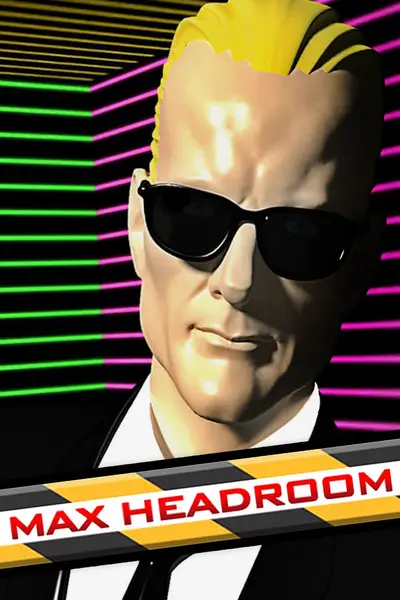
Set in a dystopian near-future where television networks wield unprecedented power, this cyberpunk series was remarkably prescient about media manipulation and corporate control. Created by Philip DeGuere and George Stone, the show follows investigative journalist Edison Carter, played by Matt Frewer, who uncovers corruption at Network 23. After a near-fatal accident, Carter's memories are uploaded to create Max Headroom, a computer-generated alter ego who becomes an unpredictable digital celebrity. Frewer excels in both roles, while Amanda Pays shines as controller Theora Jones. The show's visual style—all neon, chrome, and stuttering digital aesthetics—defined 1980s visions of cyberspace. Though only lasting one season plus a two-hour pilot, it tackled issues of surveillance, artificial intelligence, and media ethics that remain strikingly relevant. Smart, stylish, and ahead of its time, it deserved a longer run.
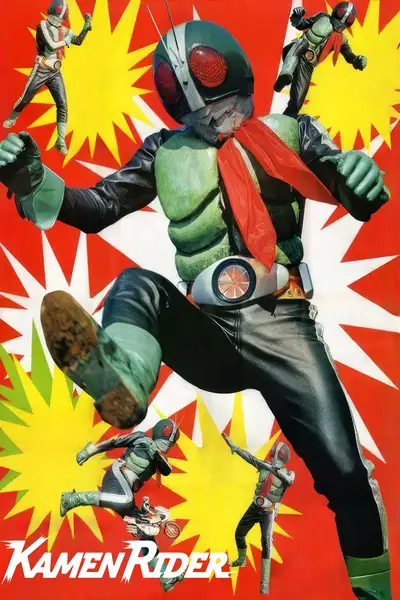
This franchise explores heroism, sacrifice, and the responsibility that comes with extraordinary power through the adventures of motorcycle-riding warriors who transform to fight evil. Created by Shotaro Ishinomori, Kamen Rider has become a cornerstone of Japanese tokusatsu television since 1971, spawning numerous series iterations that reimagine the core concept for new generations. The show's enduring appeal lies in its ability to combine spectacular action sequences with surprisingly thoughtful storytelling about identity and justice. Each series typically features a protagonist who gains transformation abilities—often through scientific or supernatural means—and must use them to protect humanity from various threats. The practical effects, elaborate costumes, and martial arts choreography create a distinctive visual style that has influenced superhero media worldwide. While production values have evolved dramatically over the decades, the franchise maintains its commitment to themes of courage and doing what's right even when it costs everything.