Cozy Mystery Shows
There's something irresistibly comforting about settling in with a good cozy mystery show, where clever amateur detectives unravel puzzling crimes in charming, picturesque settings without subjecting viewers to graphic violence or grim atmospheres. These gentle whodunits have captivated audiences across decades, from beloved classic series that defined the genre to contemporary productions that continue the tradition of small-town secrets and quirky investigators. Whether featuring brilliant but eccentric sleuths, observant clergy members, or determined everyday citizens who can't resist solving murders in their quaint villages, cozy mystery shows offer the perfect blend of intellectual stimulation and comfort viewing. The best entries in this enduring genre transport viewers to close-knit communities where everyone knows everyone—and everyone has something to hide. This carefully curated selection of 21 cozy mystery shows celebrates the finest examples from television history, showcasing how the format has evolved while maintaining its essential appeal: brain-teasing puzzles, endearing characters, and atmospheric locations that feel like destinations you'd actually want to visit, despite the suspiciously high murder rates. Perfect for binge-watching or savoring one episode at a time, these series prove that mystery television doesn't need blood and gore to keep audiences thoroughly engaged.
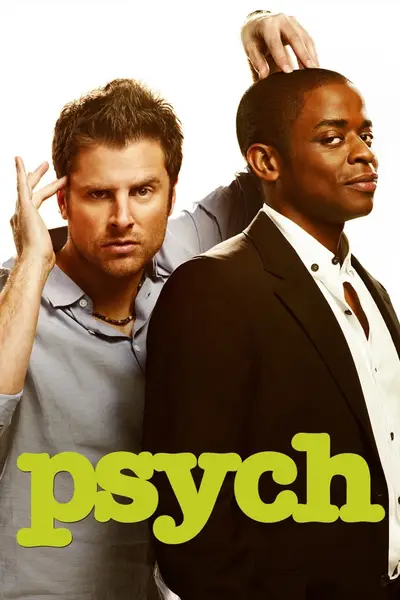
This breezy detective comedy delivers consistent fun as it follows fake psychic detective Shawn Spencer (James Roday Rodriguez) and his reluctant best friend Gus (Dulé Hill) solving crimes for the Santa Barbara Police Department. Created by Steve Franks, the show's charm lies in its lighthearted approach to the procedural format, prioritizing character banter and pop culture references over gritty realism. Roday Rodriguez and Hill have infectious chemistry, trading rapid-fire jokes while maintaining genuine friendship beneath the comedy. The supporting cast, including Corbin Bernsen as Shawn's disapproving cop father and Maggie Lawson as detective Juliet O'Hara, grounds the silliness with actual detective work. The show knows exactly what it is—a feel-good procedural that doesn't take itself seriously—and commits fully to that vision. It's comfort food television executed with wit and heart, perfect for anyone seeking entertainment without heavy drama.
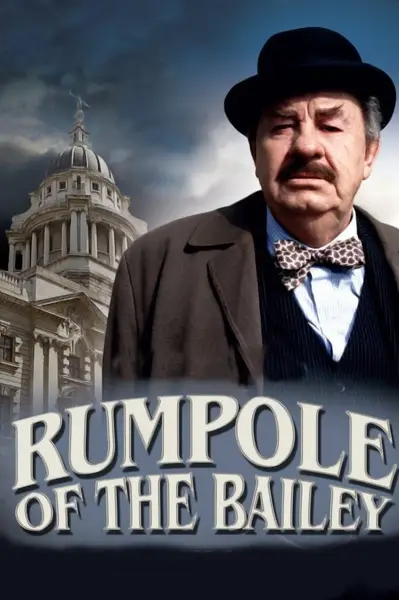
An aging, poetry-quoting barrister defends London's underdogs from his chambers at the Old Bailey while battling pompous judges, his ambitious colleagues, and his formidable wife Hilda—whom he refers to as "She Who Must Be Obeyed." Leo McKern inhabits Horace Rumpole so completely that it's impossible to imagine anyone else in the role, bringing warmth, wit, and world-weariness to John Mortimer's beloved creation. The series works as both entertaining courtroom drama and character study, with Rumpole's cases serving as vehicles for exploring British class dynamics, justice system absurdities, and moral complexity. Mortimer's writing crackles with intelligence and dry humor, giving McKern dialogue that's quotable and substantive in equal measure. The supporting cast, including Marion Mathie and later Peggy Thorpe-Bates as Hilda, provides perfect foils for Rumpole's rebellious streak against authority and convention. While production values are necessarily modest and the pacing more leisurely than contemporary legal dramas, the series rewards patience with rich characterization and stories that trust viewers to think. It remains a gem of British television.
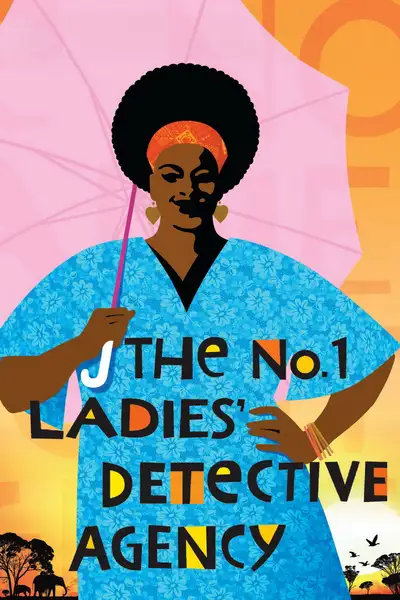
This warm-hearted detective series set in Botswana brings Alexander McCall Smith's beloved novels to life with grace, humor, and cultural authenticity. Jill Scott stars as Precious Ramotswe, Botswana's first female private detective, bringing both strength and compassion to a character who solves mysteries through wisdom and human understanding rather than violence. Created by Anthony Minghella and Richard Curtis, the series captures the spirit of the books beautifully, celebrating Botswanan culture while exploring universal themes of justice, community, and human dignity. Anika Noni Rose provides excellent support as Ramotswe's secretary Grace Makutsi, and their evolving friendship forms the show's emotional core. The cases themselves are refreshingly grounded, focusing on human problems rather than sensational crimes. It's a generous, life-affirming series that offers something genuinely different from typical detective fare.
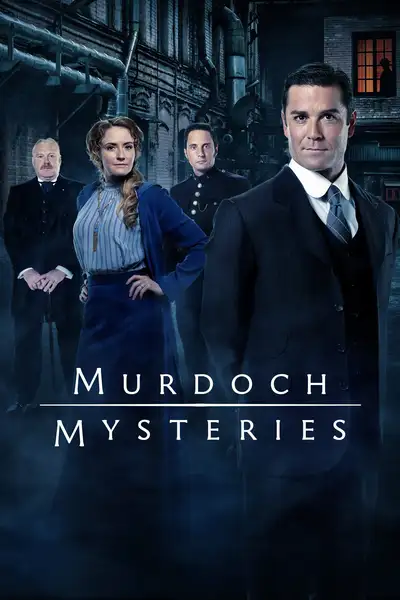
In this long-running Canadian series, Detective William Murdoch uses cutting-edge forensic techniques—from fingerprinting to ballistics analysis—to solve crimes in turn-of-the-century Toronto. Created by Maureen Jennings based on her novels, the show stars Yannick Bisson as the methodical, science-minded detective whose modern investigative methods clash with traditional policing. The procedural format remains fresh through inventive period crimes, guest appearances by historical figures like Mark Twain and Harry Houdini, and the evolving relationships among Murdoch, coroner Dr. Julia Ogden (Hélène Joy), and the station house crew. The tone strikes an appealing balance between cozy mystery and genuine detective work, with enough humor to leaven the darker cases. After seventeen seasons, "Murdoch Mysteries" has become comfort television at its finest—reliably entertaining without being formulaic.
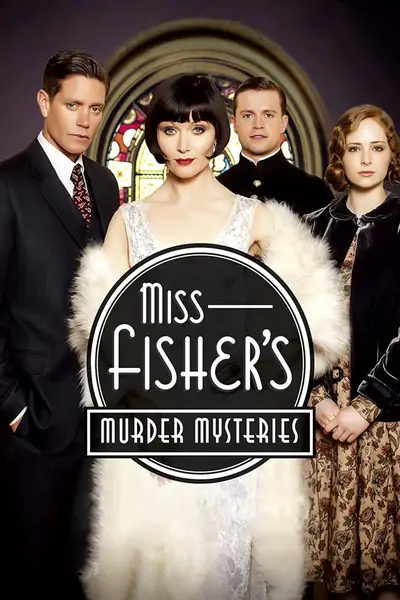
Stylish and delightfully witty, this Australian series follows the adventures of the glamorous Phryne Fisher (Essie Davis) as she solves murders in 1920s Melbourne. Created by Deb Cox and Fiona Eagger and based on Kerry Greenwood's novels, the show is a perfect blend of mystery, fashion, and feminist sensibility. Davis is perfection as the independently wealthy detective who refuses to conform to society's expectations, whether she's bedding lovers, flying planes, or outsmarting the police. Nathan Page provides excellent chemistry as the strait-laced Detective Inspector Robinson, whose partnership with Phryne evolves beautifully over the series. The period costumes are stunning, the mysteries are cleverly constructed, and the supporting cast creates a warm found-family dynamic. It's pure escapist entertainment that respects its audience's intelligence while delivering glamour and intrigue in equal measure.
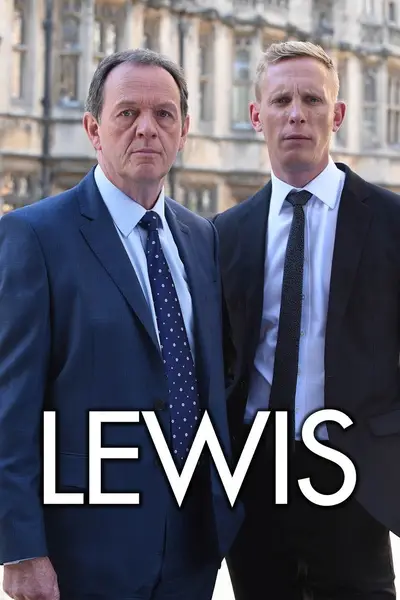
Kevin Whately reprises his role as Robert Lewis, the working-class detective who stepped out from the shadow of Inspector Morse to lead his own investigations in Oxford, partnered with the posh and cerebral James Hathaway (Laurence Fox). Created by Colin Dexter (who originated the character) and developed for this series by Chris Burt, the show attempts to recapture the literary mystery atmosphere of its predecessor with mixed results. The cases themselves are suitably complex, involving academic intrigue and Oxford's privileged echelons, but the series never quite escapes feeling like Morse-lite despite its efforts to establish its own identity. The dynamic between the two leads provides some interest—their class differences and contrasting approaches create occasional sparks—but the relationship doesn't have the same depth as the original Morse-Lewis pairing. The production values maintain the high standards of British detective drama, with Oxford providing atmospheric backdrop, but the plotting can feel formulaic and the resolutions sometimes too tidy. It's competent mystery television that will satisfy fans of the genre without necessarily exceeding expectations.
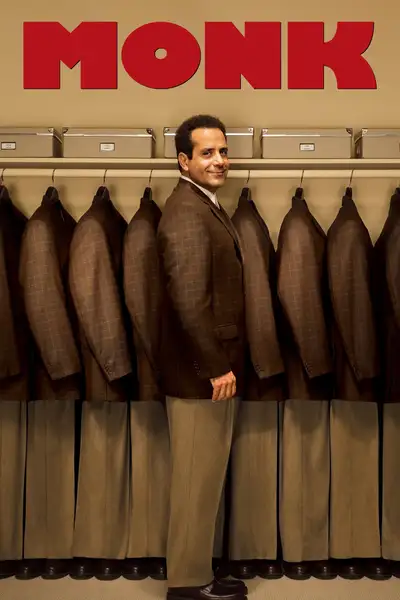
Delightful and surprisingly poignant, this detective series centers on Adrian Monk (Tony Shalhoub in an Emmy-winning performance), a brilliant investigator whose obsessive-compulsive disorder and numerous phobias both hinder and help his investigative work. Creator Andy Breckman strikes a difficult balance, treating Monk's mental health challenges with respect while mining them for both comedy and drama. Traylor Howard, Ted Levine, and Jason Gray-Stanford provide excellent support as the people in Monk's life who accommodate, assist, and occasionally lose patience with his quirks. Each episode presents a clever mystery, but the show's real strength lies in its character work, particularly Monk's ongoing grief over his wife's unsolved murder. The series manages to be funny, touching, and engaging as a procedural, never mocking its protagonist even as it finds humor in his struggles. It's comfort viewing with surprising emotional depth.
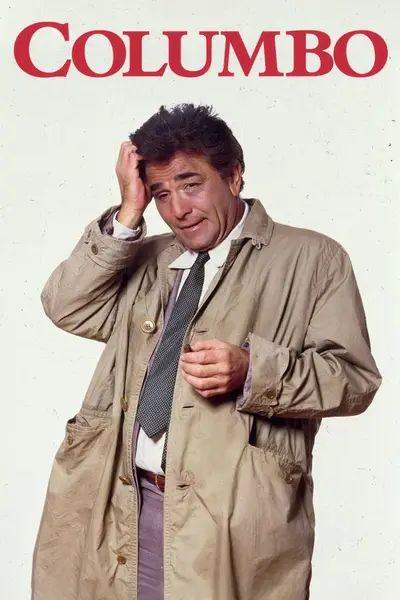
Peter Falk's rumpled LAPD homicide detective is one of television's most enduringly clever creations, and this long-running mystery series created by Richard Levinson and William Link remains remarkably entertaining decades later. The inverted detective format—showing the murder and murderer upfront—shifts focus from whodunit to how-will-he-prove-it, allowing viewers to appreciate Columbo's deceptively brilliant mind at work. Falk plays the character as perpetually underestimated, shambling into crime scenes in his weathered raincoat, apologizing for bothering suspects with "just one more thing" before delivering the observation that unravels their carefully constructed alibis. The series attracted prestigious guest stars eager to play sophisticated killers who underestimate the seemingly befuddled detective, creating a satisfying class commentary as the working-class cop outthinks wealthy, educated criminals. Each feature-length episode unfolds like a cat-and-mouse game where the mouse knows he's being hunted but can't quite see the trap closing. It's comfort viewing elevated by Falk's iconic performance and genuinely clever writing that respects the audience's intelligence.
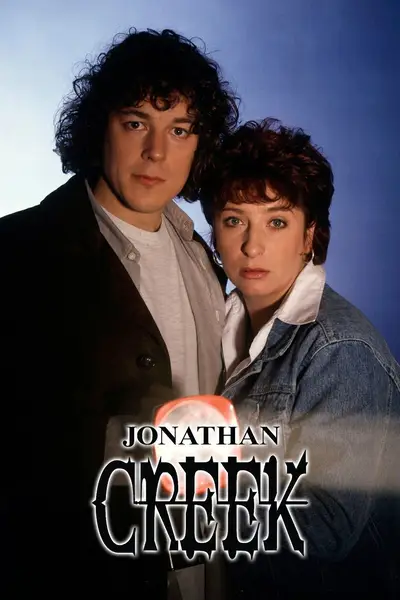
Alan Davies brings wonderful eccentricity to Jonathan Creek, a creative designer of magic tricks who finds himself solving seemingly impossible crimes. Created by David Renwick, the series pairs Davies with Caroline Quentin (later Julia Sawalha) as they investigate locked-room mysteries and baffling murders that appear to defy logic. What makes the show sparkle is its clever plotting—each case presents a puzzle that seems genuinely unsolvable until Creek applies his understanding of illusions and misdirection. The chemistry between the leads is delightful, and the writing strikes a perfect balance between humor and genuine mystery. The show respects its audience's intelligence, laying out clues fairly while still managing to surprise. It's a refreshingly smart detective series that proves you don't need gritty realism to create compelling mysteries.
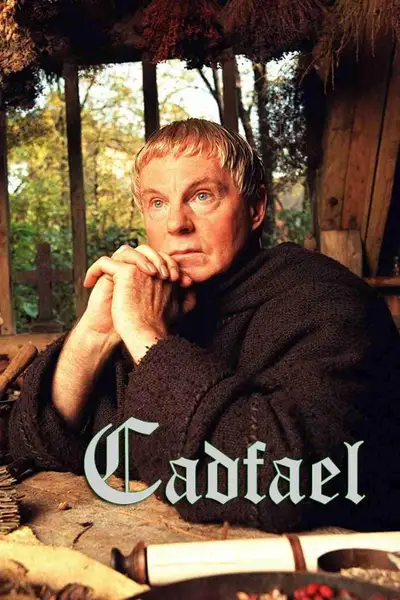
In medieval Shrewsbury, a Benedictine monk with a warrior's past investigates murders and mysteries using both spiritual wisdom and worldly knowledge. Based on Ellis Peters' beloved novels, this series stars Derek Jacobi as Brother Cadfael, a herbalist whose understanding of human nature makes him an unlikely but effective detective. The adaptation captures the atmospheric detail of 12th-century England while developing Cadfael as a complex protagonist—a man of faith who hasn't forgotten his crusading days or his capacity for pragmatic action. Each episode functions as a self-contained mystery with period-appropriate plotting that avoids modern anachronisms in character behavior or forensic methods. The production values feel authentically handcrafted rather than glossy, supporting the storytelling without overwhelming it.
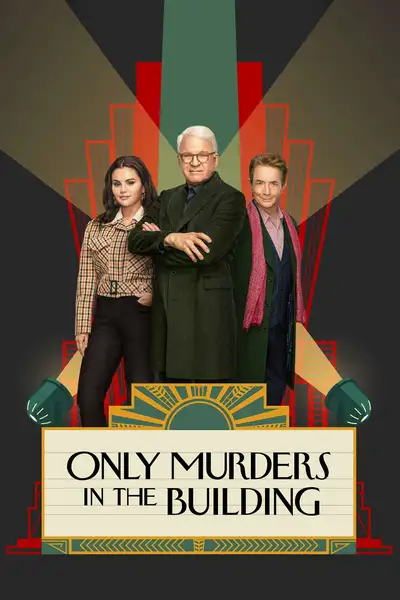
A mystery-comedy that strikes gold with its perfect trio of leads, this series follows three true-crime-obsessed neighbors who become amateur sleuths when a murder occurs in their upscale Manhattan apartment building. Steve Martin, Martin Short, and Selena Gomez share remarkable chemistry as the unlikely detective team, each bringing distinct comedic sensibilities that complement rather than compete. Created by Martin and John Hoffman, the show balances genuine suspense with character-driven humor, making excellent use of its podcast-within-a-show framework. The supporting cast—including Nathan Lane, Amy Ryan, and Tina Fey in later seasons—elevates already strong material. What could have been a one-note gimmick instead develops into a thoughtful exploration of loneliness, friendship, and the stories we tell ourselves. The show respects both its genre roots and its audience's intelligence, delivering satisfying mysteries that play fair while never sacrificing the character work that makes the series truly special.
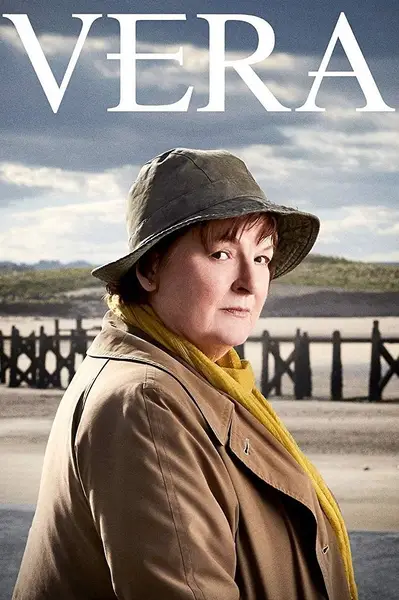
Brenda Blethyn delivers a masterful performance as DCI Vera Stanhope, the brilliant but rumpled detective investigating murders across the stunning landscapes of Northumberland. Based on Ann Cleeves' beloved novels, this ITV series has become one of Britain's most reliable crime dramas, balancing intricate mysteries with deep character development over eleven seasons. Vera herself is the show's greatest asset—prickly, intuitive, and completely unsentimental, yet capable of surprising empathy when interviewing witnesses and suspects. Blethyn makes her completely believable as both a formidable investigator and a lonely woman married to her work. The supporting cast, including David Leon and Kenny Doughty as her patient colleagues, provides solid grounding for Vera's more abrasive qualities. Each feature-length episode takes full advantage of the gorgeous Northumberland locations, using the rugged coastlines and isolated communities as more than just backdrop. The mysteries are genuinely clever without becoming convoluted, making this essential viewing for traditional detective drama fans.
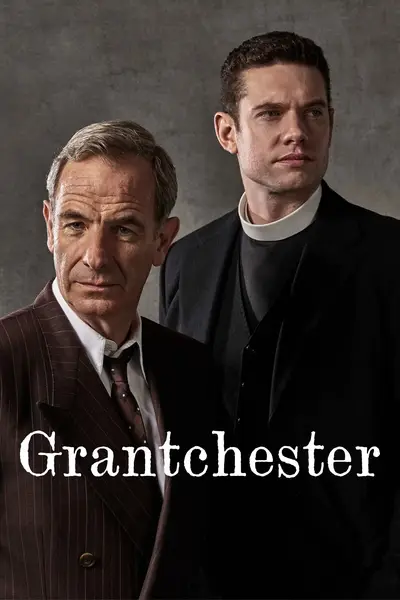
1950s Cambridgeshire provides the picturesque backdrop for this thoroughly charming British crime drama that pairs an unconventional Anglican vicar with a world-weary detective inspector. James Norton stars as Sidney Chambers, a clergyman who finds himself drawn into criminal investigations, while Robson Green plays Geordie Keating, the skeptical copper who becomes his unlikely partner. Created by Daisy Coulam and based on James Runcie's novels, the series excels at blending cozy mystery elements with genuine emotional depth, exploring Sidney's struggles with faith, love, and his traumatic experiences in World War II. The post-war English village setting is beautifully realized, all garden parties and traditional values with darkness lurking beneath. What elevates the show beyond typical murder-of-the-week fare is the genuine friendship that develops between the spiritual Sidney and the grounded Geordie, making their investigations feel personal rather than procedural.
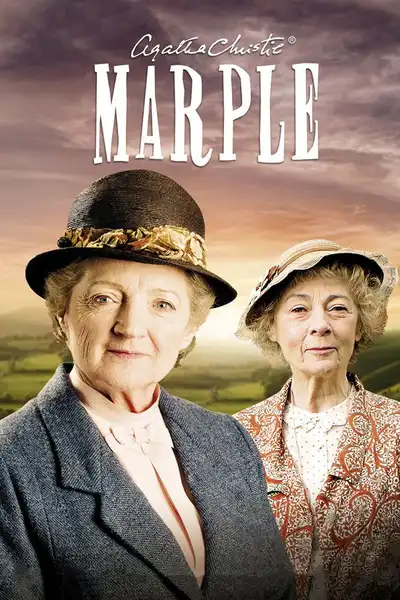
Adapted by producers and various screenwriters from Agatha Christie's beloved novels, this series stars Geraldine McEwan and later Julia McKenzie as the deceptively sharp amateur detective Miss Marple solving murders in picturesque English villages. Each feature-length episode adapts a different Christie mystery, from The Body in the Library to A Murder Is Announced, with the production team drawing from twelve novels across six series. McEwan brings a more eccentric interpretation to Marple in earlier seasons before McKenzie offers a slightly warmer take, though both capture the character's essential quality—an elderly woman whom everyone underestimates until she reveals the killer. The production values are consistently high, with beautiful cinematography showcasing English locations and strong supporting casts including many recognizable British actors. These adaptations take some liberties with Christie's plots, occasionally adding or altering elements, which purists may resist but generally serve the television format well. For mystery lovers seeking classic whodunits with clever plotting, strong atmosphere, and the satisfaction of watching a brilliant mind at work, this series delivers reliably entertaining television.
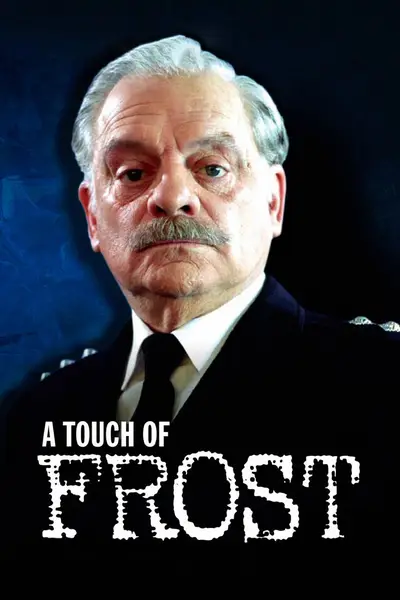
Gruff, world-weary, and utterly compelling, this British detective series follows the cases of DI Jack Frost, a disheveled copper whose unorthodox methods get results in the fictional town of Denton. David Jason delivers a career-defining performance as Frost, a character who masks his deep compassion and sharp instincts behind a rumpled exterior and dark humor. Created by R.D. Wingfield, the series spans fifteen years of feature-length episodes that tackle everything from murder to kidnapping with a distinctly gritty sensibility. What makes the show special is Frost's humanity—he's flawed, occasionally makes poor decisions, and struggles with personal demons, yet remains fundamentally decent. The supporting cast, including Bruce Alexander as Frost's often-exasperated superintendent, provides excellent balance. The mysteries themselves are well-constructed, avoiding easy resolutions, and the Denton setting feels authentically working-class British. Jason's chemistry with various partners throughout the series keeps the dynamic fresh across multiple seasons.
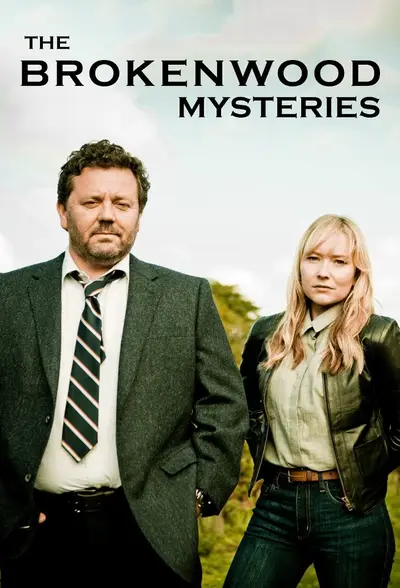
In this charming New Zealand mystery series, Detective Inspector Mike Shepherd investigates murders in the fictional rural town of Brokenwood, where small-town quirks constantly collide with serious crime. Neill Rea stars as Shepherd, a methodical detective from Auckland whose love of classic country music and unorthodox methods sometimes baffle his colleagues. Created by Timothy Balme and James Griffin, the series balances traditional whodunit plotting with dry humor and genuine character development. The supporting cast, particularly Fern Sutherland as Detective Kristin Sims, brings depth to what could have been stock characters. Each feature-length episode presents a complete mystery with enough red herrings and local color to keep viewers engaged without resorting to gratuitous violence. The New Zealand setting provides beautiful scenery and a distinct cultural flavor that sets it apart from British and American crime dramas. It's comfort-food television in the best sense—reliably entertaining and thoroughly satisfying.
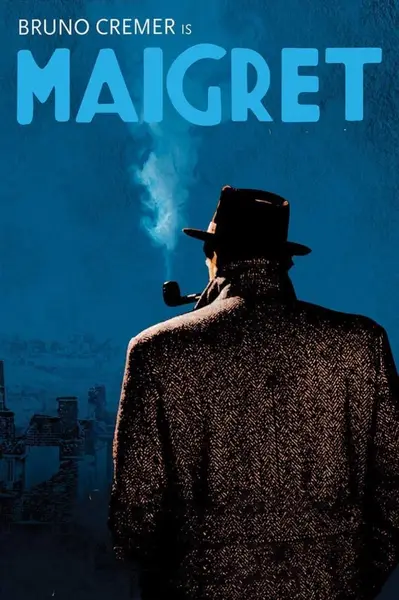
Set in 1950s Paris, this atmospheric adaptation brings Georges Simenon's beloved detective Jules Maigret to life with style and substance. Michael Gambon embodies the thoughtful, pipe-smoking inspector with a world-weary gravitas that perfectly captures the character's methodical approach to solving crimes. The series excels at recreating post-war France, from the rain-slicked streets to the smoky cafés where Maigret does some of his best thinking. Unlike flashier detective shows, these mysteries unfold at a deliberate pace that allows for genuine character development and psychological insight. Granada Television's production values are consistently impressive, with each case feeling like a small cinematic experience. Gambon's Maigret is less concerned with dramatic revelations than with understanding the human nature behind each crime, making this adaptation a treat for viewers who appreciate detective stories with depth and nuance.
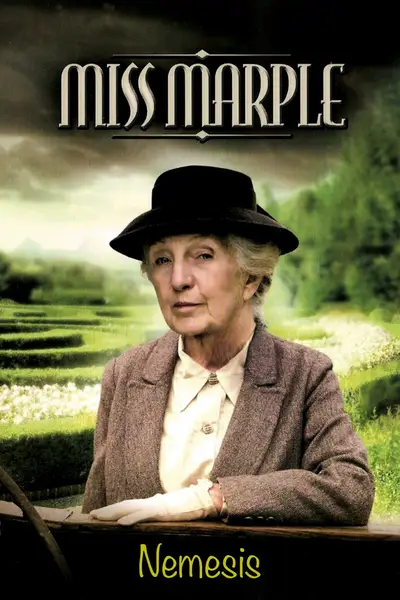
Delightful and meticulously crafted, this BBC adaptation brings Agatha Christie's complex mystery to life with style and intelligence. Joan Hickson embodies Miss Marple with the perfect balance of genteel manners and sharp intellect, proving once again why she's considered the definitive screen version of Christie's amateur detective. The story follows Miss Marple as she receives a strange posthumous request from an old friend to investigate a crime—but which crime, and whether it's even occurred yet, remains mysterious. The period production design is impeccable, and the adaptation respects Christie's plotting while allowing the story room to breathe across its runtime. The supporting cast delivers strong work, creating a gallery of suspects who feel like real people rather than mere puzzle pieces. It's classic British mystery television done exactly right.

Robert Thorogood created this delightful crime series set on the fictional Caribbean island of Saint Marie, where buttoned-up British detectives are perpetually sent to solve impossible murders in paradise. The format is classic locked-room mystery updated with tropical scenery and a rotating cast of fish-out-of-water lead detectives, starting with Ben Miller and later including Kris Marshall, Ardal O'Hanlon, and Ralf Little. The charm lies in the formula itself—baffling crimes solved through logical deduction, cultural clashes played for gentle comedy, and stunning beach locations that make every episode feel like a vacation. The ensemble supporting cast, including Don Warrington and Élisabeth Bourgine, provides continuity and warmth across detective changes. It's undemanding, sun-soaked comfort television that delivers exactly what it promises: clever mysteries with a smile.

Created by Trevor Eve, who also stars as Scotland Yard detective Albert Tyburn, this period mystery series transports viewers to 1930s Kenya during the final years of British colonial rule. Heat of the Sun combines compelling murder investigations with thoughtful examination of racial tensions, class divisions, and the complicated dynamics of expatriate life in East Africa. The production values are impressive, with stunning location photography that captures both the beauty and the underlying tensions of the setting. Eve brings world-weariness and moral complexity to Tyburn, a detective whose investigations often expose uncomfortable truths about the colonial society he serves. Susannah Harker provides strong support as a conflicted aristocrat caught between worlds. While the mysteries themselves are engaging, the series distinguishes itself through its willingness to grapple with the darker realities of empire and privilege.
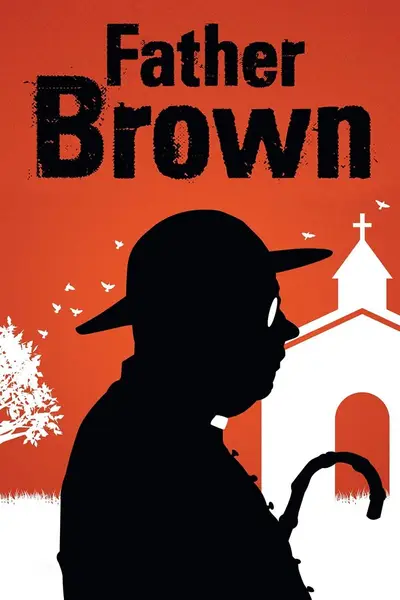
Adapted by Rachel Flowerday and Tahsin Guner from G.K. Chesterton's beloved stories, this cozy British mystery series brings the crime-solving country priest to life with Mark Williams perfectly cast as the deceptively shrewd Father Brown. Set in the 1950s Cotswolds village of Kembleford, the show embraces the classic whodunit formula with warmth and intelligence, delivering satisfying puzzles without the darkness that pervades much contemporary crime drama. Williams brings genuine charm to the role, playing Father Brown as simultaneously naive and deeply perceptive, understanding human nature through his pastoral work in ways that elude the police. The supporting cast, including Sorcha Cusack as Mrs. McCarthy and Nancy Carroll as Lady Felicia (in earlier seasons), creates an ensemble that feels like a proper community rather than just plot devices. The murders are suitably ingenious without being gratuitously violent, and the show maintains an almost nostalgic quality that makes it perfect comfort viewing. The production values capture period England beautifully, and the episodic format means you can drop in anywhere without confusion. It's thoroughly lovely television that knows exactly what it is and delivers consistently.