Classical Western Shows
Saddle up for a journey through television's most authentic celebrations of the American frontier, where classical western shows continue to captivate audiences with timeless tales of honor, justice, and survival in the untamed West. From the genre's defining golden era through contemporary productions that honor traditional storytelling, these seven exceptional series showcase the enduring appeal of lawmen facing down outlaws, cowboys navigating treacherous trails, and frontier communities forging civilization from wilderness. Whether you're drawn to the gritty realism of life on the range, the moral complexity of frontier justice, or the iconic imagery of dusty main streets and sprawling landscapes, this curated selection represents the very best of classical western television across decades of production. Each show embodies the core elements that made westerns a cultural phenomenon: compelling characters wrestling with the harsh realities of the Old West, narratives steeped in historical authenticity, and that unmistakable atmosphere of danger and opportunity that defined America's expansion. These are the series that preserve the western genre's traditional formula while demonstrating why these stories of the frontier continue to resonate with modern audiences seeking adventure, drama, and the mythic spirit of the American West.
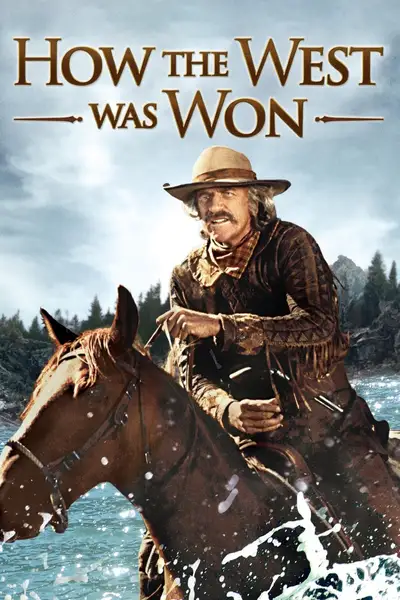
The sprawling Macahan family embarks on a treacherous journey from Virginia to the Oregon Territory in the 1860s, facing the harsh realities and dangers of frontier life across three generations. This epic Western miniseries-turned-television show captures the spirit of American expansion with impressive scope and production values that were ambitious for television at the time. James Arness leads the cast as Zeb Macahan, the family patriarch, bringing gravitas and authenticity to the role following his iconic run on Gunsmoke. The series doesn't shy away from depicting the violence, hardship, and moral complexities of westward expansion, including conflicts with Native Americans and the impact of the Civil War on families. With stunning location photography and action sequences that rival theatrical Westerns, the show delivers genuine adventure and emotional depth. It's a reminder of when television networks invested in prestige programming that treated historical drama with both respect and entertainment value.
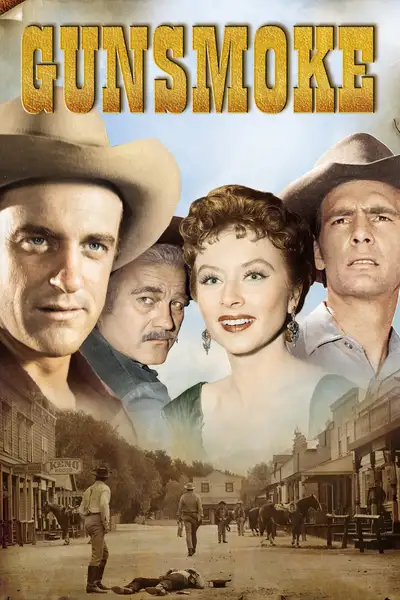
This Western drama set in Dodge City, Kansas, during the 1870s remains one of television's longest-running and most influential series. James Arness anchors the show as Marshal Matt Dillon, bringing quiet authority and moral complexity to a character who could have been a simple good-guy archetype. Creator Charles Marquis Warren and the writing team crafted stories that explored frontier justice, community building, and the costs of violence with surprising sophistication. The supporting cast, including Milburn Stone as Doc Adams and Amanda Blake as Kitty Russell, created one of TV's first truly ensemble dramas. What sets the series apart is its willingness to embrace moral ambiguity and let episodes end without tidy resolutions. The show's influence on both television and film Westerns cannot be overstated, and its best episodes hold up remarkably well.
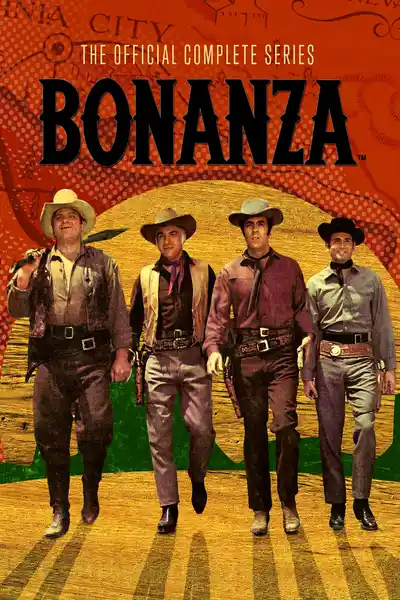
The struggle to maintain a prosperous ranch in 1860s Nevada provides the framework for this long-running Western that became one of television's most successful series. Created by David Dortort, Bonanza follows widower Ben Cartwright (Lorne Greene) and his three sons—Adam (Pernell Roberts), Hoss (Dan Blocker), and Little Joe (Michael Landon)—as they defend their Ponderosa ranch against claim jumpers, outlaws, and various threats while navigating moral dilemmas. The series distinguished itself by emphasizing family bonds and ethical questions over simple gunfights, though plenty of action remains. The episodic format means quality varies wildly across fourteen seasons and over 400 episodes, with some installments offering thoughtful commentary on prejudice and justice while others fall into Western clichés. The characters' essential decency and the show's fundamental wholesomeness feel quaint by modern standards, and the pacing drags by contemporary measures. Still, the craftsmanship and performances hold up better than expected, making it worthwhile for Western enthusiasts and television history buffs.
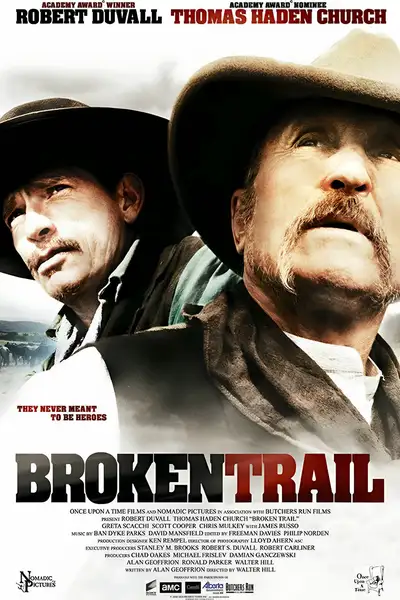
A story about redemption, duty, and the bonds formed through shared hardship, this Western miniseries follows an aging cowboy and his nephew as they drive 500 Chinese women across 1800s Oregon territory to a new life. Robert Duvall and Thomas Haden Church deliver exceptional performances as the Print Ritter and Tom Harte, bringing depth and authenticity to characters who discover their own humanity through protecting the vulnerable. Director Walter Hill crafts a visually stunning and emotionally resonant journey that explores themes of honor and compassion against the harsh realities of frontier life. The script by Alan Geoffrion treats its historical subject matter with respect while never losing sight of the personal transformations at its heart. This is American Western storytelling at its finest—patient, thoughtful, and ultimately deeply moving.
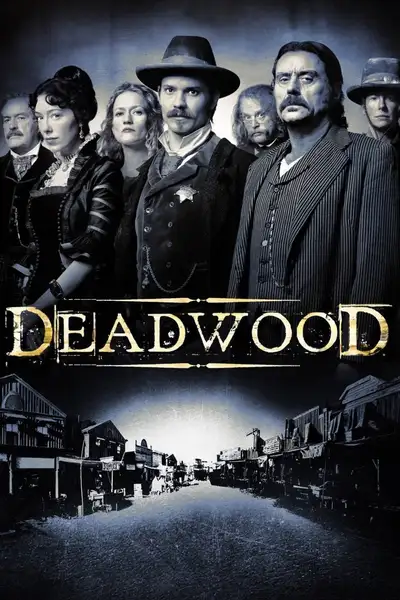
Thematically, this is a meditation on civilization emerging from lawlessness, on how communities form and define themselves when traditional structures of power break down. David Milch's ambitious Western follows the rough South Dakota mining camp as it transitions from chaotic frontier settlement to something resembling a town with actual governance. The cast, led by Timothy Olyphant and Ian McShane, delivers Milch's famously profane and Shakespearean dialogue with commitment, though the show's baroque language can feel more like an affectation than an asset. When it works, the series offers genuinely provocative insights into American mythology and the brutal compromises required to build society from scratch. When it doesn't, it feels self-indulgent and deliberately obscure, favoring style over clarity. The production design is impeccable, creating a convincingly muddy and unglamorous version of the Old West, but the glacial pacing and dense dialogue make it demanding viewing that doesn't always reward the effort invested.
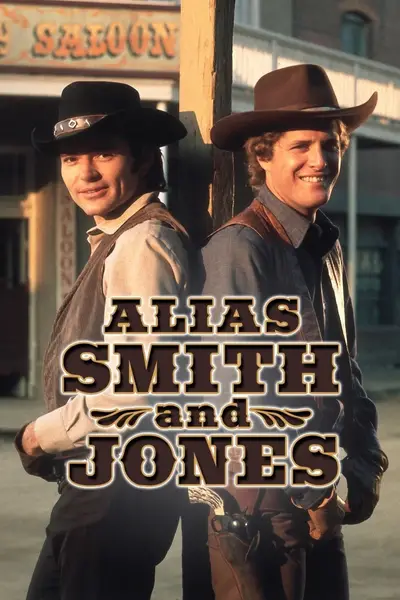
At its core, this Western series explores themes of redemption and identity through two outlaws attempting to go straight. Pete Duel and Ben Murphy star as Hannibal Heyes and Kid Curry, charismatic criminals offered amnesty if they can stay out of trouble—though they must keep their true identities secret until the governor officially pardons them. Created by Glen A. Larson, the show presents a lighter take on the Western genre, emphasizing wit and charm over gunfights, which was somewhat revolutionary for early 1970s television. The chemistry between the leads drives the series, their banter and genuine friendship making even formulaic episodes enjoyable. Unfortunately, the show's legacy is forever marked by tragedy, as Duel's death during the second season forced a recasting that the series never quite recovered from. While it doesn't reach the heights of Maverick, its clear inspiration, Alias Smith and Jones offers pleasant, undemanding entertainment with flashes of something more thoughtful about second chances and the American mythos.
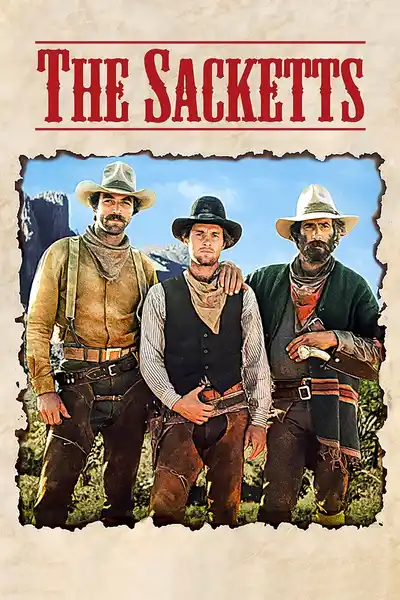
Set against the backdrop of the post-Civil War American frontier, this television miniseries adaptation of Louis L'Amour's beloved novels follows the adventures of the Sackett brothers as they navigate the dangerous and lawless territories of the Old West. Sam Elliott, Tom Selleck, and Jeff Osterhage star as the three brothers whose strong family bonds are tested by outlaws, land disputes, and the harsh realities of frontier life. The sprawling Western epic captures the spirit of L'Amour's writing with scenic cinematography and solid performances from its leads, who bring authenticity and charm to their roles. While it adheres to traditional Western conventions, the series succeeds in delivering an engaging story about honor, family loyalty, and survival. It's a well-crafted piece of Western television that holds up as an enjoyable watch for fans of the genre.
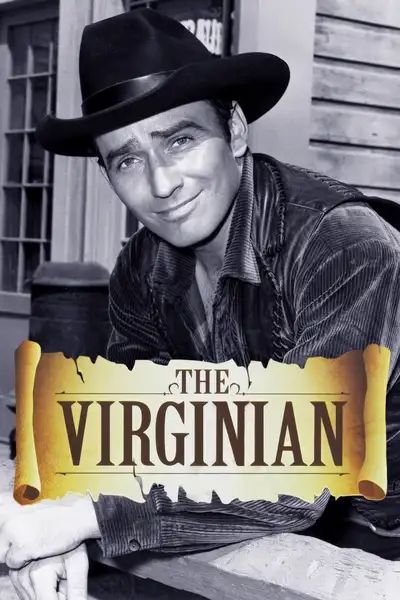
The struggle between maintaining law and order in the Wyoming Territory and respecting individual freedom drives this long-running Western starring James Drury as the mysterious foreman known only as The Virginian. Set on the sprawling Shiloh Ranch, the series follows The Virginian and ranch owner Judge Garth (Lee J. Cobb) as they navigate disputes with neighboring ranchers, outlaws, and the challenges of frontier life. Created by Charles Marquis Warren, the 90-minute episode format allowed for more developed storytelling than typical Westerns of the era. However, that length also means many episodes feel padded, and the formulaic nature of weekly conflicts grows predictable. The cast handles the material professionally, and there's a certain comfort in its traditional Western values, even if those values now seem simplistic.
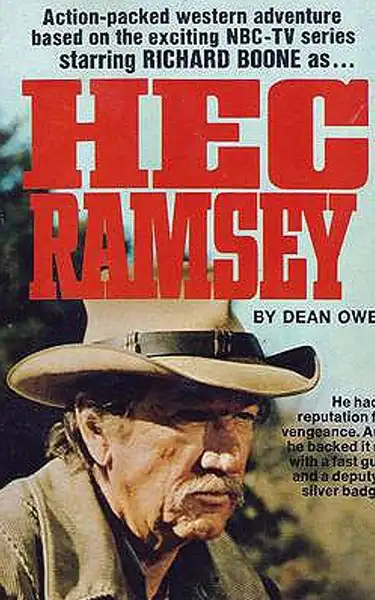
Unconventional and deliberately paced, this western series featured Richard Boone as the title character, a former gunfighter turned Old West detective who uses early forensic methods to solve crimes. Created as part of the NBC Mystery Movie rotation, the show attempted to blend traditional western elements with procedural investigation, setting it apart from conventional shoot-em-up fare of the era. Boone, fresh from his success in "Have Gun – Will Travel," brought weathered authenticity to the role, and the series benefited from his screen presence. The focus on deductive reasoning and primitive scientific methods provided novelty, though the slower pace and cerebral approach didn't always generate sufficient dramatic tension. Rick Lenz provided support as the young chief seeking to modernize law enforcement. While the concept showed promise and individual episodes displayed quality craftsmanship, the series struggled to find its audience during its two-season run.
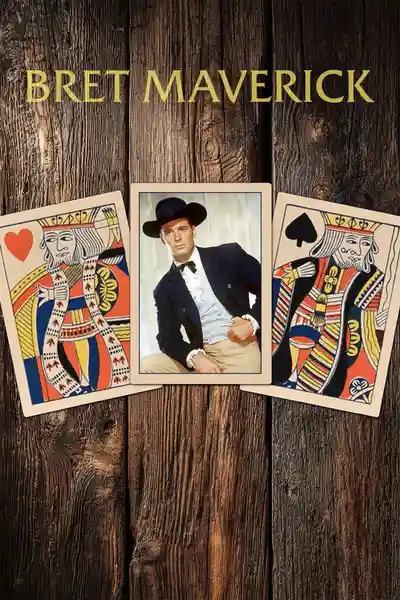
Bret Maverick returns to the Arizona Territory after years of roaming, settling in the town of Sweetwater where he hopes to finally establish roots—though trouble naturally follows. James Garner reprises his iconic role from the original Maverick series in this sequel show that finds the charming gambler slightly older and theoretically wiser, though still unable to resist a good poker game or a friend in need. Created by Gordon Dawson, the series retains the light touch and self-aware humor that made the original memorable, with Garner's effortless charisma anchoring every episode. While Bret claims to be settling down, each episode finds him drawn into local conflicts, mysteries, or schemes that require his particular blend of cunning and luck to resolve. The supporting cast, including regulars at Bret's saloon, provide solid foundations for storytelling. It's comfort viewing for Western fans, delivering dependable entertainment without demanding too much intensity—perfectly calibrated for Garner's laid-back screen presence.
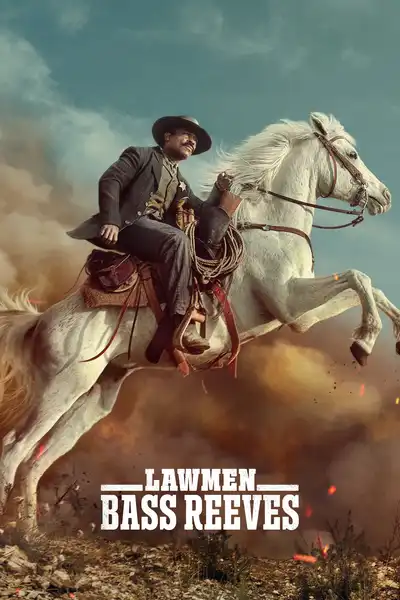
The post-Civil War American frontier provides the backdrop for this compelling historical drama about the legendary Black deputy U.S. marshal. David Oyelowo delivers a commanding performance as Bass Reeves, bringing dignity and complexity to the real-life lawman who arrested over 3,000 criminals during his career. Created by Chad Feehan and produced by Taylor Sheridan, the series doesn't shy away from the racial tensions and injustices Reeves navigated while enforcing the law in Indian Territory. The production values are impressive, with cinematography that captures both the harsh beauty of the frontier and the violence inherent to the era. Supporting performances, particularly from Lauren E. Banks and Dennis Quaid, add depth to the historical tapestry. While occasionally falling into familiar Western rhythms, the show successfully illuminates an overlooked American hero whose story deserves this spotlight.
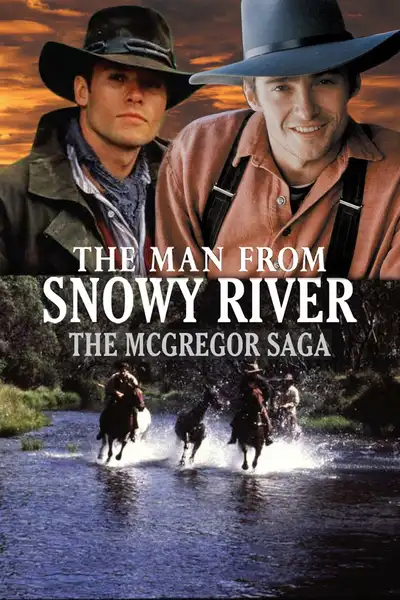
Set in the rugged Australian high country during the 1860s, this series brings Banjo Paterson's legendary poem to life as an ongoing frontier saga. The Man from Snowy River follows the adventures of various characters navigating life in the unforgiving mountain territory, where cattle runs, family feuds, and the struggle to tame the wilderness provide constant drama. Andrew Clarke, Brett Climo, and Guy Pearce anchor the ensemble cast, bringing authenticity to their portrayals of bushmen, settlers, and horsemen. The series captures the sweeping beauty of the Australian landscape while telling stories of romance, rivalry, and survival that defined the colonial era. Though it takes liberties with the source material, the show succeeds in creating an engaging Western-style drama with distinctly Australian character. The production values showcase the stunning mountainous terrain effectively, making the setting nearly as important as the human stories unfolding within it.
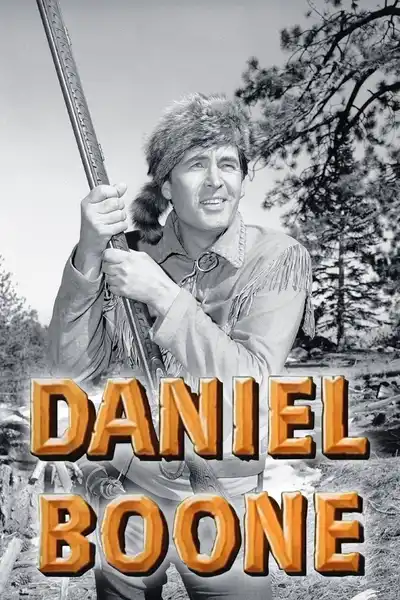
In this series from the mid-1960s, Fess Parker stars as the legendary frontiersman navigating the Kentucky wilderness during America's colonial period. The show takes a sanitized, family-friendly approach to frontier life, emphasizing Boone's resourcefulness and moral character while largely avoiding the more complex realities of westward expansion and its impact on Indigenous peoples. Created by Aaron Spelling, the series was typical of its era's approach to Westerns—earnest, adventure-focused, and not particularly interested in historical nuance. Parker brings a steady, reassuring presence to the role, making Boone an idealized patriarch for 1960s audiences. The episodic structure means storylines rarely carry significant weight beyond their individual hours, and by contemporary standards, the show feels both dated and problematic in its depiction of Native Americans and frontier conflicts. As a cultural artifact of its time, it's interesting; as entertainment, it requires significant patience and willingness to overlook its limitations.
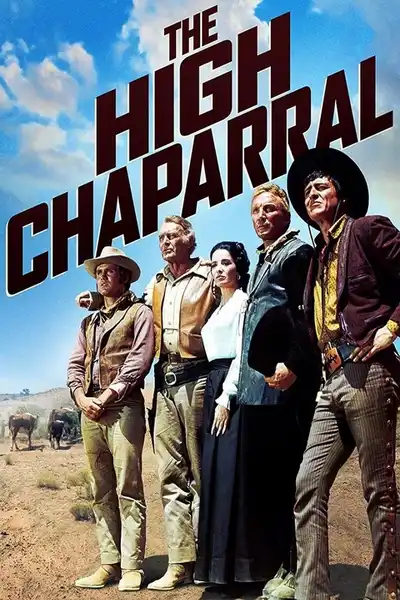
In this Western series set on a sprawling Arizona ranch in the 1870s, conflicts between cattle ranchers, Native Americans, and Mexican neighbors provide the backdrop for family drama and frontier justice. Leif Erickson stars as Big John Cannon, with Cameron Mitchell as his brother Buck in this NBC series that ran for four seasons. The show attempts to present a more nuanced view of the Old West than some contemporaries, though it still reflects the limitations of 1960s television in depicting Indigenous peoples and Mexican characters. The Arizona locations provide authentic atmosphere, and the ensemble cast develops genuine chemistry over time. Production values are solid for the era, with well-staged action sequences. However, the episodic nature and formulaic plotting make it feel dated compared to modern prestige Westerns. It's a competent example of its genre and era that occasionally rises above convention but mostly remains earthbound.
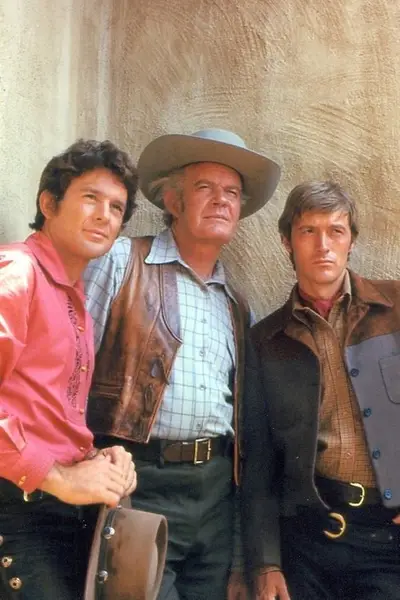
Created by Samuel A. Peeples, this western series centered on the Lancer family's California ranch and the complicated dynamics between patriarch Murdoch Lancer and his two estranged sons, played by James Stacy and Wayne Maunder. The show attempted to bring more psychological depth to the traditional western format, focusing on family reconciliation and the challenge of strangers learning to become brothers while defending their land. Andrew Duggan portrayed the family patriarch with suitable gravitas, and the series benefited from strong location filming. However, the execution didn't always live up to its more ambitious character-driven intentions, sometimes falling back on conventional western plots. The interpersonal tensions provide intermittent interest, and there are episodes that succeed in balancing action with emotional stakes. While it developed a loyal following during its two-season run, the series remains somewhat inconsistent in its storytelling approach.
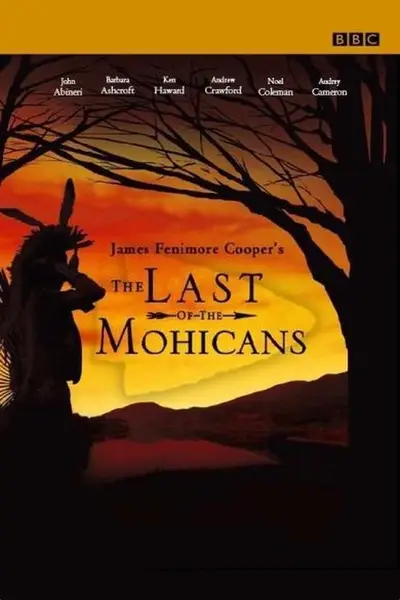
Ambitious but uneven, this British adaptation of James Fenimore Cooper's classic novel transplants the French and Indian War narrative to television with mixed results. The production attempts to capture the adventure and historical scope of the source material while working within the constraints of early 1970s television budgets. The result is a series that shows its limitations in the outdoor sequences and action scenes, though the cast works earnestly to bring the characters to life. Kenneth Ives stars as Hawkeye, navigating colonial conflicts and forging alliances with indigenous characters—a portrayal that, like the source material itself, carries the historical and cultural attitudes of its origins. For viewers interested in television history or adaptations of classic literature, it represents a snapshot of how such stories were approached during this era. The production has historical curiosity value, though modern audiences will likely find both the pacing and presentation challenging.
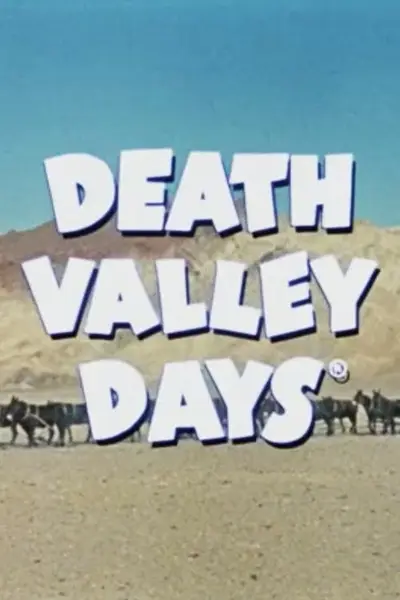
This Western anthology series hosted by Stanley Andrews (and later by Robert Taylor) presents dramatized tales from America's frontier history, though its earnest approach now feels decidedly dated. Running for over 550 episodes from 1952 to 1970, "Death Valley Days" showcased stories of pioneers, outlaws, and everyday settlers, often featuring future stars in early roles before they hit it big. The series maintains historical curiosity with its focus on lesser-known Western events and figures, occasionally delivering engaging narratives that capture the spirit of frontier life. However, the production's reverent, sometimes sanitized portrayal of westward expansion glosses over darker historical realities, and the stiff acting style typical of the era hasn't aged particularly well. Modern viewers may find the pacing slow and the moral lessons heavy-handed, though there's nostalgic value in its time-capsule quality. It's more interesting as a cultural artifact of 1950s-60s television than as gripping entertainment today.

Dark and brooding, this Canadian period drama set during the Klondike Gold Rush follows two Irish brothers seeking fortune in the unforgiving Yukon wilderness. Created by Donnell Deeny and Owen McDonnell (who also stars alongside Sean McGinley), the series attempts to capture both the brutal reality of gold prospecting and the moral compromises people make in pursuit of wealth. The harsh landscape is beautifully photographed, and the production design effectively recreates the era. However, the storytelling doesn't always live up to the atmospheric visuals. The pacing feels sluggish at times, and character motivations aren't always clear. Some performances hit the mark while others feel stilted. There are compelling moments exploring themes of family loyalty and survival, but the series never quite gels into a cohesive whole. It's worth watching for history buffs or fans of period pieces, though it requires patience.