Body Horror Shows
When human flesh becomes the canvas for nightmares, television reaches its most visceral and disturbing potential through body horror shows that push the boundaries of what viewers can stomach. This carefully curated selection of five essential series showcases the genre's most accomplished explorations of physical transformation, mutation, and bodily corruption—from groundbreaking classics that defined the aesthetic to contemporary productions that continue to innovate with cutting-edge effects and unflinching storytelling. Whether through parasitic invasions that rewrite human biology, surgical violations that blur medical practice with torture, or slow-burn infections that transform victims from within, these body horror shows demonstrate how the small screen has become home to some of the most grotesque and imaginative narratives in horror. Spanning decades of television excellence, this collection represents the genre's evolution while highlighting those rare series that understand body horror isn't merely about shock value—it's about tapping into primal fears of losing control over our own physical forms. Prepare to discover shows where transformation is terror, flesh is vulnerable, and the human body becomes horrifyingly unfamiliar territory.
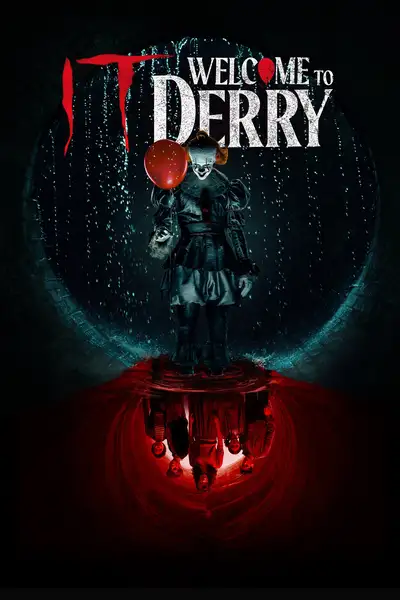
Atmospheric dread permeates every frame of this prequel series exploring the origins of Pennywise and the cursed history of Derry, Maine. Set decades before the events of Stephen King's iconic novel, the show delves into how fear took root in this seemingly ordinary town and the evil that has fed on its residents for generations. The period setting is meticulously crafted, immersing viewers in a Derry that feels both nostalgic and deeply unsettling. The creative team builds tension masterfully, understanding that horror works best when it's as much about human darkness as supernatural threats. While honoring King's source material and the world established in Andy Muschietti's films, the series carves out its own identity with fresh characters and storylines that expand the mythology. It's a worthy addition to the IT universe that horror fans will appreciate for its commitment to slow-burn scares and character-driven storytelling rather than relying solely on jump scares.
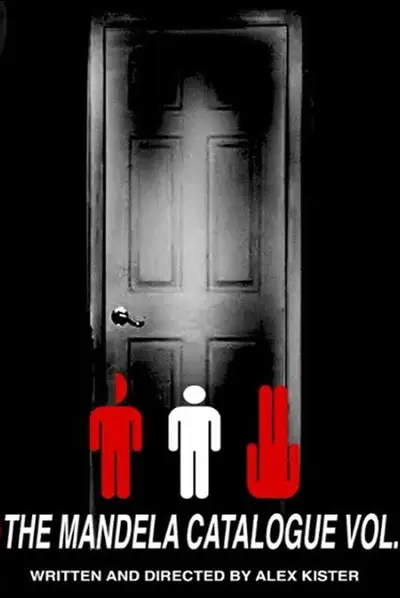
Set in Mandela County, Wisconsin, during an alternate timeline where supernatural entities have infiltrated human society, this analog horror series has redefined what YouTube horror can achieve. Creator Alex Kister uses deliberately lo-fi production values—grainy VHS footage, emergency broadcast warnings, and unsettling PSA-style videos—to craft something genuinely disturbing. The series follows the spread of "alternates," doppelgängers that psychologically torment their victims before replacing them, through found footage and institutional recordings that feel unnervingly authentic. Rather than relying on jump scares, Kister builds existential dread through implication and atmosphere, trusting viewers to fill in the horrifying blanks. The mythology deepens with each installment, weaving religious imagery and conspiracy theory aesthetics into a narrative that rewards close attention and repeated viewing.
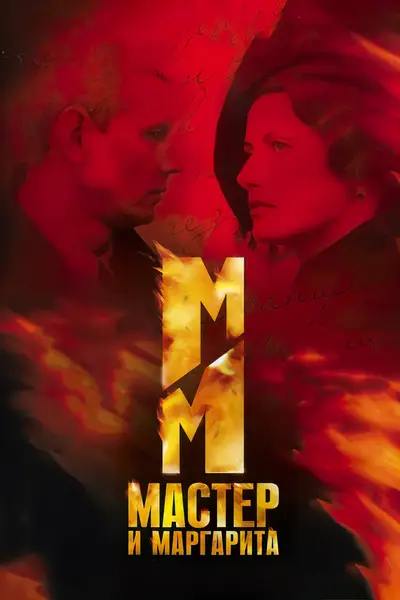
This adaptation explores the eternal struggle between good and evil, artistic freedom and totalitarian control, and the redemptive power of love against forces of darkness. Based on Mikhail Bulgakov's masterpiece, the Russian miniseries interweaves three narratives: the Devil's satirical visit to Soviet Moscow, Pontius Pilate's encounter with Jesus, and the tragic romance between the Master and Margarita. The production captures the novel's surreal, darkly comic spirit while grounding the story in rich period detail. The performances embrace the material's theatrical qualities, particularly in depicting Satan's mischievous entourage wreaking havoc on Moscow's literary establishment. While the complex structure occasionally challenges viewers unfamiliar with the source material, the visual storytelling helps navigate between timelines and realities. The series works both as political allegory and metaphysical romance, though some subtleties may be lost in translation. For those willing to embrace its ambitious scope, it offers a fascinating glimpse into Russian literature and Soviet-era artistic courage.
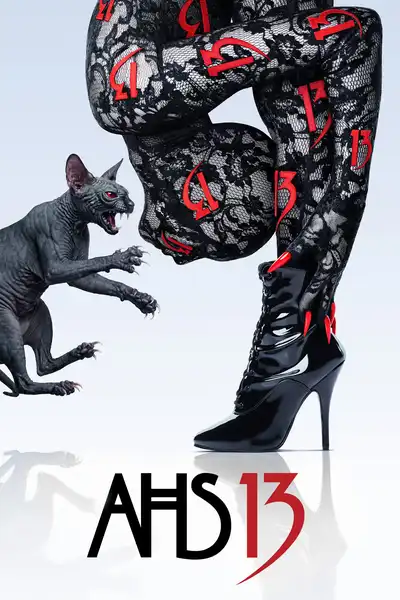
Evan Peters headlines this anthology series created by Ryan Murphy and Brad Falchuk, appearing in multiple seasons as different characters navigating various horror scenarios from haunted houses to insane asylums to apocalyptic cults. Each season presents a self-contained story with recurring cast members taking on new roles, allowing actors like Sarah Paulson, Jessica Lange, and Kathy Bates to showcase their range across wildly different scenarios. The show's visual style is undeniably striking, with Murphy's signature glossy aesthetic applied to disturbing subject matter ranging from supernatural threats to very human monstrosity. When it works, the series delivers genuinely unsettling horror alongside biting social commentary and campy theatricality. However, the seasons vary wildly in quality, and Murphy's tendency to prioritize shocking imagery over coherent storytelling can undermine the horror. Some seasons collapse under the weight of too many plotlines and undercooked themes. The anthology format means a disappointing season won't ruin future installments. It's ambitious horror television that swings for the fences, landing solid hits often enough to justify the occasional miss.
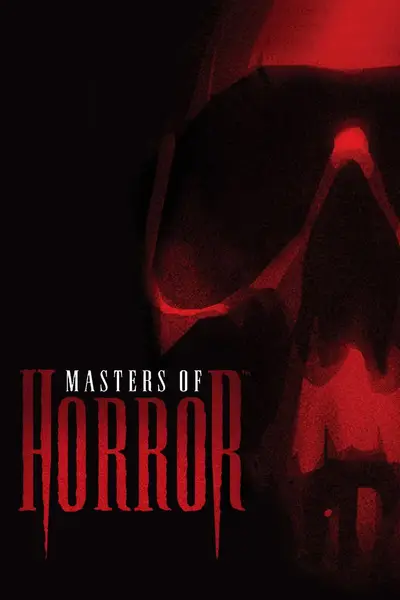
Horror filmmakers from Dario Argento to John Carpenter direct hour-long episodes in this anthology series that promised to deliver premium scares from the genre's most respected names. Each standalone episode presents a different horror story, ranging from psychological terror to visceral gore, with the directors given creative freedom to explore their particular obsessions and styles. Mick Garris developed the series for Showtime, assembling an impressive roster of talent that reads like a who's who of horror cinema. However, the results are frustratingly inconsistent—some episodes deliver genuinely disturbing and masterfully crafted horror, while others feel like rough drafts that squander their concepts and runtimes. The anthology format means you can sample episodes based on the director involved, but even prestigious names don't guarantee quality here. For horror enthusiasts, it's a mixed bag worth exploring selectively, though it never quite lives up to the potential suggested by its pedigree.
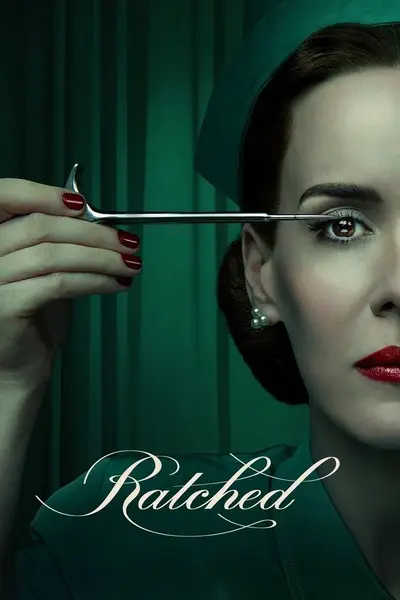
Visually sumptuous but narratively hollow, this origin story for "One Flew Over the Cuckoo's Nest" villain Nurse Ratched struggles to justify its own existence despite undeniable craft. Sarah Paulson commands the screen as the young Mildred Ratched, bringing complexity to her gradual transformation from damaged woman to institutional tyrant. Created by Ryan Murphy and Evan Romansky, the series drowns its psychological thriller ambitions in excessive style, with lush production design and saturated colors that often feel divorced from the story's darker impulses. When "Ratched" focuses on the asylum's horrors and post-war trauma, it finds occasional resonance. However, the show frequently veers into melodramatic excess and plot contrivances that undermine character development. The supporting cast, including Cynthia Nixon and Judy Davis, deserves better material than the uneven scripts provide. It's a frustratingly inconsistent series that looks stunning while saying surprisingly little—beautiful but ultimately unsatisfying.
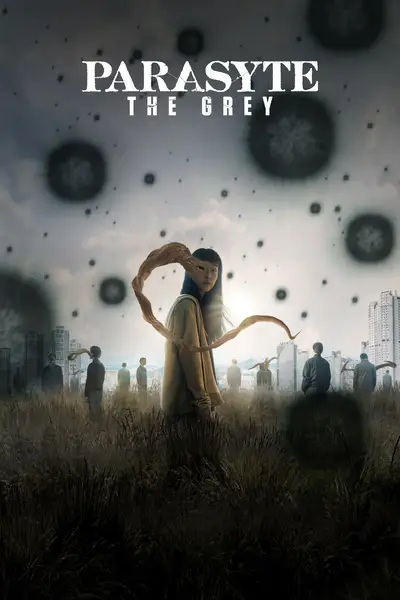
Director Yeon Sang-ho, who brought us the acclaimed Train to Busan, turns his attention to parasitic alien invasion in this Korean series adapting Hitoshi Iwaaki's manga into a distinctly localized thriller. The story follows ordinary people in a declining Korean town who encounter mysterious organisms that take over human bodies, creating "parasytes" with inhuman strength and predatory instincts. Jeon So-nee anchors the ensemble as a woman caught between human resistance fighters and the parasytes, while Koo Kyo-hwan brings intensity to a security officer investigating the outbreak. Yeon's signature blend of body horror, social commentary, and action set pieces translates effectively to the episodic format, with impressive practical and digital effects bringing the creatures to horrifying life. The series explores themes of symbiosis, humanity, and survival with more nuance than typical invasion stories, asking complicated questions about coexistence and identity. While familiarity with the source material isn't required, manga fans will appreciate the faithful adaptation that captures the original's body horror while expanding the world. The pacing builds tension effectively across six episodes, delivering satisfying action and genuine surprises. It's visceral, thought-provoking, and thoroughly gripping—a must-watch for horror-thriller enthusiasts.
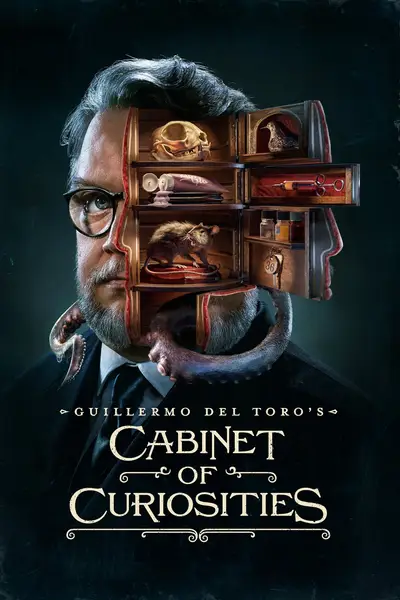
Curated by the visionary filmmaker himself, Guillermo del Toro's anthology series brings together eight standalone horror stories from various directors, each exploring the darker corners of imagination. Del Toro introduces each episode with genuine enthusiasm for the macabre, setting the tone for tales that range from creeping psychological dread to full-on gothic horror. The anthology format allows for creative risks, with some episodes landing more effectively than others, but the overall quality remains solid throughout. Directors like Jennifer Kent, Panos Cosmatos, and Ana Lily Amirpour bring their distinct visions to the material, resulting in a diverse collection that showcases different horror subgenres and storytelling approaches. The production design and creature effects are consistently impressive, bearing del Toro's influence in their craftsmanship and attention to detail. It's a treat for horror enthusiasts who appreciate the genre's artistic possibilities and don't need everything to connect to a larger narrative.
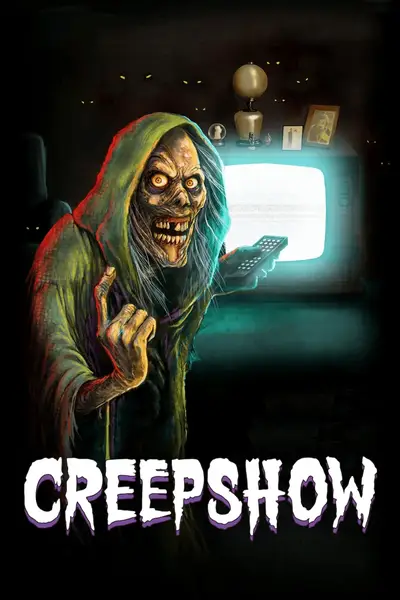
Colorful, gory, and wildly uneven, this anthology series revives the spirit of the 1982 Stephen King and George A. Romero collaboration with mixed results. Showrunner Greg Nicotero brings impressive practical effects and genuine affection for EC Comics-style horror, presenting multiple short stories per episode that range from creature features to twisted morality tales. The animated segments bridging stories capture the aesthetic of the original film's comic book framing device. Some episodes deliver gleefully dark entertainment with memorable performances from guest stars including David Arquette, Adrienne Barbeau, and Tricia Helfer. However, the quality varies dramatically—some segments feel genuinely inspired while others fall flat with predictable twists or humor that doesn't land. The commitment to practical gore effects over CGI is admirable, though occasionally the low budget shows. Fans of old-school horror anthologies will find moments to appreciate, but those expecting consistent scares or storytelling may be disappointed. It's best approached as comfort food for horror enthusiasts rather than essential viewing.
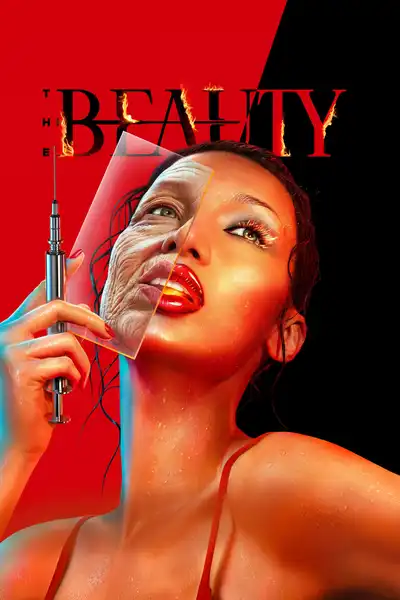
At its core, this is a story about vanity, consequence, and the price we pay for perceived perfection. When a sexually transmitted disease begins spreading that makes carriers physically beautiful, society must grapple with an epidemic that seems more like a blessing than a curse—until the devastating side effects emerge. Based on the graphic novel by Jeremy Haun and Jason A. Hurley, the series presents an intriguing premise that serves as allegory for how we value appearance over substance. The execution is uneven at times, with some storylines landing more effectively than others, but the central concept provides enough thought-provoking material to justify the viewing experience. The cast commits fully to the material, and when the show leans into its darker implications, it finds moments of genuine resonance about beauty standards and human nature.
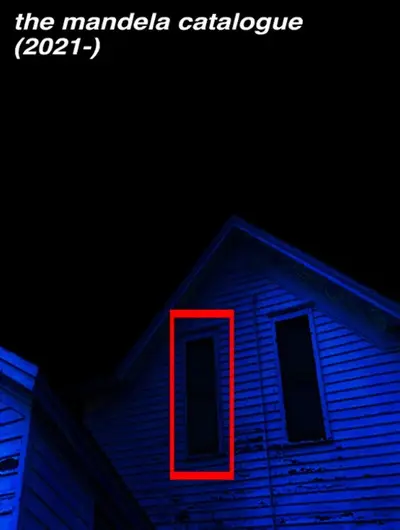
This analog horror web series attempts to create atmospheric dread through found footage aesthetic and biblical mythology but delivers mixed results. The concept—exploring an alternate reality where supernatural entities replace humans—shows promise, and certain segments generate genuine unease through creative use of distorted audio and unsettling imagery. However, the execution is inconsistent, with some episodes effectively building tension while others feel repetitive or underdeveloped. The lore becomes increasingly convoluted, making it difficult to follow the narrative thread without extensive supplementary research. When the series focuses on specific, contained scares, it succeeds; when it attempts broader worldbuilding, the amateur production limitations become more apparent. Fans of the analog horror genre may appreciate the ambition, but casual viewers might find the series more confusing than frightening.