70s Shows
The 1970s revolutionized television with a bold wave of programming that pushed creative boundaries and redefined what audiences could expect from the small screen. This era delivered groundbreaking storytelling across every genre imaginable, from gripping crime procedurals and sweeping historical epics to innovative anime series and breathtaking nature documentaries that showcased television's expanding artistic potential. The best shows of the 1970s combined award-winning performances with daring narratives that tackled complex themes, creating unforgettable television moments that continue to influence creators today. Whether you're drawn to critically acclaimed dramas that captivated millions, thrilling series that kept viewers on the edge of their seats, or visionary programming that proved television could rival cinema in scope and ambition, the decade's most talked-about releases represent a golden age of innovation. These must-watch shows from the seventies featured standout performances from legendary actors, visionary work from pioneering creators, and stories that resonated deeply with audiences worldwide, cementing their place as timeless classics that defined an entire generation of television excellence.
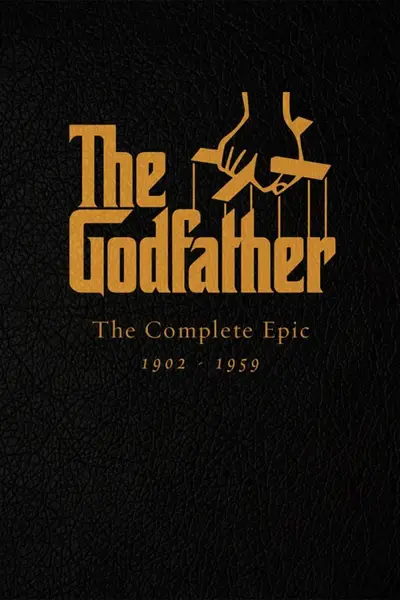
Epic in scope and unmatched in its presentation, this chronologically rearranged television event combines both Godfather films with additional footage into a single sprawling saga about the Corleone crime family. Director Francis Ford Coppola supervised this ambitious restructuring that begins with young Vito Corleone's arrival in America and follows the family's rise through multiple generations, ending with Michael's consolidation of power and moral deterioration. Clocking in at over seven hours, this version allows viewers to experience the story in linear fashion, adding nearly an hour of deleted scenes that deepen character relationships and provide additional context. Al Pacino, Robert De Niro, and Marlon Brando's iconic performances gain new resonance when viewed as one continuous narrative. This comprehensive edition represents the definitive way to experience one of cinema's greatest achievements, treating the material as the American epic it truly is.
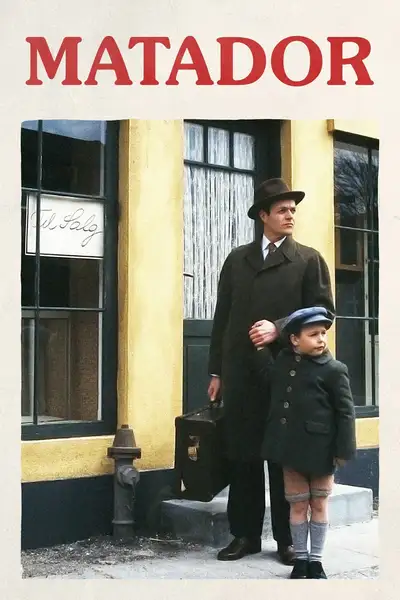
Darkly witty and intellectually provocative, this Danish drama series stands as a masterpiece of Nordic television that demands your attention. Created by Flemming Quist Møller and based on Leif Panduro's novel, the show follows Erik, a successful middle-aged man who begins an affair that spirals into psychological complexity and moral ambiguity. The performances are extraordinary, particularly in how they navigate the shifting power dynamics and self-deception at the story's heart. What could have been a simple tale of infidelity becomes a devastating examination of identity, desire, and the lies we tell ourselves. The direction is precise and unflinching, never sensationalizing but always revealing. Decades later, it remains remarkably fresh, its psychological insights and narrative boldness undiminished by time. This is television that trusts its audience completely, offering a mature, unsettling exploration of human weakness that lingers long after viewing.

The reverent wonder that permeates every frame of Life on Earth makes it not just a landmark documentary but an enduring meditation on the beauty and diversity of our planet. David Attenborough's groundbreaking series traces the evolution of life across 3.5 billion years with a combination of scientific rigor and poetic storytelling that has never been surpassed. Producer Christopher Parsons and his team traveled the globe for three years to capture footage that astonished 1979 audiences and remains powerful today—the sequence of mountain gorillas alone justifies the series' legendary status. What makes Life on Earth timeless isn't just its comprehensive scope but Attenborough's ability to convey genuine enthusiasm for everything from slime molds to primates. The series established the template for virtually every nature documentary that followed, yet few have matched its perfect balance of education, entertainment, and sheer cinematic beauty. Essential viewing for anyone who cares about the natural world.
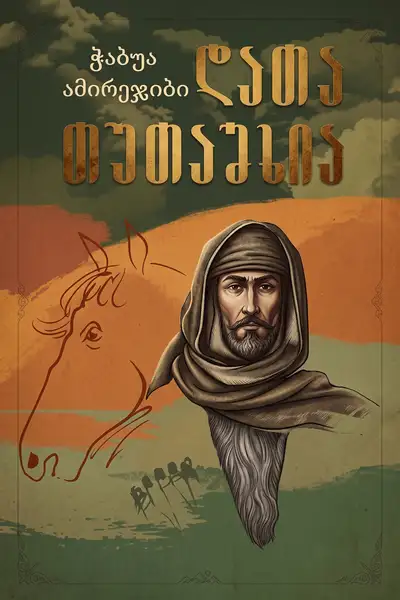
This epic adventure series stands as a towering achievement in Soviet television, bringing Chabua Amirejibi's beloved novel to life with breathtaking scope and emotional depth. Set in 19th-century Georgia, the miniseries follows the legendary outlaw Data Tutashkhia (played magnificently by Kakhi Kavsadze), a Robin Hood-like figure whose daring exploits and strict moral code make him both a hero to the oppressed and a thorn in the side of corrupt authorities. Director Mikheil Kveselava orchestrates stunning cinematography that captures the rugged beauty of the Georgian countryside, while the narrative unfolds with the grandeur and complexity of a classic literary adaptation. The production values are extraordinary for the period, featuring elaborately staged action sequences and richly detailed period costumes that immerse viewers completely in the era. What elevates this beyond mere adventure is its profound exploration of honor, justice, and the human cost of rebellion. Every frame radiates passion and craftsmanship, making this an absolutely essential viewing experience that showcases the heights Soviet television could reach.
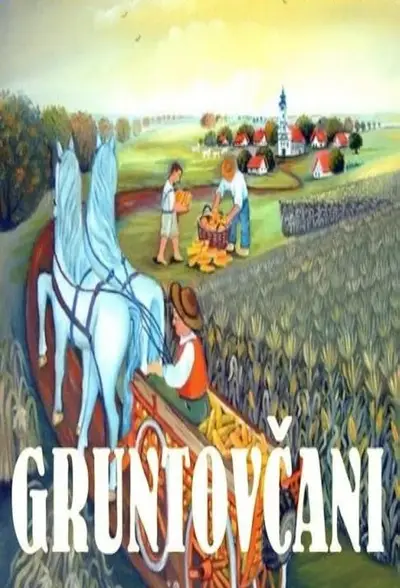
Charming, insightful, and wonderfully observed, this Yugoslav television series from director Jože Babič captures rural life in a small Slovenian village with remarkable authenticity and gentle humor. Following the interconnected stories of Gruntovec's residents, the show eschews melodrama in favor of naturalistic storytelling that finds profound meaning in everyday struggles and small triumphs. The ensemble cast, featuring both professional actors and local non-professionals, delivers performances of surprising depth and warmth. What makes the series special is its refusal to romanticize or mock rural existence—instead, it presents these lives with dignity and affection, finding universal truths in specific details. The pacing may feel leisurely by contemporary standards, but patient viewers will discover a richly textured portrait of community, tradition, and change.
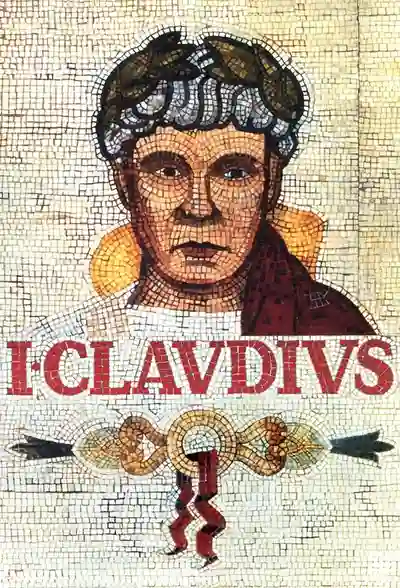
Historical drama reaches its absolute pinnacle in this magnificent BBC adaptation of Robert Graves' novels about the Roman Empire's most unlikely emperor. Derek Jacobi delivers a career-defining performance as Claudius, the stammering, limping family member dismissed as an idiot who survives the murderous machinations of his relatives through perceived weakness. Created by Jack Pulman and directed by Herbert Wise, the series chronicles the savage dynasty from Augustus through Nero with unflinching intelligence and theatrical brilliance. The ensemble cast—including Siân Phillips as the terrifyingly calculating Livia and John Hurt as the depraved Caligula—creates television that crackles with dramatic intensity in every scene. The production may look modest by modern standards, but the writing, performances, and sheer narrative command make this essential viewing. It's not just great historical television; it's simply great television, period, proving that compelling storytelling transcends budget and era.
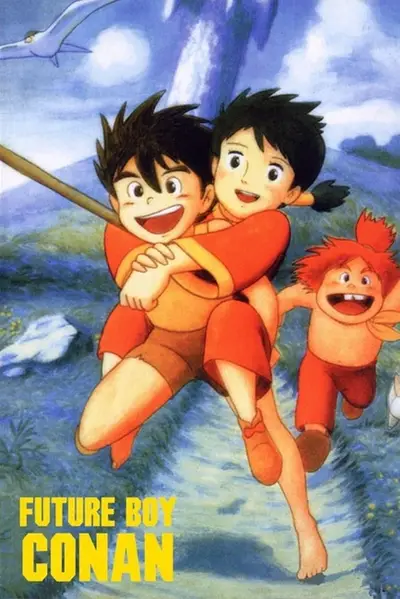
Visionary, adventurous, and deeply humanistic, Hayao Miyazaki's first directorial television series remains an absolute triumph of animated storytelling that laid the groundwork for Studio Ghibli's future masterpieces. Set in a post-apocalyptic world where most of humanity has been wiped out, the show follows young Conan as he searches for his friend Lana while battling the remnants of the old civilization that caused the world's destruction. The animation is remarkably fluid and expressive for its era, and Miyazaki's environmental themes and anti-war messaging resonate powerfully throughout all 26 episodes. What truly elevates the series is its unwavering optimism—despite the dystopian setting, it celebrates human resilience, friendship, and the possibility of building something better from the ruins. The action sequences are thrilling, the world-building is rich, and the emotional beats land perfectly. It's essential viewing for animation fans and a beautiful reminder of why Miyazaki became a legend.

Bursting with innocent charm and timeless humor, this legendary Mexican sitcom created by Roberto Gómez Bolaños centers on the misadventures of El Chavo, a lovable orphan boy living in a barrel in a neighborhood courtyard, and his colorful group of friends and neighbors. Gómez Bolaños himself stars as the perpetually hungry, well-meaning Chavo, delivering physical comedy and childlike wonder that transcends language barriers and generations. The simple setting becomes a universe of imagination where everyday situations—games in the courtyard, misunderstandings between neighbors, schemes to get food—transform into comedy gold through brilliant character work and impeccable timing. What makes this show absolutely magical is its universal appeal; the humor is gentle, the characters are unforgettable, and the heart behind every episode shines through. Decades after its debut, it remains a cultural phenomenon across Latin America and beyond, beloved by audiences who grew up with it and new viewers discovering its timeless magic.
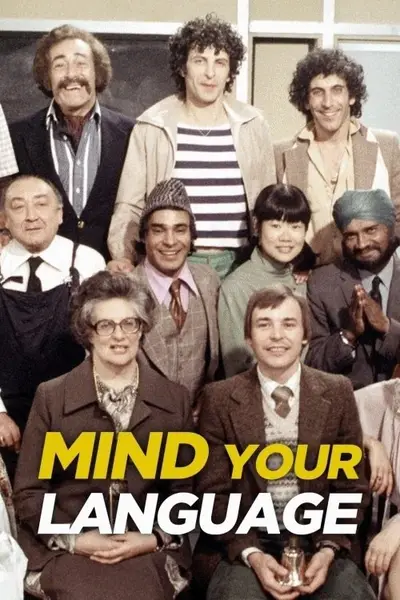
Barry Evans stars as Jeremy Brown, the well-meaning teacher tasked with instructing a wonderfully chaotic evening English class full of adult immigrants in this absolutely delightful British sitcom. Created by Vince Powell, Mind Your Language brings together a diverse ensemble cast including Zara Nutley, Albert Moses, and Francoise Pascal as students from around the globe who clash, connect, and create comedy gold through cultural misunderstandings and language barriers. What makes this series such a joy is its warmth beneath the humor—while the fish-out-of-water scenarios and miscommunications generate consistent laughs, there's genuine affection for these characters trying to build new lives in England. The classroom setting becomes a melting pot of perspectives, with each student bringing their own personality and comic timing to the mix. It's comfort viewing at its finest, offering a snapshot of 1970s London while delivering exactly the kind of feel-good entertainment that makes you want to binge the entire series.
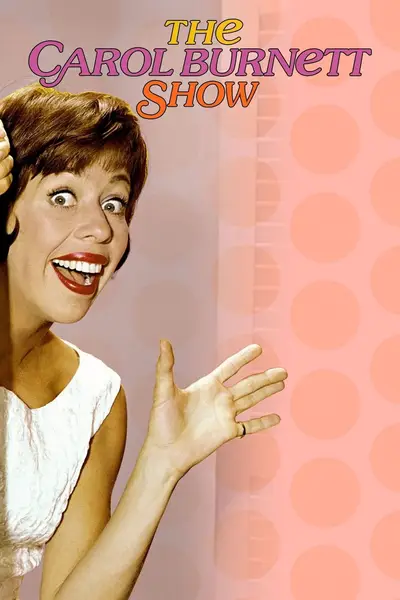
Joyous, inventive, and endlessly entertaining, this variety show represents television comedy at its finest. Carol Burnett leads a brilliant ensemble including Harvey Korman, Vicki Lawrence, Lyle Waggoner, and Tim Conway through sketches, musical numbers, and improvised moments that have become legendary. The chemistry among the cast is palpable, with their frequent on-camera laughter feeling infectious rather than unprofessional. What's remarkable is the show's consistency across eleven seasons—the quality never wavers, and the willingness to take risks keeps the comedy fresh. From elaborate parodies to simple character pieces, the variety in format and tone ensures something for everyone. The production values are impressive, with costume and set design that rival much bigger-budget productions. Watching these performers at the height of their powers, clearly having the time of their lives, remains an absolute delight.
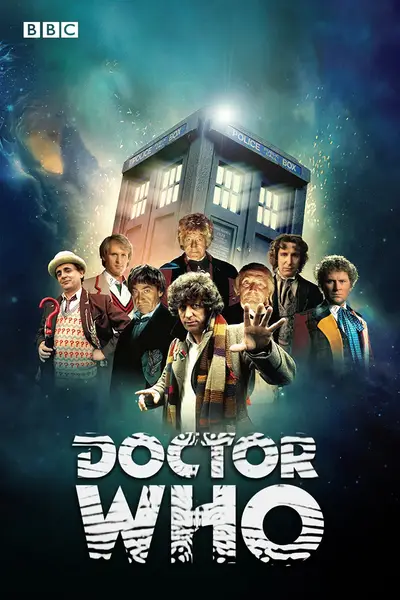
Science fiction television doesn't get more iconic, enduring, or downright brilliant than this British institution that has been captivating audiences across generations since its debut. The show's genius lies in its infinitely renewable format: a time-traveling alien called the Doctor, who regenerates into new bodies, explores all of time and space in a police box called the TARDIS. Created by Sydney Newman, C.E. Roberts, and Donald Wilson, the series has featured countless memorable Doctors, companions, and monsters (the Daleks and Cybermen remain genuinely chilling). Whether you're watching classic episodes from the original run or the revived series that began in 2005 with Russell T Davies at the helm, you'll find imaginative storytelling that balances humor, horror, and heart. The show's ability to reinvent itself while maintaining its essential spirit is unmatched in television history.
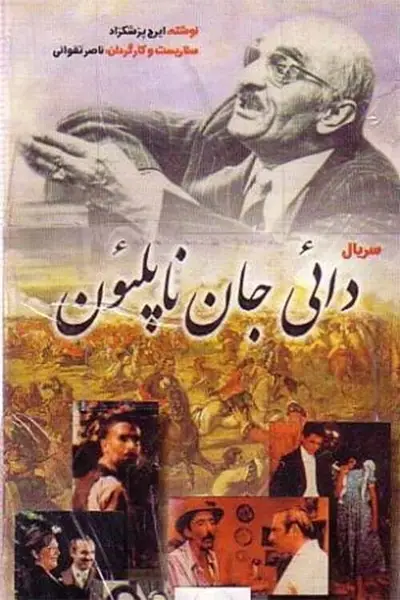
This comedy masterpiece satirizes Iranian society through the neurotic fears and delusions of Dear Uncle Napoleon, a patriarch convinced that the British are plotting against him specifically while his extended family navigates love, jealousy, and absurd misunderstandings. Based on Iraj Pezeshkzad's novel and adapted for television by director Nasser Taghvai, the series features Parviz Sayyad in the iconic title role, delivering a performance that's both hilarious and oddly sympathetic. Set in 1940s Tehran, the show uses its historical setting to comment on paranoia, family dynamics, and national identity with wit that hasn't dimmed decades later. The ensemble cast brings depth to what could have been mere caricatures, and the writing balances slapstick moments with genuinely clever satire. This remains one of Iranian television's crowning achievements, endlessly quotable and rewatchable, demonstrating how comedy can illuminate cultural anxieties while remaining timelessly entertaining.
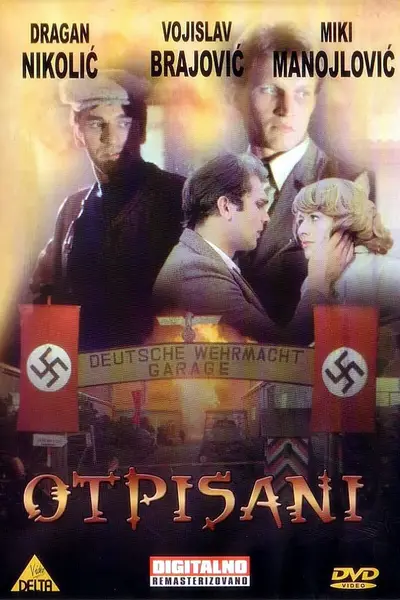
Radiating warmth and wit, this British drama from creator Dick Sharples celebrates the resilience of four professionals forced into early retirement who refuse to fade quietly into irrelevance. Richard Wilson, Frank Middlemass, John Meillon, and Deddie Davies star as the quartet who transform their unwanted leisure time into opportunities for adventure, mischief, and purpose. The series operates from a place of genuine affection for its characters, never treating their age as a punchline while acknowledging the frustrations and freedoms of their situation. What could have been a simple comedy instead becomes something richer—a meditation on value, contribution, and society's tendency to discard experience. The chemistry among the cast creates a lived-in feeling of genuine friendship, and the scripts balance humor with poignant moments that never tip into sentimentality. It's television made with intelligence and heart, reminding viewers that being written off by others doesn't mean writing yourself off.
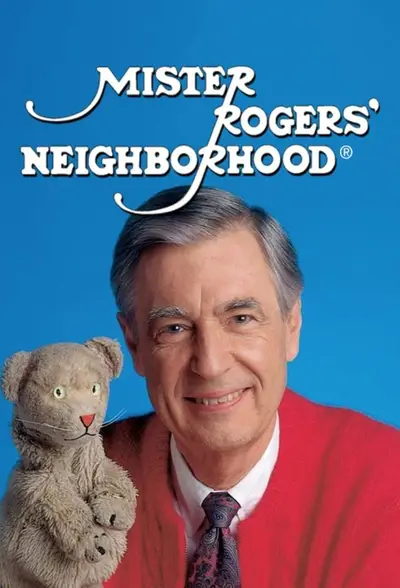
Fred Rogers hosts this gentle children's program from his iconic television neighborhood, speaking directly to young viewers with uncommon respect and emotional honesty. Over thirty-three seasons, Rogers tackled everything from everyday anxieties to difficult topics like death, divorce, and disability, always at a child's eye level. The show's deliberate pacing, which includes visits to the Neighborhood of Make-Believe with puppets like King Friday XIII and Daniel Striped Tiger, feels almost revolutionary in its refusal to overstimulate. Rogers' sincerity and warmth are undeniable, and the program's positive impact on generations of children is well-documented. However, viewed through contemporary eyes, the show's slow pace and dated production values can test modern viewers' patience, including children accustomed to faster-paced programming. The educational content, while emotionally intelligent, sometimes feels didactic. The cultural significance and Rogers' genuine compassion for children remain powerful, but the series works better as nostalgia or historical artifact than as current children's entertainment. Its legacy matters more than its present-day watchability.
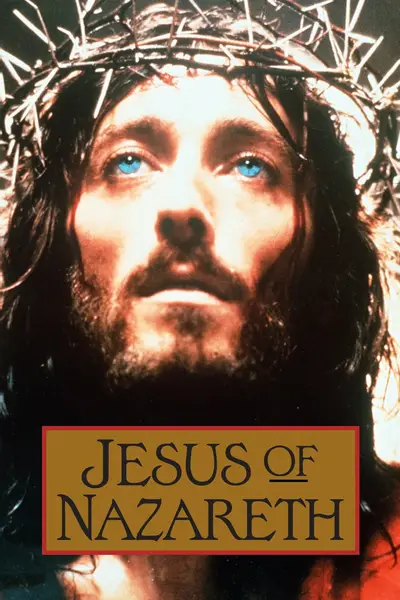
Reverent and visually stunning, Franco Zeffirelli's epic miniseries presents the life of Christ with remarkable scope and emotional depth. Robert Powell delivers an unforgettable performance in the title role, his piercing blue eyes conveying both divine authority and profound compassion throughout the six-hour narrative. The production features an extraordinary ensemble including Anne Bancroft, Ernest Borgnine, Laurence Olivier, and Peter Ustinov, bringing weight to both major and minor biblical figures. Zeffirelli's direction emphasizes the human dimensions of the story while maintaining appropriate reverence for the religious subject matter, creating a work that resonates regardless of viewer faith backgrounds. The cinematography beautifully captures the historical setting, and the pacing allows scenes to breathe with contemplative power. Despite its length, the miniseries remains engaging throughout, offering one of the most comprehensive and respectful screen portrayals of the Gospels. It's essential viewing that stands as both magnificent filmmaking and meaningful spiritual drama.
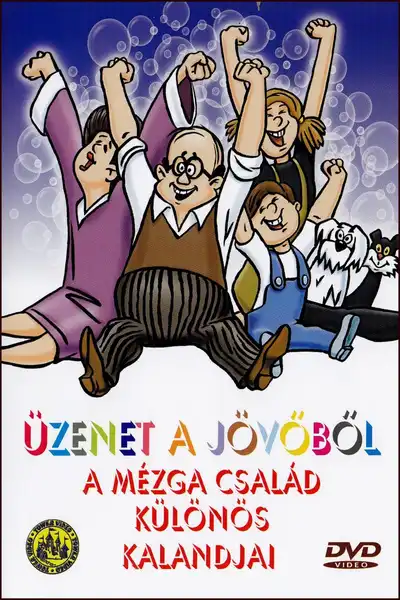
Delightfully inventive, this Hungarian animated series follows the Mézga family as they receive mysterious packages and messages from their descendant living in the 30th century. The show combines domestic sitcom elements with science fiction concepts as future-Mézga's well-intentioned gifts invariably create chaos in the present day, leading to adventures that blend humor with surprisingly thoughtful speculative ideas. The animation style captures the era's aesthetic while the writing demonstrates wit that works for both children and adults. What makes it endure is the warmth of the family dynamics alongside the creative sci-fi premises—each episode balances comedy with genuine heart. It's a cultural touchstone that demonstrates how imaginative storytelling transcends language barriers, offering timeless entertainment that still feels fresh decades after its original broadcast.
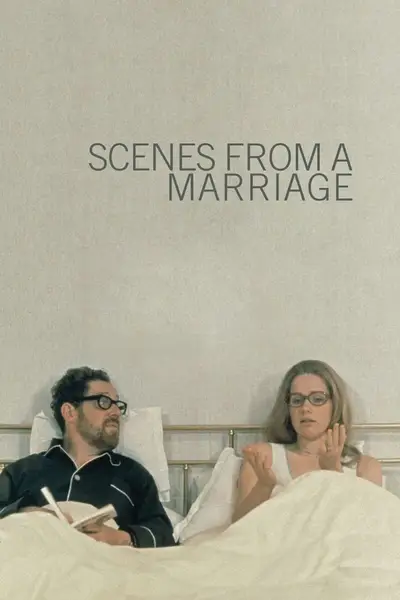
Liv Ullmann stars as Marianne in this masterful exploration of a disintegrating marriage that remains achingly relevant decades after its initial broadcast. Created by Ingmar Bergman, the series tracks Marianne and her husband Johan (Erland Josephson) through ten years of separation, divorce, and eventual understanding. What makes this six-episode examination so powerful is Bergman's willingness to let scenes unfold in real time, allowing the camera to capture every subtle shift in emotion and power between two people who thought they knew everything about each other. Ullmann and Josephson deliver career-defining performances, finding truth in moments of cruelty and tenderness alike. The intimate cinematography and unflinching dialogue create an experience that feels less like watching television and more like witnessing something deeply private. This is essential viewing for anyone interested in honest portrayals of human relationships.
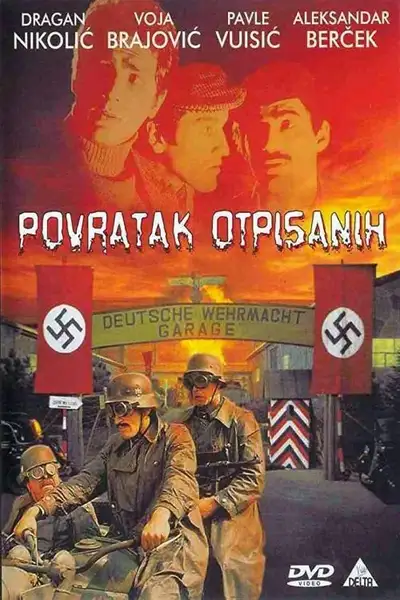
This British crime drama proves that procedural television can be both entertaining and emotionally resonant. The series focuses on a specialized police unit that reopens cold cases, bringing fresh eyes to investigations that went nowhere years earlier. What sets the show apart is its willingness to explore how unsolved crimes haunt both victims' families and the officers who couldn't crack them initially. The ensemble cast, led by experienced British television veterans, brings authenticity to their roles as detectives balancing professional dedication with personal lives affected by their work. Each case unfolds with meticulous attention to investigative detail while maintaining narrative momentum. The writing respects the intelligence of its audience, offering complex mysteries that reward careful attention without becoming inaccessible. It's a thoroughly engaging series that elevated the crime drama format during its original run.
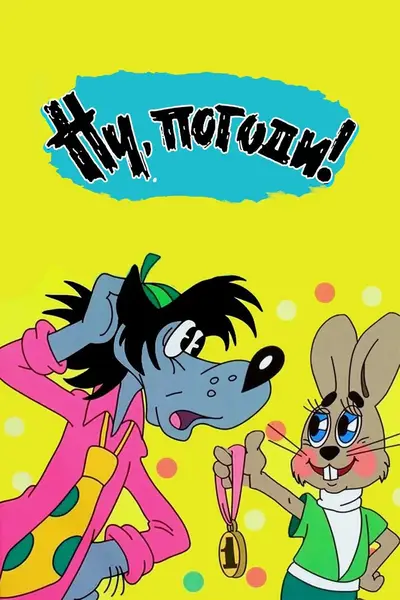
This classic Soviet animated series perfectly captures the timeless cat-and-mouse chase formula through the perpetual rivalry between a mischievous hare and the wolf who's determined to catch him. Created by Vyacheslav Kotyonochkin and spanning nearly two decades of production, the wordless episodes rely on expressive animation, slapstick humor, and memorable musical cues to tell their stories. The wolf's elaborate schemes to capture the clever hare always backfire in inventive and hilarious ways, following a formula that never grows stale thanks to the animators' creativity and attention to detail. What elevates this beyond simple children's entertainment is the cultural richness embedded in each episode—the characters visit recognizable Soviet locations, and the series subtly reflects the changing times across its many installments. Generations of viewers across Russia and Eastern Europe grew up with these characters, and the show's popularity endures because the comedy is genuinely funny and the craftsmanship evident in every frame. It's a treasure of animation history that transcends language barriers.
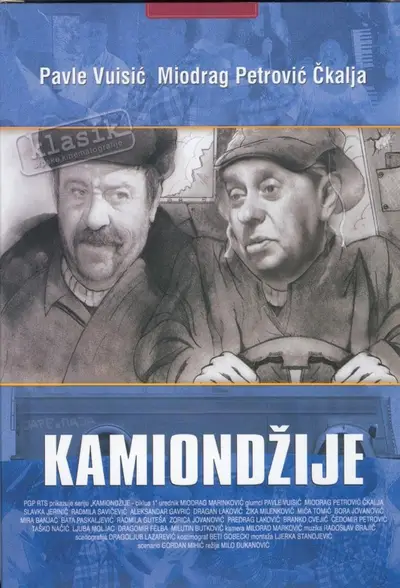
Following the lives of independent truckers navigating the open highways of 1970s America, this series captures the freedom and challenges of life on the road with authentic grit. Created by Tom Gries, the show chronicles the adventures of various drivers hauling freight across the country, dealing with everything from mechanical breakdowns to difficult clients while trying to make an honest living. Claude Akins leads the cast with a weathered charm that perfectly embodies the blue-collar spirit of the era, supported by a rotating ensemble of characters who populate truck stops and highways. The series doesn't glamorize the profession but instead presents it with respect and realism, showing both the camaraderie among drivers and the toll of weeks away from home. It's a time capsule of American working-class life that remains engaging for its straightforward storytelling and genuine appreciation for its subject matter.
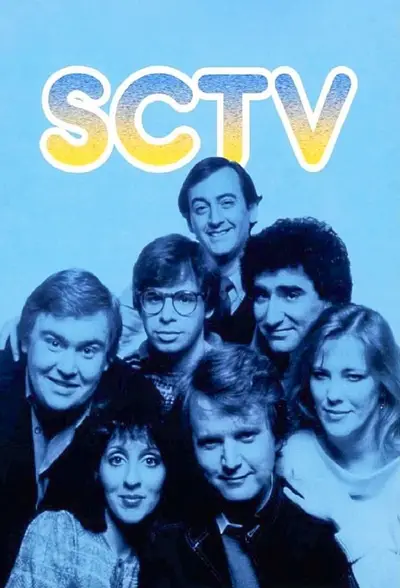
John Candy, Joe Flaherty, Eugene Levy, Andrea Martin, Catherine O'Hara, Harold Ramis, and Dave Thomas formed the ensemble that brought SCTV to life, playing various eccentric characters working at a fictional television station in Melonville. Created by Andrew Alexander and produced by Bernard Sahlins, this sketch comedy series brilliantly satirized television programming itself, with recurring segments like "Great White North" and "Monster Chiller Horror Theater" becoming instant classics. The show's format—presenting itself as broadcasts from a low-budget TV station—allowed for sharp parody and absurdist humor that influenced generations of comedy writers. What makes SCTV endure is its commitment to character-driven comedy over quick punchlines, with each cast member creating memorable personalities that felt fully realized. The series proved that sketch comedy could be both intelligent and accessible, making it essential viewing for anyone who appreciates thoughtful satire.