1950s Shows
The 1950s marked television's golden age, transforming American entertainment with groundbreaking programming that captivated millions and established the medium as a cultural phenomenon. This carefully curated collection showcases 21 of the best 1950s shows that defined the decade, featuring everything from spine-tingling science fiction anthologies and pioneering news programs to beloved Westerns and charming sitcoms that became household staples. During this revolutionary era, television evolved from novelty to necessity, with networks launching iconic series that pushed creative boundaries and introduced innovative storytelling techniques still influential today. These classic TV shows delivered award-winning performances, memorable characters, and unforgettable moments that resonated with audiences across America, cementing the 1950s as a pivotal decade in broadcast history. Whether you're a vintage television enthusiast seeking nostalgic favorites or a newcomer curious about the programs that shaped modern entertainment, you'll discover the critically acclaimed dramas, thrilling adventures, and family-friendly series that made this decade truly special. From live broadcasts that kept viewers on the edge of their seats to serialized narratives that pioneered long-form television storytelling, these must-watch selections represent the finest programming achievements of the era.
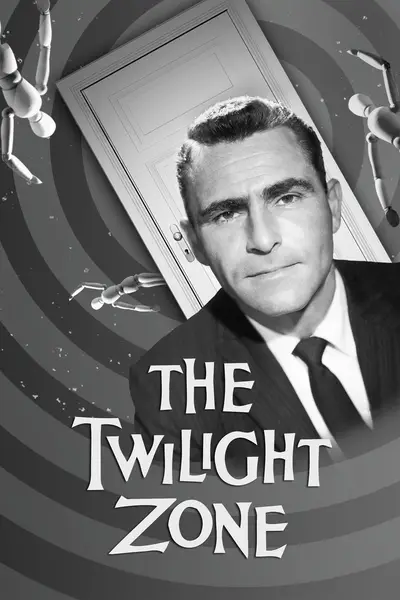
Ordinary people encounter extraordinary circumstances that challenge their perceptions of reality, morality, and humanity itself in this groundbreaking anthology series. Rod Serling's masterpiece remains as compelling today as it was in 1959, delivering perfectly crafted tales that blend science fiction, horror, fantasy, and social commentary with unmatched precision. Each standalone episode presents a complete story, often with twist endings that have become legendary in television history. Serling's incisive writing tackles Cold War anxieties, prejudice, conformity, and human nature with intelligence and courage that few shows have matched since. The black-and-white cinematography creates an eerie, timeless atmosphere, while performances from both established stars and unknown actors bring authenticity to even the most bizarre scenarios. This is essential viewing that defined what television could achieve.
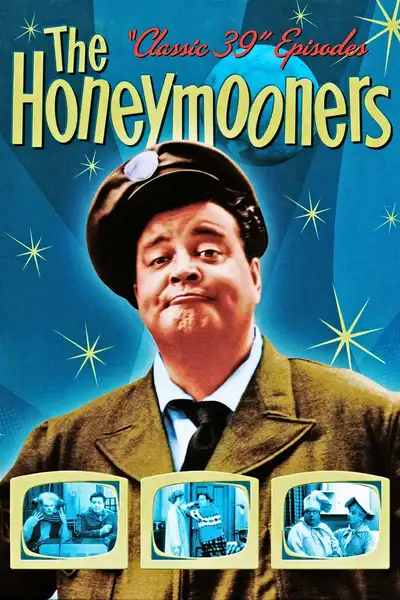
Timeless, sharp-witted, and fundamentally human, this sitcom about a Brooklyn bus driver and his loyal wife defined working-class comedy for television. Jackie Gleason's Ralph Kramden is all bluster and big dreams, constantly cooking up schemes to escape his modest circumstances while Audrey Meadows' Alice provides the grounded, sardonic counterpoint to his delusions of grandeur. Art Carney's Ed Norton, Ralph's best friend and upstairs neighbor, brings a childlike sweetness to his sewer worker character, creating one of television's great comedy partnerships. Creator Jackie Gleason understood that the key to the show's success wasn't just the jokes but the genuine affection beneath the insults and arguments. These characters love each other despite their flaws and frustrated circumstances. The "one of these days" threats and "to the moon" exclamations became iconic, but what endures is the show's big heart and impeccable comic timing.
Stirling Silliphant adapted this police procedural from the acclaimed 1948 film noir, bringing New York City's gritty street-level crime stories to television with documentary-style realism. The anthology format allows different cases and characters each week, with Detective Lt. Dan Muldoon (John McIntire, later James Franciscus as Detective Jim Halloran) investigating murders, robberies, and various criminal enterprises across Manhattan's diverse neighborhoods. The show's location shooting—groundbreaking for late-1950s television—captures authentic New York atmosphere, from tenement fire escapes to Midtown traffic, giving episodes a lived-in quality that studio-bound contemporaries lacked. However, the procedural formula grows repetitive across four seasons, and the stark realism that distinguished early episodes eventually becomes routine. The writing occasionally rises above standard cop-show fare with genuine social observation, but just as often settles for conventional crime-solving mechanics. The series' historical significance in establishing television realism is undeniable, though its actual entertainment value varies considerably episode to episode. Worth sampling for its influence and authentic period flavor.
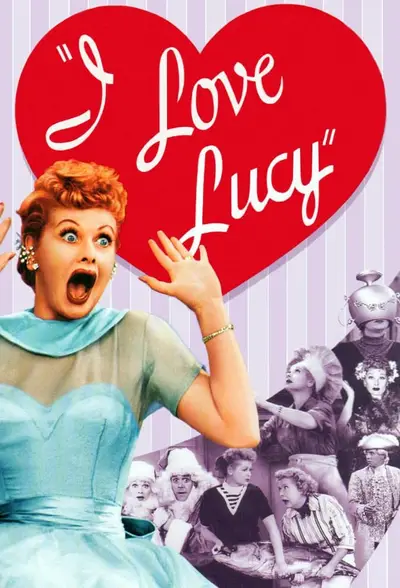
In the early 1950s New York City, a redheaded comedian and her Cuban bandleader husband navigate married life with more chaos than grace. Lucille Ball and Desi Arnaz created television history with this groundbreaking sitcom that established many conventions still used today. Ball's physical comedy remains unmatched—her expressions, timing, and willingness to look ridiculous in pursuit of a laugh set the standard for generations of performers. Whether Lucy's scheming to break into Ricky's show business world or the Ricardos are sparring with their landlords and best friends, Fred and Ethel Mertz (William Frawley and Vivian Vance), the humor feels both timeless and specific to its era. The show's influence on television comedy cannot be overstated, and its best episodes still generate genuine laughter seventy years later.
This groundbreaking anthology series presents a different suspenseful story each week, ranging from psychological thrillers to darkly comic morality tales, all introduced by the Master of Suspense himself. Created and hosted by Alfred Hitchcock, the show became a template for anthology television, demonstrating that standalone episodes could build a loyal audience through consistent quality and tone rather than ongoing storylines. Hitchcock's wry introductions and epilogues add personality and wit, often providing ironic commentary on the twisted tales that unfold. The series attracted top-tier directors and writers who crafted memorable half-hour mysteries featuring ordinary people caught in extraordinary circumstances. With its sharp scripts, clever plot twists, and Hitchcock's unmistakable touch, the show remains remarkably entertaining decades later, proving that well-constructed suspense never goes out of style.
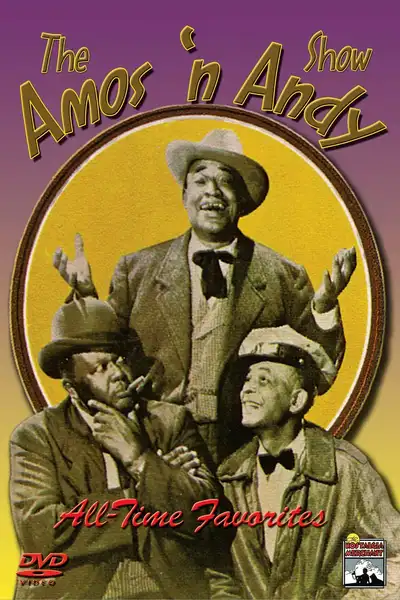
The series follows the lives of two African American friends navigating life in Harlem, adapted from the popular radio show that ran for decades. Spencer Williams and Alvin Childress star in this sitcom that remains one of television's most controversial productions due to its reliance on racial stereotypes that were problematic even by 1950s standards. While some episodes showcase genuine moments of community and friendship, the broad characterizations and minstrel-show origins overshadow any progressive elements. The show's legacy is complicated—it provided rare opportunities for Black actors on television while simultaneously perpetuating damaging caricatures. Modern viewers will find much of the humor uncomfortable at best, though it remains a significant cultural artifact worth examining in its historical context rather than as entertainment.
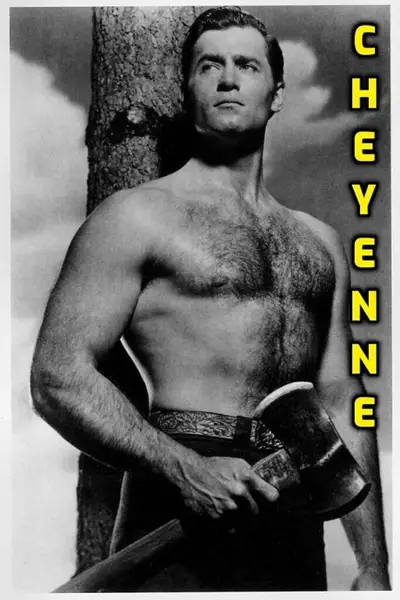
Set in the post-Civil War Wyoming Territory during the 1860s and 70s, this early television Western follows frontier scout Cheyenne Bodie as he wanders through various adventures across the untamed West. Created by Roy Huggins and starring Clint Walker in the title role, the series was groundbreaking for its time as one of the first hour-long Western dramas on television. Walker's imposing physical presence and laconic style made Cheyenne a quintessential lone-wolf hero, though the episodic format and limited character development reflect the era's television conventions. While historically significant for what it represented in TV's early days, modern viewers will find the storytelling formulaic and the treatment of Native Americans and other groups reflective of 1950s attitudes rather than historical accuracy. The production values were impressive for the period, and Walker's charisma remains evident. For classic TV enthusiasts or Western completists, it's worth sampling, but it's more of historical curiosity than essential viewing today.
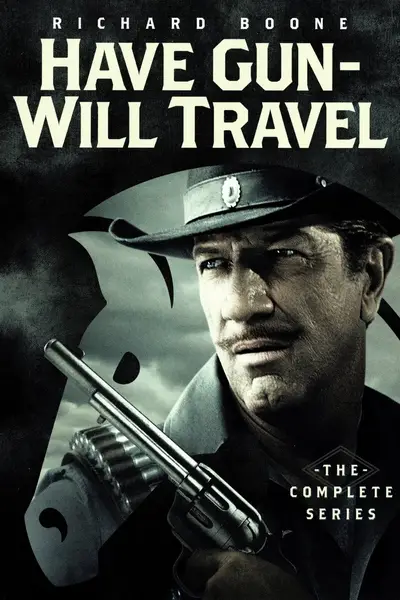
This Western adventure series follows the exploits of Paladin, a gentleman gunfighter-for-hire who operates out of a San Francisco hotel in the 1870s. Richard Boone brings sophistication and moral complexity to the lead role, creating a character who quotes poetry, appreciates fine wine, and contemplates the ethics of his violent profession between assignments. What distinguished the show was its willingness to present morally ambiguous situations rather than simple good-versus-evil scenarios, with Paladin sometimes questioning whether his employers deserved his services. Created by Herb Meadow and Sam Rolfe, the series elevated the Western format with intelligent writing and social commentary. The iconic calling card and theme music became cultural touchstones, while the show's philosophical bent made it something more than typical action television.
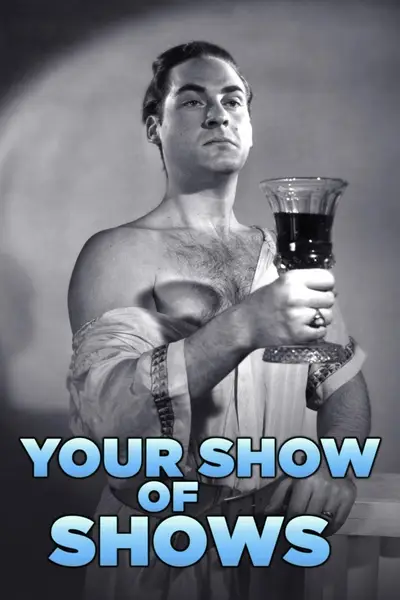
The battle to create groundbreaking live comedy under intense weekly pressure forms the core tension of this variety series from television's early golden age. Producers Max Liebman and Mel Tolkin assembled an extraordinary team including Sid Caesar, Imogene Coca, Carl Reiner, and Howard Morris, with a writers' room that famously included Mel Brooks, Neil Simon, and Woody Allen. The show's 90-minute live format meant every broadcast was a high-stakes endeavor, and while the ambition often paid off with innovative sketches and memorable performances, the results were inevitably inconsistent across its four-season run. Some segments showcase brilliant comedic timing and clever writing that holds up surprisingly well, while others feel labored or too tied to their specific cultural moment. The historical significance is undeniable, and the talent involved is remarkable, but modern viewers should approach with adjusted expectations for early television's limitations.
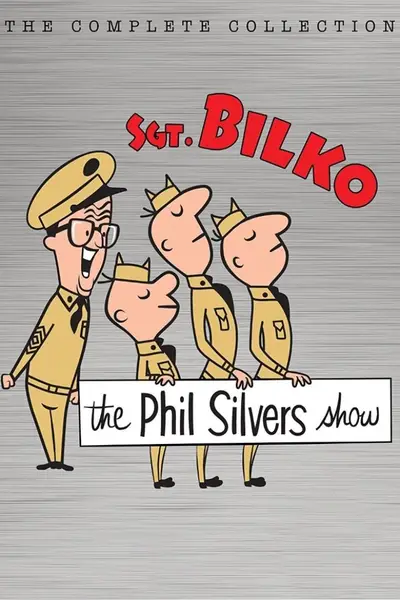
This military sitcom remains one of television's sharpest comedies, showcasing Phil Silvers in a career-defining performance as the scheming Master Sergeant Ernest Bilko. Created by Nat Hiken, the series follows Bilko's endless moneymaking schemes at a Kansas army base, where he runs the motor pool like his personal fiefdom while staying one step ahead of his exasperated commanding officer, Colonel Hall (Paul Ford). Silvers' rapid-fire delivery and impeccable comic timing elevate every episode, supported by a talented ensemble cast that includes Harvey Lembeck and Allan Melvin as Bilko's loyal accomplices. The writing is remarkably clever, with plots that layer complications upon complications before resolving in satisfying fashion. What could have been a one-joke premise instead became a masterclass in character-driven comedy that influenced countless shows to follow, earning multiple Emmy Awards and demonstrating that intelligent humor never goes out of style.
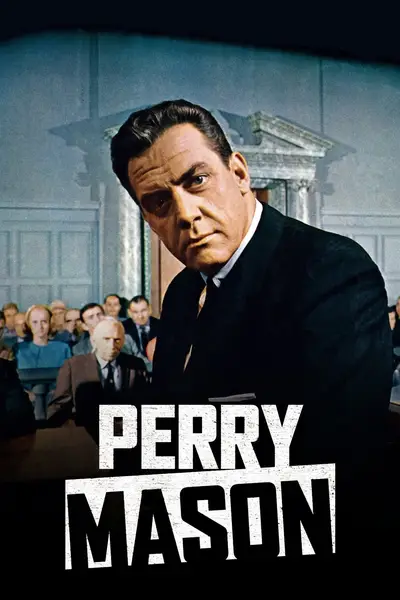
Erie Stanley Gardner's creation comes to life through this landmark legal drama that established the courtroom procedural format for generations to come. Raymond Burr delivers an iconic performance as defense attorney Perry Mason, whose meticulous preparation and courtroom brilliance consistently expose the real criminals while exonerating his wrongly accused clients. Barbara Hale co-stars as Della Street, Mason's indispensable secretary, while William Hopper plays investigator Paul Drake—together forming television's first great legal team. The series' formula became legendary: each episode builds toward a courtroom climax where Perry's cross-examination breaks the actual guilty party, usually producing a dramatic confession. What keeps the format engaging across 271 episodes is Burr's commanding presence and the scripts' attention to legal detail that respects audience intelligence. The black-and-white cinematography lends noir atmosphere to procedural storytelling, while the supporting cast provides consistency across hundreds of cases. Perry Mason represents television's golden age at its finest, proving that formula-driven storytelling can achieve excellence through strong performances, solid writing, and unwavering commitment to quality.
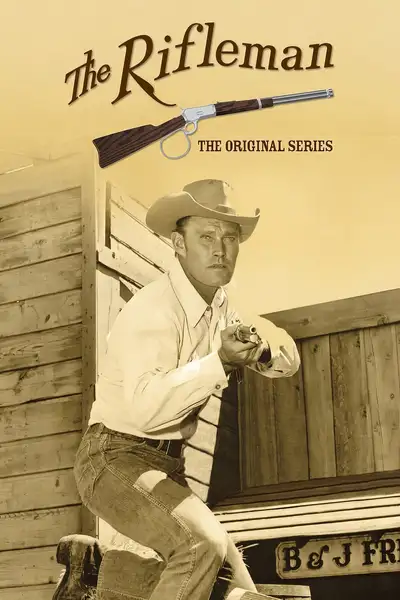
A widowed rancher raising his son alone on the frontier becomes one of television's most memorable father-son relationships in this classic Western series. Chuck Connors stars as Lucas McCain, a sharpshooter with a modified Winchester rifle who settles in North Fork, New Mexico Territory, with young Mark (Johnny Crawford) by his side. Created by Sam Peckinpah and Arnold Laven, the show distinguished itself from other Westerns by emphasizing moral lessons and the challenges of single parenthood alongside its action sequences. Connors brings genuine warmth and authority to Lucas, while Crawford's earnest performance makes their bond feel authentic. The series cleverly uses Lucas's reluctance to use violence except when absolutely necessary, creating tension in nearly every episode. It remains a standout of 1950s television, combining entertainment with surprising emotional depth.
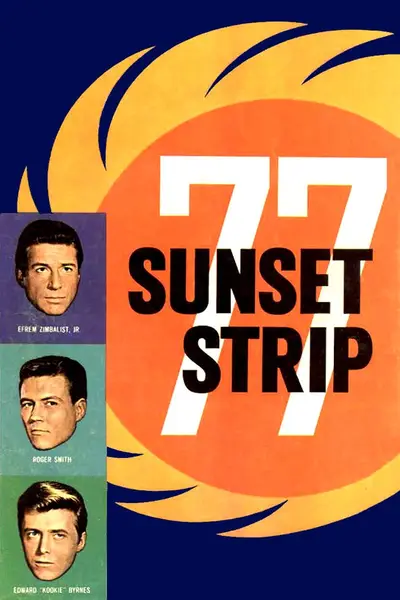
Created by Roy Huggins, this quintessential late-1950s detective series follows private investigators Stuart Bailey and Jeff Spencer (Efrem Zimbalist Jr. and Roger Smith) as they solve cases from their office next to a nightclub on Hollywood's famous Sunset Strip. The show epitomized the cool, jazz-inflected style of its era, complete with beatnik culture references and a parade of glamorous guest stars. Edd Byrnes became a cultural phenomenon as Kookie, the parking lot attendant with his own hip lingo and constant hair-combing. While the series was enormously popular in its day and helped establish many detective show tropes still used today, modern viewers may find the pacing sluggish and the gender politics dated beyond redemption. The cases themselves are standard noir fare, and the show's episodic nature means little character development across its long run. It remains an important piece of television history and a time capsule of late-1950s American culture, even if it doesn't hold up as entertainment for contemporary audiences.
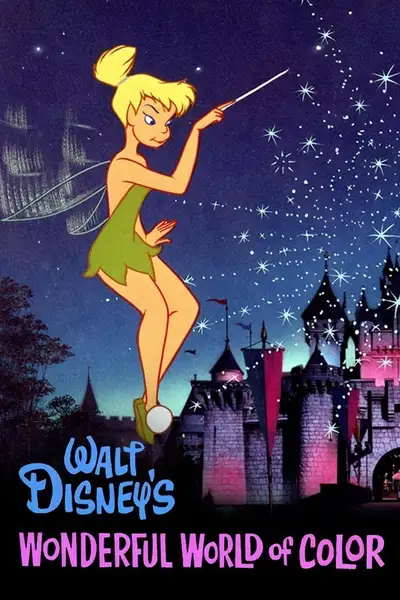
From 1954 onward, American television audiences welcomed this anthology series into their living rooms, establishing a weekly tradition that would span decades and help define family entertainment. Originally hosted by Walt Disney himself, the show served as a showcase for the studio's theatrical films, nature documentaries, behind-the-scenes features, and original programming organized into themed segments like Frontierland, Adventureland, and Tomorrowland. The series brilliantly functioned as both entertainment and marketing, introducing viewers to upcoming theatrical releases while building anticipation for Disneyland attractions. What makes it noteworthy beyond its commercial purposes is the quality and variety of content—from the Davy Crockett episodes that sparked a national phenomenon to educational nature films that were genuinely informative. The format evolved across various iterations and networks, but maintained its core mission of delivering wholesome, engaging content suitable for all ages. It remains a significant piece of television history that shaped American popular culture.
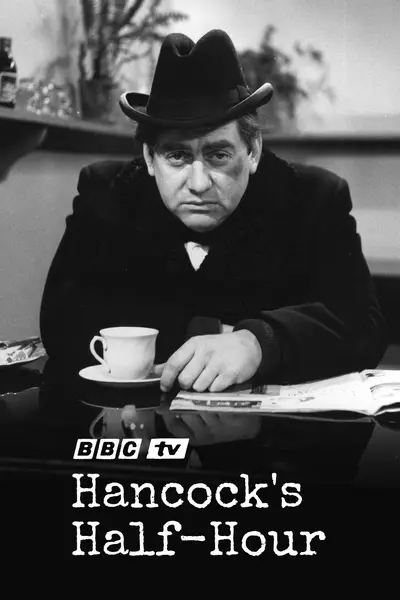
From the BBC studios of 1950s Britain emerged this radio-turned-television sitcom that established many templates for British comedy to come. Tony Hancock stars as a fictionalized version of himself living at 23 Railway Cuttings, East Cheam—a pompous everyman with delusions of grandeur constantly brought down to earth by circumstance and his long-suffering associates. Written by Ray Galton and Alan Simpson, the scripts are masterclasses in character-driven humor, finding comedy in Hancock's inflated self-regard colliding with mundane reality. Sid James features prominently as Hancock's dodgy friend, their chemistry providing much of the show's energy. While the television episodes exist in varying states of preservation, what survives showcases the birth of the British sitcom as we know it, with Hancock's impeccable timing and the writers' sharp dialogue creating comedy that feels remarkably modern for its era.
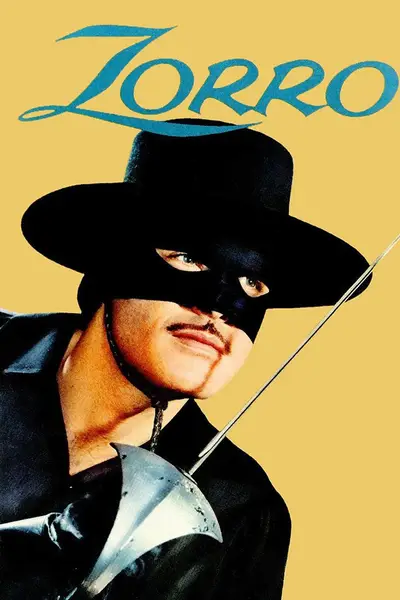
In 1820s California under Spanish rule, a young nobleman secretly adopts a masked alter ego to defend oppressed peasants against corrupt officials and ruthless landowners. Guy Williams embodies both the foppish Don Diego de la Vega and his dashing masked persona with charm and athletic grace, creating one of television's most iconic dual roles. The series captures the swashbuckling spirit of classic adventure serials while maintaining surprising wit in its scripts. Each episode delivers satisfying swordplay, clever escapes, and the ongoing cat-and-mouse game between Zorro and the bumbling but persistent Sergeant Garcia. What keeps the show engaging beyond its action sequences is the intelligence Zorro brings to his crusade—he's as likely to outwit enemies with clever schemes as defeat them with his blade. The black-and-white production has a timeless quality, and the famous theme music remains instantly recognizable. It's family-friendly adventure that never talks down to its audience, proving heroism and justice never go out of style.
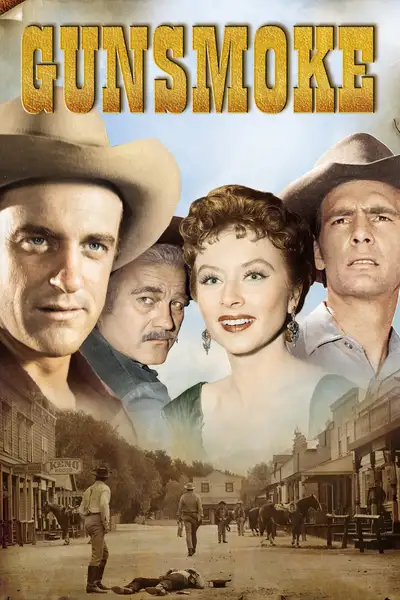
This Western drama set in Dodge City, Kansas, during the 1870s remains one of television's longest-running and most influential series. James Arness anchors the show as Marshal Matt Dillon, bringing quiet authority and moral complexity to a character who could have been a simple good-guy archetype. Creator Charles Marquis Warren and the writing team crafted stories that explored frontier justice, community building, and the costs of violence with surprising sophistication. The supporting cast, including Milburn Stone as Doc Adams and Amanda Blake as Kitty Russell, created one of TV's first truly ensemble dramas. What sets the series apart is its willingness to embrace moral ambiguity and let episodes end without tidy resolutions. The show's influence on both television and film Westerns cannot be overstated, and its best episodes hold up remarkably well.
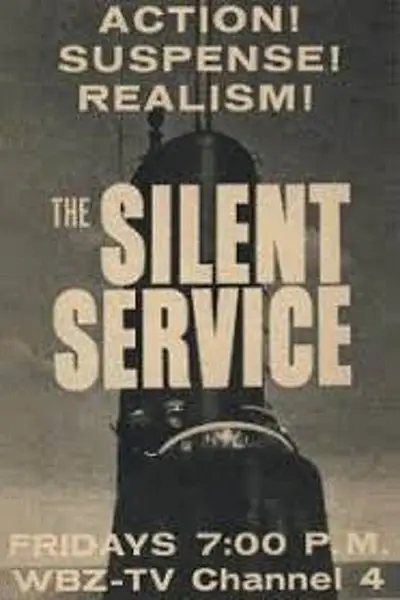
This series explores the themes of duty, sacrifice, and the silent burden carried by those who serve beneath the waves during World War II. Rear Admiral Thomas M. Dykers narrates authentic submarine warfare stories, drawing from actual patrol reports and veteran accounts to recreate the claustrophobic tension of undersea combat. Each episode focuses on a different mission or boat, examining the decisions commanders faced when hunting enemy vessels or evading depth charge attacks in the Pacific theater. The documentary format emphasizes realism over dramatization, using the actual language and procedures of submarine warfare to convey both the tedium of long patrols and the sudden terror of engagement. For viewers interested in military history, The Silent Service provides an invaluable window into a dimension of World War II that received less attention than aerial or ground combat, honoring the submariners whose contributions often went unrecognized until long after the war ended.
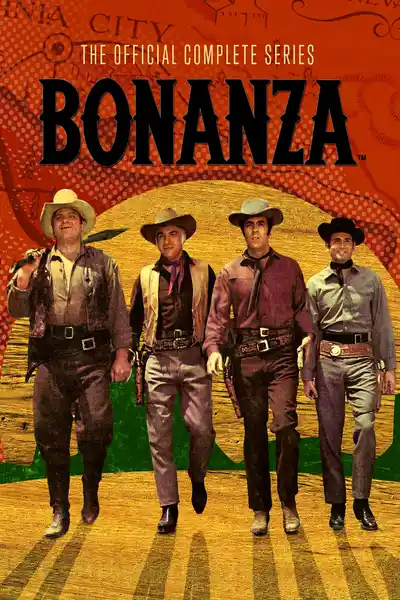
The struggle to maintain a prosperous ranch in 1860s Nevada provides the framework for this long-running Western that became one of television's most successful series. Created by David Dortort, Bonanza follows widower Ben Cartwright (Lorne Greene) and his three sons—Adam (Pernell Roberts), Hoss (Dan Blocker), and Little Joe (Michael Landon)—as they defend their Ponderosa ranch against claim jumpers, outlaws, and various threats while navigating moral dilemmas. The series distinguished itself by emphasizing family bonds and ethical questions over simple gunfights, though plenty of action remains. The episodic format means quality varies wildly across fourteen seasons and over 400 episodes, with some installments offering thoughtful commentary on prejudice and justice while others fall into Western clichés. The characters' essential decency and the show's fundamental wholesomeness feel quaint by modern standards, and the pacing drags by contemporary measures. Still, the craftsmanship and performances hold up better than expected, making it worthwhile for Western enthusiasts and television history buffs.
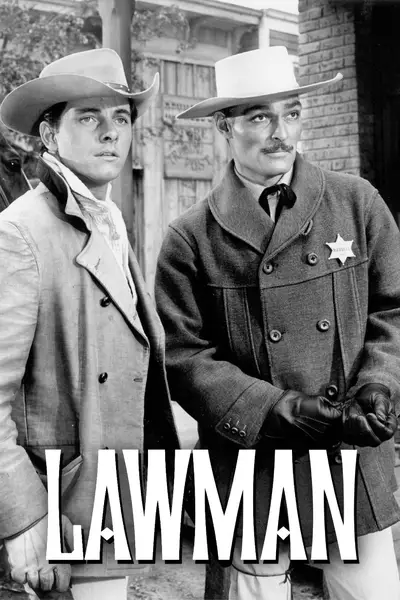
Compelling from its first episode, this classic Western follows Marshal Dan Troop as he maintains order in the lawless town of Laramie during the 1880s. John Russell brings gravitas and understated intensity to the role, portraying law enforcement as a matter of principle rather than glory. Created during television's golden age of Westerns, the series distinguishes itself through relatively complex moral situations where right and wrong aren't always clearly defined. Peter Brown co-stars as Deputy Johnny McKay, providing a younger perspective that creates productive tension with Troop's more experienced approach. The show respects its audience's intelligence, offering character-driven stories that explore justice, community responsibility, and the costs of civilization. While production values reflect its era, the writing remains sharp and the performances hold up remarkably well, making this essential viewing for Western enthusiasts and those interested in television history.
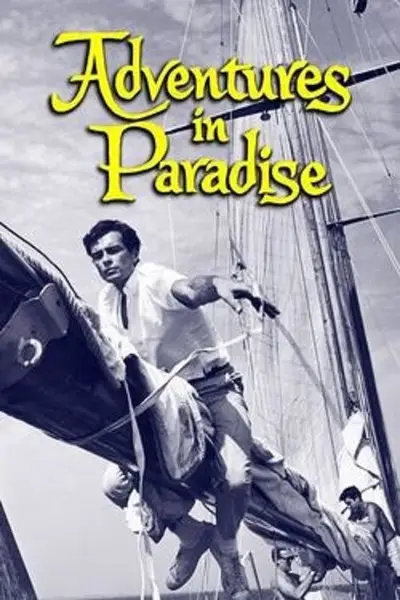
Set against the azure waters and palm-fringed islands of the South Pacific in the late 1950s, this adventure series captures the romantic allure of tropical exploration during an era when such destinations still felt genuinely exotic to television audiences. Gardner McKay stars as Adam Troy, captain of the schooner Tiki, who takes on various passengers and cargo assignments that inevitably lead to intrigue, danger, and moral dilemmas among the scattered island communities. Created by James Michener, who brought his deep knowledge of Pacific cultures to the series, Adventures in Paradise balances action-oriented storytelling with genuine interest in the region's diverse peoples and customs. The episodic structure allows for variety, with Troy encountering smugglers, fugitives, and star-crossed lovers while navigating both literal and metaphorical storms. The production values showcase the era's commitment to location shooting, giving the series an authenticity that studio-bound contemporaries couldn't match.