Best Shows of 2001
The year 2001 marked a watershed moment in television history, delivering an extraordinary lineup of groundbreaking series that revolutionized the small screen and set new standards for quality entertainment. From epic wartime miniseries that brought historical events to life with cinematic brilliance to innovative animated adventures that pushed creative boundaries, the best shows of 2001 showcased the medium's expanding potential. This pivotal year introduced audiences to critically acclaimed dramas, nature documentaries that redefined the genre, and sitcoms that would become cultural touchstones for years to come. Cable networks emerged as serious contenders alongside traditional broadcasters, producing premium content that rivaled theatrical releases in scope and ambition. Whether you're seeking award-winning performances, compelling storytelling, or unforgettable television moments that captivated millions of viewers, these 21 shows represent the most talked-about and influential series that premiered in 2001. Each selection demonstrates the creative excellence and bold experimentation that made this year a defining chapter in television history, featuring the visionary creators, standout performances, and innovative narratives that continue to influence modern programming today.
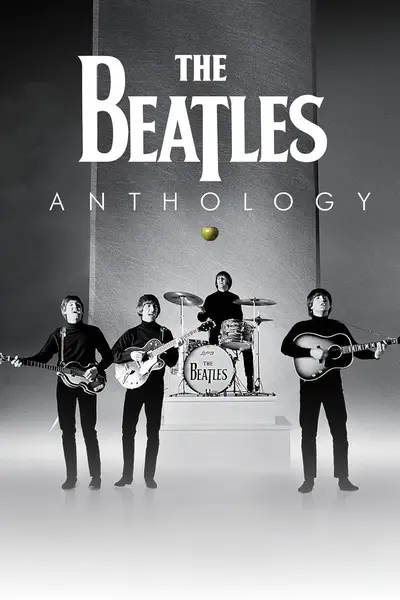
Intimate, revelatory, and absolutely essential, this documentary series presents The Beatles' story as told by the band members themselves through extensive interviews and breathtaking archival footage. Spanning their formation through their breakup, the eight-part series offers unprecedented access to the creative process behind the most influential band in popular music history. Paul McCartney, George Harrison, and Ringo Starr, along with insights from John Lennon's interviews, provide candid reflections on their extraordinary journey, from Liverpool's Cavern Club to global phenomenon. What makes this anthology truly special is the rare footage and demo recordings that illustrate how their songs evolved from initial ideas to finished masterpieces. The series doesn't shy from the tensions and conflicts that ultimately split the group, but it's primarily a celebration of their unmatched musical innovation and cultural impact. For Beatles fans, it's indispensable; for music lovers generally, it's a master class in creativity and collaboration.

When a young boy named Monkey D. Luffy gains the power to stretch like rubber after eating a magical Devil Fruit, he sets out to find the legendary One Piece treasure and become King of the Pirates. This epic anime adventure from creator Eiichiro Oda has been sailing strong since 1999, and for good reason—it's an absolute masterclass in long-form storytelling. The series brilliantly balances humor, heart, and high-stakes action while building one of the most richly detailed fictional worlds in anime history. Each arc introduces memorable characters with genuinely moving backstories, and the crew's bonds deepen in ways that earn every emotional payoff. Yes, the episode count is intimidating, but the journey is absolutely worth it. The pacing improves significantly after the early arcs, and once you're invested in Luffy and his Straw Hat crew, you'll understand why fans have stayed devoted for over two decades.
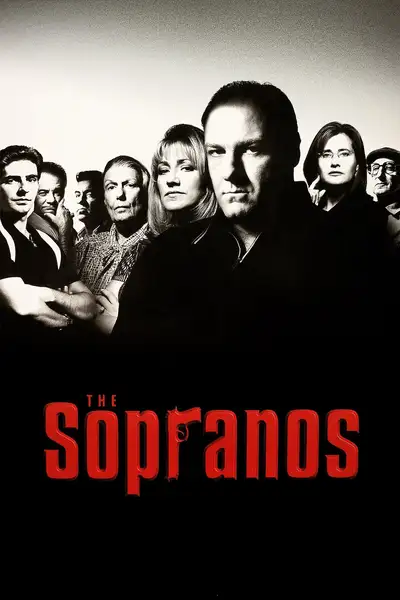
A New Jersey mob boss tries to balance the brutal demands of organized crime with family obligations while secretly seeing a psychiatrist for panic attacks—this premise launched one of television's most groundbreaking series. Created by David Chase, The Sopranos revolutionized television storytelling with its complex protagonist, cinematic production values, and willingness to embrace ambiguity over easy answers. James Gandolfini delivers an iconic performance as Tony Soprano, making him simultaneously terrifying and vulnerable, a murderous criminal who genuinely struggles with depression and his relationship with his mother. Lorraine Bracco shines as Dr. Melfi, Tony's therapist whose sessions provide psychological depth, while Edie Falco's Carmela embodies the moral compromises of loving a man whose wealth comes from violence. The show's influence cannot be overstated—it proved that television could tackle existential themes, unreliable protagonists, and novelistic storytelling with sophistication that rivaled prestige cinema. Every element, from the soundtrack to the dream sequences, works in service of exploring American masculinity, family dysfunction, and the banality of evil.

When a masked wrestler with boxing glove hands starts answering emails from fans, comedy gold ensues in this brilliantly absurd web series from the Homestar Runner universe. Created by Matt Chapman and Mike Chapman, "strongbad_email.exe" is a masterclass in deadpan internet humor that defined early 2000s web animation. Strong Bad's responses to viewer questions spiral into increasingly ridiculous tangents, spawning memorable characters like Trogdor the Burninator and Teen Girl Squad. The Flash animation style might look dated now, but the razor-sharp writing and Strong Bad's perfectly pitched vocal performance remain timeless. Each episode is a bite-sized dose of surreal creativity that rewards repeat viewing with hidden Easter eggs and running gags. This series captured lightning in a bottle and influenced countless creators who grew up watching it.
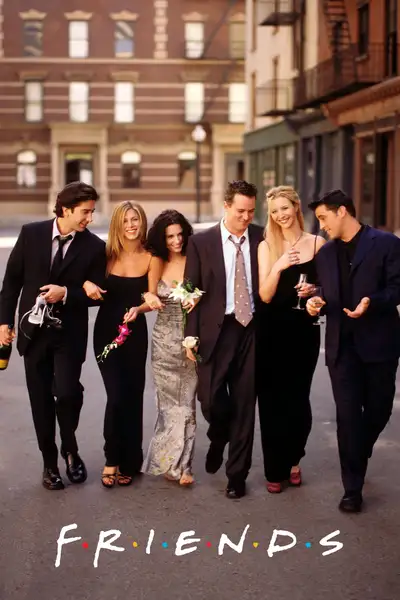
Creators David Crane and Marta Kauffman struck absolute gold with this sitcom about six twentysomethings navigating life, love, and everything in between in New York City. Jennifer Aniston, Courteney Cox, Lisa Kudrow, Matt LeBlanc, Matthew Perry, and David Schwimmer formed television's most iconic ensemble, their chemistry so effortless you'd swear they actually lived in that purple apartment. The writing sparkles with wit and warmth, balancing laugh-out-loud humor with genuinely moving moments that never feel manipulative. From Ross's divorces to Monica's neuroses to Phoebe's delightfully bizarre songs, each character feels fully realized and deeply lovable. The show defined an era of television and remains endlessly rewatchable comfort viewing. Whether you're revisiting classic episodes or discovering them fresh, the humor holds up remarkably well, proving that great comedy about friendship never goes out of style.

Hilarious, innovative, and endlessly entertaining, this legendary Japanese variety show has been pushing the boundaries of comedy television for over three decades. Hosted by the comedy duo Downtown—Hitoshi Matsumoto and Masatoshi Hamada—"Gaki no Tsukai" pioneered the format of comedic punishment games and absurdist challenges that has influenced comedy programming across Asia and beyond. The show's most famous segment, the annual "No-Laughing" batsu game specials, has achieved cult status worldwide, with participants subjected to increasingly ridiculous situations designed to make them break their straight faces. What makes the series exceptional is its fearless commitment to the bit, its perfect comedic timing, and the genuine chemistry between its cast members. Whether you're discovering classic episodes or following recent installments, this is essential viewing for anyone interested in comedy that takes creative risks.

While I don't have specific cast information for this series, Reeling in the Years is an absolutely phenomenal journey through cultural history that will captivate anyone with even a passing interest in how we got here! This documentary series brilliantly weaves together archival footage, news clips, and the soundtrack of each era to create an immersive time capsule experience. Each episode focuses on a specific year, chronicling the major events, trends, and moments that defined that slice of time. The show's genius lies in its straightforward approach—letting the footage speak for itself while the music of the period provides the perfect emotional backdrop. It's both educational and deeply nostalgic, making it essential viewing for history buffs and anyone who loves seeing how fashion, politics, and pop culture have evolved over the decades.

In this masterpiece of awkward comedy, Larry David plays a fictionalized version of himself navigating the petty annoyances and unspoken social rules of Los Angeles life with spectacular results. David's commitment to mining discomfort from everyday situations—restaurant etiquette, gift-giving protocol, casual conversations gone sideways—creates a show that's simultaneously relatable and absurdist. The largely improvised dialogue gives the ensemble cast, including Jeff Garlin, Susie Essman, and Cheryl Hines, room to find surprising comedic beats in mundane confrontations. What makes the series exceptional is how it validates our most uncharitable impulses while demonstrating exactly why we suppress them. Two decades in, it remains remarkably consistent in quality, a rare feat for any comedy series, proving that Larry's particular brand of social catastrophe never gets old.
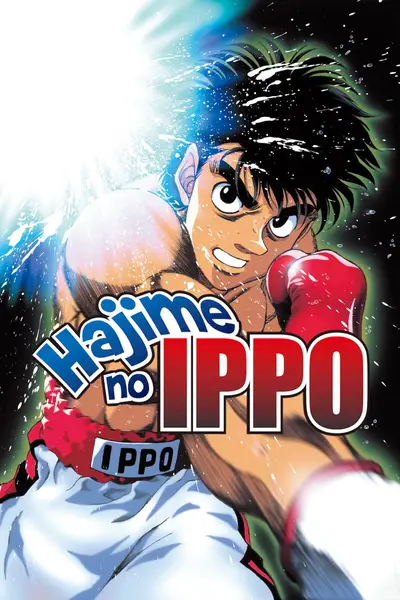
George Morikawa's beloved manga receives a phenomenal anime adaptation that stands as one of the finest sports series ever created. "Hajime no Ippo" follows Ippo Makunouchi, a bullied high school student who discovers boxing and dedicates himself to becoming a professional fighter. What elevates this beyond typical underdog sports stories is the meticulous attention to boxing technique, the depth of character development across a huge cast of rivals and allies, and the genuine emotional stakes of every match. The animation brings fights to life with incredible energy and strategic detail, making you understand exactly what each boxer is trying to accomplish. Across 75 episodes, the series balances brutal training sequences with humor, romance, and profound moments of self-discovery. It's inspiring without being preachy, exciting without sacrificing realism, and emotionally resonant in ways that transcend its genre—absolutely essential viewing for anime fans and sports drama enthusiasts alike.

When scientific evidence meets criminal investigation, truth emerges from the smallest details—and this documentary series proves that premise with absolutely riveting consistency. Each episode examines a real criminal case solved through forensic science, from DNA analysis to fiber comparison to blood spatter patterns. What makes the show exceptional is its clarity in explaining complex scientific concepts without dumbing them down, respecting viewers' intelligence while remaining accessible. The calm, methodical narration by Peter Thomas perfectly complements the analytical approach, letting the cases unfold like puzzles being methodically solved. The series never sensationalizes its often-disturbing subject matter, maintaining appropriate gravity while celebrating the scientists and investigators who bring justice through painstaking work. Whether you're fascinated by true crime or scientific methodology, this series delivers consistently compelling television that's both educational and genuinely gripping.

Fred Rogers' groundbreaking PBS series—wait, actually this is the wildlife documentary series Nature, which has been illuminating the natural world since 1982 under various producers and narrators. This extraordinary program has consistently delivered stunning cinematography and thoughtful storytelling that reveals the complexity, beauty, and fragility of ecosystems across the globe. Each episode focuses on specific animals, habitats, or environmental challenges, combining breathtaking visuals with scientific rigor and narrative accessibility. The series has chronicled everything from Antarctic penguin colonies to rainforest canopies, always balancing wonder with education and entertainment with environmental awareness. Narrators over the years, including George Page and currently Reba McEntire, guide viewers through these natural dramas with appropriate reverence and engagement. What sets Nature apart is its consistency—over four decades, it has maintained exceptional standards while adapting to new filming technologies that reveal ever more intimate details of animal behavior. It's not just excellent nature programming; it's an ongoing masterclass in documentary filmmaking that belongs on any list of television's finest achievements.
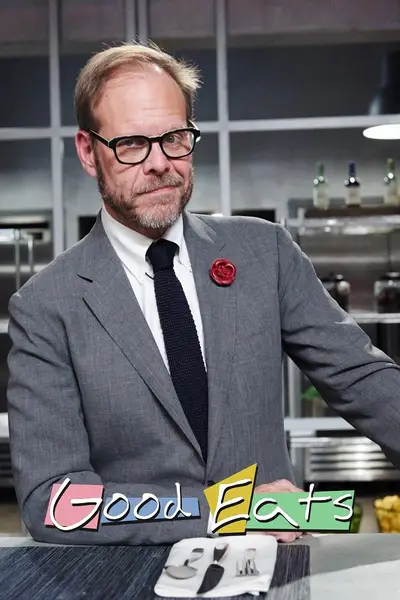
This innovative culinary show revolutionized food television by combining cooking instruction with science, history, and pop culture in a format that's equal parts educational and entertaining. Creator and host Alton Brown approaches recipes as opportunities to understand the "why" behind cooking techniques, explaining the chemistry and physics that make dishes work while demonstrating practical kitchen skills. Brown's quirky personality, clever use of props and skits, and refusal to treat cooking as mysterious or intimidating made the show accessible to beginners while offering genuine insights that experienced cooks appreciate. The series covers everything from basic techniques to deep dives into specific ingredients, always with Brown's signature blend of humor and expertise. What makes it truly exceptional is its respect for the audience's intelligence—this isn't dumbed-down cooking content but rather an invitation to become a more knowledgeable, confident cook by understanding the principles behind the recipes. It's essential viewing for anyone serious about improving their kitchen game.

Four foul-mouthed fourth-graders navigate life in a small Colorado mountain town, and the result is one of television's sharpest, most fearless comedies. Trey Parker and Matt Stone's animated masterpiece uses Stan, Kyle, Cartman, and Kenny as vessels for blistering social commentary that spares absolutely no one. What makes South Park exceptional isn't just its willingness to tackle controversial topics—it's the show's remarkable ability to produce episodes in under a week, allowing it to respond to current events with a relevance that other series can't match. The crude animation style belies sophisticated writing that seamlessly blends absurdist humor with genuine insight. Whether skewering political figures, religious institutions, or celebrity culture, Parker and Stone demonstrate an equal-opportunity approach to offense that has kept the series vital for over two decades. It's comedy with a bite that refuses to dull.

Dark, profound, and unexpectedly funny, this series about a family-run funeral home stands as one of television's most emotionally intelligent achievements. Creator Alan Ball crafts a meditation on mortality that never feels morbid, following the Fisher family as they navigate death professionally while struggling with life personally. Peter Krause, Michael C. Hall, Frances Conroy, and Lauren Ambrose form an ensemble that feels lived-in from the first episode, each actor finding layers in their complicated, often frustrating characters. The show's willingness to let people be messy and contradictory while treating them with compassion creates something rare: a family drama that earns its emotional moments through accumulated truth rather than manipulation. Its series finale remains a masterclass in bringing stories to close, delivering catharsis that feels both devastating and exactly right.
Life inside Oswald State Correctional Facility is brutal, unforgiving, and absolutely riveting television. Created by Tom Fontana, this groundbreaking HBO drama doesn't shy away from the violence and moral complexity of prison life, instead diving headfirst into stories that feel uncomfortably real. The ensemble cast, led by performances from Lee Tergesen, Eamonn Walker, and J.K. Simmons, delivers some of the most intense work you'll see on television. What sets this series apart is its willingness to explore every corner of its setting—from racial tensions to rehabilitation programs, from corrupt guards to unexpected moments of humanity. It's unflinching television that demands your attention and refuses to provide easy answers, establishing a template that countless prison dramas would follow.

In 1980s Syria, this groundbreaking comedy series held up a mirror to Arab society with unprecedented wit and satirical bite, creating a cultural phenomenon that resonates decades later. Created by the legendary Ghawar (Duraid Lahham), "Maraya" (Mirrors) used sketch comedy to address social issues, political absurdities, and everyday hypocrisies with a cleverness that allowed it to critique while entertaining. Each episode presented standalone scenarios featuring recurring characters that became iconic across the Arab world, with Lahham's physical comedy and sharp timing elevating material that could have been merely preachy into genuinely funny social commentary. The series' influence on Arabic comedy television cannot be overstated—it demonstrated that humor could be both popular and substantive, silly and meaningful. Watching these episodes today reveals not only their historical importance but also how many of the issues satirized remain relevant, a testament to the show's insight.
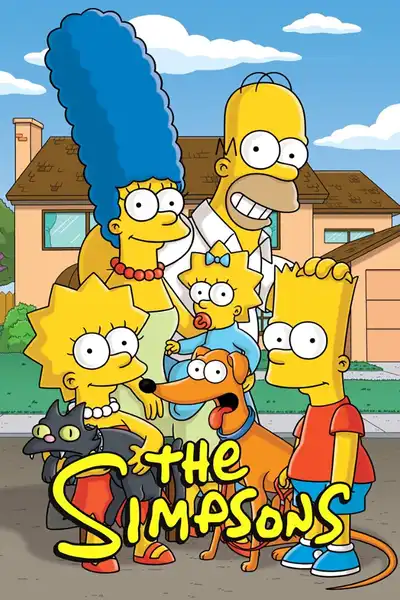
Satirical brilliance meets animated absurdity in this cultural institution that has been dissecting American life for over three decades. Created by Matt Groening, The Simpsons follows the misadventures of Homer, Marge, Bart, Lisa, and Maggie in the fictional town of Springfield. The show's longevity speaks to its remarkable ability to evolve while maintaining the sharp social commentary that made it revolutionary. The voice cast, led by Dan Castellaneta and Julie Kavner, brings depth and humanity to what could be simple cartoon characters. At its best, the series delivers jokes that work on multiple levels—physical comedy for kids, biting satire for adults. The show's golden era produced some of television's most quotable episodes, and even recent seasons contain flashes of that genius. Its influence on comedy and animation cannot be overstated, having paved the way for countless adult animated series. Essential viewing for understanding modern television comedy.
At its core, this is a story about belief—in the unexplained, in each other, and in the search for truth no matter how disturbing it might be. Creator Chris Carter's iconic series pairs FBI agents Fox Mulder and Dana Scully, played with perfect chemistry by David Duchovny and Gillian Anderson, as they investigate paranormal phenomena and government conspiracies. The show's genius lies in its structure, alternating between mythology episodes that build an intricate alien conspiracy and standalone "monster of the week" stories that range from terrifying to thought-provoking. The dynamic between Mulder's believer and Scully's skeptic creates endless dramatic possibilities while developing one of television's most compelling partnerships. The atmosphere is dark and unsettling, with cinematography that makes even ordinary locations feel ominous. While the overarching conspiracy storyline eventually becomes convoluted, the show's best episodes remain masterclasses in tension, character development, and asking unsettling questions about what might be out there.
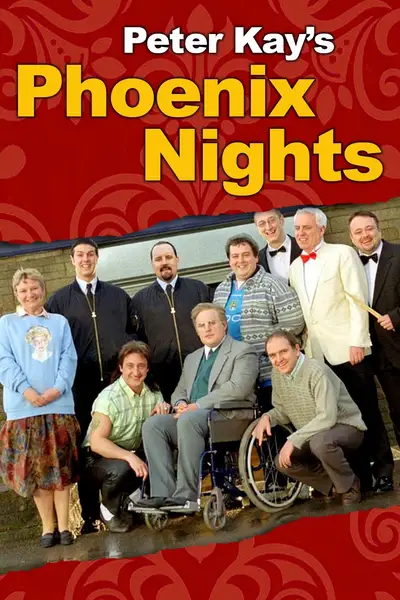
When Brian Potter tries to transform his working men's club into the north of England's premier entertainment venue, the results are nothing short of comedy gold. Peter Kay created and stars in this absolutely brilliant sitcom that captures the desperate ambition and faded glory of Phoenix Club in Bolton, where dodgy fire safety, cheaper-than-cheap entertainment, and Brian's cutthroat rivalry with nearby club owner Den Perry fuel two series of laugh-out-loud moments. The ensemble cast, including Paddy McGuinness as the spectacularly dim doorman and Dave Spikey as the club's compère, creates a world so richly detailed and absurd that every episode delivers memorable quotable lines. Kay's observational genius shines through in every meticulously crafted scene, from talent show disasters to ill-fated theme nights. This is British comedy firing on all cylinders—sharply written, perfectly performed, and grounded in a very specific world that somehow feels universal in its humor.
This is television about trust, deception, and the thrilling uncertainty of never knowing who's working against you. The Belgian reality competition that started an international phenomenon brings together contestants who must complete challenges to build a prize pot, while one secret saboteur—the Mole—undermines their efforts from within. Created by Bart De Pauw and Michel Vanhove, the format is brilliantly simple yet endlessly captivating: players must identify the Mole through careful observation while the betrayer hides in plain sight. What elevates this above standard reality fare is the psychological complexity it demands from both participants and viewers, turning every interaction into potential evidence and every failure into a clue. The Belgian original remains the gold standard for the format, with production values and editing that maintain suspense throughout each season, culminating in reveals that genuinely surprise and satisfy even the most attentive audience members.
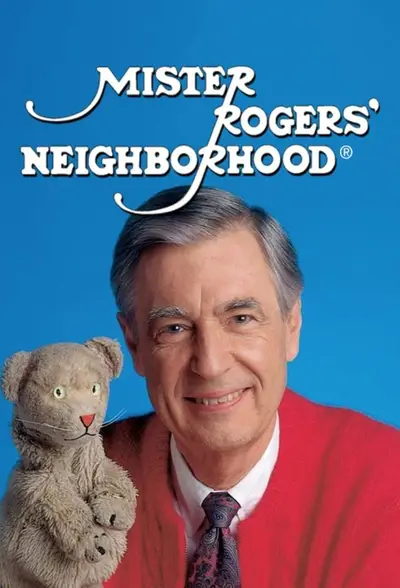
Fred Rogers hosts this gentle children's program from his iconic television neighborhood, speaking directly to young viewers with uncommon respect and emotional honesty. Over thirty-three seasons, Rogers tackled everything from everyday anxieties to difficult topics like death, divorce, and disability, always at a child's eye level. The show's deliberate pacing, which includes visits to the Neighborhood of Make-Believe with puppets like King Friday XIII and Daniel Striped Tiger, feels almost revolutionary in its refusal to overstimulate. Rogers' sincerity and warmth are undeniable, and the program's positive impact on generations of children is well-documented. However, viewed through contemporary eyes, the show's slow pace and dated production values can test modern viewers' patience, including children accustomed to faster-paced programming. The educational content, while emotionally intelligent, sometimes feels didactic. The cultural significance and Rogers' genuine compassion for children remain powerful, but the series works better as nostalgia or historical artifact than as current children's entertainment. Its legacy matters more than its present-day watchability.