Best Shows of 1991
1991 marked a pivotal year in television history, delivering an extraordinary lineup of programming that would reshape the small screen landscape for years to come. From groundbreaking animated experiments to family-friendly sitcoms that became cultural touchstones, the best shows of 1991 showcased an incredible range of creative ambition and storytelling innovation. This remarkable year brought viewers everything from prestigious miniseries adapted from literary works to darkly comedic British mysteries, quirky science fiction that pushed animation boundaries, and heartwarming period dramas that transported audiences to simpler times. Network television embraced bold new voices while maintaining traditional programming strengths, resulting in a diverse slate that captivated both mainstream audiences and discerning critics. Whether you're seeking acclaimed dramatic performances, laugh-out-loud comedy, or thought-provoking narratives that challenged conventions, 1991 delivered must-watch television across every genre. These 21 shows represent the year's most significant contributions to the medium, featuring the standout performances, visionary creators, and unforgettable moments that defined an era when television was evolving into the sophisticated art form we celebrate today.
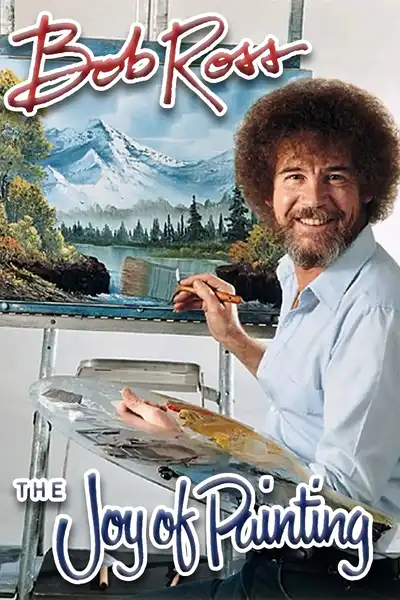
Watch a soft-spoken artist transform blank canvases into serene landscapes in real-time while offering gentle life wisdom is the simple but profoundly effective premise of this legendary instructional series. Bob Ross hosts each episode from his studio, demonstrating his wet-on-wet oil painting technique while encouraging viewers that anyone can create art. What could have been dry instruction becomes something almost meditative, as Ross's calming voice and positive philosophy turn painting lessons into something approaching therapy. The show never condescends to its audience or oversells the difficulty of what Ross accomplishes with seemingly effortless brushstrokes. Beyond technique, it's Ross's genuine warmth and his celebration of "happy little accidents" that have given the series enduring cultural relevance decades after its original run. It remains the gold standard for instructional television that understands teaching is as much about encouragement as information.
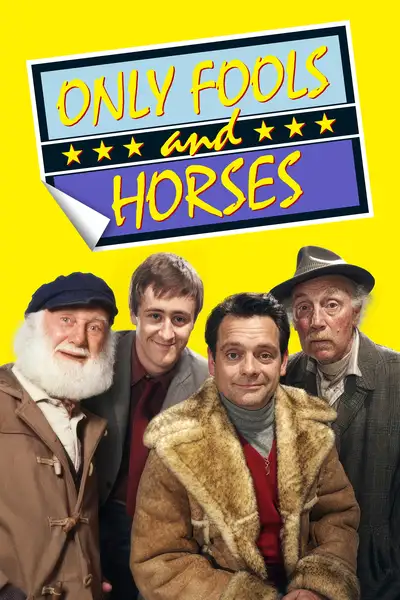
Set in the vibrant working-class world of 1980s Peckham, South London, this beloved British sitcom follows the eternally optimistic Del Boy Trotter and his younger brother Rodney as they navigate the ups and downs of market trading and get-rich-quick schemes. Created by John Sullivan, the series is an absolute triumph of character-driven comedy, with David Jason and Nicholas Lyndhurst delivering pitch-perfect performances that balance hilarious physical comedy with genuine emotional depth. What makes this show truly exceptional is its heart—beneath the wheeling and dealing, it's fundamentally about family, loyalty, and the unbreakable bond between brothers. The catchphrases alone have become part of British cultural DNA, but it's the beautifully crafted episodes ranging from slapstick hilarity to touching drama that have earned it a place as one of the greatest sitcoms ever made.
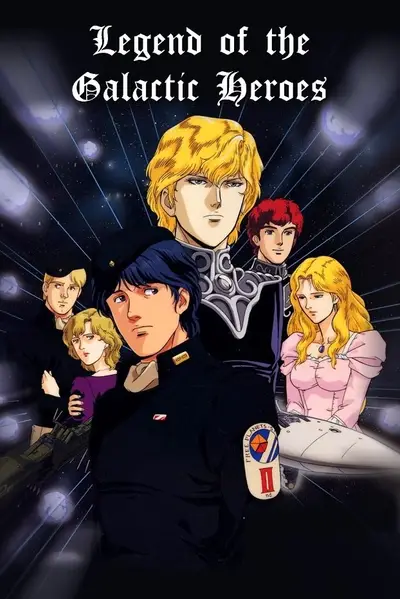
Yoshiki Tanaka's sprawling space opera epic comes to life in this legendary anime series that puts most modern sci-fi to shame. Spanning 110 episodes, the show chronicles an interstellar war between the democratic Free Planets Alliance and the autocratic Galactic Empire, focusing on two brilliant military commanders: Yang Wen-li and Reinhard von Lohengramm. What sets this apart is its sophisticated examination of political philosophy, military strategy, and the nature of power itself—this is space opera for adults who want substance with their starships. The animation may be dated by today's standards, but the writing remains razor-sharp, presenting complex moral questions without easy answers. Character development is extraordinary across a massive cast, and the series takes its time building a fully realized universe with genuine historical depth. This is ambitious storytelling at its finest.
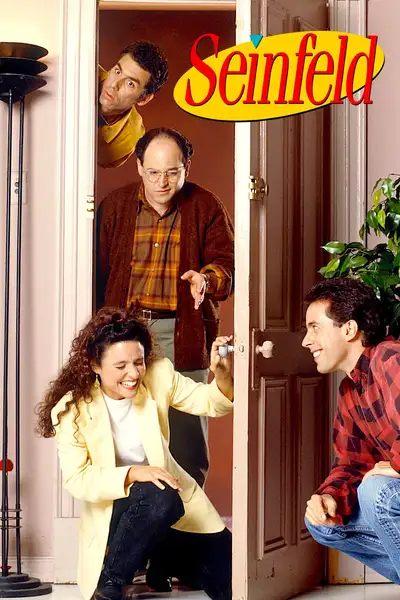
At its core, this is a show about the trivial frustrations and social absurdities that define everyday life, transforming mundane observations into comedy gold. Created by Larry David and Jerry Seinfeld, with Seinfeld starring as a fictionalized version of himself, the series revolutionized the sitcom format by rejecting sentimentality and character growth in favor of petty grievances and uncomfortable social situations. The chemistry between Jerry, the neurotic George (Jason Alexander), the eccentric Kramer (Michael Richards), and the acerbic Elaine (Julia Louis-Dreyfus) remains unmatched in television comedy. What makes the show timeless is its focus on universal human experiences—waiting for a table, returning a sweater, finding a parking spot—and mining them for their full comedic potential. The writing is dense with callbacks, running gags, and plotlines that converge with satisfying precision. Nearly every episode has contributed phrases or concepts to the cultural lexicon. It's simply one of the greatest sitcoms ever made, a master class in observational comedy that hasn't aged a day.

Hilarious, innovative, and endlessly entertaining, this legendary Japanese variety show has been pushing the boundaries of comedy television for over three decades. Hosted by the comedy duo Downtown—Hitoshi Matsumoto and Masatoshi Hamada—"Gaki no Tsukai" pioneered the format of comedic punishment games and absurdist challenges that has influenced comedy programming across Asia and beyond. The show's most famous segment, the annual "No-Laughing" batsu game specials, has achieved cult status worldwide, with participants subjected to increasingly ridiculous situations designed to make them break their straight faces. What makes the series exceptional is its fearless commitment to the bit, its perfect comedic timing, and the genuine chemistry between its cast members. Whether you're discovering classic episodes or following recent installments, this is essential viewing for anyone interested in comedy that takes creative risks.
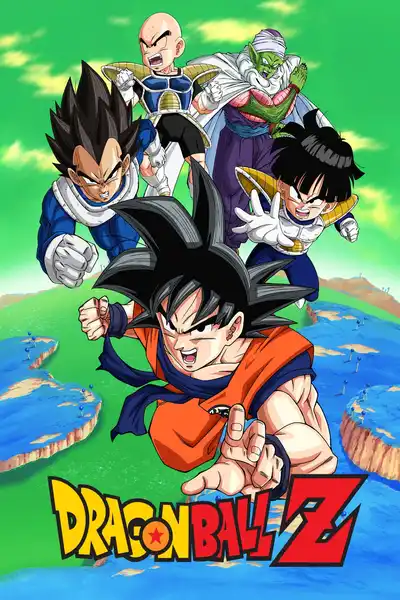
Masako Nozawa voices Goku in this legendary anime that transformed the shonen genre forever. Following the adventures of Earth's mightiest Saiyan warrior, the series delivers explosive battles, unforgettable power-ups, and emotional stakes that resonate across hundreds of episodes. Creator Akira Toriyama's vision comes alive through iconic arcs like the Frieza and Cell sagas, where each transformation and beam struggle becomes absolutely legendary. The English dub featuring Sean Schemmel has introduced generations of Western fans to Goku's heroic journey. Whether you're watching Goku go Super Saiyan for the first time or witnessing Gohan's ultimate sacrifice against Cell, this series delivers pure adrenaline and heart. The animation may show its age, but the storytelling remains timeless, blending martial arts spectacle with genuine character growth that keeps you invested through every Kamehameha and Spirit Bomb.

Fred Rogers' groundbreaking PBS series—wait, actually this is the wildlife documentary series Nature, which has been illuminating the natural world since 1982 under various producers and narrators. This extraordinary program has consistently delivered stunning cinematography and thoughtful storytelling that reveals the complexity, beauty, and fragility of ecosystems across the globe. Each episode focuses on specific animals, habitats, or environmental challenges, combining breathtaking visuals with scientific rigor and narrative accessibility. The series has chronicled everything from Antarctic penguin colonies to rainforest canopies, always balancing wonder with education and entertainment with environmental awareness. Narrators over the years, including George Page and currently Reba McEntire, guide viewers through these natural dramas with appropriate reverence and engagement. What sets Nature apart is its consistency—over four decades, it has maintained exceptional standards while adapting to new filming technologies that reveal ever more intimate details of animal behavior. It's not just excellent nature programming; it's an ongoing masterclass in documentary filmmaking that belongs on any list of television's finest achievements.
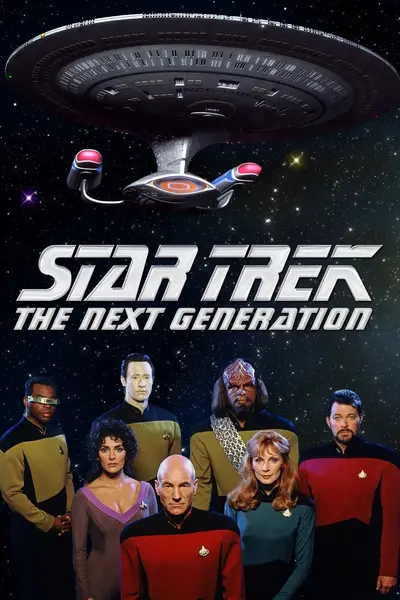
Boldly optimistic and intellectually engaging, this Star Trek series represents science fiction at its most thoughtful and aspirational. Created by Gene Roddenberry, The Next Generation follows Captain Jean-Luc Picard (Patrick Stewart in a career-defining role) and the crew of the USS Enterprise-D as they explore strange new worlds a century after the original series. The show elevates the franchise with sophisticated storytelling that tackles complex moral dilemmas, philosophical questions, and social issues through the lens of futuristic adventure. The ensemble cast—including Jonathan Frakes, Brent Spiner, LeVar Burton, and Marina Sirtis—creates a genuine sense of camaraderie and professionalism. Stewart's commanding yet nuanced performance as Picard anchors the series in gravitas while episodes range from thrilling action to contemplative character studies. The Next Generation proves that science fiction can inspire, challenge, and entertain simultaneously, setting a standard that few series in any genre have matched.

In 1980s Syria, this groundbreaking comedy series held up a mirror to Arab society with unprecedented wit and satirical bite, creating a cultural phenomenon that resonates decades later. Created by the legendary Ghawar (Duraid Lahham), "Maraya" (Mirrors) used sketch comedy to address social issues, political absurdities, and everyday hypocrisies with a cleverness that allowed it to critique while entertaining. Each episode presented standalone scenarios featuring recurring characters that became iconic across the Arab world, with Lahham's physical comedy and sharp timing elevating material that could have been merely preachy into genuinely funny social commentary. The series' influence on Arabic comedy television cannot be overstated—it demonstrated that humor could be both popular and substantive, silly and meaningful. Watching these episodes today reveals not only their historical importance but also how many of the issues satirized remain relevant, a testament to the show's insight.
From the Australian outback to coastal bushlands, this groundbreaking 1988 series revolutionized how audiences viewed wilderness survival and indigenous food culture. Les Hiddins, affectionately known as the Bush Tucker Man, takes viewers on extraordinary adventures through Australia's most remote regions, demonstrating traditional Aboriginal food-gathering techniques and survival skills with infectious enthusiasm. Each episode is a masterclass in respect for the land and indigenous knowledge, as Hiddins samples everything from witchetty grubs to native fruits with genuine curiosity and humor. His down-to-earth presentation style makes complex survival techniques accessible, while his deep appreciation for Aboriginal culture elevates the series beyond simple entertainment. The cinematography captures Australia's diverse landscapes beautifully, showcasing environments most viewers will never experience firsthand. This isn't just educational television—it's an essential document of cultural knowledge and environmental awareness that remains remarkably relevant decades later.
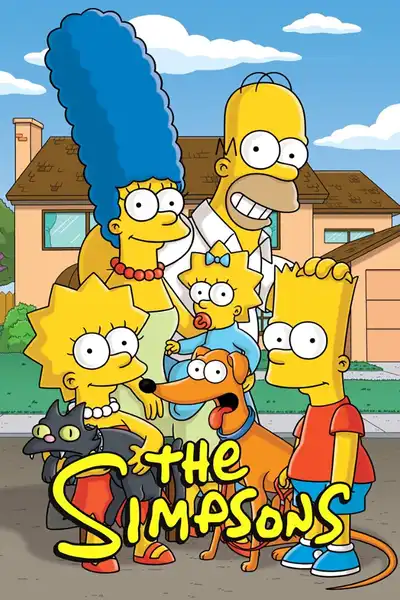
Satirical brilliance meets animated absurdity in this cultural institution that has been dissecting American life for over three decades. Created by Matt Groening, The Simpsons follows the misadventures of Homer, Marge, Bart, Lisa, and Maggie in the fictional town of Springfield. The show's longevity speaks to its remarkable ability to evolve while maintaining the sharp social commentary that made it revolutionary. The voice cast, led by Dan Castellaneta and Julie Kavner, brings depth and humanity to what could be simple cartoon characters. At its best, the series delivers jokes that work on multiple levels—physical comedy for kids, biting satire for adults. The show's golden era produced some of television's most quotable episodes, and even recent seasons contain flashes of that genius. Its influence on comedy and animation cannot be overstated, having paved the way for countless adult animated series. Essential viewing for understanding modern television comedy.

Based on the classic 16th-century novel by Wu Cheng'en, this legendary Chinese television adaptation transformed the epic journey of the Monkey King into appointment television across Asia. The series follows the Buddhist monk Xuanzang and his supernatural disciples—including the mischievous Sun Wukong—as they travel westward to retrieve sacred scriptures, encountering demons, spirits, and moral challenges along the way. What makes this version enduring is its perfect balance of adventure, comedy, and Buddhist philosophy, brought to life through creative practical effects and memorable performances that have become definitive for generations. The iconic theme music alone triggers instant recognition across multiple continents. Despite the limitations of 1980s television production, the storytelling remains enchanting and the performances so charismatic that this version continues to set the standard against which all subsequent adaptations are measured.

Gleefully absurd and endlessly inventive, this cult sensation turns bad movies into comedy gold through the simple premise of watching someone watch terrible films. Created by Joel Hodgson, the show follows a man trapped on a satellite forced to endure the worst cinema has to offer, accompanied by robot friends he built for company. Tom Servo and Crow T. Robot join Joel (later Mike Nelson) in riffing on everything from sci-fi disasters to incomprehensible international features, delivering a rapid-fire stream of jokes that rewards multiple viewings. The wit ranges from sophisticated cultural references to delightfully dumb puns, creating a humor style entirely its own. The silhouette format—mimicking a movie theater experience—remains iconic, and the show's influence on internet comedy culture is immeasurable. Whether you're discovering it for the first time or revisiting beloved episodes, MST3K offers something genuinely special: comedy that's smart, silly, and wonderfully welcoming.
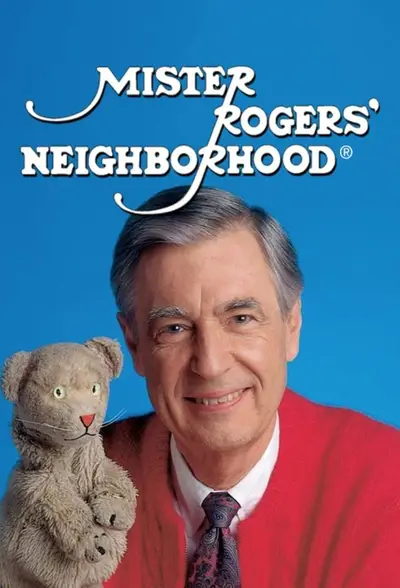
Fred Rogers hosts this gentle children's program from his iconic television neighborhood, speaking directly to young viewers with uncommon respect and emotional honesty. Over thirty-three seasons, Rogers tackled everything from everyday anxieties to difficult topics like death, divorce, and disability, always at a child's eye level. The show's deliberate pacing, which includes visits to the Neighborhood of Make-Believe with puppets like King Friday XIII and Daniel Striped Tiger, feels almost revolutionary in its refusal to overstimulate. Rogers' sincerity and warmth are undeniable, and the program's positive impact on generations of children is well-documented. However, viewed through contemporary eyes, the show's slow pace and dated production values can test modern viewers' patience, including children accustomed to faster-paced programming. The educational content, while emotionally intelligent, sometimes feels didactic. The cultural significance and Rogers' genuine compassion for children remain powerful, but the series works better as nostalgia or historical artifact than as current children's entertainment. Its legacy matters more than its present-day watchability.

This investigative journalism documentary series has set the standard for long-form television reporting for over four decades. Produced by PBS, "Frontline" tackles everything from political scandals to social justice issues to international conflicts with unwavering commitment to depth and accuracy. The series doesn't chase viral moments or easy answers; instead, it invests the time necessary to truly understand complex issues, often dedicating full hours to single topics. Its correspondents and producers consistently deliver meticulously researched pieces that challenge viewers while respecting their intelligence. In an era of fragmented media and declining trust in institutions, this series remains an essential source of substantive journalism that holds power accountable and illuminates stories that demand attention.

This documentary series stands as public television's definitive chronicle of American history, delivering consistently excellent historical programming for over three decades. Produced by WGBH Boston, American Experience examines pivotal events, influential figures, and transformative movements that shaped the nation, from the construction of the Brooklyn Bridge to the Space Race. The series distinguishes itself through meticulous research, compelling archival footage, and thoughtful narrative construction that brings history to life without sensationalizing it. Each episode benefits from strong production values and interviews with leading historians who provide context and analysis. The writing respects viewers' intelligence while remaining accessible, making complex historical periods understandable without dumbing them down. Whether exploring forgotten stories or reexamining familiar events, the series consistently delivers educational content that's genuinely engaging. For anyone interested in understanding American history through well-crafted documentary filmmaking, this series remains an invaluable resource and a benchmark for the genre.
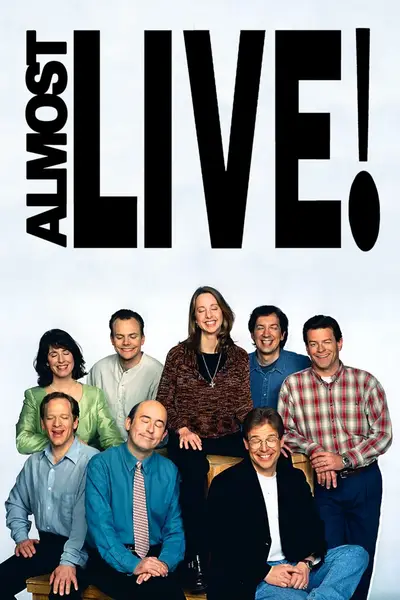
John Keister leads this Seattle-based sketch comedy institution that captured the spirit of the Pacific Northwest with sharp wit and local flavor. Running for over a decade, "Almost Live!" became a cultural touchstone for the region, launching the careers of several comedy talents including Bill Nye before his Science Guy fame. The show brilliantly balanced absurdist sketches with pointed satire about Seattle life, from the infamous "Mind Your Manners with Billy Quan" segments to the Speed Walker superhero parody. Created as a local alternative to "Saturday Night Live," it developed its own distinct voice that resonated far beyond its regional roots. The writing remained consistently clever throughout its run, making it essential viewing for anyone interested in sketch comedy's evolution during the late '80s and early '90s.
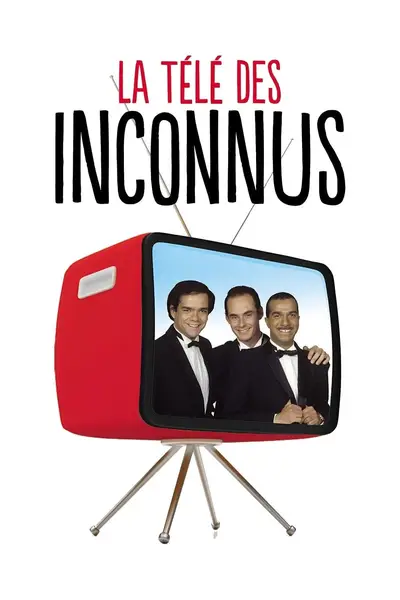
At its core, "La Télé des Inconnus" is about the absurdity of French culture, media, and social conventions, filtered through the brilliantly twisted minds of comedy trio Les Inconnus. Didier Bourdon, Bernard Campan, and Pascal Légitimus created something truly special with this sketch series that became a defining voice of early '90s French television. Their characters—from the self-important television presenters to bewildered everyday citizens—skewer pretension with surgical precision while maintaining an underlying affection for their targets. The writing demonstrates remarkable sophistication, layering visual gags with verbal wordplay and cultural references that reward repeated viewing. What makes the show endure beyond its era is its keen observation of human behavior; the specifics may be French, but the foolishness is universal. The trio's chemistry is electric, each member bringing distinct energy while functioning as a seamless unit. This is comedy that respects its audience's intelligence.
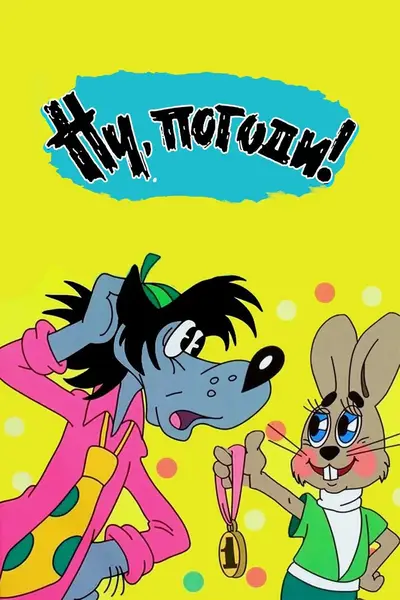
This classic Soviet animated series perfectly captures the timeless cat-and-mouse chase formula through the perpetual rivalry between a mischievous hare and the wolf who's determined to catch him. Created by Vyacheslav Kotyonochkin and spanning nearly two decades of production, the wordless episodes rely on expressive animation, slapstick humor, and memorable musical cues to tell their stories. The wolf's elaborate schemes to capture the clever hare always backfire in inventive and hilarious ways, following a formula that never grows stale thanks to the animators' creativity and attention to detail. What elevates this beyond simple children's entertainment is the cultural richness embedded in each episode—the characters visit recognizable Soviet locations, and the series subtly reflects the changing times across its many installments. Generations of viewers across Russia and Eastern Europe grew up with these characters, and the show's popularity endures because the comedy is genuinely funny and the craftsmanship evident in every frame. It's a treasure of animation history that transcends language barriers.
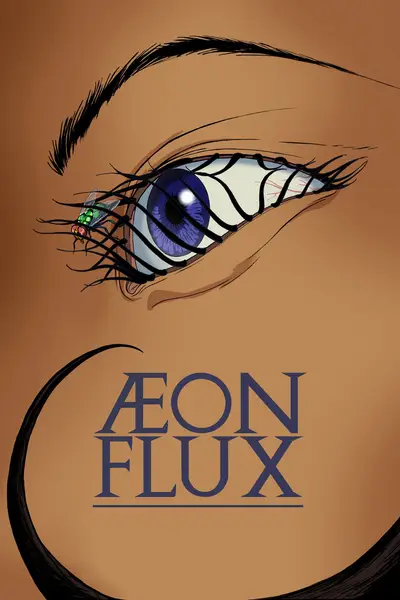
In a dystopian future where a cold war rages between two super-states, a leather-clad assassin navigates an endless cycle of violence, espionage, and surreal encounters across heavily surveilled borders. Creator Peter Chung's groundbreaking animated series follows the mysterious Æon Flux, whose missions for the nation of Monica frequently bring her into contact—and conflict—with Trevor Goodchild, the morally ambiguous scientist-leader of Bregna. Originally airing as experimental shorts on MTV's Liquid Television before expanding into full episodes, the series distinguished itself through Chung's distinctive angular animation style and willingness to embrace narrative ambiguity over conventional storytelling. Denise Poirier voices the nearly silent Æon with athletic grace, while John Rafter Lee brings unexpected nuance to Trevor, creating a protagonist-antagonist dynamic built on attraction, opposition, and philosophical difference. The series remains remarkably bold in its refusal to explain its world or provide easy moral frameworks, trusting viewers to engage with its provocative imagery and ideas.

Quirky, philosophical, and deeply humane, this beloved dramedy follows a New York City doctor forced to practice medicine in the remote Alaskan town of Cicely as repayment for his medical school loans. Created by Joshua Brand and John Falsey, the series stars Rob Morrow as the fish-out-of-water Joel Fleischman, whose big-city cynicism gradually softens amid the eccentric locals who become his unlikely community. The ensemble cast is extraordinary—from John Corbett's sensitive disc jockey Chris to Janine Turner's independent bush pilot Maggie, each character feels fully realized and wonderfully idiosyncratic. What sets the show apart is its willingness to embrace whimsy and profound ideas within the same episode, discussing Jung and Native American spirituality alongside small-town gossip. The Alaskan setting becomes a character itself, offering both stunning beauty and a sense of frontier possibility. It's comfort television at its finest, warm without being saccharine, intelligent without being pretentious.