Best Shows of 1984
The year 1984 marked a transformative period in television history, delivering an extraordinary lineup of groundbreaking shows that forever changed the landscape of small-screen entertainment. From prestige dramas that pushed narrative boundaries to iconic game shows that became cultural phenomena, the best shows of 1984 represent a diverse tapestry of programming excellence that captivated millions of viewers worldwide. This era introduced audiences to innovative storytelling techniques, memorable characters, and production values that rivaled theatrical releases, while also launching beloved children's programming and procedural series that would influence television for decades to come. Whether you're searching for critically acclaimed international productions, heartwarming family dramas, stylish crime thrillers, or enduring franchises that still resonate today, 1984's television offerings delivered something extraordinary for every type of viewer. These 21 must-watch shows showcase the year's most compelling performances, visionary creators, and unforgettable moments that earned awards recognition and solidified their place in television history. Explore the definitive collection of 1984's greatest series that defined an era and discover why these shows continue to be celebrated as timeless classics that set the standard for quality television entertainment.
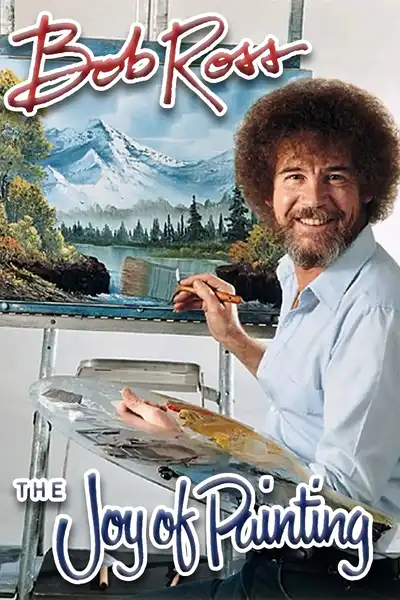
Watch a soft-spoken artist transform blank canvases into serene landscapes in real-time while offering gentle life wisdom is the simple but profoundly effective premise of this legendary instructional series. Bob Ross hosts each episode from his studio, demonstrating his wet-on-wet oil painting technique while encouraging viewers that anyone can create art. What could have been dry instruction becomes something almost meditative, as Ross's calming voice and positive philosophy turn painting lessons into something approaching therapy. The show never condescends to its audience or oversells the difficulty of what Ross accomplishes with seemingly effortless brushstrokes. Beyond technique, it's Ross's genuine warmth and his celebration of "happy little accidents" that have given the series enduring cultural relevance decades after its original run. It remains the gold standard for instructional television that understands teaching is as much about encouragement as information.
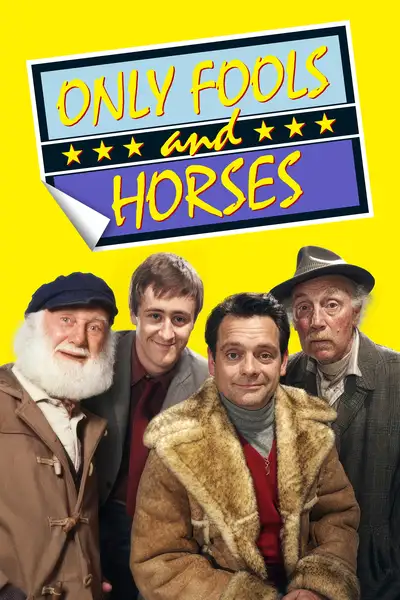
Set in the vibrant working-class world of 1980s Peckham, South London, this beloved British sitcom follows the eternally optimistic Del Boy Trotter and his younger brother Rodney as they navigate the ups and downs of market trading and get-rich-quick schemes. Created by John Sullivan, the series is an absolute triumph of character-driven comedy, with David Jason and Nicholas Lyndhurst delivering pitch-perfect performances that balance hilarious physical comedy with genuine emotional depth. What makes this show truly exceptional is its heart—beneath the wheeling and dealing, it's fundamentally about family, loyalty, and the unbreakable bond between brothers. The catchphrases alone have become part of British cultural DNA, but it's the beautifully crafted episodes ranging from slapstick hilarity to touching drama that have earned it a place as one of the greatest sitcoms ever made.
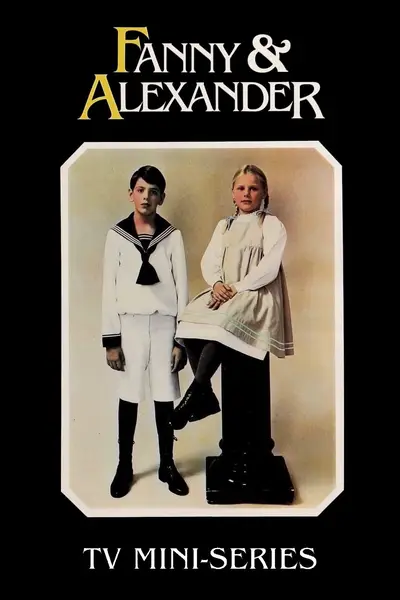
Intimate, magical, and achingly beautiful, Ingmar Bergman's masterwork follows the Ekdahl family through the eyes of young siblings Fanny and Alexander in early 1900s Sweden. Originally conceived as Bergman's farewell to cinema, this five-hour television version expands on the theatrical cut, allowing the story to breathe and the characters to fully inhabit their world. Pernilla Allwin and Bertil Guve are remarkable as the children, while the entire ensemble—including Erland Josephson and Harriet Andersson—delivers career-defining work. Bergman weaves together joy and sorrow, reality and fantasy, creating a deeply personal meditation on childhood, family, storytelling, and memory. Every frame feels purposeful yet organic, from the lavish Christmas celebrations to the oppressive darkness that follows. This is essential viewing for anyone serious about television as an art form—a generous, emotionally overwhelming experience that justifies every minute of its runtime and cements Bergman's genius.

Fred Rogers' groundbreaking PBS series—wait, actually this is the wildlife documentary series Nature, which has been illuminating the natural world since 1982 under various producers and narrators. This extraordinary program has consistently delivered stunning cinematography and thoughtful storytelling that reveals the complexity, beauty, and fragility of ecosystems across the globe. Each episode focuses on specific animals, habitats, or environmental challenges, combining breathtaking visuals with scientific rigor and narrative accessibility. The series has chronicled everything from Antarctic penguin colonies to rainforest canopies, always balancing wonder with education and entertainment with environmental awareness. Narrators over the years, including George Page and currently Reba McEntire, guide viewers through these natural dramas with appropriate reverence and engagement. What sets Nature apart is its consistency—over four decades, it has maintained exceptional standards while adapting to new filming technologies that reveal ever more intimate details of animal behavior. It's not just excellent nature programming; it's an ongoing masterclass in documentary filmmaking that belongs on any list of television's finest achievements.
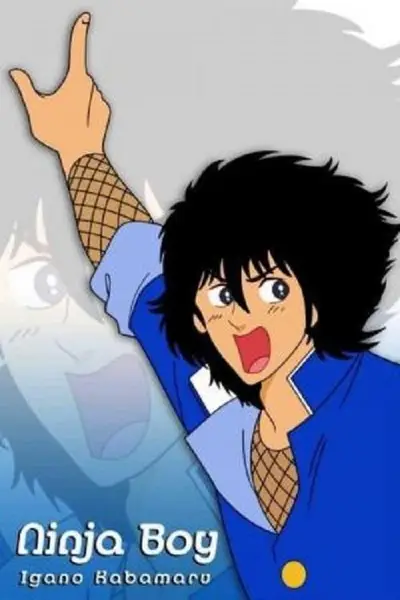
From anime legend Hideo Takayashiki comes this exhilarating ninja adventure series that captivated audiences with its perfect blend of action, humor, and heart. Following young Ninja Boy Rantaro as he trains at the Ninja Academy alongside classmates Shinbei and Kirimaru, the show delivers spectacular martial arts sequences while developing genuinely endearing character relationships. The animation holds up remarkably well, with fluid fight choreography and expressive character designs that bring the feudal Japanese setting to vivid life. What sets the series apart is its refusal to take itself too seriously—the boys' training mishaps and rivalry with students from competing ninja schools provide consistent comedy without undercutting the stakes when real danger arrives. It's wildly entertaining, beautifully animated, and deserves recognition alongside the era's better-known action anime.

In 1980s Syria, this groundbreaking comedy series held up a mirror to Arab society with unprecedented wit and satirical bite, creating a cultural phenomenon that resonates decades later. Created by the legendary Ghawar (Duraid Lahham), "Maraya" (Mirrors) used sketch comedy to address social issues, political absurdities, and everyday hypocrisies with a cleverness that allowed it to critique while entertaining. Each episode presented standalone scenarios featuring recurring characters that became iconic across the Arab world, with Lahham's physical comedy and sharp timing elevating material that could have been merely preachy into genuinely funny social commentary. The series' influence on Arabic comedy television cannot be overstated—it demonstrated that humor could be both popular and substantive, silly and meaningful. Watching these episodes today reveals not only their historical importance but also how many of the issues satirized remain relevant, a testament to the show's insight.
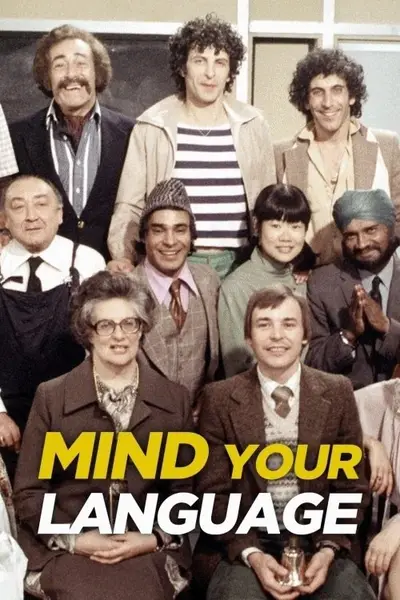
Barry Evans stars as Jeremy Brown, the well-meaning teacher tasked with instructing a wonderfully chaotic evening English class full of adult immigrants in this absolutely delightful British sitcom. Created by Vince Powell, Mind Your Language brings together a diverse ensemble cast including Zara Nutley, Albert Moses, and Francoise Pascal as students from around the globe who clash, connect, and create comedy gold through cultural misunderstandings and language barriers. What makes this series such a joy is its warmth beneath the humor—while the fish-out-of-water scenarios and miscommunications generate consistent laughs, there's genuine affection for these characters trying to build new lives in England. The classroom setting becomes a melting pot of perspectives, with each student bringing their own personality and comic timing to the mix. It's comfort viewing at its finest, offering a snapshot of 1970s London while delivering exactly the kind of feel-good entertainment that makes you want to binge the entire series.
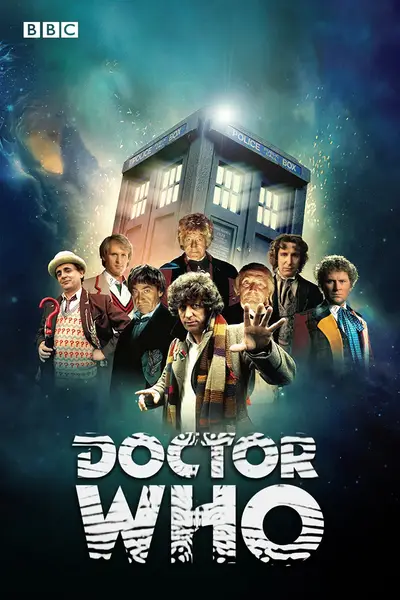
Science fiction television doesn't get more iconic, enduring, or downright brilliant than this British institution that has been captivating audiences across generations since its debut. The show's genius lies in its infinitely renewable format: a time-traveling alien called the Doctor, who regenerates into new bodies, explores all of time and space in a police box called the TARDIS. Created by Sydney Newman, C.E. Roberts, and Donald Wilson, the series has featured countless memorable Doctors, companions, and monsters (the Daleks and Cybermen remain genuinely chilling). Whether you're watching classic episodes from the original run or the revived series that began in 2005 with Russell T Davies at the helm, you'll find imaginative storytelling that balances humor, horror, and heart. The show's ability to reinvent itself while maintaining its essential spirit is unmatched in television history.
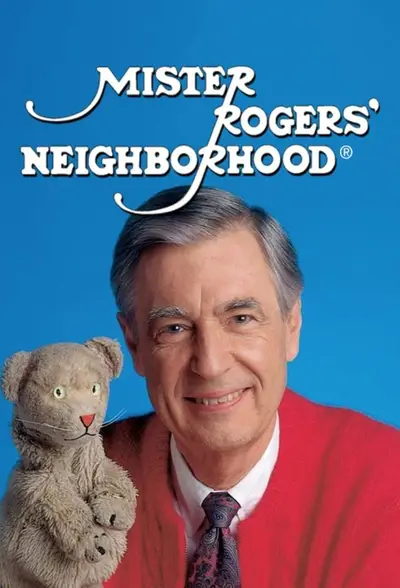
Fred Rogers hosts this gentle children's program from his iconic television neighborhood, speaking directly to young viewers with uncommon respect and emotional honesty. Over thirty-three seasons, Rogers tackled everything from everyday anxieties to difficult topics like death, divorce, and disability, always at a child's eye level. The show's deliberate pacing, which includes visits to the Neighborhood of Make-Believe with puppets like King Friday XIII and Daniel Striped Tiger, feels almost revolutionary in its refusal to overstimulate. Rogers' sincerity and warmth are undeniable, and the program's positive impact on generations of children is well-documented. However, viewed through contemporary eyes, the show's slow pace and dated production values can test modern viewers' patience, including children accustomed to faster-paced programming. The educational content, while emotionally intelligent, sometimes feels didactic. The cultural significance and Rogers' genuine compassion for children remain powerful, but the series works better as nostalgia or historical artifact than as current children's entertainment. Its legacy matters more than its present-day watchability.
The struggle to preserve identity and home across generations forms the magnificent core of Edgar Reitz's German masterwork, which chronicles the Simon family in the village of Schabbach from 1919 through 1982. This isn't merely a family saga but an epic meditation on how ordinary lives intersect with history, as characters navigate the Weimar Republic, Nazi Germany, World War II, and the postwar reconstruction. Marita Breuer's luminous performance as Maria Simon anchors eleven hours of storytelling that never feels indulgent, each episode revealing how personal choices and historical forces shape destinies. Reitz's patient, observational style creates intimacy on a grand scale, finding profound meaning in everyday rituals and quiet moments. The cinematography transforms rural Germany into something both specific and universal, making this essential viewing for anyone interested in how television can achieve genuine artistry.
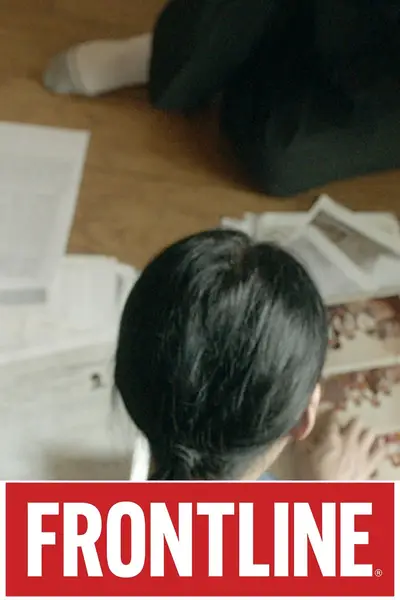
This investigative journalism documentary series has set the standard for long-form television reporting for over four decades. Produced by PBS, "Frontline" tackles everything from political scandals to social justice issues to international conflicts with unwavering commitment to depth and accuracy. The series doesn't chase viral moments or easy answers; instead, it invests the time necessary to truly understand complex issues, often dedicating full hours to single topics. Its correspondents and producers consistently deliver meticulously researched pieces that challenge viewers while respecting their intelligence. In an era of fragmented media and declining trust in institutions, this series remains an essential source of substantive journalism that holds power accountable and illuminates stories that demand attention.
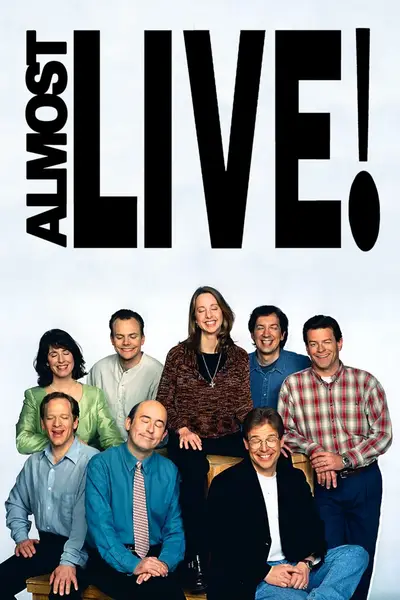
John Keister leads this Seattle-based sketch comedy institution that captured the spirit of the Pacific Northwest with sharp wit and local flavor. Running for over a decade, "Almost Live!" became a cultural touchstone for the region, launching the careers of several comedy talents including Bill Nye before his Science Guy fame. The show brilliantly balanced absurdist sketches with pointed satire about Seattle life, from the infamous "Mind Your Manners with Billy Quan" segments to the Speed Walker superhero parody. Created as a local alternative to "Saturday Night Live," it developed its own distinct voice that resonated far beyond its regional roots. The writing remained consistently clever throughout its run, making it essential viewing for anyone interested in sketch comedy's evolution during the late '80s and early '90s.
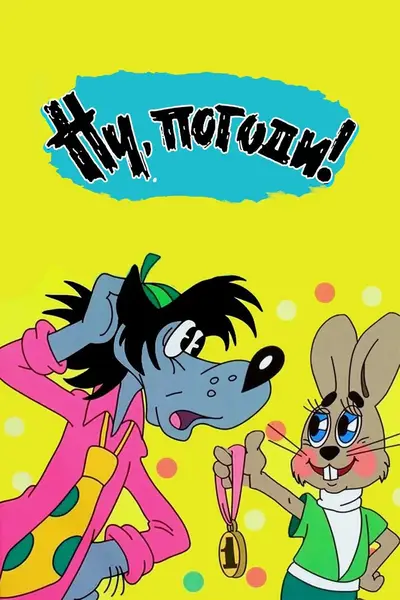
This classic Soviet animated series perfectly captures the timeless cat-and-mouse chase formula through the perpetual rivalry between a mischievous hare and the wolf who's determined to catch him. Created by Vyacheslav Kotyonochkin and spanning nearly two decades of production, the wordless episodes rely on expressive animation, slapstick humor, and memorable musical cues to tell their stories. The wolf's elaborate schemes to capture the clever hare always backfire in inventive and hilarious ways, following a formula that never grows stale thanks to the animators' creativity and attention to detail. What elevates this beyond simple children's entertainment is the cultural richness embedded in each episode—the characters visit recognizable Soviet locations, and the series subtly reflects the changing times across its many installments. Generations of viewers across Russia and Eastern Europe grew up with these characters, and the show's popularity endures because the comedy is genuinely funny and the craftsmanship evident in every frame. It's a treasure of animation history that transcends language barriers.
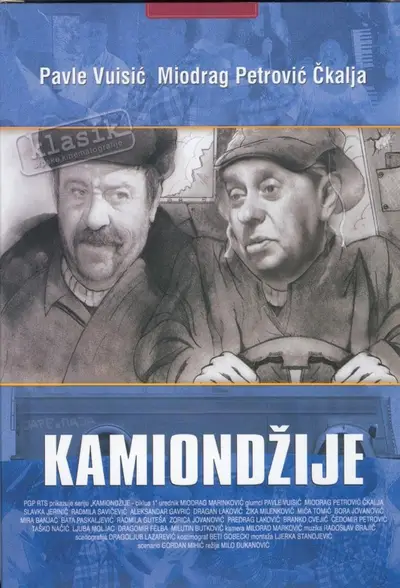
Following the lives of independent truckers navigating the open highways of 1970s America, this series captures the freedom and challenges of life on the road with authentic grit. Created by Tom Gries, the show chronicles the adventures of various drivers hauling freight across the country, dealing with everything from mechanical breakdowns to difficult clients while trying to make an honest living. Claude Akins leads the cast with a weathered charm that perfectly embodies the blue-collar spirit of the era, supported by a rotating ensemble of characters who populate truck stops and highways. The series doesn't glamorize the profession but instead presents it with respect and realism, showing both the camaraderie among drivers and the toll of weeks away from home. It's a time capsule of American working-class life that remains engaging for its straightforward storytelling and genuine appreciation for its subject matter.
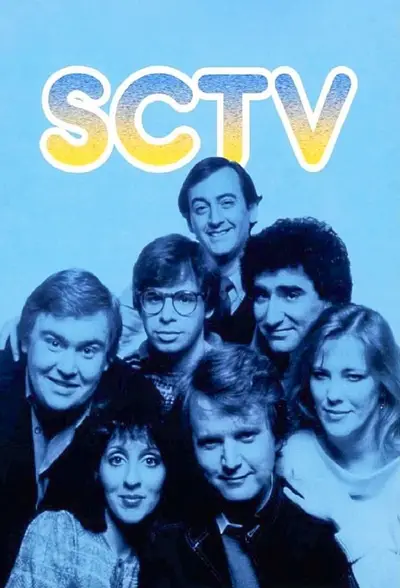
John Candy, Joe Flaherty, Eugene Levy, Andrea Martin, Catherine O'Hara, Harold Ramis, and Dave Thomas formed the ensemble that brought SCTV to life, playing various eccentric characters working at a fictional television station in Melonville. Created by Andrew Alexander and produced by Bernard Sahlins, this sketch comedy series brilliantly satirized television programming itself, with recurring segments like "Great White North" and "Monster Chiller Horror Theater" becoming instant classics. The show's format—presenting itself as broadcasts from a low-budget TV station—allowed for sharp parody and absurdist humor that influenced generations of comedy writers. What makes SCTV endure is its commitment to character-driven comedy over quick punchlines, with each cast member creating memorable personalities that felt fully realized. The series proved that sketch comedy could be both intelligent and accessible, making it essential viewing for anyone who appreciates thoughtful satire.
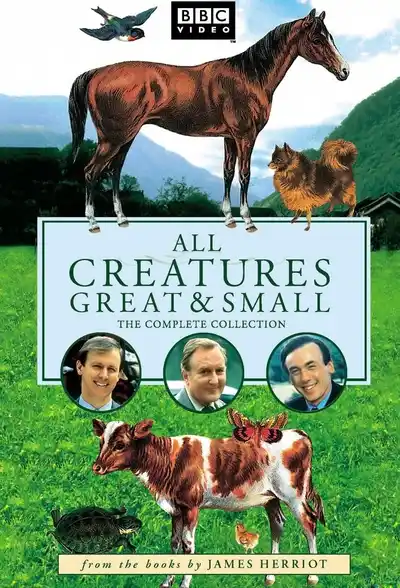
Christopher Timothy brings warmth and charm to James Herriot, the young veterinarian navigating the challenges of rural practice in 1930s Yorkshire. Created by Bill Sellars and based on Herriot's beloved memoirs, this long-running BBC series captures the beauty and hardship of country life with genuine affection. Robert Hardy and Peter Davison round out the excellent cast as Herriot's mentor Siegfried Farnon and his younger brother Tristan. The episodic structure follows James as he treats everything from prize cattle to beloved house pets, while courting the farmer's daughter Helen and learning the quirks of his eccentric colleagues. The series excels at balancing humor with touching moments, and the Yorkshire Dales serve as a stunning backdrop throughout. It's comforting television that celebrates community, dedication, and the bond between humans and animals.
This Italian crime epic stands as one of television's most ambitious examinations of the Mafia's infiltration into every level of society, politics, and business. Created by Sandro Petraglia and Stefano Rulli, La Piovra (The Octopus) follows various law enforcement officials and prosecutors over multiple seasons as they attempt to combat organized crime's sprawling tentacles throughout Italy. Michele Placido stars in early seasons as Commissioner Cattani, whose relentless pursuit of Mafia networks comes at devastating personal cost. What distinguishes the series is its refusal to simplify the battle between justice and corruption—victories are temporary, allies become compromised, and the octopus constantly regenerates. The show's scope expands across its ten seasons, exploring how organized crime adapts and evolves, moving from street-level violence to sophisticated financial manipulation. The writing is dense and requires attention, but rewards viewers with nuanced character development and intricate plotting that reflects Italy's real struggles with the Mafia during the 1980s and 1990s. Though long and occasionally melodramatic by modern standards, La Piovra remains essential viewing for understanding how Italian television dramatized one of its greatest social crises with seriousness and artistic ambition.

Powerful and unflinching, this British drama series created by Lavinia Warner explores the experiences of British and Australian women imprisoned in a Japanese internment camp during World War II. Starring Ann Bell, Stephanie Cole, and Stephanie Beacham among an exceptional ensemble cast, Tenko examines how these women from vastly different backgrounds forge bonds of survival under brutal conditions. The series never exploits its subject matter for mere shock value; instead, it treats these characters with dignity while honestly depicting the physical and psychological toll of captivity. The performances are uniformly excellent, with each actress bringing depth to stories of courage, sacrifice, and resilience. It's compelling historical drama that illuminates an often-overlooked aspect of WWII while exploring timeless themes of human endurance and solidarity.
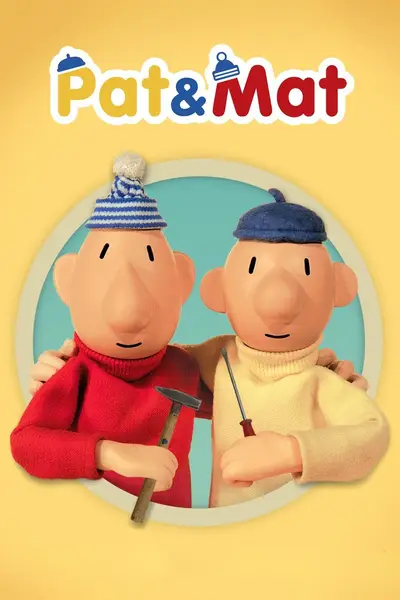
This Czech stop-motion series explores the fundamental human drive to fix, build, and improve our surroundings—and the inevitable complications that arise when enthusiasm exceeds expertise. Wordless and universally understood, Pat & Mat features two mustachioed handymen whose DIY projects spiral into elaborate Rube Goldberg-style solutions before eventually succeeding through persistence and creative problem-solving. Created by Lubomír Beneš and Vladimír Jiránek, the series demonstrates remarkable ingenuity in its stop-motion animation, creating comedy purely through physical movement and expressive gestures. Each episode follows a predictable structure—simple task, escalating complications, surprising resolution—yet the execution remains consistently delightful across decades. The show's gentle humor and celebration of determination over competence has earned it a devoted international following spanning generations, proving that some stories transcend language and cultural boundaries through sheer charm and craftsmanship.
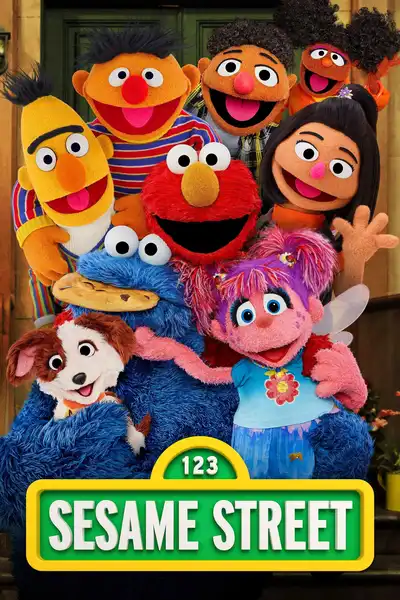
Joyful, educational, and endlessly inventive, this groundbreaking children's series has been teaching generations of kids letters, numbers, and life lessons since its debut over five decades ago. Created by Joan Ganz Cooney and Lloyd Morrisett, the show uses a brilliant combination of puppetry, animation, celebrity appearances, and catchy songs to make learning irresistible. The beloved Muppet characters—Big Bird, Elmo, Cookie Monster, Oscar the Grouch, and many more—have become cultural icons, each bringing distinct personalities that resonate with young viewers. What makes the show remarkable is its commitment to addressing real-world issues age-appropriately, from diversity and inclusion to emotional regulation and kindness. The educational content is research-backed and seamlessly woven into entertaining sketches that never feel like lessons. Decades of innovation have kept the format fresh while maintaining the warmth and humanity that make it special. It remains an essential part of childhood, proving that television can be both entertaining and genuinely enriching.
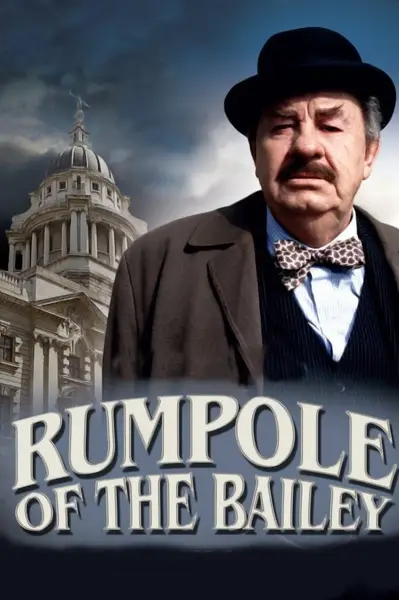
An aging, poetry-quoting barrister defends London's underdogs from his chambers at the Old Bailey while battling pompous judges, his ambitious colleagues, and his formidable wife Hilda—whom he refers to as "She Who Must Be Obeyed." Leo McKern inhabits Horace Rumpole so completely that it's impossible to imagine anyone else in the role, bringing warmth, wit, and world-weariness to John Mortimer's beloved creation. The series works as both entertaining courtroom drama and character study, with Rumpole's cases serving as vehicles for exploring British class dynamics, justice system absurdities, and moral complexity. Mortimer's writing crackles with intelligence and dry humor, giving McKern dialogue that's quotable and substantive in equal measure. The supporting cast, including Marion Mathie and later Peggy Thorpe-Bates as Hilda, provides perfect foils for Rumpole's rebellious streak against authority and convention. While production values are necessarily modest and the pacing more leisurely than contemporary legal dramas, the series rewards patience with rich characterization and stories that trust viewers to think. It remains a gem of British television.