Best Shows of 1981
1981 stands as a watershed year in television history, marking a pivotal moment when networks pushed creative boundaries and introduced programming that would captivate audiences for years to come. The best shows of 1981 delivered an extraordinary range of entertainment, from sweeping period dramas that transported viewers to bygone eras to imaginative animated series that sparked childhood wonder, alongside gripping sci-fi adaptations and compelling family sagas that dominated primetime. This carefully curated collection of 21 standout series showcases the year's most memorable television moments, featuring award-winning performances, groundbreaking storytelling techniques, and the kind of innovative programming that defined an era. Whether you're seeking critically acclaimed dramas that pushed the medium forward, thrilling adventures that kept viewers on the edge of their seats, or beloved animated classics that launched enduring franchises, these must-watch shows represent the very best of what 1981 had to offer. From network television milestones to international productions that found devoted followings, discover the unforgettable series that critics praised, audiences adored, and that continue to influence television storytelling today.
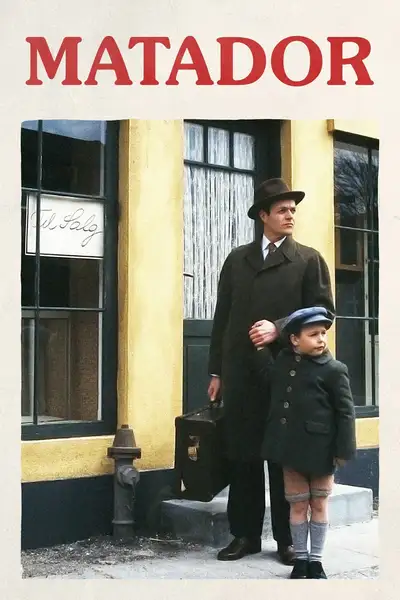
Darkly witty and intellectually provocative, this Danish drama series stands as a masterpiece of Nordic television that demands your attention. Created by Flemming Quist Møller and based on Leif Panduro's novel, the show follows Erik, a successful middle-aged man who begins an affair that spirals into psychological complexity and moral ambiguity. The performances are extraordinary, particularly in how they navigate the shifting power dynamics and self-deception at the story's heart. What could have been a simple tale of infidelity becomes a devastating examination of identity, desire, and the lies we tell ourselves. The direction is precise and unflinching, never sensationalizing but always revealing. Decades later, it remains remarkably fresh, its psychological insights and narrative boldness undiminished by time. This is television that trusts its audience completely, offering a mature, unsettling exploration of human weakness that lingers long after viewing.
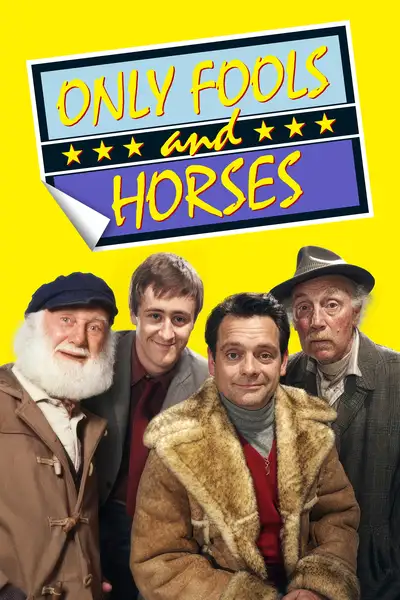
Set in the vibrant working-class world of 1980s Peckham, South London, this beloved British sitcom follows the eternally optimistic Del Boy Trotter and his younger brother Rodney as they navigate the ups and downs of market trading and get-rich-quick schemes. Created by John Sullivan, the series is an absolute triumph of character-driven comedy, with David Jason and Nicholas Lyndhurst delivering pitch-perfect performances that balance hilarious physical comedy with genuine emotional depth. What makes this show truly exceptional is its heart—beneath the wheeling and dealing, it's fundamentally about family, loyalty, and the unbreakable bond between brothers. The catchphrases alone have become part of British cultural DNA, but it's the beautifully crafted episodes ranging from slapstick hilarity to touching drama that have earned it a place as one of the greatest sitcoms ever made.
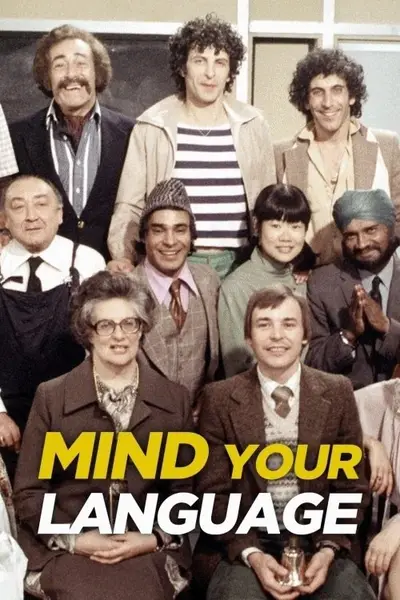
Barry Evans stars as Jeremy Brown, the well-meaning teacher tasked with instructing a wonderfully chaotic evening English class full of adult immigrants in this absolutely delightful British sitcom. Created by Vince Powell, Mind Your Language brings together a diverse ensemble cast including Zara Nutley, Albert Moses, and Francoise Pascal as students from around the globe who clash, connect, and create comedy gold through cultural misunderstandings and language barriers. What makes this series such a joy is its warmth beneath the humor—while the fish-out-of-water scenarios and miscommunications generate consistent laughs, there's genuine affection for these characters trying to build new lives in England. The classroom setting becomes a melting pot of perspectives, with each student bringing their own personality and comic timing to the mix. It's comfort viewing at its finest, offering a snapshot of 1970s London while delivering exactly the kind of feel-good entertainment that makes you want to binge the entire series.
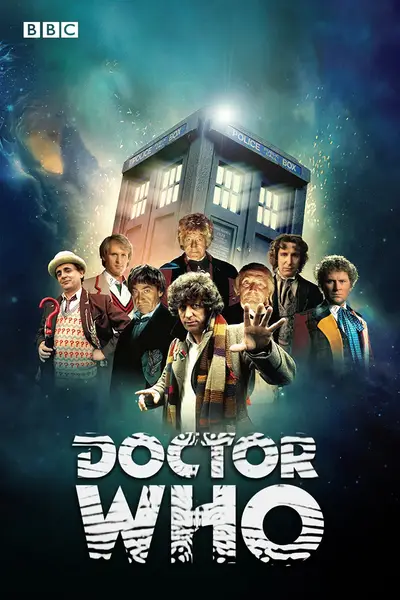
Science fiction television doesn't get more iconic, enduring, or downright brilliant than this British institution that has been captivating audiences across generations since its debut. The show's genius lies in its infinitely renewable format: a time-traveling alien called the Doctor, who regenerates into new bodies, explores all of time and space in a police box called the TARDIS. Created by Sydney Newman, C.E. Roberts, and Donald Wilson, the series has featured countless memorable Doctors, companions, and monsters (the Daleks and Cybermen remain genuinely chilling). Whether you're watching classic episodes from the original run or the revived series that began in 2005 with Russell T Davies at the helm, you'll find imaginative storytelling that balances humor, horror, and heart. The show's ability to reinvent itself while maintaining its essential spirit is unmatched in television history.
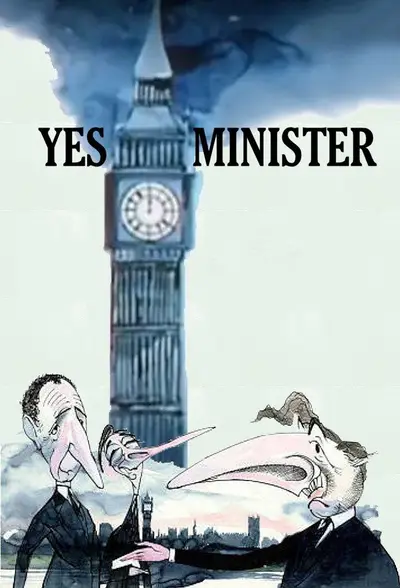
Antony Jay and Jonathan Lynn crafted one of the most brilliant political satires ever televised with this razor-sharp British comedy that remains devastatingly relevant decades later. Paul Eddington stars as Jim Hacker, the well-meaning but often bewildered Minister for Administrative Affairs, who quickly discovers that his idealistic plans for reform are constantly undermined by his supremely cunning Permanent Secretary, Sir Humphrey Appleby (Nigel Hawthorne, in a tour-de-force performance). The verbal sparring between these two, with Derek Fowlds' Bernard Woolley caught in the middle, is nothing short of magnificent—witty, intricately constructed, and loaded with institutional insight. What makes the show genuinely exceptional is how it exposes the machinery of government with surgical precision while remaining hilariously entertaining. Every episode is a masterclass in writing, timing, and performance. Essential viewing for anyone interested in politics, comedy, or simply television at its absolute finest.
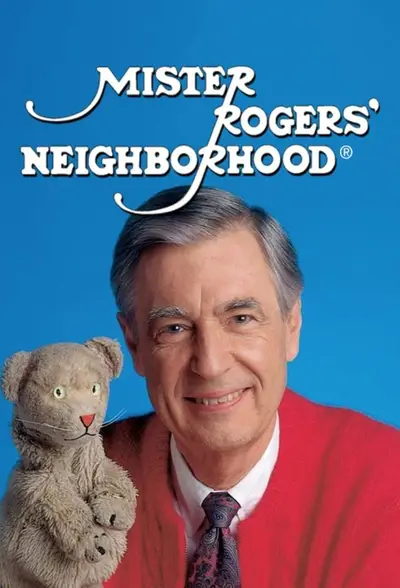
Fred Rogers hosts this gentle children's program from his iconic television neighborhood, speaking directly to young viewers with uncommon respect and emotional honesty. Over thirty-three seasons, Rogers tackled everything from everyday anxieties to difficult topics like death, divorce, and disability, always at a child's eye level. The show's deliberate pacing, which includes visits to the Neighborhood of Make-Believe with puppets like King Friday XIII and Daniel Striped Tiger, feels almost revolutionary in its refusal to overstimulate. Rogers' sincerity and warmth are undeniable, and the program's positive impact on generations of children is well-documented. However, viewed through contemporary eyes, the show's slow pace and dated production values can test modern viewers' patience, including children accustomed to faster-paced programming. The educational content, while emotionally intelligent, sometimes feels didactic. The cultural significance and Rogers' genuine compassion for children remain powerful, but the series works better as nostalgia or historical artifact than as current children's entertainment. Its legacy matters more than its present-day watchability.
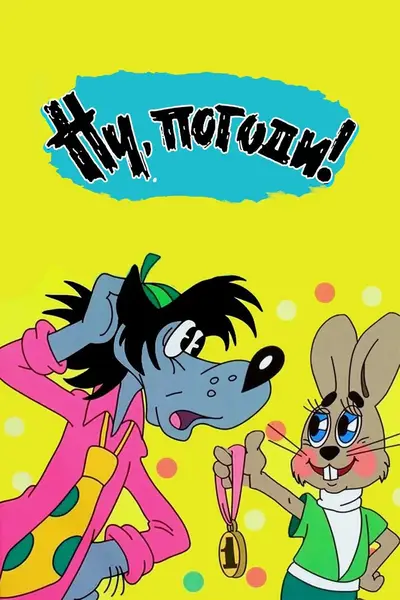
This classic Soviet animated series perfectly captures the timeless cat-and-mouse chase formula through the perpetual rivalry between a mischievous hare and the wolf who's determined to catch him. Created by Vyacheslav Kotyonochkin and spanning nearly two decades of production, the wordless episodes rely on expressive animation, slapstick humor, and memorable musical cues to tell their stories. The wolf's elaborate schemes to capture the clever hare always backfire in inventive and hilarious ways, following a formula that never grows stale thanks to the animators' creativity and attention to detail. What elevates this beyond simple children's entertainment is the cultural richness embedded in each episode—the characters visit recognizable Soviet locations, and the series subtly reflects the changing times across its many installments. Generations of viewers across Russia and Eastern Europe grew up with these characters, and the show's popularity endures because the comedy is genuinely funny and the craftsmanship evident in every frame. It's a treasure of animation history that transcends language barriers.
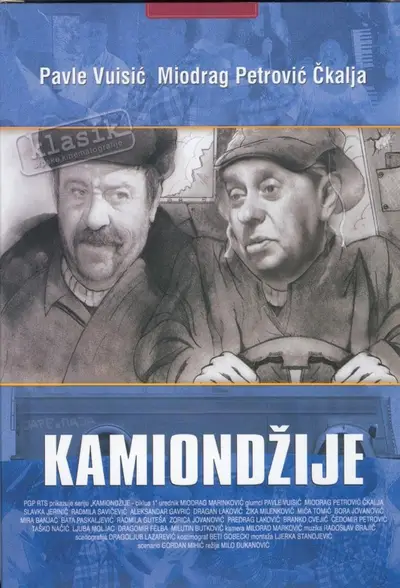
Following the lives of independent truckers navigating the open highways of 1970s America, this series captures the freedom and challenges of life on the road with authentic grit. Created by Tom Gries, the show chronicles the adventures of various drivers hauling freight across the country, dealing with everything from mechanical breakdowns to difficult clients while trying to make an honest living. Claude Akins leads the cast with a weathered charm that perfectly embodies the blue-collar spirit of the era, supported by a rotating ensemble of characters who populate truck stops and highways. The series doesn't glamorize the profession but instead presents it with respect and realism, showing both the camaraderie among drivers and the toll of weeks away from home. It's a time capsule of American working-class life that remains engaging for its straightforward storytelling and genuine appreciation for its subject matter.
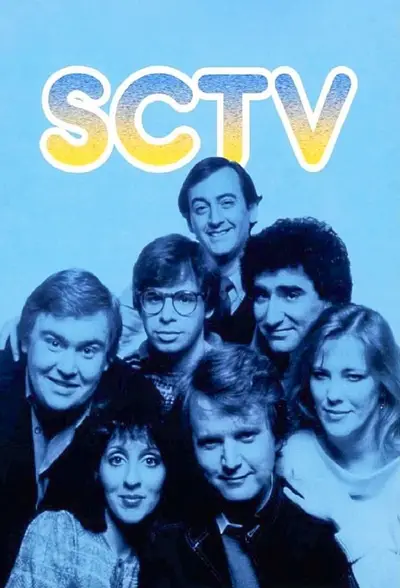
John Candy, Joe Flaherty, Eugene Levy, Andrea Martin, Catherine O'Hara, Harold Ramis, and Dave Thomas formed the ensemble that brought SCTV to life, playing various eccentric characters working at a fictional television station in Melonville. Created by Andrew Alexander and produced by Bernard Sahlins, this sketch comedy series brilliantly satirized television programming itself, with recurring segments like "Great White North" and "Monster Chiller Horror Theater" becoming instant classics. The show's format—presenting itself as broadcasts from a low-budget TV station—allowed for sharp parody and absurdist humor that influenced generations of comedy writers. What makes SCTV endure is its commitment to character-driven comedy over quick punchlines, with each cast member creating memorable personalities that felt fully realized. The series proved that sketch comedy could be both intelligent and accessible, making it essential viewing for anyone who appreciates thoughtful satire.
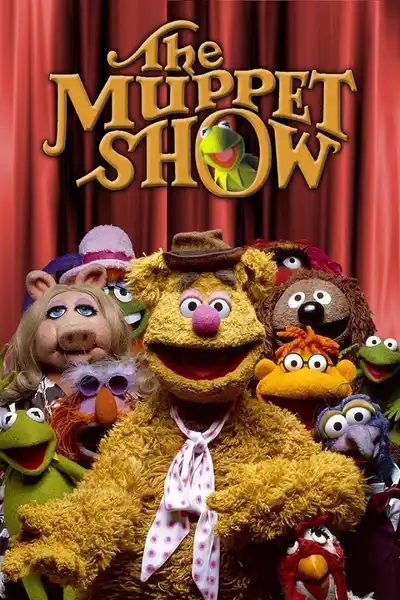
From a vaudeville-style theater in 1970s television came this groundbreaking variety show that forever changed puppetry and entertainment. Jim Henson's vision brought together an unforgettable cast of felt characters hosting celebrity guests in a backstage chaos that felt refreshingly authentic. Kermit the Frog serves as the beleaguered host trying to maintain order while Miss Piggy, Fozzie Bear, Gonzo, and the entire Muppet ensemble create controlled mayhem week after week. The show's genius lies in its multi-generational appeal, offering slapstick humor for children while sneaking in sophisticated wit and genuine musical performances for adults. Guest stars from Rudolf Nureyev to Alice Cooper gamely participated in the madness, often delivering their best work through sheer joy. The series remains a masterclass in variety entertainment, proving that puppets could carry prime-time television with heart, humor, and surprising emotional depth.
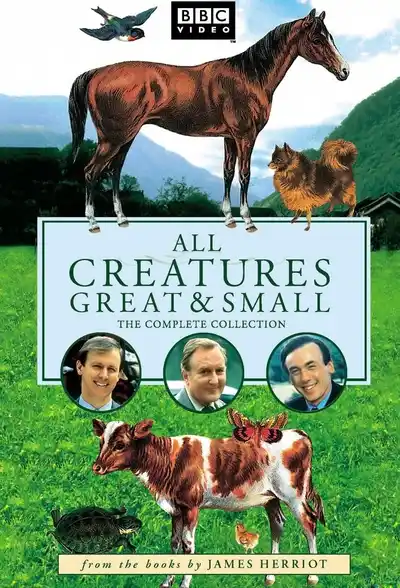
Christopher Timothy brings warmth and charm to James Herriot, the young veterinarian navigating the challenges of rural practice in 1930s Yorkshire. Created by Bill Sellars and based on Herriot's beloved memoirs, this long-running BBC series captures the beauty and hardship of country life with genuine affection. Robert Hardy and Peter Davison round out the excellent cast as Herriot's mentor Siegfried Farnon and his younger brother Tristan. The episodic structure follows James as he treats everything from prize cattle to beloved house pets, while courting the farmer's daughter Helen and learning the quirks of his eccentric colleagues. The series excels at balancing humor with touching moments, and the Yorkshire Dales serve as a stunning backdrop throughout. It's comforting television that celebrates community, dedication, and the bond between humans and animals.

Powerful and unflinching, this British drama series created by Lavinia Warner explores the experiences of British and Australian women imprisoned in a Japanese internment camp during World War II. Starring Ann Bell, Stephanie Cole, and Stephanie Beacham among an exceptional ensemble cast, Tenko examines how these women from vastly different backgrounds forge bonds of survival under brutal conditions. The series never exploits its subject matter for mere shock value; instead, it treats these characters with dignity while honestly depicting the physical and psychological toll of captivity. The performances are uniformly excellent, with each actress bringing depth to stories of courage, sacrifice, and resilience. It's compelling historical drama that illuminates an often-overlooked aspect of WWII while exploring timeless themes of human endurance and solidarity.
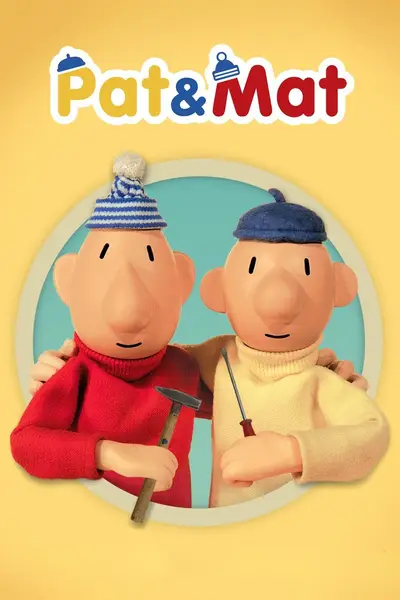
This Czech stop-motion series explores the fundamental human drive to fix, build, and improve our surroundings—and the inevitable complications that arise when enthusiasm exceeds expertise. Wordless and universally understood, Pat & Mat features two mustachioed handymen whose DIY projects spiral into elaborate Rube Goldberg-style solutions before eventually succeeding through persistence and creative problem-solving. Created by Lubomír Beneš and Vladimír Jiránek, the series demonstrates remarkable ingenuity in its stop-motion animation, creating comedy purely through physical movement and expressive gestures. Each episode follows a predictable structure—simple task, escalating complications, surprising resolution—yet the execution remains consistently delightful across decades. The show's gentle humor and celebration of determination over competence has earned it a devoted international following spanning generations, proving that some stories transcend language and cultural boundaries through sheer charm and craftsmanship.
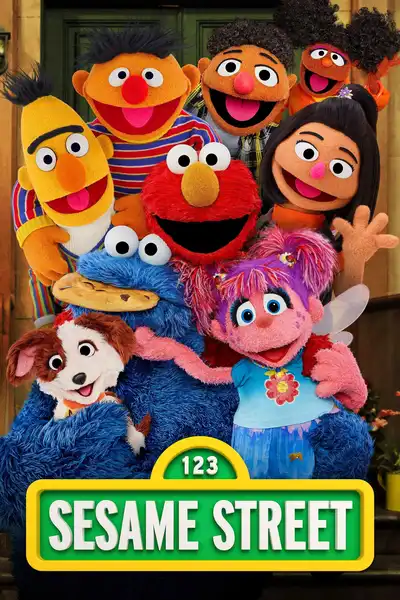
Joyful, educational, and endlessly inventive, this groundbreaking children's series has been teaching generations of kids letters, numbers, and life lessons since its debut over five decades ago. Created by Joan Ganz Cooney and Lloyd Morrisett, the show uses a brilliant combination of puppetry, animation, celebrity appearances, and catchy songs to make learning irresistible. The beloved Muppet characters—Big Bird, Elmo, Cookie Monster, Oscar the Grouch, and many more—have become cultural icons, each bringing distinct personalities that resonate with young viewers. What makes the show remarkable is its commitment to addressing real-world issues age-appropriately, from diversity and inclusion to emotional regulation and kindness. The educational content is research-backed and seamlessly woven into entertaining sketches that never feel like lessons. Decades of innovation have kept the format fresh while maintaining the warmth and humanity that make it special. It remains an essential part of childhood, proving that television can be both entertaining and genuinely enriching.
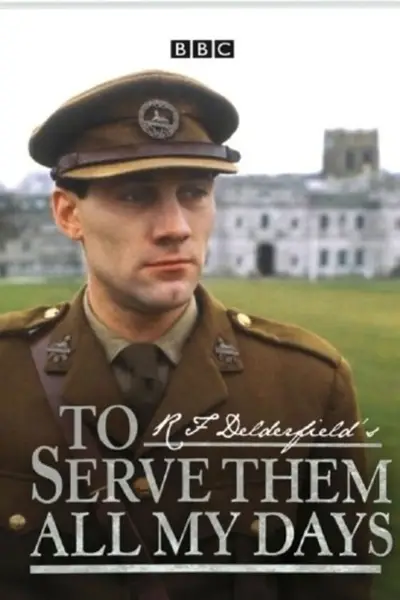
This period drama follows shellshocked World War I veteran David Powlett-Jones as he finds unexpected purpose teaching at Bamfylde, a second-tier boys' boarding school in the English countryside. Based on R.F. Delderfield's novel and adapted by Andrew Davies, the series spans two decades as David transforms from traumatized survivor into beloved educator and eventually headmaster, navigating personal tragedy, educational philosophy, and the looming threat of another world war. John Duttine delivers a remarkable performance as David, capturing the character's fundamental decency and gradual healing while showing how the Great War's wounds never fully disappear. The series thoughtfully explores themes of class, education's purpose, and how institutions either adapt or fade into irrelevance, all grounded in richly drawn relationships between David and his students, colleagues, and family. The pacing reflects its literary origins—this is contemplative rather than action-driven storytelling—but patience rewards viewers with genuine emotional depth. It's a beautifully crafted drama that deserves rediscovery by fans of thoughtful British television.
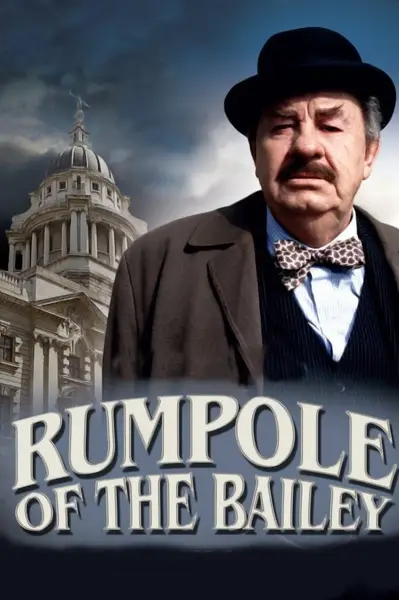
An aging, poetry-quoting barrister defends London's underdogs from his chambers at the Old Bailey while battling pompous judges, his ambitious colleagues, and his formidable wife Hilda—whom he refers to as "She Who Must Be Obeyed." Leo McKern inhabits Horace Rumpole so completely that it's impossible to imagine anyone else in the role, bringing warmth, wit, and world-weariness to John Mortimer's beloved creation. The series works as both entertaining courtroom drama and character study, with Rumpole's cases serving as vehicles for exploring British class dynamics, justice system absurdities, and moral complexity. Mortimer's writing crackles with intelligence and dry humor, giving McKern dialogue that's quotable and substantive in equal measure. The supporting cast, including Marion Mathie and later Peggy Thorpe-Bates as Hilda, provides perfect foils for Rumpole's rebellious streak against authority and convention. While production values are necessarily modest and the pacing more leisurely than contemporary legal dramas, the series rewards patience with rich characterization and stories that trust viewers to think. It remains a gem of British television.
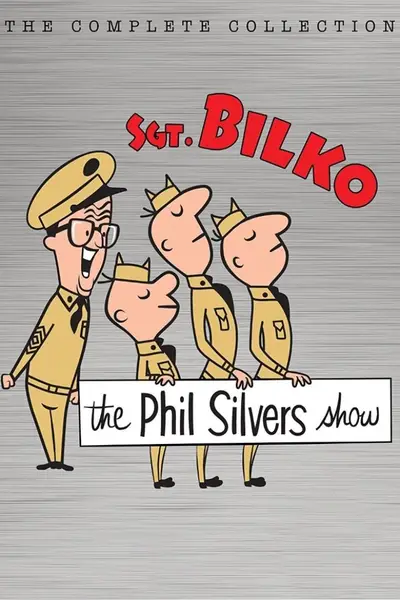
This military sitcom remains one of television's sharpest comedies, showcasing Phil Silvers in a career-defining performance as the scheming Master Sergeant Ernest Bilko. Created by Nat Hiken, the series follows Bilko's endless moneymaking schemes at a Kansas army base, where he runs the motor pool like his personal fiefdom while staying one step ahead of his exasperated commanding officer, Colonel Hall (Paul Ford). Silvers' rapid-fire delivery and impeccable comic timing elevate every episode, supported by a talented ensemble cast that includes Harvey Lembeck and Allan Melvin as Bilko's loyal accomplices. The writing is remarkably clever, with plots that layer complications upon complications before resolving in satisfying fashion. What could have been a one-joke premise instead became a masterclass in character-driven comedy that influenced countless shows to follow, earning multiple Emmy Awards and demonstrating that intelligent humor never goes out of style.
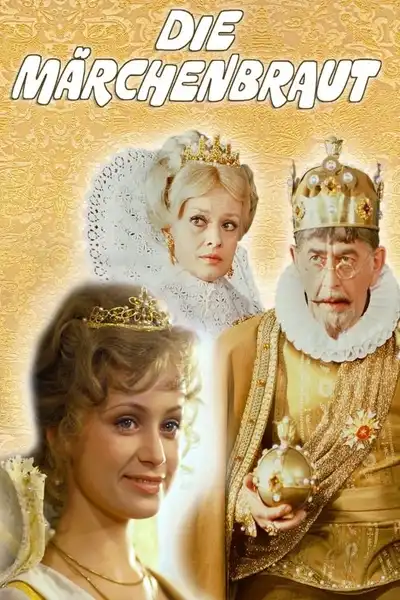
In 1980s Czechoslovakia, this beloved fantasy series transported viewers to a magical realm where fairy tale characters could cross into the real world. Directed by Václav Vorlíček, "Arabela" tells the story of a fairy tale kingdom whose characters begin appearing in contemporary Prague, leading to delightful culture clashes and romantic entanglements. The show centers on the beautiful Princess Arabela (played by Jana Nagyová Nováková) and her evolving relationship with Petr Majer (Michal Dlouhý), an ordinary human boy who becomes caught up in the magical chaos. The series charms with its inventive special effects—impressive for the era—and its clever script that finds humor in the collision between medieval fantasy logic and modern reality. The ensemble cast brings warmth and personality to characters ranging from bumbling sorcerers to mischievous imps, while the storyline weaves together elements of romance, comedy, and adventure. It remains a nostalgic treasure that captures the imagination with its whimsical approach to storytelling.
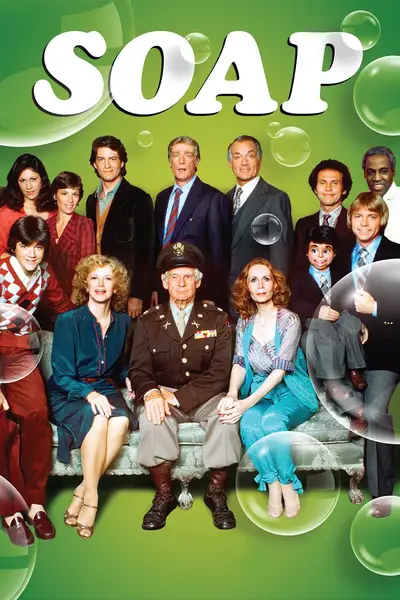
Katherine Helmond leads this delightfully absurd sitcom as Jessica Tate, the befuddled matriarch of a wealthy Connecticut family, while Billy Crystal breaks out as her nephew Jodie Dallas in one of television's first openly gay main characters. Created by Susan Harris, "Soap" ruthlessly parodies daytime dramas with storylines involving demonic possession, alien abduction, revolutionary guerrillas, and a butler (Robert Guillaume's scene-stealing Chester) who speaks his mind with razor-sharp wit. The ensemble cast commits fully to the increasingly bonkers plots, finding genuine emotion amid the chaos. While some humor feels dated, the show's willingness to tackle taboo subjects—mental illness, sexuality, infidelity—with both irreverence and surprising warmth makes it a landmark comedy that influenced everything from "Arrested Development" to "Desperate Housewives." It's soapy, silly, and more entertaining than it has any right to be.
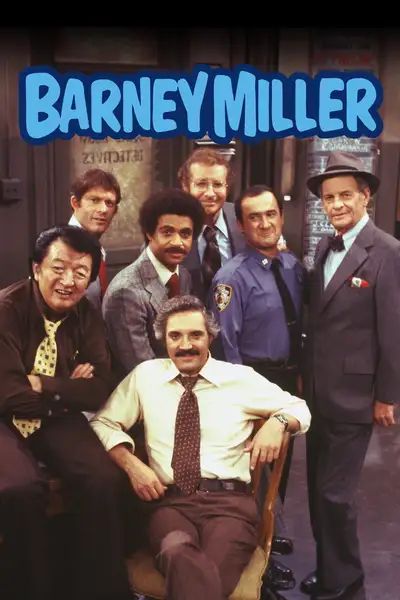
At its core, this is a story about professionalism, dignity, and finding humor in everyday frustrations. Set in a Greenwich Village police precinct, the series follows Captain Barney Miller and his detectives as they process the endless parade of criminals, complainants, and bureaucratic absurdities that come through their squad room. Hal Linden brings warmth and weary wisdom to the title role, anchoring an ensemble cast that includes Max Gail, Ron Glass, and Abe Vigoda in career-defining performances. Created by Danny Arnold and Theodore J. Flicker, the show treats its characters—including many of the criminals—with uncommon humanity and intelligence. The writing finds comedy in character and situation rather than punchlines, creating a workplace comedy that feels authentic despite its inherently dramatic setting. It's a masterclass in ensemble acting and proof that television comedy can be smart without being pretentious.
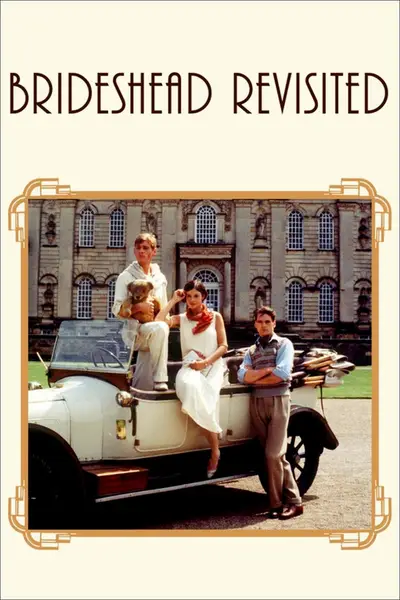
This is a story about faith, beauty, privilege, and the dangerous allure of both—an adaptation of Evelyn Waugh's novel that examines the decline of English aristocracy through one family's tragic trajectory. Jeremy Irons stars as Charles Ryder, who recounts his intense friendship with the wealthy, Catholic Flyte family during his years at Oxford and beyond. Anthony Andrews delivers a heartbreaking performance as Sebastian Flyte, the charming younger son whose alcoholism and crisis of faith form the emotional core of the series. Created by Derek Granger and directed by Charles Sturridge, this eleven-episode masterpiece captures both the seductive glamour of Brideshead estate and the spiritual emptiness beneath its gilded surface. Laurence Olivier appears as the family patriarch in one of his final roles. The production's meticulous attention to period detail and willingness to let scenes breathe gives the adaptation a novelistic quality that rewards patient viewers.