Best Shows of 1978
Television in 1978 marked a pivotal moment in broadcast history, delivering an extraordinary lineup of programming that pushed creative boundaries and captivated millions of viewers worldwide. From epic miniseries that tackled profound historical subjects to innovative science fiction adventures that redefined the genre, the best shows of 1978 showcased television's growing ambition and cultural influence. This remarkable year brought audiences critically acclaimed dramas that sparked national conversations, groundbreaking network programming that set new standards for quality storytelling, and unforgettable series that balanced entertainment with substance. Whether you're searching for award-winning performances that defined careers, thought-provoking narratives that challenged conventions, or simply the most talked-about television moments that had everyone gathered around their sets, 1978 delivered an impressive array of must-watch content across every genre. Our curated selection of 21 outstanding shows celebrates the year's greatest achievements in television, featuring the visionary creators, exceptional casts, and compelling stories that made this era so memorable for both audiences and critics, proving that even decades later, these series continue to resonate and influence modern television.
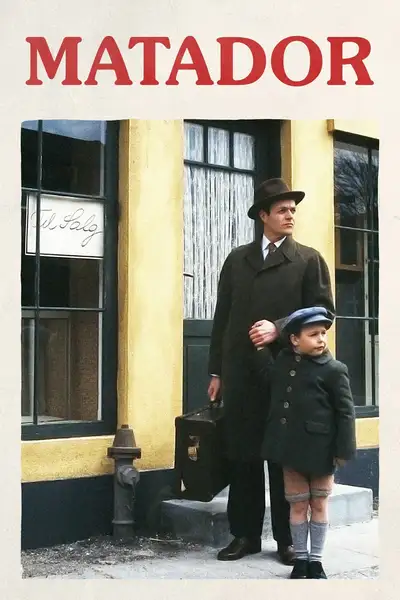
Darkly witty and intellectually provocative, this Danish drama series stands as a masterpiece of Nordic television that demands your attention. Created by Flemming Quist Møller and based on Leif Panduro's novel, the show follows Erik, a successful middle-aged man who begins an affair that spirals into psychological complexity and moral ambiguity. The performances are extraordinary, particularly in how they navigate the shifting power dynamics and self-deception at the story's heart. What could have been a simple tale of infidelity becomes a devastating examination of identity, desire, and the lies we tell ourselves. The direction is precise and unflinching, never sensationalizing but always revealing. Decades later, it remains remarkably fresh, its psychological insights and narrative boldness undiminished by time. This is television that trusts its audience completely, offering a mature, unsettling exploration of human weakness that lingers long after viewing.
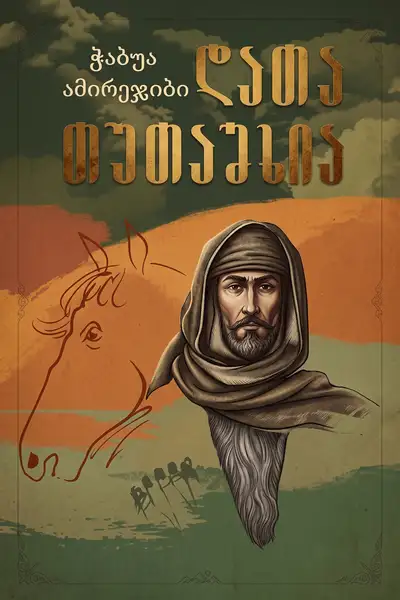
This epic adventure series stands as a towering achievement in Soviet television, bringing Chabua Amirejibi's beloved novel to life with breathtaking scope and emotional depth. Set in 19th-century Georgia, the miniseries follows the legendary outlaw Data Tutashkhia (played magnificently by Kakhi Kavsadze), a Robin Hood-like figure whose daring exploits and strict moral code make him both a hero to the oppressed and a thorn in the side of corrupt authorities. Director Mikheil Kveselava orchestrates stunning cinematography that captures the rugged beauty of the Georgian countryside, while the narrative unfolds with the grandeur and complexity of a classic literary adaptation. The production values are extraordinary for the period, featuring elaborately staged action sequences and richly detailed period costumes that immerse viewers completely in the era. What elevates this beyond mere adventure is its profound exploration of honor, justice, and the human cost of rebellion. Every frame radiates passion and craftsmanship, making this an absolutely essential viewing experience that showcases the heights Soviet television could reach.
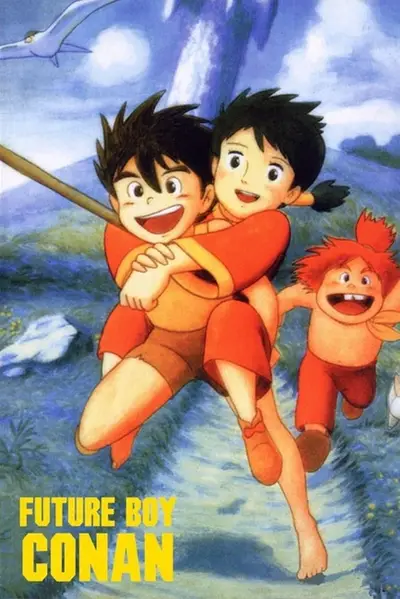
Visionary, adventurous, and deeply humanistic, Hayao Miyazaki's first directorial television series remains an absolute triumph of animated storytelling that laid the groundwork for Studio Ghibli's future masterpieces. Set in a post-apocalyptic world where most of humanity has been wiped out, the show follows young Conan as he searches for his friend Lana while battling the remnants of the old civilization that caused the world's destruction. The animation is remarkably fluid and expressive for its era, and Miyazaki's environmental themes and anti-war messaging resonate powerfully throughout all 26 episodes. What truly elevates the series is its unwavering optimism—despite the dystopian setting, it celebrates human resilience, friendship, and the possibility of building something better from the ruins. The action sequences are thrilling, the world-building is rich, and the emotional beats land perfectly. It's essential viewing for animation fans and a beautiful reminder of why Miyazaki became a legend.

Bursting with innocent charm and timeless humor, this legendary Mexican sitcom created by Roberto Gómez Bolaños centers on the misadventures of El Chavo, a lovable orphan boy living in a barrel in a neighborhood courtyard, and his colorful group of friends and neighbors. Gómez Bolaños himself stars as the perpetually hungry, well-meaning Chavo, delivering physical comedy and childlike wonder that transcends language barriers and generations. The simple setting becomes a universe of imagination where everyday situations—games in the courtyard, misunderstandings between neighbors, schemes to get food—transform into comedy gold through brilliant character work and impeccable timing. What makes this show absolutely magical is its universal appeal; the humor is gentle, the characters are unforgettable, and the heart behind every episode shines through. Decades after its debut, it remains a cultural phenomenon across Latin America and beyond, beloved by audiences who grew up with it and new viewers discovering its timeless magic.
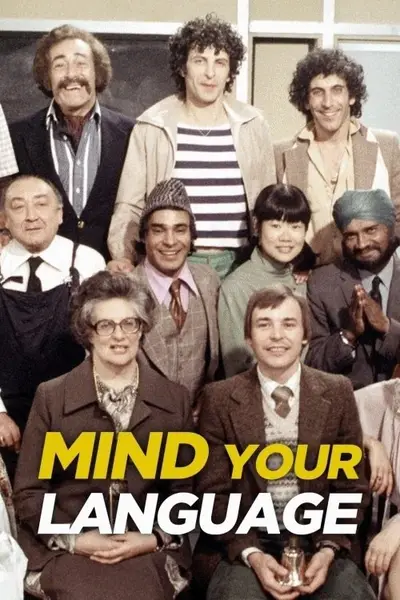
Barry Evans stars as Jeremy Brown, the well-meaning teacher tasked with instructing a wonderfully chaotic evening English class full of adult immigrants in this absolutely delightful British sitcom. Created by Vince Powell, Mind Your Language brings together a diverse ensemble cast including Zara Nutley, Albert Moses, and Francoise Pascal as students from around the globe who clash, connect, and create comedy gold through cultural misunderstandings and language barriers. What makes this series such a joy is its warmth beneath the humor—while the fish-out-of-water scenarios and miscommunications generate consistent laughs, there's genuine affection for these characters trying to build new lives in England. The classroom setting becomes a melting pot of perspectives, with each student bringing their own personality and comic timing to the mix. It's comfort viewing at its finest, offering a snapshot of 1970s London while delivering exactly the kind of feel-good entertainment that makes you want to binge the entire series.
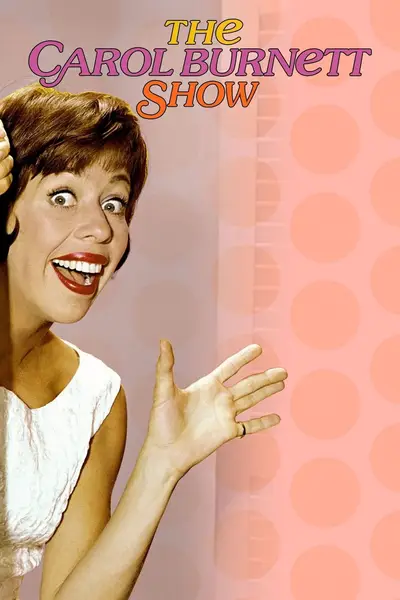
Joyous, inventive, and endlessly entertaining, this variety show represents television comedy at its finest. Carol Burnett leads a brilliant ensemble including Harvey Korman, Vicki Lawrence, Lyle Waggoner, and Tim Conway through sketches, musical numbers, and improvised moments that have become legendary. The chemistry among the cast is palpable, with their frequent on-camera laughter feeling infectious rather than unprofessional. What's remarkable is the show's consistency across eleven seasons—the quality never wavers, and the willingness to take risks keeps the comedy fresh. From elaborate parodies to simple character pieces, the variety in format and tone ensures something for everyone. The production values are impressive, with costume and set design that rival much bigger-budget productions. Watching these performers at the height of their powers, clearly having the time of their lives, remains an absolute delight.
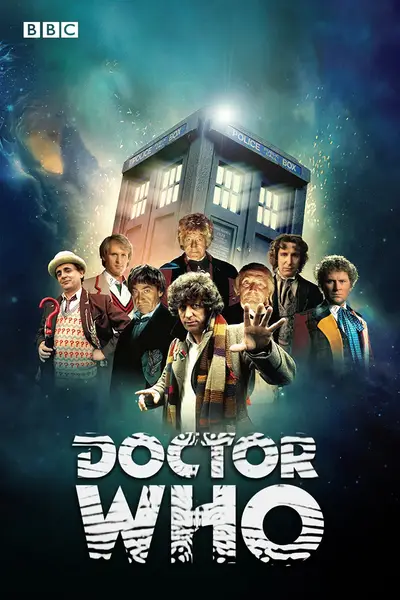
Science fiction television doesn't get more iconic, enduring, or downright brilliant than this British institution that has been captivating audiences across generations since its debut. The show's genius lies in its infinitely renewable format: a time-traveling alien called the Doctor, who regenerates into new bodies, explores all of time and space in a police box called the TARDIS. Created by Sydney Newman, C.E. Roberts, and Donald Wilson, the series has featured countless memorable Doctors, companions, and monsters (the Daleks and Cybermen remain genuinely chilling). Whether you're watching classic episodes from the original run or the revived series that began in 2005 with Russell T Davies at the helm, you'll find imaginative storytelling that balances humor, horror, and heart. The show's ability to reinvent itself while maintaining its essential spirit is unmatched in television history.
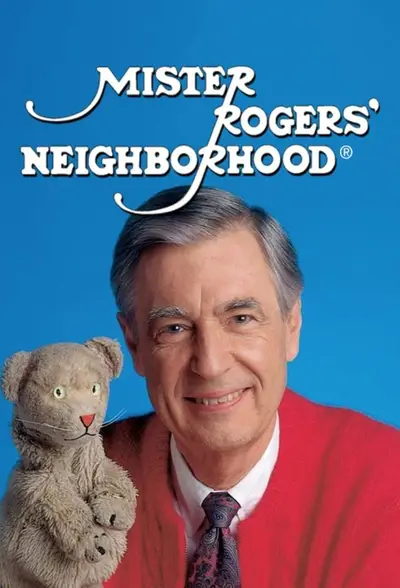
Fred Rogers hosts this gentle children's program from his iconic television neighborhood, speaking directly to young viewers with uncommon respect and emotional honesty. Over thirty-three seasons, Rogers tackled everything from everyday anxieties to difficult topics like death, divorce, and disability, always at a child's eye level. The show's deliberate pacing, which includes visits to the Neighborhood of Make-Believe with puppets like King Friday XIII and Daniel Striped Tiger, feels almost revolutionary in its refusal to overstimulate. Rogers' sincerity and warmth are undeniable, and the program's positive impact on generations of children is well-documented. However, viewed through contemporary eyes, the show's slow pace and dated production values can test modern viewers' patience, including children accustomed to faster-paced programming. The educational content, while emotionally intelligent, sometimes feels didactic. The cultural significance and Rogers' genuine compassion for children remain powerful, but the series works better as nostalgia or historical artifact than as current children's entertainment. Its legacy matters more than its present-day watchability.
This British crime drama proves that procedural television can be both entertaining and emotionally resonant. The series focuses on a specialized police unit that reopens cold cases, bringing fresh eyes to investigations that went nowhere years earlier. What sets the show apart is its willingness to explore how unsolved crimes haunt both victims' families and the officers who couldn't crack them initially. The ensemble cast, led by experienced British television veterans, brings authenticity to their roles as detectives balancing professional dedication with personal lives affected by their work. Each case unfolds with meticulous attention to investigative detail while maintaining narrative momentum. The writing respects the intelligence of its audience, offering complex mysteries that reward careful attention without becoming inaccessible. It's a thoroughly engaging series that elevated the crime drama format during its original run.
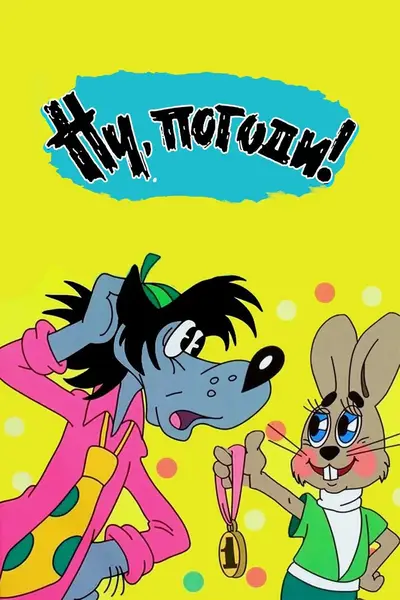
This classic Soviet animated series perfectly captures the timeless cat-and-mouse chase formula through the perpetual rivalry between a mischievous hare and the wolf who's determined to catch him. Created by Vyacheslav Kotyonochkin and spanning nearly two decades of production, the wordless episodes rely on expressive animation, slapstick humor, and memorable musical cues to tell their stories. The wolf's elaborate schemes to capture the clever hare always backfire in inventive and hilarious ways, following a formula that never grows stale thanks to the animators' creativity and attention to detail. What elevates this beyond simple children's entertainment is the cultural richness embedded in each episode—the characters visit recognizable Soviet locations, and the series subtly reflects the changing times across its many installments. Generations of viewers across Russia and Eastern Europe grew up with these characters, and the show's popularity endures because the comedy is genuinely funny and the craftsmanship evident in every frame. It's a treasure of animation history that transcends language barriers.
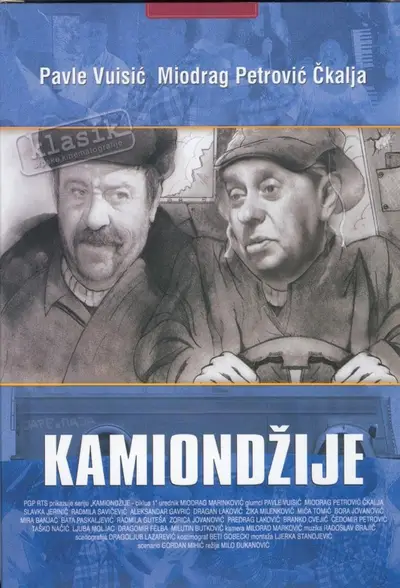
Following the lives of independent truckers navigating the open highways of 1970s America, this series captures the freedom and challenges of life on the road with authentic grit. Created by Tom Gries, the show chronicles the adventures of various drivers hauling freight across the country, dealing with everything from mechanical breakdowns to difficult clients while trying to make an honest living. Claude Akins leads the cast with a weathered charm that perfectly embodies the blue-collar spirit of the era, supported by a rotating ensemble of characters who populate truck stops and highways. The series doesn't glamorize the profession but instead presents it with respect and realism, showing both the camaraderie among drivers and the toll of weeks away from home. It's a time capsule of American working-class life that remains engaging for its straightforward storytelling and genuine appreciation for its subject matter.
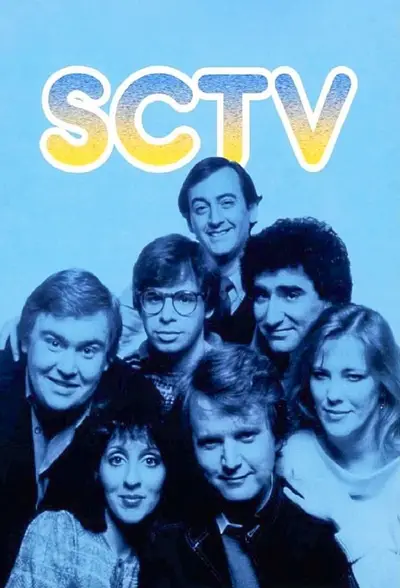
John Candy, Joe Flaherty, Eugene Levy, Andrea Martin, Catherine O'Hara, Harold Ramis, and Dave Thomas formed the ensemble that brought SCTV to life, playing various eccentric characters working at a fictional television station in Melonville. Created by Andrew Alexander and produced by Bernard Sahlins, this sketch comedy series brilliantly satirized television programming itself, with recurring segments like "Great White North" and "Monster Chiller Horror Theater" becoming instant classics. The show's format—presenting itself as broadcasts from a low-budget TV station—allowed for sharp parody and absurdist humor that influenced generations of comedy writers. What makes SCTV endure is its commitment to character-driven comedy over quick punchlines, with each cast member creating memorable personalities that felt fully realized. The series proved that sketch comedy could be both intelligent and accessible, making it essential viewing for anyone who appreciates thoughtful satire.
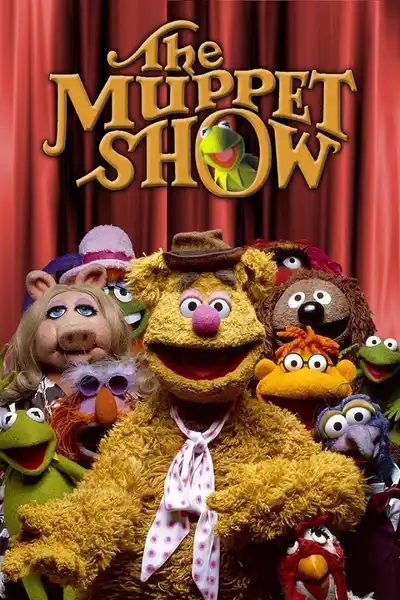
From a vaudeville-style theater in 1970s television came this groundbreaking variety show that forever changed puppetry and entertainment. Jim Henson's vision brought together an unforgettable cast of felt characters hosting celebrity guests in a backstage chaos that felt refreshingly authentic. Kermit the Frog serves as the beleaguered host trying to maintain order while Miss Piggy, Fozzie Bear, Gonzo, and the entire Muppet ensemble create controlled mayhem week after week. The show's genius lies in its multi-generational appeal, offering slapstick humor for children while sneaking in sophisticated wit and genuine musical performances for adults. Guest stars from Rudolf Nureyev to Alice Cooper gamely participated in the madness, often delivering their best work through sheer joy. The series remains a masterclass in variety entertainment, proving that puppets could carry prime-time television with heart, humor, and surprising emotional depth.
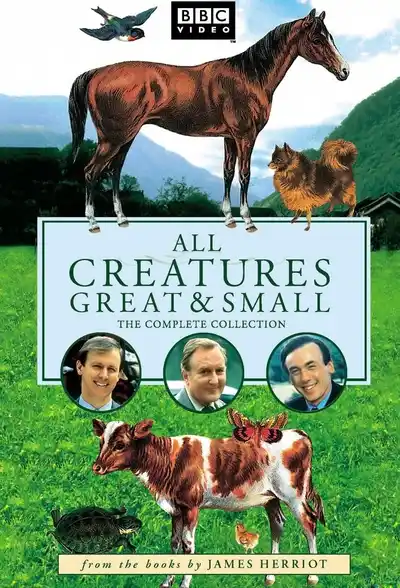
Christopher Timothy brings warmth and charm to James Herriot, the young veterinarian navigating the challenges of rural practice in 1930s Yorkshire. Created by Bill Sellars and based on Herriot's beloved memoirs, this long-running BBC series captures the beauty and hardship of country life with genuine affection. Robert Hardy and Peter Davison round out the excellent cast as Herriot's mentor Siegfried Farnon and his younger brother Tristan. The episodic structure follows James as he treats everything from prize cattle to beloved house pets, while courting the farmer's daughter Helen and learning the quirks of his eccentric colleagues. The series excels at balancing humor with touching moments, and the Yorkshire Dales serve as a stunning backdrop throughout. It's comforting television that celebrates community, dedication, and the bond between humans and animals.
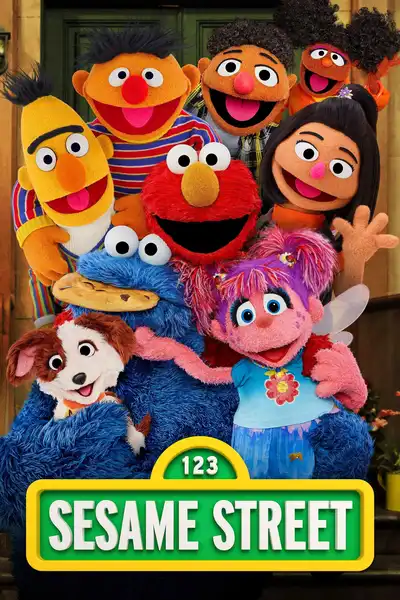
Joyful, educational, and endlessly inventive, this groundbreaking children's series has been teaching generations of kids letters, numbers, and life lessons since its debut over five decades ago. Created by Joan Ganz Cooney and Lloyd Morrisett, the show uses a brilliant combination of puppetry, animation, celebrity appearances, and catchy songs to make learning irresistible. The beloved Muppet characters—Big Bird, Elmo, Cookie Monster, Oscar the Grouch, and many more—have become cultural icons, each bringing distinct personalities that resonate with young viewers. What makes the show remarkable is its commitment to addressing real-world issues age-appropriately, from diversity and inclusion to emotional regulation and kindness. The educational content is research-backed and seamlessly woven into entertaining sketches that never feel like lessons. Decades of innovation have kept the format fresh while maintaining the warmth and humanity that make it special. It remains an essential part of childhood, proving that television can be both entertaining and genuinely enriching.
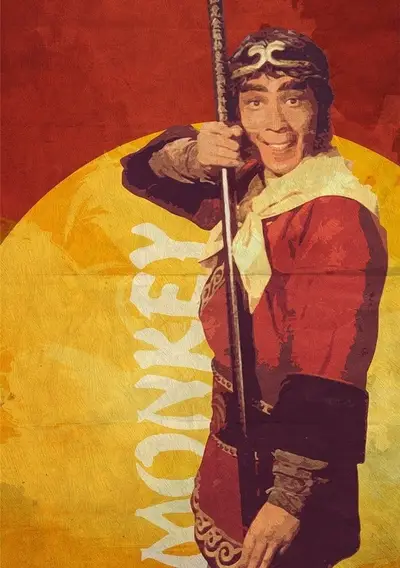
In this series, the classic Chinese novel "Journey to the West" receives a delightfully irreverent Japanese interpretation that has achieved cult status in English-speaking countries. Masaaki Sakai stars as the mischievous Monkey King, joined by companions Tripitaka, Pigsy, and Sandy on their pilgrimage to India to obtain sacred Buddhist scriptures. The show's unique blend of martial arts action, fantasy elements, psychedelic visuals, and unexpected humor creates something truly distinctive that transcends typical period adventure series. The English dubbing adds another layer of charm with its poetic narration and quirky dialogue choices. Despite modest production values, the creativity and energy on display never flags, with each episode delivering inventive interpretations of demons, deities, and moral lessons. It remains wonderfully entertaining television that successfully balances action, philosophy, and pure fun.
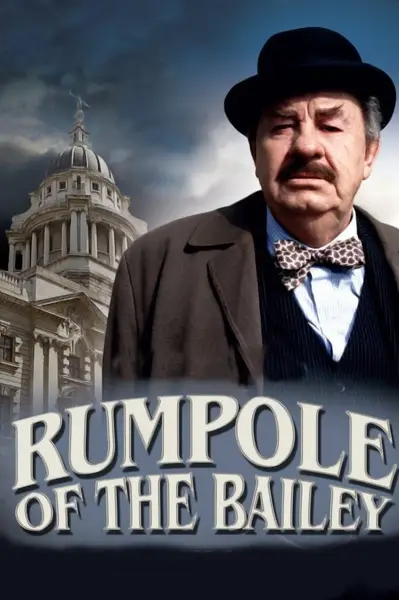
An aging, poetry-quoting barrister defends London's underdogs from his chambers at the Old Bailey while battling pompous judges, his ambitious colleagues, and his formidable wife Hilda—whom he refers to as "She Who Must Be Obeyed." Leo McKern inhabits Horace Rumpole so completely that it's impossible to imagine anyone else in the role, bringing warmth, wit, and world-weariness to John Mortimer's beloved creation. The series works as both entertaining courtroom drama and character study, with Rumpole's cases serving as vehicles for exploring British class dynamics, justice system absurdities, and moral complexity. Mortimer's writing crackles with intelligence and dry humor, giving McKern dialogue that's quotable and substantive in equal measure. The supporting cast, including Marion Mathie and later Peggy Thorpe-Bates as Hilda, provides perfect foils for Rumpole's rebellious streak against authority and convention. While production values are necessarily modest and the pacing more leisurely than contemporary legal dramas, the series rewards patience with rich characterization and stories that trust viewers to think. It remains a gem of British television.
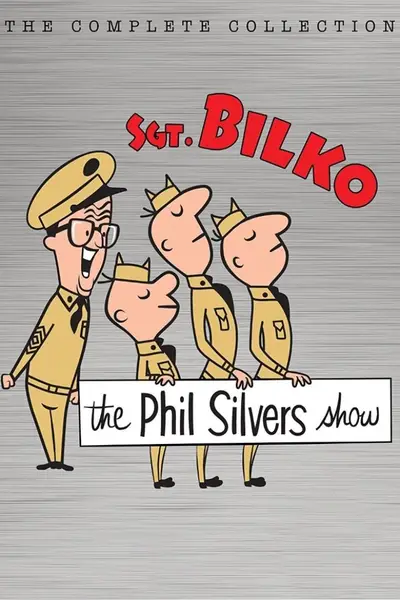
This military sitcom remains one of television's sharpest comedies, showcasing Phil Silvers in a career-defining performance as the scheming Master Sergeant Ernest Bilko. Created by Nat Hiken, the series follows Bilko's endless moneymaking schemes at a Kansas army base, where he runs the motor pool like his personal fiefdom while staying one step ahead of his exasperated commanding officer, Colonel Hall (Paul Ford). Silvers' rapid-fire delivery and impeccable comic timing elevate every episode, supported by a talented ensemble cast that includes Harvey Lembeck and Allan Melvin as Bilko's loyal accomplices. The writing is remarkably clever, with plots that layer complications upon complications before resolving in satisfying fashion. What could have been a one-joke premise instead became a masterclass in character-driven comedy that influenced countless shows to follow, earning multiple Emmy Awards and demonstrating that intelligent humor never goes out of style.
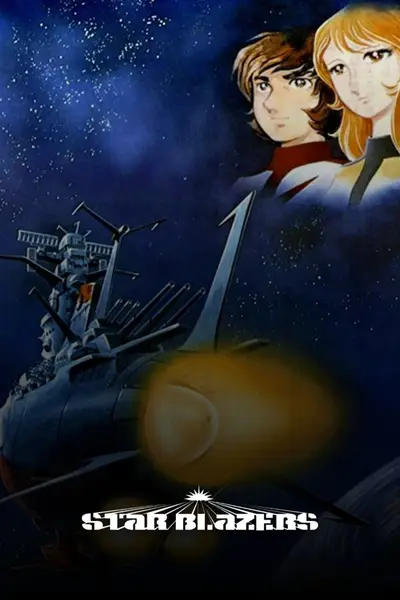
Produced by Yoshinobu Nishizaki, this space opera follows the crew of the battleship Yamato as they undertake a desperate journey across the galaxy to save Earth from extinction by radiation. The series, known as Space Battleship Yamato in Japan, pioneered narrative complexity in anime with its season-long story arc, character development, and willingness to show the genuine costs of war. The premise blends military sci-fi with hopeful humanism—the crew isn't conquering but seeking salvation, racing against time as Earth's population slowly dies. The animation, while showing its 1970s origins, contains moments of real beauty, particularly in its space battles and alien landscapes. What makes this historically significant beyond its influence on later anime is how it demonstrated that animation could tell mature, emotionally resonant stories. For viewers interested in anime history or classic space opera, this is where many modern conventions began.
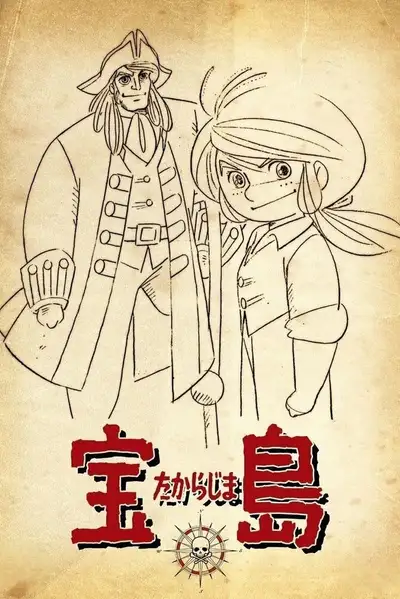
This adventure adaptation brings Robert Louis Stevenson's classic novel to life with spirited performances and faithful attention to the source material. The 1978 production captures the swashbuckling excitement of young Jim Hawkins's journey from innkeeper's son to treasure hunter, complete with pirates, mutiny, and buried gold. While the production values reflect the era's television constraints, the storytelling remains engaging through strong character work and brisk pacing. The casting proves particularly effective, with each actor bringing distinct personality to their roles rather than playing to type. Director Peter Rowe emphasizes the coming-of-age elements alongside the action, giving the story emotional weight beyond mere adventure. The miniseries format allows for more character development than film adaptations typically manage, making this a worthwhile version for both Stevenson enthusiasts and newcomers to the tale.
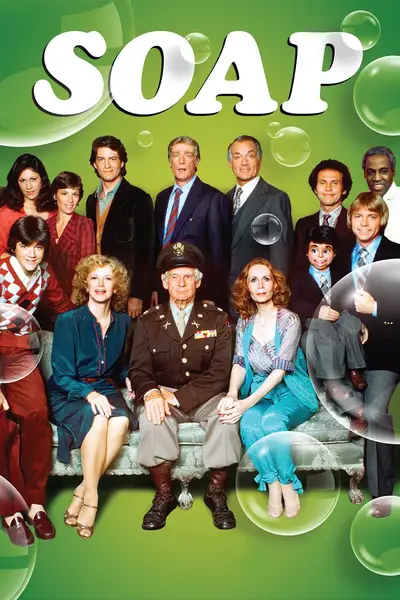
Katherine Helmond leads this delightfully absurd sitcom as Jessica Tate, the befuddled matriarch of a wealthy Connecticut family, while Billy Crystal breaks out as her nephew Jodie Dallas in one of television's first openly gay main characters. Created by Susan Harris, "Soap" ruthlessly parodies daytime dramas with storylines involving demonic possession, alien abduction, revolutionary guerrillas, and a butler (Robert Guillaume's scene-stealing Chester) who speaks his mind with razor-sharp wit. The ensemble cast commits fully to the increasingly bonkers plots, finding genuine emotion amid the chaos. While some humor feels dated, the show's willingness to tackle taboo subjects—mental illness, sexuality, infidelity—with both irreverence and surprising warmth makes it a landmark comedy that influenced everything from "Arrested Development" to "Desperate Housewives." It's soapy, silly, and more entertaining than it has any right to be.