Best Shows of 1976
Television in 1976 represented a pivotal moment in broadcast history, where innovative storytelling and bold creative risks reshaped the small screen landscape. The best shows of 1976 delivered a remarkable range of programming that captivated millions of viewers, from sophisticated British dramas that pushed narrative boundaries to variety shows that became cultural phenomena, animated adventures that sparked young imaginations, and thrilling crime series that kept audiences on the edge of their seats. This era marked a golden age of television creativity, where networks experimented with diverse formats and genres, giving rise to programs that would influence generations of showrunners and performers to come. Whether you're seeking critically acclaimed period dramas, action-packed adventure series, or groundbreaking variety programming, the top television shows from 1976 offer an extraordinary window into a transformative year for the medium. These award-winning series featured standout performances from talented ensembles, visionary direction from pioneering creators, and memorable moments that defined the television zeitgeist, cementing 1976 as a landmark year that continues to resonate with classic TV enthusiasts and newcomers discovering these influential programs for the first time.
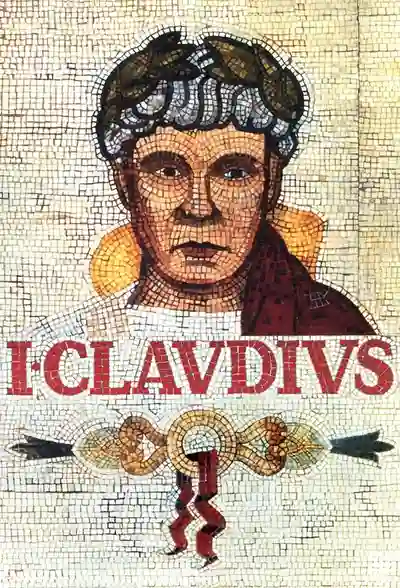
Historical drama reaches its absolute pinnacle in this magnificent BBC adaptation of Robert Graves' novels about the Roman Empire's most unlikely emperor. Derek Jacobi delivers a career-defining performance as Claudius, the stammering, limping family member dismissed as an idiot who survives the murderous machinations of his relatives through perceived weakness. Created by Jack Pulman and directed by Herbert Wise, the series chronicles the savage dynasty from Augustus through Nero with unflinching intelligence and theatrical brilliance. The ensemble cast—including Siân Phillips as the terrifyingly calculating Livia and John Hurt as the depraved Caligula—creates television that crackles with dramatic intensity in every scene. The production may look modest by modern standards, but the writing, performances, and sheer narrative command make this essential viewing. It's not just great historical television; it's simply great television, period, proving that compelling storytelling transcends budget and era.

Bursting with innocent charm and timeless humor, this legendary Mexican sitcom created by Roberto Gómez Bolaños centers on the misadventures of El Chavo, a lovable orphan boy living in a barrel in a neighborhood courtyard, and his colorful group of friends and neighbors. Gómez Bolaños himself stars as the perpetually hungry, well-meaning Chavo, delivering physical comedy and childlike wonder that transcends language barriers and generations. The simple setting becomes a universe of imagination where everyday situations—games in the courtyard, misunderstandings between neighbors, schemes to get food—transform into comedy gold through brilliant character work and impeccable timing. What makes this show absolutely magical is its universal appeal; the humor is gentle, the characters are unforgettable, and the heart behind every episode shines through. Decades after its debut, it remains a cultural phenomenon across Latin America and beyond, beloved by audiences who grew up with it and new viewers discovering its timeless magic.
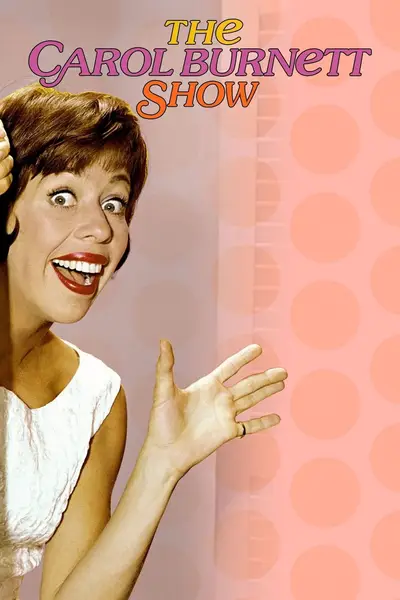
Joyous, inventive, and endlessly entertaining, this variety show represents television comedy at its finest. Carol Burnett leads a brilliant ensemble including Harvey Korman, Vicki Lawrence, Lyle Waggoner, and Tim Conway through sketches, musical numbers, and improvised moments that have become legendary. The chemistry among the cast is palpable, with their frequent on-camera laughter feeling infectious rather than unprofessional. What's remarkable is the show's consistency across eleven seasons—the quality never wavers, and the willingness to take risks keeps the comedy fresh. From elaborate parodies to simple character pieces, the variety in format and tone ensures something for everyone. The production values are impressive, with costume and set design that rival much bigger-budget productions. Watching these performers at the height of their powers, clearly having the time of their lives, remains an absolute delight.
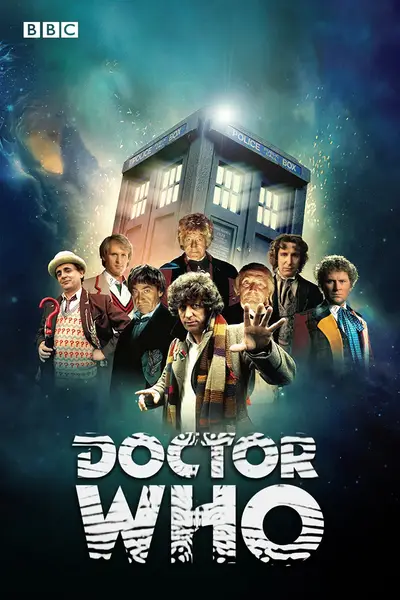
Science fiction television doesn't get more iconic, enduring, or downright brilliant than this British institution that has been captivating audiences across generations since its debut. The show's genius lies in its infinitely renewable format: a time-traveling alien called the Doctor, who regenerates into new bodies, explores all of time and space in a police box called the TARDIS. Created by Sydney Newman, C.E. Roberts, and Donald Wilson, the series has featured countless memorable Doctors, companions, and monsters (the Daleks and Cybermen remain genuinely chilling). Whether you're watching classic episodes from the original run or the revived series that began in 2005 with Russell T Davies at the helm, you'll find imaginative storytelling that balances humor, horror, and heart. The show's ability to reinvent itself while maintaining its essential spirit is unmatched in television history.
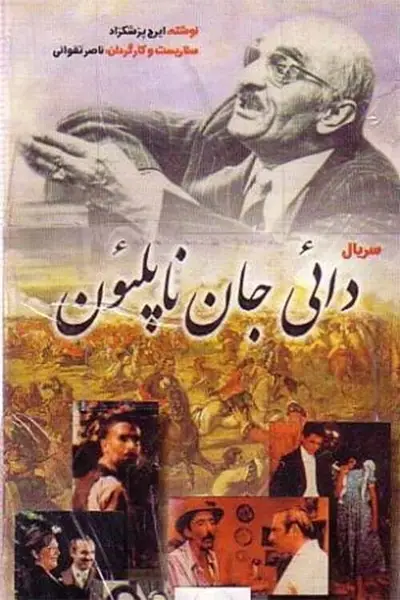
This comedy masterpiece satirizes Iranian society through the neurotic fears and delusions of Dear Uncle Napoleon, a patriarch convinced that the British are plotting against him specifically while his extended family navigates love, jealousy, and absurd misunderstandings. Based on Iraj Pezeshkzad's novel and adapted for television by director Nasser Taghvai, the series features Parviz Sayyad in the iconic title role, delivering a performance that's both hilarious and oddly sympathetic. Set in 1940s Tehran, the show uses its historical setting to comment on paranoia, family dynamics, and national identity with wit that hasn't dimmed decades later. The ensemble cast brings depth to what could have been mere caricatures, and the writing balances slapstick moments with genuinely clever satire. This remains one of Iranian television's crowning achievements, endlessly quotable and rewatchable, demonstrating how comedy can illuminate cultural anxieties while remaining timelessly entertaining.
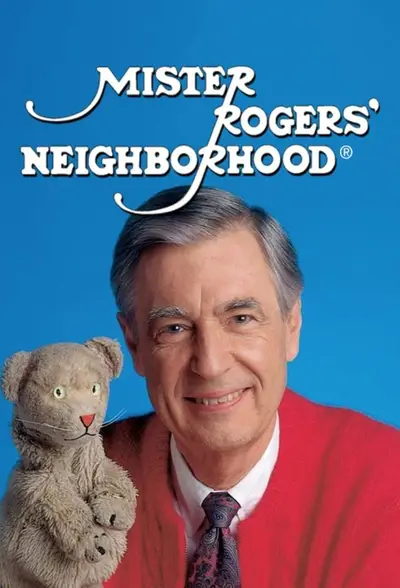
Fred Rogers hosts this gentle children's program from his iconic television neighborhood, speaking directly to young viewers with uncommon respect and emotional honesty. Over thirty-three seasons, Rogers tackled everything from everyday anxieties to difficult topics like death, divorce, and disability, always at a child's eye level. The show's deliberate pacing, which includes visits to the Neighborhood of Make-Believe with puppets like King Friday XIII and Daniel Striped Tiger, feels almost revolutionary in its refusal to overstimulate. Rogers' sincerity and warmth are undeniable, and the program's positive impact on generations of children is well-documented. However, viewed through contemporary eyes, the show's slow pace and dated production values can test modern viewers' patience, including children accustomed to faster-paced programming. The educational content, while emotionally intelligent, sometimes feels didactic. The cultural significance and Rogers' genuine compassion for children remain powerful, but the series works better as nostalgia or historical artifact than as current children's entertainment. Its legacy matters more than its present-day watchability.
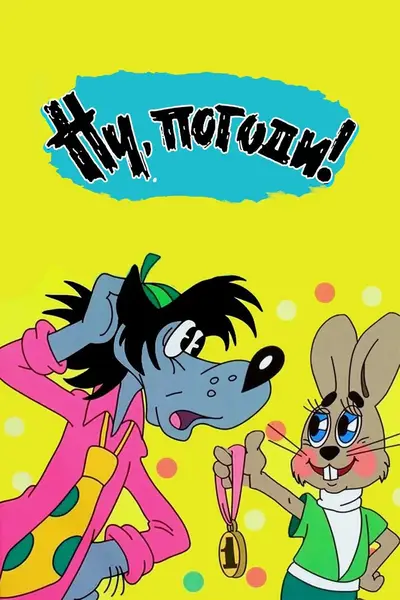
This classic Soviet animated series perfectly captures the timeless cat-and-mouse chase formula through the perpetual rivalry between a mischievous hare and the wolf who's determined to catch him. Created by Vyacheslav Kotyonochkin and spanning nearly two decades of production, the wordless episodes rely on expressive animation, slapstick humor, and memorable musical cues to tell their stories. The wolf's elaborate schemes to capture the clever hare always backfire in inventive and hilarious ways, following a formula that never grows stale thanks to the animators' creativity and attention to detail. What elevates this beyond simple children's entertainment is the cultural richness embedded in each episode—the characters visit recognizable Soviet locations, and the series subtly reflects the changing times across its many installments. Generations of viewers across Russia and Eastern Europe grew up with these characters, and the show's popularity endures because the comedy is genuinely funny and the craftsmanship evident in every frame. It's a treasure of animation history that transcends language barriers.
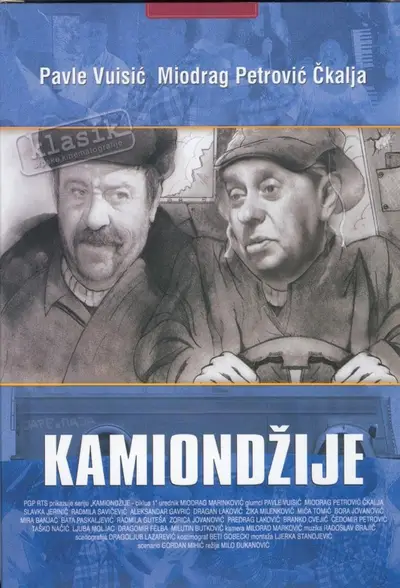
Following the lives of independent truckers navigating the open highways of 1970s America, this series captures the freedom and challenges of life on the road with authentic grit. Created by Tom Gries, the show chronicles the adventures of various drivers hauling freight across the country, dealing with everything from mechanical breakdowns to difficult clients while trying to make an honest living. Claude Akins leads the cast with a weathered charm that perfectly embodies the blue-collar spirit of the era, supported by a rotating ensemble of characters who populate truck stops and highways. The series doesn't glamorize the profession but instead presents it with respect and realism, showing both the camaraderie among drivers and the toll of weeks away from home. It's a time capsule of American working-class life that remains engaging for its straightforward storytelling and genuine appreciation for its subject matter.
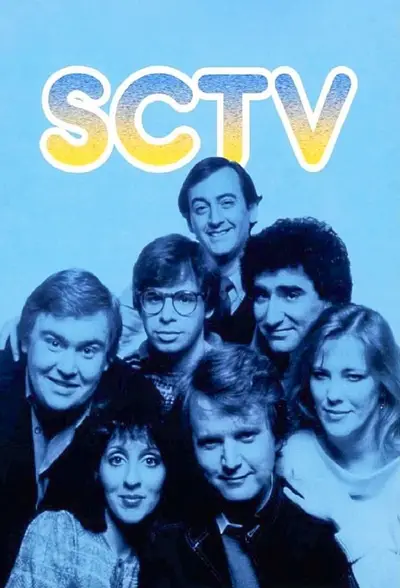
John Candy, Joe Flaherty, Eugene Levy, Andrea Martin, Catherine O'Hara, Harold Ramis, and Dave Thomas formed the ensemble that brought SCTV to life, playing various eccentric characters working at a fictional television station in Melonville. Created by Andrew Alexander and produced by Bernard Sahlins, this sketch comedy series brilliantly satirized television programming itself, with recurring segments like "Great White North" and "Monster Chiller Horror Theater" becoming instant classics. The show's format—presenting itself as broadcasts from a low-budget TV station—allowed for sharp parody and absurdist humor that influenced generations of comedy writers. What makes SCTV endure is its commitment to character-driven comedy over quick punchlines, with each cast member creating memorable personalities that felt fully realized. The series proved that sketch comedy could be both intelligent and accessible, making it essential viewing for anyone who appreciates thoughtful satire.
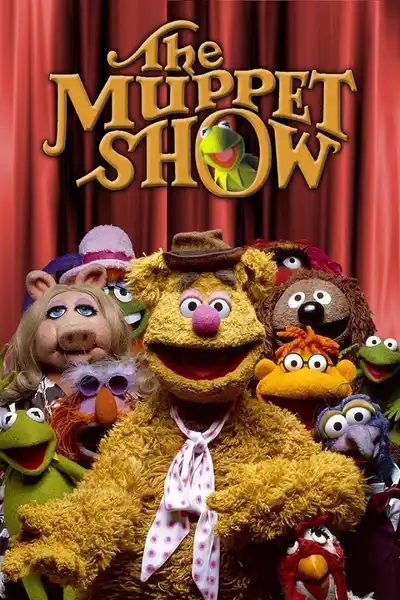
From a vaudeville-style theater in 1970s television came this groundbreaking variety show that forever changed puppetry and entertainment. Jim Henson's vision brought together an unforgettable cast of felt characters hosting celebrity guests in a backstage chaos that felt refreshingly authentic. Kermit the Frog serves as the beleaguered host trying to maintain order while Miss Piggy, Fozzie Bear, Gonzo, and the entire Muppet ensemble create controlled mayhem week after week. The show's genius lies in its multi-generational appeal, offering slapstick humor for children while sneaking in sophisticated wit and genuine musical performances for adults. Guest stars from Rudolf Nureyev to Alice Cooper gamely participated in the madness, often delivering their best work through sheer joy. The series remains a masterclass in variety entertainment, proving that puppets could carry prime-time television with heart, humor, and surprising emotional depth.
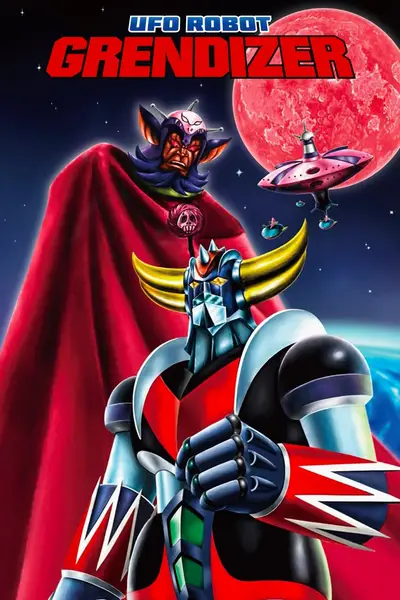
When Earth faces invasion from the Vega Empire, humanity's last hope arrives in the form of a mighty robot and the alien prince who pilots it. UFO Robot Grendizer follows Duke Fleed, who escaped his conquered homeworld of Fleed and now defends his adopted planet using the powerful Grendizer robot. Created during the golden age of super robot anime, this series from Toei Animation captures everything that made 1970s mecha shows captivating—spectacular battle sequences, noble heroes, and genuine stakes. The show excels at balancing Duke's internal conflict as a refugee warrior with thrilling action as Grendizer launches from its underground base to face each new threat. Its influence on the giant robot genre cannot be overstated, particularly in Europe and the Middle East where it achieved massive popularity. The animation holds up remarkably well, and the emotional core of Duke's journey resonates across generations.
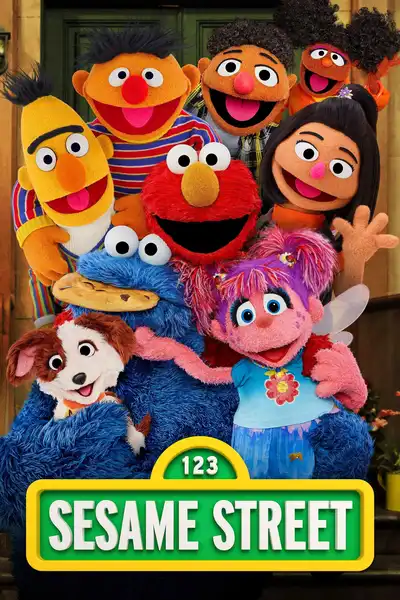
Joyful, educational, and endlessly inventive, this groundbreaking children's series has been teaching generations of kids letters, numbers, and life lessons since its debut over five decades ago. Created by Joan Ganz Cooney and Lloyd Morrisett, the show uses a brilliant combination of puppetry, animation, celebrity appearances, and catchy songs to make learning irresistible. The beloved Muppet characters—Big Bird, Elmo, Cookie Monster, Oscar the Grouch, and many more—have become cultural icons, each bringing distinct personalities that resonate with young viewers. What makes the show remarkable is its commitment to addressing real-world issues age-appropriately, from diversity and inclusion to emotional regulation and kindness. The educational content is research-backed and seamlessly woven into entertaining sketches that never feel like lessons. Decades of innovation have kept the format fresh while maintaining the warmth and humanity that make it special. It remains an essential part of childhood, proving that television can be both entertaining and genuinely enriching.
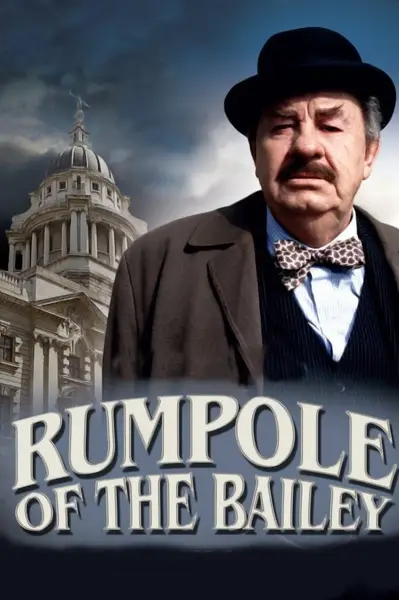
An aging, poetry-quoting barrister defends London's underdogs from his chambers at the Old Bailey while battling pompous judges, his ambitious colleagues, and his formidable wife Hilda—whom he refers to as "She Who Must Be Obeyed." Leo McKern inhabits Horace Rumpole so completely that it's impossible to imagine anyone else in the role, bringing warmth, wit, and world-weariness to John Mortimer's beloved creation. The series works as both entertaining courtroom drama and character study, with Rumpole's cases serving as vehicles for exploring British class dynamics, justice system absurdities, and moral complexity. Mortimer's writing crackles with intelligence and dry humor, giving McKern dialogue that's quotable and substantive in equal measure. The supporting cast, including Marion Mathie and later Peggy Thorpe-Bates as Hilda, provides perfect foils for Rumpole's rebellious streak against authority and convention. While production values are necessarily modest and the pacing more leisurely than contemporary legal dramas, the series rewards patience with rich characterization and stories that trust viewers to think. It remains a gem of British television.
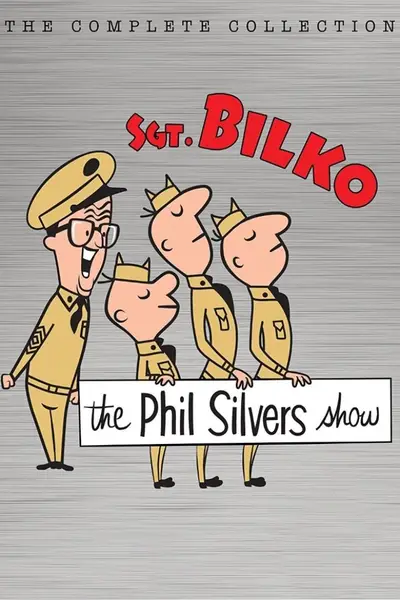
This military sitcom remains one of television's sharpest comedies, showcasing Phil Silvers in a career-defining performance as the scheming Master Sergeant Ernest Bilko. Created by Nat Hiken, the series follows Bilko's endless moneymaking schemes at a Kansas army base, where he runs the motor pool like his personal fiefdom while staying one step ahead of his exasperated commanding officer, Colonel Hall (Paul Ford). Silvers' rapid-fire delivery and impeccable comic timing elevate every episode, supported by a talented ensemble cast that includes Harvey Lembeck and Allan Melvin as Bilko's loyal accomplices. The writing is remarkably clever, with plots that layer complications upon complications before resolving in satisfying fashion. What could have been a one-joke premise instead became a masterclass in character-driven comedy that influenced countless shows to follow, earning multiple Emmy Awards and demonstrating that intelligent humor never goes out of style.
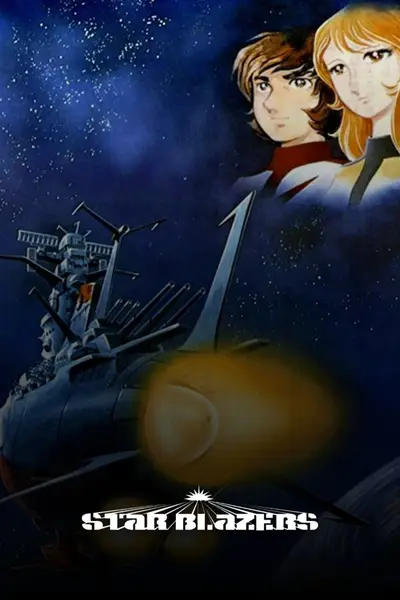
Produced by Yoshinobu Nishizaki, this space opera follows the crew of the battleship Yamato as they undertake a desperate journey across the galaxy to save Earth from extinction by radiation. The series, known as Space Battleship Yamato in Japan, pioneered narrative complexity in anime with its season-long story arc, character development, and willingness to show the genuine costs of war. The premise blends military sci-fi with hopeful humanism—the crew isn't conquering but seeking salvation, racing against time as Earth's population slowly dies. The animation, while showing its 1970s origins, contains moments of real beauty, particularly in its space battles and alien landscapes. What makes this historically significant beyond its influence on later anime is how it demonstrated that animation could tell mature, emotionally resonant stories. For viewers interested in anime history or classic space opera, this is where many modern conventions began.
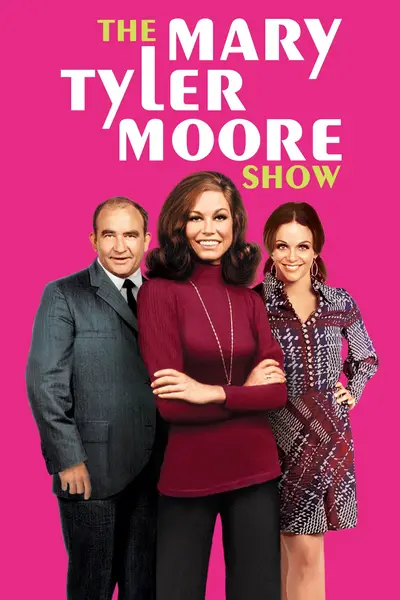
Mary Tyler Moore stars as Mary Richards, a single woman who moves to Minneapolis and lands a job as associate producer at a local TV station's news department. The series brilliantly balances workplace comedy with Mary's personal life, creating a template that countless sitcoms would follow. Creator James L. Brooks and Allan Burns crafted a show that was both hilarious and surprisingly progressive for its time, treating its female protagonist with genuine respect and complexity. The ensemble cast, including Ed Asner as gruff news director Lou Grant and Valerie Harper as best friend Rhoda, delivers consistently sharp performances. The writing remains remarkably fresh decades later, with character-driven humor that never feels dated. This is essential viewing for anyone interested in the evolution of television comedy.
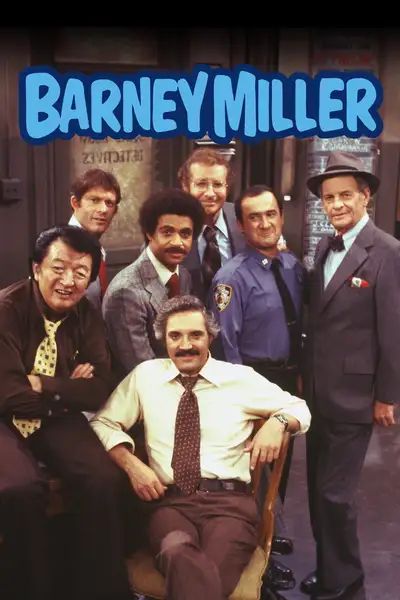
At its core, this is a story about professionalism, dignity, and finding humor in everyday frustrations. Set in a Greenwich Village police precinct, the series follows Captain Barney Miller and his detectives as they process the endless parade of criminals, complainants, and bureaucratic absurdities that come through their squad room. Hal Linden brings warmth and weary wisdom to the title role, anchoring an ensemble cast that includes Max Gail, Ron Glass, and Abe Vigoda in career-defining performances. Created by Danny Arnold and Theodore J. Flicker, the show treats its characters—including many of the criminals—with uncommon humanity and intelligence. The writing finds comedy in character and situation rather than punchlines, creating a workplace comedy that feels authentic despite its inherently dramatic setting. It's a masterclass in ensemble acting and proof that television comedy can be smart without being pretentious.
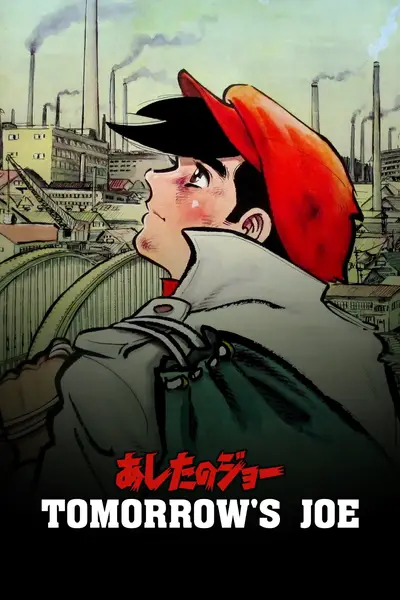
Manga artist Asao Takamori and illustrator Tetsuya Chiba created the source material for this landmark boxing anime that tells the powerful story of Joe Yabuki, a troubled orphan who discovers purpose and identity through the brutal world of prizefighting. Directed by Osamu Dezaki, the series follows Joe from his delinquent street life through his transformation into a legitimate boxer, guided by the alcoholic former trainer Danpei Tange. What distinguishes this from typical sports anime is its unflinching examination of poverty, violence, and the physical toll boxing exacts on its practitioners. The character development is exceptional, with Joe's journey feeling earned through genuine struggle and setbacks rather than easy victories. Dezaki's directorial techniques, including his signature "postcard memories" freeze-frames, create a distinctive visual style that enhances the emotional impact. The series tackled mature themes rarely seen in anime of its era, establishing a benchmark for sports storytelling that remains influential.
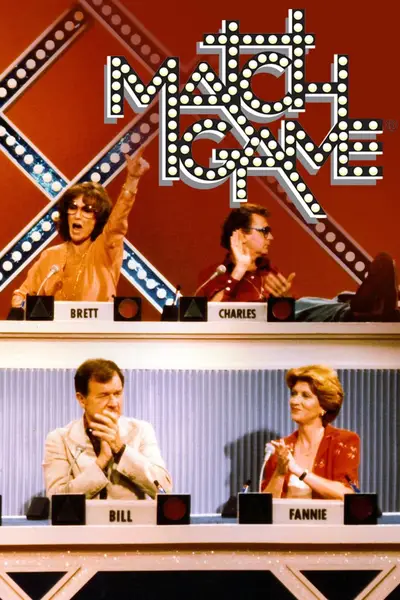
During the groovy 1970s, this iconic game show perfected the art of cheeky innuendo and celebrity banter that made daytime television genuinely entertaining. Host Gene Rayburn guided a rotating panel of six celebrities through rounds of fill-in-the-blank questions, with contestants hoping their answers matched the stars' often hilariously risqué responses. The show's secret weapon was its deliberately suggestive questions and the playful chemistry between regular panelists like Charles Nelson Reilly, Brett Somers, and Richard Dawson, who turned every taping into something resembling a cocktail party with buzzers. The freewheeling format allowed for genuine spontaneity rare in game shows, and the double-entendre humor remains surprisingly sharp. It's comfort viewing that captures a specific moment when television could be clever without being mean.
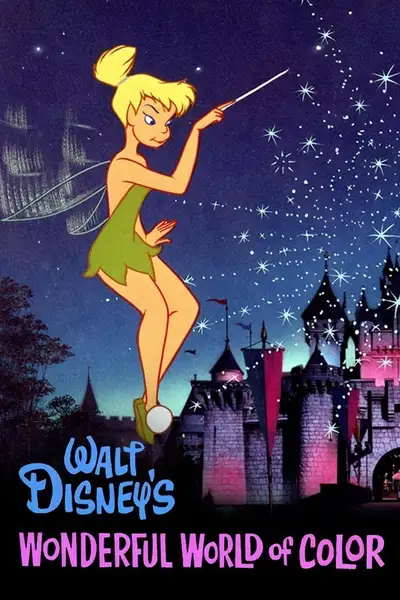
From 1954 onward, American television audiences welcomed this anthology series into their living rooms, establishing a weekly tradition that would span decades and help define family entertainment. Originally hosted by Walt Disney himself, the show served as a showcase for the studio's theatrical films, nature documentaries, behind-the-scenes features, and original programming organized into themed segments like Frontierland, Adventureland, and Tomorrowland. The series brilliantly functioned as both entertainment and marketing, introducing viewers to upcoming theatrical releases while building anticipation for Disneyland attractions. What makes it noteworthy beyond its commercial purposes is the quality and variety of content—from the Davy Crockett episodes that sparked a national phenomenon to educational nature films that were genuinely informative. The format evolved across various iterations and networks, but maintained its core mission of delivering wholesome, engaging content suitable for all ages. It remains a significant piece of television history that shaped American popular culture.
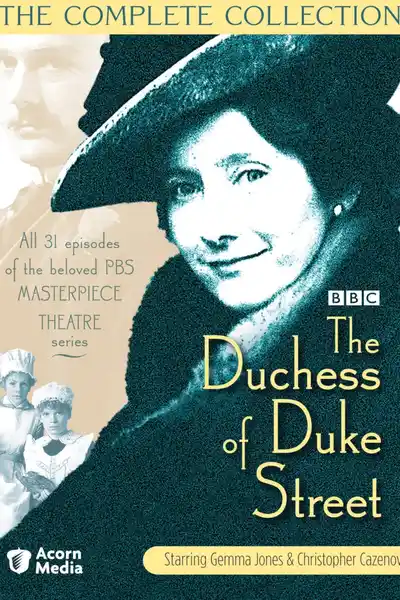
This historical period drama follows Louisa Trotter's remarkable rise from kitchen maid to proprietor of the fashionable Bentinck Hotel in Edwardian London. Created by John Hawkesworth and starring Gemma Jones in a luminous performance, the series chronicles Louisa's determination, business acumen, and personal sacrifices across two decades of British history. The production showcases the era's opulence and social hierarchies with meticulous attention to period detail, from costumes to class dynamics. What distinguishes the show is its focus on a working-class woman navigating spaces typically reserved for the wealthy, making her story both inspirational and illuminating about the limitations women faced. The supporting cast brings aristocrats, staff, and regular patrons to life with depth and humor, creating a richly populated world. Jones's Louisa is pragmatic, flawed, and thoroughly compelling—a character who earns her success while remaining grounded in the realities of her position.