Best Shows of 1971
Television in 1971 marked a pivotal moment in broadcasting history, delivering an extraordinary lineup of programming that would shape the medium for decades to come. From groundbreaking detective series that redefined the crime drama to innovative international productions that crossed cultural boundaries, the best shows of 1971 showcased exceptional storytelling and unforgettable performances that captivated viewers worldwide. This remarkable year brought audiences everything from sophisticated period dramas and beloved family sitcoms to action-packed adventures and prestigious cultural programming that elevated television to new artistic heights. Whether you're searching for classic TV shows from the early seventies, exploring critically acclaimed series that earned awards and recognition, or discovering hidden gems that deserve rediscovery, 1971's television landscape offers something for every viewer. These 21 essential programs represent the finest achievements in network television during a transformative era, featuring the talented actors, visionary creators, and compelling narratives that made this year truly exceptional. Dive into the series that defined must-watch television and continue to influence contemporary programming today.
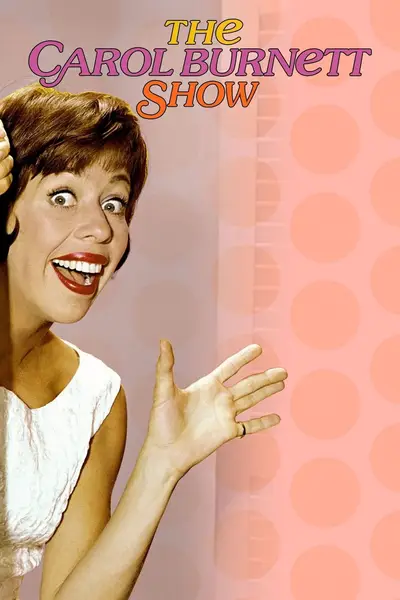
Joyous, inventive, and endlessly entertaining, this variety show represents television comedy at its finest. Carol Burnett leads a brilliant ensemble including Harvey Korman, Vicki Lawrence, Lyle Waggoner, and Tim Conway through sketches, musical numbers, and improvised moments that have become legendary. The chemistry among the cast is palpable, with their frequent on-camera laughter feeling infectious rather than unprofessional. What's remarkable is the show's consistency across eleven seasons—the quality never wavers, and the willingness to take risks keeps the comedy fresh. From elaborate parodies to simple character pieces, the variety in format and tone ensures something for everyone. The production values are impressive, with costume and set design that rival much bigger-budget productions. Watching these performers at the height of their powers, clearly having the time of their lives, remains an absolute delight.
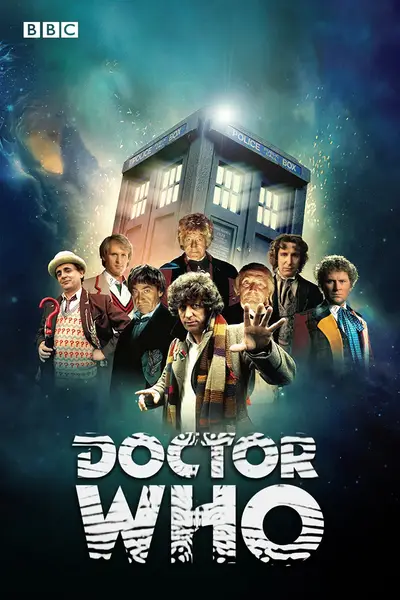
Science fiction television doesn't get more iconic, enduring, or downright brilliant than this British institution that has been captivating audiences across generations since its debut. The show's genius lies in its infinitely renewable format: a time-traveling alien called the Doctor, who regenerates into new bodies, explores all of time and space in a police box called the TARDIS. Created by Sydney Newman, C.E. Roberts, and Donald Wilson, the series has featured countless memorable Doctors, companions, and monsters (the Daleks and Cybermen remain genuinely chilling). Whether you're watching classic episodes from the original run or the revived series that began in 2005 with Russell T Davies at the helm, you'll find imaginative storytelling that balances humor, horror, and heart. The show's ability to reinvent itself while maintaining its essential spirit is unmatched in television history.
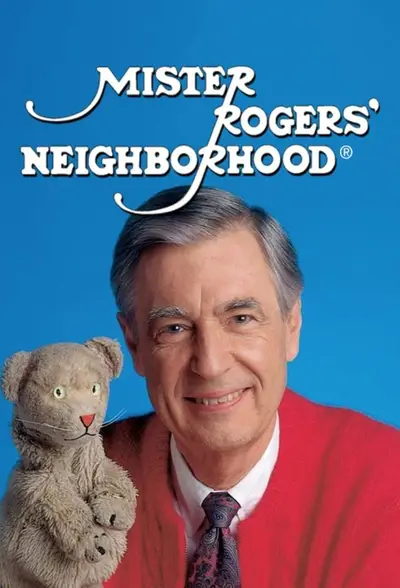
Fred Rogers hosts this gentle children's program from his iconic television neighborhood, speaking directly to young viewers with uncommon respect and emotional honesty. Over thirty-three seasons, Rogers tackled everything from everyday anxieties to difficult topics like death, divorce, and disability, always at a child's eye level. The show's deliberate pacing, which includes visits to the Neighborhood of Make-Believe with puppets like King Friday XIII and Daniel Striped Tiger, feels almost revolutionary in its refusal to overstimulate. Rogers' sincerity and warmth are undeniable, and the program's positive impact on generations of children is well-documented. However, viewed through contemporary eyes, the show's slow pace and dated production values can test modern viewers' patience, including children accustomed to faster-paced programming. The educational content, while emotionally intelligent, sometimes feels didactic. The cultural significance and Rogers' genuine compassion for children remain powerful, but the series works better as nostalgia or historical artifact than as current children's entertainment. Its legacy matters more than its present-day watchability.
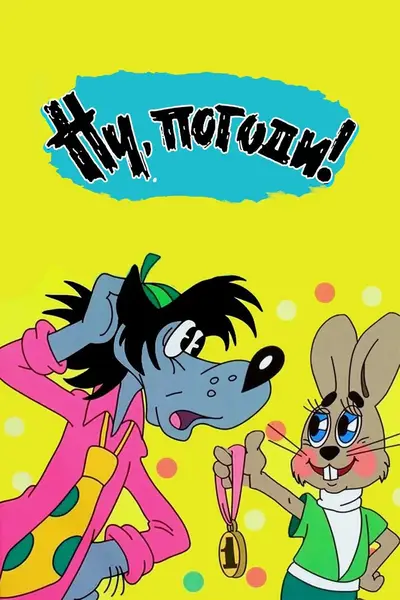
This classic Soviet animated series perfectly captures the timeless cat-and-mouse chase formula through the perpetual rivalry between a mischievous hare and the wolf who's determined to catch him. Created by Vyacheslav Kotyonochkin and spanning nearly two decades of production, the wordless episodes rely on expressive animation, slapstick humor, and memorable musical cues to tell their stories. The wolf's elaborate schemes to capture the clever hare always backfire in inventive and hilarious ways, following a formula that never grows stale thanks to the animators' creativity and attention to detail. What elevates this beyond simple children's entertainment is the cultural richness embedded in each episode—the characters visit recognizable Soviet locations, and the series subtly reflects the changing times across its many installments. Generations of viewers across Russia and Eastern Europe grew up with these characters, and the show's popularity endures because the comedy is genuinely funny and the craftsmanship evident in every frame. It's a treasure of animation history that transcends language barriers.
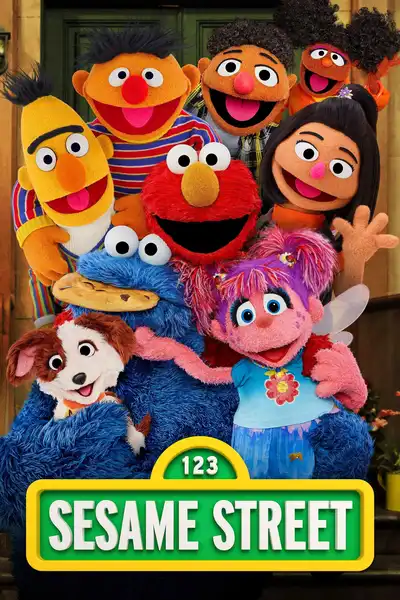
Joyful, educational, and endlessly inventive, this groundbreaking children's series has been teaching generations of kids letters, numbers, and life lessons since its debut over five decades ago. Created by Joan Ganz Cooney and Lloyd Morrisett, the show uses a brilliant combination of puppetry, animation, celebrity appearances, and catchy songs to make learning irresistible. The beloved Muppet characters—Big Bird, Elmo, Cookie Monster, Oscar the Grouch, and many more—have become cultural icons, each bringing distinct personalities that resonate with young viewers. What makes the show remarkable is its commitment to addressing real-world issues age-appropriately, from diversity and inclusion to emotional regulation and kindness. The educational content is research-backed and seamlessly woven into entertaining sketches that never feel like lessons. Decades of innovation have kept the format fresh while maintaining the warmth and humanity that make it special. It remains an essential part of childhood, proving that television can be both entertaining and genuinely enriching.
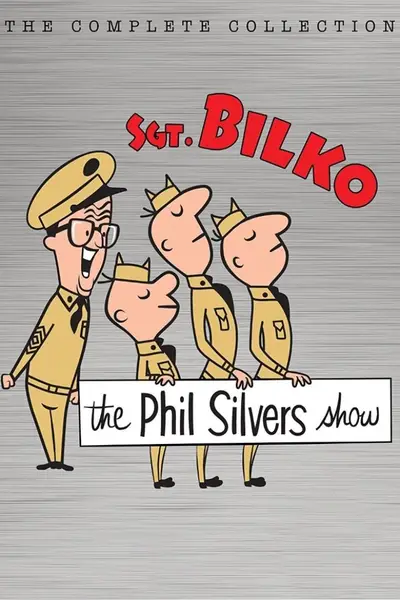
This military sitcom remains one of television's sharpest comedies, showcasing Phil Silvers in a career-defining performance as the scheming Master Sergeant Ernest Bilko. Created by Nat Hiken, the series follows Bilko's endless moneymaking schemes at a Kansas army base, where he runs the motor pool like his personal fiefdom while staying one step ahead of his exasperated commanding officer, Colonel Hall (Paul Ford). Silvers' rapid-fire delivery and impeccable comic timing elevate every episode, supported by a talented ensemble cast that includes Harvey Lembeck and Allan Melvin as Bilko's loyal accomplices. The writing is remarkably clever, with plots that layer complications upon complications before resolving in satisfying fashion. What could have been a one-joke premise instead became a masterclass in character-driven comedy that influenced countless shows to follow, earning multiple Emmy Awards and demonstrating that intelligent humor never goes out of style.
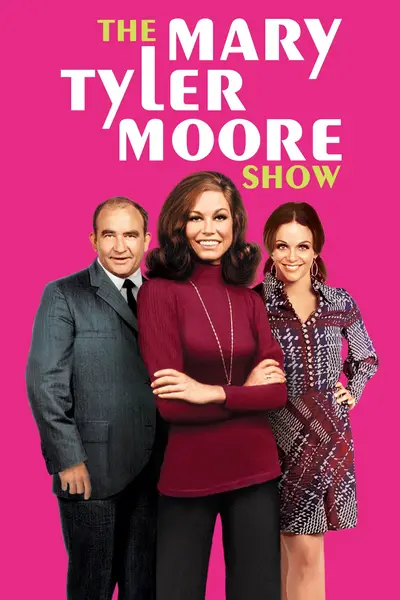
Mary Tyler Moore stars as Mary Richards, a single woman who moves to Minneapolis and lands a job as associate producer at a local TV station's news department. The series brilliantly balances workplace comedy with Mary's personal life, creating a template that countless sitcoms would follow. Creator James L. Brooks and Allan Burns crafted a show that was both hilarious and surprisingly progressive for its time, treating its female protagonist with genuine respect and complexity. The ensemble cast, including Ed Asner as gruff news director Lou Grant and Valerie Harper as best friend Rhoda, delivers consistently sharp performances. The writing remains remarkably fresh decades later, with character-driven humor that never feels dated. This is essential viewing for anyone interested in the evolution of television comedy.
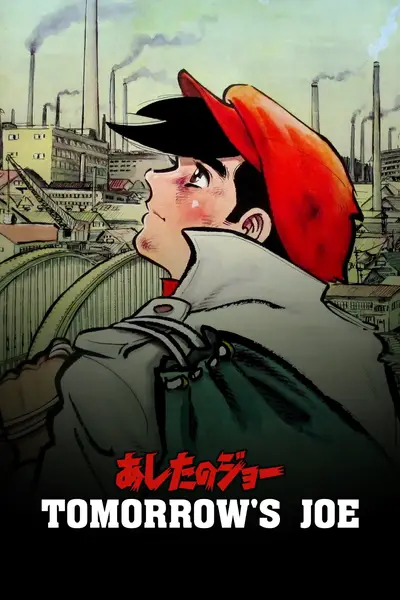
Manga artist Asao Takamori and illustrator Tetsuya Chiba created the source material for this landmark boxing anime that tells the powerful story of Joe Yabuki, a troubled orphan who discovers purpose and identity through the brutal world of prizefighting. Directed by Osamu Dezaki, the series follows Joe from his delinquent street life through his transformation into a legitimate boxer, guided by the alcoholic former trainer Danpei Tange. What distinguishes this from typical sports anime is its unflinching examination of poverty, violence, and the physical toll boxing exacts on its practitioners. The character development is exceptional, with Joe's journey feeling earned through genuine struggle and setbacks rather than easy victories. Dezaki's directorial techniques, including his signature "postcard memories" freeze-frames, create a distinctive visual style that enhances the emotional impact. The series tackled mature themes rarely seen in anime of its era, establishing a benchmark for sports storytelling that remains influential.
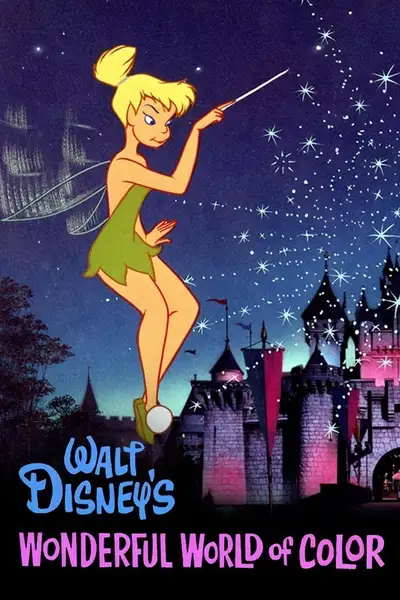
From 1954 onward, American television audiences welcomed this anthology series into their living rooms, establishing a weekly tradition that would span decades and help define family entertainment. Originally hosted by Walt Disney himself, the show served as a showcase for the studio's theatrical films, nature documentaries, behind-the-scenes features, and original programming organized into themed segments like Frontierland, Adventureland, and Tomorrowland. The series brilliantly functioned as both entertainment and marketing, introducing viewers to upcoming theatrical releases while building anticipation for Disneyland attractions. What makes it noteworthy beyond its commercial purposes is the quality and variety of content—from the Davy Crockett episodes that sparked a national phenomenon to educational nature films that were genuinely informative. The format evolved across various iterations and networks, but maintained its core mission of delivering wholesome, engaging content suitable for all ages. It remains a significant piece of television history that shaped American popular culture.
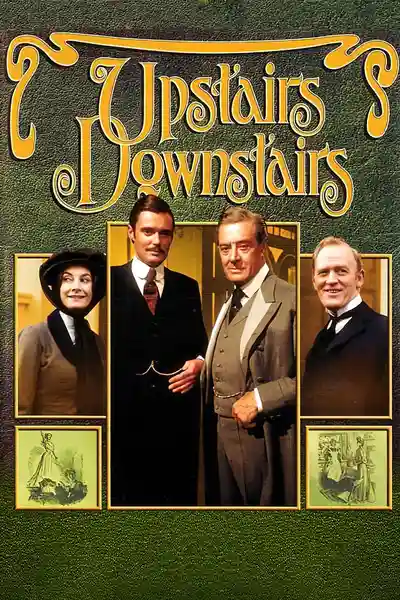
In Edwardian London at 165 Eaton Place, the rigid class divisions of early 20th-century Britain play out through the intertwined lives of the wealthy Bellamy family upstairs and their servants downstairs. Created by Jean Marsh and Eileen Atkins, this British drama excels at depicting the subtle power dynamics, social constraints, and occasional boundary-crossings between the two worlds existing under one roof. The ensemble cast, including Gordon Jackson, Pauline Collins, and David Langton, brings authenticity to characters navigating their prescribed roles in a changing society. At its best, the series offers nuanced examinations of class, gender, and historical moments like World War I's impact on domestic life. However, the episodic nature leads to uneven quality, and some storylines resolve with convenient melodrama rather than earned emotional payoffs. Production values reflect early 1970s television limitations, and pacing may feel stately to modern audiences. It remains an important period drama that influenced countless successors, rewarding viewers interested in British social history.
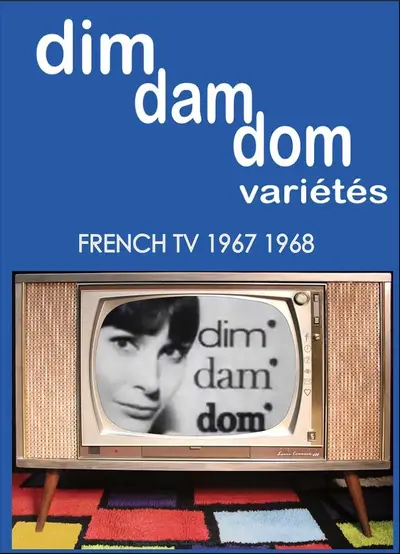
Innovative and delightfully unconventional, this 1965 children's variety series broke new ground in educational entertainment with its creative approach to teaching and engaging young audiences. Dim Dam Dom combined musical performances, animated segments, storytelling, and interactive elements in ways that felt revolutionary for its time. Created by a team of forward-thinking producers and hosted by engaging presenters, the series respected children's intelligence while never forgetting to entertain. The show featured early appearances by performers who would later become major stars, and its format influenced children's programming for decades to come. Watching episodes now reveals both how much television has changed and how certain approaches to connecting with young viewers remain timeless. The series' commitment to cultural education alongside pure entertainment set a standard many subsequent programs tried to emulate. It's a fascinating piece of television history that still offers genuine charm and creativity.
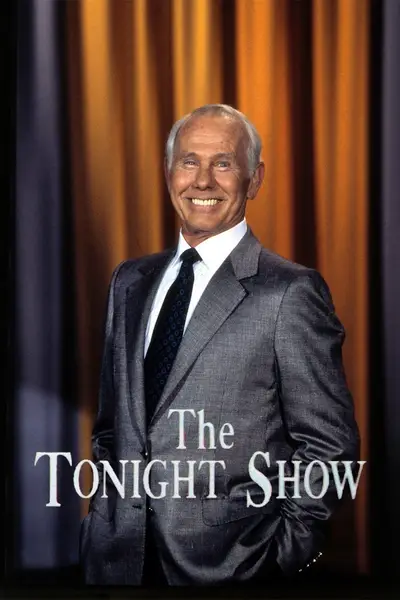
This groundbreaking talk show transformed late-night television during its three-decade run, with host Johnny Carson establishing the format that countless successors would emulate. Carson's particular genius lay in his ability to make conversation seem effortless—whether interviewing Hollywood stars, showcasing emerging comedians, or bantering with sidekick Ed McMahon and bandleader Doc Severinsen. The show launched careers for comedians like David Letterman, Jerry Seinfeld, and Joan Rivers, who cut their teeth in Carson's spotlight. Beyond the celebrity interviews, Carson's monologues set the standard for topical humor, and recurring sketches like Carnac the Magnificent became cultural touchstones. The pacing feels different from contemporary late-night television—more relaxed, with room for conversations to develop naturally rather than racing through segments. For viewers interested in television history or simply quality entertainment, the available episodes demonstrate why Carson remained unchallenged as late-night's king for so long.

Long-running and genuinely beloved, this BBC series brings the joys and challenges of gardening to viewers through practical advice, seasonal features, and visits to remarkable gardens across Britain. Currently hosted by Monty Don, whose warm presence and genuine expertise have made him the face of British gardening television, the show demystifies horticultural practices for amateurs while offering enough depth to engage experienced gardeners. The format is comforting in its consistency—seasonal tasks, problem-solving segments, and features on different gardening styles—while remaining responsive to contemporary concerns like sustainable practices and climate adaptation. Special episodes featuring historic estates or international gardens provide visual splendor, but the show's heart lies in its practical demonstrations and encouragement of viewers' own efforts. It's television as gentle education, fostering connection with nature and celebrating the patience and observation required for successful gardening across decades of changing trends and techniques.
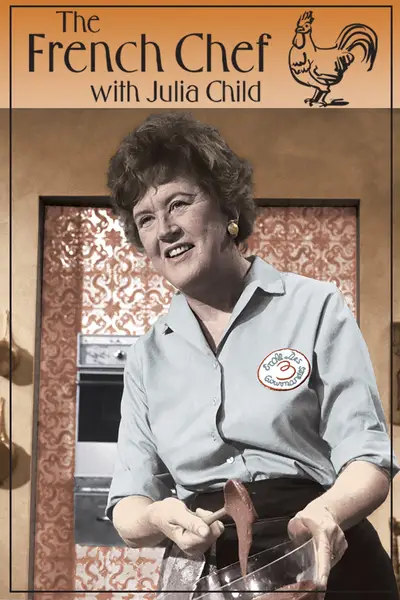
There's no real conflict here—just Julia Child's infectious enthusiasm for cooking and her determination to demystify French cuisine for American home cooks. Produced by WGBH Boston, this groundbreaking cooking show brought Child's singular personality into American kitchens, where her towering presence, warbling voice, and unapologetic approach to kitchen mishaps made her a television icon. The format is simple: Child prepares classic French dishes while explaining techniques, offering tips, and occasionally dropping utensils or improvising when things don't go according to plan. By modern cooking show standards, the production is bare-bones—one camera, minimal editing, real-time cooking—but Child's charisma carries every episode. The lack of dramatic tension or competition means the show is primarily valuable as instruction and historical document rather than entertainment in the contemporary sense. For culinary students and anyone interested in the history of food television, it's essential viewing, though the leisurely pace may test the patience of viewers accustomed to today's faster-paced cooking content.
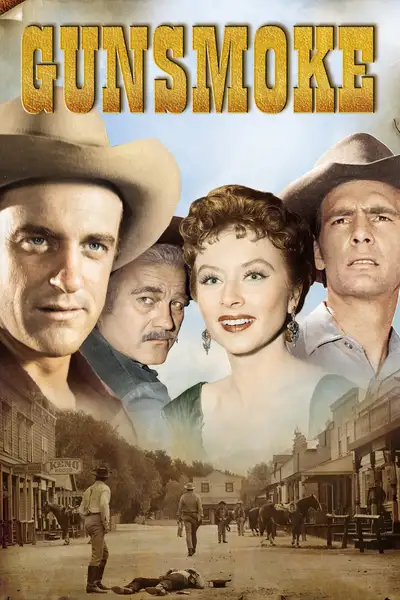
This Western drama set in Dodge City, Kansas, during the 1870s remains one of television's longest-running and most influential series. James Arness anchors the show as Marshal Matt Dillon, bringing quiet authority and moral complexity to a character who could have been a simple good-guy archetype. Creator Charles Marquis Warren and the writing team crafted stories that explored frontier justice, community building, and the costs of violence with surprising sophistication. The supporting cast, including Milburn Stone as Doc Adams and Amanda Blake as Kitty Russell, created one of TV's first truly ensemble dramas. What sets the series apart is its willingness to embrace moral ambiguity and let episodes end without tidy resolutions. The show's influence on both television and film Westerns cannot be overstated, and its best episodes hold up remarkably well.
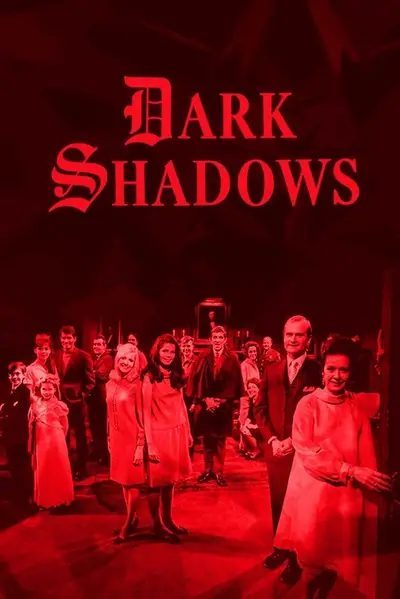
The Collins family mansion holds dark secrets that extend far beyond typical Gothic melodrama in this groundbreaking daytime soap opera that introduced supernatural elements to afternoon television. What began as a conventional family drama transformed when creator Dan Curtis brought in vampire Barnabas Collins, played with brooding intensity by Jonathan Frid, whose arrival turned the series into a cultural phenomenon. The show's willingness to embrace horror tropes—vampires, witches, werewolves, time travel, and parallel dimensions—within a soap opera framework was revolutionary for its time. While production constraints meant wobbly sets, visible boom mics, and occasional flubbed lines (the show aired live-to-tape with minimal retakes), these imperfections became part of its charm. The sprawling storylines could be convoluted, and pacing varied wildly, but the commitment to atmospheric storytelling and complex mythology created devoted fans. The ensemble cast brought surprising depth to outlandish scenarios, treating the material with sincerity that sold even the most absurd plot developments. For viewers interested in television history or Gothic storytelling, Dark Shadows remains a fascinating artifact that influenced countless supernatural dramas to come.
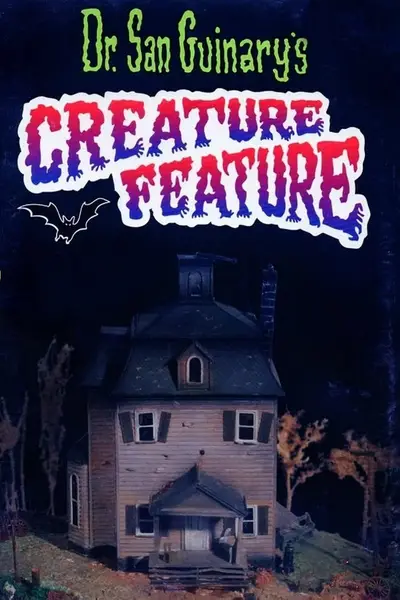
Bob Wilkins as the titular host brings his deadpan wit and signature style to this beloved late-night staple that introduced Bay Area audiences to the wonderfully weird world of B-movie horror and science fiction. Each episode featured Wilkins lounging in his captain's chair, cigar in hand, offering sardonic commentary before unleashing gloriously cheesy monster movies upon his devoted viewers. The show's charm lies in Wilkins' refusal to take anything too seriously—he's the first to mock the rubber suits and wobbly special effects, creating a communal viewing experience that celebrates the absurdity of low-budget cinema. Whether introducing giant ants, atomic mutants, or creatures from outer space, Wilkins made every Saturday night feel like hanging out with your funniest friend who happens to have impeccable taste in terrible movies. This series became a cultural touchstone for Northern California, proving that the right host can turn schlock into appointment television.

Set against the untamed wilderness of 1870s frontier America, this naturalistic drama follows a group of settlers whose lives intertwine with the rhythms of the land they're attempting to civilize. Director Robert Altman brings his trademark ensemble approach to the small screen, creating a tapestry of interconnected stories that feel organic rather than plotted. The series, featuring early career performances from Jeff Bridges and Sally Kellerman, captures a specific moment in American history with remarkable attention to period detail and an unflinching eye toward the harsh realities of frontier existence. What distinguishes Where the Wild Boars Go from typical Westerns is its patient pacing and willingness to let scenes breathe, allowing viewers to fully inhabit this world. It's a underseen gem from television's early prestige era that rewards patient viewers with its authenticity and craft.
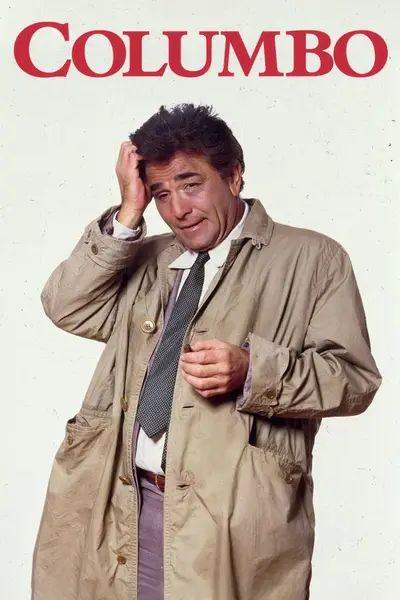
Peter Falk's rumpled LAPD homicide detective is one of television's most enduringly clever creations, and this long-running mystery series created by Richard Levinson and William Link remains remarkably entertaining decades later. The inverted detective format—showing the murder and murderer upfront—shifts focus from whodunit to how-will-he-prove-it, allowing viewers to appreciate Columbo's deceptively brilliant mind at work. Falk plays the character as perpetually underestimated, shambling into crime scenes in his weathered raincoat, apologizing for bothering suspects with "just one more thing" before delivering the observation that unravels their carefully constructed alibis. The series attracted prestigious guest stars eager to play sophisticated killers who underestimate the seemingly befuddled detective, creating a satisfying class commentary as the working-class cop outthinks wealthy, educated criminals. Each feature-length episode unfolds like a cat-and-mouse game where the mouse knows he's being hunted but can't quite see the trap closing. It's comfort viewing elevated by Falk's iconic performance and genuinely clever writing that respects the audience's intelligence.
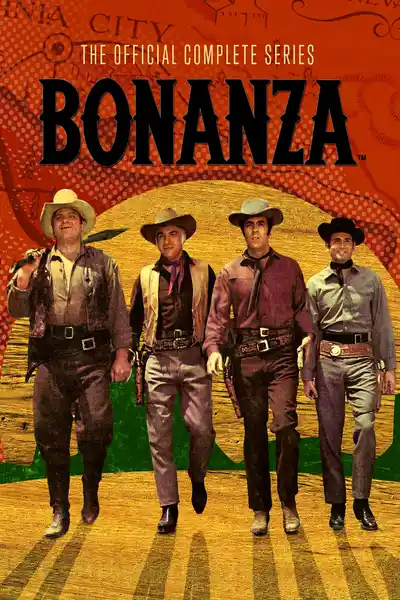
The struggle to maintain a prosperous ranch in 1860s Nevada provides the framework for this long-running Western that became one of television's most successful series. Created by David Dortort, Bonanza follows widower Ben Cartwright (Lorne Greene) and his three sons—Adam (Pernell Roberts), Hoss (Dan Blocker), and Little Joe (Michael Landon)—as they defend their Ponderosa ranch against claim jumpers, outlaws, and various threats while navigating moral dilemmas. The series distinguished itself by emphasizing family bonds and ethical questions over simple gunfights, though plenty of action remains. The episodic format means quality varies wildly across fourteen seasons and over 400 episodes, with some installments offering thoughtful commentary on prejudice and justice while others fall into Western clichés. The characters' essential decency and the show's fundamental wholesomeness feel quaint by modern standards, and the pacing drags by contemporary measures. Still, the craftsmanship and performances hold up better than expected, making it worthwhile for Western enthusiasts and television history buffs.
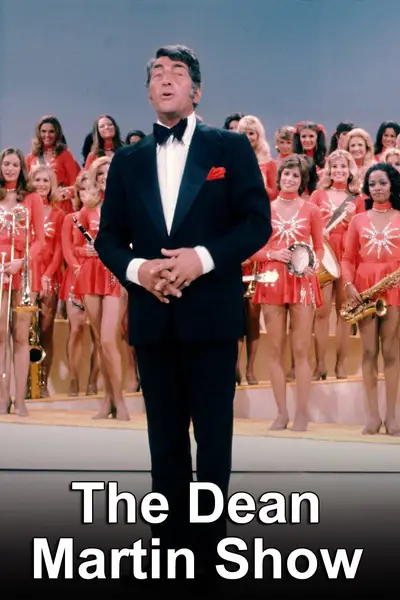
A beloved entertainer hosts an hour of music, comedy sketches, and celebrity guests in this classic variety show that defined an era of television. Dean Martin brings his signature laid-back charm and impeccable timing to each episode, creating an atmosphere that feels like an intimate gathering rather than a scripted production. The show features musical performances ranging from big band standards to contemporary hits of the 1960s and 70s, alongside comedy routines with guest stars from Hollywood's golden age. Martin's seemingly effortless hosting style—complete with his trademark cocktail glass—set the template for variety shows that followed. The production values showcase the era's commitment to live entertainment, with elaborate sets and full orchestras. While some sketches feel dated, the show's warmth and Martin's genuine rapport with guests remain thoroughly engaging. It's a delightful time capsule that reminds us why variety television once dominated primetime.