Best Shows of 1969
Television in 1969 marked a revolutionary turning point in broadcasting history, delivering groundbreaking programs that would shape the medium for generations to come. Our curated selection of the best shows of 1969 showcases 21 exceptional series that captivated audiences during this transformative year, from pioneering children's educational programming that reimagined how young viewers could learn through entertainment, to gripping crime dramas that pushed the boundaries of network television storytelling. Whether you're seeking critically acclaimed series that earned prestigious awards, innovative animated offerings that charmed families worldwide, or suspenseful mysteries that kept viewers on the edge of their seats, this comprehensive ranking celebrates the most influential and memorable television of 1969. These aren't just shows that aired during a single year—they represent the creative vision, fearless experimentation, and exceptional performances that defined an era when television truly came into its own as an art form. Explore the unforgettable programs that dominated ratings, sparked cultural conversations, and proved that the small screen could deliver entertainment just as powerful and enduring as anything found in cinemas.
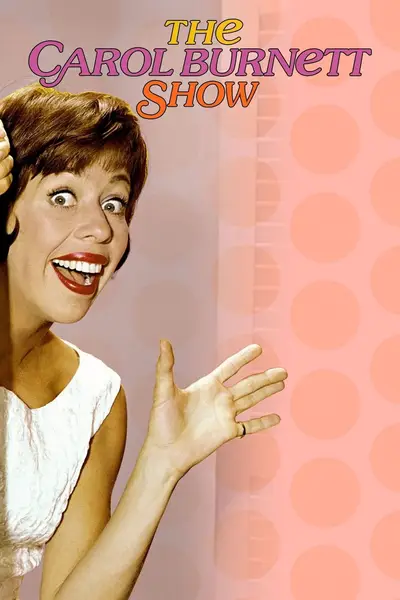
Joyous, inventive, and endlessly entertaining, this variety show represents television comedy at its finest. Carol Burnett leads a brilliant ensemble including Harvey Korman, Vicki Lawrence, Lyle Waggoner, and Tim Conway through sketches, musical numbers, and improvised moments that have become legendary. The chemistry among the cast is palpable, with their frequent on-camera laughter feeling infectious rather than unprofessional. What's remarkable is the show's consistency across eleven seasons—the quality never wavers, and the willingness to take risks keeps the comedy fresh. From elaborate parodies to simple character pieces, the variety in format and tone ensures something for everyone. The production values are impressive, with costume and set design that rival much bigger-budget productions. Watching these performers at the height of their powers, clearly having the time of their lives, remains an absolute delight.
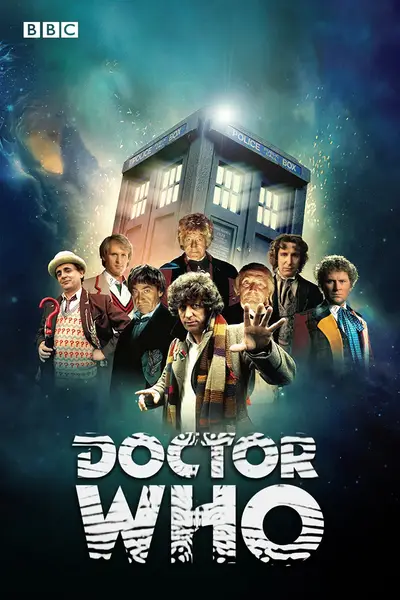
Science fiction television doesn't get more iconic, enduring, or downright brilliant than this British institution that has been captivating audiences across generations since its debut. The show's genius lies in its infinitely renewable format: a time-traveling alien called the Doctor, who regenerates into new bodies, explores all of time and space in a police box called the TARDIS. Created by Sydney Newman, C.E. Roberts, and Donald Wilson, the series has featured countless memorable Doctors, companions, and monsters (the Daleks and Cybermen remain genuinely chilling). Whether you're watching classic episodes from the original run or the revived series that began in 2005 with Russell T Davies at the helm, you'll find imaginative storytelling that balances humor, horror, and heart. The show's ability to reinvent itself while maintaining its essential spirit is unmatched in television history.
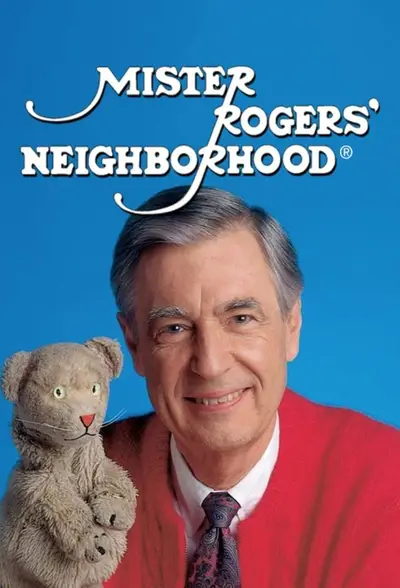
Fred Rogers hosts this gentle children's program from his iconic television neighborhood, speaking directly to young viewers with uncommon respect and emotional honesty. Over thirty-three seasons, Rogers tackled everything from everyday anxieties to difficult topics like death, divorce, and disability, always at a child's eye level. The show's deliberate pacing, which includes visits to the Neighborhood of Make-Believe with puppets like King Friday XIII and Daniel Striped Tiger, feels almost revolutionary in its refusal to overstimulate. Rogers' sincerity and warmth are undeniable, and the program's positive impact on generations of children is well-documented. However, viewed through contemporary eyes, the show's slow pace and dated production values can test modern viewers' patience, including children accustomed to faster-paced programming. The educational content, while emotionally intelligent, sometimes feels didactic. The cultural significance and Rogers' genuine compassion for children remain powerful, but the series works better as nostalgia or historical artifact than as current children's entertainment. Its legacy matters more than its present-day watchability.
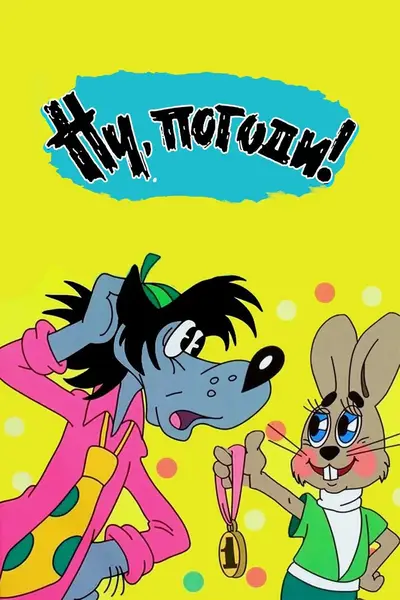
This classic Soviet animated series perfectly captures the timeless cat-and-mouse chase formula through the perpetual rivalry between a mischievous hare and the wolf who's determined to catch him. Created by Vyacheslav Kotyonochkin and spanning nearly two decades of production, the wordless episodes rely on expressive animation, slapstick humor, and memorable musical cues to tell their stories. The wolf's elaborate schemes to capture the clever hare always backfire in inventive and hilarious ways, following a formula that never grows stale thanks to the animators' creativity and attention to detail. What elevates this beyond simple children's entertainment is the cultural richness embedded in each episode—the characters visit recognizable Soviet locations, and the series subtly reflects the changing times across its many installments. Generations of viewers across Russia and Eastern Europe grew up with these characters, and the show's popularity endures because the comedy is genuinely funny and the craftsmanship evident in every frame. It's a treasure of animation history that transcends language barriers.
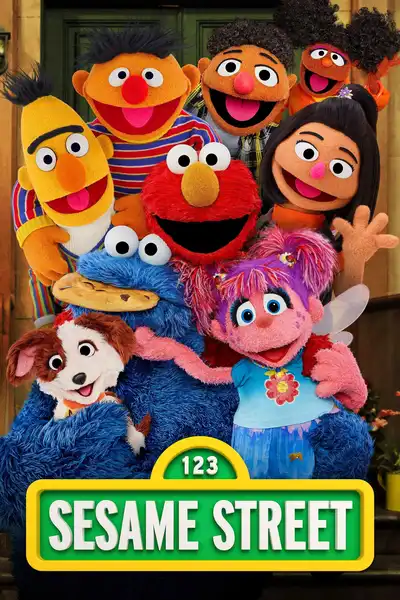
Joyful, educational, and endlessly inventive, this groundbreaking children's series has been teaching generations of kids letters, numbers, and life lessons since its debut over five decades ago. Created by Joan Ganz Cooney and Lloyd Morrisett, the show uses a brilliant combination of puppetry, animation, celebrity appearances, and catchy songs to make learning irresistible. The beloved Muppet characters—Big Bird, Elmo, Cookie Monster, Oscar the Grouch, and many more—have become cultural icons, each bringing distinct personalities that resonate with young viewers. What makes the show remarkable is its commitment to addressing real-world issues age-appropriately, from diversity and inclusion to emotional regulation and kindness. The educational content is research-backed and seamlessly woven into entertaining sketches that never feel like lessons. Decades of innovation have kept the format fresh while maintaining the warmth and humanity that make it special. It remains an essential part of childhood, proving that television can be both entertaining and genuinely enriching.
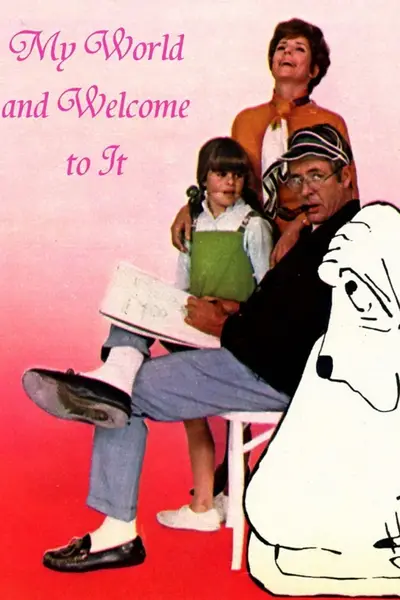
Created by Sheldon Leonard and based on the writings of humorist James Thurber, this late-'60s sitcom starred William Windom as John Monroe, a cartoonist whose fantasy life frequently intrudes upon his mundane reality. The series pioneered the use of animated sequences blended with live action to represent Monroe's imaginative escapism, a technique that was innovative for its time. Windom delivers a likable performance as the beleaguered everyman, though the show's gentle humor feels very much of its era, lacking the edge that might help it resonate with modern audiences. The animation, while charming, is limited by the technical constraints and budget of 1960s television. Episodes typically revolve around domestic situations and workplace frustrations, with Monroe's Walter Mitty-esque fantasies providing comic relief and visual interest. The series won an Emmy for Outstanding Comedy Series but lasted only one season, perhaps too quirky for mainstream audiences then and too dated for contemporary viewers now.
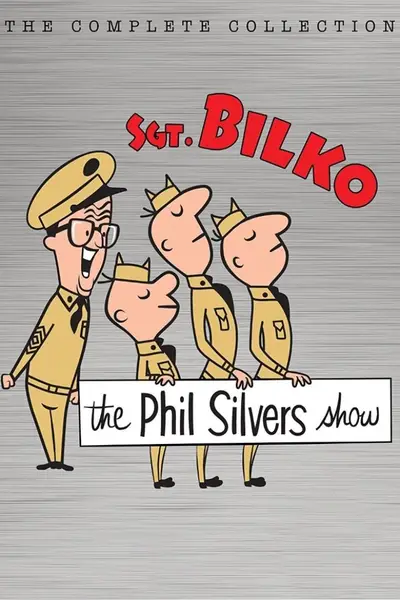
This military sitcom remains one of television's sharpest comedies, showcasing Phil Silvers in a career-defining performance as the scheming Master Sergeant Ernest Bilko. Created by Nat Hiken, the series follows Bilko's endless moneymaking schemes at a Kansas army base, where he runs the motor pool like his personal fiefdom while staying one step ahead of his exasperated commanding officer, Colonel Hall (Paul Ford). Silvers' rapid-fire delivery and impeccable comic timing elevate every episode, supported by a talented ensemble cast that includes Harvey Lembeck and Allan Melvin as Bilko's loyal accomplices. The writing is remarkably clever, with plots that layer complications upon complications before resolving in satisfying fashion. What could have been a one-joke premise instead became a masterclass in character-driven comedy that influenced countless shows to follow, earning multiple Emmy Awards and demonstrating that intelligent humor never goes out of style.
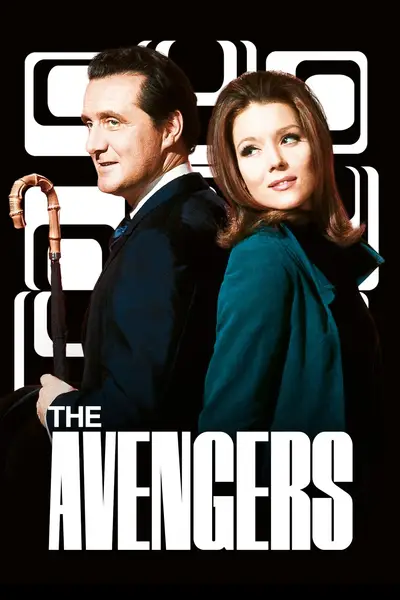
At its core, this British spy-fi classic is about style, wit, and the playful subversion of espionage conventions during the Cold War era. Created by Sydney Newman, the series stars Patrick Macnee as the unflappable John Steed, who partners with a succession of talented, independent women agents—most memorably Diana Rigg as Emma Peel and Honor Blackman as Cathy Gale. The show's greatest strength lies in its sophisticated blend of spy thriller, light comedy, and occasional surrealism, all delivered with quintessentially British panache. The chemistry between Macnee and Rigg remains iconic, establishing a template for equal partnership between male and female leads. While production values are naturally of their era, the sharp writing and inventive plots hold up remarkably well. The series understood that espionage adventures needn't be grim to be engaging, proving that bowler hats, umbrellas, and raised eyebrows could be as effective as gritty realism.
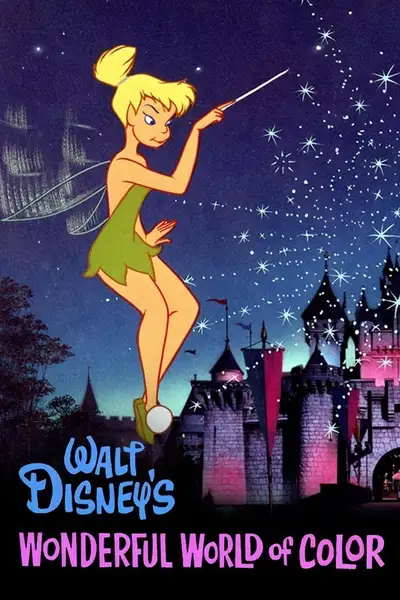
From 1954 onward, American television audiences welcomed this anthology series into their living rooms, establishing a weekly tradition that would span decades and help define family entertainment. Originally hosted by Walt Disney himself, the show served as a showcase for the studio's theatrical films, nature documentaries, behind-the-scenes features, and original programming organized into themed segments like Frontierland, Adventureland, and Tomorrowland. The series brilliantly functioned as both entertainment and marketing, introducing viewers to upcoming theatrical releases while building anticipation for Disneyland attractions. What makes it noteworthy beyond its commercial purposes is the quality and variety of content—from the Davy Crockett episodes that sparked a national phenomenon to educational nature films that were genuinely informative. The format evolved across various iterations and networks, but maintained its core mission of delivering wholesome, engaging content suitable for all ages. It remains a significant piece of television history that shaped American popular culture.

Don Adams stars as Maxwell Smart, Agent 86 of CONTROL, a hilariously inept secret agent battling the evil organization KAOS in this endlessly clever spy parody. Created by Mel Brooks and Buck Henry at the height of Cold War spy mania, the series brilliantly satirizes James Bond conventions while creating its own memorable comedy universe. Adams' physical comedy and impeccable timing make Max's incompetence genuinely endearing, while Barbara Feldon's Agent 99 provides the actual competence that saves missions. The show's inventive gadgets—from the iconic shoe phone to the cone of silence—became cultural touchstones, and the catchphrases remain quotable decades later. What's remarkable is how well the humor holds up; the chemistry between Adams and Feldon, combined with sharp writing that plays with spy genre tropes, creates timeless comedy that transcends its Cold War origins.
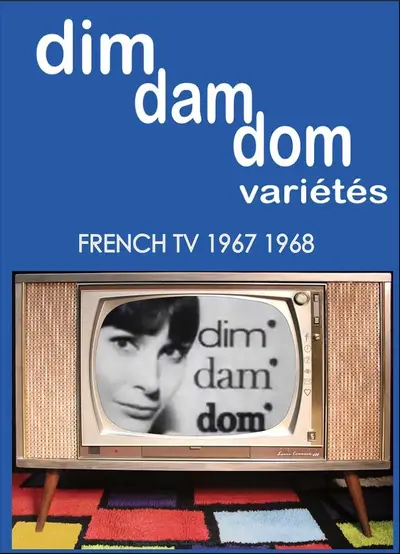
Innovative and delightfully unconventional, this 1965 children's variety series broke new ground in educational entertainment with its creative approach to teaching and engaging young audiences. Dim Dam Dom combined musical performances, animated segments, storytelling, and interactive elements in ways that felt revolutionary for its time. Created by a team of forward-thinking producers and hosted by engaging presenters, the series respected children's intelligence while never forgetting to entertain. The show featured early appearances by performers who would later become major stars, and its format influenced children's programming for decades to come. Watching episodes now reveals both how much television has changed and how certain approaches to connecting with young viewers remain timeless. The series' commitment to cultural education alongside pure entertainment set a standard many subsequent programs tried to emulate. It's a fascinating piece of television history that still offers genuine charm and creativity.
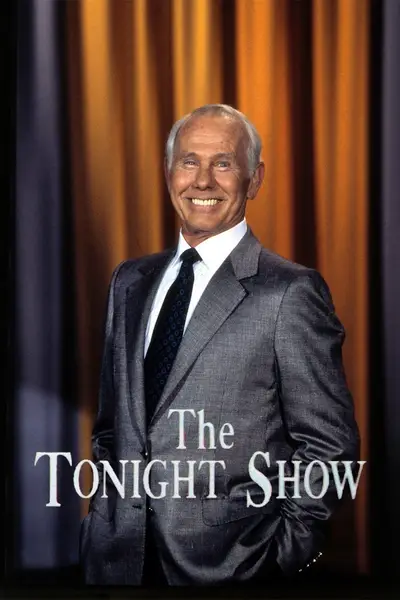
This groundbreaking talk show transformed late-night television during its three-decade run, with host Johnny Carson establishing the format that countless successors would emulate. Carson's particular genius lay in his ability to make conversation seem effortless—whether interviewing Hollywood stars, showcasing emerging comedians, or bantering with sidekick Ed McMahon and bandleader Doc Severinsen. The show launched careers for comedians like David Letterman, Jerry Seinfeld, and Joan Rivers, who cut their teeth in Carson's spotlight. Beyond the celebrity interviews, Carson's monologues set the standard for topical humor, and recurring sketches like Carnac the Magnificent became cultural touchstones. The pacing feels different from contemporary late-night television—more relaxed, with room for conversations to develop naturally rather than racing through segments. For viewers interested in television history or simply quality entertainment, the available episodes demonstrate why Carson remained unchallenged as late-night's king for so long.

Long-running and genuinely beloved, this BBC series brings the joys and challenges of gardening to viewers through practical advice, seasonal features, and visits to remarkable gardens across Britain. Currently hosted by Monty Don, whose warm presence and genuine expertise have made him the face of British gardening television, the show demystifies horticultural practices for amateurs while offering enough depth to engage experienced gardeners. The format is comforting in its consistency—seasonal tasks, problem-solving segments, and features on different gardening styles—while remaining responsive to contemporary concerns like sustainable practices and climate adaptation. Special episodes featuring historic estates or international gardens provide visual splendor, but the show's heart lies in its practical demonstrations and encouragement of viewers' own efforts. It's television as gentle education, fostering connection with nature and celebrating the patience and observation required for successful gardening across decades of changing trends and techniques.
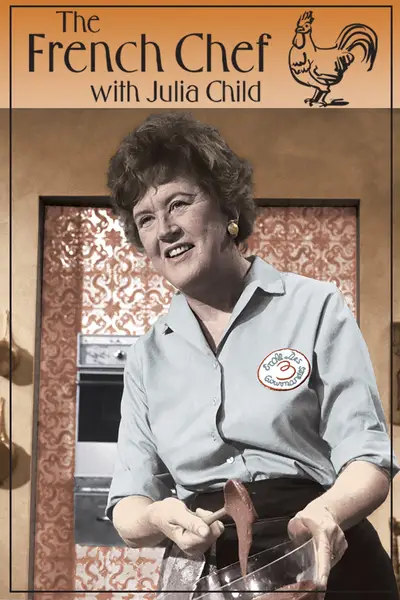
There's no real conflict here—just Julia Child's infectious enthusiasm for cooking and her determination to demystify French cuisine for American home cooks. Produced by WGBH Boston, this groundbreaking cooking show brought Child's singular personality into American kitchens, where her towering presence, warbling voice, and unapologetic approach to kitchen mishaps made her a television icon. The format is simple: Child prepares classic French dishes while explaining techniques, offering tips, and occasionally dropping utensils or improvising when things don't go according to plan. By modern cooking show standards, the production is bare-bones—one camera, minimal editing, real-time cooking—but Child's charisma carries every episode. The lack of dramatic tension or competition means the show is primarily valuable as instruction and historical document rather than entertainment in the contemporary sense. For culinary students and anyone interested in the history of food television, it's essential viewing, though the leisurely pace may test the patience of viewers accustomed to today's faster-paced cooking content.
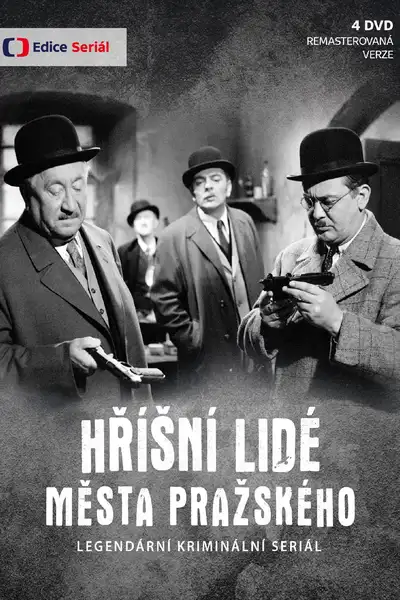
Captivating and richly textured, this Czech period drama from 1969 immerses viewers in the lives of Prague's residents during a transformative era in the city's history. Director Jaroslav Dudek crafts a sprawling narrative that weaves together multiple storylines, creating a vivid tapestry of human experience that ranges from the comedic to the tragic. The series excels at capturing the distinctive atmosphere of Prague itself, treating the city as more than mere backdrop but as a character in its own right. The ensemble cast delivers uniformly excellent performances, bringing depth and nuance to characters who represent different social strata and moral perspectives. It's a thoughtful examination of how ordinary people navigate extraordinary circumstances, balancing personal desires against social expectations.
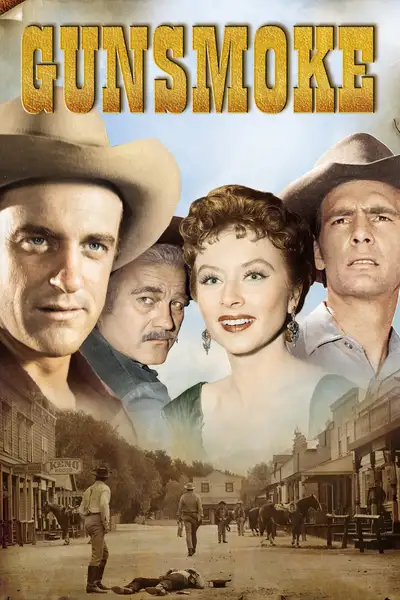
This Western drama set in Dodge City, Kansas, during the 1870s remains one of television's longest-running and most influential series. James Arness anchors the show as Marshal Matt Dillon, bringing quiet authority and moral complexity to a character who could have been a simple good-guy archetype. Creator Charles Marquis Warren and the writing team crafted stories that explored frontier justice, community building, and the costs of violence with surprising sophistication. The supporting cast, including Milburn Stone as Doc Adams and Amanda Blake as Kitty Russell, created one of TV's first truly ensemble dramas. What sets the series apart is its willingness to embrace moral ambiguity and let episodes end without tidy resolutions. The show's influence on both television and film Westerns cannot be overstated, and its best episodes hold up remarkably well.
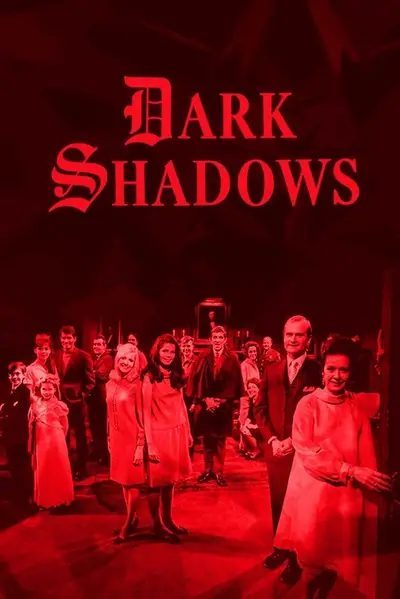
The Collins family mansion holds dark secrets that extend far beyond typical Gothic melodrama in this groundbreaking daytime soap opera that introduced supernatural elements to afternoon television. What began as a conventional family drama transformed when creator Dan Curtis brought in vampire Barnabas Collins, played with brooding intensity by Jonathan Frid, whose arrival turned the series into a cultural phenomenon. The show's willingness to embrace horror tropes—vampires, witches, werewolves, time travel, and parallel dimensions—within a soap opera framework was revolutionary for its time. While production constraints meant wobbly sets, visible boom mics, and occasional flubbed lines (the show aired live-to-tape with minimal retakes), these imperfections became part of its charm. The sprawling storylines could be convoluted, and pacing varied wildly, but the commitment to atmospheric storytelling and complex mythology created devoted fans. The ensemble cast brought surprising depth to outlandish scenarios, treating the material with sincerity that sold even the most absurd plot developments. For viewers interested in television history or Gothic storytelling, Dark Shadows remains a fascinating artifact that influenced countless supernatural dramas to come.
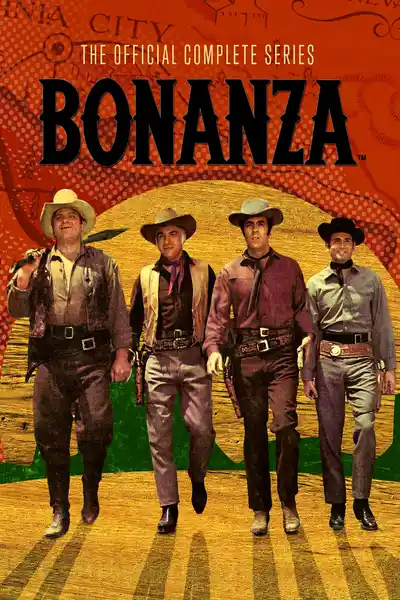
The struggle to maintain a prosperous ranch in 1860s Nevada provides the framework for this long-running Western that became one of television's most successful series. Created by David Dortort, Bonanza follows widower Ben Cartwright (Lorne Greene) and his three sons—Adam (Pernell Roberts), Hoss (Dan Blocker), and Little Joe (Michael Landon)—as they defend their Ponderosa ranch against claim jumpers, outlaws, and various threats while navigating moral dilemmas. The series distinguished itself by emphasizing family bonds and ethical questions over simple gunfights, though plenty of action remains. The episodic format means quality varies wildly across fourteen seasons and over 400 episodes, with some installments offering thoughtful commentary on prejudice and justice while others fall into Western clichés. The characters' essential decency and the show's fundamental wholesomeness feel quaint by modern standards, and the pacing drags by contemporary measures. Still, the craftsmanship and performances hold up better than expected, making it worthwhile for Western enthusiasts and television history buffs.
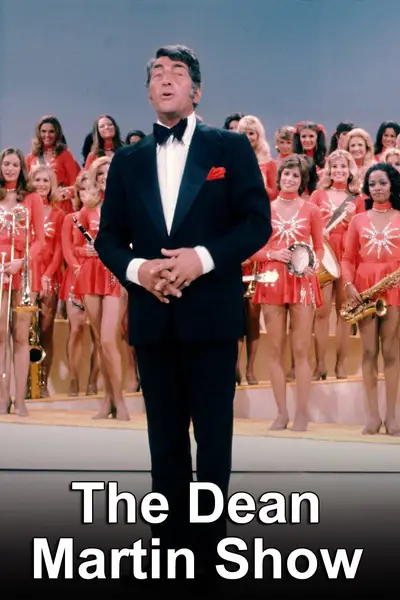
A beloved entertainer hosts an hour of music, comedy sketches, and celebrity guests in this classic variety show that defined an era of television. Dean Martin brings his signature laid-back charm and impeccable timing to each episode, creating an atmosphere that feels like an intimate gathering rather than a scripted production. The show features musical performances ranging from big band standards to contemporary hits of the 1960s and 70s, alongside comedy routines with guest stars from Hollywood's golden age. Martin's seemingly effortless hosting style—complete with his trademark cocktail glass—set the template for variety shows that followed. The production values showcase the era's commitment to live entertainment, with elaborate sets and full orchestras. While some sketches feel dated, the show's warmth and Martin's genuine rapport with guests remain thoroughly engaging. It's a delightful time capsule that reminds us why variety television once dominated primetime.

British football fans gather around their televisions every week to watch highlights from the latest Premier League matches, analyzed by expert pundits who dissect every goal, save, and controversial decision. This BBC institution has been providing football coverage since 1964, making it one of the longest-running sports programs in television history. Hosted over the decades by legendary presenters like Des Lynam and Gary Lineker, the show has become as much a part of British culture as the sport itself. The format is straightforward—match highlights, analysis, and discussion—but the quality of punditry from former players like Alan Shearer and Ian Wright elevates the content. For international viewers, it offers an accessible entry point to understanding English football culture. The show continues to adapt, incorporating social media reactions and modern analytics while maintaining its traditional appeal.
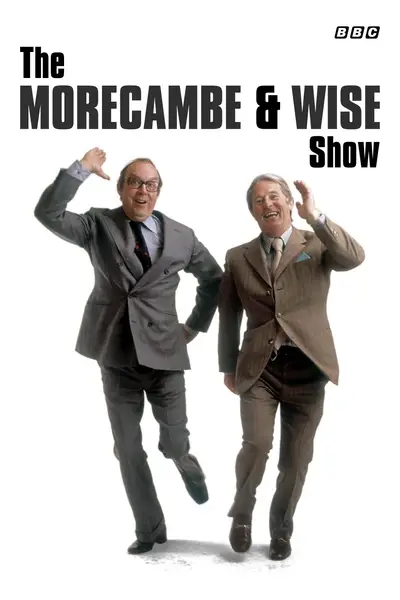
This landmark British variety show showcases the impeccable chemistry between comedians Eric Morecambe and Ernie Wise, whose double act became one of the most beloved in entertainment history. The Morecambe & Wise Show combines sketch comedy, musical performances, and celebrity guests in a format that seems deceptively simple but requires extraordinary timing and charisma to execute successfully. Eric's physical comedy and seemingly chaotic energy perfectly complements Ernie's straight-man exasperation, creating a dynamic that never grows stale across multiple seasons. The guest stars—often major names willing to be the butt of jokes—demonstrate the duo's industry respect and their sketches' clever writing. What distinguishes this from other variety shows is the warmth underlying every joke; even when the humor is at someone's expense, it feels affectionate rather than mean-spirited. The production may look dated, but the comedy remains sharp and the rapport between the leads is timeless. It's a masterclass in partnership and comedic craft from an era when variety television ruled.