Best Shows of 1966
Television in 1966 marked a transformative era when networks pushed creative boundaries and audiences embraced bold new programming that would influence generations to come. The best shows of 1966 represent a fascinating snapshot of television history, showcasing everything from supernatural soap operas and science fiction adventures to groundbreaking sitcoms and gritty dramas that tackled contemporary social issues. This remarkable year delivered innovative storytelling, memorable characters, and genre-defining series that captivated viewers across multiple demographics. Whether you're drawn to time-traveling escapades, gothic mysteries, animated satire, or pioneering ensemble dramas, the television landscape of 1966 offered something extraordinary for every taste. These 21 standout shows feature award-winning performances from talented casts, visionary creators who weren't afraid to take risks, and production values that stretched the limits of what television could achieve. From British imports that charmed international audiences to American network staples that became cultural phenomena, this carefully curated selection highlights the programs that not only dominated ratings and critical acclaim in their time but continue to resonate with classic television enthusiasts today, proving that exceptional storytelling truly stands the test of time.
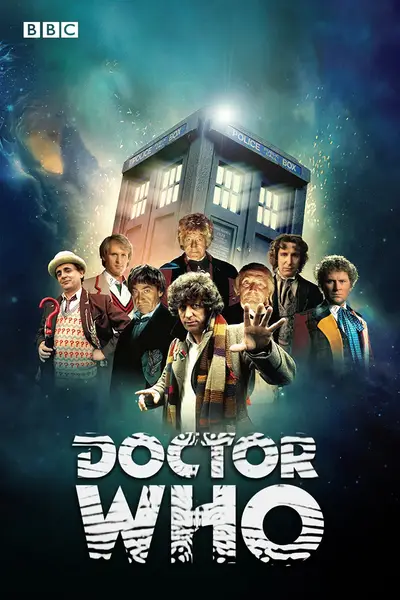
Science fiction television doesn't get more iconic, enduring, or downright brilliant than this British institution that has been captivating audiences across generations since its debut. The show's genius lies in its infinitely renewable format: a time-traveling alien called the Doctor, who regenerates into new bodies, explores all of time and space in a police box called the TARDIS. Created by Sydney Newman, C.E. Roberts, and Donald Wilson, the series has featured countless memorable Doctors, companions, and monsters (the Daleks and Cybermen remain genuinely chilling). Whether you're watching classic episodes from the original run or the revived series that began in 2005 with Russell T Davies at the helm, you'll find imaginative storytelling that balances humor, horror, and heart. The show's ability to reinvent itself while maintaining its essential spirit is unmatched in television history.
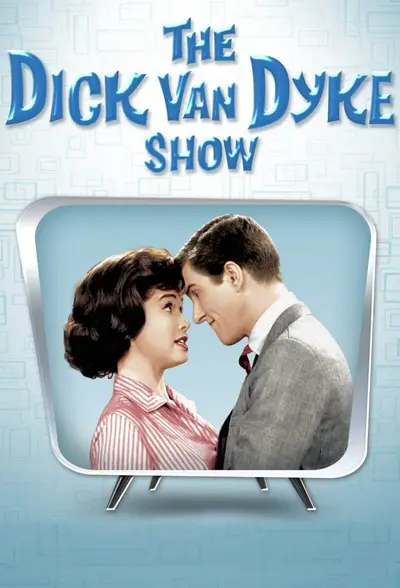
A comedy writer navigates the chaos of television production while balancing suburban family life in this enduringly charming sitcom that defined the genre for decades to come. Dick Van Dyke stars as Rob Petrie, bringing his signature physical comedy and genuine warmth to a role that feels remarkably grounded despite the laughs. Creator Carl Reiner drew from his own experiences writing for Sid Caesar to craft scripts that feel both timeless and specific, while Mary Tyler Moore revolutionized the portrayal of television wives as the intelligent, independent Laura Petrie. The workplace dynamics at the fictional Alan Brady Show provide endless comic possibilities, with Morey Amsterdam and Rose Marie delivering rapid-fire one-liners as Rob's writing partners. What could have been a standard domestic comedy instead became something smarter and more influential.
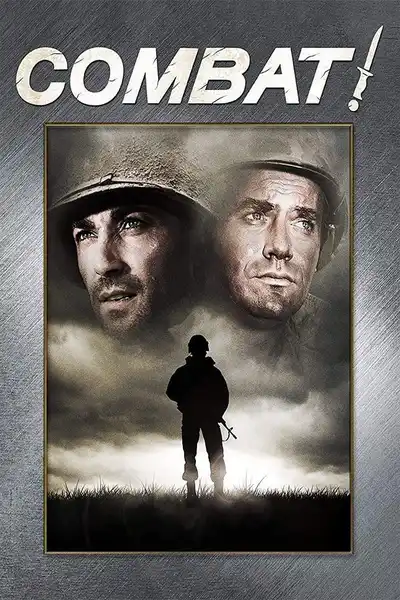
Set in war-torn France during World War II, this exceptional combat drama follows a squad of American infantrymen from 1942 through the liberation of Europe. Created by Robert Pirosh, who drew from his own wartime experiences, the series stars Vic Morrow as Sergeant Chip Saunders and Rick Jason as Lieutenant Gil Hanley, leading their men through harrowing missions behind enemy lines. What distinguishes the show is its commitment to authenticity and its willingness to explore the moral complexities of warfare rather than glorifying it. The character development is outstanding, with each squad member receiving meaningful storylines that humanize the costs of combat. The production values remain impressive, featuring realistic battle sequences and location shooting that captures the European theater convincingly. It's a thoughtful, well-crafted series that treats its subject matter with the gravity and respect it deserves.
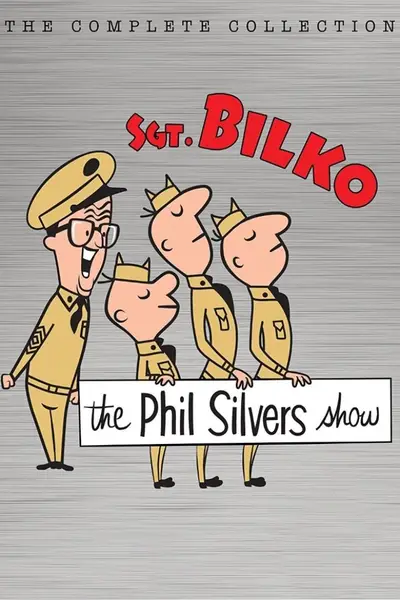
This military sitcom remains one of television's sharpest comedies, showcasing Phil Silvers in a career-defining performance as the scheming Master Sergeant Ernest Bilko. Created by Nat Hiken, the series follows Bilko's endless moneymaking schemes at a Kansas army base, where he runs the motor pool like his personal fiefdom while staying one step ahead of his exasperated commanding officer, Colonel Hall (Paul Ford). Silvers' rapid-fire delivery and impeccable comic timing elevate every episode, supported by a talented ensemble cast that includes Harvey Lembeck and Allan Melvin as Bilko's loyal accomplices. The writing is remarkably clever, with plots that layer complications upon complications before resolving in satisfying fashion. What could have been a one-joke premise instead became a masterclass in character-driven comedy that influenced countless shows to follow, earning multiple Emmy Awards and demonstrating that intelligent humor never goes out of style.
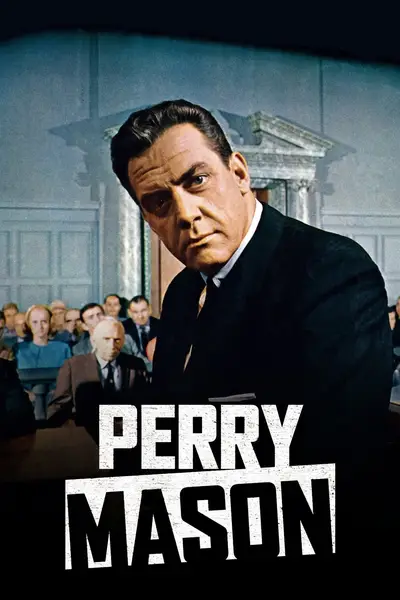
Erie Stanley Gardner's creation comes to life through this landmark legal drama that established the courtroom procedural format for generations to come. Raymond Burr delivers an iconic performance as defense attorney Perry Mason, whose meticulous preparation and courtroom brilliance consistently expose the real criminals while exonerating his wrongly accused clients. Barbara Hale co-stars as Della Street, Mason's indispensable secretary, while William Hopper plays investigator Paul Drake—together forming television's first great legal team. The series' formula became legendary: each episode builds toward a courtroom climax where Perry's cross-examination breaks the actual guilty party, usually producing a dramatic confession. What keeps the format engaging across 271 episodes is Burr's commanding presence and the scripts' attention to legal detail that respects audience intelligence. The black-and-white cinematography lends noir atmosphere to procedural storytelling, while the supporting cast provides consistency across hundreds of cases. Perry Mason represents television's golden age at its finest, proving that formula-driven storytelling can achieve excellence through strong performances, solid writing, and unwavering commitment to quality.
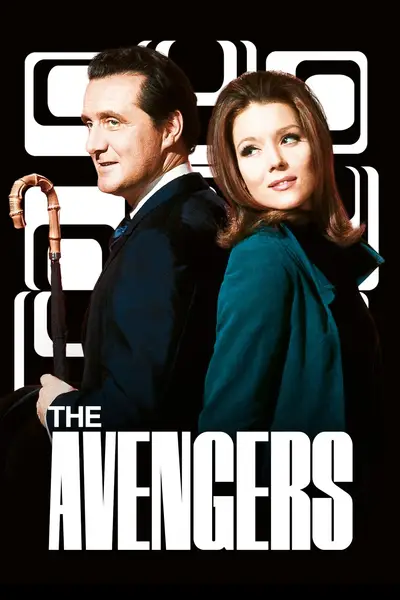
At its core, this British spy-fi classic is about style, wit, and the playful subversion of espionage conventions during the Cold War era. Created by Sydney Newman, the series stars Patrick Macnee as the unflappable John Steed, who partners with a succession of talented, independent women agents—most memorably Diana Rigg as Emma Peel and Honor Blackman as Cathy Gale. The show's greatest strength lies in its sophisticated blend of spy thriller, light comedy, and occasional surrealism, all delivered with quintessentially British panache. The chemistry between Macnee and Rigg remains iconic, establishing a template for equal partnership between male and female leads. While production values are naturally of their era, the sharp writing and inventive plots hold up remarkably well. The series understood that espionage adventures needn't be grim to be engaging, proving that bowler hats, umbrellas, and raised eyebrows could be as effective as gritty realism.
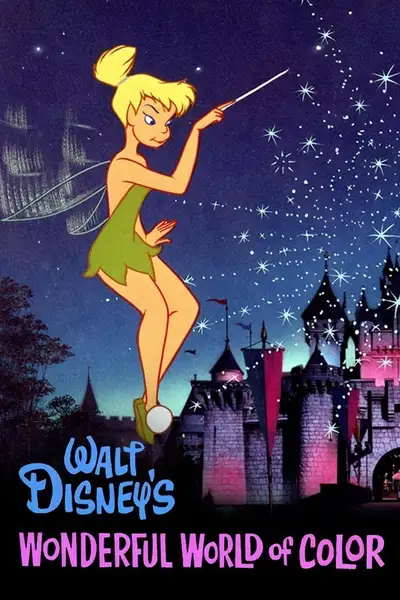
From 1954 onward, American television audiences welcomed this anthology series into their living rooms, establishing a weekly tradition that would span decades and help define family entertainment. Originally hosted by Walt Disney himself, the show served as a showcase for the studio's theatrical films, nature documentaries, behind-the-scenes features, and original programming organized into themed segments like Frontierland, Adventureland, and Tomorrowland. The series brilliantly functioned as both entertainment and marketing, introducing viewers to upcoming theatrical releases while building anticipation for Disneyland attractions. What makes it noteworthy beyond its commercial purposes is the quality and variety of content—from the Davy Crockett episodes that sparked a national phenomenon to educational nature films that were genuinely informative. The format evolved across various iterations and networks, but maintained its core mission of delivering wholesome, engaging content suitable for all ages. It remains a significant piece of television history that shaped American popular culture.

Don Adams stars as Maxwell Smart, Agent 86 of CONTROL, a hilariously inept secret agent battling the evil organization KAOS in this endlessly clever spy parody. Created by Mel Brooks and Buck Henry at the height of Cold War spy mania, the series brilliantly satirizes James Bond conventions while creating its own memorable comedy universe. Adams' physical comedy and impeccable timing make Max's incompetence genuinely endearing, while Barbara Feldon's Agent 99 provides the actual competence that saves missions. The show's inventive gadgets—from the iconic shoe phone to the cone of silence—became cultural touchstones, and the catchphrases remain quotable decades later. What's remarkable is how well the humor holds up; the chemistry between Adams and Feldon, combined with sharp writing that plays with spy genre tropes, creates timeless comedy that transcends its Cold War origins.
Innovative and delightfully unconventional, this 1965 children's variety series broke new ground in educational entertainment with its creative approach to teaching and engaging young audiences. Dim Dam Dom combined musical performances, animated segments, storytelling, and interactive elements in ways that felt revolutionary for its time. Created by a team of forward-thinking producers and hosted by engaging presenters, the series respected children's intelligence while never forgetting to entertain. The show featured early appearances by performers who would later become major stars, and its format influenced children's programming for decades to come. Watching episodes now reveals both how much television has changed and how certain approaches to connecting with young viewers remain timeless. The series' commitment to cultural education alongside pure entertainment set a standard many subsequent programs tried to emulate. It's a fascinating piece of television history that still offers genuine charm and creativity.
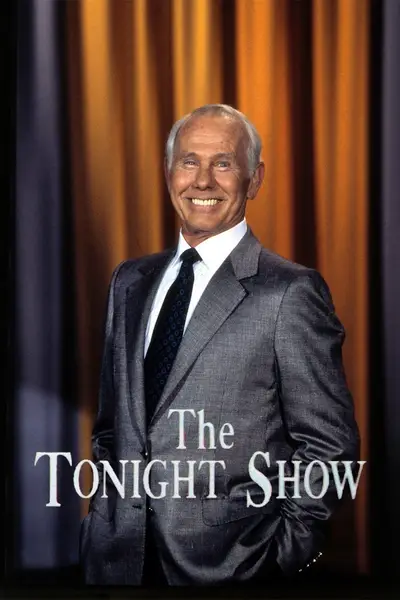
This groundbreaking talk show transformed late-night television during its three-decade run, with host Johnny Carson establishing the format that countless successors would emulate. Carson's particular genius lay in his ability to make conversation seem effortless—whether interviewing Hollywood stars, showcasing emerging comedians, or bantering with sidekick Ed McMahon and bandleader Doc Severinsen. The show launched careers for comedians like David Letterman, Jerry Seinfeld, and Joan Rivers, who cut their teeth in Carson's spotlight. Beyond the celebrity interviews, Carson's monologues set the standard for topical humor, and recurring sketches like Carnac the Magnificent became cultural touchstones. The pacing feels different from contemporary late-night television—more relaxed, with room for conversations to develop naturally rather than racing through segments. For viewers interested in television history or simply quality entertainment, the available episodes demonstrate why Carson remained unchallenged as late-night's king for so long.
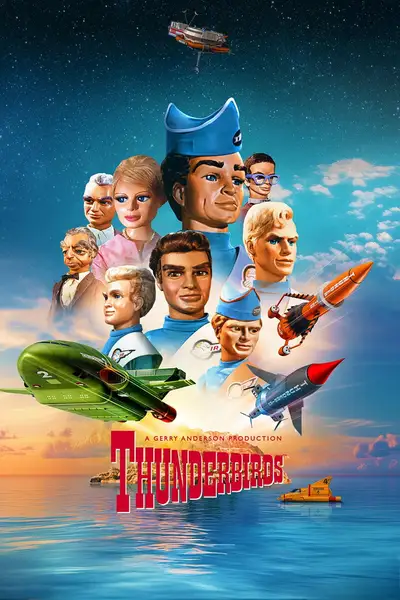
This classic science fiction puppet series created by Gerry and Sylvia Anderson follows International Rescue, a secret organization that uses advanced vehicles to save lives around the world. The Tracy family, led by former astronaut Jeff Tracy and his five sons, operates from a hidden island base, deploying their incredible Thunderbird machines whenever disaster strikes. Using Supermarionation—the Andersons' innovative puppetry technique—the show combines miniature effects with surprisingly sophisticated storytelling for its era. While the puppet performances have their limitations and the pacing reflects 1960s television conventions, the imaginative vehicle designs and elaborate rescue sequences remain impressive. The series' optimistic vision of technology used purely for humanitarian purposes carries a certain nostalgic appeal, though modern viewers may find some episodes slow. For its time, the special effects were groundbreaking, and the show's influence on subsequent science fiction is undeniable, even if it doesn't always hold up by contemporary standards.
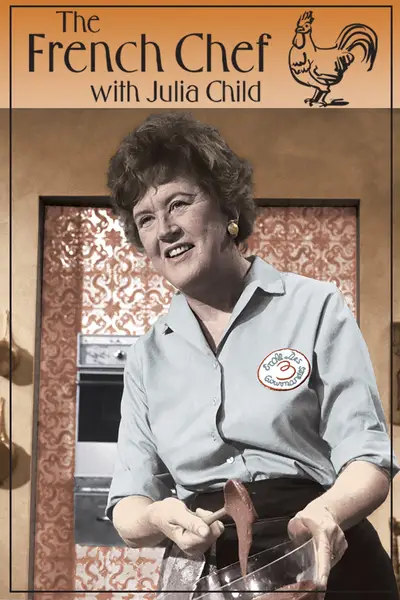
There's no real conflict here—just Julia Child's infectious enthusiasm for cooking and her determination to demystify French cuisine for American home cooks. Produced by WGBH Boston, this groundbreaking cooking show brought Child's singular personality into American kitchens, where her towering presence, warbling voice, and unapologetic approach to kitchen mishaps made her a television icon. The format is simple: Child prepares classic French dishes while explaining techniques, offering tips, and occasionally dropping utensils or improvising when things don't go according to plan. By modern cooking show standards, the production is bare-bones—one camera, minimal editing, real-time cooking—but Child's charisma carries every episode. The lack of dramatic tension or competition means the show is primarily valuable as instruction and historical document rather than entertainment in the contemporary sense. For culinary students and anyone interested in the history of food television, it's essential viewing, though the leisurely pace may test the patience of viewers accustomed to today's faster-paced cooking content.
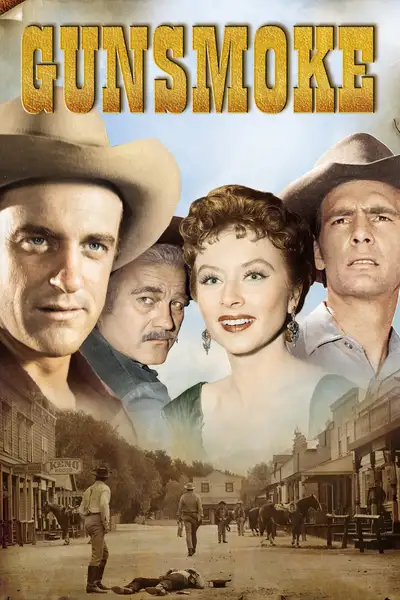
This Western drama set in Dodge City, Kansas, during the 1870s remains one of television's longest-running and most influential series. James Arness anchors the show as Marshal Matt Dillon, bringing quiet authority and moral complexity to a character who could have been a simple good-guy archetype. Creator Charles Marquis Warren and the writing team crafted stories that explored frontier justice, community building, and the costs of violence with surprising sophistication. The supporting cast, including Milburn Stone as Doc Adams and Amanda Blake as Kitty Russell, created one of TV's first truly ensemble dramas. What sets the series apart is its willingness to embrace moral ambiguity and let episodes end without tidy resolutions. The show's influence on both television and film Westerns cannot be overstated, and its best episodes hold up remarkably well.
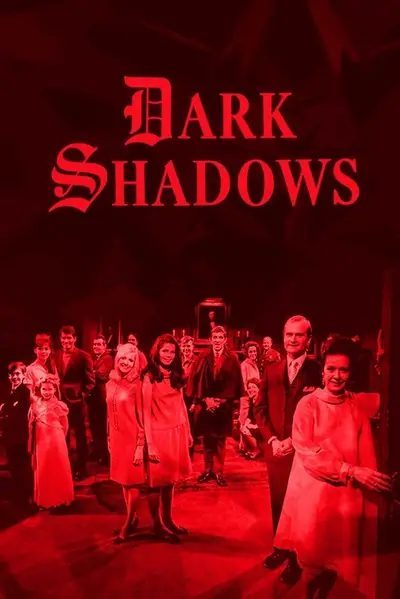
The Collins family mansion holds dark secrets that extend far beyond typical Gothic melodrama in this groundbreaking daytime soap opera that introduced supernatural elements to afternoon television. What began as a conventional family drama transformed when creator Dan Curtis brought in vampire Barnabas Collins, played with brooding intensity by Jonathan Frid, whose arrival turned the series into a cultural phenomenon. The show's willingness to embrace horror tropes—vampires, witches, werewolves, time travel, and parallel dimensions—within a soap opera framework was revolutionary for its time. While production constraints meant wobbly sets, visible boom mics, and occasional flubbed lines (the show aired live-to-tape with minimal retakes), these imperfections became part of its charm. The sprawling storylines could be convoluted, and pacing varied wildly, but the commitment to atmospheric storytelling and complex mythology created devoted fans. The ensemble cast brought surprising depth to outlandish scenarios, treating the material with sincerity that sold even the most absurd plot developments. For viewers interested in television history or Gothic storytelling, Dark Shadows remains a fascinating artifact that influenced countless supernatural dramas to come.
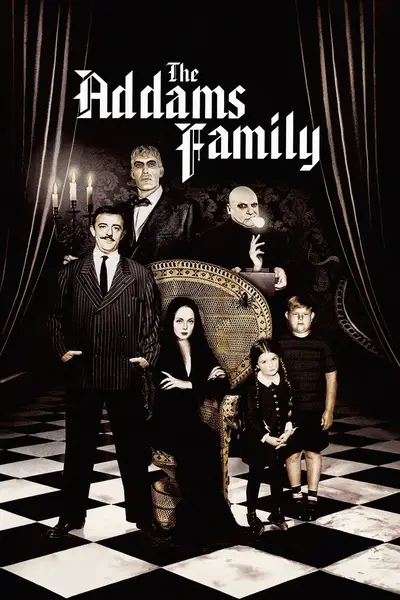
John Astin's portrayal of Gomez Addams anchors this delightfully macabre sitcom that turned the traditional American family on its head. Created by David Levy and based on Charles Addams' cartoons, the series follows the wealthy, ghoulish Addams clan as they navigate suburban life with their peculiar customs and morbid sensibilities. Carolyn Jones shines as the luminous Morticia, while Ted Cassidy's Lurch became an instant icon. What makes the show endure is its genuine warmth—beneath the cobwebs and torture devices lies a family that truly loves one another. The writing is sharp and witty, finding comedy in the contrast between the Addamses' macabre lifestyle and the "normal" world that finds them so unsettling. It's a clever inversion that never gets old, celebrating nonconformity with genuine affection rather than mockery.
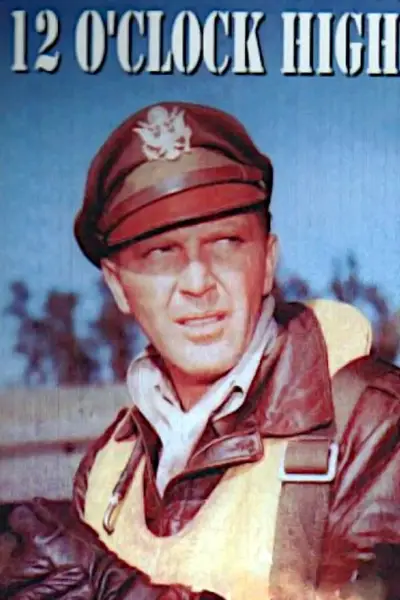
Robert Lansing leads as Brigadier General Frank Savage in this compelling World War II drama that brings the challenges of aerial command to vivid life. Based on the 1949 film of the same name, the series follows the 918th Bombardment Group as they conduct dangerous missions over Nazi-occupied Europe while grappling with the psychological toll of combat. Lansing delivers a nuanced performance as the tough but compassionate commander who must balance military objectives with the well-being of his men. The show excels at capturing both the technical aspects of B-17 bomber operations and the human drama of men under extraordinary pressure. With strong writing and excellent ensemble work from the supporting cast, this series stands as one of the finest military dramas of its era, offering thoughtful exploration of leadership, sacrifice, and the bonds formed in wartime.
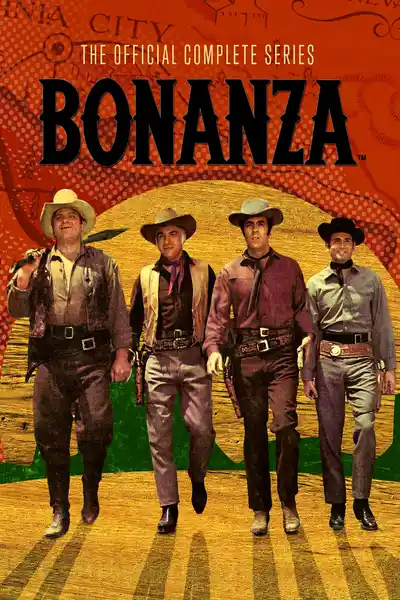
The struggle to maintain a prosperous ranch in 1860s Nevada provides the framework for this long-running Western that became one of television's most successful series. Created by David Dortort, Bonanza follows widower Ben Cartwright (Lorne Greene) and his three sons—Adam (Pernell Roberts), Hoss (Dan Blocker), and Little Joe (Michael Landon)—as they defend their Ponderosa ranch against claim jumpers, outlaws, and various threats while navigating moral dilemmas. The series distinguished itself by emphasizing family bonds and ethical questions over simple gunfights, though plenty of action remains. The episodic format means quality varies wildly across fourteen seasons and over 400 episodes, with some installments offering thoughtful commentary on prejudice and justice while others fall into Western clichés. The characters' essential decency and the show's fundamental wholesomeness feel quaint by modern standards, and the pacing drags by contemporary measures. Still, the craftsmanship and performances hold up better than expected, making it worthwhile for Western enthusiasts and television history buffs.
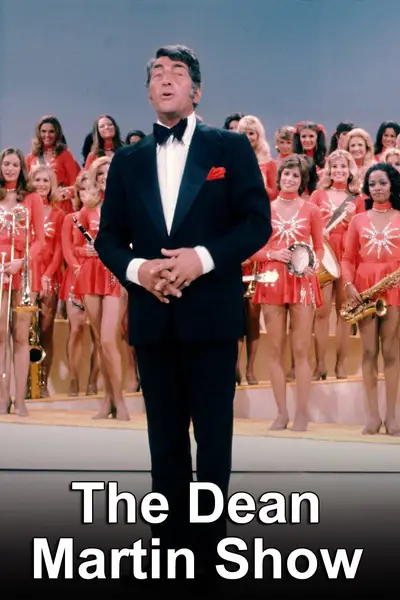
A beloved entertainer hosts an hour of music, comedy sketches, and celebrity guests in this classic variety show that defined an era of television. Dean Martin brings his signature laid-back charm and impeccable timing to each episode, creating an atmosphere that feels like an intimate gathering rather than a scripted production. The show features musical performances ranging from big band standards to contemporary hits of the 1960s and 70s, alongside comedy routines with guest stars from Hollywood's golden age. Martin's seemingly effortless hosting style—complete with his trademark cocktail glass—set the template for variety shows that followed. The production values showcase the era's commitment to live entertainment, with elaborate sets and full orchestras. While some sketches feel dated, the show's warmth and Martin's genuine rapport with guests remain thoroughly engaging. It's a delightful time capsule that reminds us why variety television once dominated primetime.

British football fans gather around their televisions every week to watch highlights from the latest Premier League matches, analyzed by expert pundits who dissect every goal, save, and controversial decision. This BBC institution has been providing football coverage since 1964, making it one of the longest-running sports programs in television history. Hosted over the decades by legendary presenters like Des Lynam and Gary Lineker, the show has become as much a part of British culture as the sport itself. The format is straightforward—match highlights, analysis, and discussion—but the quality of punditry from former players like Alan Shearer and Ian Wright elevates the content. For international viewers, it offers an accessible entry point to understanding English football culture. The show continues to adapt, incorporating social media reactions and modern analytics while maintaining its traditional appeal.
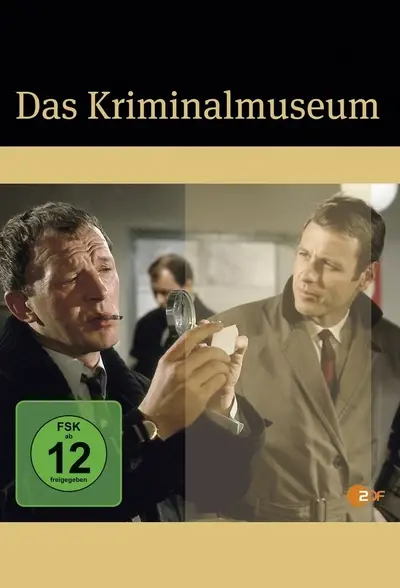
At its core, this German crime anthology explores how objects left behind at crime scenes tell stories of human darkness, desperation, and detective ingenuity across post-war Germany. Created by Günter Siegmund and hosted by actor Erik Ode as the museum's curator, each episode centers on an artifact from the Kriminalmuseum in Rothenburg ob der Tauber, using the item as a springboard into dramatized criminal cases. The anthology format allows for variety in tone and style while maintaining focus on the investigative process and the psychology behind criminal acts. The production captures the atmosphere of 1960s German television with theatrical staging and methodical storytelling that prizes cleverness over action. It's a fascinating time capsule that also happens to deliver solid procedural mysteries, showcasing how the crime genre has evolved while reminding us that human motives remain surprisingly consistent across decades.
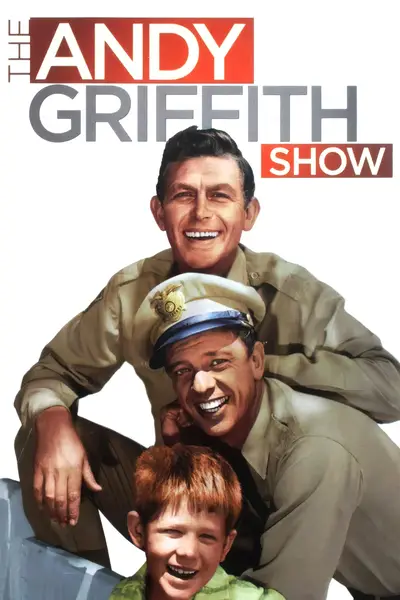
In this series set in the fictional town of Mayberry, North Carolina, Andy Griffith plays Sheriff Andy Taylor, a widowed lawman raising his son Opie while maintaining order with folksy wisdom and patient humor. Created by Sheldon Leonard, the show became a cultural phenomenon during its eight-season run, establishing a template for wholesome small-town sitcoms. Don Knotts as Deputy Barney Fife provided much of the comedy with his neurotic energy and bumbling enthusiasm, creating an iconic character that earned him five Emmy Awards. The show's appeal lies in its gentle humor and idealized vision of American small-town life, though modern viewers may find this idealization problematic, glossing over the complexities and inequalities of 1960s rural America. Ron Howard's performance as Opie added genuine warmth, and Frances Bavier as Aunt Bee completed the family unit. The show remains influential and beloved by many, but its rose-tinted nostalgia and glacial pacing can feel outdated. It's comfort viewing for some, though others may find it too sanitized and slow to connect with today.