Best Shows of 1954
The year 1954 marked a pivotal moment in television history, ushering in an era of groundbreaking programming that would forever change the entertainment landscape. As American households increasingly gathered around their television sets, networks delivered an impressive lineup of shows that combined innovative storytelling, memorable characters, and production values that pushed the medium forward. From family-friendly sitcoms that captured the essence of post-war domesticity to thrilling adventures that brought the Old West and heroic tales into living rooms across the nation, the best shows of 1954 represent the golden age of early television at its finest. These classic series not only captivated audiences with their compelling narratives and award-winning performances but also established storytelling templates that continue to influence television today. Whether you're a devoted fan of vintage television seeking to rediscover beloved favorites or a newcomer curious about the programs that defined an era, this carefully curated selection showcases the most influential and entertaining series that made 1954 an unforgettable year for the small screen.
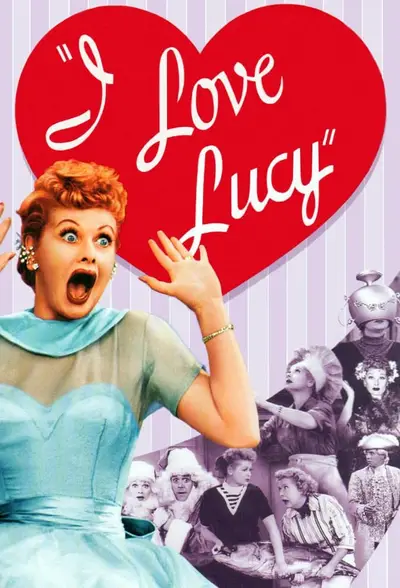
In the early 1950s New York City, a redheaded comedian and her Cuban bandleader husband navigate married life with more chaos than grace. Lucille Ball and Desi Arnaz created television history with this groundbreaking sitcom that established many conventions still used today. Ball's physical comedy remains unmatched—her expressions, timing, and willingness to look ridiculous in pursuit of a laugh set the standard for generations of performers. Whether Lucy's scheming to break into Ricky's show business world or the Ricardos are sparring with their landlords and best friends, Fred and Ethel Mertz (William Frawley and Vivian Vance), the humor feels both timeless and specific to its era. The show's influence on television comedy cannot be overstated, and its best episodes still generate genuine laughter seventy years later.
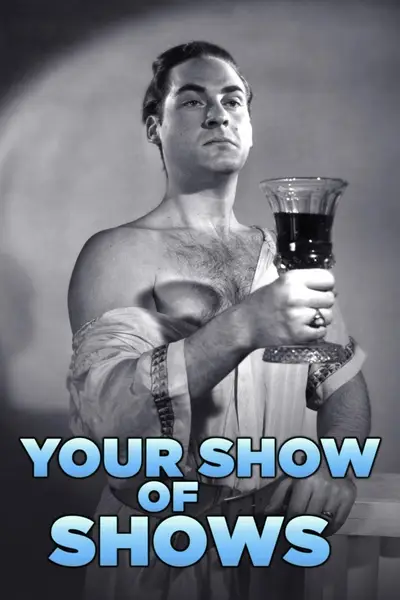
The battle to create groundbreaking live comedy under intense weekly pressure forms the core tension of this variety series from television's early golden age. Producers Max Liebman and Mel Tolkin assembled an extraordinary team including Sid Caesar, Imogene Coca, Carl Reiner, and Howard Morris, with a writers' room that famously included Mel Brooks, Neil Simon, and Woody Allen. The show's 90-minute live format meant every broadcast was a high-stakes endeavor, and while the ambition often paid off with innovative sketches and memorable performances, the results were inevitably inconsistent across its four-season run. Some segments showcase brilliant comedic timing and clever writing that holds up surprisingly well, while others feel labored or too tied to their specific cultural moment. The historical significance is undeniable, and the talent involved is remarkable, but modern viewers should approach with adjusted expectations for early television's limitations.
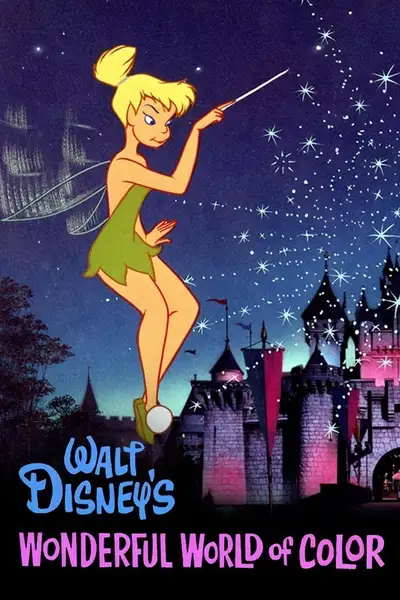
From 1954 onward, American television audiences welcomed this anthology series into their living rooms, establishing a weekly tradition that would span decades and help define family entertainment. Originally hosted by Walt Disney himself, the show served as a showcase for the studio's theatrical films, nature documentaries, behind-the-scenes features, and original programming organized into themed segments like Frontierland, Adventureland, and Tomorrowland. The series brilliantly functioned as both entertainment and marketing, introducing viewers to upcoming theatrical releases while building anticipation for Disneyland attractions. What makes it noteworthy beyond its commercial purposes is the quality and variety of content—from the Davy Crockett episodes that sparked a national phenomenon to educational nature films that were genuinely informative. The format evolved across various iterations and networks, but maintained its core mission of delivering wholesome, engaging content suitable for all ages. It remains a significant piece of television history that shaped American popular culture.
Heartfelt and earnest, this anthology series has delivered quality family-friendly programming for over seven decades, making it one of television's most enduring treasures. Each standalone presentation offers thoughtfully crafted stories ranging from literary adaptations to original dramas, consistently featuring top-tier talent both in front of and behind the camera. The series has showcased everyone from Julie Andrews to Christopher Plummer in productions that prioritize emotional resonance and strong storytelling over spectacle. What makes Hallmark Hall of Fame special is its commitment to uplifting narratives that don't shy away from real human struggles while maintaining an ultimately hopeful perspective. In an era of cynical television, these productions feel refreshingly sincere without being saccharine. For viewers seeking well-acted, meaningful stories the whole family can watch together, this venerable series continues delivering exactly that.
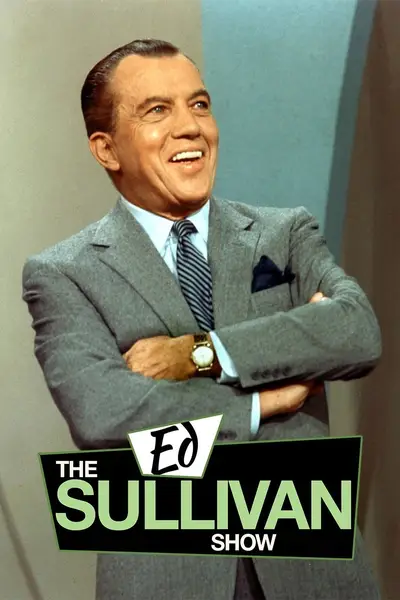
Every Sunday night, America gathered around their television sets to see what variety entertainment host Ed Sullivan had lined up for them, and for over two decades, this stage became the most important launching pad in showbusiness. The Ed Sullivan Show brought everything from Elvis Presley's controversial hip swivels to The Beatles' American debut, from Topo Gigio the Italian mouse puppet to performances by opera singers and circus acts. Sullivan himself was famously stiff and awkward on camera, but his genuine enthusiasm and impeccable eye for talent made him irreplaceable. The show's democratic approach to entertainment—mixing high culture with popular acts—helped shape American tastes and break down cultural barriers during a transformative era. It remains essential viewing for understanding mid-century American culture and the birth of television as a cultural force.
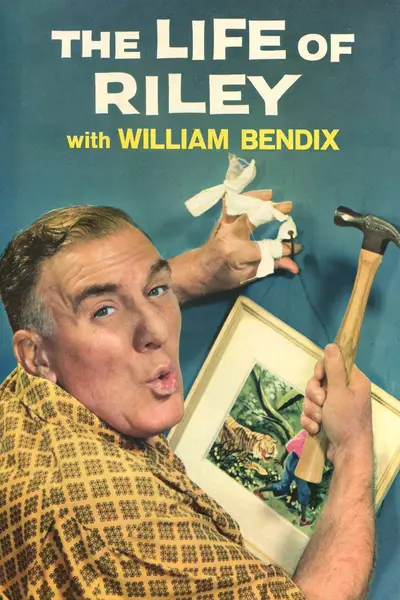
Chester A. Riley, a good-hearted but bumbling aircraft worker, stumbles through life's challenges with his patient wife Peg and their children by his side in this classic sitcom that defined family comedy for the 1950s. William Bendix stars as the lovable everyman whose signature catchphrase became part of American vernacular, bringing genuine warmth to Riley's blue-collar struggles. Created by Irving Brecher, the series excels at mining humor from everyday domestic situations—household repairs gone wrong, misunderstandings with the boss, teenage dating woes—without ever feeling mean-spirited. The show's gentle humor and fundamentally optimistic worldview provide a comforting window into post-war American family life. While the pacing feels leisurely by modern standards, there's an undeniable charm to Riley's weekly predicaments and the show's fundamental decency that makes it more than just a period curiosity.
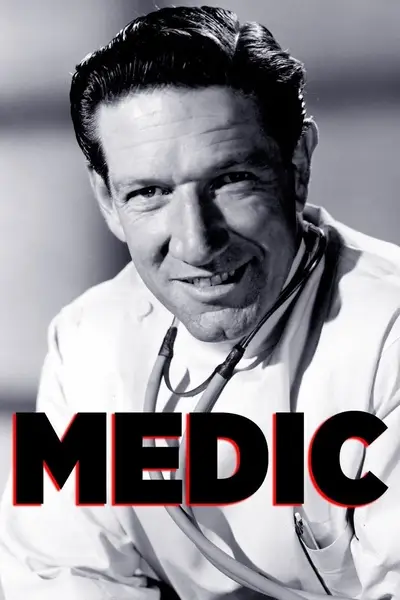
With documentary-style realism and restrained drama, this pioneering medical series brought unprecedented authenticity to 1950s television by filming in actual hospitals and featuring real medical professionals as advisors. Created by James Moser and starring Richard Boone as Dr. Konrad Styner, the show approached healthcare with seriousness and respect during an era when most TV drama leaned toward melodrama. Each episode tackled genuine medical situations with attention to procedure and ethics, educating audiences while entertaining them—a balance that influenced decades of medical shows to come. The production's commitment to accuracy extended to using real medical terminology and depicting actual treatments, giving viewers an honest window into a profession most only encountered during illness. Though the pacing feels measured by contemporary standards, the show's integrity and Boone's grounded performance create something genuinely engaging that transcends its era.
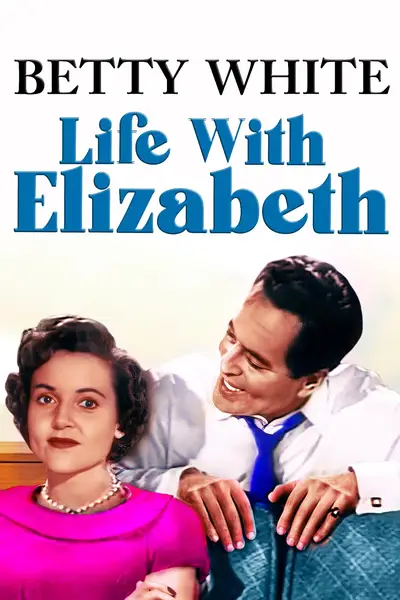
This lighthearted domestic comedy showcases early television's appetite for gentle, episodic humor centered on everyday married life. Starring Betty White and Del Moore as the title character Elizabeth and her husband Alvin, the series presents sketch-like vignettes of suburban existence in 1950s America. White, who also co-produced the series, brings her characteristic wit and timing to situations that range from household mishaps to social misunderstandings. The show's brief episodes and simple production reflect the technical and budgetary limitations of early television, which can make it feel slight compared to later, more sophisticated sitcoms. The humor is decidedly innocent and occasionally repetitive, relying on familiar domestic comedy tropes that were already becoming conventions. Still, White's talent is evident even in this early work, and there's a certain charm to the show's unpretentious approach. For fans of television history or Betty White completists, it offers a glimpse into the medium's formative years, though casual viewers may find it too dated for sustained engagement.
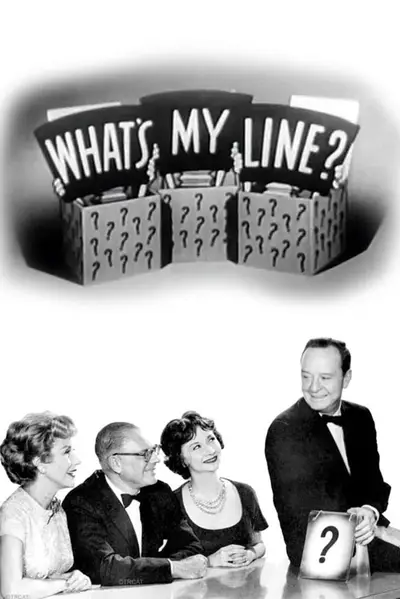
From 1950 through 1967, CBS became home to one of television's most elegant and enduring game shows, where celebrity panelists attempted to guess contestants' unusual occupations through yes-or-no questions. Hosted by John Charles Daly with regular panelists including Dorothy Kilgallen, Arlene Francis, and Bennett Cerf, the series epitomized mid-century sophistication with its black-tie dress code and witty repartee. The format was deceptively simple but allowed for genuine humor and showcased the panelists' cleverness as they pieced together clues about everything from professional pickle packers to exotic animal trainers. The "mystery guest" segment, featuring blindfolded panelists trying to identify a celebrity, added star power while maintaining the show's playful spirit. What's My Line? stands as a time capsule of an era when primetime game shows could be both intelligent and genuinely entertaining, proving that good-natured fun never goes out of style.
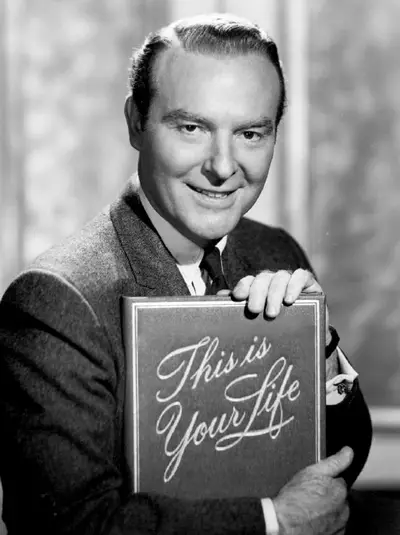
Ralph Edwards hosts this pioneering reality series that became a cultural phenomenon in 1950s television. Each episode brings an unsuspecting guest into the studio, where their life story unfolds through surprise appearances by friends, family, and notable figures from their past. The format was simple but effective: honoring ordinary people and celebrities alike by celebrating their achievements and relationships. While the show's earnest sentimentality can feel dated by today's standards, it remains a fascinating time capsule of mid-century American values and entertainment. The spontaneous reactions and genuine emotion captured on camera were groundbreaking for their time, though modern viewers may find the pacing slow and the format somewhat repetitive. It's worth sampling for its historical significance in shaping reality television.
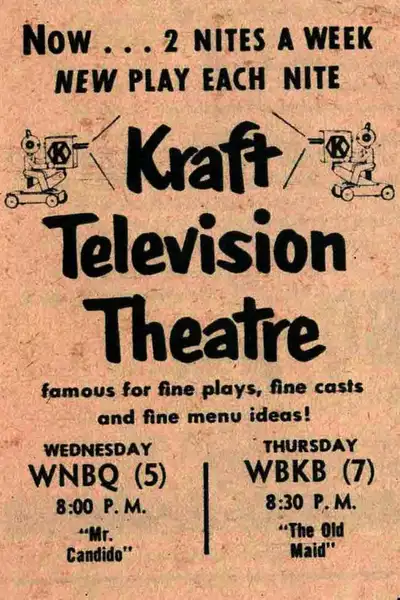
The tension between artistic ambition and commercial viability drives this pioneering anthology series, which brought live theatrical productions into American living rooms for over eleven years. Sponsored by Kraft Foods and created during television's golden age, the program showcased original teleplays and adapted stage works performed entirely live, creating an urgency that recorded television couldn't match. The rotating cast included emerging talents like Grace Kelly, Lee Remick, and James Dean alongside established theater actors, all navigating the unique challenges of performing for cameras in real-time. What distinguished *Kraft Television Theatre* from its anthology contemporaries was its willingness to tackle substantive dramatic material rather than purely escapist fare, though the need to please sponsors occasionally constrained creative choices. The technical limitations—visible boom mics, shaky cameras, occasional forgotten lines—became part of the charm, reminding viewers they were witnessing unrepeatable performances. While production values naturally feel dated, the series represents an important moment when television aspired to be a legitimate artistic medium rather than simply an entertainment delivery system.
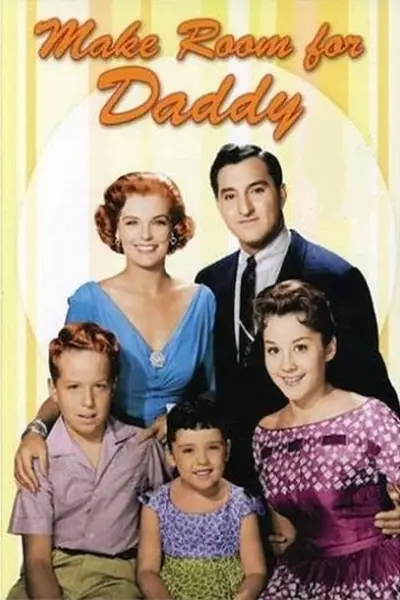
In this classic family sitcom, Danny Thomas stars as Danny Williams, a nightclub entertainer juggling his show business career with raising three children alongside his wife Margaret, played by Marjorie Lord (in later seasons). Created by Mel Shavelson, the series pioneered the showbiz-family format that would influence countless sitcoms, following Danny's attempts to balance late-night performances with morning parenting duties and the general chaos of household life. The show features the gentle, wholesome humor typical of 1950s television, with storylines focused on misunderstandings, moral lessons, and family bonding. Thomas's natural charisma carries much of the series, and the chemistry among cast members creates genuine warmth. However, viewed through contemporary eyes, the gender dynamics and idealized family situations feel dated, and the comedic pacing seems slower than modern audiences might expect. Guest appearances from figures like Hans Conried add entertainment value, and the series holds historical significance for popularizing the family sitcom format, though its appeal today is primarily nostalgic or for those studying television's evolution.
Eddie Cantor, Dean Martin, Jerry Lewis, and a rotating roster of Hollywood's biggest stars brought vaudeville-style entertainment into American living rooms with this pioneering variety show. Created as a vehicle for Colgate-Palmolive's sponsorship, the series alternated hosts weekly, offering a mix of comedy sketches, musical numbers, and celebrity guests that captured the transitional moment between radio and television entertainment. While the format feels dated by modern standards, there's genuine charm in watching performers who cut their teeth in live theater adapt to the new medium. The show's historical significance is undeniable—it helped establish the variety show template that would dominate prime time for decades. For classic TV enthusiasts, it's a fascinating window into early 1950s popular culture, even if the humor doesn't always translate across seven decades.
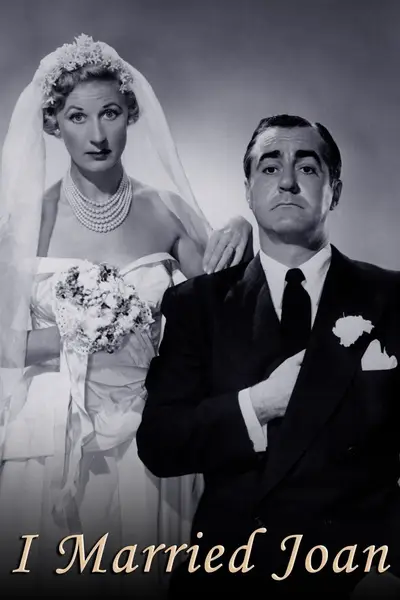
This sitcom centers on the chaotic domestic life of Joan Stevens, a well-meaning but disaster-prone housewife whose schemes and misunderstandings create endless complications for her patient judge husband. Joan Davis stars as the title character, bringing her physical comedy skills and impeccable timing to a role that feels like a spiritual cousin to I Love Lucy's formula—well-intentioned wife creates chaos, exasperated husband reacts, resolution follows. Created during the peak of the domestic sitcom boom, the show relies heavily on Davis's comedic abilities to sell familiar plots about household mishaps, social embarrassments, and communication mix-ups. Jim Backus plays Judge Bradley Stevens with appropriate long-suffering charm, serving as straight man to Davis's antics. The comedy is broad and the situations formulaic even by 1950s standards, which limits the show's appeal beyond nostalgia. For classic television historians and fans of early sitcom performers, Davis's work is worth studying, but the material itself offers little that wasn't done better elsewhere.
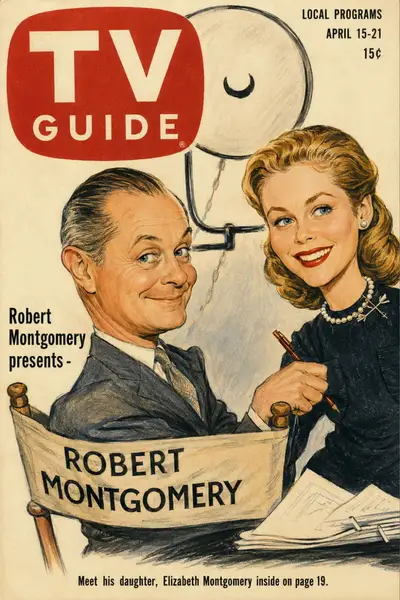
Between tradition and innovation, between theatrical roots and television's emerging possibilities, Robert Montgomery Presents navigated the tension of bringing quality dramatic entertainment to American living rooms in the medium's early years. Actor-producer Robert Montgomery hosted and occasionally starred in this anthology series that presented different stories each week, ranging from original teleplays to adaptations of established works. The central challenge was maintaining high production standards in television's infancy, and Montgomery's Hollywood experience proved invaluable in attracting notable talent both in front of and behind the camera. Each episode stood alone, allowing for variety in tone and subject matter while showcasing different performers in the anthology format that dominated early television drama. The series represented an important bridge between theatrical entertainment traditions and television's developing identity as its own medium. It's a historically significant piece of television's golden age worth exploring for context.
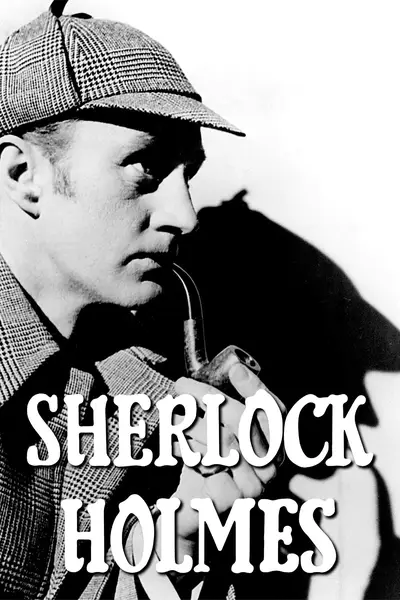
Alan Wheatley brings Victorian London's greatest detective to life in this early television adaptation that helped establish the visual language of Holmes on screen. Created during the golden age of live television, this series presents Sherlock Holmes and his faithful companion Dr. Watson (Raymond Francis) solving mysteries from the classic Arthur Conan Doyle canon. The production may feel stagey by modern standards, with its limited sets and straightforward cinematography, but Wheatley's thoughtful portrayal captures the detective's analytical brilliance without excessive theatricality. The series works best when focusing on the cerebral puzzle-solving that made the original stories enduring, offering a more restrained take on the character than many later adaptations. For fans interested in the evolution of Holmes on television or those who appreciate classic mystery storytelling without contemporary embellishment, this represents an important piece of detective drama history.
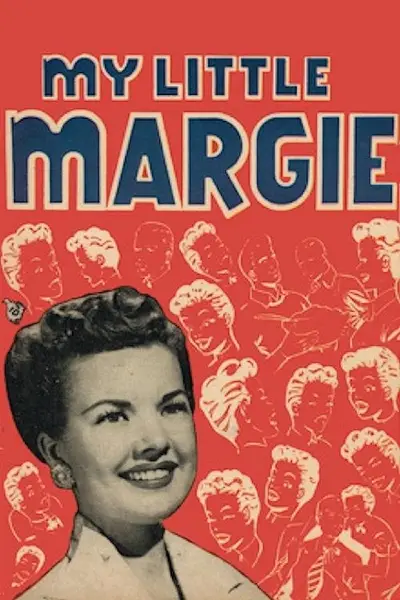
The generational tension between independent Margie and her protective father Vernon drives this 1950s sitcom through its various domestic complications. Starring Gale Storm as the titular character and Charles Farrell as her widowed father, the series mines humor from Margie's schemes and Vernon's attempts to maintain control over his adult daughter's life. Created during television's early years, the show reflects both the charm and limitations of its era—the chemistry between Storm and Farrell provides genuine warmth, but the repetitive nature of their conflicts can wear thin across multiple episodes. The supporting cast, including Don Hayden as Margie's boyfriend Freddie, works to keep the formula fresh with varying degrees of success. Production values are typical for the period, with simple sets and straightforward staging. While it offers a window into post-war American television comedy, modern viewers may find the humor dated and the gender dynamics particularly reflective of their time.
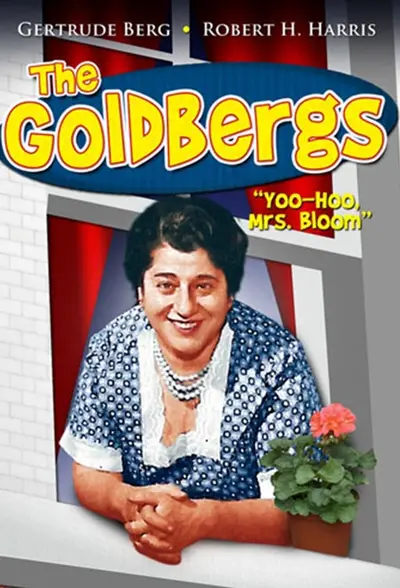
Gertrude Berg created, wrote, and starred in this pioneering sitcom that brought her popular radio characters to early television, centering on a Jewish family living in the Bronx. As Molly Goldberg, Berg portrayed the warm matriarch navigating daily life with humor and wisdom, addressing her neighbors from the window in the show's signature opening. The series represents an important artifact of television's formative years, demonstrating how radio comedies transitioned to the visual medium while maintaining their character-driven humor. The production values reflect early television's limitations and stage-bound approach, with simple sets and straightforward camera work. For modern viewers, the pacing and comedy style will feel dated, though Berg's performance and the show's cultural specificity retain historical interest. It offers a window into how Jewish-American life was represented in mainstream 1940s media, for better and worse. As entertainment, it's primarily of interest to television historians and those studying the medium's evolution, though Berg's talent and the show's influence on domestic sitcoms that followed shouldn't be dismissed.
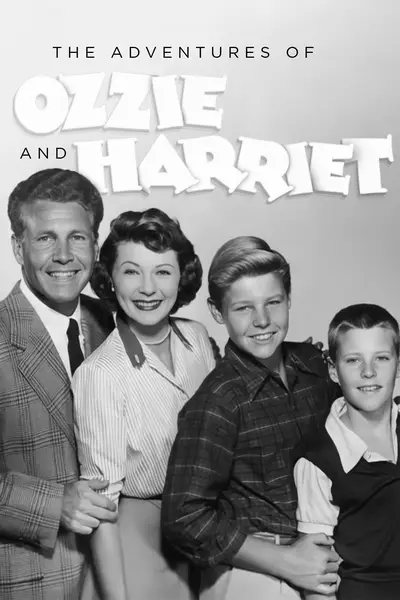
Ozzie Nelson stars as himself alongside his real-life family in this pioneering sitcom that brought the Nelsons' fictionalized domestic life into American homes for over a decade. Created by Ozzie Nelson himself, the series followed the family's everyday adventures with a gentle humor that defined early television comedy. Harriet Nelson, along with sons David and Ricky, rounded out the cast in a show that blurred the lines between reality and fiction in ways that fascinated 1950s audiences. The series captured a specific moment in American culture—perhaps more idealized than real—but did so with genuine charm and warmth. While some episodes feel dated by modern standards, the show's historical significance and the family's natural chemistry remain evident. It's a fascinating time capsule that also launched Ricky Nelson's music career, with his performances becoming a highlight of later seasons.
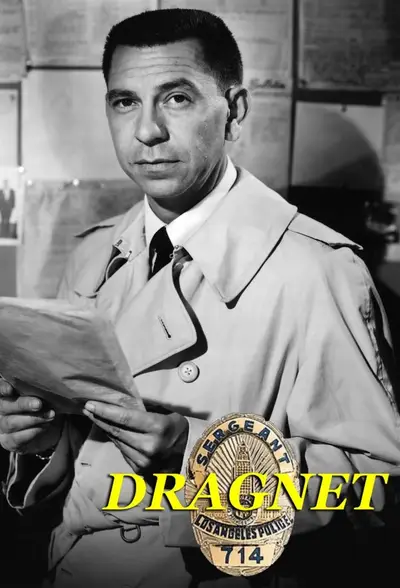
When a crime occurs in Los Angeles, Sergeant Joe Friday methodically investigates using just the facts in this pioneering police procedural that defined the genre for decades. Created by and starring Jack Webb, who also produced and directed many episodes, the series brought an unprecedented documentary-style realism to television drama. Webb's deadpan delivery as Friday became iconic, as did his partnership with various officers over the show's runs (Ben Alexander as Frank Smith being among the most memorable). The series' procedural format—following cases from crime to courtroom—influenced virtually every cop show that followed. Watching it now, the pacing feels deliberately slow and the dialogue stiff by contemporary standards, with episodes that sometimes veer into heavy-handed moralizing about social issues of the era. Still, its historical importance is undeniable, and Webb's commitment to authenticity (consulting with LAPD, using real case files) gave television drama a new template.
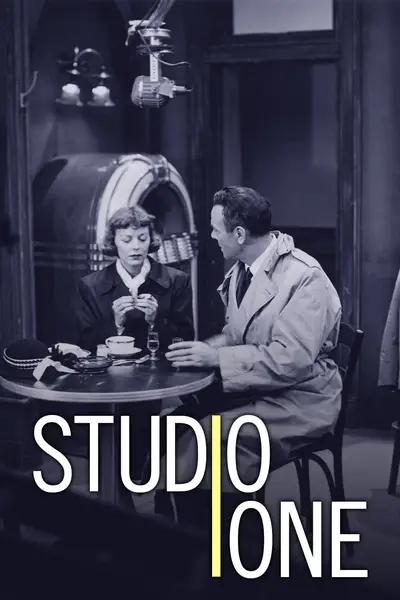
Pioneering in both scope and ambition, this anthology series helped establish television as a legitimate medium for serious dramatic storytelling during the medium's formative years. Studio One presented a different story each week, ranging from original teleplays to adaptations of literary works, featuring both established film actors and emerging talent who would define television's golden age. The live broadcast format created an electric immediacy that recorded programs couldn't match, with occasional flubs and technical challenges adding to the sense of theatrical event. Producers Worthington Miner and Fletcher Markle maintained impressive quality control across hundreds of episodes, championing writers and fostering an environment where experimentation was encouraged. While the anthology format would eventually fall out of favor, Studio One's influence on television drama remains undeniable.