Best Shows of 1950
The dawn of the television era brought unprecedented entertainment into American living rooms, and 1950 stands as a pivotal year when the small screen truly came alive with innovative programming that would shape the medium for decades to come. As networks experimented with groundbreaking formats and visionary creators pushed the boundaries of what television could achieve, audiences witnessed the birth of iconic variety shows, pioneering animated series, and compelling dramas that captivated millions of viewers each week. The best shows of 1950 represent more than just nostalgic relics from television's golden age—they're cultural touchstones that introduced revolutionary storytelling techniques, launched legendary careers, and established programming traditions still followed today. From beloved Western adventures that brought frontier justice to primetime to sophisticated sketch comedy that elevated television into an art form, these trailblazing series demonstrated the medium's limitless potential for entertainment and artistic expression. Whether you're a classic television enthusiast seeking to explore television's formative years or simply curious about the programs that launched an entertainment revolution, these must-watch shows offer a fascinating glimpse into the year when television truly became America's favorite pastime.
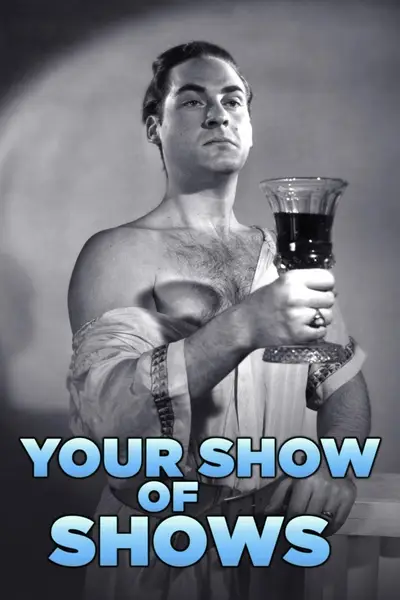
The battle to create groundbreaking live comedy under intense weekly pressure forms the core tension of this variety series from television's early golden age. Producers Max Liebman and Mel Tolkin assembled an extraordinary team including Sid Caesar, Imogene Coca, Carl Reiner, and Howard Morris, with a writers' room that famously included Mel Brooks, Neil Simon, and Woody Allen. The show's 90-minute live format meant every broadcast was a high-stakes endeavor, and while the ambition often paid off with innovative sketches and memorable performances, the results were inevitably inconsistent across its four-season run. Some segments showcase brilliant comedic timing and clever writing that holds up surprisingly well, while others feel labored or too tied to their specific cultural moment. The historical significance is undeniable, and the talent involved is remarkable, but modern viewers should approach with adjusted expectations for early television's limitations.
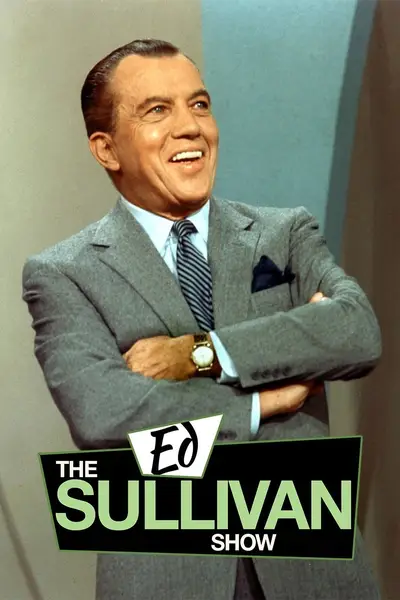
Every Sunday night, America gathered around their television sets to see what variety entertainment host Ed Sullivan had lined up for them, and for over two decades, this stage became the most important launching pad in showbusiness. The Ed Sullivan Show brought everything from Elvis Presley's controversial hip swivels to The Beatles' American debut, from Topo Gigio the Italian mouse puppet to performances by opera singers and circus acts. Sullivan himself was famously stiff and awkward on camera, but his genuine enthusiasm and impeccable eye for talent made him irreplaceable. The show's democratic approach to entertainment—mixing high culture with popular acts—helped shape American tastes and break down cultural barriers during a transformative era. It remains essential viewing for understanding mid-century American culture and the birth of television as a cultural force.
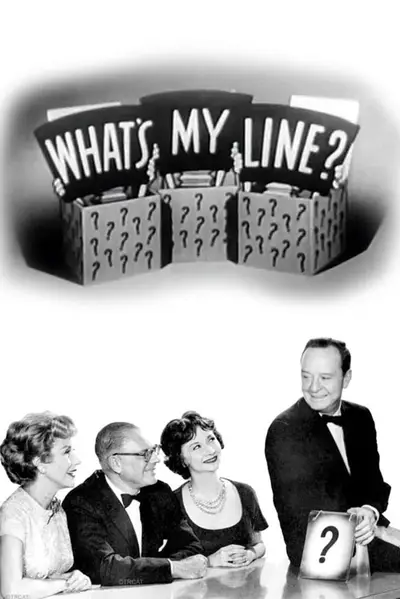
From 1950 through 1967, CBS became home to one of television's most elegant and enduring game shows, where celebrity panelists attempted to guess contestants' unusual occupations through yes-or-no questions. Hosted by John Charles Daly with regular panelists including Dorothy Kilgallen, Arlene Francis, and Bennett Cerf, the series epitomized mid-century sophistication with its black-tie dress code and witty repartee. The format was deceptively simple but allowed for genuine humor and showcased the panelists' cleverness as they pieced together clues about everything from professional pickle packers to exotic animal trainers. The "mystery guest" segment, featuring blindfolded panelists trying to identify a celebrity, added star power while maintaining the show's playful spirit. What's My Line? stands as a time capsule of an era when primetime game shows could be both intelligent and genuinely entertaining, proving that good-natured fun never goes out of style.
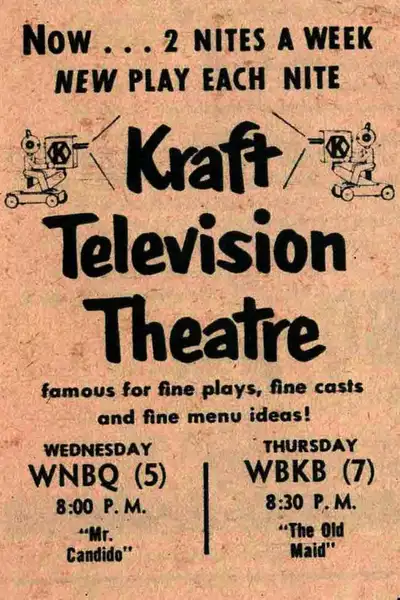
The tension between artistic ambition and commercial viability drives this pioneering anthology series, which brought live theatrical productions into American living rooms for over eleven years. Sponsored by Kraft Foods and created during television's golden age, the program showcased original teleplays and adapted stage works performed entirely live, creating an urgency that recorded television couldn't match. The rotating cast included emerging talents like Grace Kelly, Lee Remick, and James Dean alongside established theater actors, all navigating the unique challenges of performing for cameras in real-time. What distinguished *Kraft Television Theatre* from its anthology contemporaries was its willingness to tackle substantive dramatic material rather than purely escapist fare, though the need to please sponsors occasionally constrained creative choices. The technical limitations—visible boom mics, shaky cameras, occasional forgotten lines—became part of the charm, reminding viewers they were witnessing unrepeatable performances. While production values naturally feel dated, the series represents an important moment when television aspired to be a legitimate artistic medium rather than simply an entertainment delivery system.
Eddie Cantor, Dean Martin, Jerry Lewis, and a rotating roster of Hollywood's biggest stars brought vaudeville-style entertainment into American living rooms with this pioneering variety show. Created as a vehicle for Colgate-Palmolive's sponsorship, the series alternated hosts weekly, offering a mix of comedy sketches, musical numbers, and celebrity guests that captured the transitional moment between radio and television entertainment. While the format feels dated by modern standards, there's genuine charm in watching performers who cut their teeth in live theater adapt to the new medium. The show's historical significance is undeniable—it helped establish the variety show template that would dominate prime time for decades. For classic TV enthusiasts, it's a fascinating window into early 1950s popular culture, even if the humor doesn't always translate across seven decades.
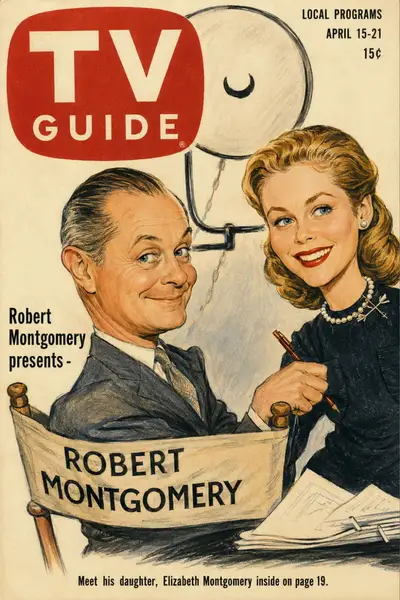
Between tradition and innovation, between theatrical roots and television's emerging possibilities, Robert Montgomery Presents navigated the tension of bringing quality dramatic entertainment to American living rooms in the medium's early years. Actor-producer Robert Montgomery hosted and occasionally starred in this anthology series that presented different stories each week, ranging from original teleplays to adaptations of established works. The central challenge was maintaining high production standards in television's infancy, and Montgomery's Hollywood experience proved invaluable in attracting notable talent both in front of and behind the camera. Each episode stood alone, allowing for variety in tone and subject matter while showcasing different performers in the anthology format that dominated early television drama. The series represented an important bridge between theatrical entertainment traditions and television's developing identity as its own medium. It's a historically significant piece of television's golden age worth exploring for context.
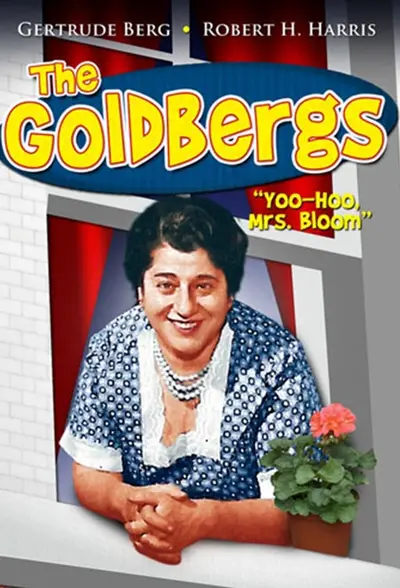
Gertrude Berg created, wrote, and starred in this pioneering sitcom that brought her popular radio characters to early television, centering on a Jewish family living in the Bronx. As Molly Goldberg, Berg portrayed the warm matriarch navigating daily life with humor and wisdom, addressing her neighbors from the window in the show's signature opening. The series represents an important artifact of television's formative years, demonstrating how radio comedies transitioned to the visual medium while maintaining their character-driven humor. The production values reflect early television's limitations and stage-bound approach, with simple sets and straightforward camera work. For modern viewers, the pacing and comedy style will feel dated, though Berg's performance and the show's cultural specificity retain historical interest. It offers a window into how Jewish-American life was represented in mainstream 1940s media, for better and worse. As entertainment, it's primarily of interest to television historians and those studying the medium's evolution, though Berg's talent and the show's influence on domestic sitcoms that followed shouldn't be dismissed.
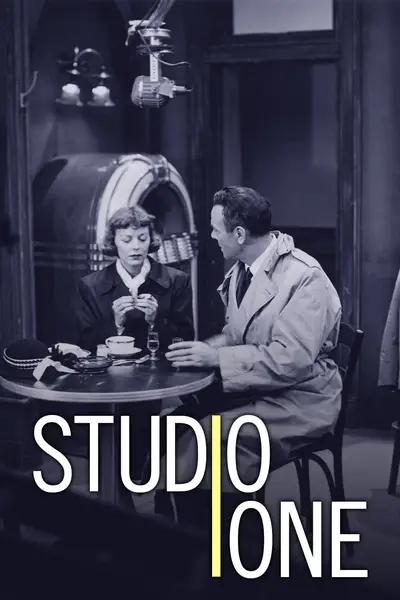
Pioneering in both scope and ambition, this anthology series helped establish television as a legitimate medium for serious dramatic storytelling during the medium's formative years. Studio One presented a different story each week, ranging from original teleplays to adaptations of literary works, featuring both established film actors and emerging talent who would define television's golden age. The live broadcast format created an electric immediacy that recorded programs couldn't match, with occasional flubs and technical challenges adding to the sense of theatrical event. Producers Worthington Miner and Fletcher Markle maintained impressive quality control across hundreds of episodes, championing writers and fostering an environment where experimentation was encouraged. While the anthology format would eventually fall out of favor, Studio One's influence on television drama remains undeniable.
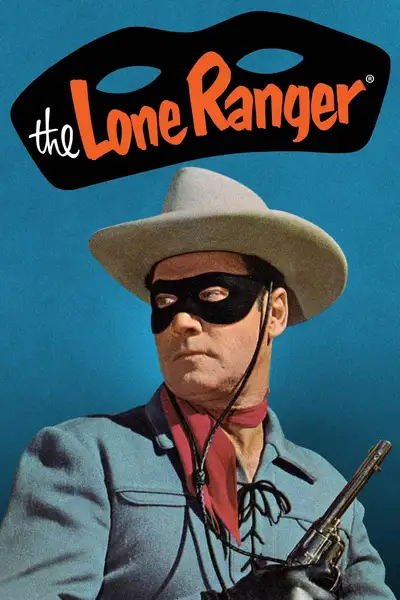
This classic Western serial brought the masked hero and his faithful companion Tonto to television screens, creating a template for adventure shows that would last decades. Clayton Moore stars as the titular ranger, a former Texas Ranger who adopts his disguise to fight injustice across the Old West, while Jay Silverheels delivers a dignified performance as Tonto that transcended many stereotypes of the era. The series established many of the tropes we associate with Western heroes—the mysterious past, the silver bullets, the iconic mask, and the cry of "Hi-Yo, Silver!" Each episode delivers straightforward morality tales where good triumphs over evil, and while the storytelling feels simple by today's standards, there's an undeniable charm to these adventures that helped define early television.
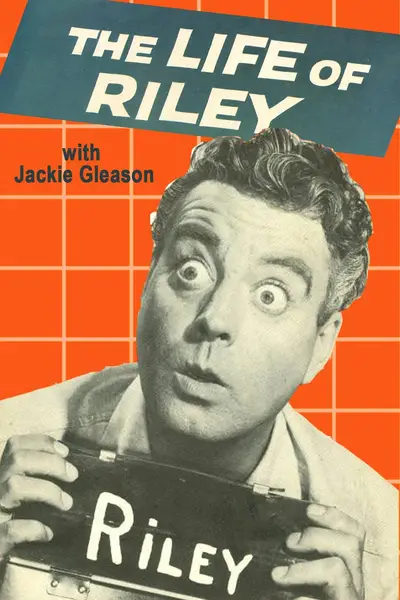
At its heart, this early sitcom explores the gap between aspiration and reality through the lens of a well-meaning but bumbling factory worker trying to provide for his family in post-war America. William Bendix stars as Chester A. Riley, bringing a mix of bluster and vulnerability to the character as he stumbles through work problems, parenting challenges, and social mishaps with his signature catchphrase "What a revoltin' development this is!" Creator Irving Brecher adapted the series from his radio show, and while the transition to television preserves the format's fundamental appeal, the visual medium sometimes exposes the thinness of the plotting. The show offers a fascinating time capsule of late 1940s domestic comedy, though modern viewers may find the pace slow and the humor dated. Still, Bendix's committed performance and the show's earnest treatment of working-class family life give it historical value.
From the golden age of early television comes this anthology series that aired live from 1949 to 1954, capturing the experimental spirit of the medium's infancy. "Suspense" brought theatrical-quality drama into American living rooms, adapting mystery and thriller stories with notable actors of the era. The live format meant anything could happen—and occasionally did—adding an element of genuine unpredictability to each broadcast. While production values were understandably modest by today's standards, the writing and performances often compensated with creativity and intensity. The series drew from various sources, including original teleplays and adapted short stories, maintaining variety across its run. For viewers interested in television history, it offers a fascinating glimpse into how storytelling evolved in this new medium. The show's legacy influenced countless anthology series that followed, establishing templates still used today.
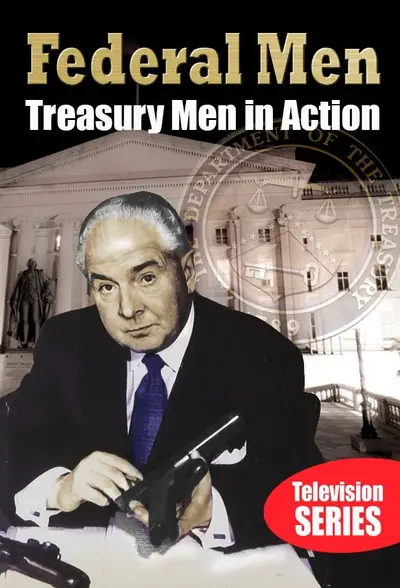
Set in post-World War II America, this early television series brought the work of Treasury Department agents to living rooms across the nation with a documentary-style approach that was innovative for its time. Created as both entertainment and public education, "Treasury Men in Action" dramatized real cases handled by various divisions including the Secret Service, Customs, and Intelligence units. The show featured different agents each week tackling crimes ranging from counterfeiting to smuggling, presenting a workmanlike view of federal law enforcement that emphasized procedure and investigation over dramatic shootouts. While the production values are understandably dated and the acting occasionally stiff by contemporary standards, there's genuine historical interest in seeing how these stories were told to 1950s audiences. The series offers a fascinating glimpse into both early television and the types of crimes that concerned authorities during this particular era of American history.
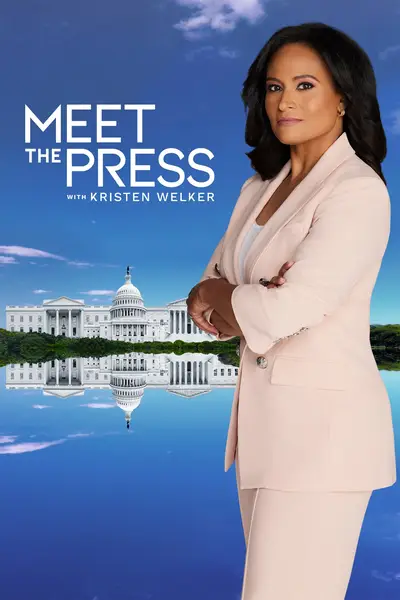
Long-running and consistently informative, this public affairs program has been a Sunday morning fixture since 1947, making it television's longest-running series. Created by Martha Rountree and Lawrence Spivak, Meet the Press brings journalists and newsmakers together for substantive discussions of current events and policy issues. The format remains straightforward—interviews and panel discussions with political figures and experts—but the execution varies depending on the moderator and the quality of questioning. Current host Kristen Welker maintains the tradition of holding guests accountable while facilitating genuine dialogue. While the show can occasionally feel overly focused on Washington insider perspectives, it still serves an important function in the media landscape for viewers seeking more depth than cable news soundbites typically provide. It's solid Sunday morning viewing for the politically engaged.
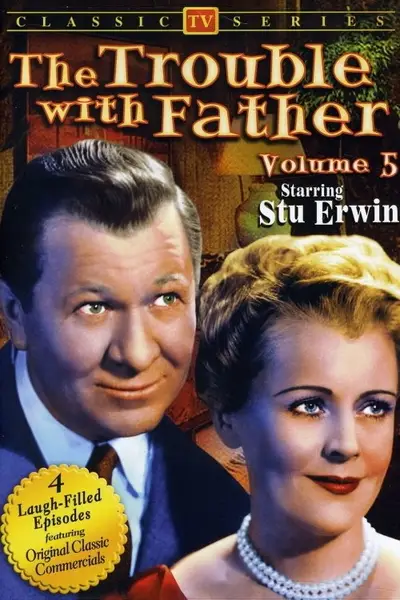
Light-hearted and wholesome, The Stu Erwin Show is a pleasant example of early television sitcom craftsmanship from the 1950s. Star Stu Erwin plays a well-meaning but bumbling high school principal navigating domestic life with his wife (June Collyer) and two daughters, hitting the familiar notes of early family comedies without much innovation but with consistent competence. Created during television's formative years, the show delivers exactly what its era demanded: gentle humor, moral lessons, and conflicts resolved within twenty-two minutes. Modern viewers may find the pacing slow and the situations quaint, but there's something comforting about its earnestness and lack of cynicism. Erwin's affable screen presence carries much of the show, and the family dynamics, while idealized, possess a warmth that transcends the dated setting. It's not essential viewing, but for those interested in television history or seeking undemanding entertainment, it serves its purpose adequately.

David Muir anchors this long-running evening newscast that has been informing American households since 1948, making it one of television's most enduring news programs. The broadcast covers the day's major national and international stories, from breaking news to political developments, natural disasters, and human interest features. Muir's straightforward delivery and the show's comprehensive coverage have maintained its position as a ratings leader in network news. While the format remains reliably consistent—perhaps too consistent for some viewers seeking more analytical depth—the program serves its purpose as a dependable source for those wanting to stay informed about current events. The production values are polished, and the reporting team is experienced, though the show occasionally struggles to distinguish itself from its competitors beyond Muir's recognizable presence.
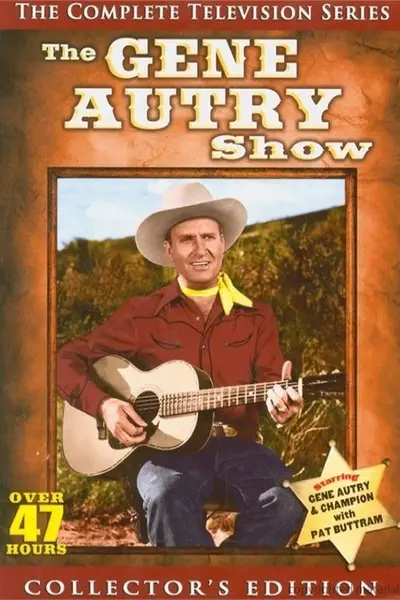
Gene Autry stars as himself in this early television western that brought the singing cowboy from silver screen to living room. Alongside his trusty horse Champion and comic sidekick Pat Buttram, Autry delivers a mix of action, music, and straightforward morality tales aimed squarely at younger audiences. The show captures the simple charm of early TV westerns, complete with musical interludes that break up the ranch-based adventures. While the production values are decidedly modest and the stories follow predictable formulas, there's an undeniable nostalgic appeal to Autry's genial screen presence. The episodic nature means quality varies considerably, with some installments offering genuine entertainment while others feel like repetitive filler. Created during television's infancy, it's more of a historical curiosity than essential viewing, though fans of classic westerns may appreciate its earnest, uncomplicated approach to storytelling.
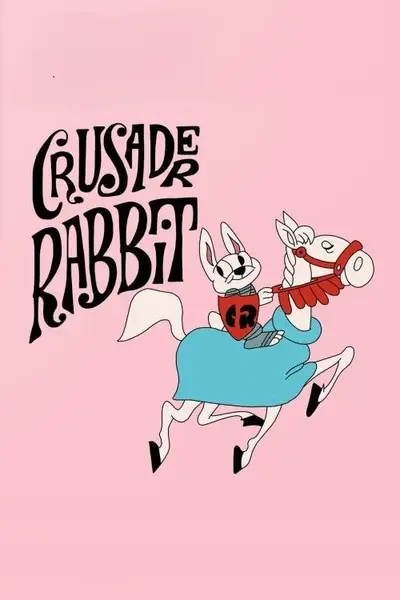
When a heroic rabbit and his dimwitted tiger companion embark on episodic adventures to thwart villains and right wrongs, television animation history is made—though the results are charmingly primitive by today's standards. Created by Jay Ward and Alex Anderson, this pioneering series is notable for being among the first animated programs made specifically for television. The adventures are simple and the animation is extremely limited, with static backgrounds and minimal character movement that reflect the technical and budgetary constraints of early TV production. Crusader Rabbit's plucky determination and Ragland T. Tiger's bumbling assistance provide mild entertainment, though the humor feels dated and the five-minute episode format leaves little room for narrative complexity. It's more significant as a historical curiosity than as compelling viewing, but animation enthusiasts will appreciate its place in the medium's evolution.
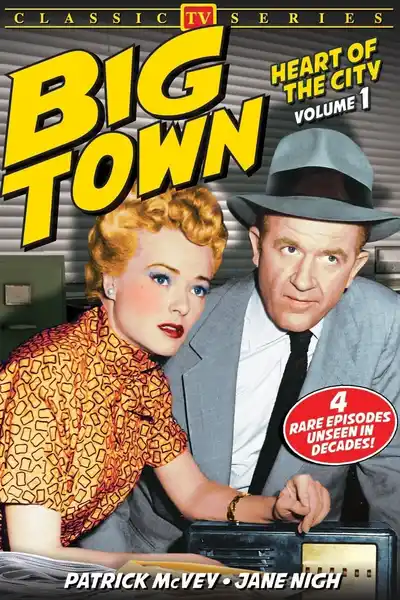
The battle between journalistic integrity and commercial pressures drives this early television drama set in a bustling city newsroom. Steve Wilson, the crusading editor, regularly clashes with those who would suppress stories for political or financial gain, fighting to expose corruption and injustice. The series captures the romanticized view of newspaper reporting from the 1950s, where determined journalists could single-handedly take down powerful interests. While the show's idealism feels dated, it offers insight into how journalism was portrayed in early television. The episodic format means cases resolve neatly within each installment, lacking the complexity of later prestige dramas. Performances are competent within the conventions of the era, though characterization remains superficial. As a historical artifact of early television drama, it's mildly interesting; as compelling viewing, it struggles to overcome its age.