Best Shows of 1948
The year 1948 marked a pivotal moment in entertainment history as television began its transformation from experimental novelty to cultural phenomenon, and the shows that emerged during this groundbreaking era laid the essential groundwork for everything we watch today. While most households still gathered around radio sets, visionary broadcasters were pioneering the formats, storytelling techniques, and production methods that would define the medium for generations to come. The best shows of 1948 represent more than just nostalgia—they're fascinating time capsules that capture television in its infancy, when every broadcast was an experiment and the rules were still being written. From news programming that established the credibility of televised journalism to variety shows that brought vaudeville into living rooms, these early series demonstrated television's unprecedented power to inform, entertain, and unite audiences. Exploring the top shows from 1948 offers a unique glimpse into the creative ambition and technical innovation of television's founding year, revealing how these pioneering programs established the DNA of modern TV while entertaining the growing number of Americans who were beginning to embrace this revolutionary new medium.
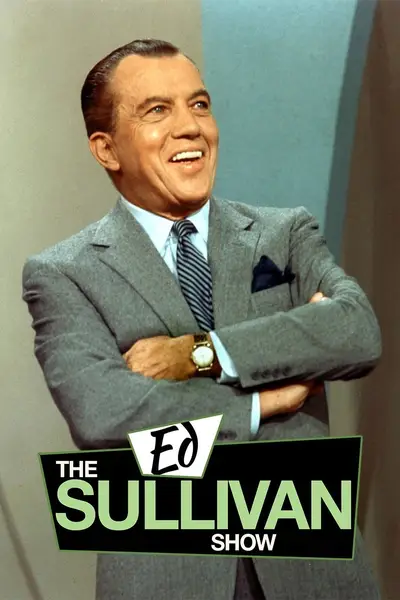
Every Sunday night, America gathered around their television sets to see what variety entertainment host Ed Sullivan had lined up for them, and for over two decades, this stage became the most important launching pad in showbusiness. The Ed Sullivan Show brought everything from Elvis Presley's controversial hip swivels to The Beatles' American debut, from Topo Gigio the Italian mouse puppet to performances by opera singers and circus acts. Sullivan himself was famously stiff and awkward on camera, but his genuine enthusiasm and impeccable eye for talent made him irreplaceable. The show's democratic approach to entertainment—mixing high culture with popular acts—helped shape American tastes and break down cultural barriers during a transformative era. It remains essential viewing for understanding mid-century American culture and the birth of television as a cultural force.
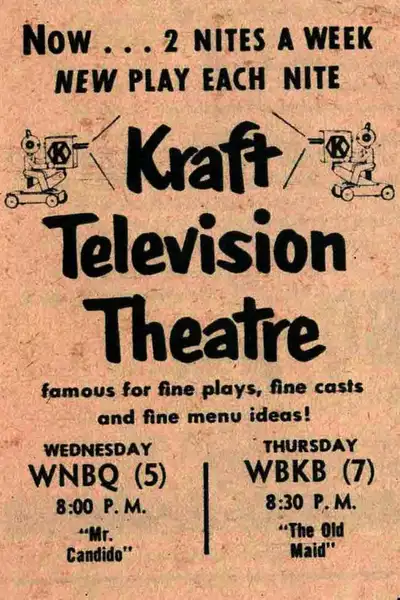
The tension between artistic ambition and commercial viability drives this pioneering anthology series, which brought live theatrical productions into American living rooms for over eleven years. Sponsored by Kraft Foods and created during television's golden age, the program showcased original teleplays and adapted stage works performed entirely live, creating an urgency that recorded television couldn't match. The rotating cast included emerging talents like Grace Kelly, Lee Remick, and James Dean alongside established theater actors, all navigating the unique challenges of performing for cameras in real-time. What distinguished *Kraft Television Theatre* from its anthology contemporaries was its willingness to tackle substantive dramatic material rather than purely escapist fare, though the need to please sponsors occasionally constrained creative choices. The technical limitations—visible boom mics, shaky cameras, occasional forgotten lines—became part of the charm, reminding viewers they were witnessing unrepeatable performances. While production values naturally feel dated, the series represents an important moment when television aspired to be a legitimate artistic medium rather than simply an entertainment delivery system.
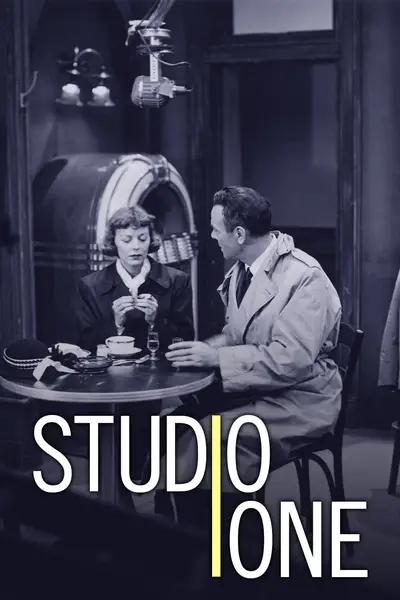
Pioneering in both scope and ambition, this anthology series helped establish television as a legitimate medium for serious dramatic storytelling during the medium's formative years. Studio One presented a different story each week, ranging from original teleplays to adaptations of literary works, featuring both established film actors and emerging talent who would define television's golden age. The live broadcast format created an electric immediacy that recorded programs couldn't match, with occasional flubs and technical challenges adding to the sense of theatrical event. Producers Worthington Miner and Fletcher Markle maintained impressive quality control across hundreds of episodes, championing writers and fostering an environment where experimentation was encouraged. While the anthology format would eventually fall out of favor, Studio One's influence on television drama remains undeniable.
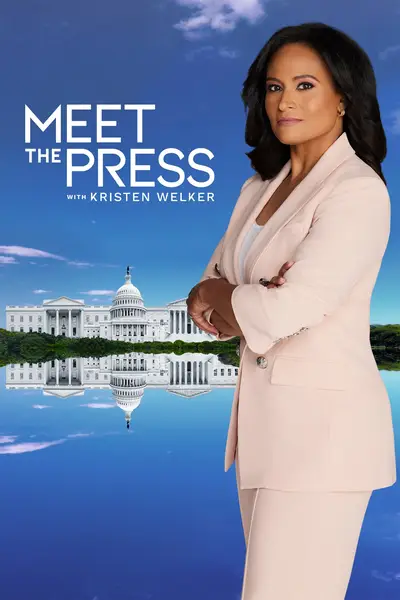
Long-running and consistently informative, this public affairs program has been a Sunday morning fixture since 1947, making it television's longest-running series. Created by Martha Rountree and Lawrence Spivak, Meet the Press brings journalists and newsmakers together for substantive discussions of current events and policy issues. The format remains straightforward—interviews and panel discussions with political figures and experts—but the execution varies depending on the moderator and the quality of questioning. Current host Kristen Welker maintains the tradition of holding guests accountable while facilitating genuine dialogue. While the show can occasionally feel overly focused on Washington insider perspectives, it still serves an important function in the media landscape for viewers seeking more depth than cable news soundbites typically provide. It's solid Sunday morning viewing for the politically engaged.
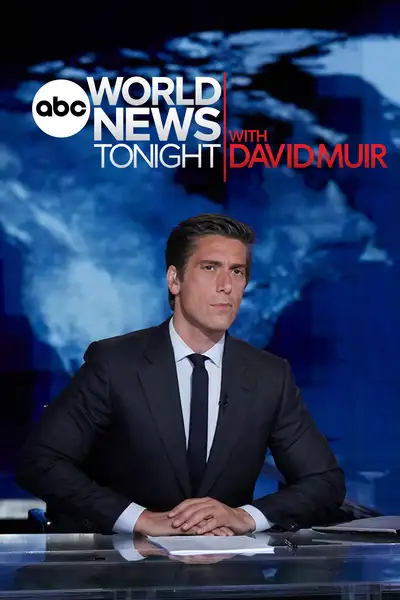
David Muir anchors this long-running evening newscast that has been informing American households since 1948, making it one of television's most enduring news programs. The broadcast covers the day's major national and international stories, from breaking news to political developments, natural disasters, and human interest features. Muir's straightforward delivery and the show's comprehensive coverage have maintained its position as a ratings leader in network news. While the format remains reliably consistent—perhaps too consistent for some viewers seeking more analytical depth—the program serves its purpose as a dependable source for those wanting to stay informed about current events. The production values are polished, and the reporting team is experienced, though the show occasionally struggles to distinguish itself from its competitors beyond Muir's recognizable presence.