Best Shows of 1947
Television in 1947 was a brave new frontier, where visionary creators experimented with live broadcasts and innovative formats that would forever change home entertainment. While the medium was still in its infancy with limited broadcasting reach, the best shows of 1947 demonstrated remarkable creativity and charm that captivated early audiences and established television as a legitimate art form. This pioneering year saw the emergence of groundbreaking programming that ranged from imaginative puppetry to variety entertainment, all produced with the technical limitations and raw spontaneity that defined early TV. These trailblazing series may seem modest by today's standards, but they laid the essential groundwork for every television program that followed, introducing storytelling techniques and audience engagement strategies that remain influential decades later. For classic television enthusiasts and media historians alike, exploring the shows that debuted in 1947 offers a fascinating glimpse into the moment when television began its journey from experimental novelty to cultural phenomenon, showcasing the ingenuity and determination of pioneers who believed in the medium's potential when most Americans had never even seen a television set.
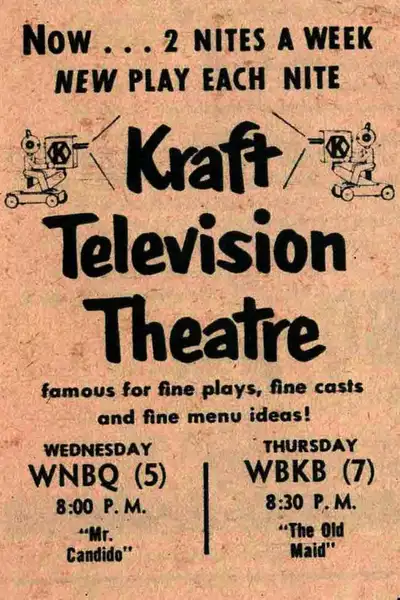
The tension between artistic ambition and commercial viability drives this pioneering anthology series, which brought live theatrical productions into American living rooms for over eleven years. Sponsored by Kraft Foods and created during television's golden age, the program showcased original teleplays and adapted stage works performed entirely live, creating an urgency that recorded television couldn't match. The rotating cast included emerging talents like Grace Kelly, Lee Remick, and James Dean alongside established theater actors, all navigating the unique challenges of performing for cameras in real-time. What distinguished *Kraft Television Theatre* from its anthology contemporaries was its willingness to tackle substantive dramatic material rather than purely escapist fare, though the need to please sponsors occasionally constrained creative choices. The technical limitations—visible boom mics, shaky cameras, occasional forgotten lines—became part of the charm, reminding viewers they were witnessing unrepeatable performances. While production values naturally feel dated, the series represents an important moment when television aspired to be a legitimate artistic medium rather than simply an entertainment delivery system.
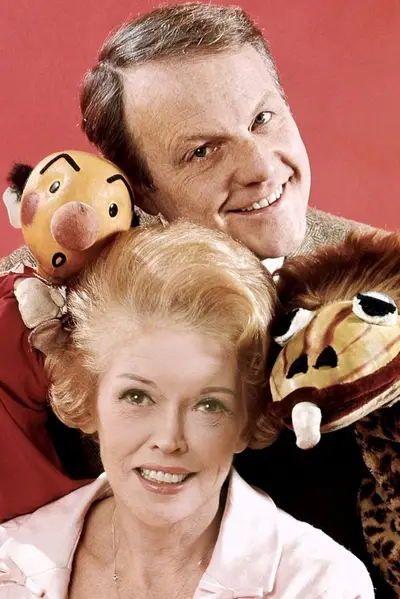
Pioneering television from the medium's earliest days, this variety program featured puppeteer Burr Tillstrom manipulating his hand puppets Kukla and Ollie in unscripted interactions with human host Fran Allison. Running from 1947 through various incarnations into the 1970s, the show represented innovative programming when television itself was still experimental. Tillstrom's puppeteering skill and improvisational ability created characters with distinct personalities—Kukla the earnest everyman, Ollie the mischievous dragon—who engaged in gentle comedy and occasional musical numbers. For modern viewers, the show's appeal is primarily historical; the humor is exceedingly gentle, the production bare-bones even for its era, and the unscripted format means quality varies considerably between episodes. Yet there's something genuinely charming about its sincerity and intimacy, qualities that feel almost alien to contemporary children's programming. It's worth sampling for anyone interested in television history or the evolution of puppetry as performance art, though full episodes test patience.
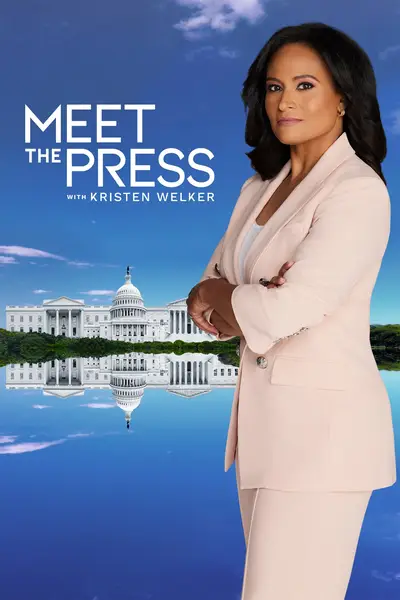
Long-running and consistently informative, this public affairs program has been a Sunday morning fixture since 1947, making it television's longest-running series. Created by Martha Rountree and Lawrence Spivak, Meet the Press brings journalists and newsmakers together for substantive discussions of current events and policy issues. The format remains straightforward—interviews and panel discussions with political figures and experts—but the execution varies depending on the moderator and the quality of questioning. Current host Kristen Welker maintains the tradition of holding guests accountable while facilitating genuine dialogue. While the show can occasionally feel overly focused on Washington insider perspectives, it still serves an important function in the media landscape for viewers seeking more depth than cable news soundbites typically provide. It's solid Sunday morning viewing for the politically engaged.