Arabic Shows
Arabic television has emerged as a powerhouse of compelling storytelling, blending rich cultural traditions with innovative narratives that resonate far beyond the Middle East and North Africa. Whether you're searching for the best Arabic shows that have captivated international audiences or looking to explore groundbreaking Arabic-language series that showcase exceptional performances and bold creative visions, this carefully curated selection spans decades of television excellence. From critically acclaimed dramas that tackle complex social issues to thrilling suspense series and reality experiments that push boundaries, these must-watch Arabic shows represent the finest achievements in Arabic television history. You'll discover award-winning performances from celebrated actors, visionary storytelling from renowned creators, and unforgettable moments that have defined Arabic entertainment across streaming platforms and traditional broadcasts. Experience the depth and diversity of Arabic series that have earned global recognition while authentically representing the cultural heritage, contemporary realities, and artistic ambitions of Arabic-speaking communities. This essential guide celebrates both timeless classics and groundbreaking modern productions that continue to elevate Arabic television on the world stage.
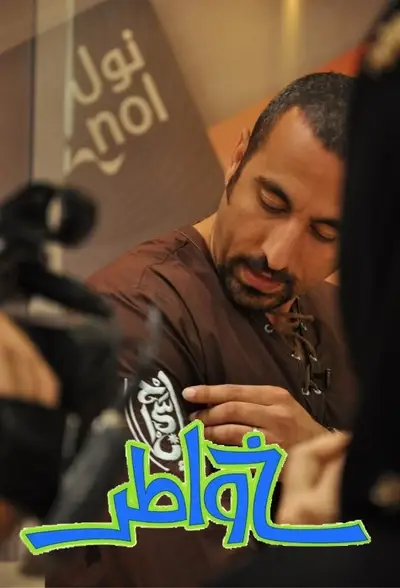
This groundbreaking documentary series follows host Ahmad Al-Shugairi as he travels across the world, exploring different cultures and examining how societies function through the lens of Islamic values and universal human principles. What makes Khawater extraordinary is its ability to inspire meaningful reflection about personal development, social responsibility, and civic engagement without ever feeling preachy or didactic. Al-Shugairi's genuine curiosity and respectful approach to every culture he encounters creates a viewing experience that's both enlightening and deeply moving. Each episode tackles substantial topics—from Japanese work ethics to Scandinavian environmental practices—presenting them in accessible ways that encourage viewers to think critically about their own communities. The series has influenced an entire generation across the Arab world, sparking conversations about progress, tradition, and what it means to build better societies together.
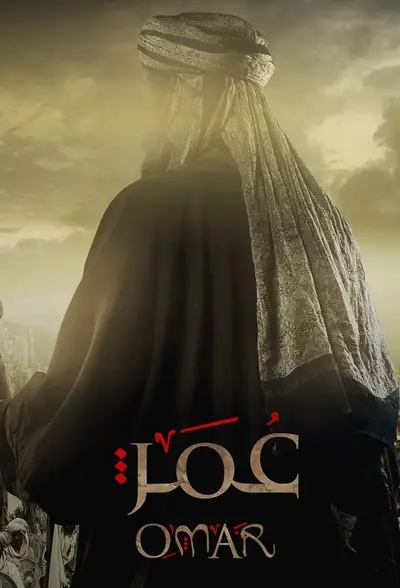
This historical drama masterfully chronicles the life of Omar Ibn Al-Khattab, one of Islam's most influential figures and the second caliph. The ambitious production spans Omar's journey from fierce opponent of the early Muslim community to becoming one of its greatest leaders and reformers. Samer Ismail delivers a commanding performance in the title role, capturing both the strength and vulnerability of a man whose decisions shaped history. The series, directed by Hatem Ali, is notable for its historical detail and scope, recreating seventh-century Arabia with impressive production values and attention to cultural authenticity. The writing balances political intrigue, military campaigns, and personal relationships while exploring themes of justice, leadership, and faith that resonate beyond its historical setting. What distinguishes this from other religious historical dramas is its willingness to present Omar as a fully human figure whose greatness emerged through struggle and growth rather than innate perfection. It's epic television that illuminates a pivotal period in Islamic history with intelligence and dramatic power.
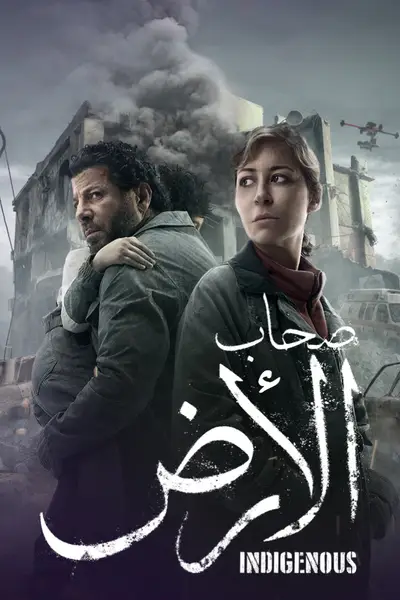
The collision between Indigenous land rights and corporate development ignites when a mining company arrives in a remote community, forcing residents to choose between economic opportunity and cultural preservation. Director Kiana Blackwater and showrunner Marcus Littlefeather have created something truly special here—a series that tackles heavy political and social themes while remaining thoroughly engaging as drama. The predominantly Indigenous cast, led by powerhouse performances from Sarah Redfeather and James Crowchild, brings authenticity and nuance to characters who refuse easy categorization. The writing avoids didacticism, trusting viewers to grasp the complexities without spelling everything out. Cinematographer Lisa Chen captures the landscape with reverence, making the land itself a character whose importance we understand viscerally. This is bold, uncompromising television that doesn't soften its edges for mainstream comfort while remaining accessible and dramatically compelling. It's essential viewing that expands what television can do.
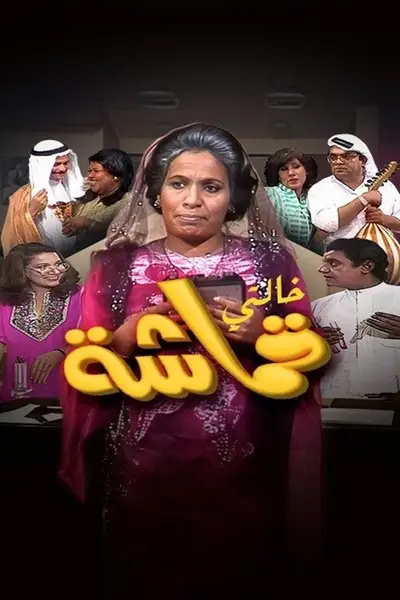
Samir Ghanem delivers an unforgettable performance as the titular Khalti Qumasha in this absolutely delightful Egyptian comedy series that became an instant classic. Created by Youssef Maalouf, the show follows the misadventures of a well-meaning but wonderfully meddlesome character who can't help but insert herself into everyone's business with hilarious results. Ghanem's impeccable comic timing and physical comedy elevate every scene, bringing warmth and genuine laughs to even the most chaotic situations. The supporting cast, including Saeed Saleh and Ahmed Adaweya, creates a vibrant ensemble that captures the spirit of 1980s Egyptian television at its finest. What makes this series truly special is how it balances slapstick humor with authentic cultural observations, creating comedy that resonates across generations. If you're looking for a feel-good series that showcases the golden age of Arabic comedy, this is essential viewing that will have you grinning from start to finish.
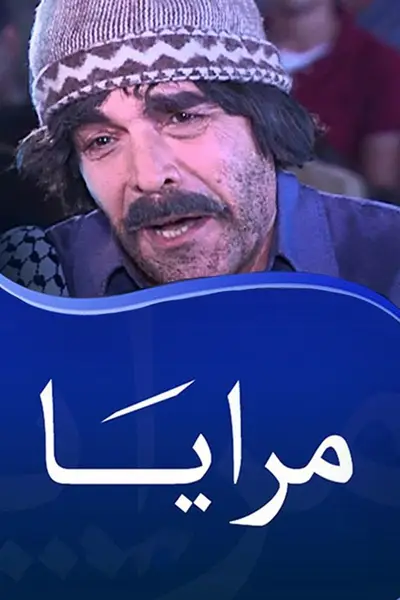
In 1980s Syria, this groundbreaking comedy series held up a mirror to Arab society with unprecedented wit and satirical bite, creating a cultural phenomenon that resonates decades later. Created by the legendary Ghawar (Duraid Lahham), "Maraya" (Mirrors) used sketch comedy to address social issues, political absurdities, and everyday hypocrisies with a cleverness that allowed it to critique while entertaining. Each episode presented standalone scenarios featuring recurring characters that became iconic across the Arab world, with Lahham's physical comedy and sharp timing elevating material that could have been merely preachy into genuinely funny social commentary. The series' influence on Arabic comedy television cannot be overstated—it demonstrated that humor could be both popular and substantive, silly and meaningful. Watching these episodes today reveals not only their historical importance but also how many of the issues satirized remain relevant, a testament to the show's insight.
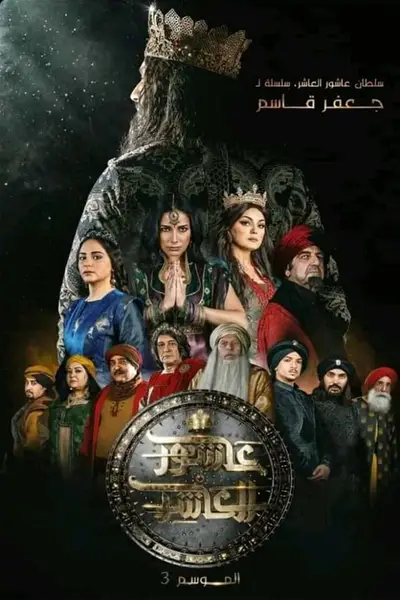
Wildly imaginative and brilliantly entertaining, this Egyptian comedy series returns with its tenth installment, continuing the misadventures of the hapless Sultan Ashour with undiminished energy and creativity. Star Ahmed Mekky delivers another phenomenal performance as the eternally optimistic title character, whose schemes and dreams consistently lead to hilariously disastrous consequences that somehow always resolve in unexpected ways. The writing remains remarkably fresh after ten seasons, finding new situations to place Sultan in while maintaining the character's essential charm and the show's distinctive comedic voice. The ensemble cast surrounding Mekky has developed wonderful chemistry over the years, with each supporting character getting memorable moments to shine. What makes this season particularly special is how it balances slapstick comedy with genuine heart, never losing sight of the warmth and humanity beneath the absurdity. The production values have clearly evolved since the show's beginning, with increasingly ambitious set pieces and visual gags that demonstrate the creators' continued investment in quality entertainment.
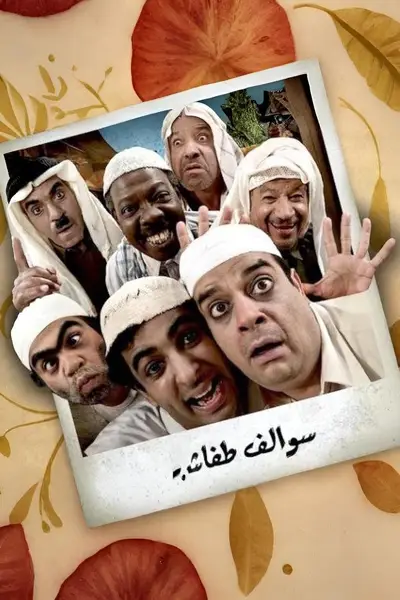
Lebanese comedian Michel Abou Sleiman delivers an absolutely brilliant performance as multiple characters in this comedy series that has rightfully achieved cult status in the Arab world. Abou Sleiman's extraordinary range and impeccable timing bring to life a gallery of memorable personalities, each distinctly crafted with specific mannerisms, voices, and comedic rhythms that showcase his remarkable talent. The writing is sharp and culturally specific while remaining accessible, mining humor from social observations, family dynamics, and everyday absurdities with wit that never feels mean-spirited. What elevates *Swalef Tafash* beyond typical sketch comedy is the genuine affection for its characters and the intelligent social commentary woven throughout the laughs. The production understands when to let Abou Sleiman's performances breathe and when to tighten the pace for maximum comedic impact. This is essential viewing for anyone interested in Arabic comedy—a masterclass in character work and comedic storytelling.
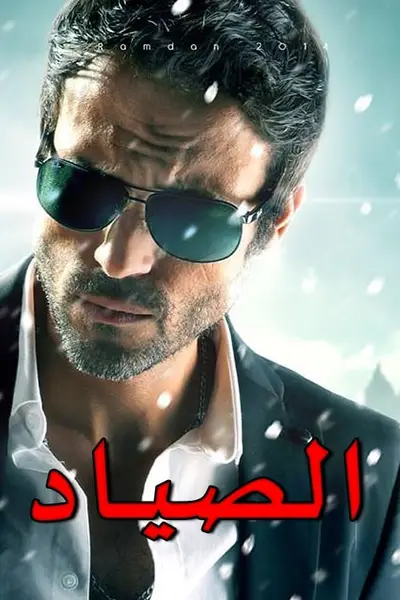
When a principled police officer discovers systemic corruption within his own department, he must decide between his career and his conscience in this gripping Egyptian drama. Created by Mohamed Sami and starring Khaled El Nabawy in a career-defining performance, "El-Sayad" delivers a masterclass in tension and moral complexity. The series fearlessly examines power structures, institutional rot, and the personal cost of standing up for what's right in a society where silence often seems safer. Each episode peels back another layer of conspiracy, revealing how deeply the corruption runs while keeping the focus on deeply human stories. The writing is sharp, the performances are uniformly excellent, and the cinematography captures Cairo with both beauty and grit. This is essential viewing that demonstrates the power of television to illuminate uncomfortable truths while delivering compelling entertainment.
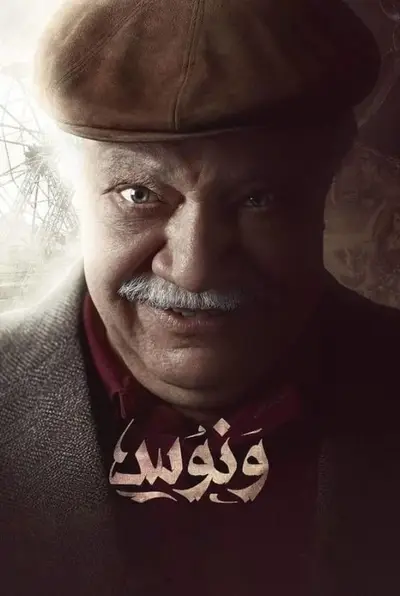
Khaled Taja delivers a compelling performance as a psychiatrist whose professional objectivity becomes compromised as he treats patients whose stories mirror his own hidden traumas. This Syrian drama series explores the ethical complexities and emotional toll of therapeutic practice when the line between healer and patient begins to blur. The writing takes psychological insights seriously, creating nuanced portraits of characters struggling with mental health challenges in a society where such issues often remain stigmatized. Director Rasha Sharbatji crafts intimate scenes that capture the vulnerability of the therapy room while gradually revealing the psychiatrist's own unraveling. The supporting cast, including Amal Arafa and Bassam Kousa, brings depth to their roles as patients whose stories intersect in unexpected ways. It's thoughtful television that treats mental health with the seriousness and sensitivity it deserves.
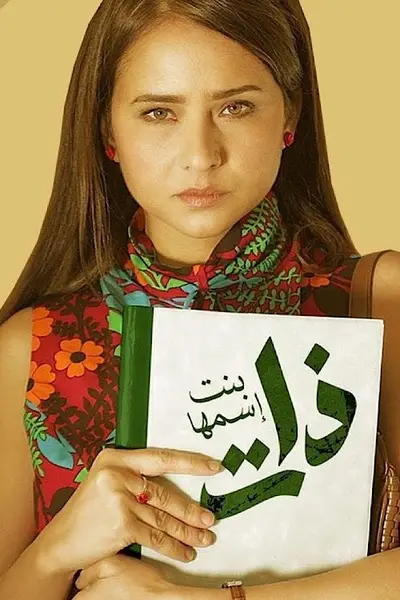
Set in contemporary Thailand, this delightful series captures the vibrant energy of Bangkok through the eyes of its quirky, lovable protagonist. "A Girl Named Zat" centers on the adventures and misadventures of its titular character as she navigates modern Thai life with infectious optimism and endearing awkwardness. The show brilliantly showcases Thai culture, humor, and urban settings while maintaining broad appeal through its universally relatable themes of friendship, family, and self-discovery. What sets this series apart is its willingness to blend comedy with genuine emotional moments, never sacrificing character development for easy laughs. The performances are uniformly excellent, with the lead bringing tremendous charm and authenticity to Zat's journey. The writing strikes a wonderful balance between situational comedy and heartfelt storytelling, creating something that feels both fresh and comfortingly familiar. It's a gem that deserves far more international recognition than it's received.
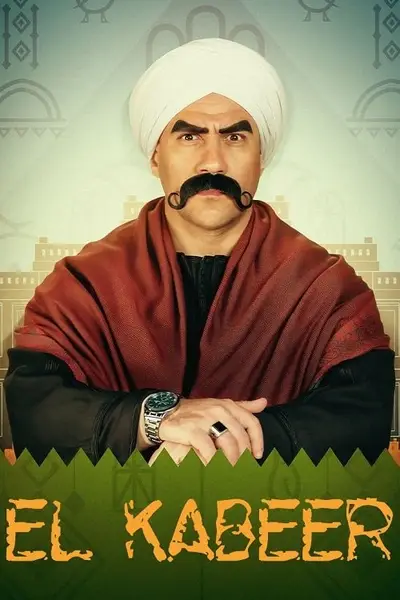
In a small Egyptian village, the rivalry between three brothers—including the eldest who fancies himself the town's most important figure—drives this wildly popular comedy series that became a cultural phenomenon across the Arab world. Created by Mostafa Sakr and starring Ahmed Mekky in a tour-de-force performance as the pompous Al-Kabir, the show brilliantly satirizes small-town hierarchies, family dynamics, and social pretensions with sharp wit and physical comedy. What makes El Kebeer Awi exceptional is its ability to balance broad humor with genuine affection for its characters, never punching down even as it exposes their flaws and follies. The ensemble cast creates a vivid community that feels authentic despite the heightened comic scenarios, and the writing consistently surprises with clever callbacks and escalating absurdity that never loses its human core.
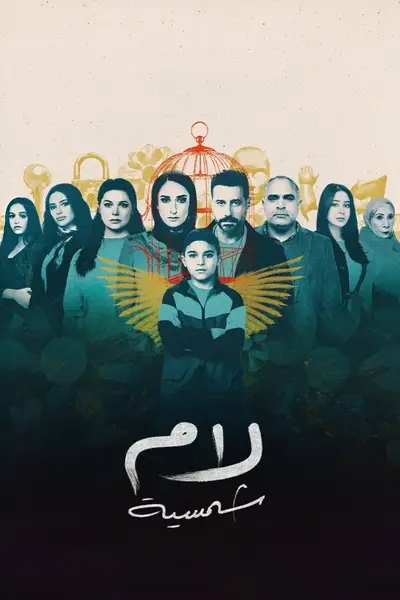
When a mysterious illness begins affecting residents of a remote village, a young doctor arrives to investigate and finds herself drawn into a web of local superstitions, hidden histories, and unexplained phenomena. This Syrian supernatural drama, created by Safwan Abd Elmajid, attempts to blend medical mystery with folk horror as modern science confronts traditional beliefs. The series stars Dima Kandalaft as the determined physician who must navigate community distrust while pursuing answers to increasingly disturbing questions. The show's willingness to explore cultural tensions and the collision between rationality and faith gives it occasional depth, and the production captures the isolated setting effectively. Unfortunately, the execution doesn't quite match the ambition—pacing issues plague the middle episodes, and the resolution fails to satisfyingly address the mysteries it establishes. The performances are earnest but sometimes hampered by dialogue that over-explains rather than trusts viewers to follow the themes. There's potential in the concept, but the series needed tighter scripting and clearer direction to fully realize its vision.
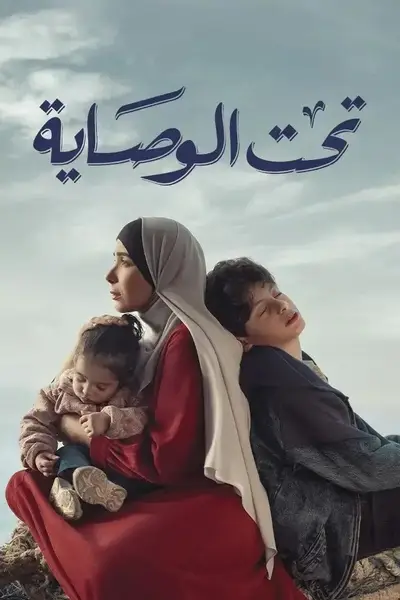
Gripping and intensely dramatic, this Egyptian thriller pulls viewers into a world of secrets, betrayal, and complex family dynamics that unfold with devastating consequences. "Taht El Wesaya" centers on guardianship battles and hidden agendas within an affluent family, where nothing is quite as it appears on the surface. The series builds tension masterfully through carefully doled-out revelations and strong performances from a committed cast. Each character harbors motivations that shift as new information comes to light, keeping the narrative unpredictable without resorting to cheap tricks. The production values reflect the show's ambitious scope, with attention to detail in both visual presentation and dialogue. While it demands viewer attention and rewards those who track the intricate plotting, the emotional core remains accessible. The show exemplifies quality Arabic drama that balances entertainment with substantive storytelling, making it well worth the investment for thriller enthusiasts.
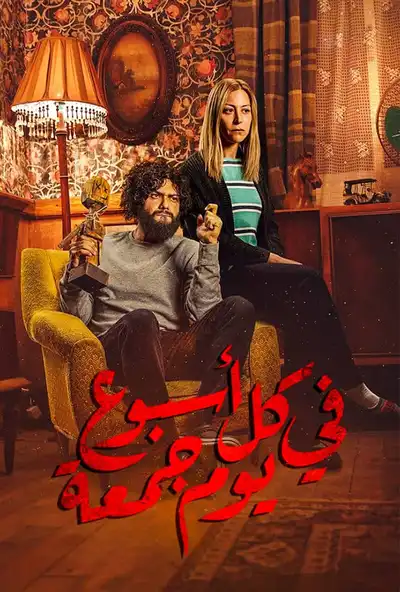
Asser Yassin headlines this engaging Egyptian comedy-drama as Farid, a middle-aged man navigating life's challenges while trying to make every Friday meaningful for himself and his family. Created by Tamer Mohsen, the series uses its episodic structure smartly, with each installment focusing on a different Friday and the particular crisis, celebration, or revelation that day brings. Yassin's warm, naturalistic performance anchors the show's tonal shifts between humor and pathos, making Farid's struggles with career disappointments, parental expectations, and marital dynamics feel authentic rather than sitcom-broad. The supporting cast, particularly Ayten Amer as Farid's wife, brings depth to roles that could have been one-dimensional. The show's observational humor about contemporary Egyptian middle-class life connects universally while remaining specifically grounded in its cultural context, and its gentle optimism about human resilience provides comfort without denying life's genuine difficulties.
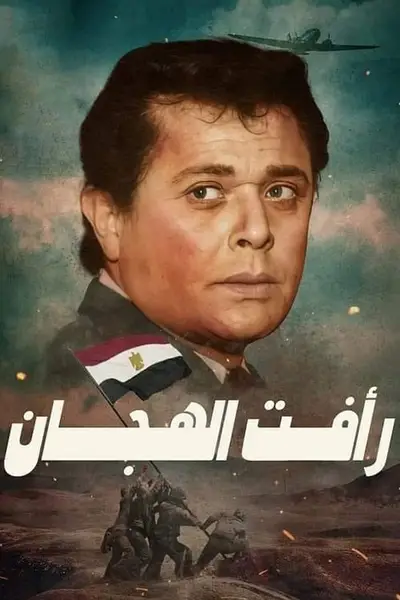
Salah Jahin and Yusuf Francis crafted this landmark Egyptian series that dramatizes the remarkable true story of Raafat Al-Haggan, who worked as a spy for Egypt while embedded deep within Israeli society. Mahmoud Abdel Aziz delivers a career-defining performance as the titular agent, capturing both the courage required for such dangerous work and the psychological toll of living a double life for decades. The series, spanning multiple seasons, meticulously chronicles his recruitment, training, and years operating under cover with a level of detail that makes the espionage feel authentic rather than sensationalized. Director Yehia El Alami maintains tension throughout while never losing sight of the human cost of intelligence work. It remains a touchstone of Arabic television drama, combining historical significance with compelling storytelling that transcends its specific cultural context.
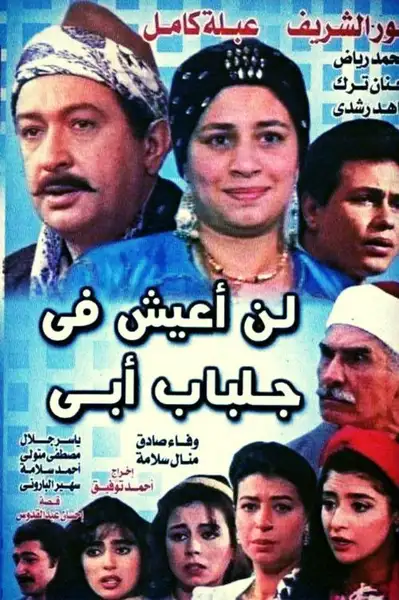
Refreshing and culturally resonant, this Arabic series tackles generational expectations and the challenge of forging individual identity while respecting tradition. The narrative follows characters determined to create their own paths rather than simply following established family patterns—a theme that resonates across cultures but carries specific weight in its cultural context. The writing balances humor with genuine emotional stakes, and the performances bring authenticity to the intergenerational tensions at the story's heart. What makes the series work is its refusal to present simplistic answers; both tradition and progress have value, and the characters must navigate these competing forces with nuance. The production captures contemporary settings while honoring cultural specificity. It's engaging television that offers both entertainment and meaningful exploration of universal themes through a particular cultural lens.

At its core, this British drama series examines ambition, loyalty, and the moral compromises people make when desperation meets opportunity. Created by Tony Jordan, the show follows a group of con artists executing elaborate schemes across London, with each episode typically structured around a single hustle. The ensemble cast, led by Adrian Lester and Robert Vaughn, brings charisma and chemistry that makes even the morally questionable protagonists engaging to watch. The plotting is intricate without becoming convoluted, and the show strikes an appealing balance between episodic satisfaction and ongoing character development. What elevates the series beyond simple caper entertainment is its attention to the psychology of both the hustlers and their marks, exploring why people believe what they want to believe. Smart, stylish, and genuinely entertaining.
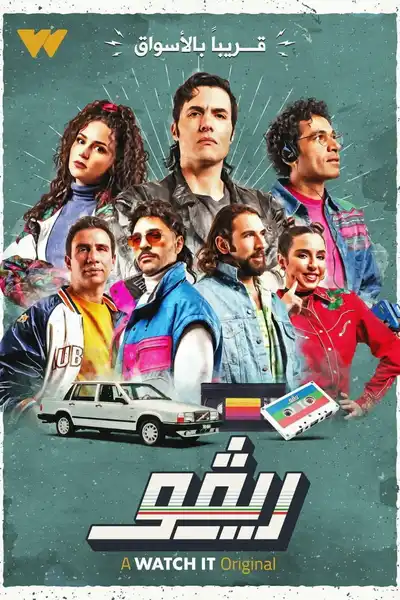
When a group of strangers finds themselves inexplicably connected through a series of mysterious events, they must work together to unravel the truth behind their intertwined fates. Created by Hannu Salonen, this Finnish thriller keeps the tension high across its runtime, expertly balancing character development with propulsive plotting. Lead actors Pihla Viitala and Lauri Tilkanen bring authenticity to their roles, grounding the increasingly complex narrative with genuine emotional stakes. The series distinguishes itself through its atmospheric Nordic setting and willingness to take narrative risks that pay off beautifully. Each episode peels back another layer of the central mystery while deepening our understanding of these richly drawn characters. The pacing is excellent, never rushing through crucial moments but maintaining momentum throughout.
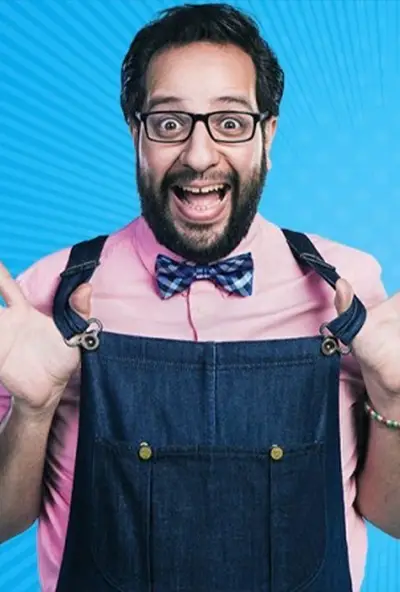
In this series, Flemish comedian and presenter Tom De Cock explores the quirks and contradictions of Belgian culture through sketches, interviews, and social experiments that are as insightful as they are entertaining. Al Plateau takes a satirical but affectionate look at everything from language divisions to local traditions, finding humor in the small absurdities of daily Belgian life. De Cock's approach combines observational comedy with genuine curiosity, creating segments that work both as comedy and cultural commentary. The variety format keeps things lively, mixing pre-recorded pieces with studio segments and guest appearances from Belgian personalities across comedy, music, and media. What prevents the show from feeling like simple mockery is its underlying fondness for its subject matter—the humor comes from a place of recognition rather than contempt. The production values are solid without being flashy, keeping focus on the ideas and performances. For viewers familiar with Belgian culture, it offers knowing laughs; for outsiders, it provides an entertaining window into a complex, multilingual country.
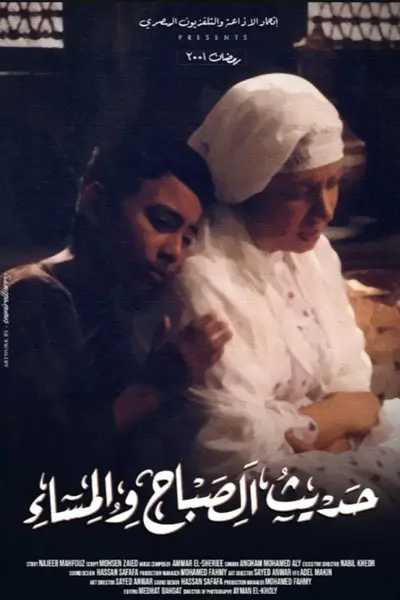
Set against the vibrant backdrop of contemporary Cairo, this Egyptian drama captures the rhythms of daily life through intimate conversations that unfold during morning coffee and late-night reflections. Host Ayman Kandeel creates an uncommonly warm atmosphere where celebrity guests shed their public personas and engage in genuine dialogue about art, society, and personal philosophy. The show's format eschews the typical rapid-fire interview style in favor of meandering discussions that feel more like eavesdropping on friends than watching a traditional talk show. What distinguishes this series is its respect for silence and contemplation—conversations are allowed to breathe, and guests are given space to formulate thoughtful responses rather than rehearsed soundbites. The result is a rare television experience that values depth over spectacle, offering viewers a window into Egyptian intellectual and cultural life that feels both sophisticated and refreshingly accessible.
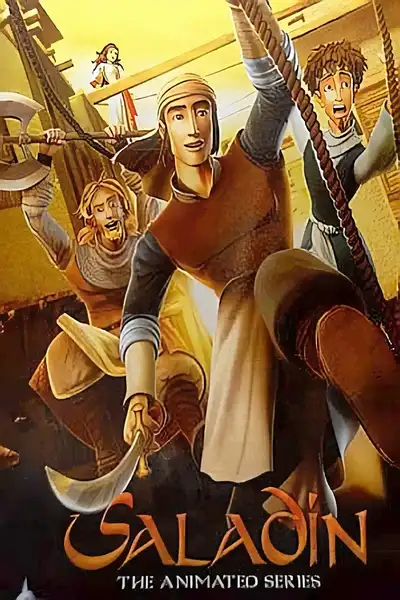
This historical epic chronicles the life of Salah ad-Din Yusuf ibn Ayyub, the legendary 12th-century Muslim military leader who united the Arab world and recaptured Jerusalem during the Crusades. The Syrian production, featuring Jamal Sulaiman in the title role, spans multiple episodes to explore Saladin's rise from military commander to Sultan of Egypt and Syria. What distinguishes this series is its nuanced portrayal of both Islamic and Crusader perspectives during this tumultuous period, avoiding simplistic hero-villain dynamics. The production values are impressive, with elaborate battle sequences and detailed period costumes that bring the medieval Middle East to life. Sulaiman embodies Saladin's combination of military brilliance and diplomatic wisdom, creating a multidimensional portrait of a figure often reduced to legend. For viewers interested in historical drama beyond European perspectives, this series offers rich, engaging storytelling.