Alien Invasion Shows
When extraterrestrial forces descend upon Earth with hostile intent, humanity must unite or perish—a premise that has captivated television audiences for decades through compelling alien invasion shows. These gripping sci-fi series transport viewers into high-stakes scenarios where mankind faces technologically superior beings bent on conquest, colonization, or annihilation. From government conspiracy thrillers that explore shadowy first contact scenarios to pulse-pounding action dramas depicting organized resistance movements, the alien invasion genre delivers endless variations on humanity's ultimate survival test. Whether you're drawn to classic series that defined the genre or cutting-edge modern productions leveraging today's spectacular visual effects, this curated selection of 21 shows spans television history to bring you the most riveting examples of Earth under siege. Expect to encounter secret organizations defending our planet, ordinary people discovering extraordinary courage, and mind-bending explorations of what happens when we're outmatched by forces from beyond the stars. These alien invasion television series combine existential dread with hope, military strategy with personal drama, and scientific speculation with pure entertainment to answer one compelling question: how would humanity really respond when the visitors arrive with war on their agenda?
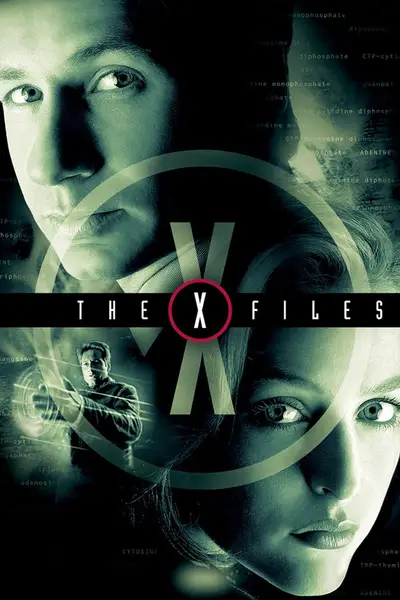
At its core, this is a story about belief—in the unexplained, in each other, and in the search for truth no matter how disturbing it might be. Creator Chris Carter's iconic series pairs FBI agents Fox Mulder and Dana Scully, played with perfect chemistry by David Duchovny and Gillian Anderson, as they investigate paranormal phenomena and government conspiracies. The show's genius lies in its structure, alternating between mythology episodes that build an intricate alien conspiracy and standalone "monster of the week" stories that range from terrifying to thought-provoking. The dynamic between Mulder's believer and Scully's skeptic creates endless dramatic possibilities while developing one of television's most compelling partnerships. The atmosphere is dark and unsettling, with cinematography that makes even ordinary locations feel ominous. While the overarching conspiracy storyline eventually becomes convoluted, the show's best episodes remain masterclasses in tension, character development, and asking unsettling questions about what might be out there.
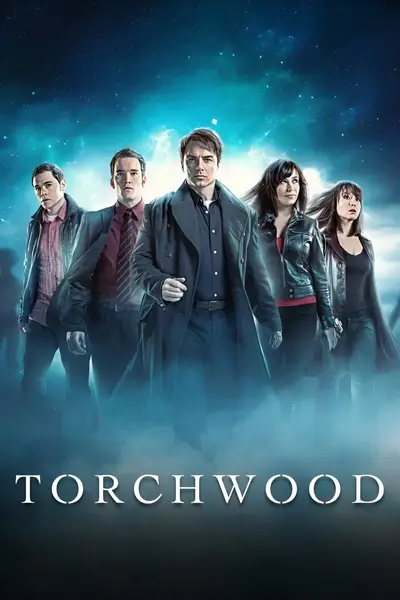
This science fiction drama spun off from Doctor Who follows a secret team of operatives led by the enigmatic Captain Jack Harkness (John Barrowman) as they investigate extraterrestrial threats in Cardiff. Created by Russell T. Davies, the series takes a darker, more adult approach than its parent show, exploring complex themes of mortality, sexuality, and sacrifice. The ensemble cast, including Eve Myles, Burn Gorman, and Gareth David-Lloyd, develops genuine chemistry across its run, with character development that rewards long-term viewers. While early episodes can be uneven in tone, the show hits its stride with ambitious multi-episode arcs like "Children of Earth" that showcase genuinely compelling storytelling. It's essential viewing for Whoniverse fans and stands remarkably well on its own merits as thoughtful, emotionally resonant science fiction with real stakes.
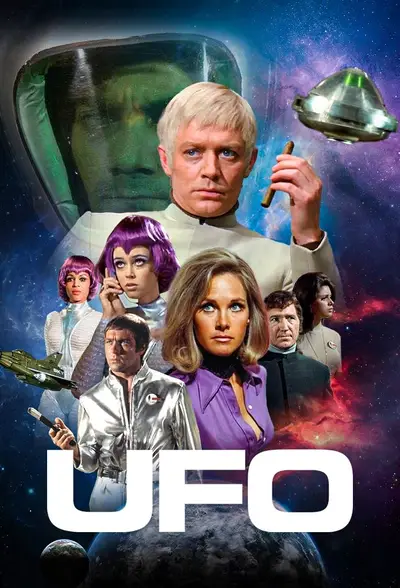
Set in the then-futuristic 1980s, Gerry and Sylvia Anderson's UFO remains a landmark of British science fiction television that has aged remarkably well in both ambition and execution. The series follows SHADO (Supreme Headquarters Alien Defence Organisation), a covert military operation defending Earth from mysterious alien invaders, led by the steely Commander Ed Straker, played with controlled intensity by Ed Bishop. What distinguishes this series from contemporary sci-fi is its grounded approach—the aliens are genuinely threatening, the stakes feel real, and the toll on SHADO personnel is portrayed with unusual psychological depth. The production design, from the purple-wigged moonbase operatives to the sleek submarines and aircraft, creates a distinctive aesthetic that's both of its era and timeless. The show doesn't shy away from darkness, exploring themes of sacrifice, paranoia, and the cost of secrecy with a maturity that stands out even today. For fans of cerebral science fiction with exceptional practical effects and world-building, UFO is essential viewing.

Takahito Ōmori developed this latest entry in the Kamen Rider franchise, and it's a delightfully creative addition that showcases everything that makes the series endure. The story follows Shouma Stomach, a young man who transforms into Kamen Rider Gavv using candy-themed powers to battle monsters while searching for his missing mother. What could have been a silly gimmick instead becomes genuinely inventive, with confectionery motifs integrated cleverly into both the suit designs and combat choreography. Lead actor Hidekazu Chinen brings earnest charm to Shouma, making his personal journey emotionally resonant amid the fantastical action. The show balances episodic monster battles with an engaging serialized narrative that rewards regular viewing. Production values are excellent, with practical effects and CGI blending seamlessly to create memorable action sequences. The writing team finds surprising depth in exploring themes of family, identity, and belonging without ever losing sight of the fun inherent in the premise. It's Kamen Rider firing on all cylinders—imaginative, heartfelt, and thoroughly entertaining.
In this sprawling miniseries from Steven Spielberg, three American families find their lives irrevocably altered by decades of alien visitations and government cover-ups. Executive produced by Spielberg and penned by Leslie Bohem, the ten-episode saga spans multiple generations—from the Roswell incident through the turn of the millennium—weaving together conspiracy thriller elements with intimate family drama. Dakota Fanning delivers a haunting performance as Allie, a child with extraordinary abilities who represents humanity's next evolutionary step, while the ensemble cast including Joel Gretsch and Emily Bergl grounds the supernatural elements in recognizable human emotion. What distinguishes the series is its patient approach to the alien contact narrative, treating it as generational trauma that echoes through bloodlines and shapes destinies. The production values remain impressive, with effects work that serves the story rather than overwhelming it, creating a genuinely moving exploration of wonder, fear, and what it means to be chosen.
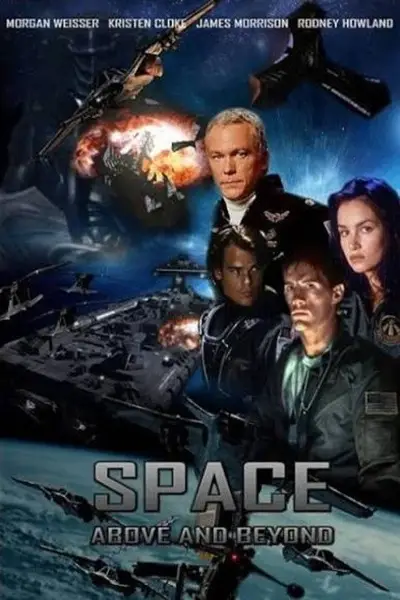
At its core, this is a story about youth, duty, and the brutal cost of war, following a squadron of young Marines fighting humanity's first interstellar conflict against an alien enemy. Created by Glen Morgan and James Wong, the series stars Morgan Weisser, Kristen Cloke, and Rodney Rowland as members of the 58th "Wild Cards" squadron, artificial-born soldiers fighting the mysterious Chigs. The show doesn't shy away from the psychological toll of combat, delivering character-driven drama alongside impressive (for 1995) space battle sequences. While the alien invasion provides the backdrop, the series is really about the bonds formed between soldiers and the sacrifices demanded by war. The ensemble cast is strong, and the writing treats its military subjects with respect while questioning the institutions that send young people to fight. It deserved more than its single season.
Wyatt Cenac stars as Ozzie Graham, a skeptical journalist investigating a support group for alien abductees in this delightfully offbeat comedy from creators David Jenkins and Corey Campodonico. What begins as an assignment to mock believers becomes something far more complicated when Ozzie begins experiencing his own strange memories and encounters. The ensemble cast, including Ana Gasteyer, Oscar Nuñez, and Alice Wetterlund, brings warmth and authenticity to characters who could have been mere punchlines in lesser hands. The show brilliantly balances its absurd premise with genuine emotional stakes, finding humor in both the cosmic and the mundane aspects of small-town life. With sharp writing that respects its characters' experiences while never losing sight of the inherent comedy, this series offers a refreshingly original take on both alien mythology and workplace dynamics.
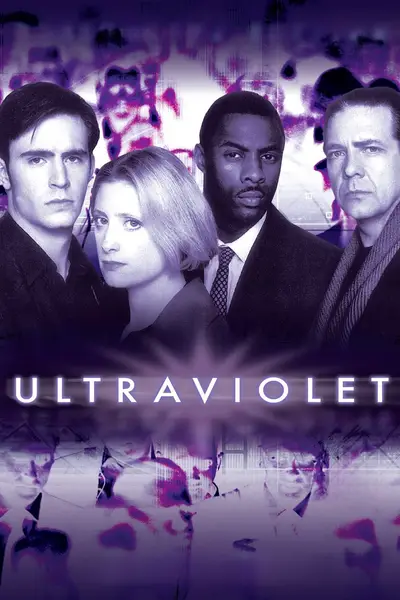
A covert government unit battles vampires in contemporary Britain, but these aren't your typical bloodsuckers—they're portrayed as a genuine threat that operates in the shadows of modern society. Created by Joe Ahearne, this British series takes a procedural approach to supernatural horror, with Jack Davenport leading the squad of investigators who use science and technology rather than crosses and holy water. The show's strength lies in its grounded tone; it treats the vampire threat seriously and explores the moral complexities of hunting beings that were once human. However, the short six-episode run feels both rushed and padded simultaneously, with some storylines receiving insufficient development while others meander. The production values are solid for late-90s British television, though they feel dated now. It's an interesting curiosity for vampire genre completists, offering a different take on familiar mythology, but it ultimately feels like unrealized potential.
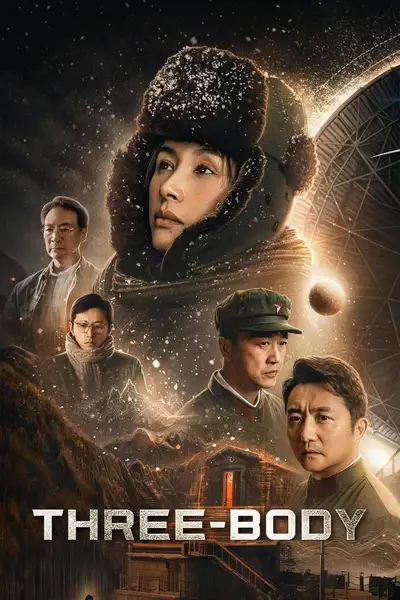
When humanity receives messages from an alien civilization that will arrive in 400 years, scientists discover the extraterrestrials have already deployed technology to halt Earth's scientific progress, triggering a global crisis about survival and resistance. Based on Liu Cixin's renowned novel, this Chinese adaptation stars Yu Hewei and Chen Jin navigating the political and scientific turmoil following first contact. The series excels at translating the novel's complex scientific concepts and philosophical questions into compelling drama, maintaining the source material's hard science fiction rigor while developing emotionally resonant characters. Production values are impressive, particularly when visualizing the story's more mind-bending technological elements. Director Yang Lei handles the large-scale narrative with confidence, balancing intimate character moments with civilization-scale stakes. For science fiction fans who appreciate cerebral concepts alongside their drama, this delivers on both fronts. The adaptation captures the novel's sense of cosmic dread while remaining grounded in recognizable human concerns about faith, science, and survival.
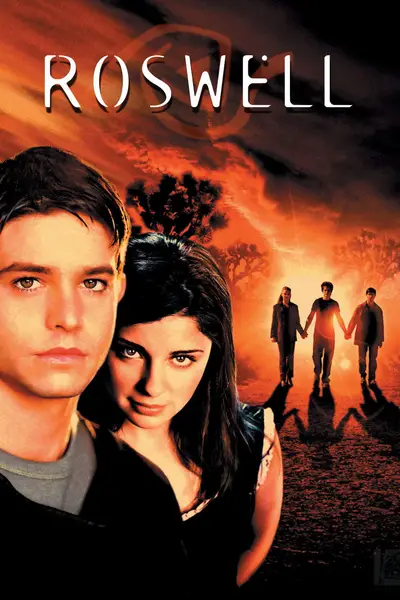
This science fiction teen drama follows three teenage aliens hiding in plain sight in Roswell, New Mexico, as they navigate high school romance while concealing their extraterrestrial origins from humans—including the girl one of them loves. Developed by Jason Katims and based on the Roswell High book series, the show starred Shiri Appleby, Jason Behr, and Katherine Heigl. The series worked when it balanced genuine emotion with its sci-fi premise, finding surprising depth in its exploration of identity and belonging. The conspiracy mythology and alien mythology expanded across three seasons, though the show sometimes struggled to balance teen melodrama with darker thriller elements. It cultivated a devoted fanbase despite never achieving mainstream ratings success. For viewers seeking nostalgic late-'90s teen television with a speculative twist, it delivers exactly that experience.
After a devastating hurricane strikes a small Florida town, the waters recede to reveal something far more sinister than natural disaster—people are returning from the storm subtly changed, and Sheriff Tom Underlay knows more about the phenomenon than he's willing to admit. Created by Shaun Cassidy, this atmospheric thriller benefits enormously from William Fichtner's unsettling performance as Underlay, a man whose protective instincts blur into something potentially sinister. Eddie Cibrian and Kari Matchett anchor the series as divorced couple Russell and Larkin, whose family becomes ground zero for investigating the invasion while protecting their children from the truth. The show excels at building paranoid tension in its Florida setting, where the lush environment feels increasingly hostile and every neighbor might be compromised. While it suffers somewhat from network television's demand for procedural elements, the serialized mystery proves genuinely compelling, exploring themes of identity, family, and what makes us fundamentally human even when the answers arrive slowly.
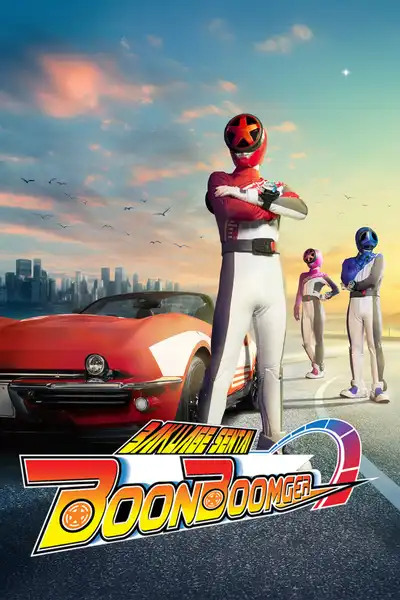
From the creators of the long-running Super Sentai franchise comes this colorful entry featuring a team of heroes who transform into race car-themed warriors to battle interdimensional threats. The series follows the established formula of the tokusatsu genre: a diverse team, transformation sequences, monster-of-the-week battles, and an overarching villain conspiracy. The automotive theme allows for creative vehicle designs and racing-inspired action sequences that younger viewers will likely enjoy. As with most Sentai series, the tone is energetic and aimed squarely at children, with straightforward moral lessons and broad humor. The practical effects and suit work maintain the franchise's traditional aesthetic, which will either feel charmingly retro or dated depending on your perspective. Adult viewers coming to it without nostalgia may find it simplistic, while franchise fans will appreciate the familiar rhythms and spectacle. It delivers exactly what the genre promises without pushing boundaries or surprising anyone familiar with Sentai conventions.
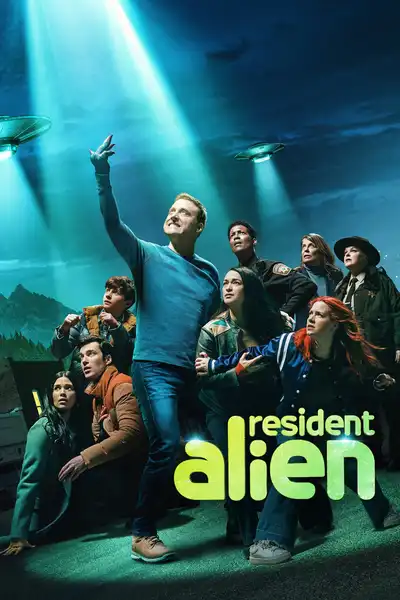
Chris Sheridan adapts the Dark Horse Comics series into a delightfully odd comedy about an extraterrestrial who crash-lands in rural Colorado and assumes the identity of a small-town doctor. Alan Tudyk delivers a masterclass in physical comedy and deadpan delivery as Harry, an alien initially tasked with destroying humanity but gradually developing unexpected connections with the quirky locals. The fish-out-of-water premise works because the show balances its science fiction elements with genuine character development, particularly in Harry's relationships with Sheriff Mike (Corey Reynolds) and the suspicious young Max (Judah Prehn), who can see through Harry's human disguise. Sara Tomko shines as Asta, the nurse who becomes Harry's reluctant guide to humanity. The series smartly blends procedural mystery elements with its comedic premise, and the small-town setting allows for an ensemble cast of memorable characters. It's quirky without being cloying, and surprisingly heartfelt.
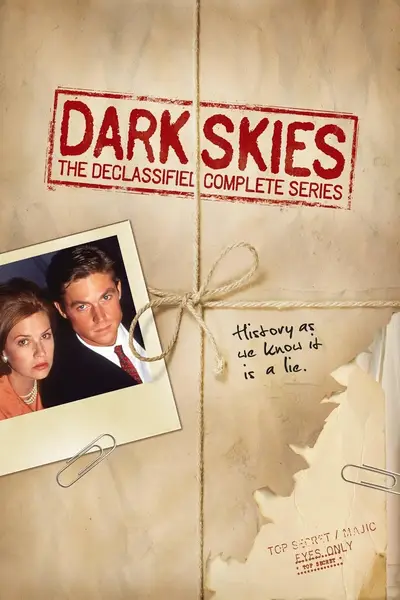
In this series, a young couple working for a government contractor in the 1960s stumbles upon evidence that extraterrestrials have been influencing human history for decades. Created by Bryce Zabel and Brent Friedman, Dark Skies stars Eric Close and Megan Ward as John Loengard and Kimberly Sayers, whose discovery pulls them into a shadowy world of conspiracy and cover-ups. The show weaves real historical events and figures into its alien mythology, creating an alternate history where the Space Race and Cold War take on new dimensions. J.T. Walsh appears as the enigmatic Captain Frank Bach, representing the mysterious Majestic-12 organization. The X-Files comparisons are inevitable, but Dark Skies carves its own path with its period setting and ambitious mythology that reimagines post-war America through a science fiction lens.
In this ambitious adaptation of Arthur C. Clarke's classic science fiction novel, Earth experiences a peaceful alien invasion when the mysterious Overlords arrive in massive ships and usher in an era of unprecedented prosperity—but their true purpose remains hidden for decades. The three-part miniseries from showrunner Matthew Graham tackles Clarke's cerebral exploration of humanity's evolution and the cost of utopia with impressive visual effects and a stellar cast including Mike Vogel, Osy Ikhile, and Daisy Betts. Charles Dance voices the Overlord Karellen with appropriate gravitas, while Colm Meaney adds weight to the human drama. The production successfully captures the novel's sense of cosmic mystery and philosophical weight, even if condensing such sprawling source material into six hours requires some narrative shortcuts. What it does particularly well is maintain the story's deeply ambiguous tone about whether humanity's transformation represents transcendence or tragedy, refusing to provide simple answers to complex questions about free will and destiny.
In present-day America, an alien visitor arrives on Earth seeking help to save both his dying planet and ours from imminent environmental collapse. This continuation of the 1976 film starring David Bowie takes the core concept in fresh directions, with Chiwetel Ejiofor delivering a compelling performance as Faraday, the extraterrestrial engineer racing against time. Showrunners Alex Kurtzman and Jenny Lumet craft a science fiction narrative that balances big ideas about climate change and corporate greed with intimate character moments. Naomie Harris shines as Justin Falls, the scientist who becomes Faraday's reluctant ally, and their developing partnership forms the emotional core of the series. The show's visual style impresses, creating a world that feels both grounded and otherworldly, while the mystery surrounding Faraday's mission unfolds at an engaging pace that rewards patient viewers willing to embrace its thoughtful approach.
When most of humanity is blinded by a spectacular meteor shower and carnivorous plants begin to hunt the survivors, a small group must find a way to endure in a rapidly collapsing civilization. This BBC adaptation of John Wyndham's classic novel stars John Duttine as Bill Masen, one of the few sighted people left after the catastrophe, who bands together with others including Josella Playton, played by Emma Relph. The six-part serial effectively captures the novel's post-apocalyptic dread while working within the constraints of early 1980s television. The triffids themselves, while limited by the era's effects technology, remain unsettling through sound design and suggestion. What makes the series work is its focus on social breakdown and human nature under extreme pressure rather than relying solely on monster scares. The pacing allows for character development and thoughtful exploration of Wyndham's themes about dependency and survival.
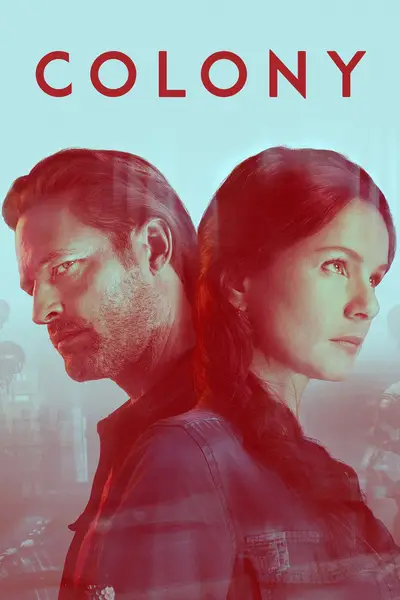
Set in a near-future Los Angeles under alien occupation, this sci-fi drama from Carlton Cuse and Ryan Condal follows the Bowman family as they navigate survival in a world divided by walls and collaboration. Josh Holloway and Sarah Wayne Callies star as parents making difficult choices about whether to resist or cooperate with the authoritarian regime installed by their extraterrestrial overlords. The premise is intriguing and the production values are solid, creating a believably oppressive atmosphere in a familiar city transformed by occupation. However, the series struggles with uneven pacing and occasionally frustrating character decisions that strain credibility. The show's ambitious mythology sometimes promises more than it delivers, and while there are genuinely tense moments exploring family loyalty versus moral responsibility, it doesn't always capitalize on its potential. It's worth a watch for sci-fi fans, but temper expectations.
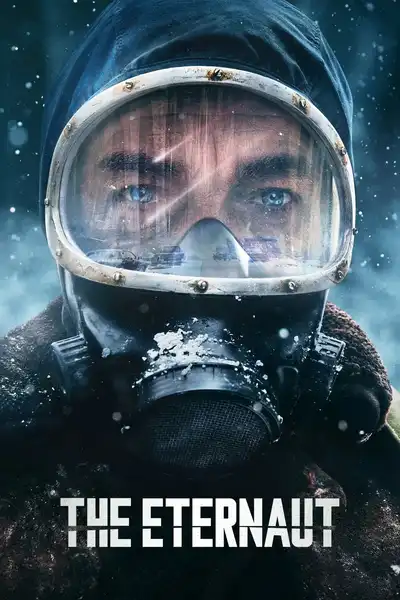
This Argentine adaptation explores humanity's capacity for both resilience and moral compromise when faced with an extinction-level crisis that strips away the veneer of civilization. Based on Héctor Germán Oesterheld's groundbreaking graphic novel, the series follows ordinary Buenos Aires residents who must navigate both an alien threat and the darker impulses of their fellow survivors. Ricardo Darín anchors the ensemble cast as Juan Salvo, attempting to protect his family as society collapses around them. The production design effectively captures the eerie sight of a modern city depopulated and slowly being consumed by otherworldly forces. However, the series struggles with pacing, stretching what could have been a tight thriller across too many episodes that emphasize the same themes repeatedly. The performances are committed and the source material's Cold War allegory has been updated with mixed success for contemporary audiences. When it focuses on intimate human moments amid catastrophe, it resonates; when it reaches for broader social commentary, it can feel heavy-handed. There's potential here, but it needed tighter execution to fully realize the graphic novel's haunting vision.
When seemingly friendly aliens called the Visitors arrive on Earth offering advanced technology and medical breakthroughs in exchange for resources, humanity welcomes them with open arms—until journalist Mike Donovan and scientist Julie Parrish uncover the terrifying truth beneath the extraterrestrial veneer. Created by Kenneth Johnson, this continuation of the groundbreaking miniseries extends the allegory about fascism and collaboration into a full network series. Marc Singer and Faye Grant lead the resistance movement with genuine conviction, while Jane Badler remains deliciously menacing as Diana, the ruthless Visitor commander. The show captures that quintessential '80s sci-fi charm with its practical effects and earnest performances, even when the reptilian makeup doesn't quite convince. Despite budget constraints that occasionally show, the series maintains compelling tension between the occupying force and human resistance fighters.
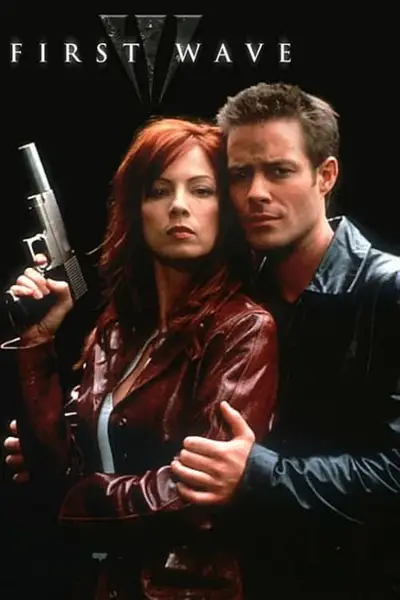
Rob Egan stars as Cade Foster, a security expert whose life is shattered when he's framed for murder and discovers an alien conspiracy to conquer Earth. Created by Chris Brancato, this late-90s sci-fi thriller follows Foster as he goes on the run, racing to stop the invasion while evading both the extraterrestrial infiltrators and human authorities. The show blends X-Files-style paranoia with action-adventure elements, offering a compelling protagonist whose technical skills and determination make him a resourceful underdog. While the special effects show their age and some episodes fall into formulaic territory, the overarching mythology remains engaging, and Egan brings genuine intensity to his role. The series works best when exploring the isolation and paranoia of Foster's predicament, delivering solid genre entertainment for viewers who appreciate conspiracy-driven science fiction.